Greater scissortail
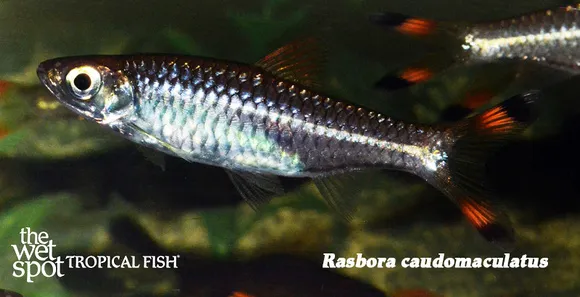
Rasbora caudimaculata
Also known as Greater scissortail rasbora, Spot-tailed rasbora, Red Scissortail Rasbora
FreshwaterFish
Care at a glance
- Temperature
- 68–79°F
- 20–26°C
- pH
- 5.5–7.5
- Adult size
- 5.1 in
- 13 cm
- Minimum tank
- 53 gal
- 200 L
- Temperament
- Peaceful
- Social behavior
- Schooling
- Swim level
- Top
- Difficulty
- Easy
- Breeding
- Hard
- Rarity
- Common
- Family
- Cyprinidae
- Origin
- Native to forest streams and rivers of the Malay Peninsula, Sumatra, and Borneo.
Overview
Give greater scissortails a long tank of at least 200 litres, since they are powerful swimmers that reach around 13 cm and jump well, so a tight lid is essential. Keep water clean and gently flowing at 20 to 26 C with a pH of 5.5 to 7.5 and soft to medium hardness. Keep a group of at least six to spread out chasing and to see natural schooling. They are peaceful with fish too large to eat and take flakes, pellets, and frozen or live foods eagerly.
In the wild
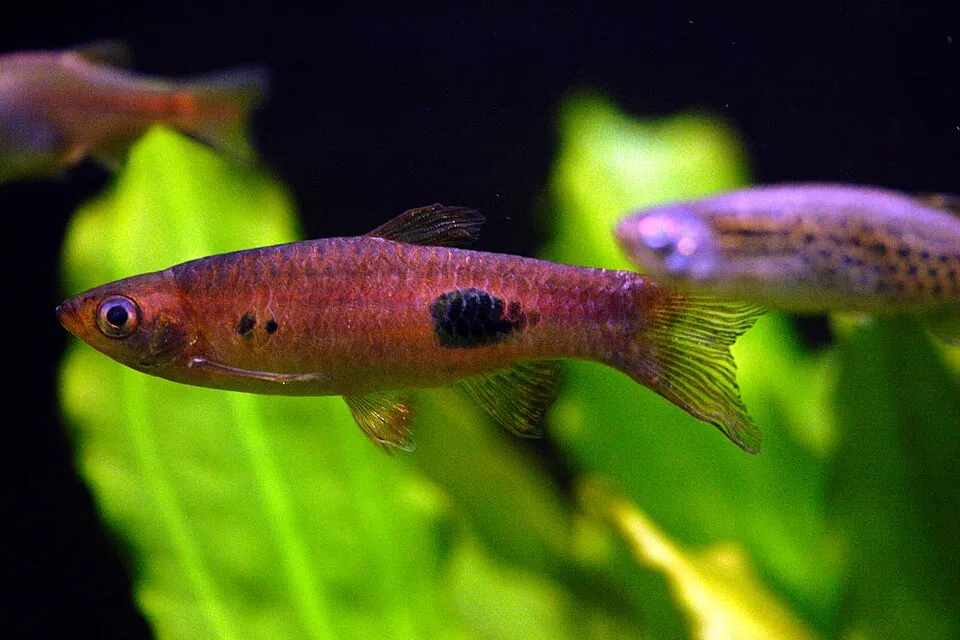
The greater scissortail comes from clear to tannin-stained streams and larger rivers across Southeast Asia. It is a strong, active swimmer that patrols the upper half of open water in fast shoals. The deeply forked tail carries bold black and yellow tips that flick as the fish turns. It is a big rasbora that needs real swimming room.
Good to know
Rasbora caudimaculata is the largest of the scissortail rasboras and can reach about 13 cm, well above the more common Rasbora trilineata. The forked, marked tail is the origin of the scissortail name. It is closely tied to flowing forest streams and shows its best condition in clean, oxygen-rich water.
Did you know
The black and yellow tail tips flash like scissor blades as the shoal changes direction, which is where both the common name and the species name caudimaculata, meaning spotted tail, come from.
Weekly picks
Tank mates
Greater scissortail is a peaceful, schooling species that keeps to the top. These picks share a community profile with it, are safe together in both directions, and overlap on water type, temperature and pH.
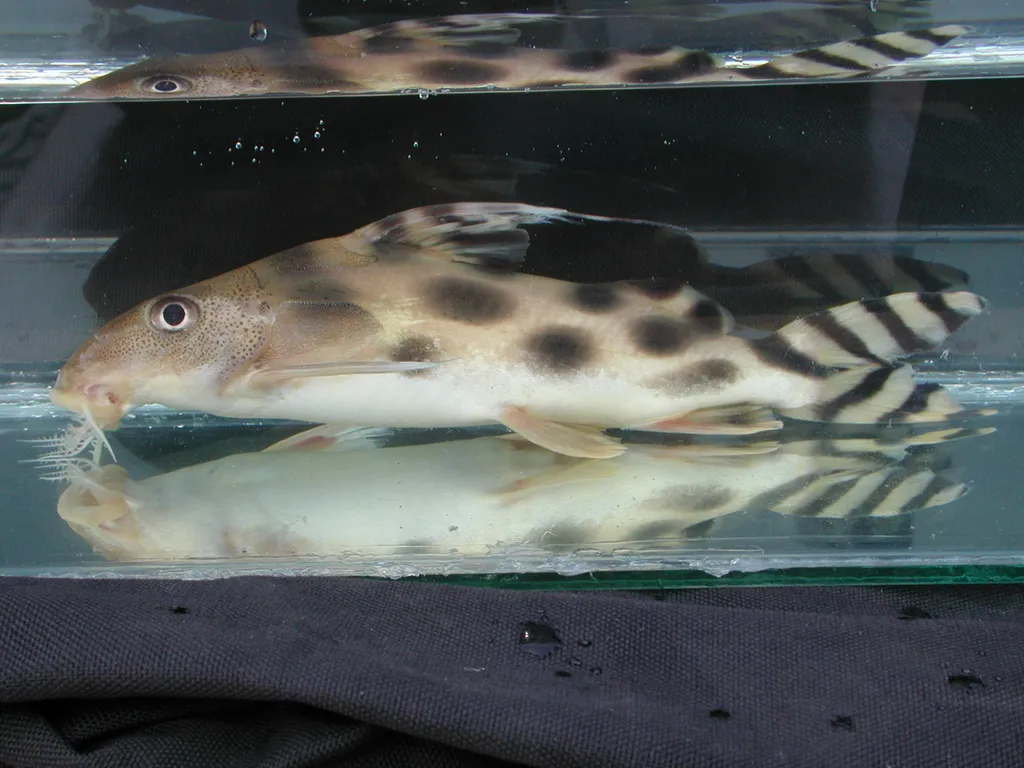
Decorated squeaker
Synodontis decorus
Freshwater11.8 in (30 cm) · 53 gal (200 L)72–81°F (22–27°C)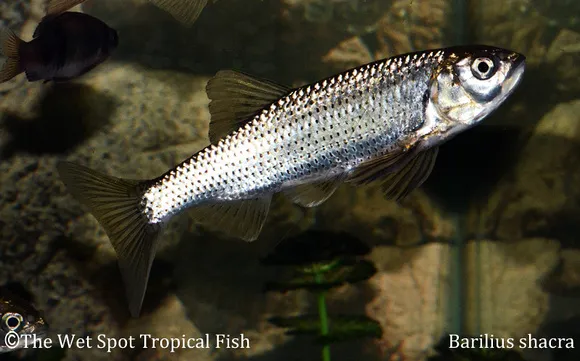
Shacra baril
Opsarius shacra
Freshwater5.5 in (14 cm) · 53 gal (200 L)64–79°F (18–26°C)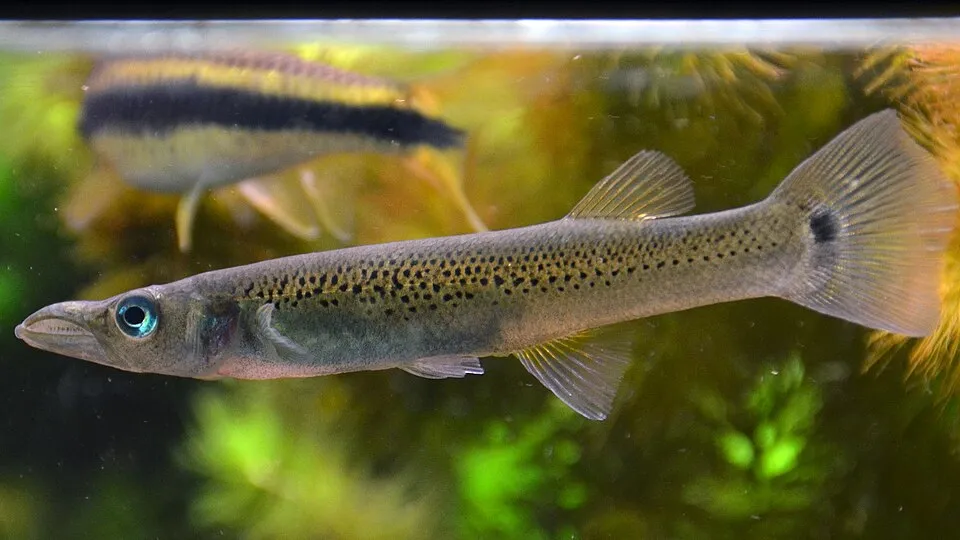
Pike topminnow
Belonesox belizanus
Freshwater7.9 in (20 cm) · 44 gal (165 L)73–82°F (23–28°C)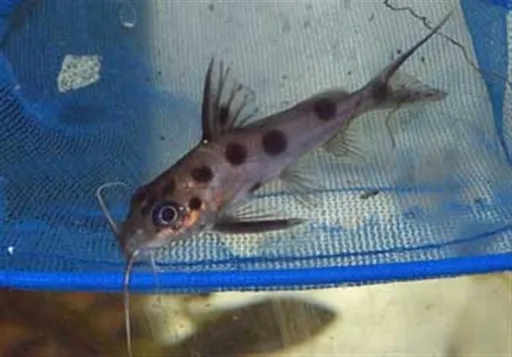
One-spot synodontis
Synodontis notatus
Freshwater9.8 in (25 cm) · 53 gal (200 L)72–81°F (22–27°C)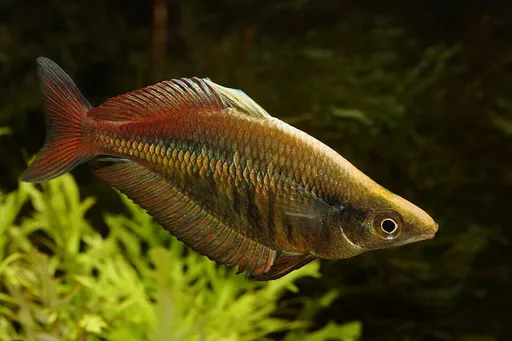
Barred rainbowfish
Chilatherina fasciata
Freshwater4.7 in (12 cm) · 53 gal (200 L)75–86°F (24–30°C)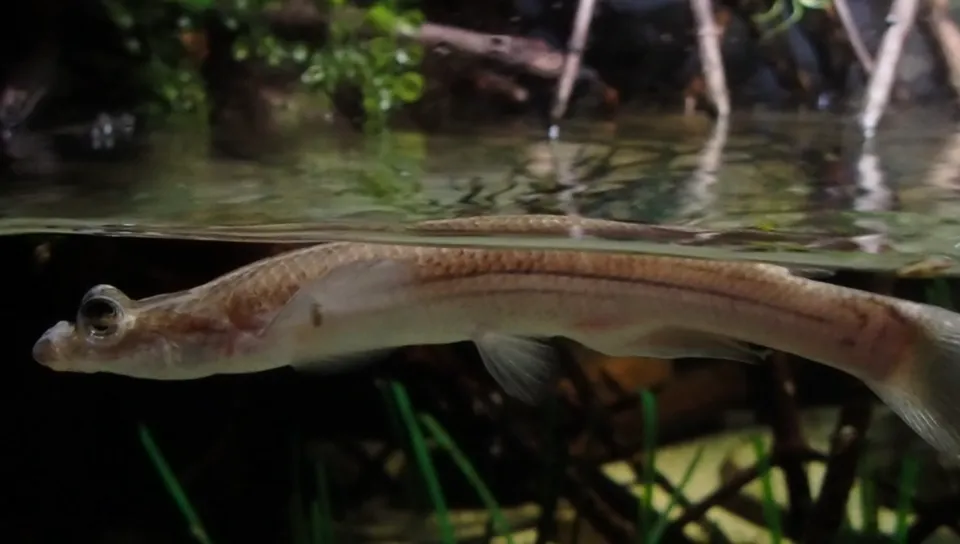
Largescale four-eyed fish
Anableps anableps
FreshwaterBrackish11.8 in (30 cm) · 70 gal (265 L)77–88°F (25–31°C)
Common questions
What size tank does a Greater scissortail need?
A Greater scissortail needs at least 53 gal (200 L). It spends most of its time in the top.
What temperature and pH does a Greater scissortail need?
A Greater scissortail is comfortable at 68–79°F (20–26°C) with a pH of 5.5–7.5.
How big does a Greater scissortail get?
An adult Greater scissortail reaches about 5.1 in (13 cm).
Does a Greater scissortail need a group?
Yes. A Greater scissortail is a schooling species and should be kept in a group, not singly.
Related species
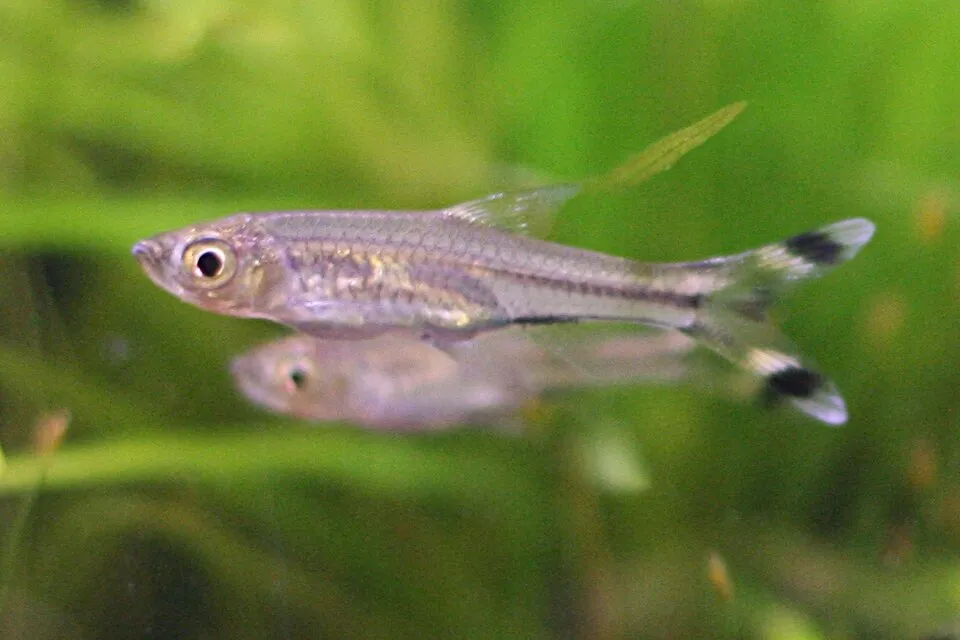 5.5 in (14 cm)45 gal (170 L)72–77°F (22–25°C)
Scissortail rasbora
Rasbora trilineata
5.5 in (14 cm) · 45 gal (170 L)
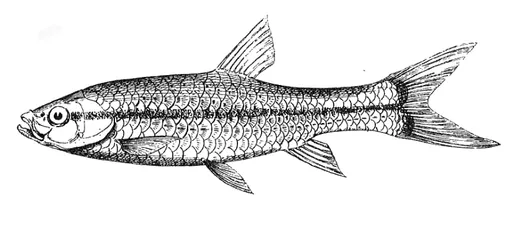 3.9 in (10 cm)32 gal (120 L)72–81°F (22–27°C)
Slender rasbora
Rasbora daniconius
3.9 in (10 cm) · 32 gal (120 L)
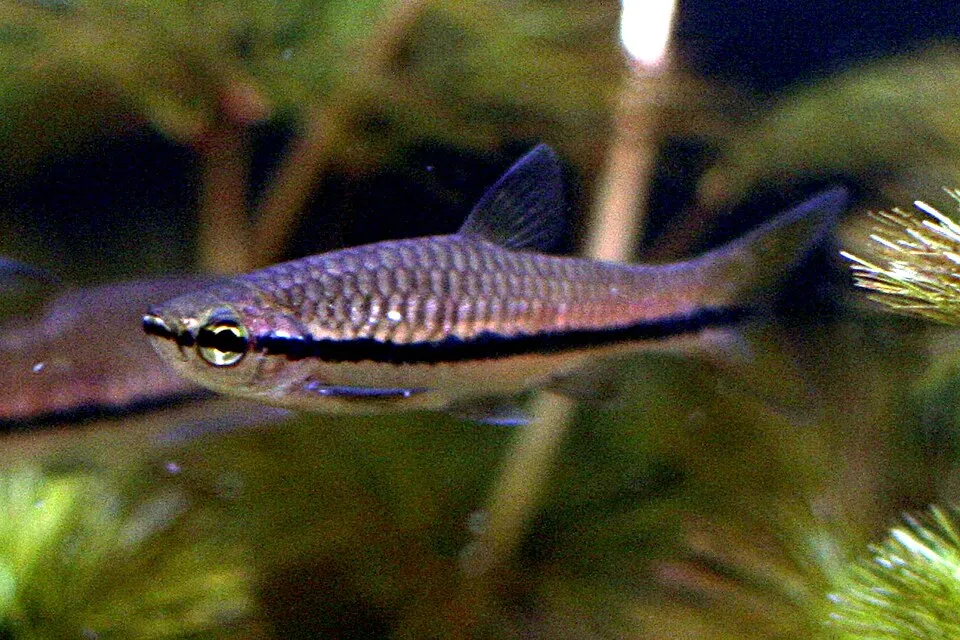 3.5 in (9 cm)20 gal (75 L)72–82°F (22–28°C)
Brilliant rasbora
Rasbora einthovenii
3.5 in (9 cm) · 20 gal (75 L)
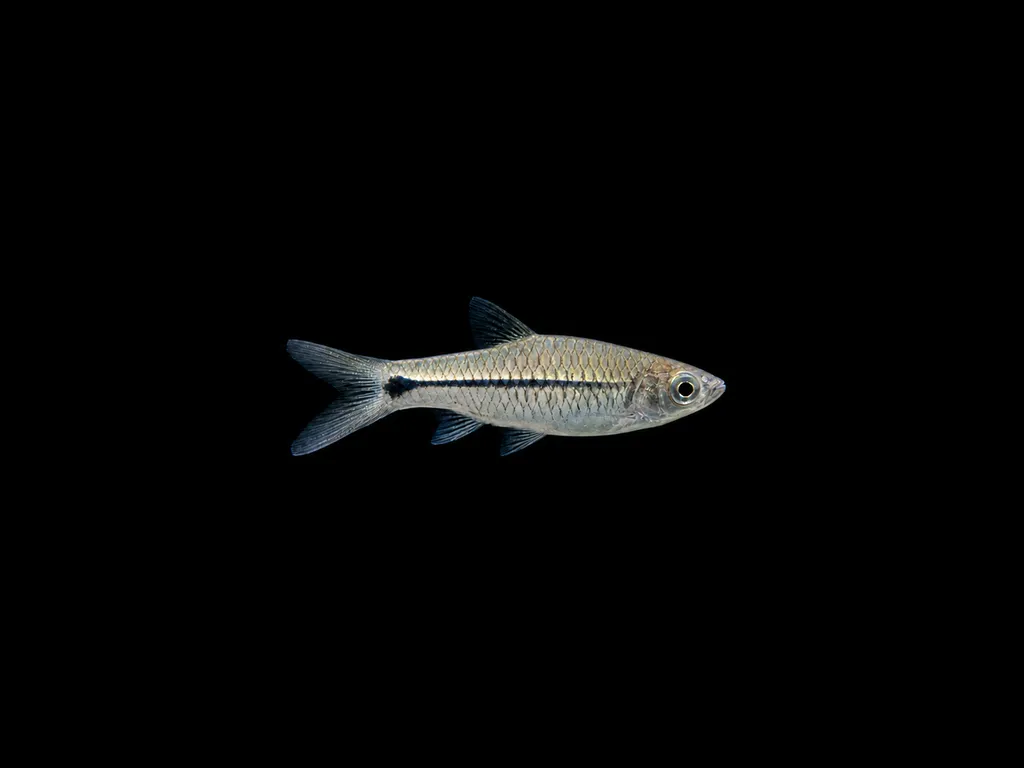 3.1 in (8 cm)32 gal (120 L)72–79°F (22–26°C)
Sidestripe rasbora
Rasbora paviana
3.1 in (8 cm) · 32 gal (120 L)
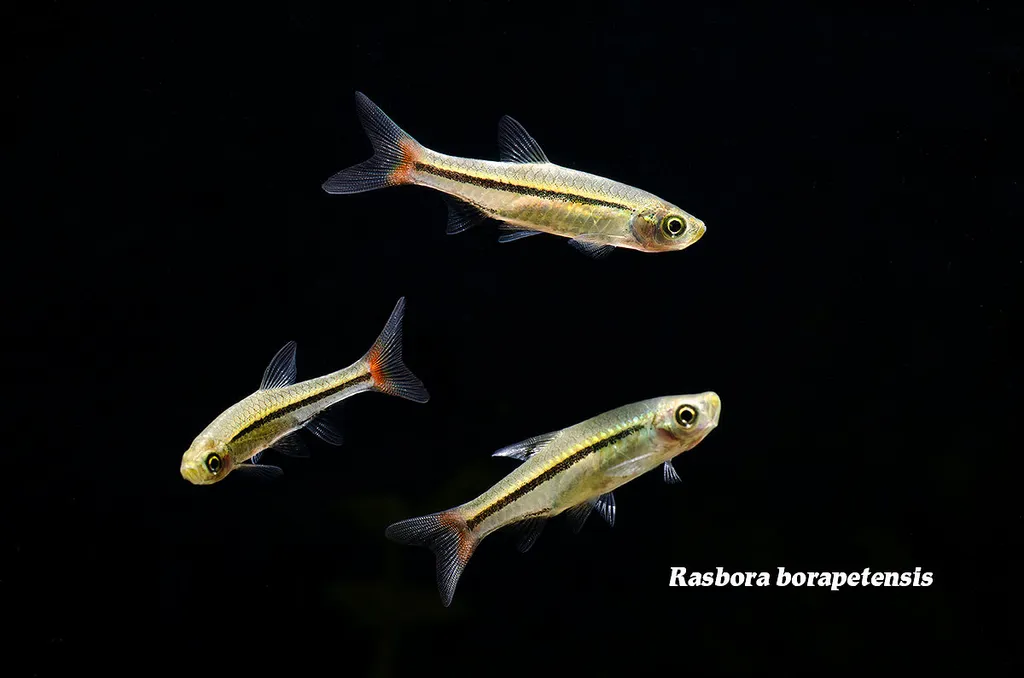 2.4 in (6 cm)18 gal (70 L)72–79°F (22–26°C)
Red-tailed rasbora
Rasbora borapetensis
2.4 in (6 cm) · 18 gal (70 L)
 3.9 in (10 cm)34 gal (130 L)73–82°F (23–28°C)
Clown rasbora
Rasbora kalochroma
3.9 in (10 cm) · 34 gal (130 L)