Thereuterion hap
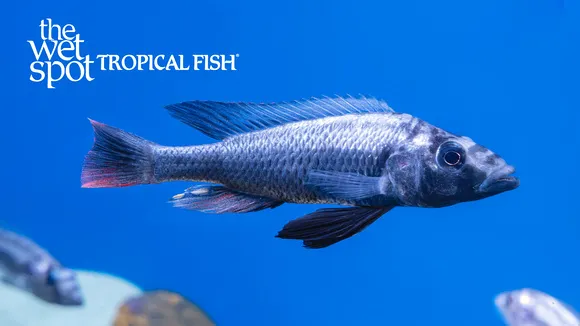
Haplochromis thereuterion
Also known as Snout hunter hap
FreshwaterFish
Care at a glance
- Temperature
- 73–81°F
- 23–27°C
- pH
- 7.0–8.5
- Adult size
- 3.9 in
- 10 cm
- Minimum tank
- 53 gal
- 200 L
- Temperament
- Mostly peaceful
- Social behavior
- Social
- Swim level
- Middle
- Diet
- Carnivore
- Difficulty
- Medium
- Breeding
- Mouthbrooder · Medium
- Rarity
- Rare
- Family
- Cichlidae
- Origin
- Lake Victoria, rocky shores
Overview
The Thereuterion hap is a small, active cichlid that swims mostly in the open middle and upper levels. It takes a little more care than a beginner fish.
Did you know
The Thereuterion hap belongs to the flock of small Lake Victoria cichlids hit hard by the introduced Nile perch. Many of its relatives vanished, and this insect hunter is one of the survivors still found along the rocky shores.
Caring for the Thereuterion hap
A tank of at least 53 gal (200 L) gives a group of Thereuterion haps room to move. Give them rockwork, clear open swimming space and a sandy floor, with good current and oxygen.
Keep the water warm and hard-leaning to alkaline, at 73 to 81°F (23 to 27°C) and a pH of 7.0 to 8.5. It feeds high in the water and hunts small insect larvae. Offer small frozen foods, insect-based and color-enhancing pellets, and flake.
The Thereuterion hap naturally lives in groups, so keep several together rather than a single fish. It is relatively peaceful for a haplochromine and mixes well with other robust Victorian cichlids of similar size and speed.
It is a maternal mouthbrooder, and the female holds the eggs and fry in her mouth. Breeding it is of moderate difficulty.
Good to know
The Thereuterion hap, Haplochromis thereuterion, is a slender cichlid built for chasing prey rather than grazing. Its name comes from a Greek word for hunter, matching its diet of insect larvae taken near the surface. It is also known as the snout hunter hap.
In the wild
The Thereuterion hap hunts along wave-washed rocky shores in the south of Lake Victoria. It feeds in open water above and around the stone.
Weekly picks
Tank mates
The Thereuterion hap is a mostly peaceful, social species that keeps to the middle. These picks share a community profile with it, are safe together in both directions, and overlap on water type, temperature and pH.
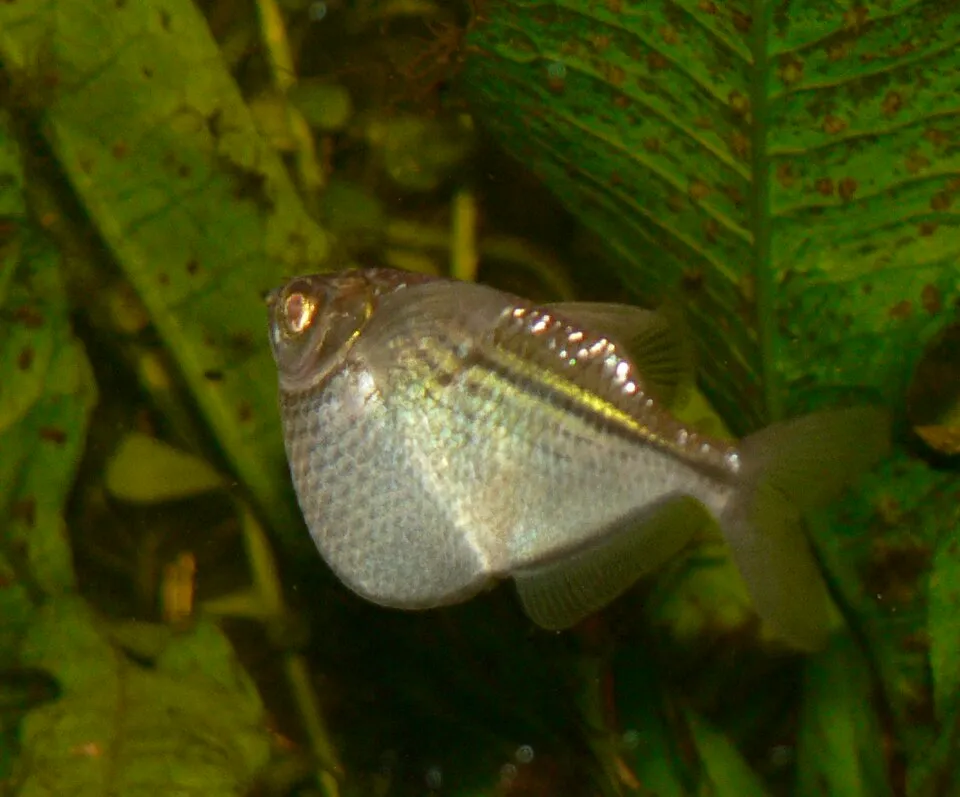
Common hatchetfish
Gasteropelecus sternicla
Freshwater1.6 in (4 cm) · 33 gal (125 L)68–82°F (20–28°C)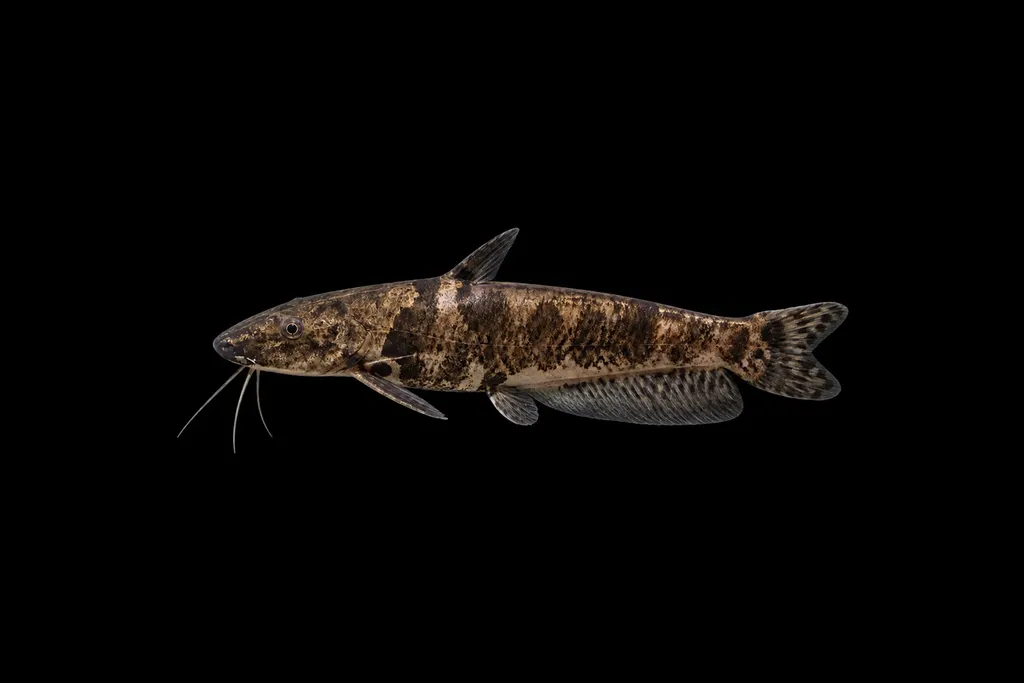
Zamora catfish
Auchenipterichthys thoracatus
Freshwater5.5 in (14 cm) · 53 gal (200 L)73–82°F (23–28°C)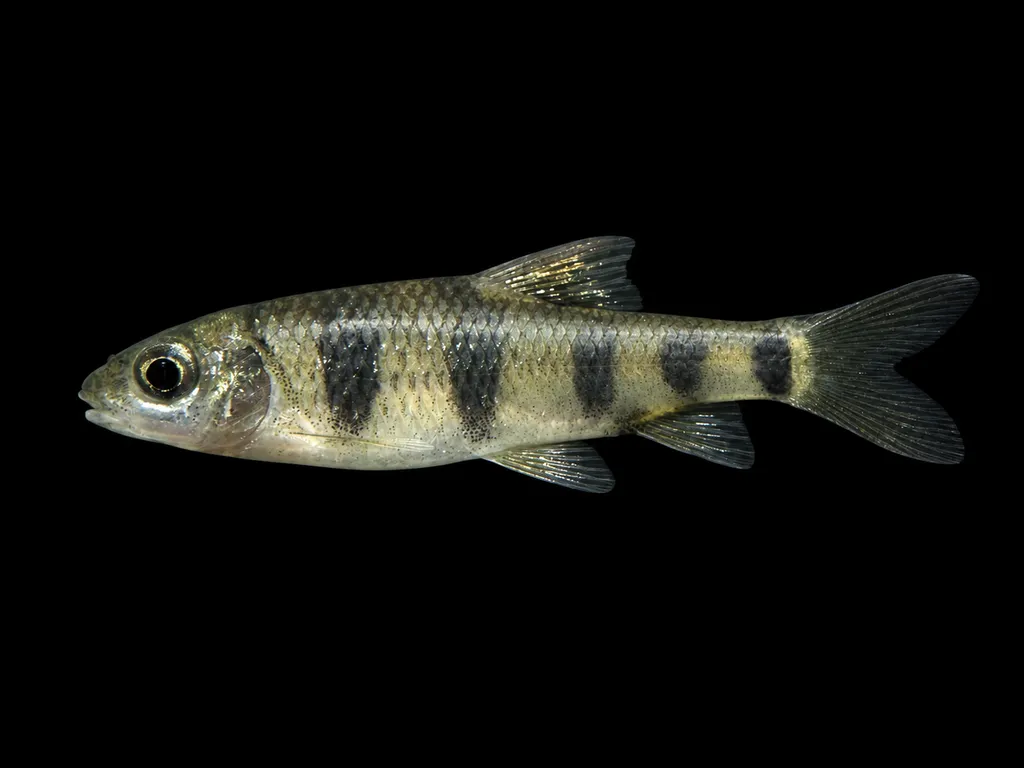
Beijiang barb
Acrossocheilus beijiangensis
Freshwater5.1 in (13 cm) · 53 gal (200 L)64–79°F (18–26°C)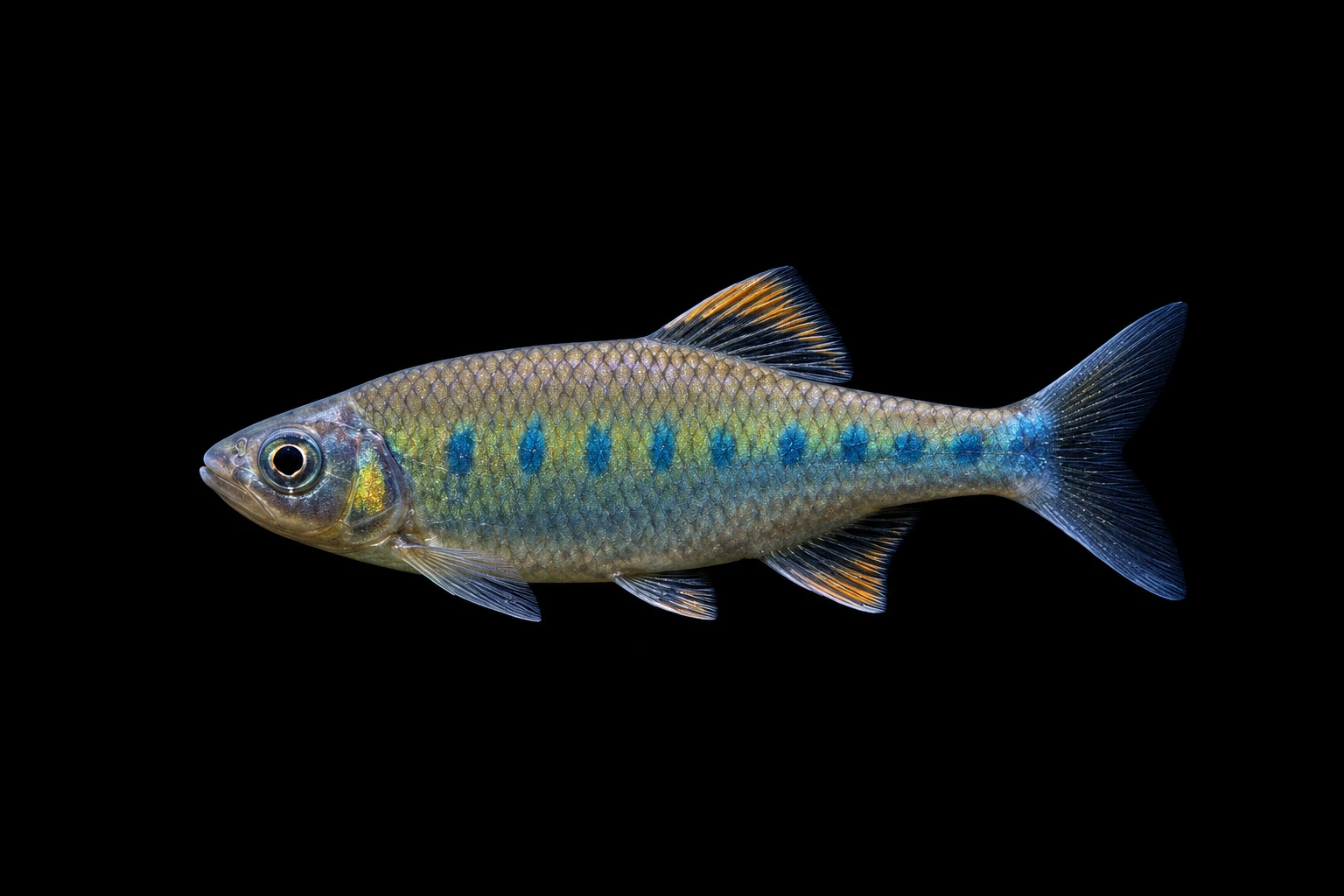
Blue spotted hill trout
Barilius bakeri
Freshwater5.1 in (13 cm) · 53 gal (200 L)64–79°F (18–26°C)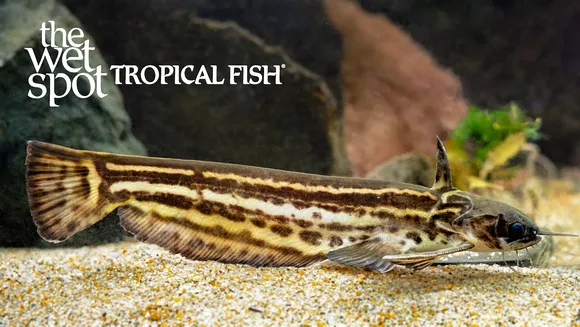
Striped woodcat
Trachelyopterichthys taeniatus
Freshwater5.9 in (15 cm) · 53 gal (200 L)73–82°F (23–28°C)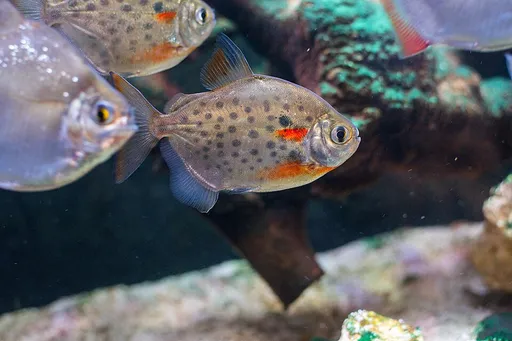
Spotted silver dollar
Metynnis lippincottianus
Freshwater5.5 in (14 cm) · 53 gal (200 L)73–81°F (23–27°C)
Common questions
What size tank does a Thereuterion hap need?
A Thereuterion hap needs at least 53 gal (200 L). It spends most of its time in the middle.
What temperature and pH does a Thereuterion hap need?
A Thereuterion hap is comfortable at 73–81°F (23–27°C) with a pH of 7.0–8.5.
What does a Thereuterion hap eat?
A Thereuterion hap eats small frozen foods, insect-based and color-enhancing pellets, and flake. It feeds high in the water, where it hunts small insect larvae.
How big does a Thereuterion hap get?
An adult Thereuterion hap reaches about 3.9 in (10 cm).
How does a Thereuterion hap breed?
The Thereuterion hap is a maternal mouthbrooder, and the female holds the eggs and fry in her mouth. Breeding it is of moderate difficulty.
Related species
- 4.3 in (11 cm)53 gal (200 L)73–81°F (23–27°C)
Lividus hap
Haplochromis lividus
4.3 in (11 cm) · 53 gal (200 L)
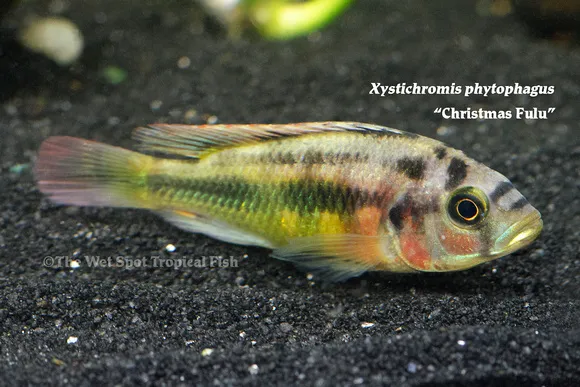 3.9 in (10 cm)53 gal (200 L)73–81°F (23–27°C)
Christmas fulu
Xystichromis phytophagus
3.9 in (10 cm) · 53 gal (200 L)
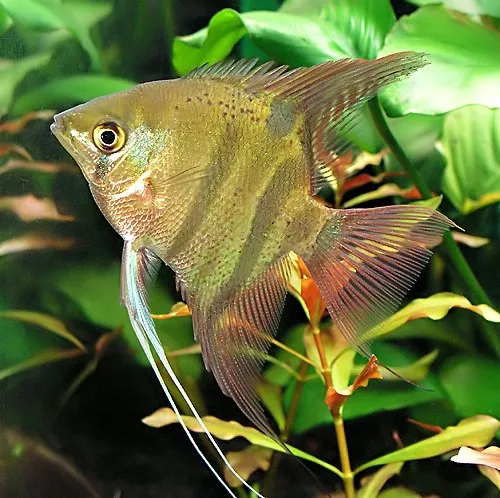 3.9 in (10 cm)30 gal (115 L)72–84°F (22–29°C)
Roman nose angelfish
Pterophyllum leopoldi
3.9 in (10 cm) · 30 gal (115 L)
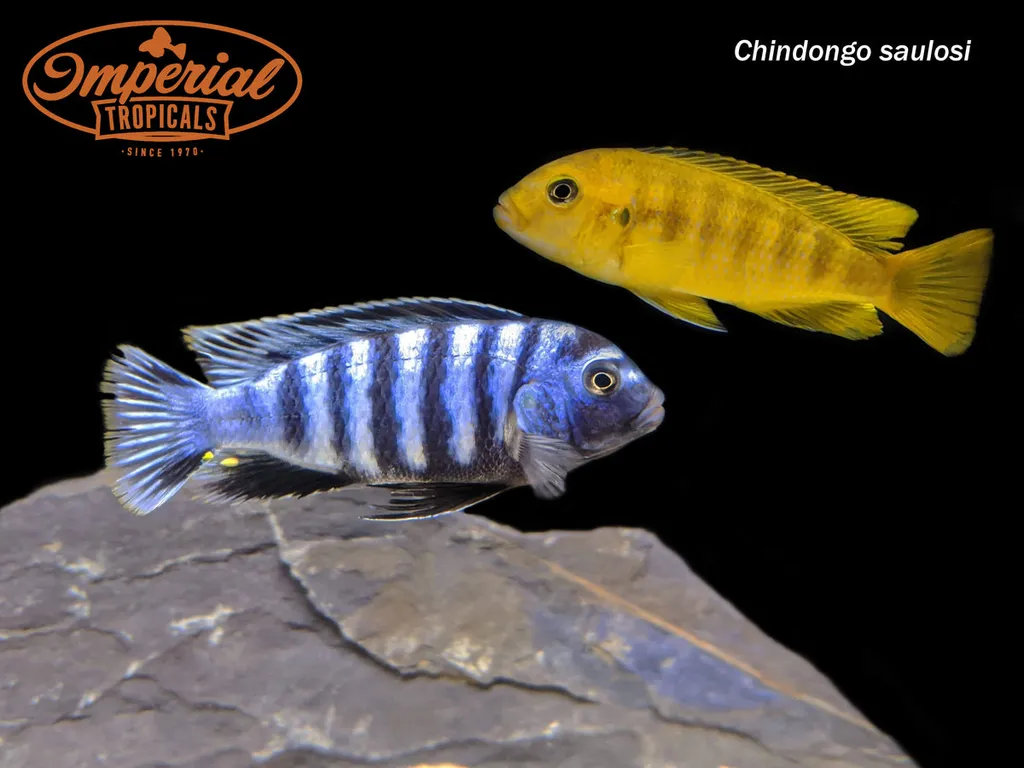 3.9 in (10 cm)42 gal (160 L)73–81°F (23–27°C)
Saulosi mbuna
Chindongo saulosi
3.9 in (10 cm) · 42 gal (160 L)
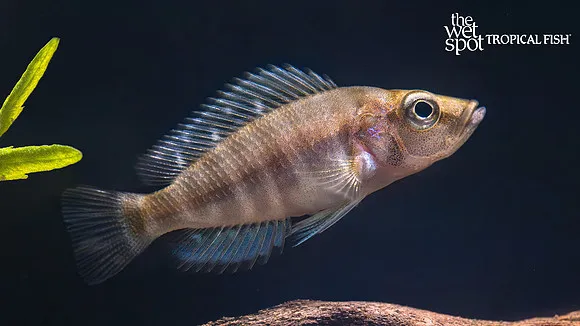 4.3 in (11 cm)37 gal (140 L)73–82°F (23–28°C)
Blue-eyed tropheus
Tropheus brichardi
4.3 in (11 cm) · 37 gal (140 L)
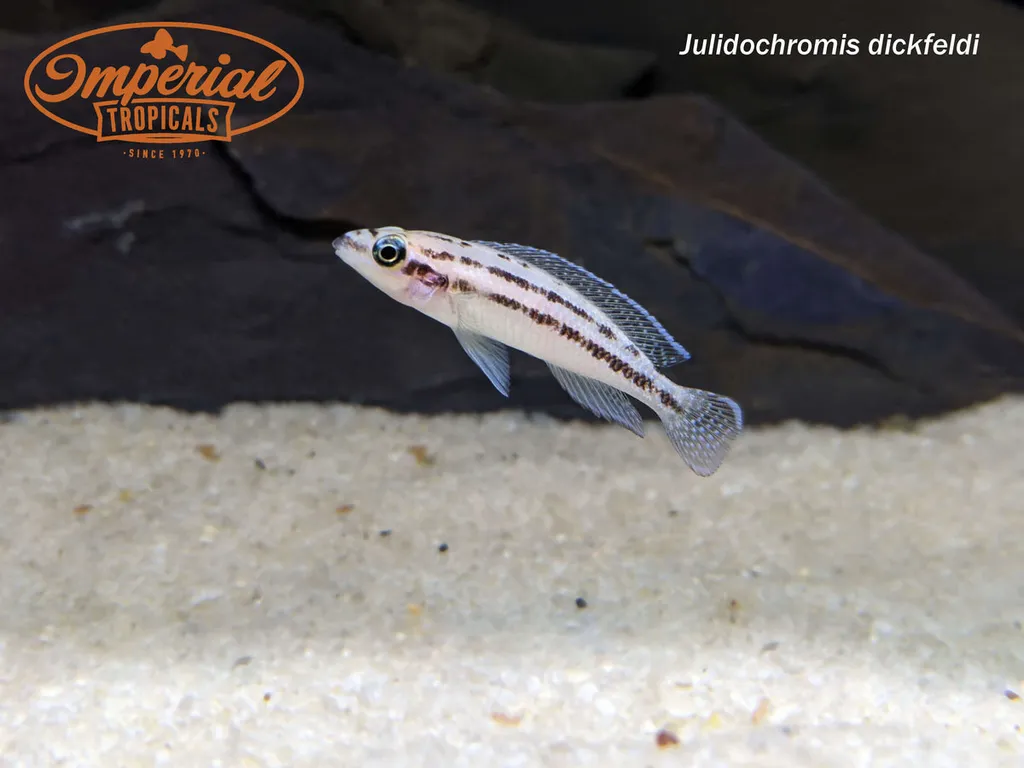 4.3 in (11 cm)20 gal (75 L)73–81°F (23–27°C)
Brown julie
Julidochromis dickfeldi
4.3 in (11 cm) · 20 gal (75 L)