Weather loach
Misgurnus anguillicaudatus
Also known as dojo loach
FreshwaterFish
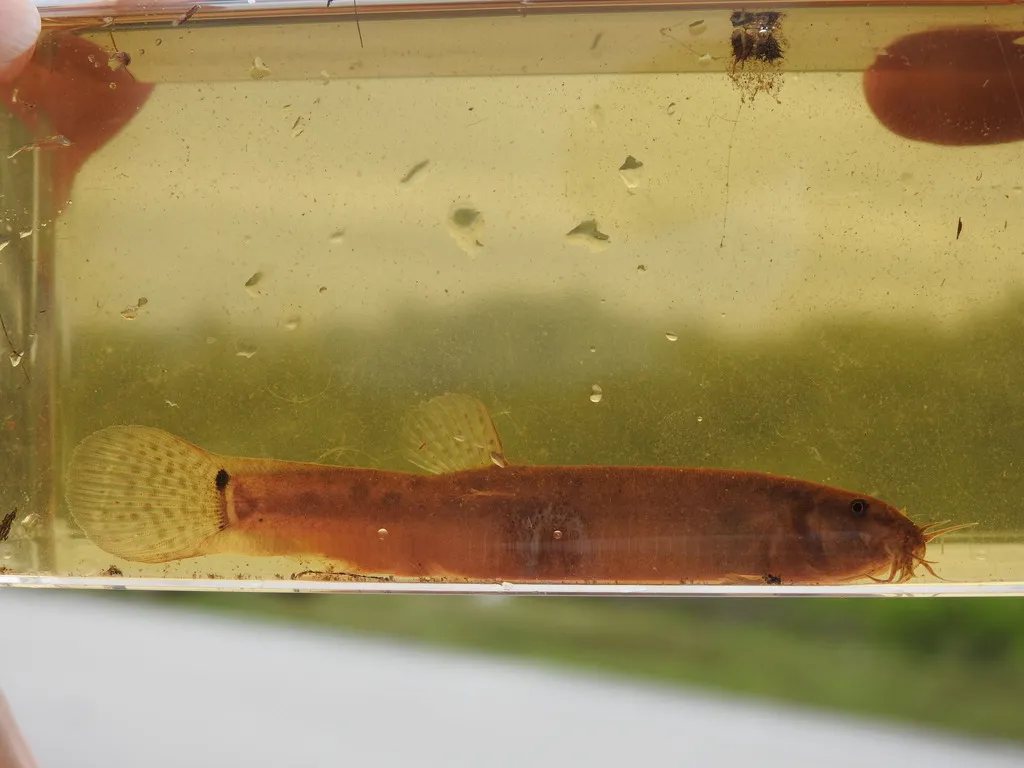
Care at a glance
- Temperature
- 50–73°F
- 10–23°C
- pH
- 6.0–7.5
- Adult size
- 11 in
- 28 cm
- Minimum tank
- 55 gal
- 210 L
- Temperament
- Peaceful
- Social behavior
- Social
- Swim level
- Bottom
- Difficulty
- Easy
- Breeding
- Medium
- Rarity
- Rare
- Family
- Cobitidae
- Origin
- Korea, Japan, China, Vietnam
Overview
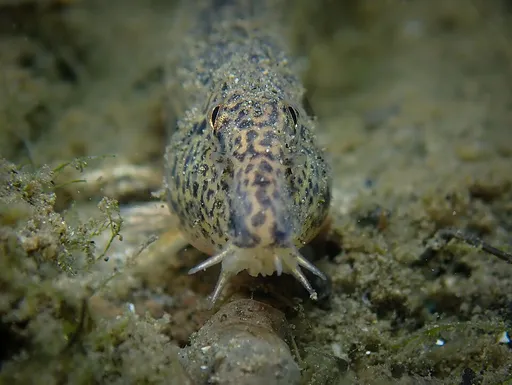
The weather loach, also called the dojo loach, is a long, hardy, eel-shaped fish that is peaceful and genuinely social, so keep a group of three or more rather than a single fish. It spends its time on the bottom, nosing through sand and rooting under wood and plants for food, and it enjoys burrowing. It is calm enough for a community of similarly sized, temperate fish and does well in unheated or coolwater tanks. Feed sinking pellets, frozen bloodworms, blackworms, and sinking vegetables. Because it grows long and appreciates floor space, give a group a tank of around 210 liters or larger with a soft substrate and a tight lid.
In the wild
Misgurnus anguillicaudatus is native to East Asia, ranging across Korea, Japan, China, and Vietnam, where it lives in slow rivers, ponds, ditches, and rice paddies with soft, muddy bottoms. It is a temperate fish that prefers cool water, roughly 10 to 23 C, at a pH from about 6 to 7.5, and it does not need or want tropical heat. A good tank gives it a deep, soft sand or fine-gravel bed for burrowing, gentle flow, and plenty of cover from wood and plants. It tolerates a wide range of conditions, which is part of why it is so easy to keep.
Good to know
Misgurnus anguillicaudatus is a member of Cobitidae, the true loaches, and is one of the largest, reaching about 28 cm with a slender, eel-like body and several pairs of barbels around the mouth. It can breathe atmospheric air by swallowing it and absorbing oxygen through its hindgut, an adaptation for low-oxygen mud. Unlike many loaches it is readily bred, spawning in ponds and tanks where it scatters adhesive eggs among plants and gives no parental care.
Did you know
The weather loach earns its name by reacting to the fall in air pressure that comes before a storm, when it often grows restless and swims up and down the glass. Aquarists have long treated that burst of activity as a rough forecast of coming rain.
Weekly picks
Tank mates
Weather loach is a peaceful, social species that keeps to the bottom. These picks share a community profile with it, are safe together in both directions, and overlap on water type, temperature and pH.
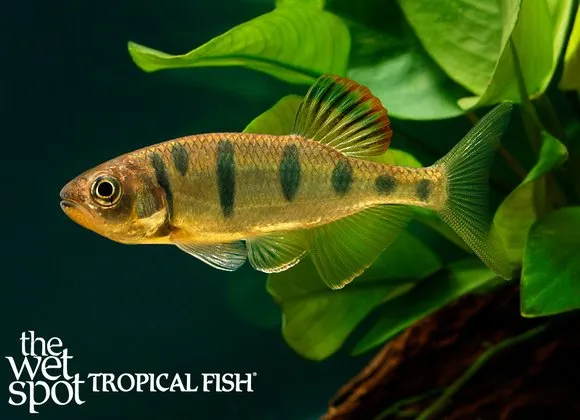
Jeweled baril
Opsarius pulchellus
Freshwater5.1 in (13 cm) · 53 gal (200 L)72–81°F (22–27°C)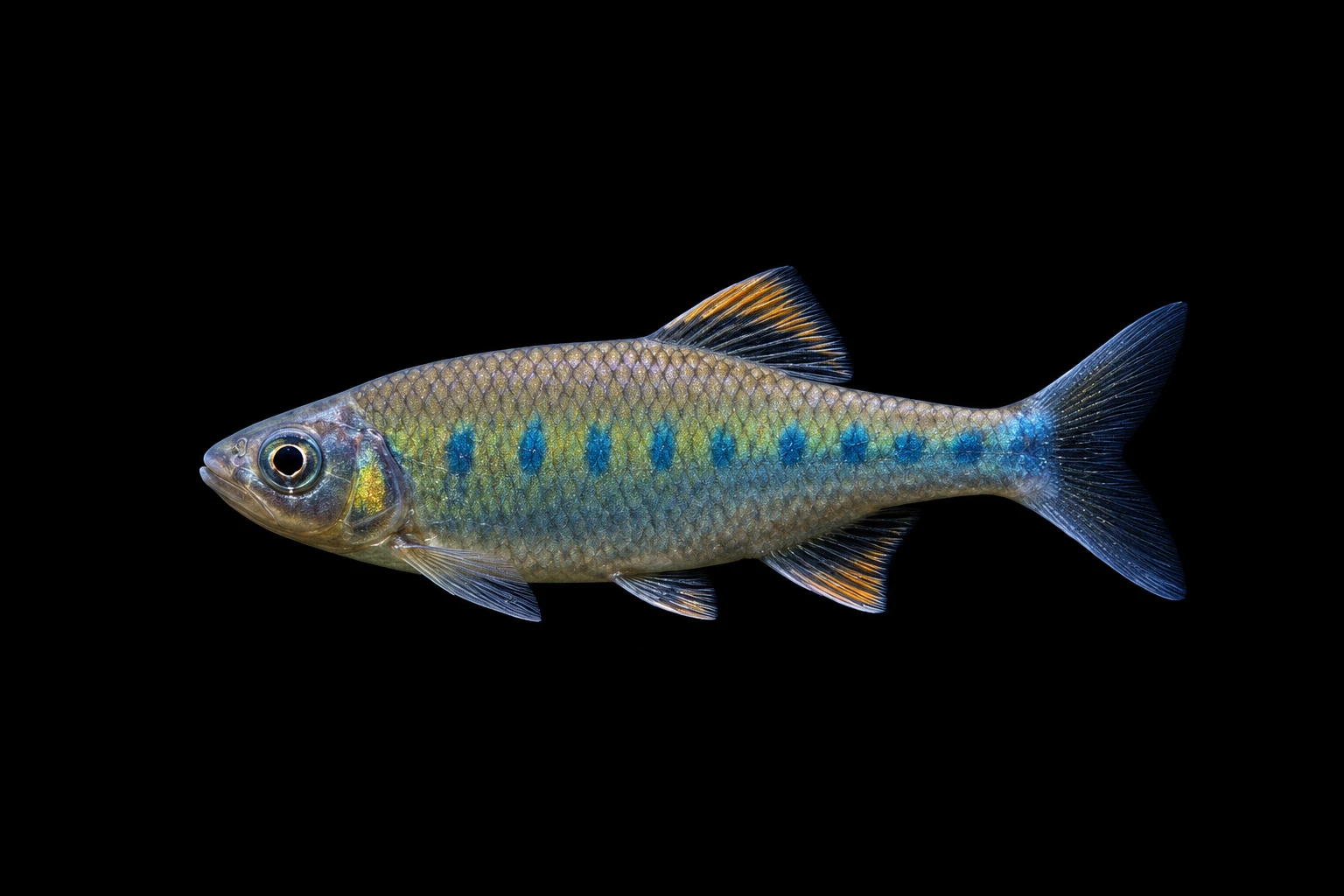
Blue spotted hill trout
Barilius bakeri
Freshwater5.1 in (13 cm) · 53 gal (200 L)64–79°F (18–26°C)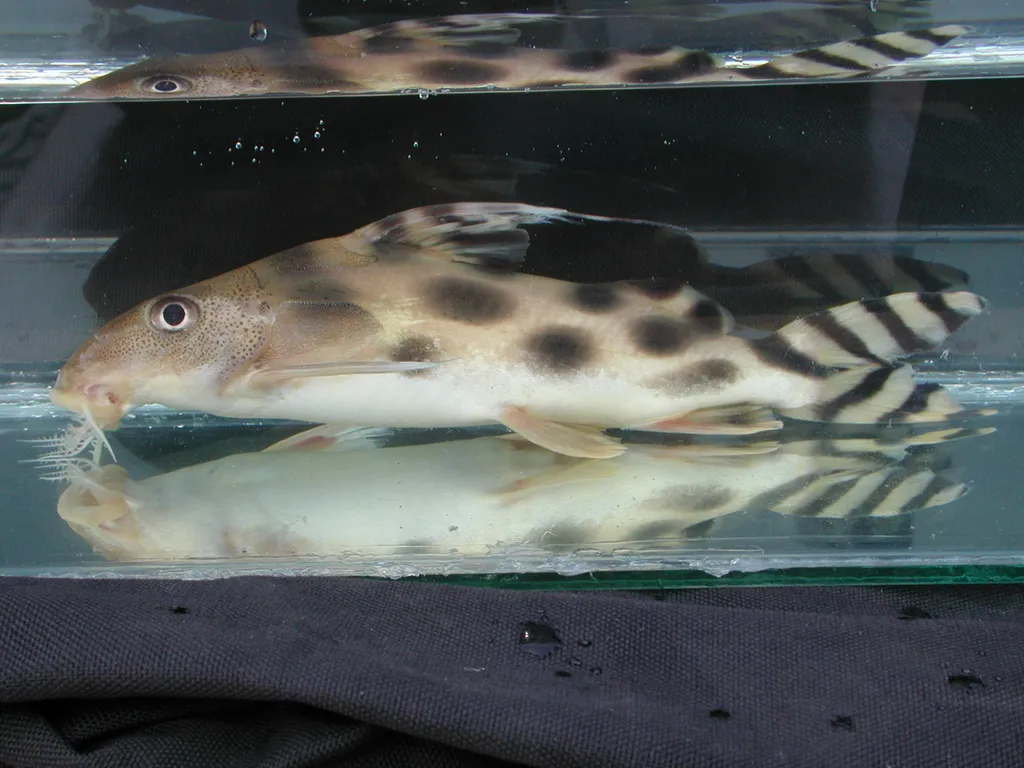
Decorated squeaker
Synodontis decorus
Freshwater11.8 in (30 cm) · 53 gal (200 L)72–81°F (22–27°C)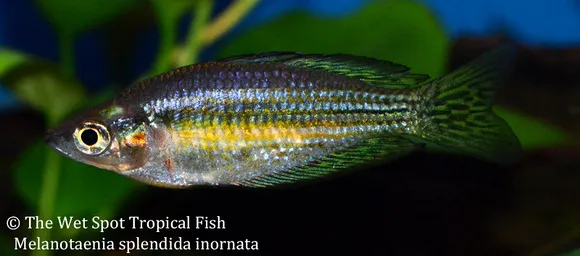
Checkered rainbowfish
Melanotaenia splendida inornata
Freshwater4.7 in (12 cm) · 53 gal (200 L)72–86°F (22–30°C)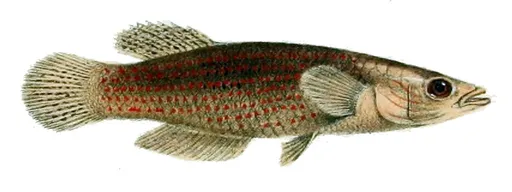
Playfair's panchax
Pachypanchax playfairii
Freshwater3.9 in (10 cm) · 20 gal (75 L)72–77°F (22–25°C)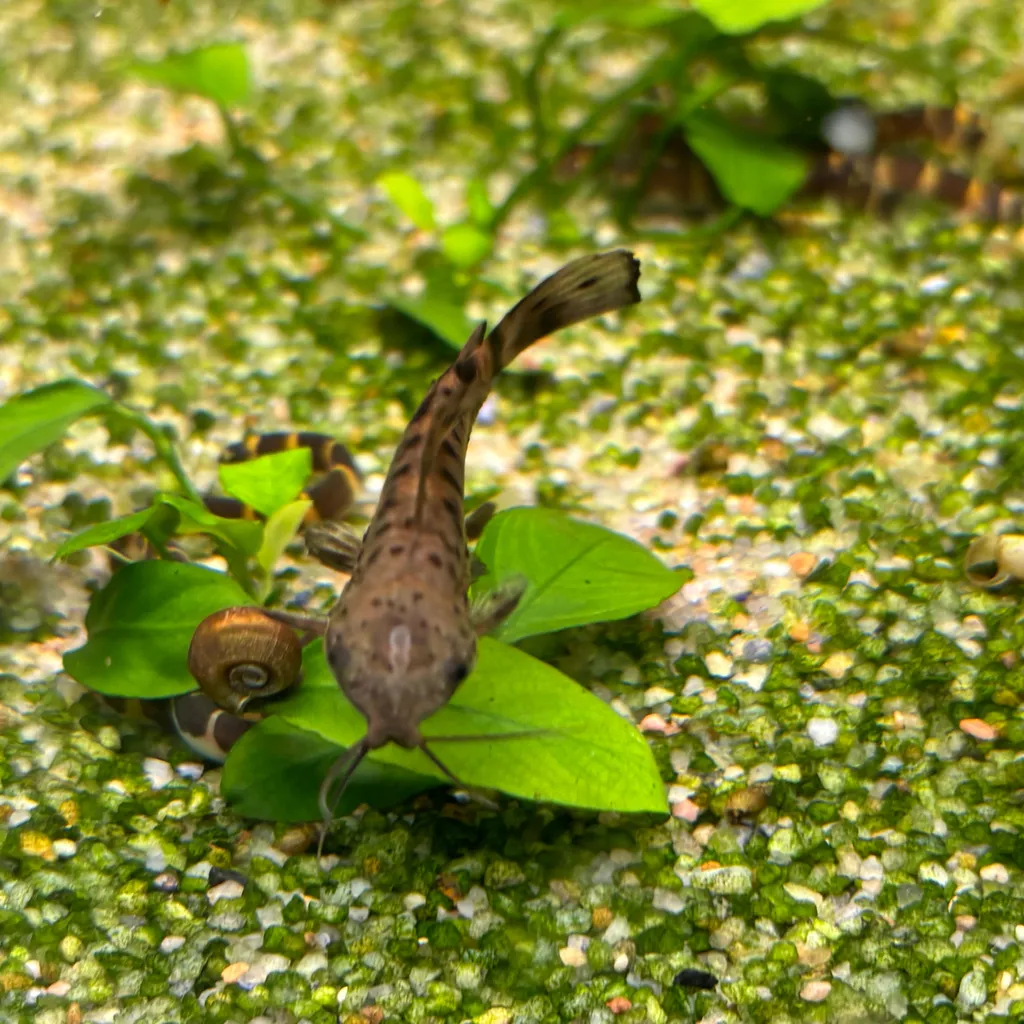
Bar-tailed hoplo
Megalechis picta
Freshwater5.9 in (15 cm) · 53 gal (200 L)72–79°F (22–26°C)
Common questions
What size tank does a Weather loach need?
A Weather loach needs at least 55 gal (210 L). It spends most of its time in the bottom.
What temperature and pH does a Weather loach need?
A Weather loach is comfortable at 50–73°F (10–23°C) with a pH of 6.0–7.5.
How big does a Weather loach get?
An adult Weather loach reaches about 11 in (28 cm).
Related species
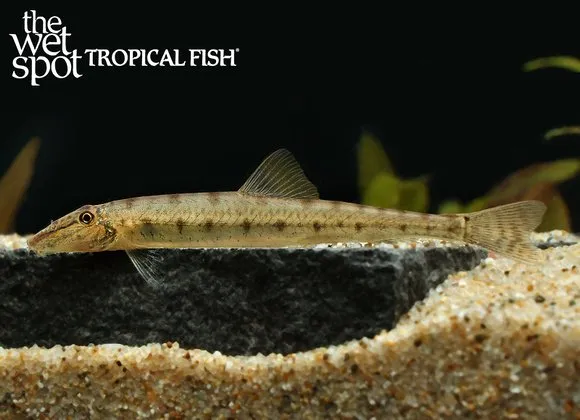 6.3 in (16 cm)42 gal (160 L)72–81°F (22–27°C)
Slender horseface loach
Acantopsis ioa
6.3 in (16 cm) · 42 gal (160 L)
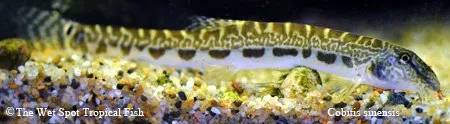 6 in (15.3 cm)42 gal (160 L)59–75°F (15–24°C)
Chinese spiny loach
Cobitis sinensis
6 in (15.3 cm) · 42 gal (160 L)
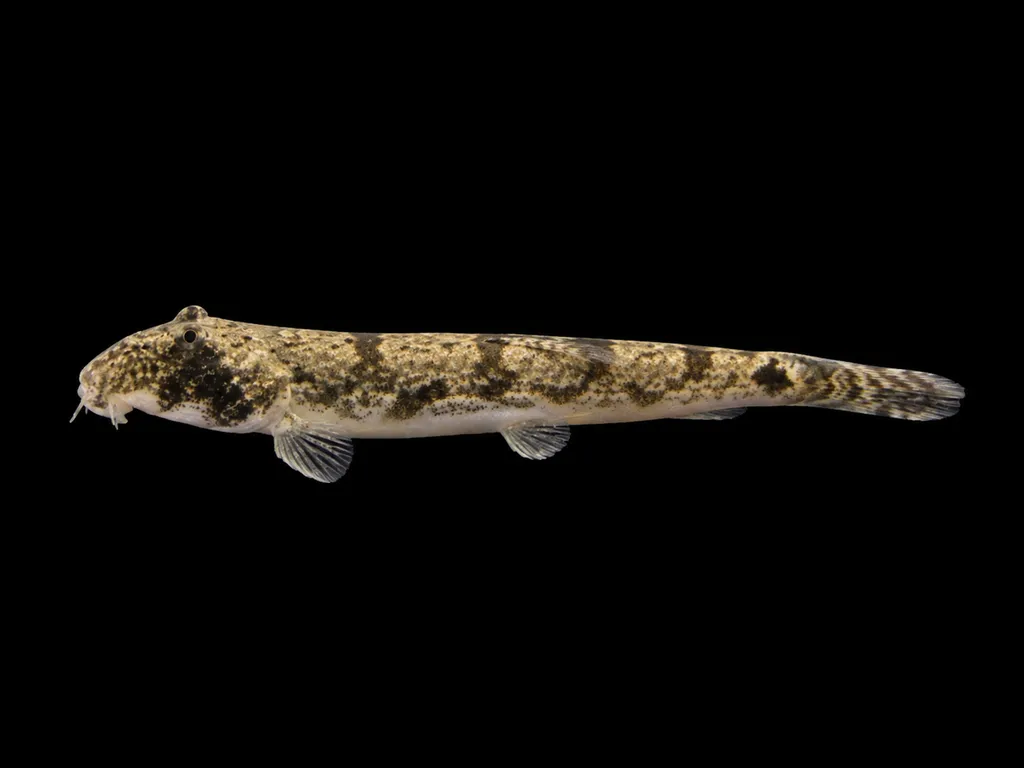 5.1 in (13 cm)42 gal (160 L)70–81°F (21–27°C)
Gongota loach
Canthophrys gongota
5.1 in (13 cm) · 42 gal (160 L)
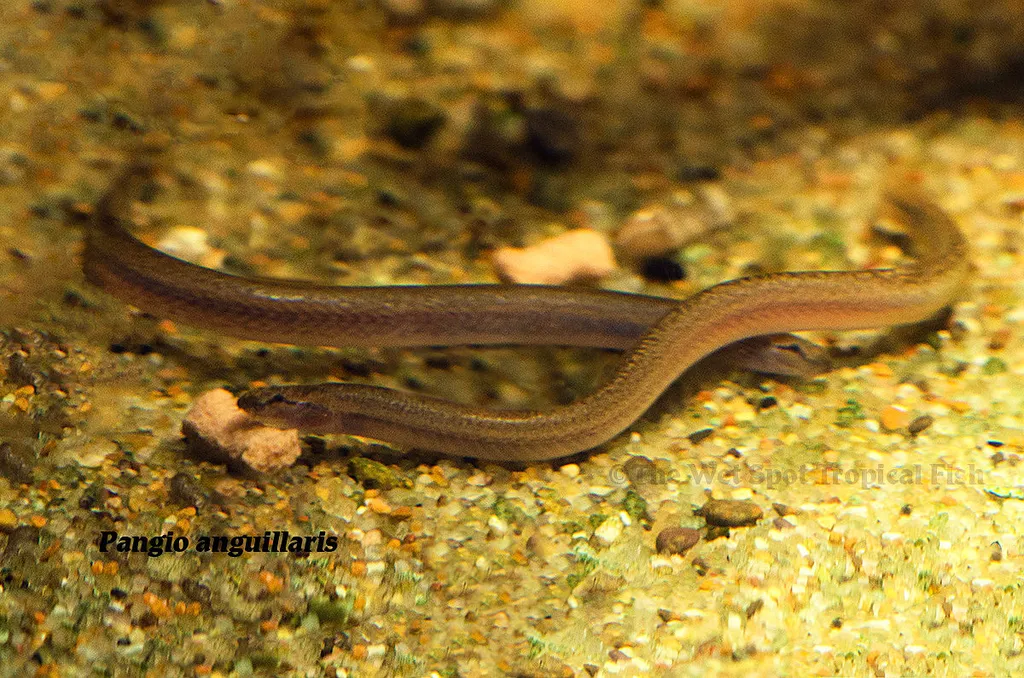 4.7 in (12 cm)20 gal (75 L)72–82°F (22–28°C)
Eel kuhli loach
Pangio anguillaris
4.7 in (12 cm) · 20 gal (75 L)
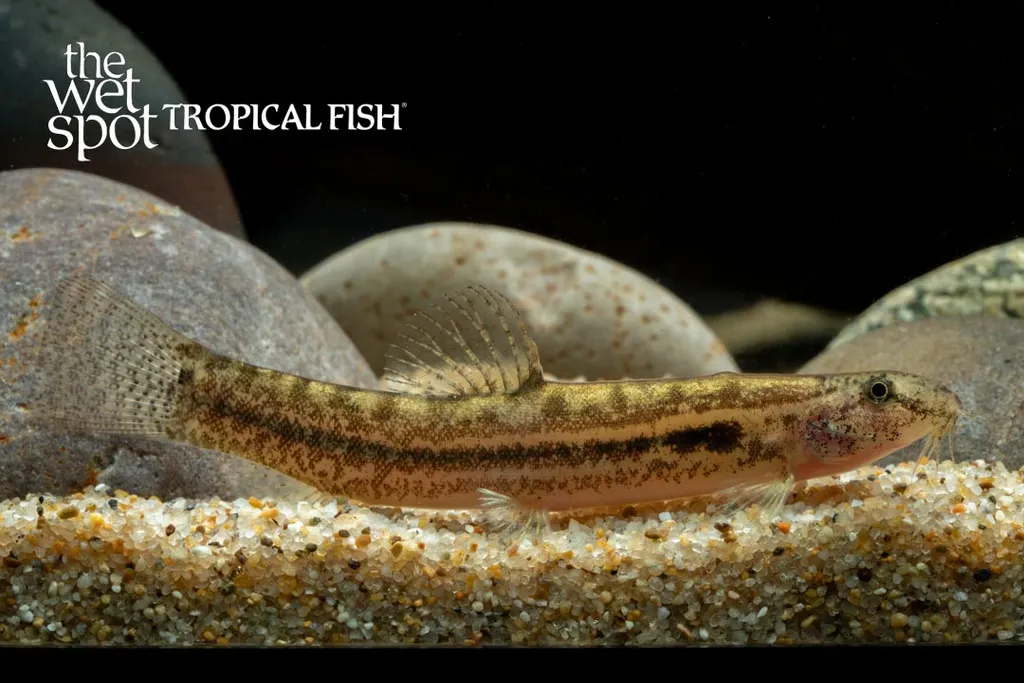 4.7 in (12 cm)24 gal (90 L)64–82°F (18–28°C)
Guntea loach
Lepidocephalichthys guntea
4.7 in (12 cm) · 24 gal (90 L)
 4.3 in (11 cm)32 gal (120 L)39–68°F (4–20°C)
Spined loach
Cobitis taenia
4.3 in (11 cm) · 32 gal (120 L)