Spined loach
Cobitis taenia
Also known as European spined loach, Spotted spined loach, Cobitis taenia taenia
FreshwaterFish
Care at a glance
- Temperature
- 39–68°F
- 4–20°C
- pH
- 6.5–8.0
- Adult size
- 4.3 in
- 11 cm
- Minimum tank
- 32 gal
- 120 L
- Temperament
- Peaceful
- Social behavior
- Social
- Swim level
- Bottom
- Difficulty
- Medium
- Breeding
- Hard
- Rarity
- Rare
- Family
- Cobitidae
- Origin
- Native to rivers, lakes and streams across much of Europe and into western Asia, resting on sandy and silty bottoms in cool, temperate water.
Overview
Keep a group of at least 6 in an unheated tank of 120 litres or more with a deep sand bed, at 4 to 20 C and pH 6.5 to 8.0. It sifts sand for tiny invertebrates and detritus, so feed sinking foods, frozen bloodworm and daphnia. Peaceful and quiet, it suits temperate, coldwater setups alongside fish like white cloud mountain minnows or native pond species rather than tropical community fish.
In the wild
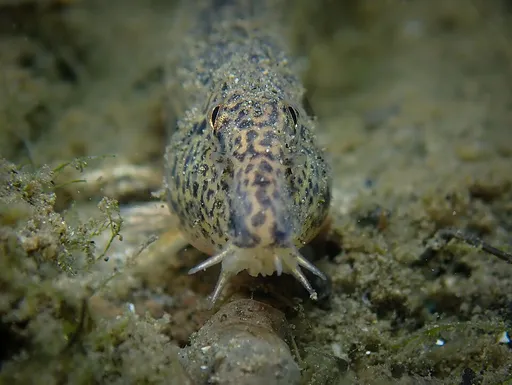
A slim, temperate loach reaching about 10 to 12 cm that spends the day buried in sand with only its head showing. It is a true coldwater fish that lives happily in unheated tanks and even garden ponds, and it does not want tropical warmth. A deep, soft sand bed is essential so it can bury itself, along with clean, cool, well-oxygenated water.
Good to know
It is named for a small, forked, erectile spine tucked below each eye. The spined loach belongs to a well-studied complex of closely related forms, some of which reproduce through all-female clonal lineages, making it a favourite subject for genetics research.
Did you know
It buries itself in sand and passes the grains through its gills to strain out food, so a soft sand bed is not optional but essential.
Weekly picks
Tank mates
Spined loach is a peaceful, social species that keeps to the bottom. These picks share a community profile with it, are safe together in both directions, and overlap on water type, temperature and pH.
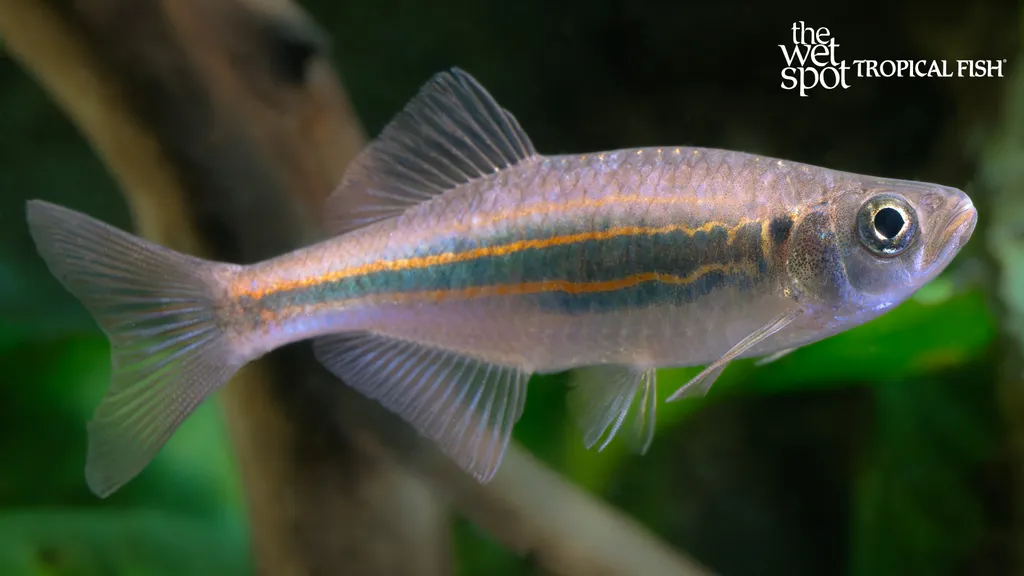
Queen danio
Devario regina
Freshwater3.1 in (8 cm) · 30 gal (115 L)68–79°F (20–26°C)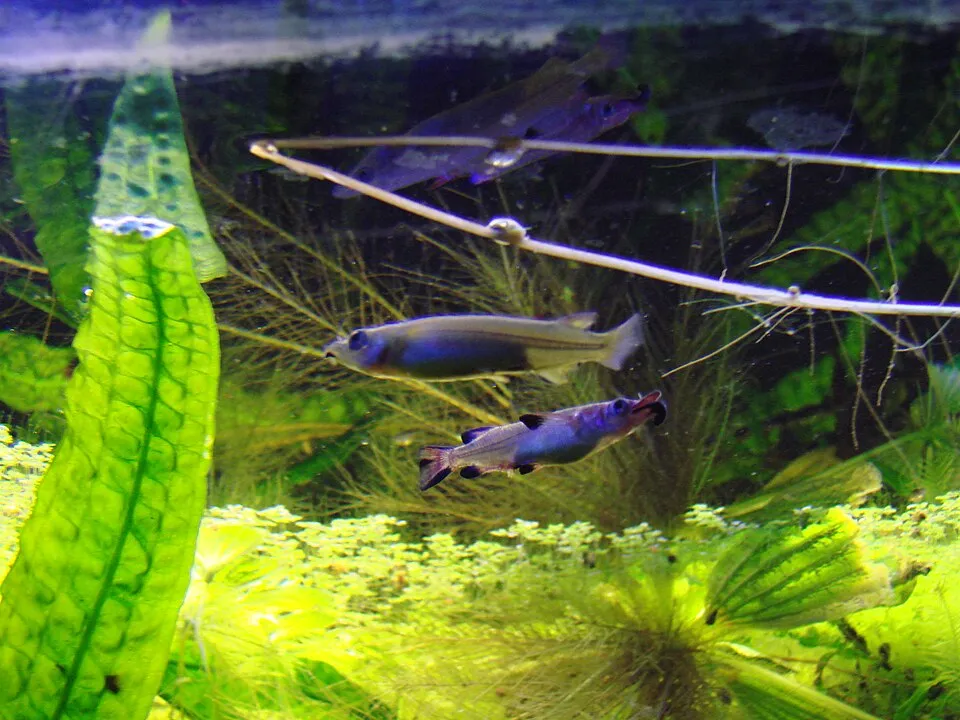
Celebes halfbeak
Nomorhamphus liemi
Freshwater3.5 in (9 cm) · 40 gal (150 L)68–77°F (20–25°C)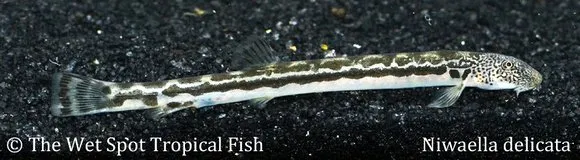
Ajime loach
Niwaella delicata
Freshwater3.7 in (9.5 cm) · 29 gal (110 L)50–72°F (10–22°C)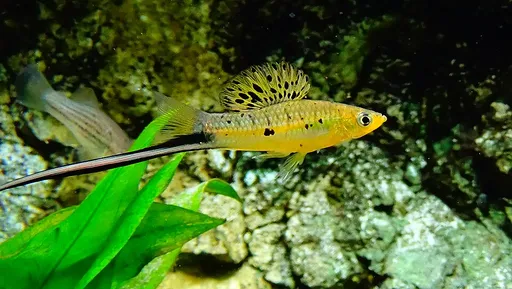
Montezuma swordtail
Xiphophorus montezumae
Freshwater5.5 in (14 cm) · 32 gal (120 L)68–79°F (20–26°C)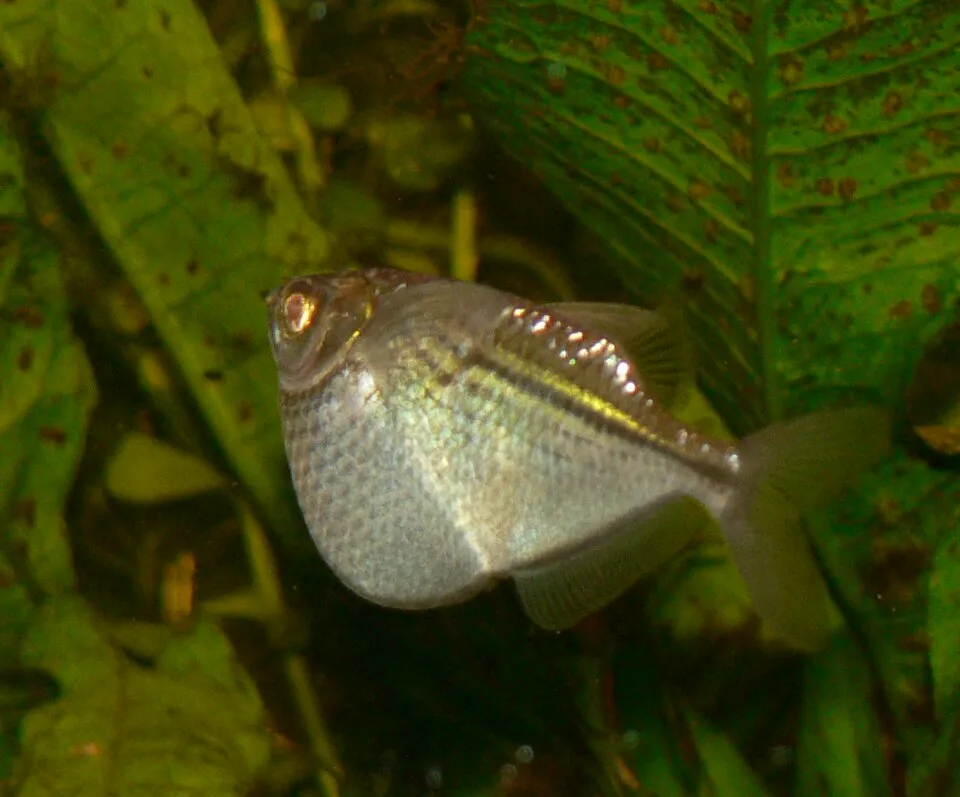
Common hatchetfish
Gasteropelecus sternicla
Freshwater1.6 in (4 cm) · 33 gal (125 L)68–82°F (20–28°C)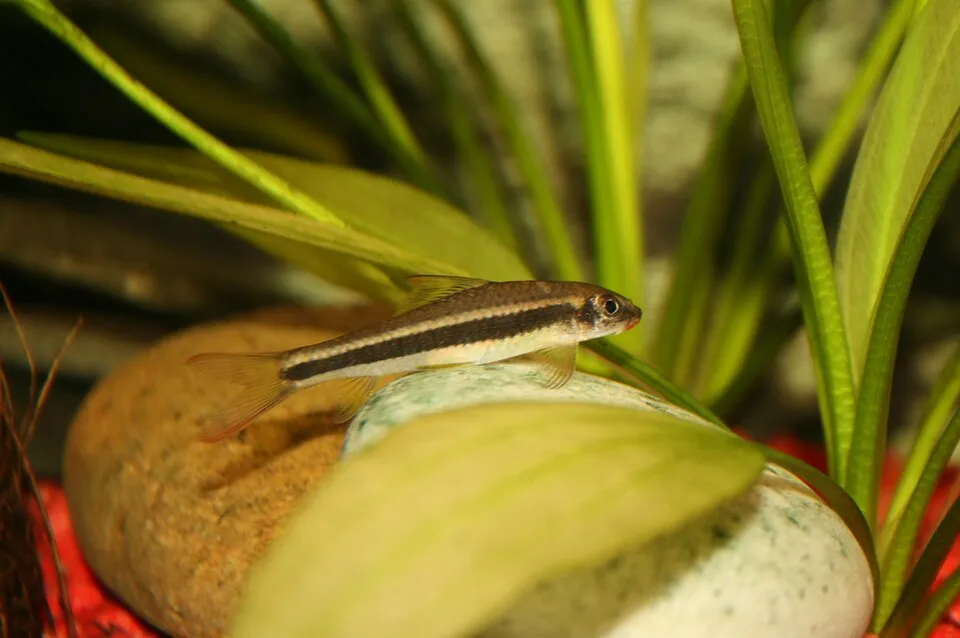
Cambodian log sucker
Garra cambodgiensis
Freshwater5.9 in (15 cm) · 32 gal (120 L)68–81°F (20–27°C)
Common questions
What size tank does a Spined loach need?
A Spined loach needs at least 32 gal (120 L). It spends most of its time in the bottom.
What temperature and pH does a Spined loach need?
A Spined loach is comfortable at 39–68°F (4–20°C) with a pH of 6.5–8.0.
How big does a Spined loach get?
An adult Spined loach reaches about 4.3 in (11 cm).
Related species
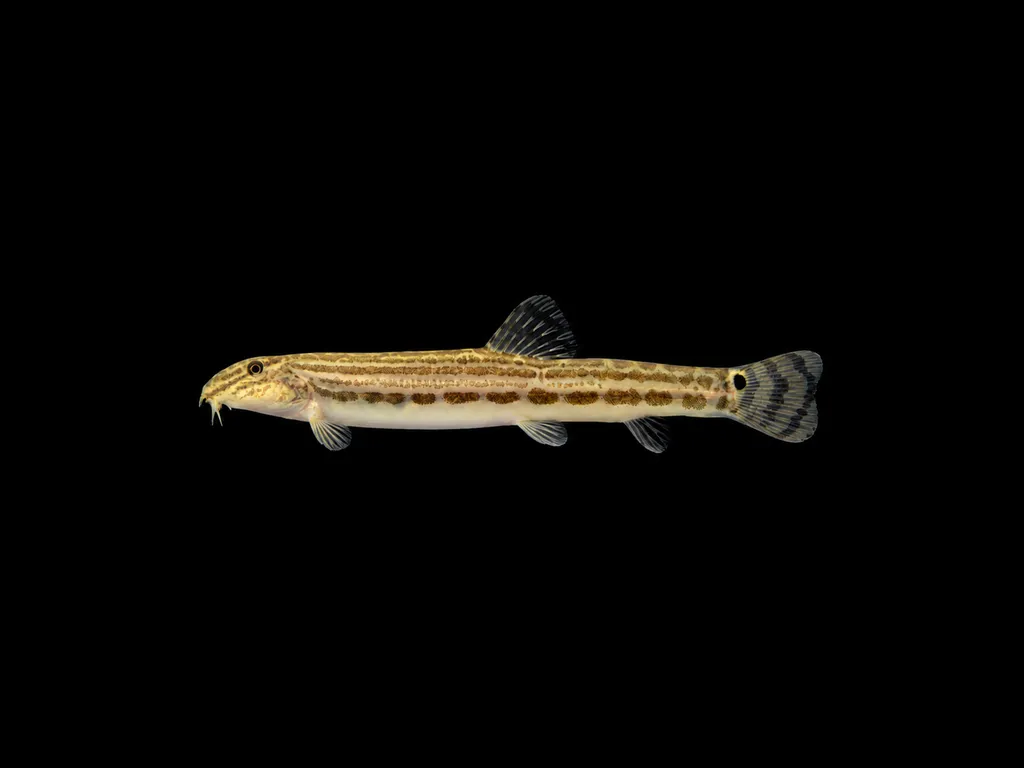 3.9 in (10 cm)29 gal (110 L)57–72°F (14–22°C)
Striped spined loach
Cobitis striata
3.9 in (10 cm) · 29 gal (110 L)
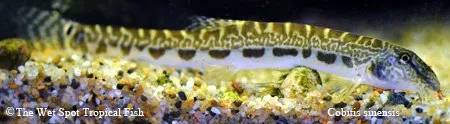 6 in (15.3 cm)42 gal (160 L)59–75°F (15–24°C)
Chinese spiny loach
Cobitis sinensis
6 in (15.3 cm) · 42 gal (160 L)
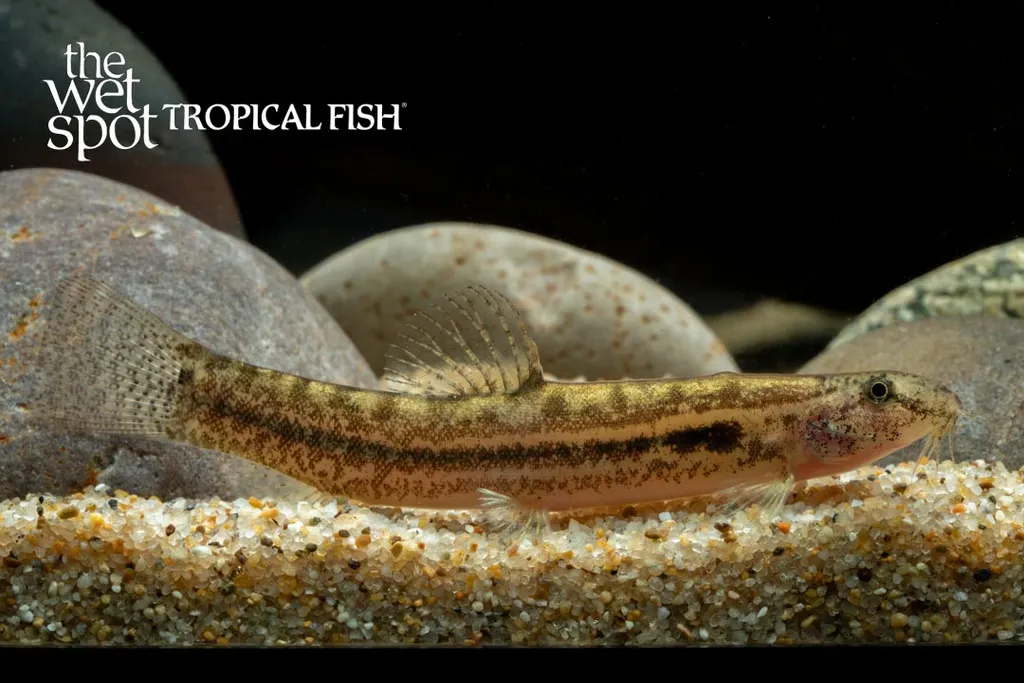 4.7 in (12 cm)24 gal (90 L)64–82°F (18–28°C)
Guntea loach
Lepidocephalichthys guntea
4.7 in (12 cm) · 24 gal (90 L)
- 3.7 in (9.5 cm)29 gal (110 L)50–72°F (10–22°C)
Ajime loach
Niwaella delicata
3.7 in (9.5 cm) · 29 gal (110 L)
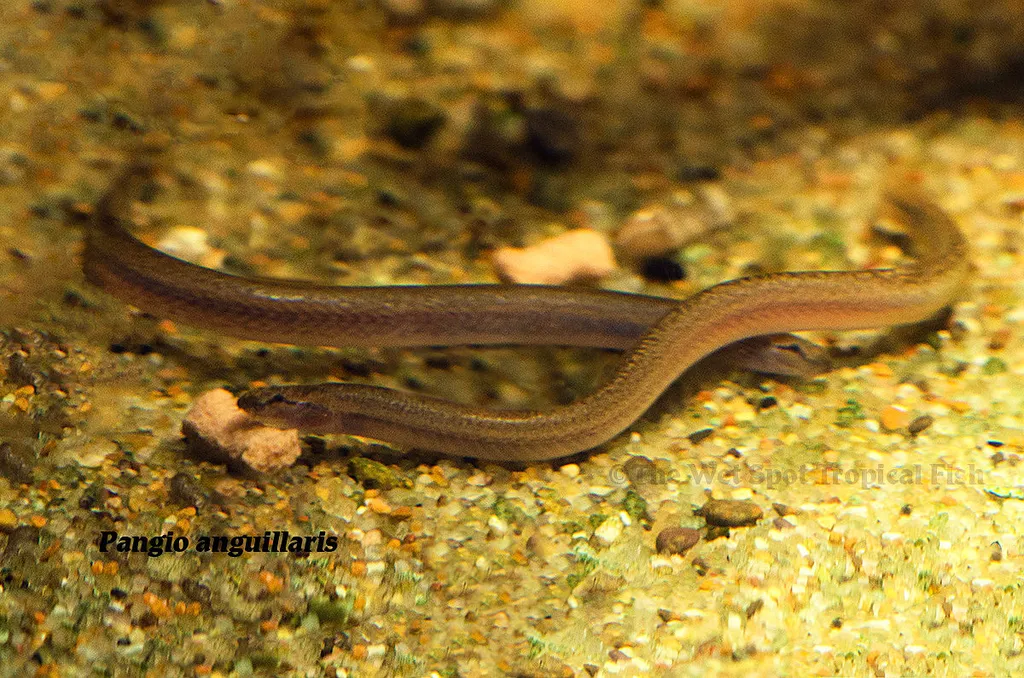 4.7 in (12 cm)20 gal (75 L)72–82°F (22–28°C)
Eel kuhli loach
Pangio anguillaris
4.7 in (12 cm) · 20 gal (75 L)
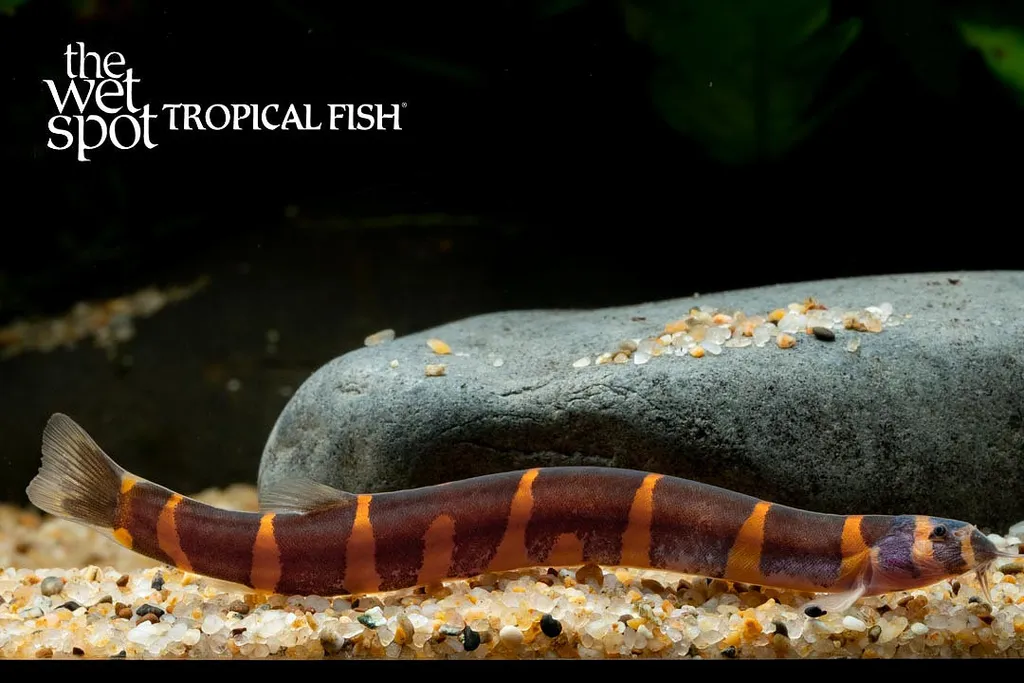 3.9 in (10 cm)20 gal (75 L)72–82°F (22–28°C)
Giant kuhli loach
Pangio myersi
3.9 in (10 cm) · 20 gal (75 L)