Eel kuhli loach
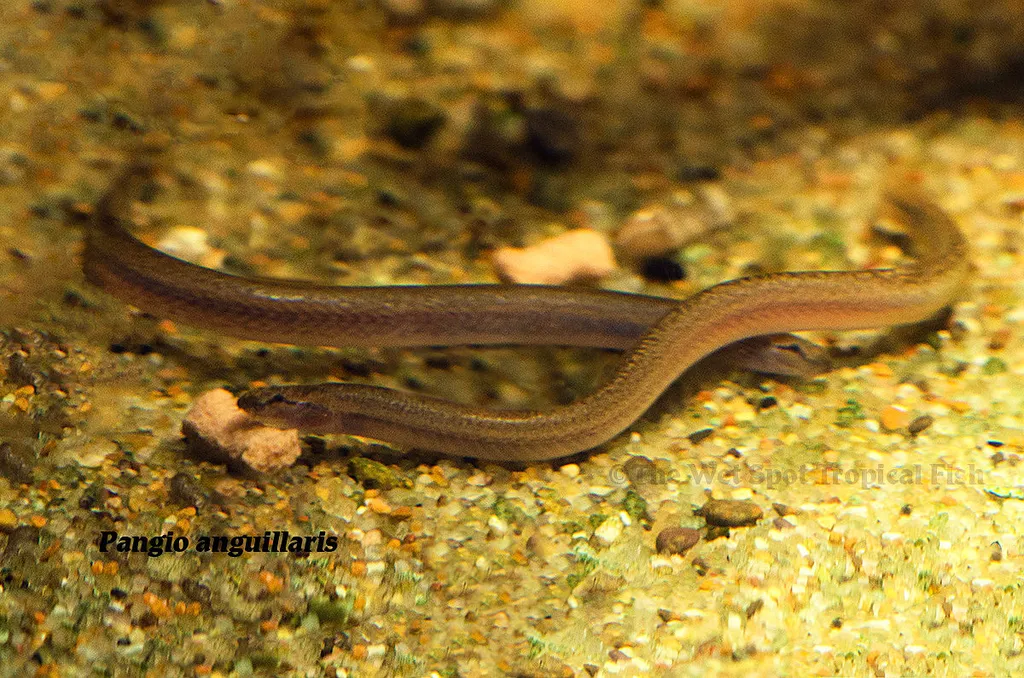
Pangio anguillaris
Also known as Silver kuhli loach, Eel loach, Acanthophthalmus anguillaris
FreshwaterFish
Care at a glance
- Temperature
- 72–82°F
- 22–28°C
- pH
- 6.0–7.5
- Adult size
- 4.7 in
- 12 cm
- Minimum tank
- 20 gal
- 75 L
- Temperament
- Peaceful
- Social behavior
- Social
- Swim level
- Bottom
- Difficulty
- Easy
- Breeding
- No record
- Rarity
- Rare
- Family
- Cobitidae
- Origin
- Widespread across Borneo, Sumatra, the Malay Peninsula and mainland Southeast Asia, living in slow streams and calm, vegetated backwaters over soft substrate.
Overview
Give a group of at least 5 or 6 a tank of 75 litres or more with a soft sand bed, at 22 to 28 C and pH 6.0 to 7.5. It sifts sand for insect larvae and small crustaceans, so offer sinking foods, frozen bloodworm, daphnia and brine shrimp. Peaceful with anything too big to eat, though it may take eggs or very small fry, so pair it with similar-sized calm community fish.
In the wild
A longer, more eel-like relative of the common kuhli loach, reaching about 10 to 12 cm. Its body is a plain silvery to pinkish brown without the bold bands of the striped kuhlis. Like other Pangio it burrows and needs soft sand to protect its delicate barbels and skin. It is nocturnal at first but becomes bolder once it feels settled and is kept in a group.
Good to know
Despite the eel-like shape it is a true loach in the family Cobitidae, not related to eels at all. In parts of Thailand it is netted as a food fish and is far more common on the plate than in the aquarium trade.
Did you know
Provide a tight lid and fill any small gaps, because a startled Pangio can wriggle up filter intakes or out through tiny openings.
Weekly picks
Tank mates
Eel kuhli loach is a peaceful, social species that keeps to the bottom. These picks share a community profile with it, are safe together in both directions, and overlap on water type, temperature and pH.
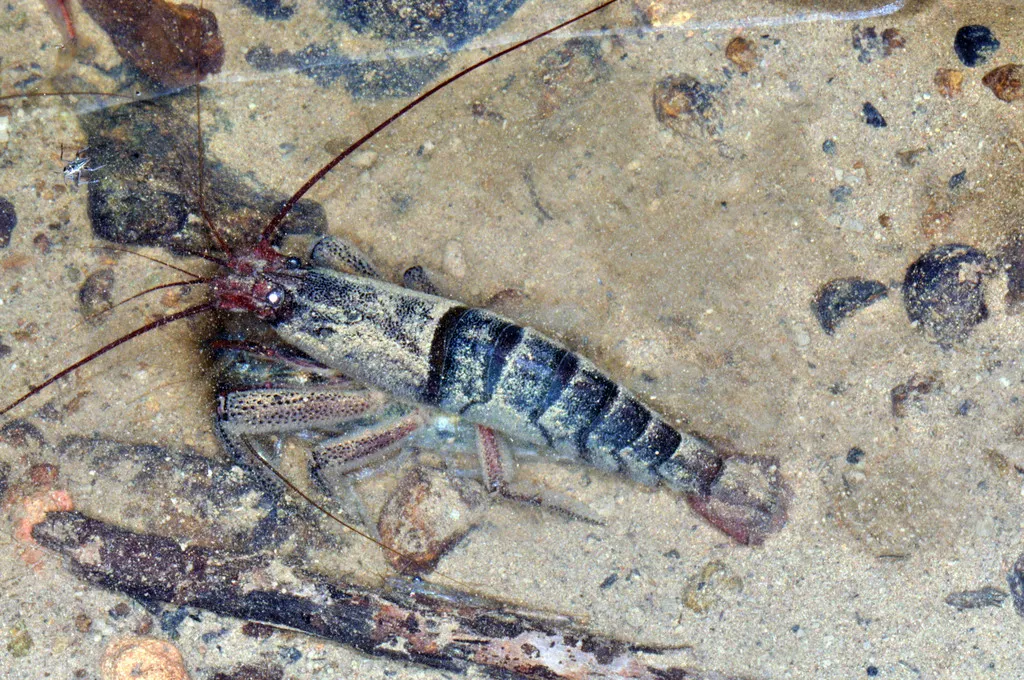
Marble wood shrimp
Atya scabra
Freshwater3.9 in (10 cm) · 20 gal (75 L)73–82°F (23–28°C)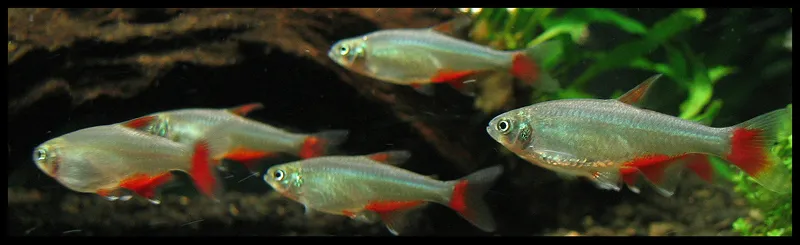
Bloodfin tetra
Aphyocharax anisitsi
Freshwater2.2 in (5.5 cm) · 20 gal (75 L)72–82°F (22–28°C)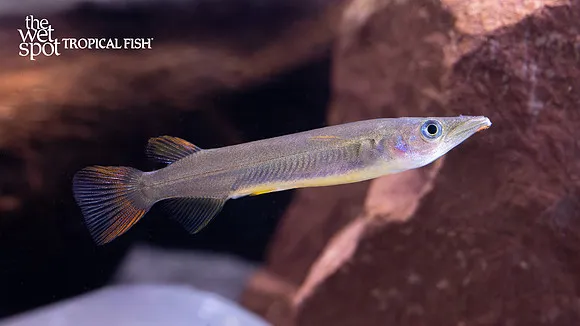
Rex halfbeak
Nomorhamphus rex
Freshwater2.2 in (5.5 cm) · 20 gal (75 L)72–79°F (22–26°C)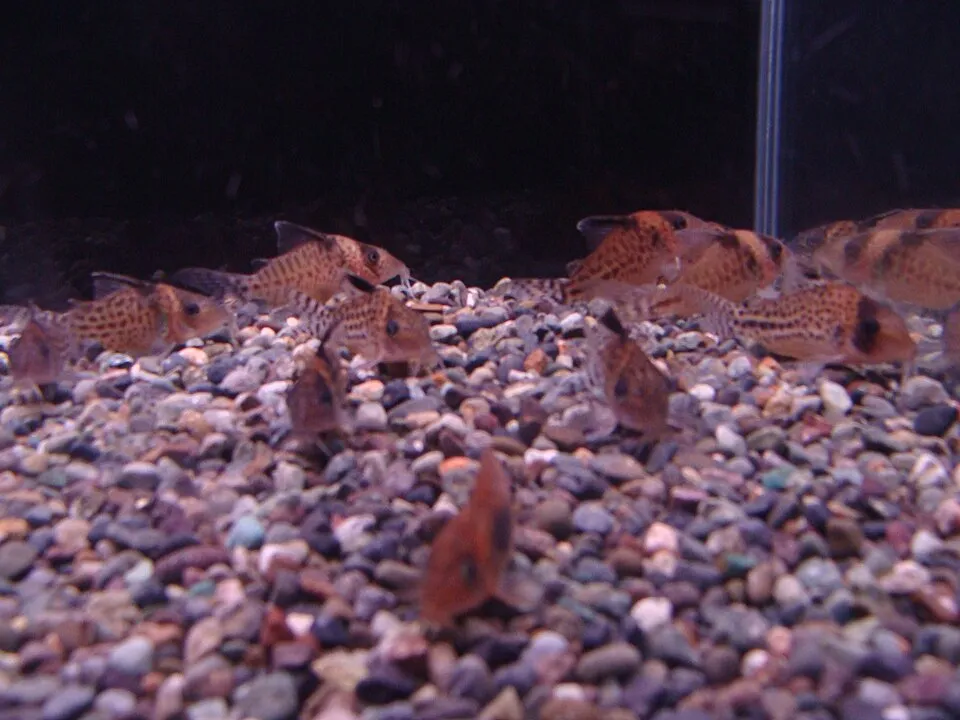
Spotted cory
Brochis ambiacus
Freshwater2.6 in (6.5 cm) · 20 gal (75 L)70–81°F (21–27°C)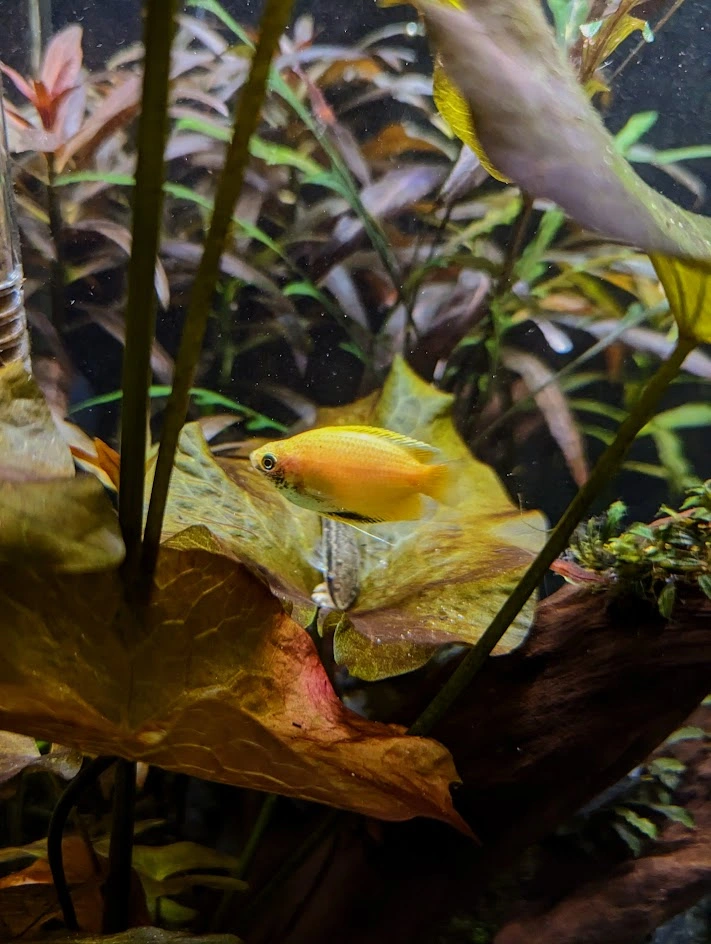
Honey gourami
Trichogaster chuna
Freshwater2 in (5 cm) · 20 gal (75 L)72–82°F (22–28°C)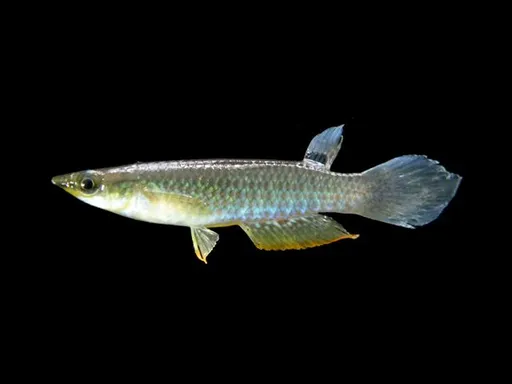
Blue panchax
Aplocheilus panchax
Freshwater3.5 in (9 cm) · 20 gal (75 L)72–82°F (22–28°C)
Common questions
What size tank does an Eel kuhli loach need?
An Eel kuhli loach needs at least 20 gal (75 L). It spends most of its time in the bottom.
What temperature and pH does an Eel kuhli loach need?
An Eel kuhli loach is comfortable at 72–82°F (22–28°C) with a pH of 6.0–7.5.
How big does an Eel kuhli loach get?
An adult Eel kuhli loach reaches about 4.7 in (12 cm).
Related species
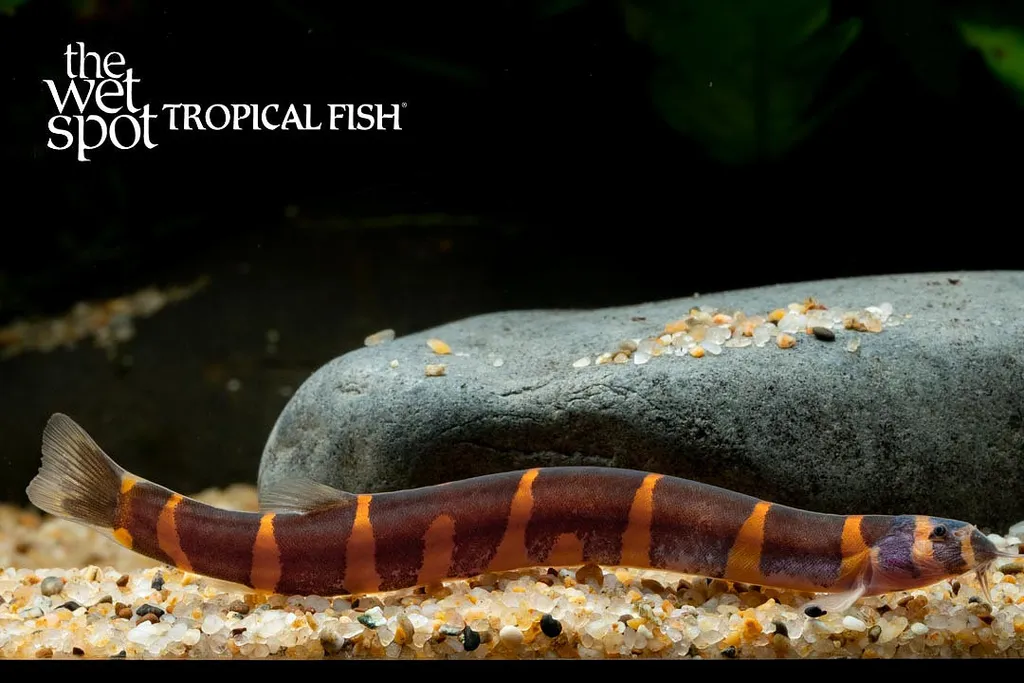 3.9 in (10 cm)20 gal (75 L)72–82°F (22–28°C)
Giant kuhli loach
Pangio myersi
3.9 in (10 cm) · 20 gal (75 L)
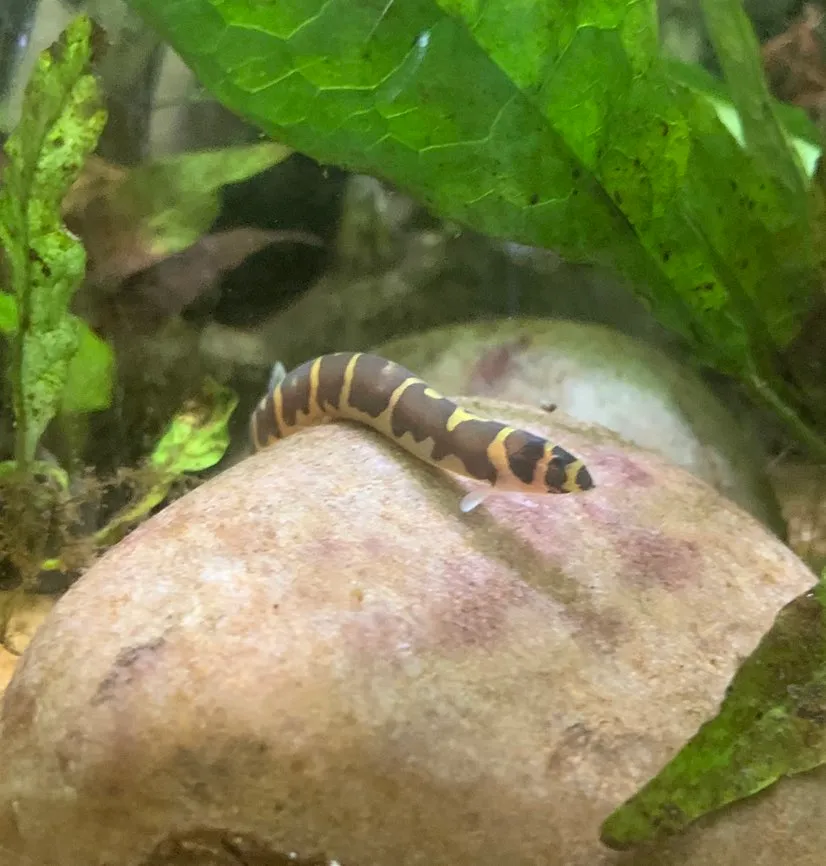 3.9 in (10 cm)28 gal (105 L)70–79°F (21–26°C)
Half-banded kuhli loach
Pangio semicincta
3.9 in (10 cm) · 28 gal (105 L)
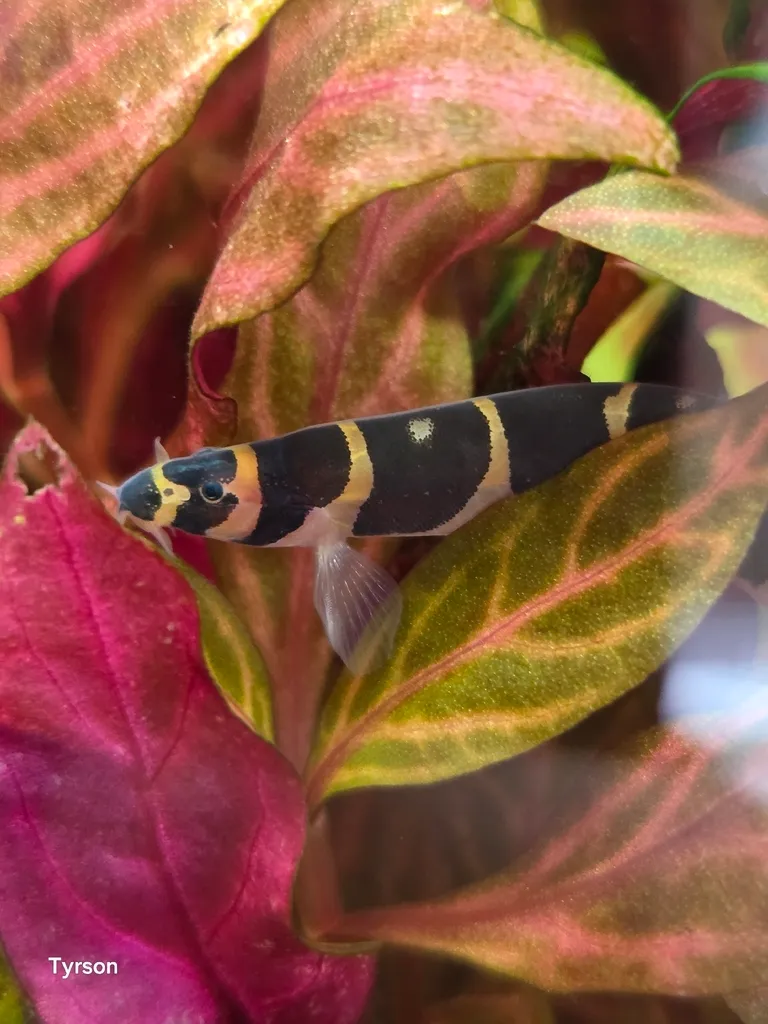 3.9 in (10 cm)20 gal (75 L)72–82°F (22–28°C)
Kuhli loach
Pangio kuhlii
3.9 in (10 cm) · 20 gal (75 L)
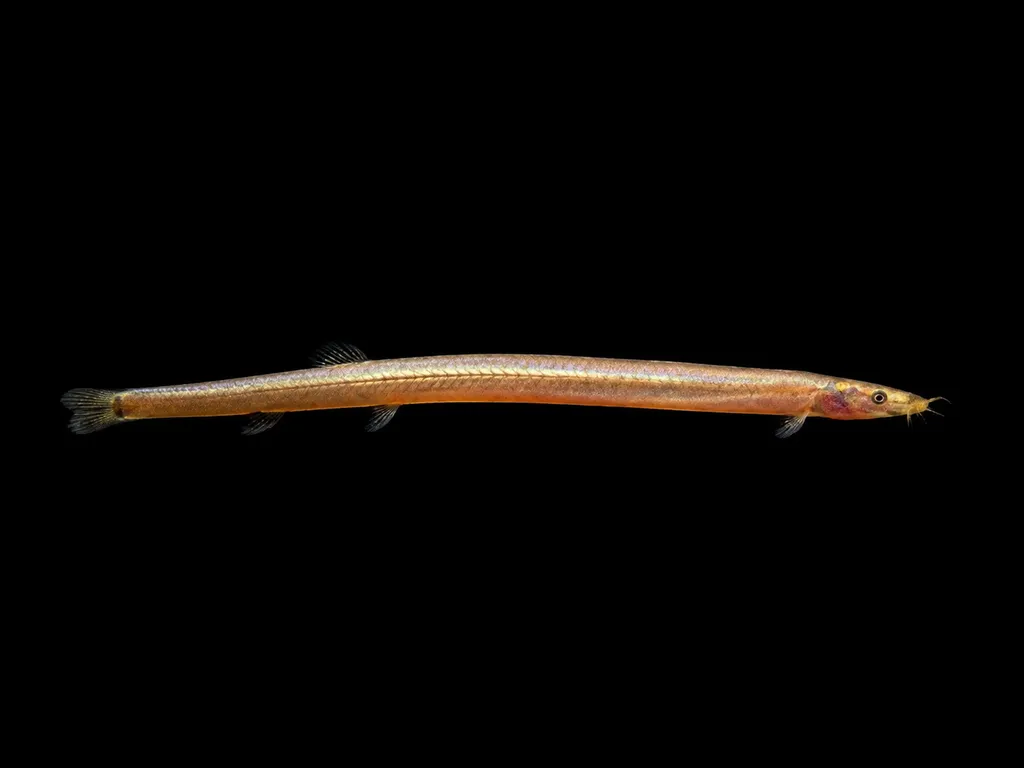 3.7 in (9.5 cm)14 gal (54 L)73–82°F (23–28°C)
Sumatran neon loach
Pangio bitaimac
3.7 in (9.5 cm) · 14 gal (54 L)
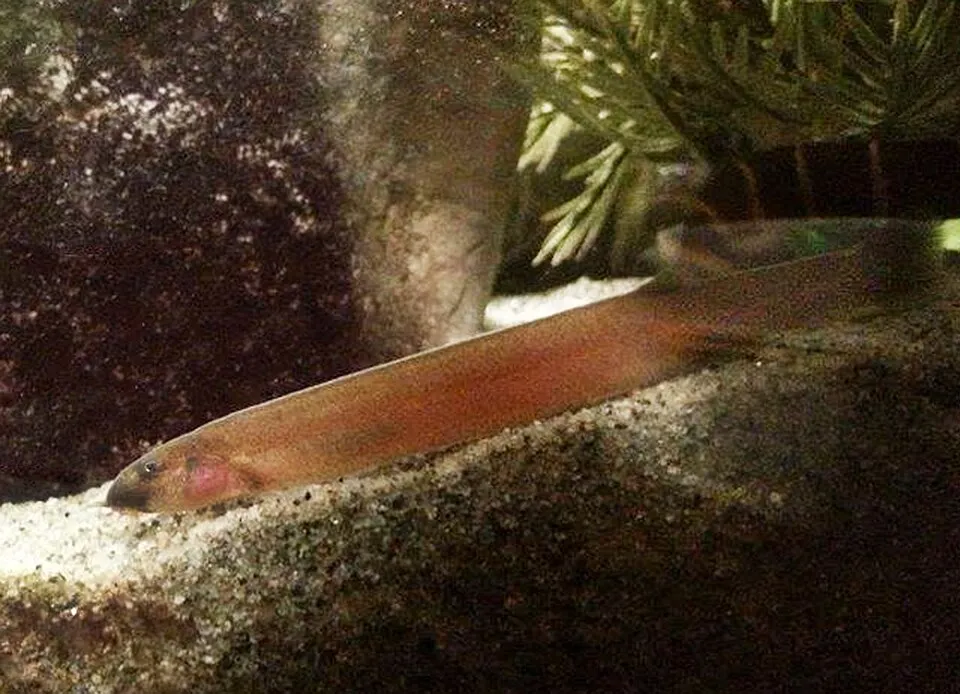 3.1 in (8 cm)25 gal (95 L)70–79°F (21–26°C)
Java loach
Pangio oblonga
3.1 in (8 cm) · 25 gal (95 L)
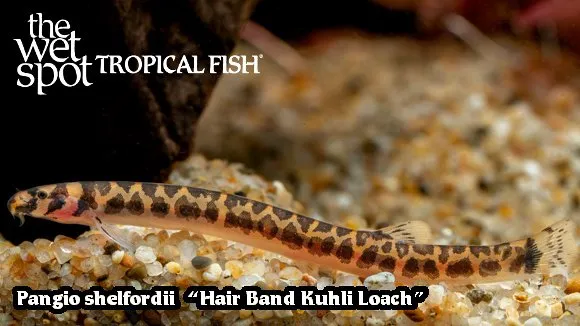 3.1 in (8 cm)24 gal (90 L)72–81°F (22–27°C)
Shelford's kuhli loach
Pangio shelfordii
3.1 in (8 cm) · 24 gal (90 L)