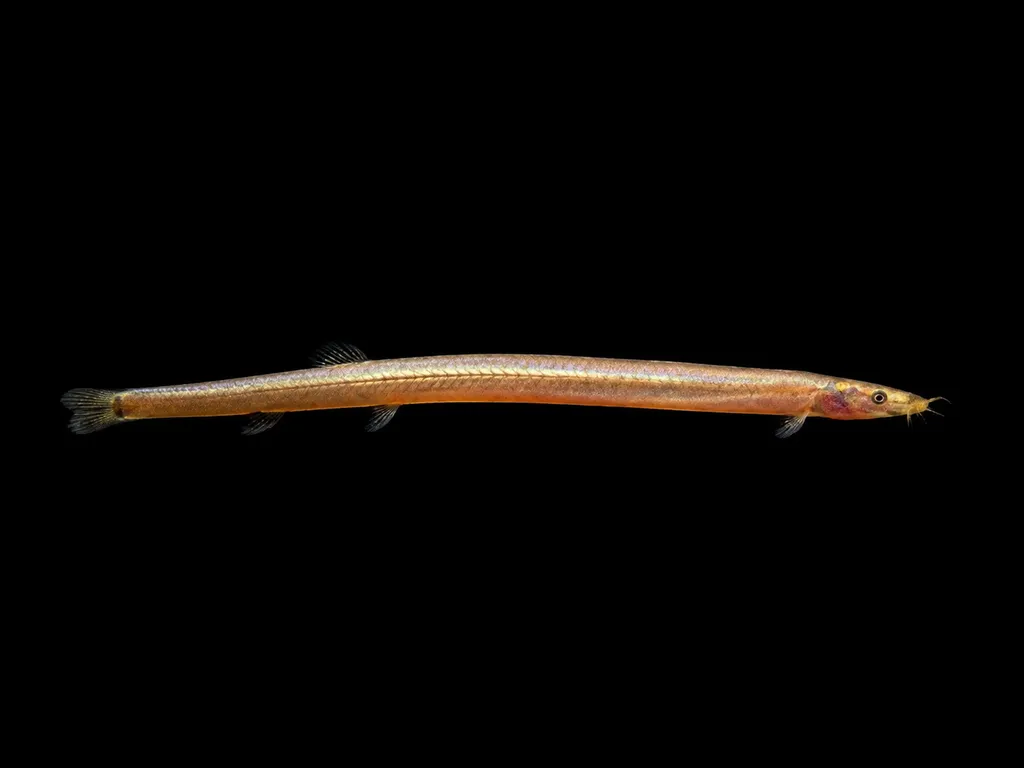
Sumatran neon loach
Pangio bitaimac
Also known as Neon kuhli loach, Two-spot kuhli
FreshwaterFish
Care at a glance
- Temperature
- 73–82°F
- 23–28°C
- pH
- 5.0–7.0
- Adult size
- 3.7 in
- 9.5 cm
- Minimum tank
- 14 gal
- 54 L
- Temperament
- Peaceful
- Social behavior
- Social
- Swim level
- Bottom
- Difficulty
- Medium
- Breeding
- Hard
- Rarity
- Rare
- Family
- Cobitidae
- Origin
- Blackwater streams of Sumatra, Indonesia
Overview
The Sumatran neon loach is a slender, active kuhli for the bottom of a soft, acidic tank. It is moderately demanding to keep.
Did you know
The Sumatran neon loach's species name, bitaimac, comes from bee tai mak, a short, thick rice noodle eaten across Southeast Asia. The name was chosen for the fish's plump, slippery, noodle-like body rather than for any color or marking.
Caring for the Sumatran neon loach
Start a group of Sumatran neon loaches in at least 14 gal (54 L), and give them more length as they grow. They grow longer and more eel-like than the little banded kuhlis they are sold beside. Give them a floor of soft, fine sand with driftwood, botanicals and plenty of cover. Dim light and a mature, quiet tank suit this secretive fish.
Keep the water soft and acidic, at 73 to 82°F (23 to 28°C) with a pH of 5.0 to 7.0, darkened with tannins. By day it threads through leaf litter and roots, and at night it comes out to hunt small prey. Feed it after dark like the rest of its family, offering small sinking foods, frozen bloodworm and live blackworm.
Sumatran neon loaches settle best in a group of six or more. They are peaceful and safe with small tank mates. Breeding them in aquaria is difficult and rarely, if ever, achieved.
Good to know
Pangio bitaimac is an eel-loach of the family Cobitidae, described in 2009. It belongs to the elongate anguillaris group of kuhlis. Despite the trade name neon, its colors are subtle: a dark stripe over purplish skin with a reddish tail.
In the wild
The Sumatran neon loach comes from the Batang Hari drainage in Sumatra. It lives in soft, peat-stained blackwater streams over sand and leaf litter.
Weekly picks
Tank mates
The Sumatran neon loach is a peaceful, social species that keeps to the bottom. These picks share a community profile with it, are safe together in both directions, and overlap on water type, temperature and pH.
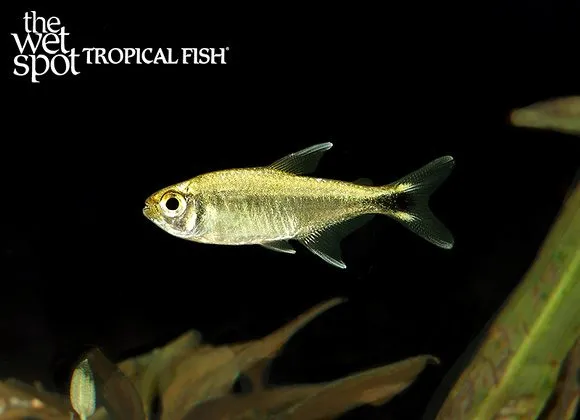
Colombian gold tetra
Hyphessobrycon saizi
Freshwater1.4 in (3.5 cm) · 14 gal (54 L)73–82°F (23–28°C)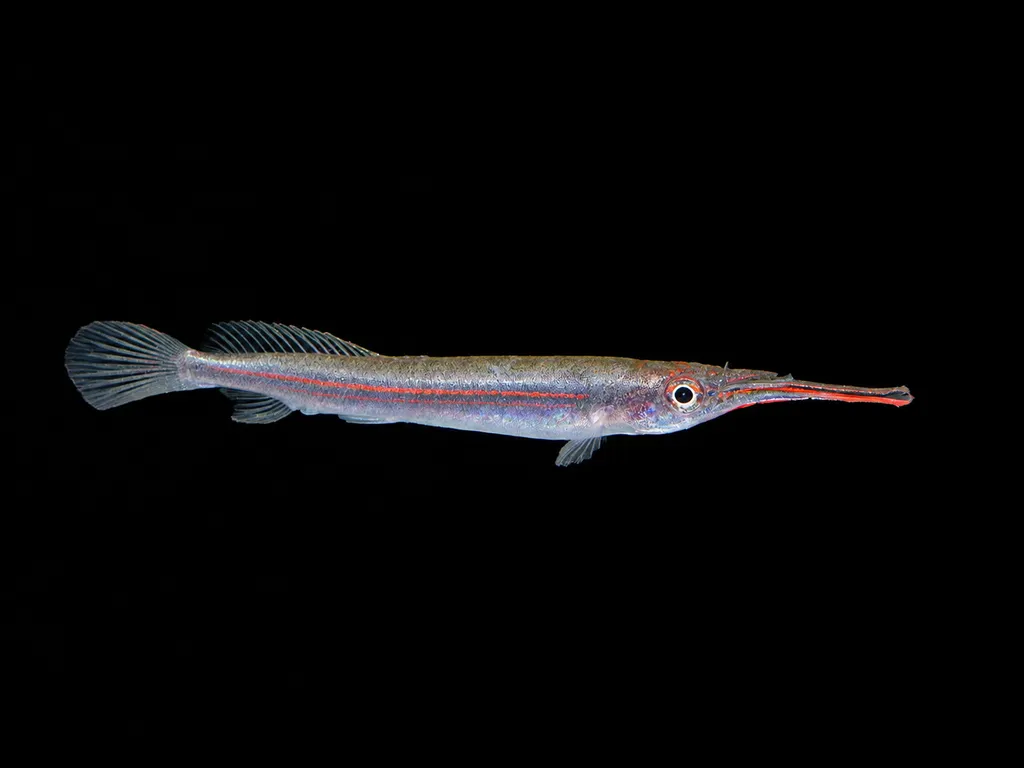
Red line halfbeak
Hemirhamphodon phaiosoma
Freshwater2.6 in (6.5 cm) · 14 gal (54 L)73–81°F (23–27°C)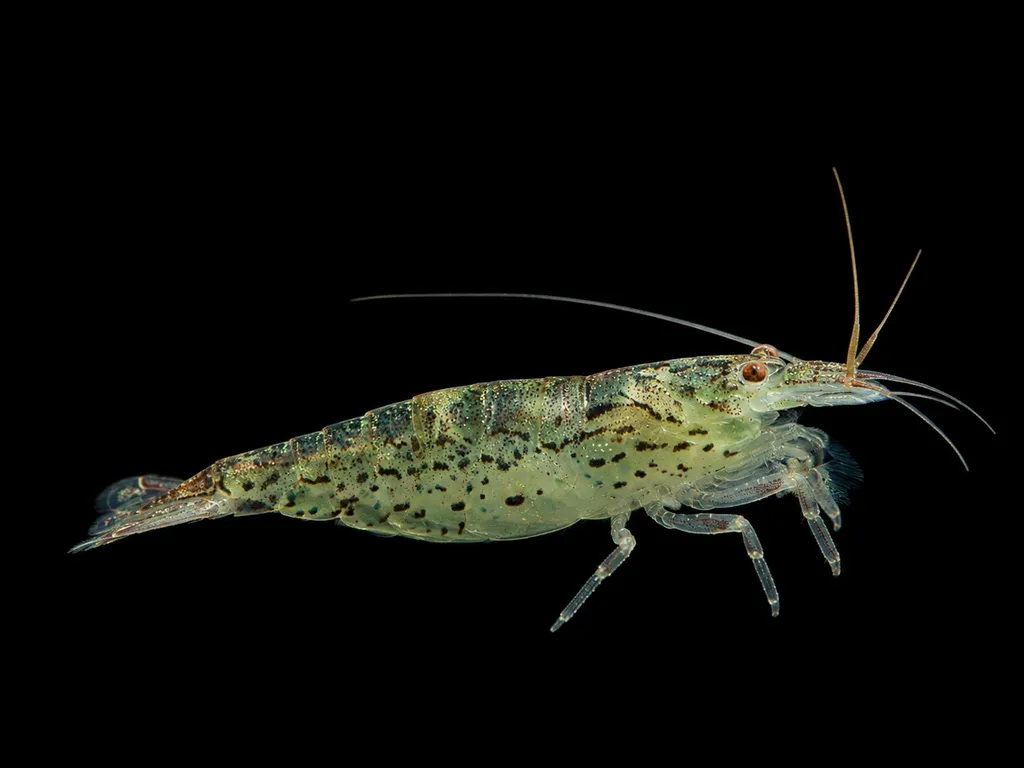
Green lace shrimp
Atyoida pilipes
Freshwater2.8 in (7 cm) · 14 gal (54 L)73–82°F (23–28°C)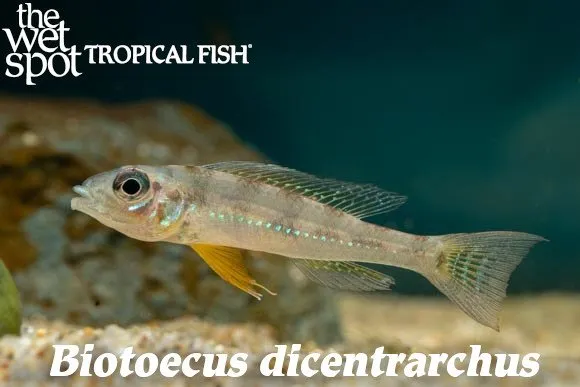
Branco dwarf cichlid
Biotoecus dicentrarchus
Freshwater2 in (5 cm) · 14 gal (54 L)75–82°F (24–28°C)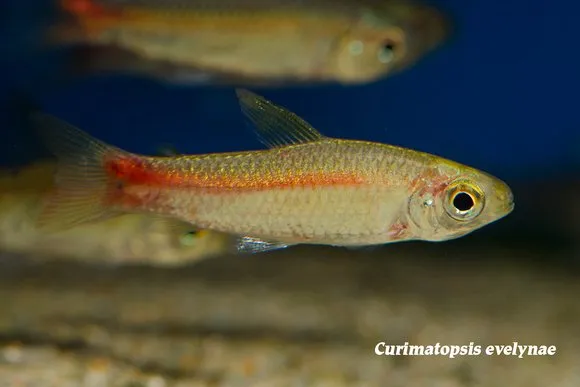
Spot-tail curimata
Curimatopsis evelynae
Freshwater1.6 in (4 cm) · 14 gal (54 L)73–82°F (23–28°C)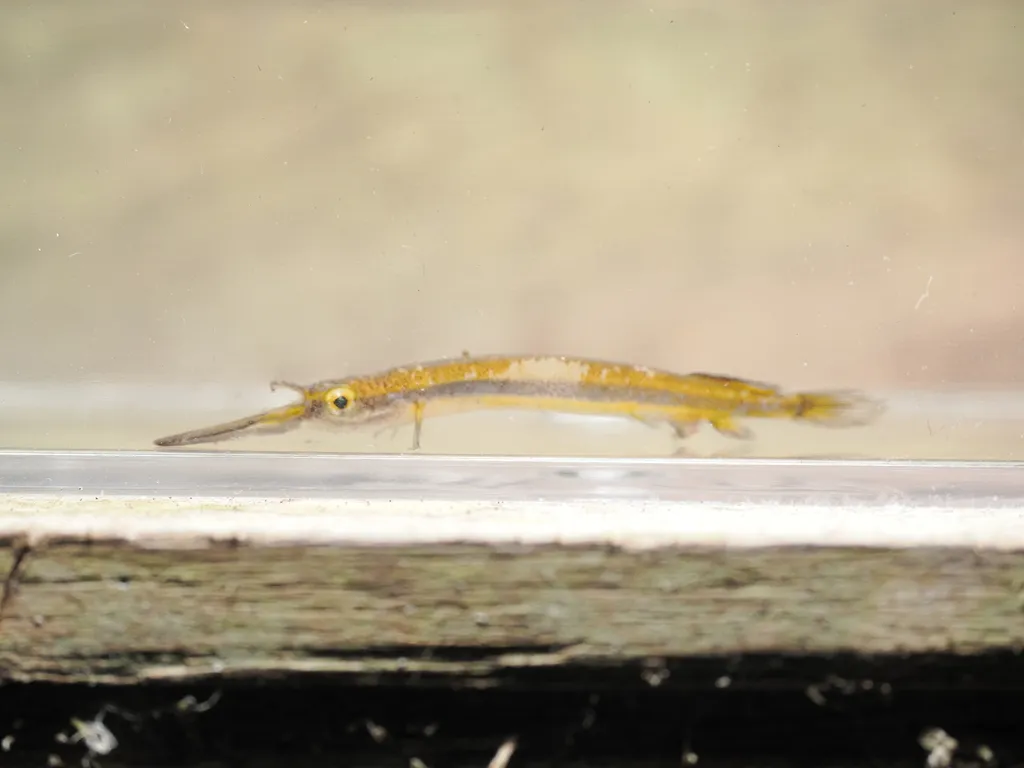
Gold-spotted halfbeak
Hemirhamphodon chrysopunctatus
Freshwater2.6 in (6.5 cm) · 14 gal (54 L)73–81°F (23–27°C)
Common questions
What size tank does a Sumatran neon loach need?
A Sumatran neon loach needs at least 14 gal (54 L). It spends most of its time in the bottom.
What temperature and pH does a Sumatran neon loach need?
A Sumatran neon loach is comfortable at 73–82°F (23–28°C) with a pH of 5.0–7.0.
What does a Sumatran neon loach eat?
A Sumatran neon loach hunts small prey at night. Feed it small sinking foods, frozen bloodworm and live blackworm after dark.
How big does a Sumatran neon loach get?
An adult Sumatran neon loach reaches about 3.7 in (9.5 cm).
Related species
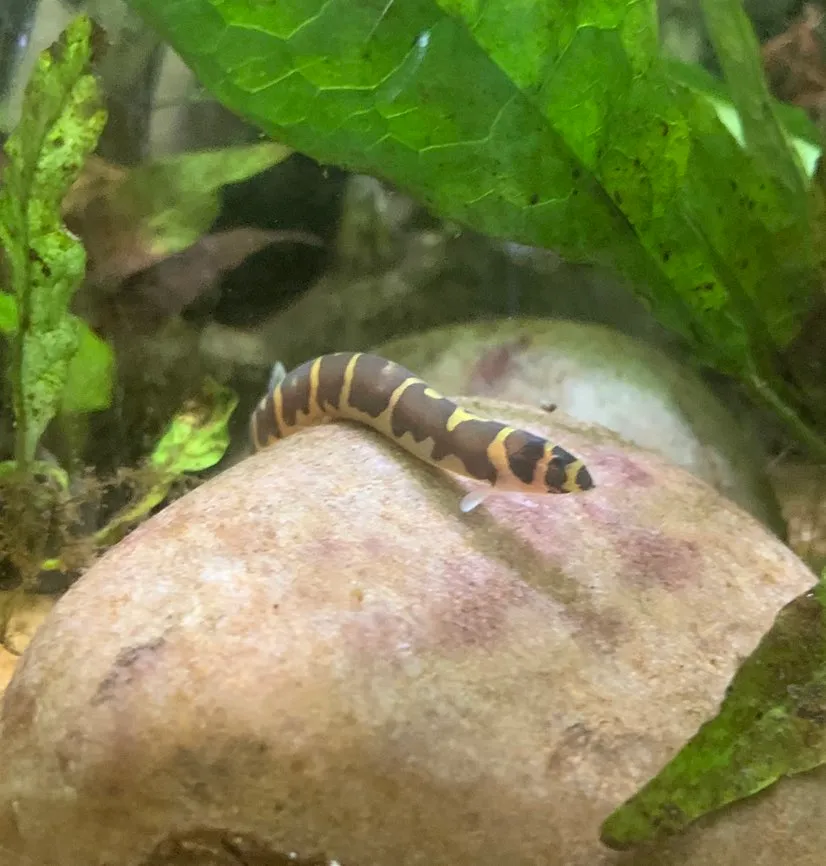
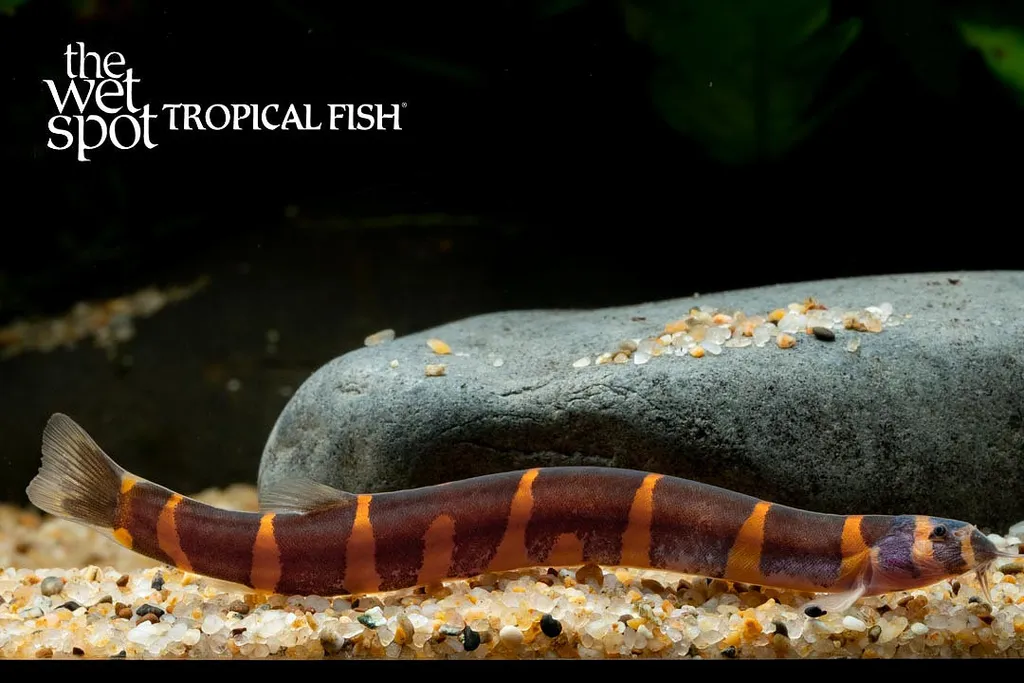 3.9 in (10 cm)20 gal (75 L)72–82°F (22–28°C)
Giant kuhli loach
Pangio myersi
3.9 in (10 cm) · 20 gal (75 L)
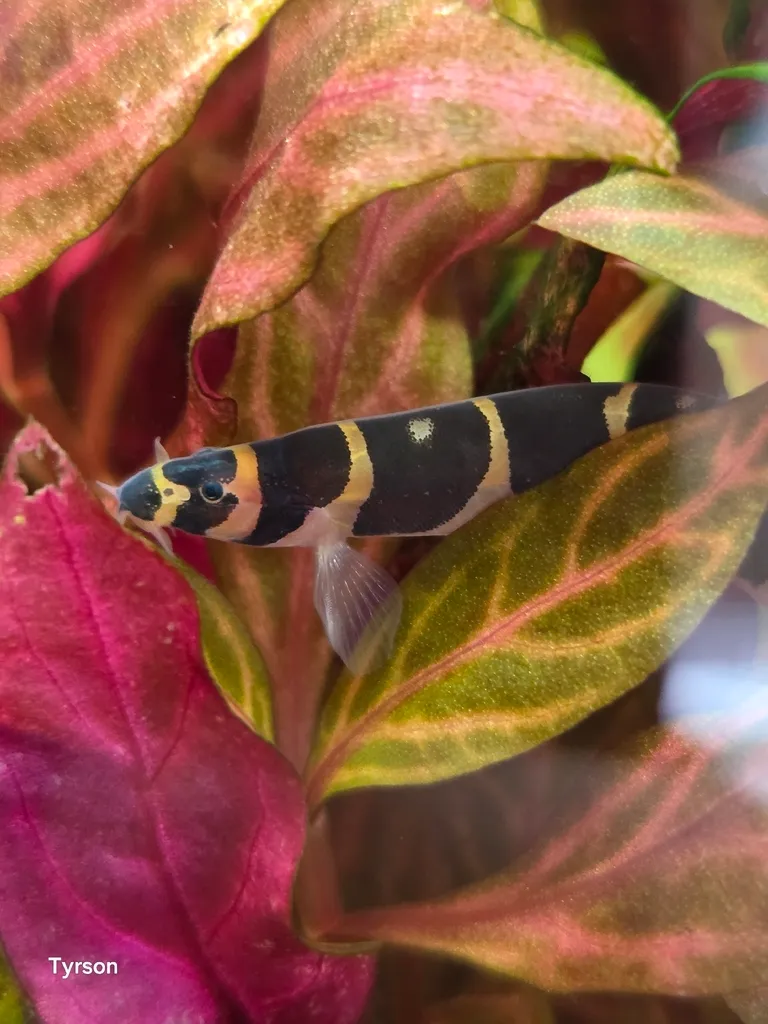
 3.9 in (10 cm)20 gal (75 L)70–79°F (21–26°C)
Half-banded kuhli loach
Pangio semicincta
3.9 in (10 cm) · 20 gal (75 L)
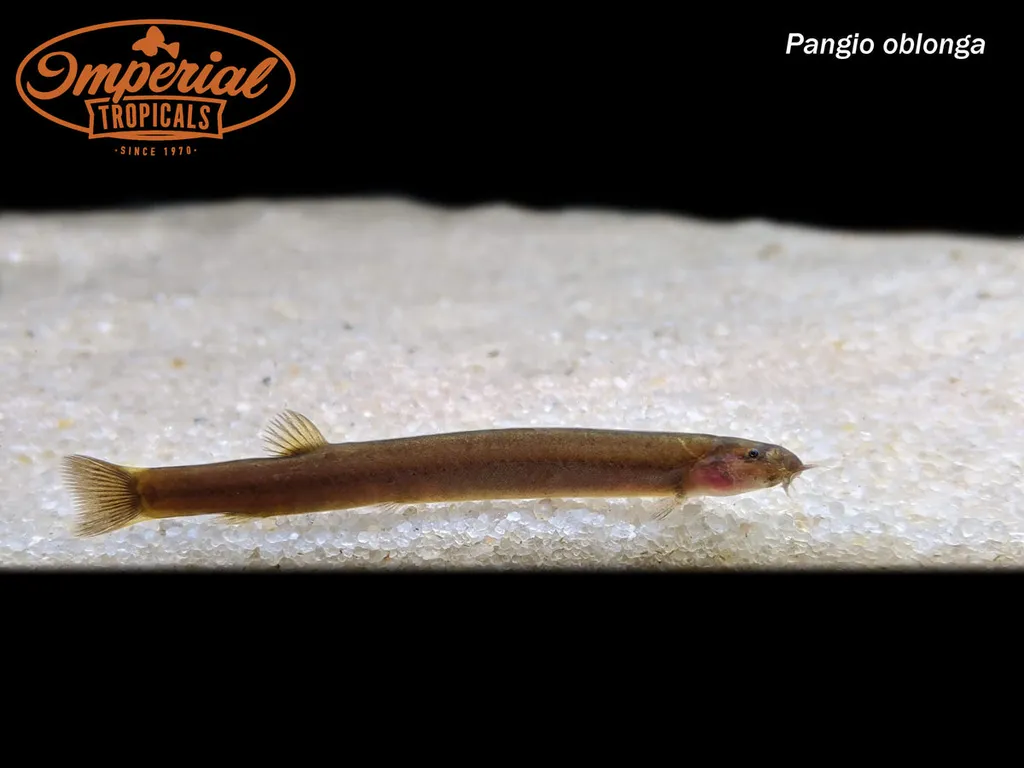
 3.9 in (10 cm)17 gal (65 L)72–82°F (22–28°C)
Kuhli loach
Pangio kuhlii
3.9 in (10 cm) · 17 gal (65 L)
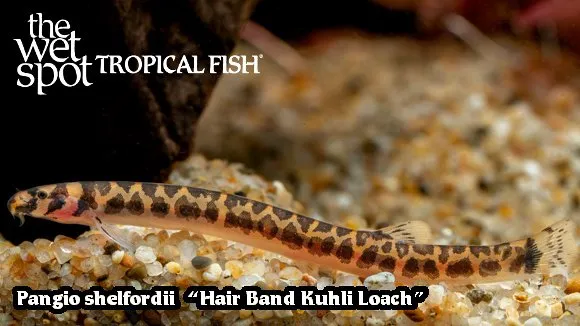
 3.1 in (8 cm)15 gal (55 L)70–79°F (21–26°C)
Java loach
Pangio oblonga
3.1 in (8 cm) · 15 gal (55 L)
 3.1 in (8 cm)15 gal (55 L)72–81°F (22–27°C)
Shelford's kuhli loach
Pangio shelfordii
3.1 in (8 cm) · 15 gal (55 L)
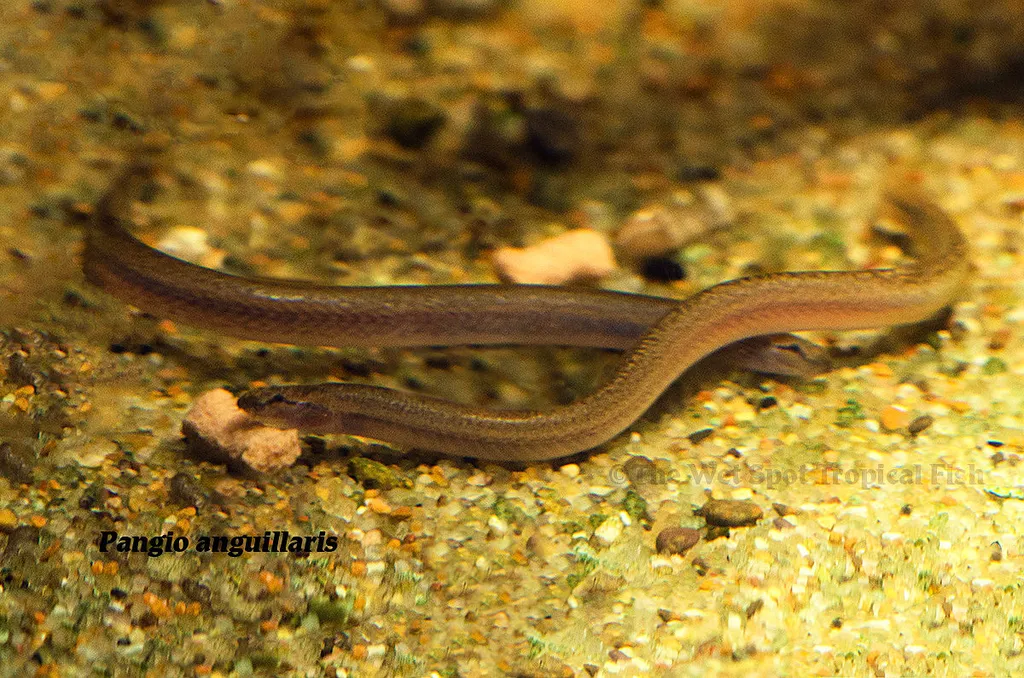 4.7 in (12 cm)20 gal (75 L)72–82°F (22–28°C)
Eel kuhli loach
Pangio anguillaris
4.7 in (12 cm) · 20 gal (75 L)