Giant kuhli loach
Pangio myersi
Also known as Myers' loach, Slimy myersi loach, Acanthophthalmus myersi
FreshwaterFish
Care at a glance
- Temperature
- 72–82°F
- 22–28°C
- pH
- 5.5–7.0
- Adult size
- 3.9 in
- 10 cm
- Minimum tank
- 20 gal
- 75 L
- Temperament
- Peaceful
- Social behavior
- Social
- Swim level
- Bottom
- Difficulty
- Easy
- Breeding
- No record
- Rarity
- Common
- Family
- Cobitidae
- Origin
- Found in Thailand, Cambodia and the lower Mekong basin, in slow streams and floodplains with soft substrate and leaf litter.
Overview
Keep at least 5 or 6 together in a tank of 75 litres or more with soft sand, at 22 to 28 C and pH 5.5 to 7.0. It roots through the substrate for worms and insect larvae, so feed sinking foods, frozen bloodworm, tubifex and brine shrimp. Peaceful and community-safe, it suits tanks with gouramis, rasboras, barbs and other calm fish, though very small shrimp fry may be eaten.
In the wild
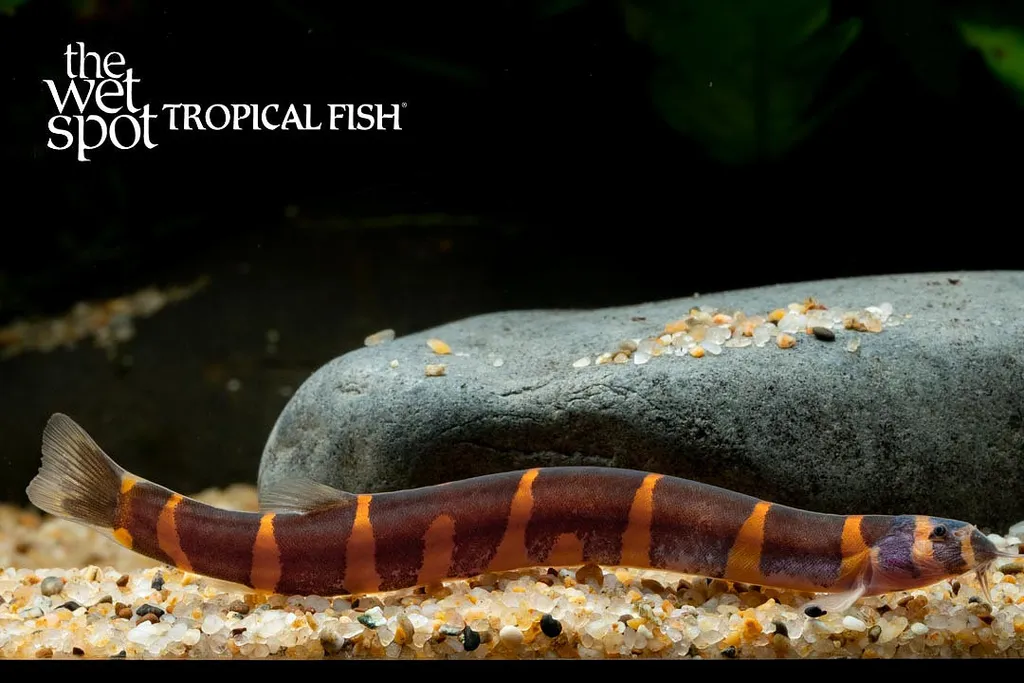
The heaviest-bodied of the banded kuhli loaches, reaching about 10 cm with broad dark saddles over a pinkish base. It is a nocturnal burrower that needs a soft sand bed and plenty of shaded cover such as wood, leaf litter and plants. Like other kuhlis it is far more confident and active when kept in a group.
Good to know
It is a true loach in the family Cobitidae and was once placed in the genus Acanthophthalmus. It can gulp air at the surface and absorb oxygen through its gut, an adaptation to the low-oxygen, seasonally stagnant waters it inhabits.
Did you know
A tight-fitting lid matters, because kuhli loaches are escape artists that can slip out of surprisingly small gaps.
Weekly picks
Tank mates
Giant kuhli loach is a peaceful, social species that keeps to the bottom. These picks share a community profile with it, are safe together in both directions, and overlap on water type, temperature and pH.
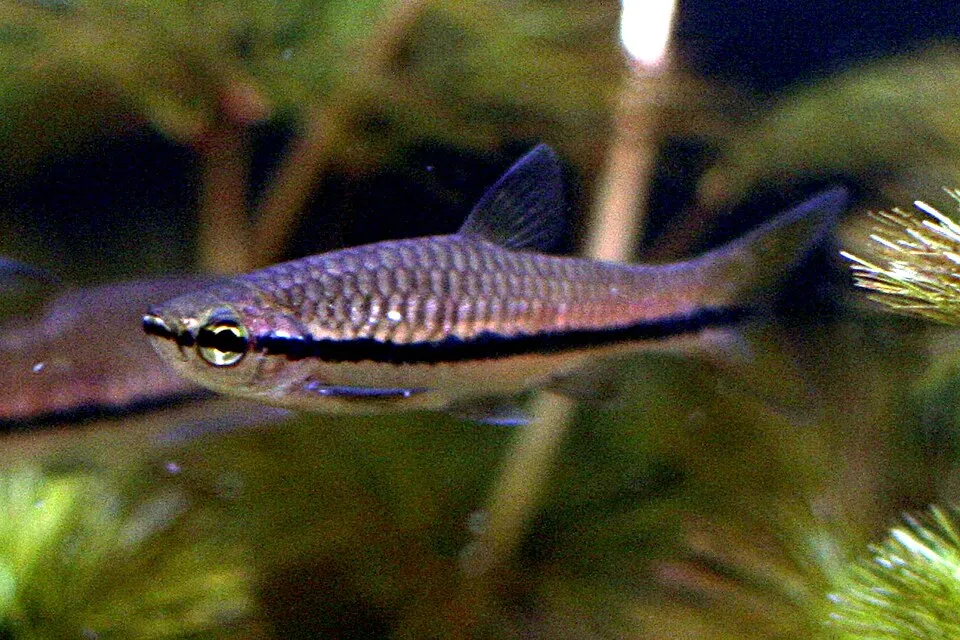
Brilliant rasbora
Rasbora einthovenii
Freshwater3.5 in (9 cm) · 20 gal (75 L)72–82°F (22–28°C)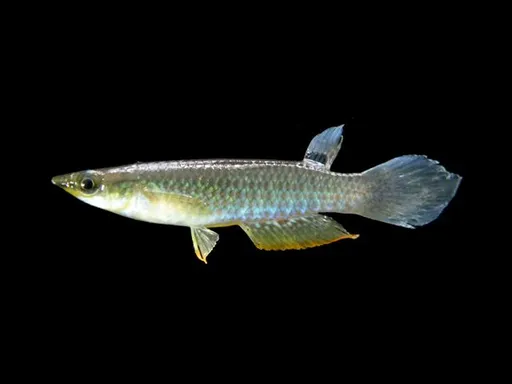
Blue panchax
Aplocheilus panchax
Freshwater3.5 in (9 cm) · 20 gal (75 L)72–82°F (22–28°C)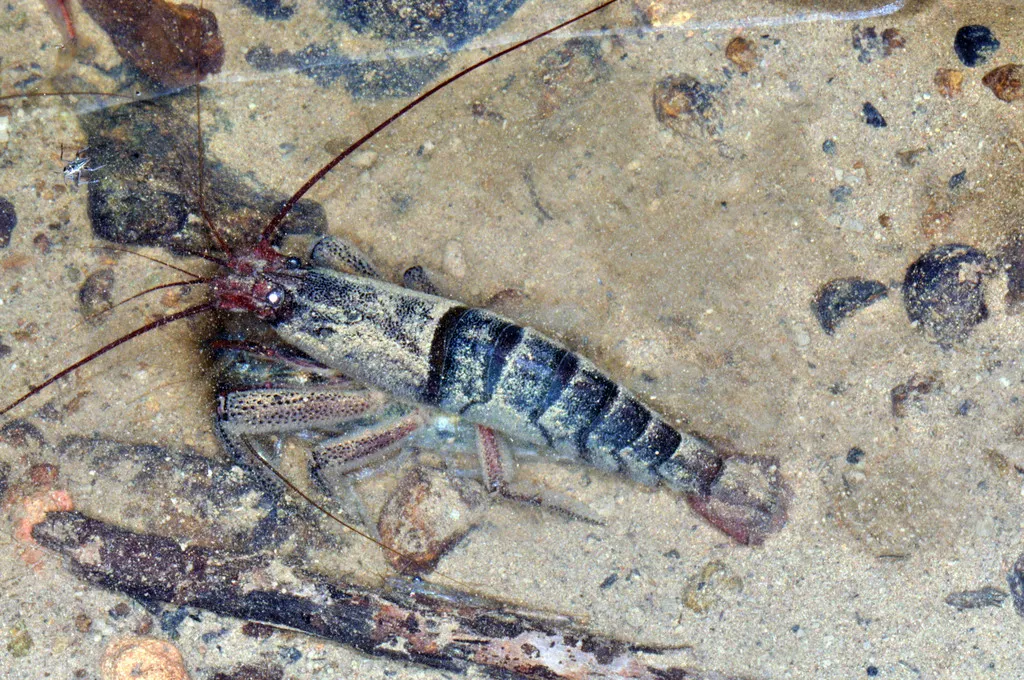
Marble wood shrimp
Atya scabra
Freshwater3.9 in (10 cm) · 20 gal (75 L)73–82°F (23–28°C)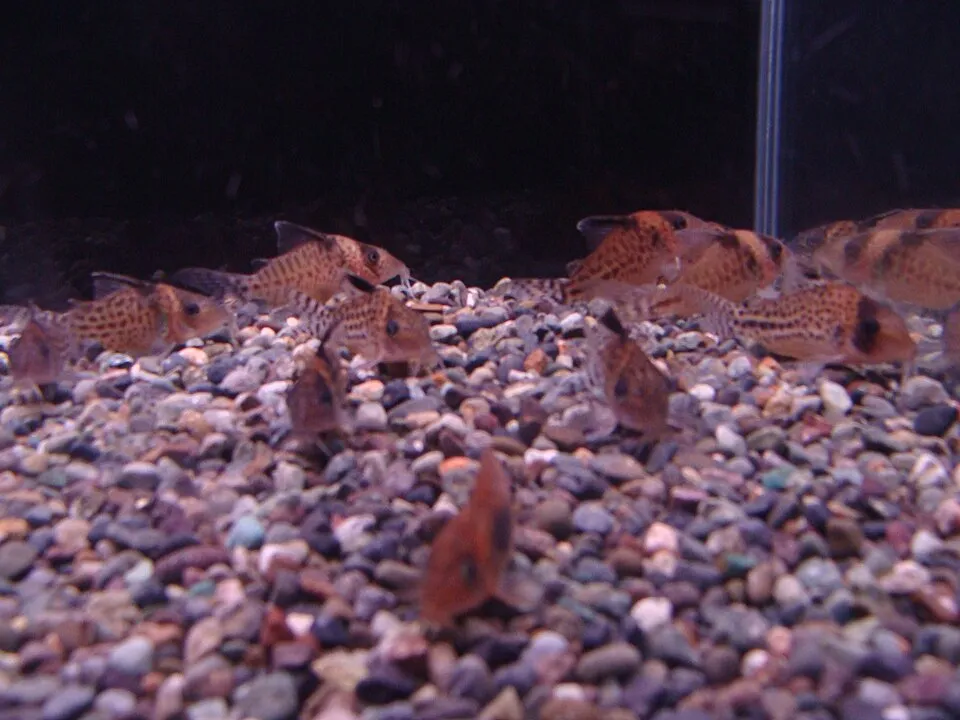
Spotted cory
Brochis ambiacus
Freshwater2.6 in (6.5 cm) · 20 gal (75 L)70–81°F (21–27°C)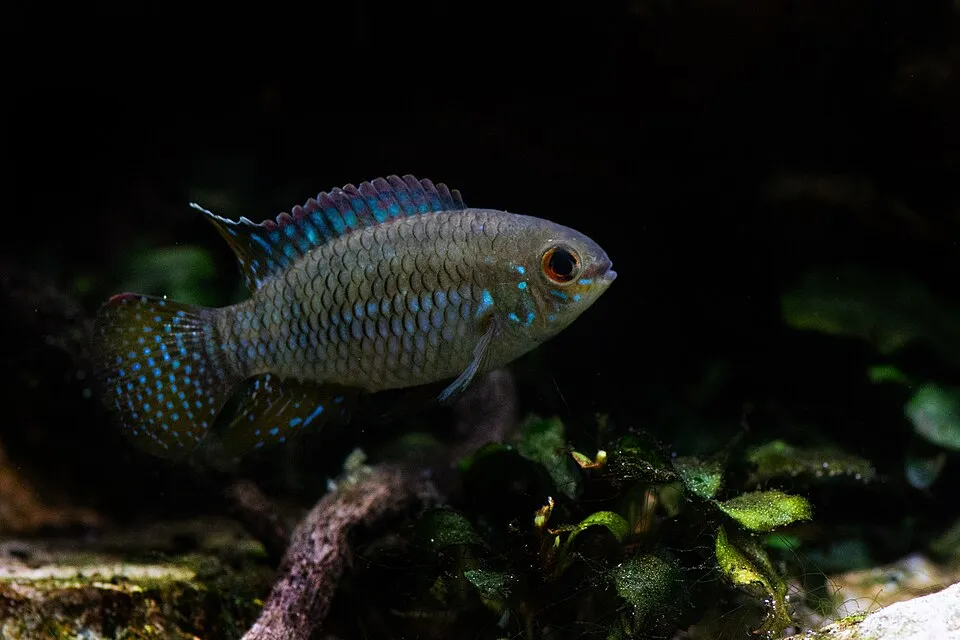
Dwarf flag cichlid
Laetacara curviceps
Freshwater2.2 in (5.5 cm) · 20 gal (75 L)68–82°F (20–28°C)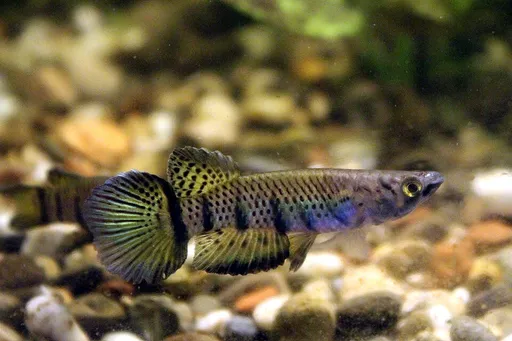
Six-barred panchax
Epiplatys sexfasciatus
Freshwater3.9 in (10 cm) · 20 gal (75 L)72–81°F (22–27°C)
Common questions
What size tank does a Giant kuhli loach need?
A Giant kuhli loach needs at least 20 gal (75 L). It spends most of its time in the bottom.
What temperature and pH does a Giant kuhli loach need?
A Giant kuhli loach is comfortable at 72–82°F (22–28°C) with a pH of 5.5–7.0.
How big does a Giant kuhli loach get?
An adult Giant kuhli loach reaches about 3.9 in (10 cm).
Related species
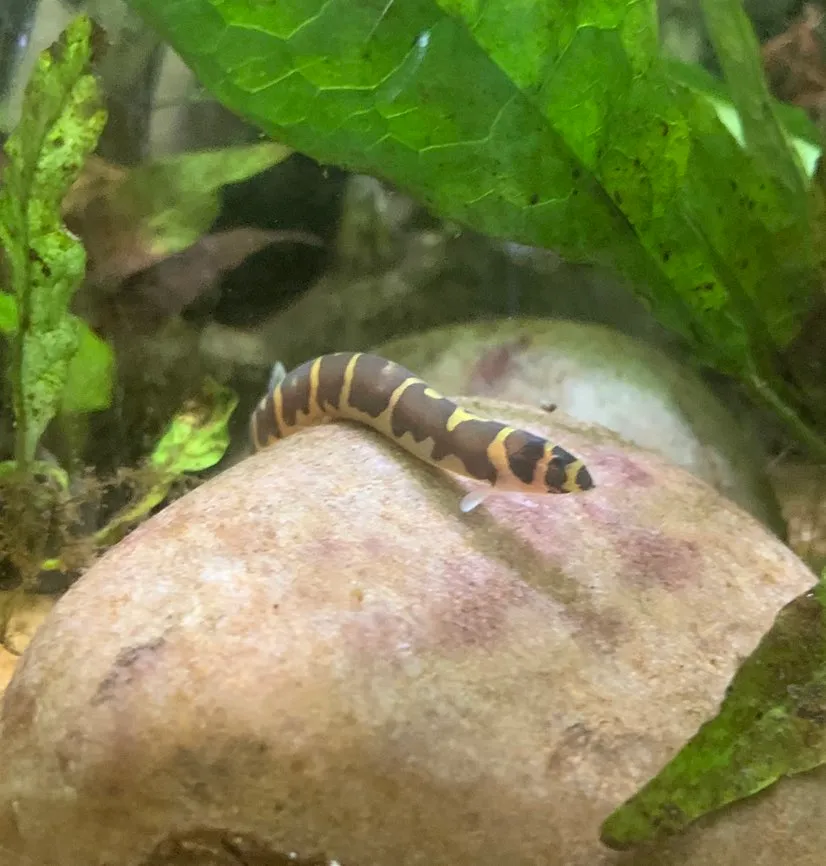 3.9 in (10 cm)28 gal (105 L)70–79°F (21–26°C)
Half-banded kuhli loach
Pangio semicincta
3.9 in (10 cm) · 28 gal (105 L)
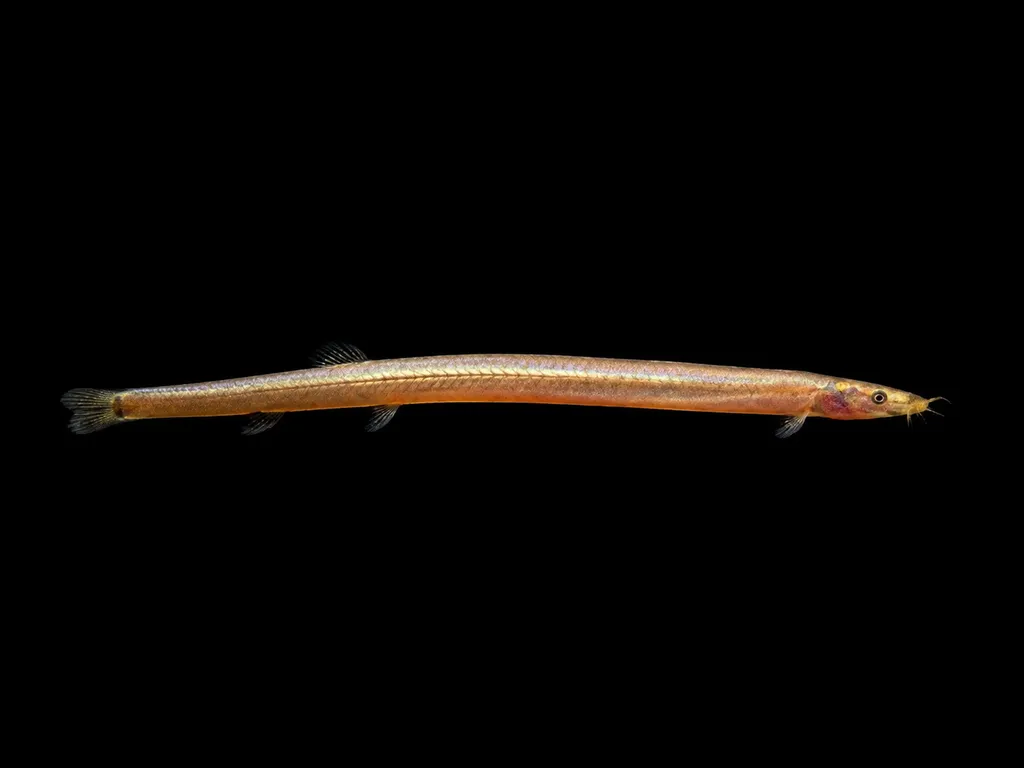
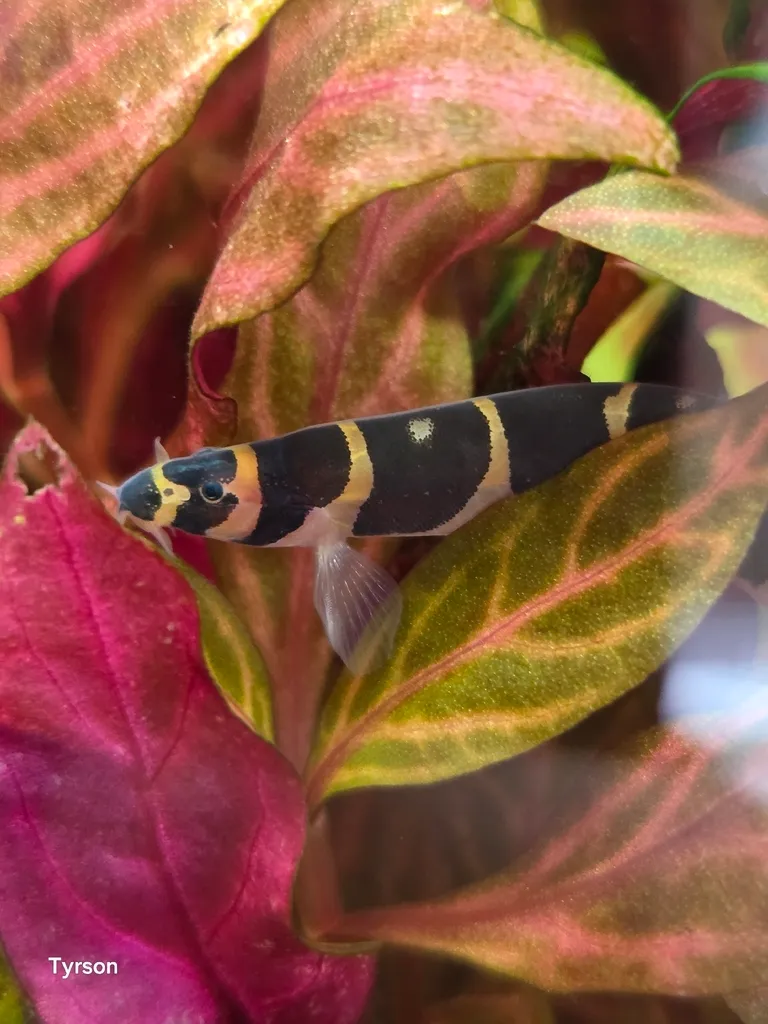 3.9 in (10 cm)20 gal (75 L)72–82°F (22–28°C)
Kuhli loach
Pangio kuhlii
3.9 in (10 cm) · 20 gal (75 L)
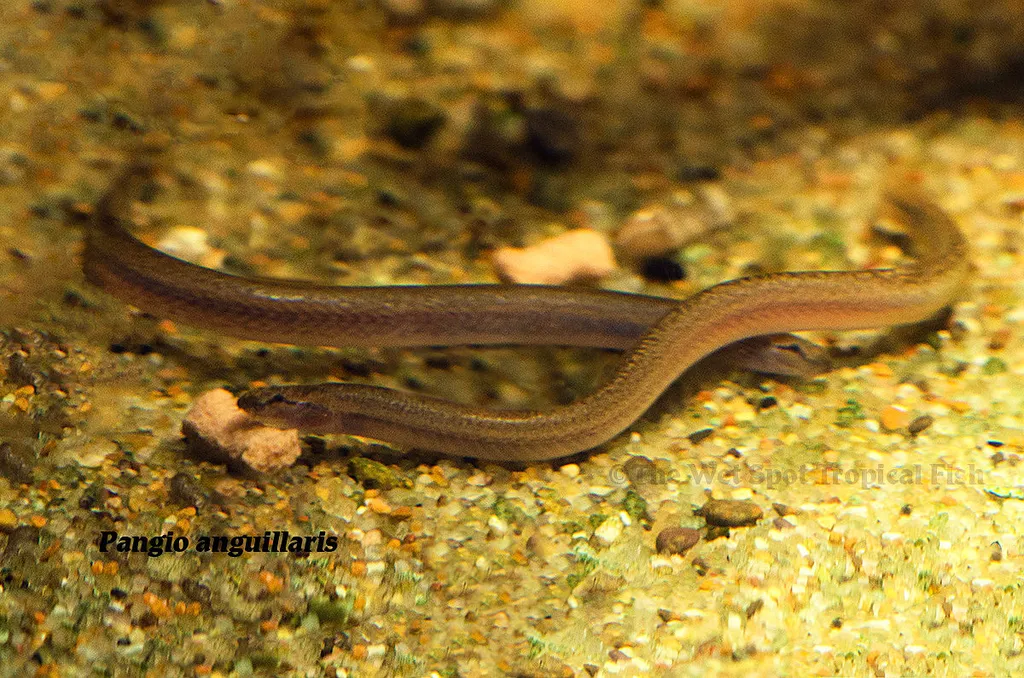
 3.7 in (9.5 cm)14 gal (54 L)73–82°F (23–28°C)
Sumatran neon loach
Pangio bitaimac
3.7 in (9.5 cm) · 14 gal (54 L)
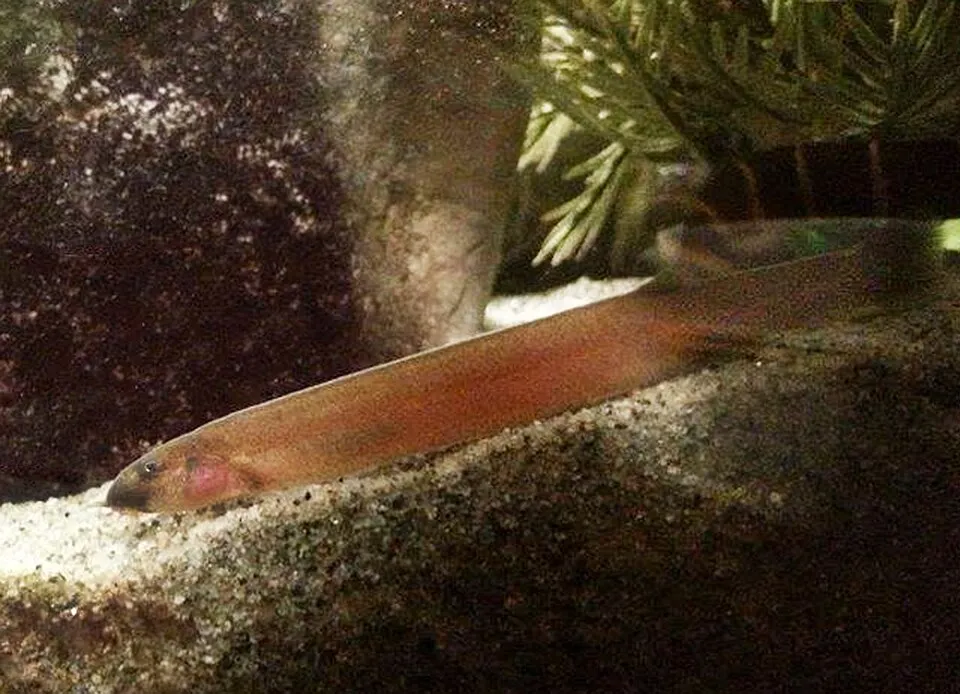
 4.7 in (12 cm)20 gal (75 L)72–82°F (22–28°C)
Eel kuhli loach
Pangio anguillaris
4.7 in (12 cm) · 20 gal (75 L)
 3.1 in (8 cm)25 gal (95 L)70–79°F (21–26°C)
Java loach
Pangio oblonga
3.1 in (8 cm) · 25 gal (95 L)
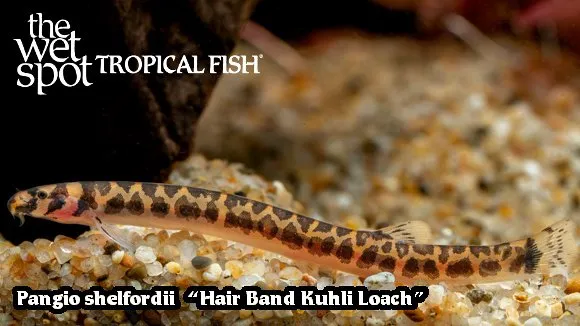 3.1 in (8 cm)24 gal (90 L)72–81°F (22–27°C)
Shelford's kuhli loach
Pangio shelfordii
3.1 in (8 cm) · 24 gal (90 L)