Kuhli loach
Pangio kuhlii
Also known as Coolie loach
FreshwaterFish
Care at a glance
- Temperature
- 72–82°F
- 22–28°C
- pH
- 6.0–7.0
- Adult size
- 3.9 in
- 10 cm
- Minimum tank
- 20 gal
- 75 L
- Temperament
- Peaceful
- Social behavior
- Shoaling
- Swim level
- Bottom
- Difficulty
- Easy
- Breeding
- Hard
- Rarity
- Very common
- Family
- Cobitidae
- Origin
- Southeast Asia (Malay Peninsula, Sumatra, Borneo, Java)
Overview
Keep them in a group of at least five or six, since on their own they hide constantly and stress, in a tank of 75 liters or larger. They are peaceful bottom dwellers that come out mostly at night to forage, so feed sinking foods like pellets, wafers, and frozen bloodworms after the lights go down. Water should sit at 22 to 28 C with a pH from 6 to 7, and the substrate must be fine soft sand because sharp gravel damages their barbels. Being scaleless, they are sensitive to salt and many medications, so dose carefully and at reduced strength. Keep a tight lid as well, since they will work through small gaps and escape.
In the wild
Kuhli loaches come from slow forest streams and leaf-littered pools across Southeast Asia, including the Malay Peninsula, Sumatra, Borneo, and Java. These are warm, soft, slightly acidic waters with a soft bottom they can burrow into. To match that, give them a tank of at least 75 liters with fine soft sand, plenty of hiding places like driftwood and plant roots, and a dim setup since they are nocturnal. Keep the water warm at 22 to 28 C with a pH from 6 to 7.
Good to know
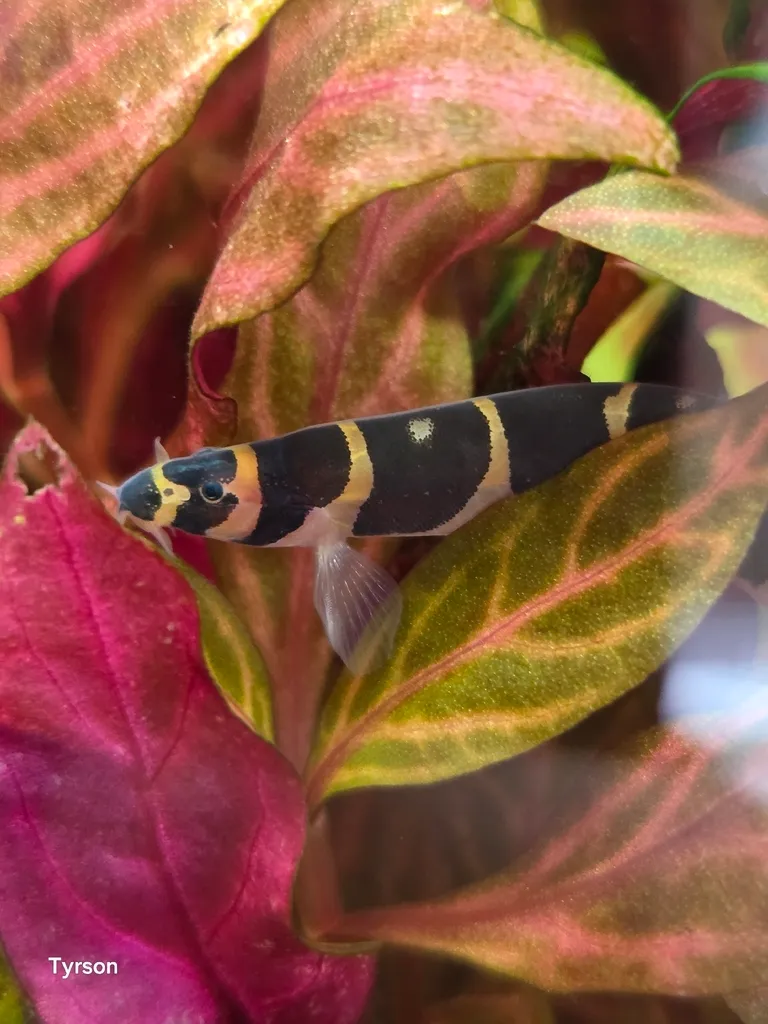
This is an eel-shaped, scaleless loach in the family Cobitidae, reaching about 10 cm as an adult. Captive breeding is essentially unrecorded, so almost every fish in the trade is wild caught. With good care they can live several years, and being scaleless makes them more delicate than most community fish.
Did you know
Kuhli loaches have a small spine that folds out from beneath each eye, which they can flick up as a defense. If a larger fish tries to swallow one, that spine can lodge in its mouth or throat, and netting one is awkward for the same reason since the spine snags the mesh.
Weekly picks
Tank mates
Kuhli loach is a peaceful, shoaling species that keeps to the bottom. These picks share a community profile with it, are safe together in both directions, and overlap on water type, temperature and pH.
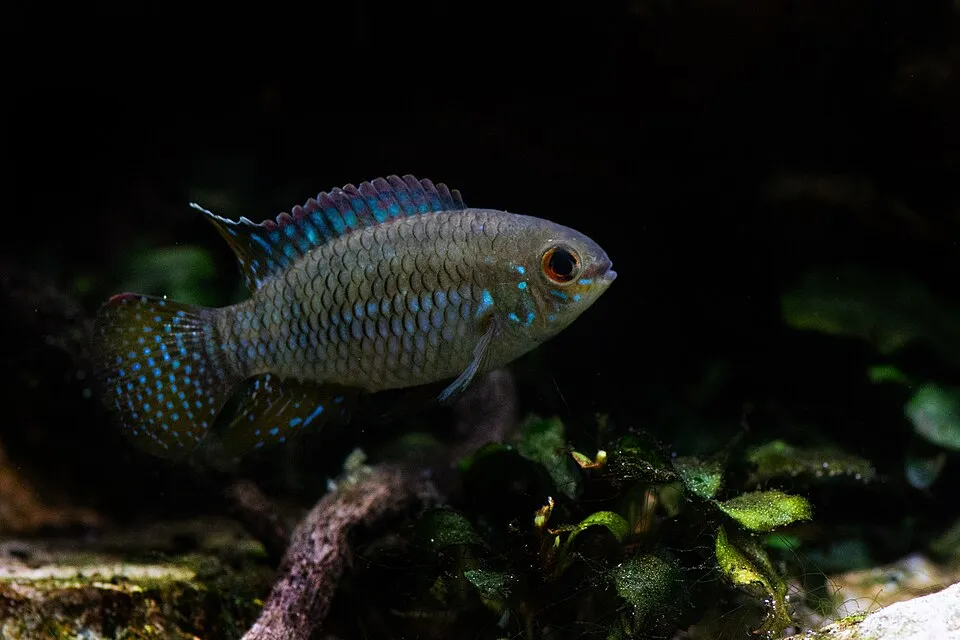
Dwarf flag cichlid
Laetacara curviceps
Freshwater2.2 in (5.5 cm) · 20 gal (75 L)68–82°F (20–28°C)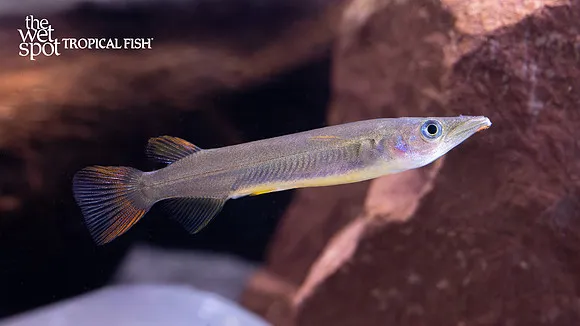
Rex halfbeak
Nomorhamphus rex
Freshwater2.2 in (5.5 cm) · 20 gal (75 L)72–79°F (22–26°C)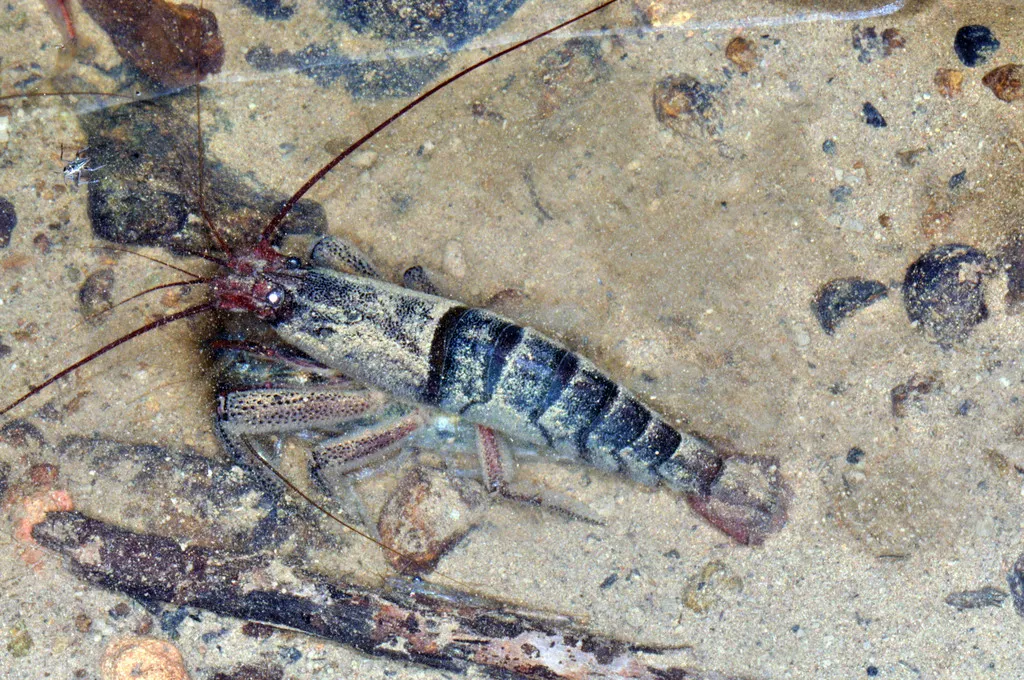
Marble wood shrimp
Atya scabra
Freshwater3.9 in (10 cm) · 20 gal (75 L)73–82°F (23–28°C)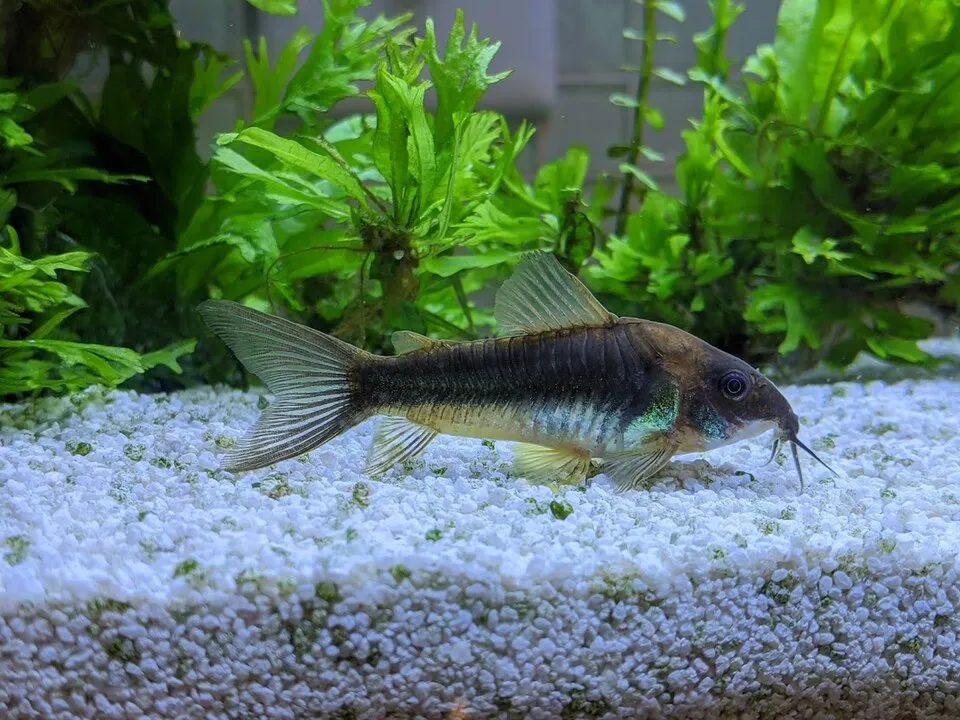
Bronze cory
Osteogaster aenea
Freshwater3 in (7.5 cm) · 20 gal (75 L)70–81°F (21–27°C)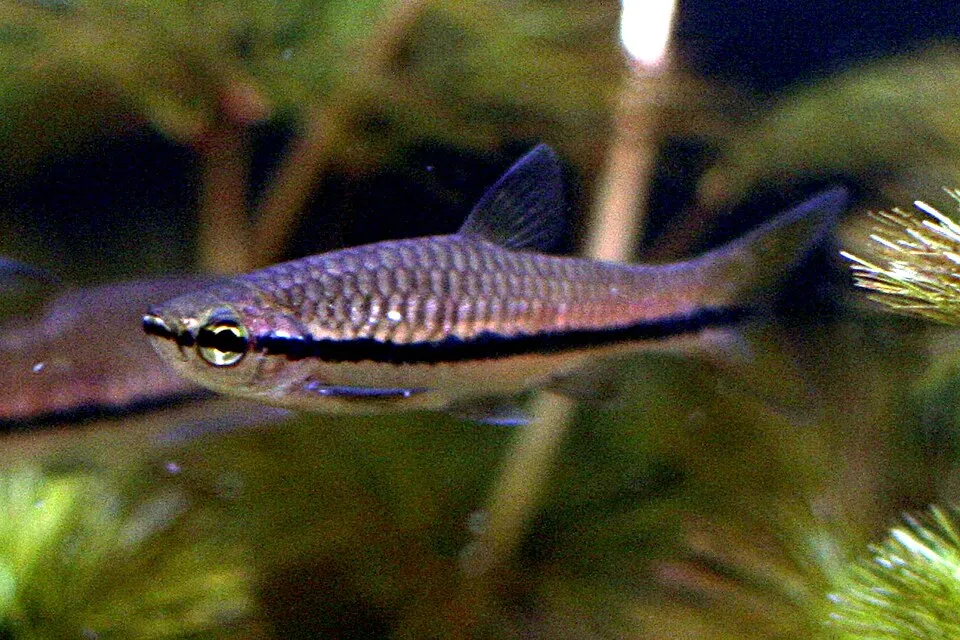
Brilliant rasbora
Rasbora einthovenii
Freshwater3.5 in (9 cm) · 20 gal (75 L)72–82°F (22–28°C)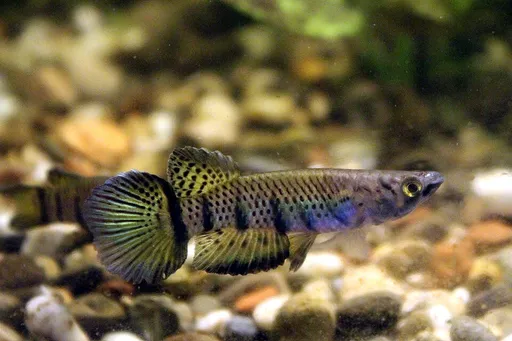
Six-barred panchax
Epiplatys sexfasciatus
Freshwater3.9 in (10 cm) · 20 gal (75 L)72–81°F (22–27°C)
Common questions
What size tank does a Kuhli loach need?
A Kuhli loach needs at least 20 gal (75 L). It spends most of its time in the bottom.
What temperature and pH does a Kuhli loach need?
A Kuhli loach is comfortable at 72–82°F (22–28°C) with a pH of 6.0–7.0.
How big does a Kuhli loach get?
An adult Kuhli loach reaches about 3.9 in (10 cm).
Does a Kuhli loach need a group?
Yes. A Kuhli loach is a shoaling species and should be kept in a group, not singly.
Related species
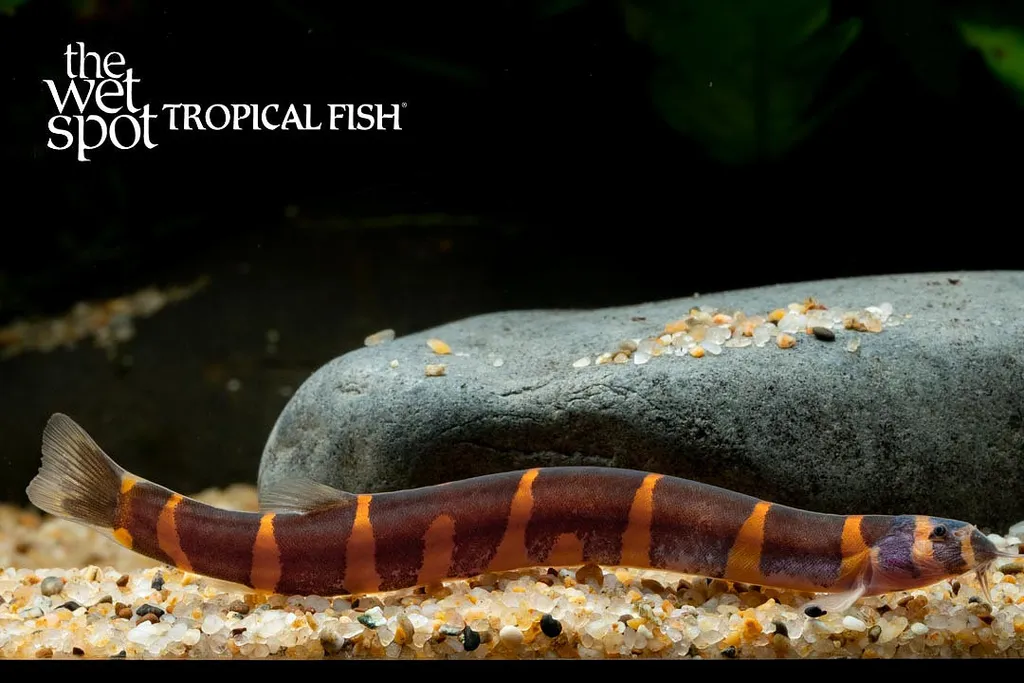 3.9 in (10 cm)20 gal (75 L)72–82°F (22–28°C)
Giant kuhli loach
Pangio myersi
3.9 in (10 cm) · 20 gal (75 L)
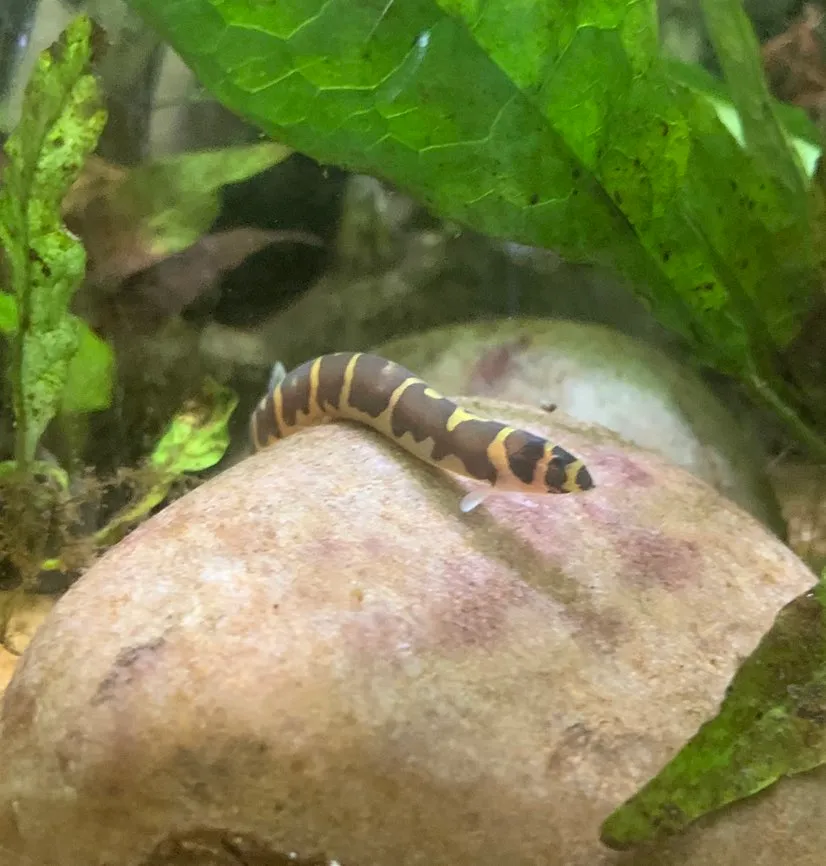 3.9 in (10 cm)28 gal (105 L)70–79°F (21–26°C)
Half-banded kuhli loach
Pangio semicincta
3.9 in (10 cm) · 28 gal (105 L)
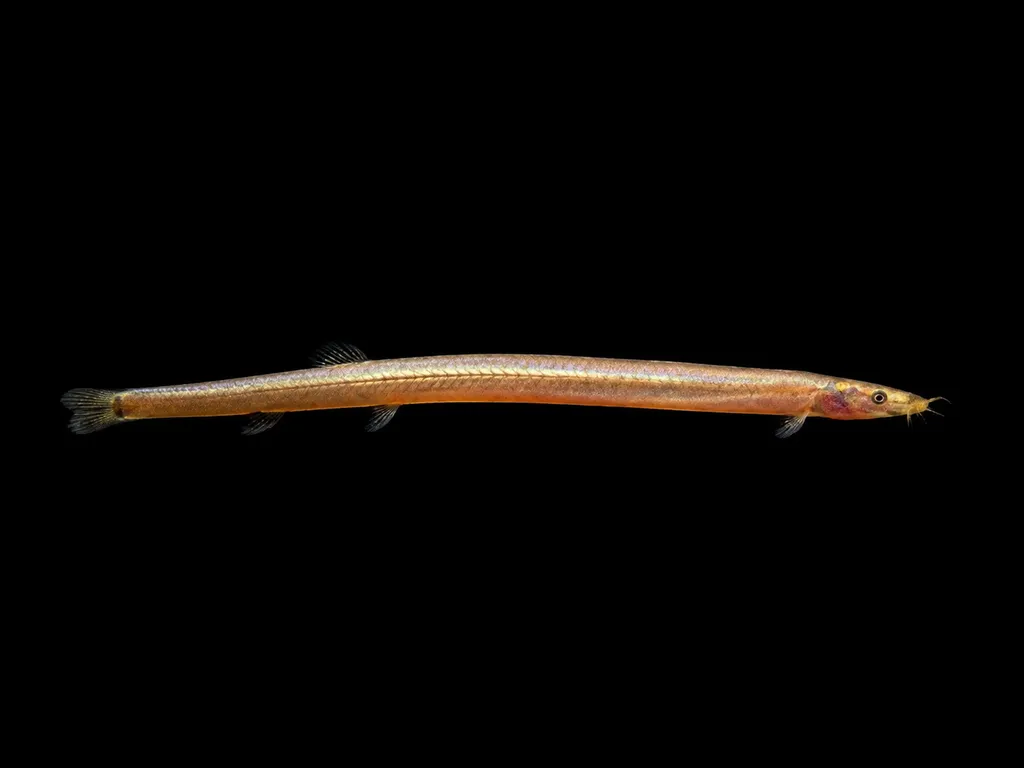 3.7 in (9.5 cm)14 gal (54 L)73–82°F (23–28°C)
Sumatran neon loach
Pangio bitaimac
3.7 in (9.5 cm) · 14 gal (54 L)
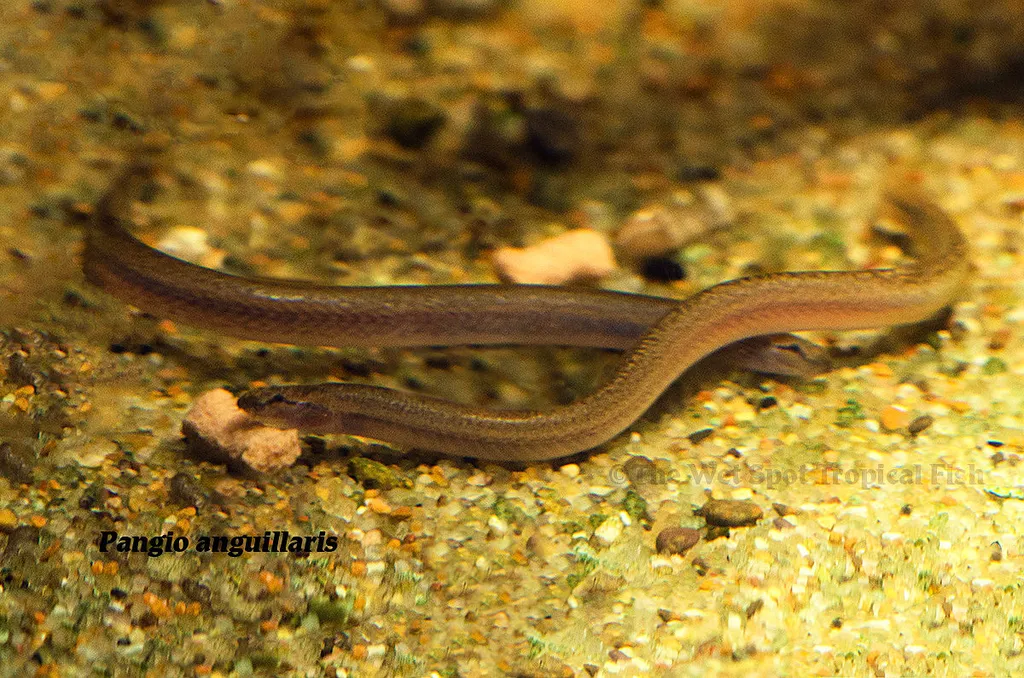 4.7 in (12 cm)20 gal (75 L)72–82°F (22–28°C)
Eel kuhli loach
Pangio anguillaris
4.7 in (12 cm) · 20 gal (75 L)
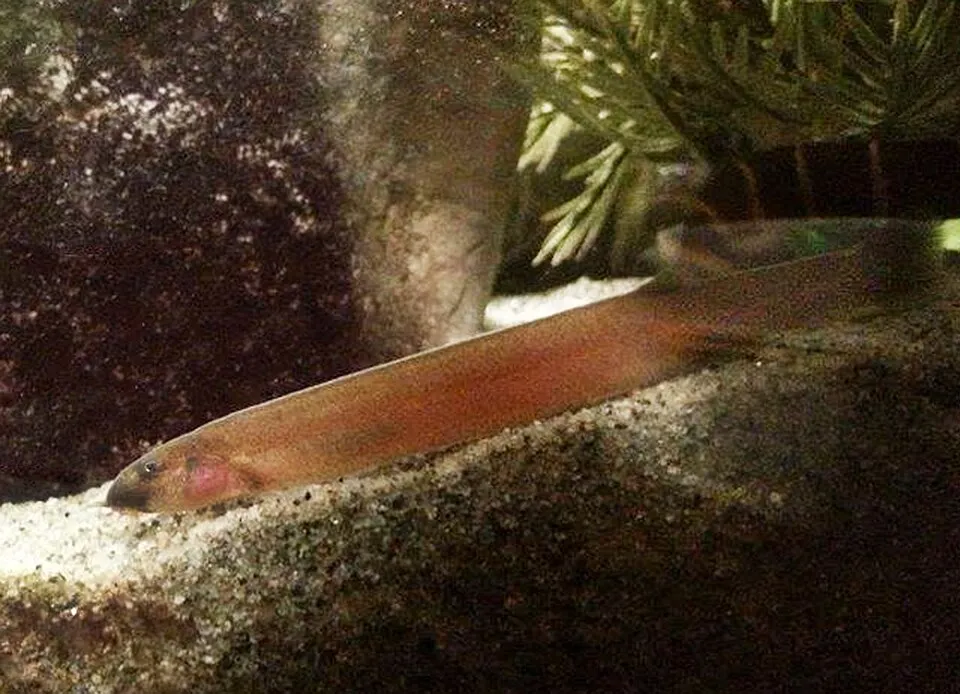 3.1 in (8 cm)25 gal (95 L)70–79°F (21–26°C)
Java loach
Pangio oblonga
3.1 in (8 cm) · 25 gal (95 L)
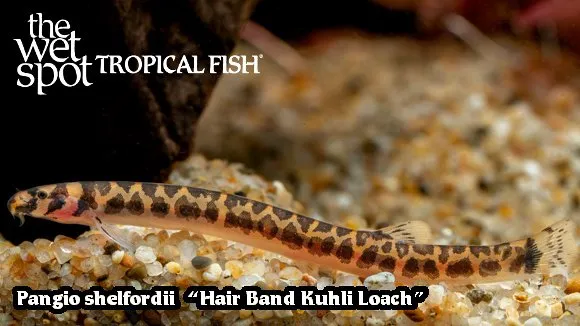 3.1 in (8 cm)24 gal (90 L)72–81°F (22–27°C)
Shelford's kuhli loach
Pangio shelfordii
3.1 in (8 cm) · 24 gal (90 L)