Java loach
Pangio oblonga
Also known as Black Kuhli Loach
FreshwaterFish
Care at a glance
- Temperature
- 70–79°F
- 21–26°C
- pH
- 6.0–7.5
- Adult size
- 3.1 in
- 8 cm
- Minimum tank
- 25 gal
- 95 L
- Temperament
- Peaceful
- Social behavior
- Shoaling
- Swim level
- Bottom
- Difficulty
- Easy
- Breeding
- No record
- Rarity
- Rare
- Family
- Cobitidae
- Origin
- Sunda Islands, Thailand
Overview
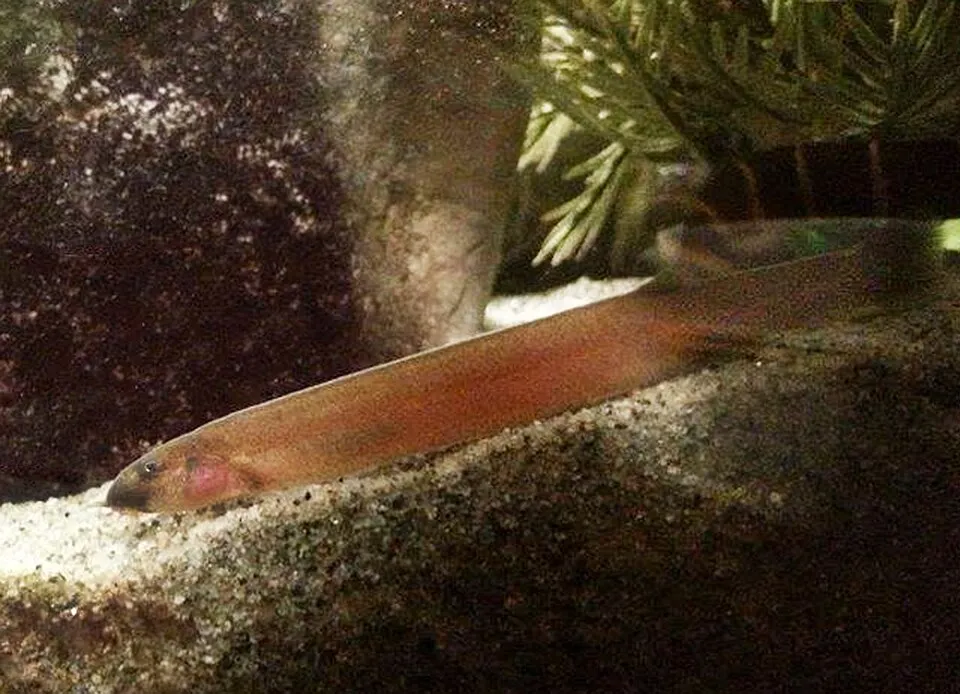
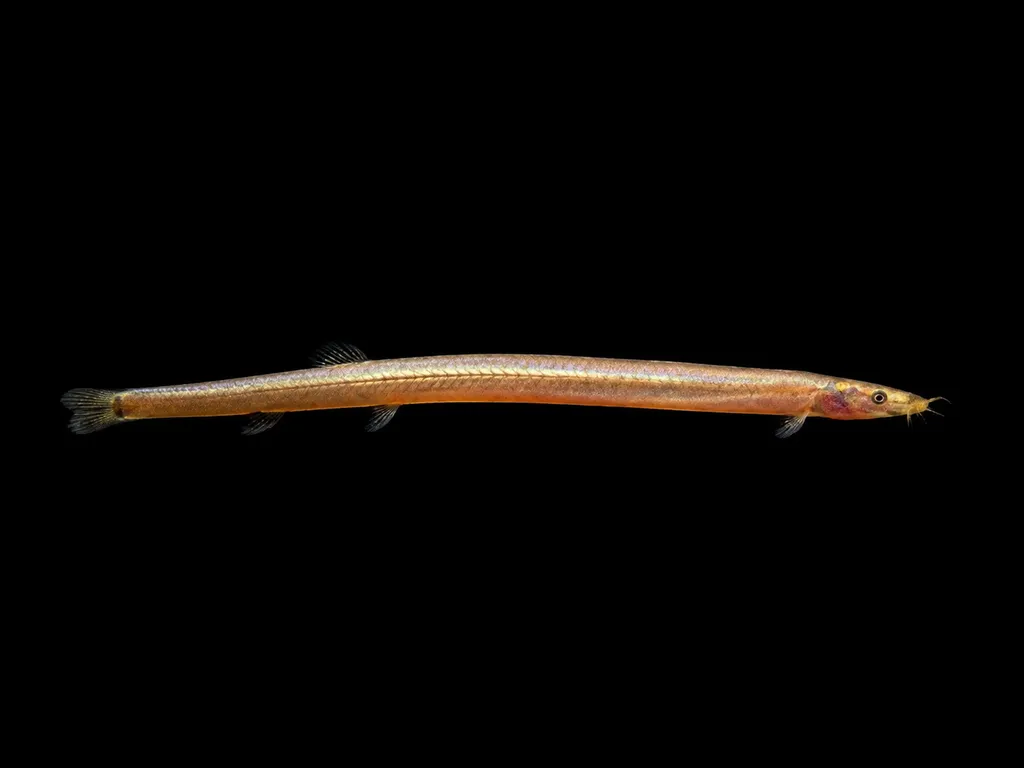
The Java loach, sometimes sold as the black kuhli loach, is a plain, dark-bodied cousin of the banded kuhlis and is kept in much the same way. It is peaceful and does best in a group of six or more, which brings it out to forage together rather than staying tucked away. It keeps to the bottom, wriggling through sand and under wood and leaves in search of small foods. Give it a soft sand bed for burrowing and plenty of cover. Feed sinking pellets, frozen bloodworms, and small frozen foods, ideally after dark when it is most active. A group is comfortable in a tank of about 95 liters or larger.
In the wild
Pangio oblonga is found across the Sunda Islands and into Thailand, living in slow, soft, shaded streams and peat swamps floored with leaf litter and silt. The water is warm at 21 to 26 C and typically soft and acidic to neutral, around pH 6 to 7.5. A good tank copies that with fine sand, a layer of leaves, driftwood, and dense planting to cut the light. Gentle flow and tannin-stained water suit it well, and clean conditions with a mature, established substrate encourage this shy loach to feed in the open.
Good to know
Pangio oblonga is a member of Cobitidae, the true loaches, and grows to about 8 cm. Unlike the boldly banded kuhlis it is a uniform dark brown to near-black, sometimes with a paler belly, and has the same slim, worm-like shape. Below each eye sits the small, erectile spine common to the family. It is among the easier loaches to keep, but breeding is essentially unrecorded in aquaria, so the fish in the trade are wild caught or pond raised.
Did you know
The Java loach can supplement its oxygen by gulping air at the surface and taking it up through its gut, an adaptation that helps it cope with the warm, oxygen-poor swamp pools it often lives in. A quick dash to the top is normal behavior, not a sign of trouble.
Weekly picks
Tank mates
Java loach is a peaceful, shoaling species that keeps to the bottom. These picks share a community profile with it, are safe together in both directions, and overlap on water type, temperature and pH.
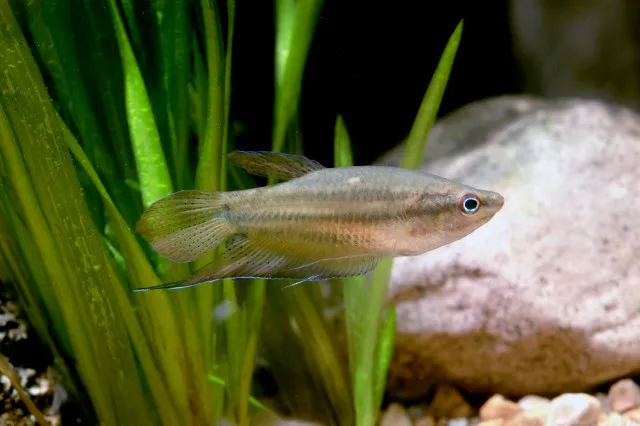
Croaking gourami
Trichopsis vittata
Freshwater2.8 in (7 cm) · 25 gal (95 L)72–82°F (22–28°C)Siamese flying barb
Laubuka siamensis
Freshwater2.6 in (6.5 cm) · 24 gal (90 L)72–81°F (22–27°C)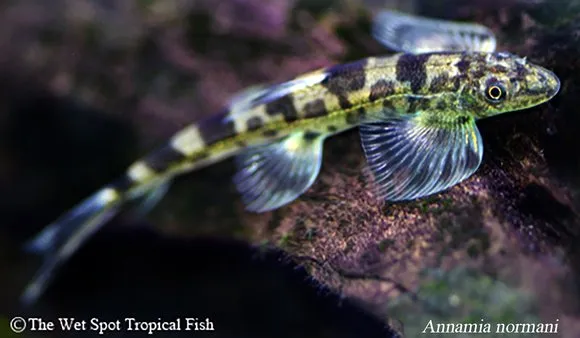
Annam hillstream loach
Annamia normani
Freshwater3.7 in (9.4 cm) · 25 gal (95 L)68–77°F (20–25°C)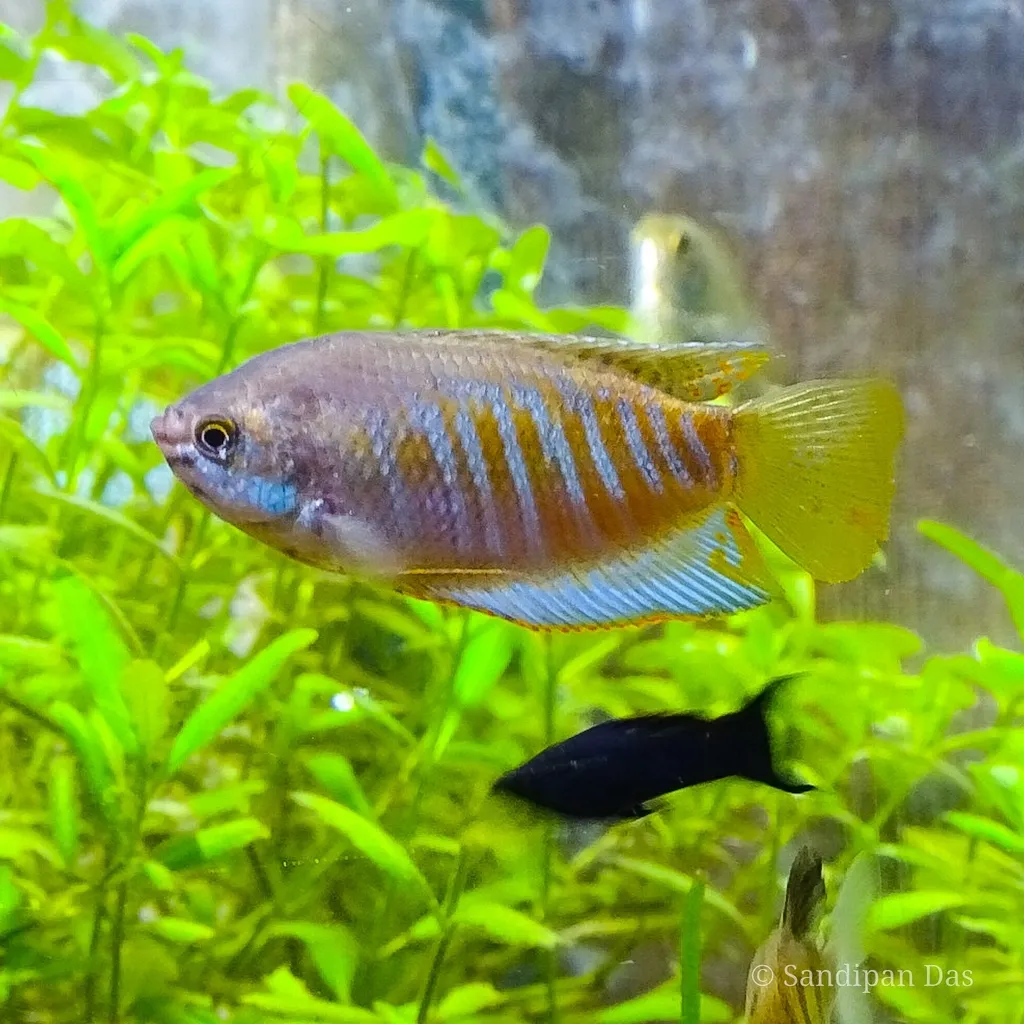
Banded gourami
Trichogaster fasciata
Freshwater3.5 in (9 cm) · 26 gal (100 L)70–82°F (21–28°C)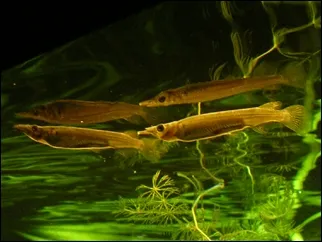
Wrestling halfbeak
Dermogenys pusilla
FreshwaterBrackish2.8 in (7 cm) · 25 gal (95 L)75–82°F (24–28°C)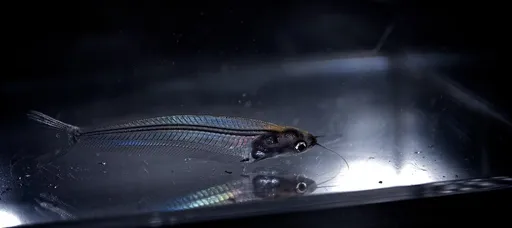
True glass catfish
Kryptopterus bicirrhis
Freshwater5.9 in (15 cm) · 26 gal (100 L)70–79°F (21–26°C)
Common questions
What size tank does a Java loach need?
A Java loach needs at least 25 gal (95 L). It spends most of its time in the bottom.
What temperature and pH does a Java loach need?
A Java loach is comfortable at 70–79°F (21–26°C) with a pH of 6.0–7.5.
How big does a Java loach get?
An adult Java loach reaches about 3.1 in (8 cm).
Does a Java loach need a group?
Yes. A Java loach is a shoaling species and should be kept in a group, not singly.
Related species
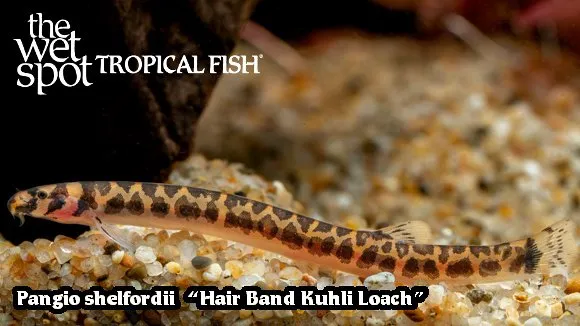 3.1 in (8 cm)24 gal (90 L)72–81°F (22–27°C)
Shelford's kuhli loach
Pangio shelfordii
3.1 in (8 cm) · 24 gal (90 L)
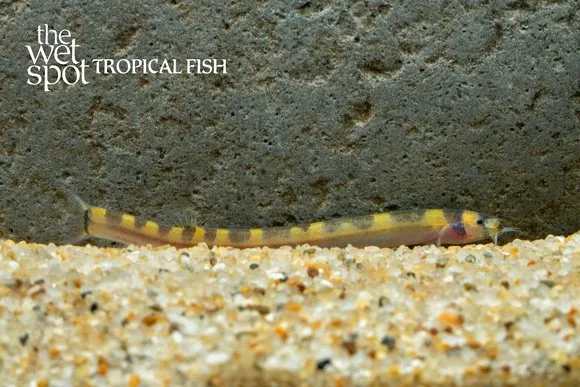 2.8 in (7 cm)20 gal (75 L)70–81°F (21–27°C)
Wedge-striped kuhli loach
Pangio cuneovirgata
2.8 in (7 cm) · 20 gal (75 L)
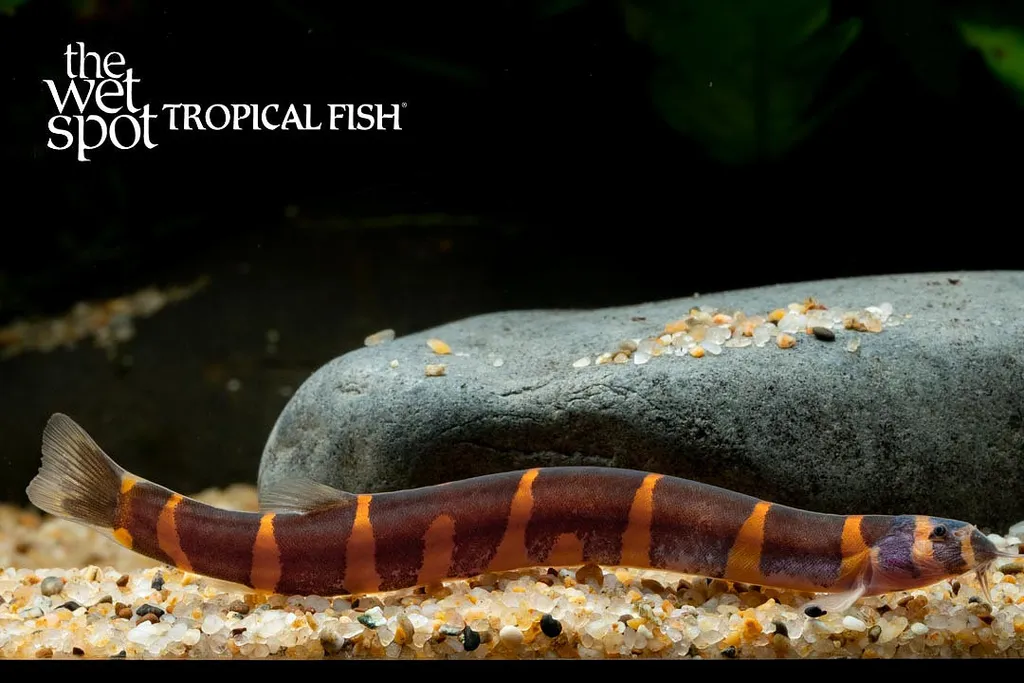
 3.7 in (9.5 cm)14 gal (54 L)73–82°F (23–28°C)
Sumatran neon loach
Pangio bitaimac
3.7 in (9.5 cm) · 14 gal (54 L)
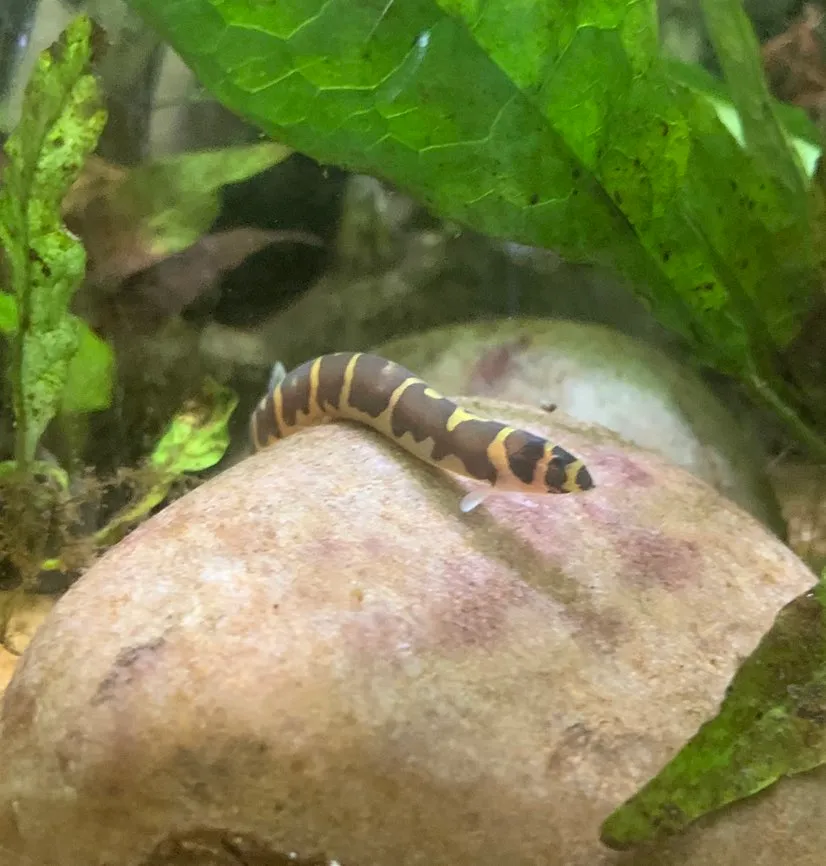
 3.9 in (10 cm)20 gal (75 L)72–82°F (22–28°C)
Giant kuhli loach
Pangio myersi
3.9 in (10 cm) · 20 gal (75 L)
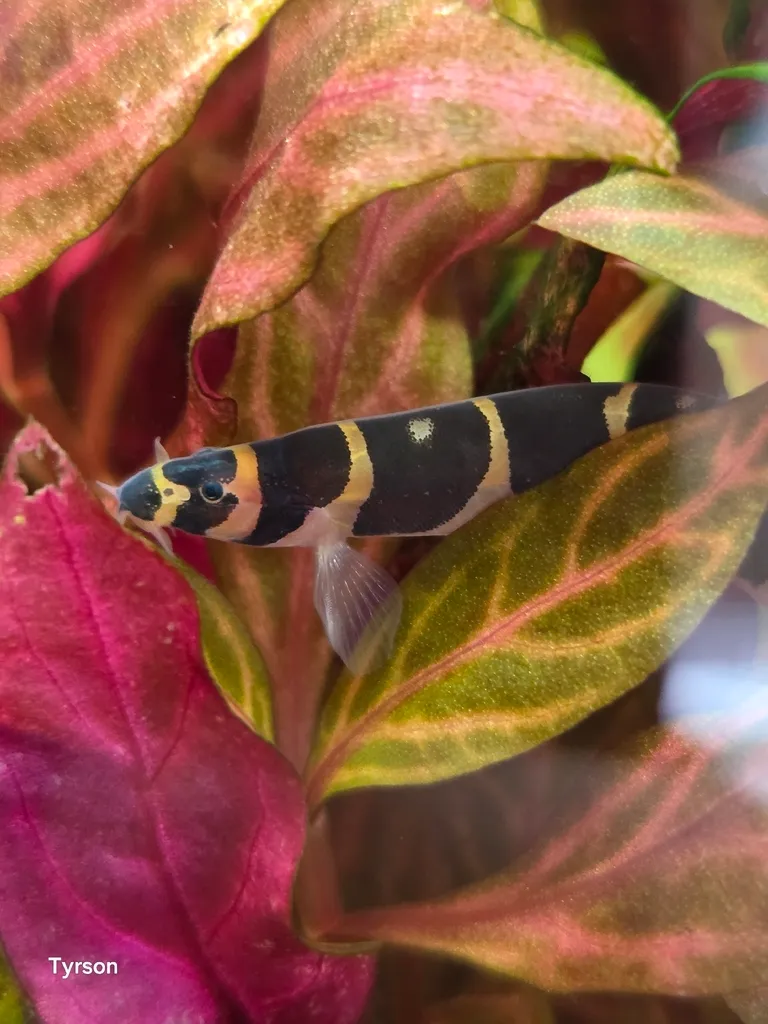
 3.9 in (10 cm)28 gal (105 L)70–79°F (21–26°C)
Half-banded kuhli loach
Pangio semicincta
3.9 in (10 cm) · 28 gal (105 L)
 3.9 in (10 cm)20 gal (75 L)72–82°F (22–28°C)
Kuhli loach
Pangio kuhlii
3.9 in (10 cm) · 20 gal (75 L)