Wedge-striped kuhli loach
Pangio cuneovirgata
Also known as Wedge-banded kuhli, Dwarf zipper kuhli loach
FreshwaterFish
Care at a glance
- Temperature
- 70–81°F
- 21–27°C
- pH
- 5.5–7.0
- Adult size
- 2.8 in
- 7 cm
- Minimum tank
- 20 gal
- 75 L
- Temperament
- Peaceful
- Social behavior
- Social
- Swim level
- Bottom
- Difficulty
- Medium
- Breeding
- No record
- Rarity
- Rare
- Family
- Cobitidae
- Origin
- Malay Peninsula and northern Sumatra
Overview
The wedge-striped kuhli loach is a small, shy kuhli for the bottom of a soft-water tank. It is not quite a beginner fish.
Did you know
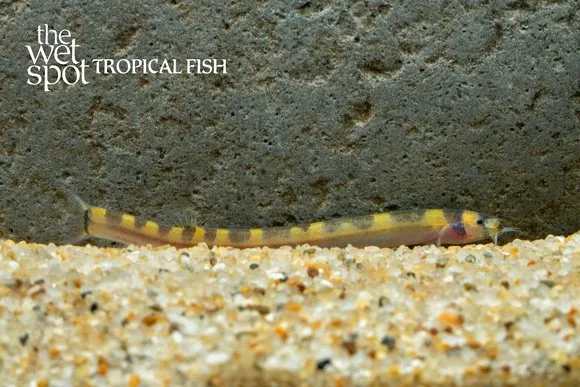
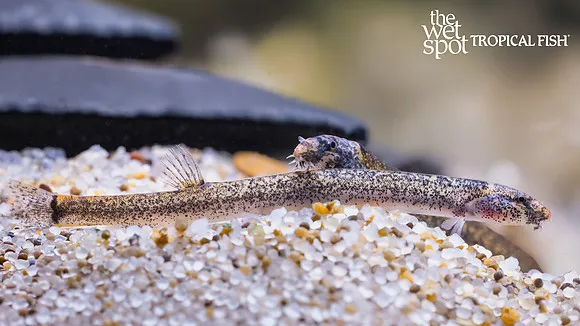
The wedge-striped kuhli loach looks like a banded kuhli that ran out of ink partway down each stripe. That unfinished look is how keepers tell it apart.
Caring for the wedge-striped kuhli loach
Keep wedge-striped kuhli loaches in a group of six or more. A group is at home in a tank of at least 20 gal (75 L) over soft, fine sand. They are among the shyer members of the genus, so give them cover in every corner. The more leaf litter, driftwood and shade you give them, the more often you will see them.
Give them soft, acidic water at 70 to 81°F (21 to 27°C) and a pH of 5.5 to 7.0. Keep the light low and the flow steady and slow. Feed small sinking foods such as sinking granules, frozen bloodworm and daphnia once the lights drop.
They are peaceful and pay no mind to tank mates they cannot swallow. Keep small, gentle species alongside them. Aquarium breeding has not been recorded.
Good to know
Pangio cuneovirgata is an eel-loach of the family Cobitidae. Its species name, cuneovirgata, means wedge-striped. Instead of full bands around the body, it wears a row of dark saddles on the upper half only. The saddles taper down like wedges, above a clear, colorless tail.
In the wild
The wedge-striped kuhli loach lives in gentle, tannin-stained streams, swamps and backwaters across the Malay Peninsula and into Sumatra. It prefers peat-swamp habitat.
Weekly picks
Tank mates
The wedge-striped kuhli loach is a peaceful, social species that keeps to the bottom. These picks share a community profile with it, are safe together in both directions, and overlap on water type, temperature and pH.
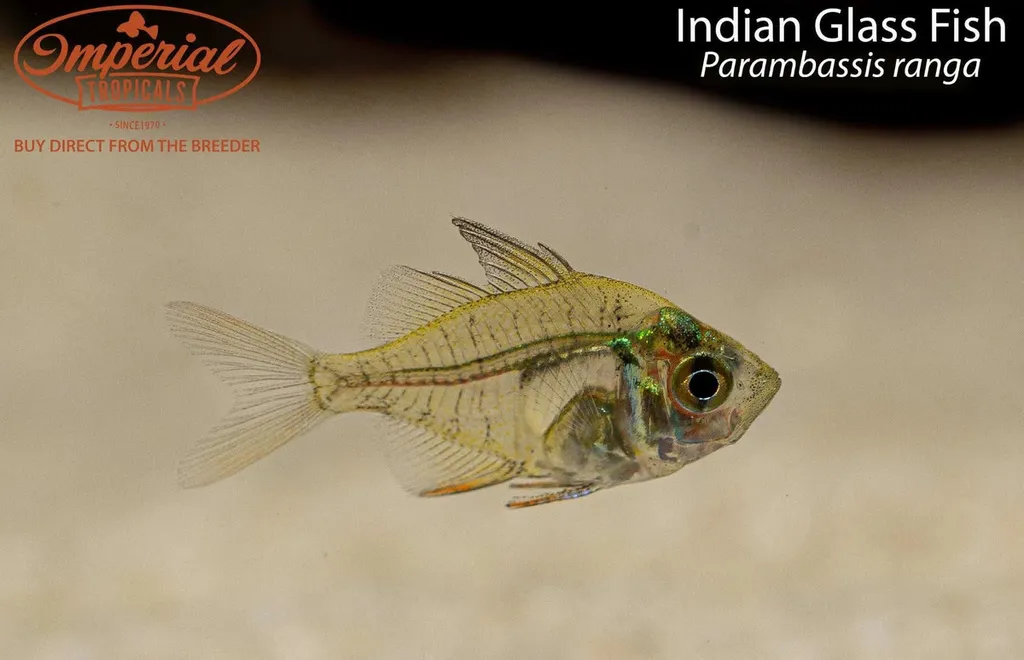
Indian glassy fish
Parambassis ranga
Freshwater3.1 in (8 cm) · 20 gal (75 L)68–86°F (20–30°C)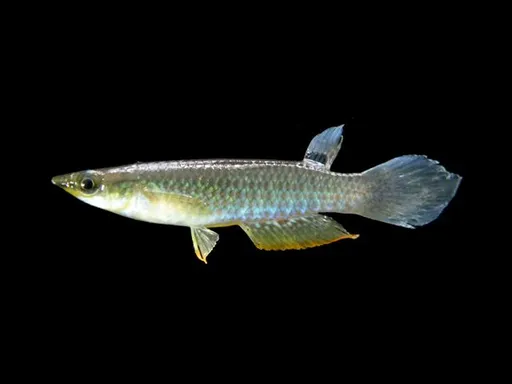
Blue panchax
Aplocheilus panchax
Freshwater3.5 in (9 cm) · 20 gal (75 L)72–82°F (22–28°C)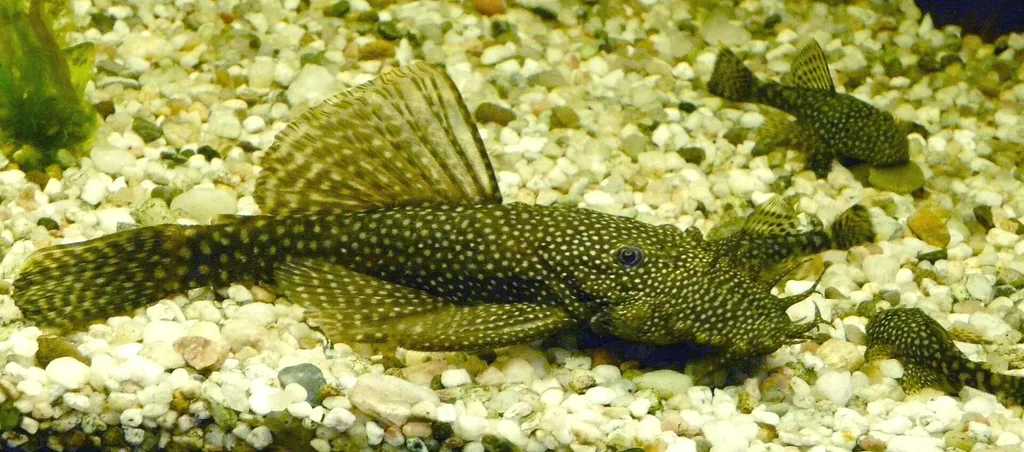
Bristlenose pleco
Ancistrus sp.
Freshwater4.9 in (12.5 cm) · 20 gal (75 L)70–79°F (21–26°C)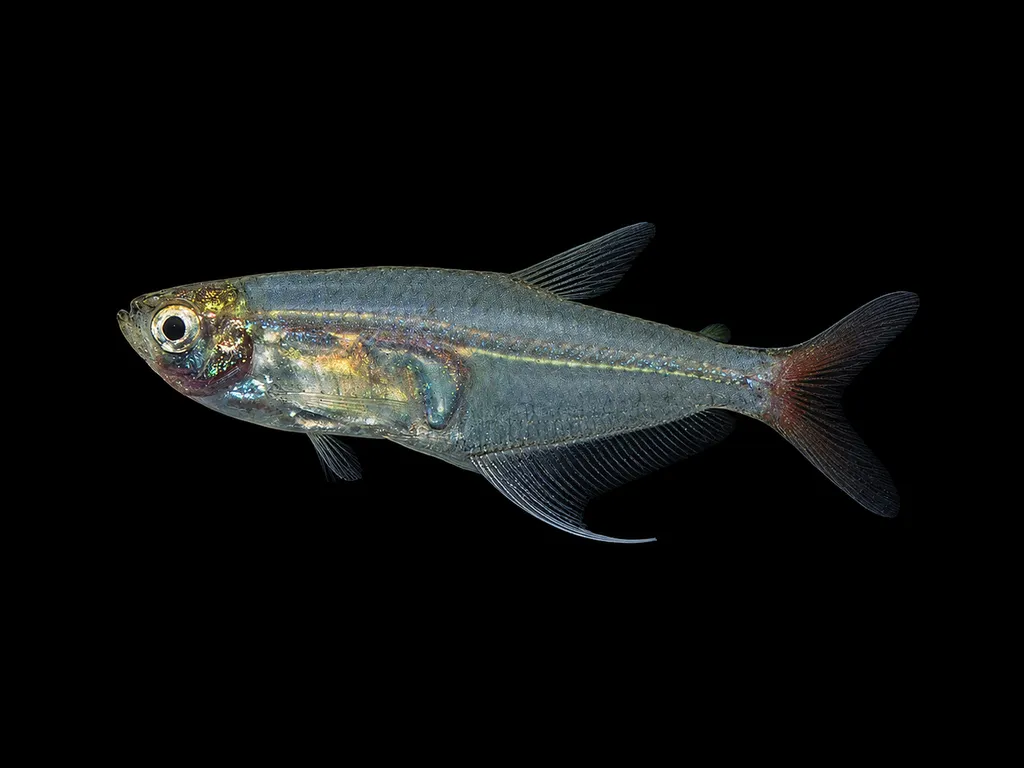
Paraguay glass tetra
Prionobrama paraguayensis
Freshwater2.4 in (6 cm) · 20 gal (75 L)68–81°F (20–27°C)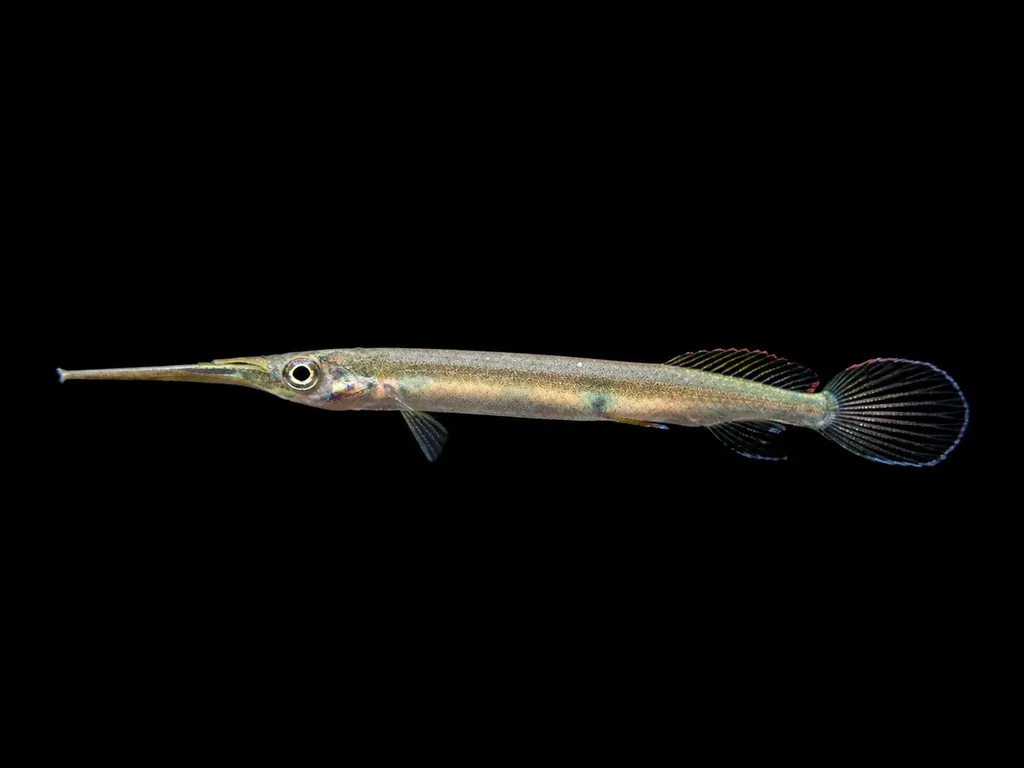
Kuekenthal's halfbeak
Hemirhamphodon kuekenthali
Freshwater3.3 in (8.5 cm) · 20 gal (75 L)73–81°F (23–27°C)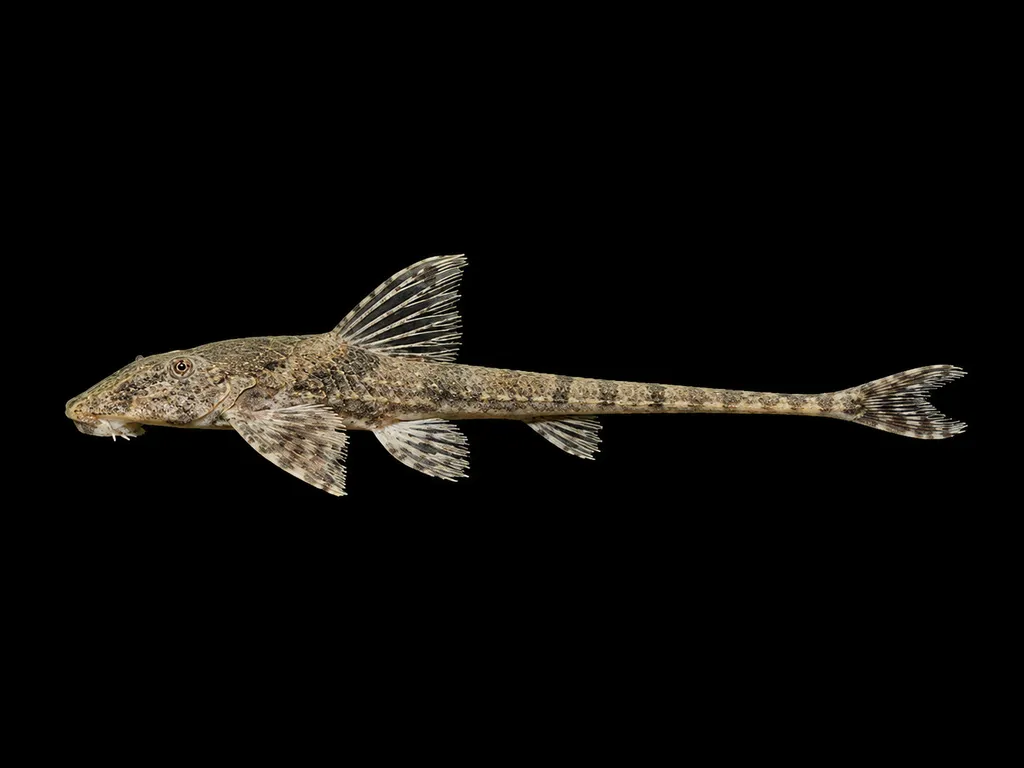
Common whiptail
Rineloricaria parva
Freshwater4.7 in (12 cm) · 20 gal (75 L)68–79°F (20–26°C)
Common questions
What size tank does a wedge-striped kuhli loach need?
A wedge-striped kuhli loach needs at least 20 gal (75 L). It spends most of its time in the bottom.
What temperature and pH does a wedge-striped kuhli loach need?
A wedge-striped kuhli loach is comfortable at 70–81°F (21–27°C) with a pH of 5.5–7.0.
What does a wedge-striped kuhli loach eat?
A wedge-striped kuhli loach eats small sinking foods such as sinking granules, frozen bloodworm and daphnia. Feed it once the lights drop.
How big does a wedge-striped kuhli loach get?
An adult wedge-striped kuhli loach reaches about 2.8 in (7 cm).
Related species
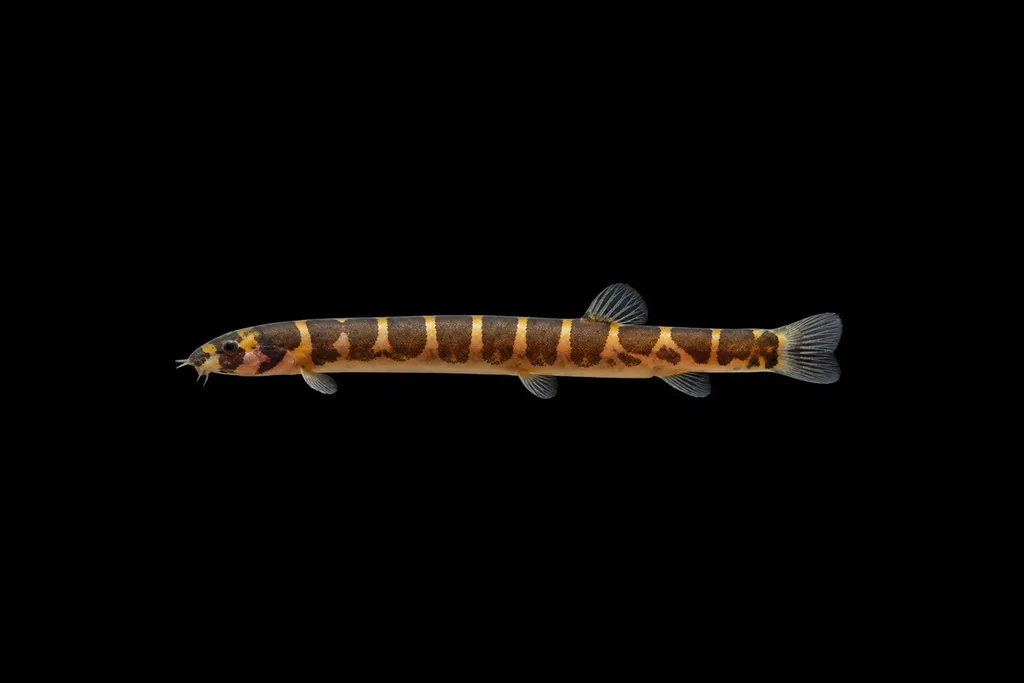 2.5 in (6.3 cm)20 gal (75 L)72–81°F (22–27°C)
Borneo kuhli loach
Pangio borneensis
2.5 in (6.3 cm) · 20 gal (75 L)
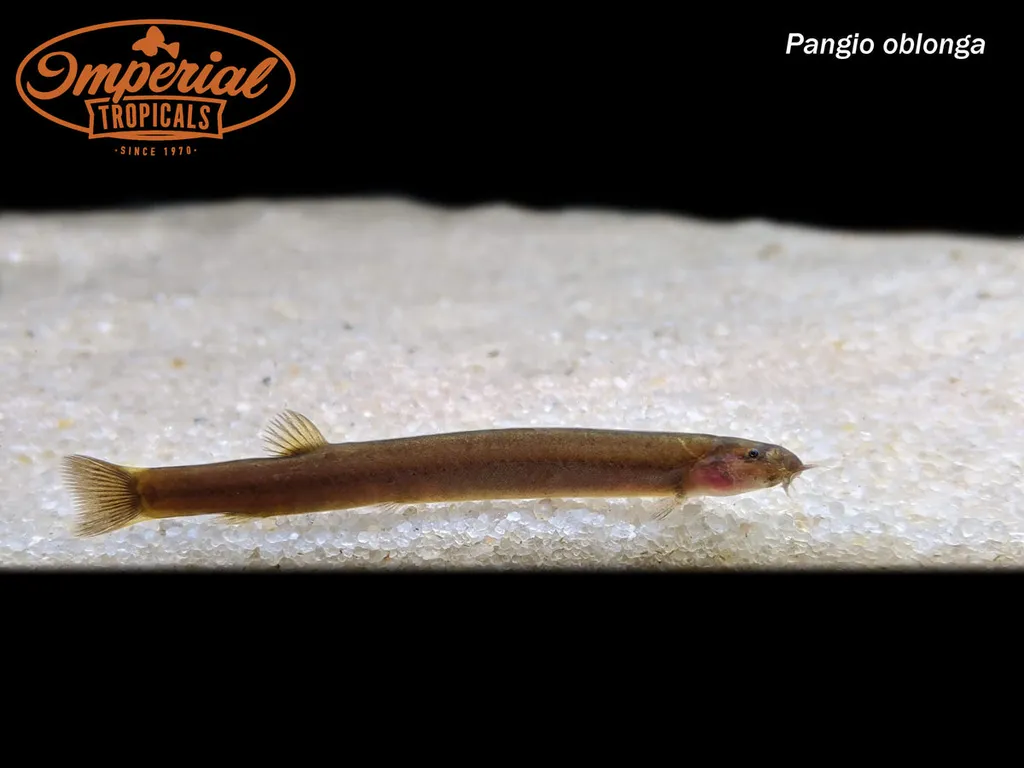 3.1 in (8 cm)15 gal (55 L)70–79°F (21–26°C)
Java loach
Pangio oblonga
3.1 in (8 cm) · 15 gal (55 L)
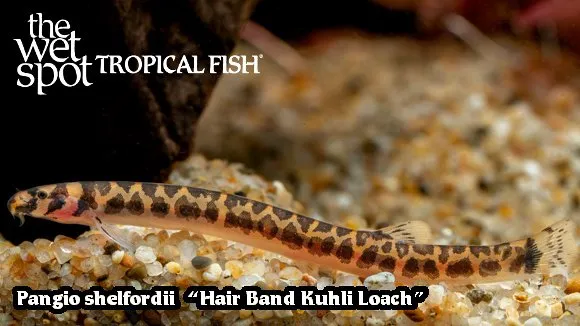 3.1 in (8 cm)15 gal (55 L)72–81°F (22–27°C)
Shelford's kuhli loach
Pangio shelfordii
3.1 in (8 cm) · 15 gal (55 L)
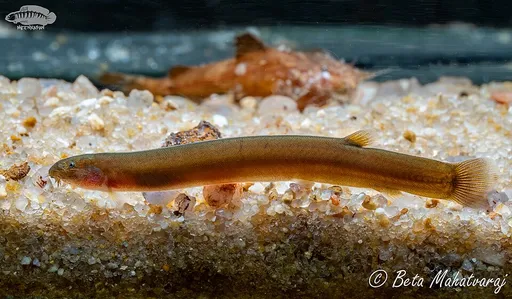 2.4 in (6 cm)20 gal (75 L)72–81°F (22–27°C)
Cinnamon loach
Pangio pangia
2.4 in (6 cm) · 20 gal (75 L)
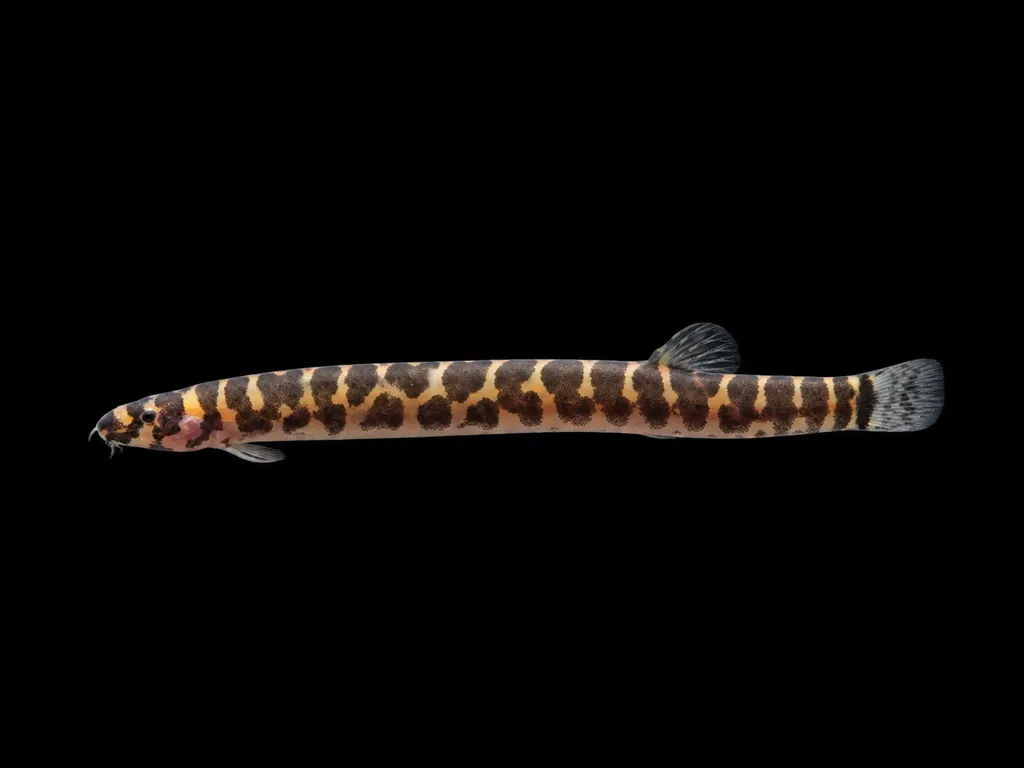 2.4 in (6 cm)20 gal (75 L)72–81°F (22–27°C)
Moray kuhli loach
Pangio muraeniformis
2.4 in (6 cm) · 20 gal (75 L)
 2.4 in (6 cm)20 gal (75 L)72–81°F (22–27°C)
Peppered kuhli loach
Pangio piperata
2.4 in (6 cm) · 20 gal (75 L)