Indian glassy fish
Parambassis ranga
Also known as Glass fish
FreshwaterFish
Care at a glance
- Temperature
- 68–86°F
- 20–30°C
- pH
- 6.0–7.5
- Adult size
- 3.1 in
- 8 cm
- Minimum tank
- 20 gal
- 75 L
- Temperament
- Peaceful
- Social behavior
- Shoaling
- Swim level
- Middle
- Difficulty
- Medium
- Breeding
- Hard
- Rarity
- Rare
- Family
- Ambassidae
- Origin
- South Asia, South East Asia
Overview
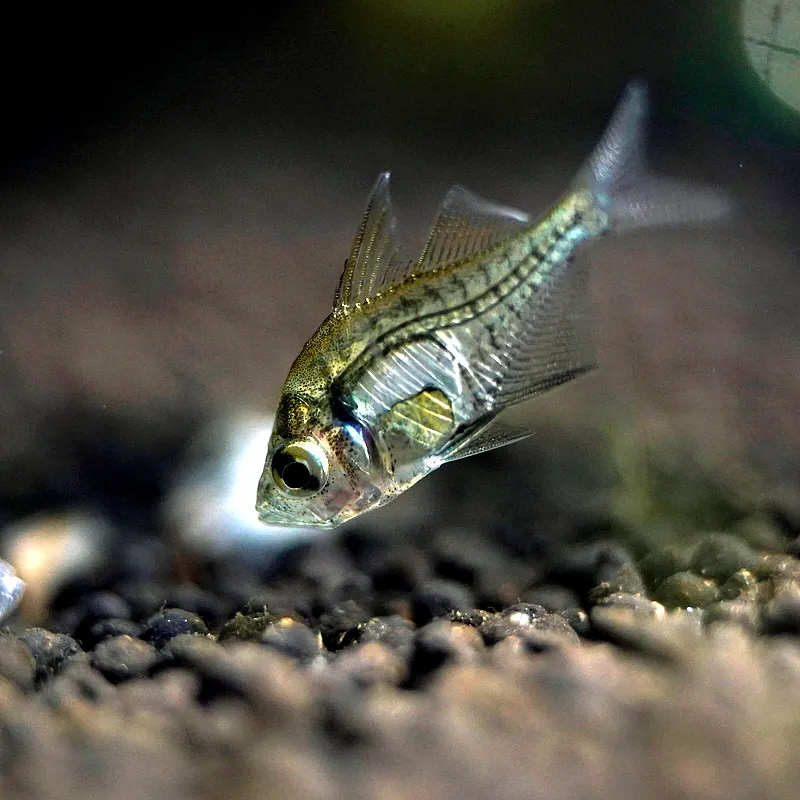
The Indian glassy fish is a small, peaceful schooling fish that feels secure only in a group, so keep at least six together. Kept alone or in twos, they turn shy and hide, but in a proper shoal they come out and swim in open water. They mix well with other calm, similarly sized fish. They can be slow to accept dried food, so offer small live and frozen foods such as bloodworms, brine shrimp, and daphnia. A planted tank of around 75 liters or larger suits a group. One thing to avoid is buying dyed fish, sold in bright colors under names like painted or disco glassfish, since the dye is injected and harms the fish.
In the wild
The Indian glassy fish lives in slow and still fresh waters across South and Southeast Asia, from ponds and ditches to sluggish rivers, often among plants, and it also enters brackish water during the rainy season. In the aquarium it does well in clean, neutral fresh water with gentle flow. Give it a well-planted tank with some open swimming space in the middle, driftwood, and a darker substrate that shows off its glassy body. Keep the temperature from 20 to 30 C and the pH between 6 and 7.5. Stable, clean water keeps the school active and healthy.
Good to know
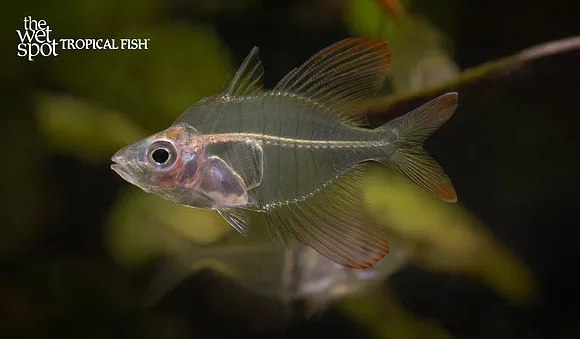
The Indian glassy fish belongs to the family Ambassidae, the Asiatic glassfishes. Adults reach about 8 cm, and their tissue is so clear that the backbone and internal organs show through, giving the fish its glassy, x-ray look. Males develop a dark edge along the dorsal fin. Breeding is challenging. They scatter eggs among fine-leaved plants, and the tiny fry are difficult to feed and raise, needing very small live foods in their first days.
Did you know
The Indian glassy fish is famous for its see-through body, which reveals its skeleton and swim bladder at a glance. That same transparency is misused in the trade, where some fish are injected with colored dye and sold as painted or disco fish, a process that damages their health and fades within months.
Weekly picks
Tank mates
Indian glassy fish is a peaceful, shoaling species that keeps to the middle. These picks share a community profile with it, are safe together in both directions, and overlap on water type, temperature and pH.
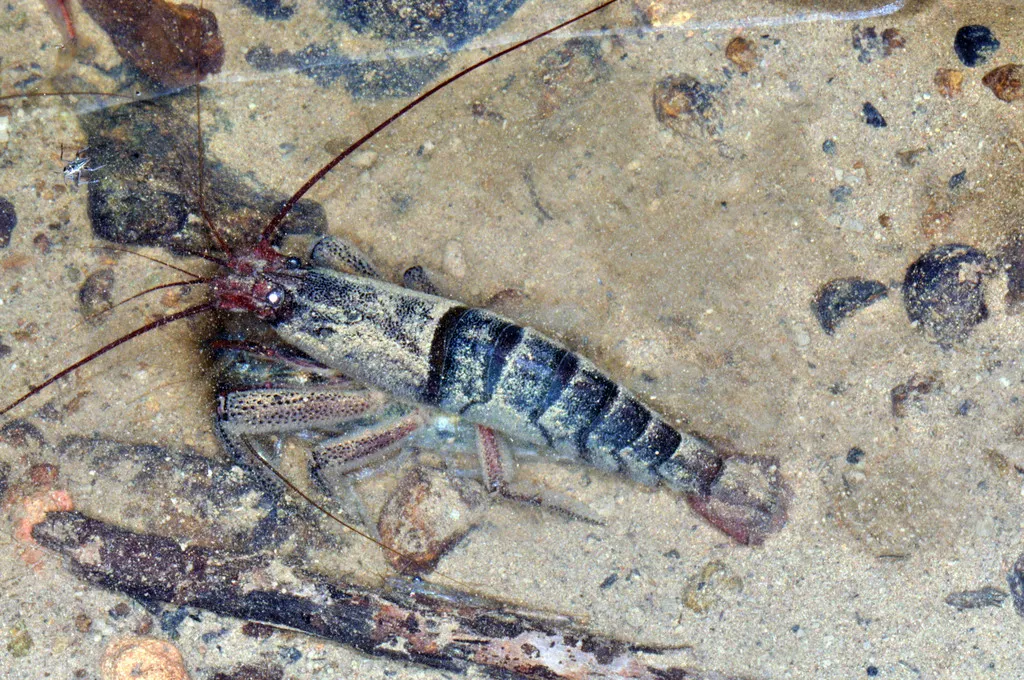
Marble wood shrimp
Atya scabra
Freshwater3.9 in (10 cm) · 20 gal (75 L)73–82°F (23–28°C)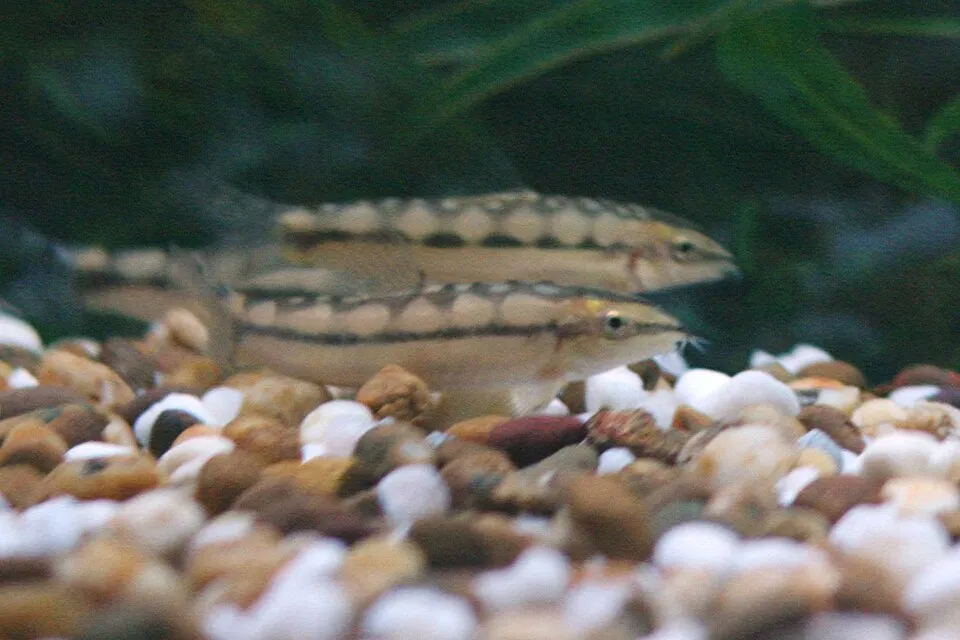
Dwarf botia
Ambastaia sidthimunki
Freshwater2.4 in (6 cm) · 20 gal (75 L)68–86°F (20–30°C)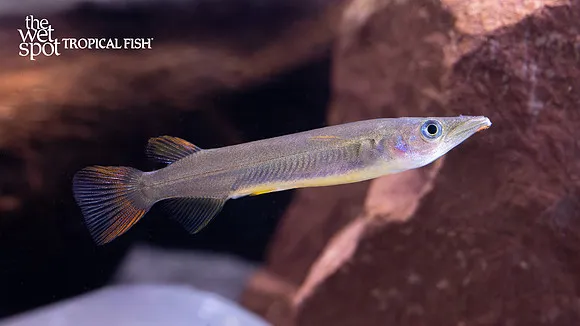
Rex halfbeak
Nomorhamphus rex
Freshwater2.2 in (5.5 cm) · 20 gal (75 L)72–79°F (22–26°C)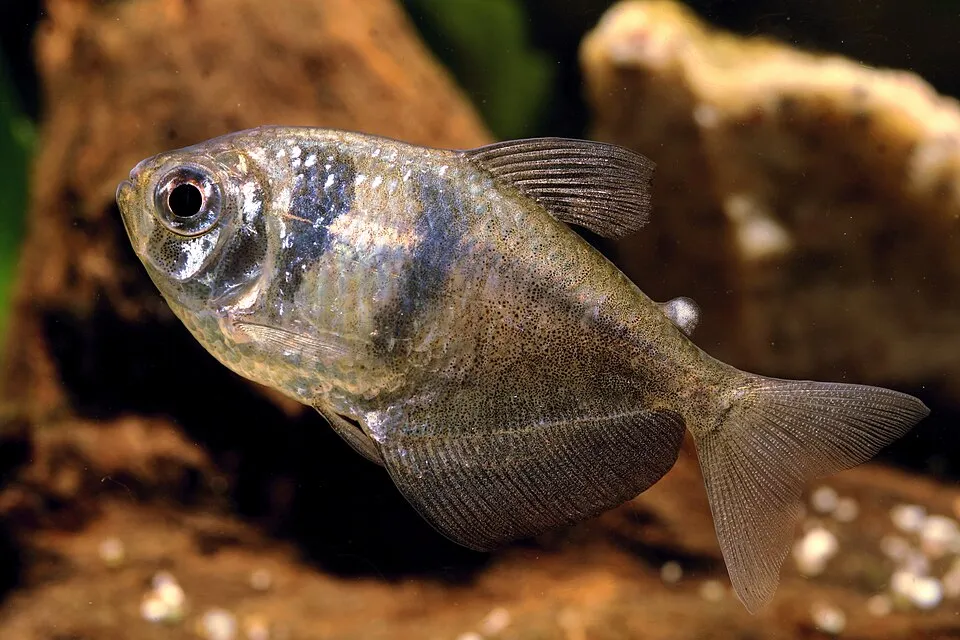
Black widow tetra
Gymnocorymbus ternetzi
Freshwater2.4 in (6 cm) · 20 gal (75 L)68–79°F (20–26°C)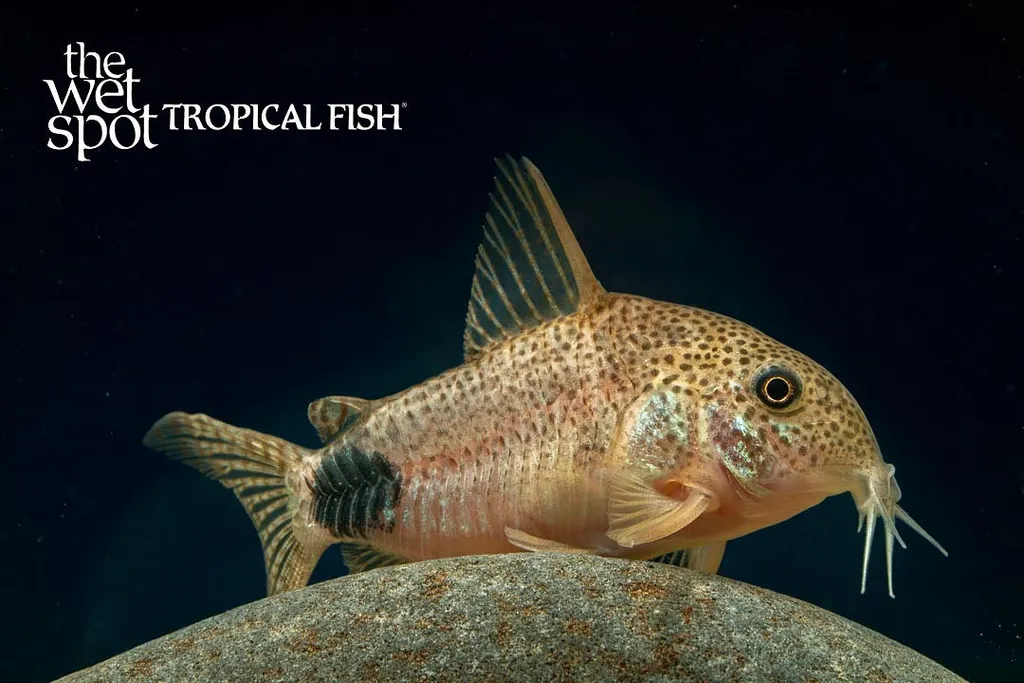
Tailspot cory
Hoplisoma caudimaculatum
Freshwater2 in (5 cm) · 20 gal (75 L)68–81°F (20–27°C)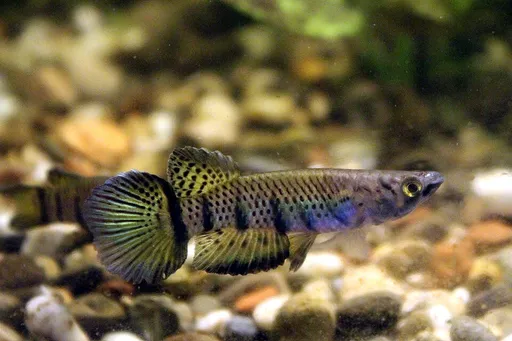
Six-barred panchax
Epiplatys sexfasciatus
Freshwater3.9 in (10 cm) · 20 gal (75 L)72–81°F (22–27°C)
Common questions
What size tank does an Indian glassy fish need?
An Indian glassy fish needs at least 20 gal (75 L). It spends most of its time in the middle.
What temperature and pH does an Indian glassy fish need?
An Indian glassy fish is comfortable at 68–86°F (20–30°C) with a pH of 6.0–7.5.
How big does an Indian glassy fish get?
An adult Indian glassy fish reaches about 3.1 in (8 cm).
Does an Indian glassy fish need a group?
Yes. An Indian glassy fish is a shoaling species and should be kept in a group, not singly.
Related species
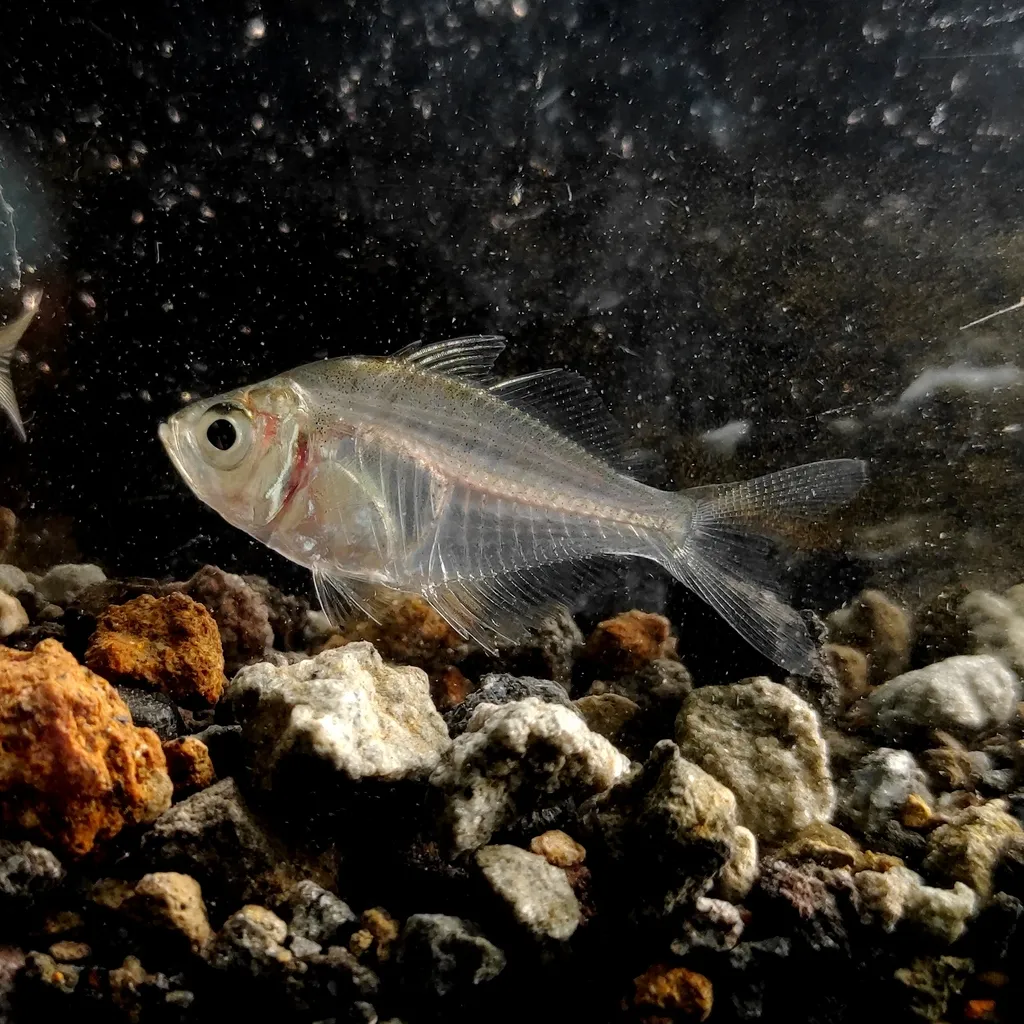 2.8 in (7 cm)21 gal (80 L)73–82°F (23–28°C)
Siamese glassfish
Parambassis siamensis
2.8 in (7 cm) · 21 gal (80 L)
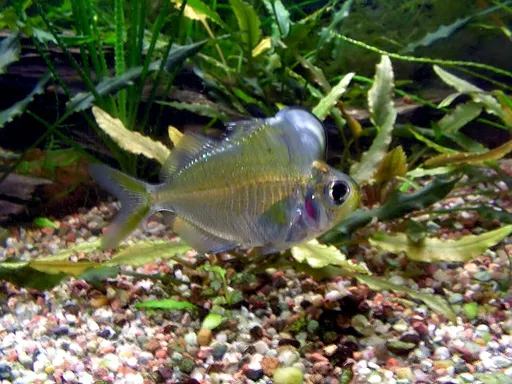 3.9 in (10 cm)32 gal (120 L)73–81°F (23–27°C)
Humphead glassfish
Parambassis pulcinella
3.9 in (10 cm) · 32 gal (120 L)
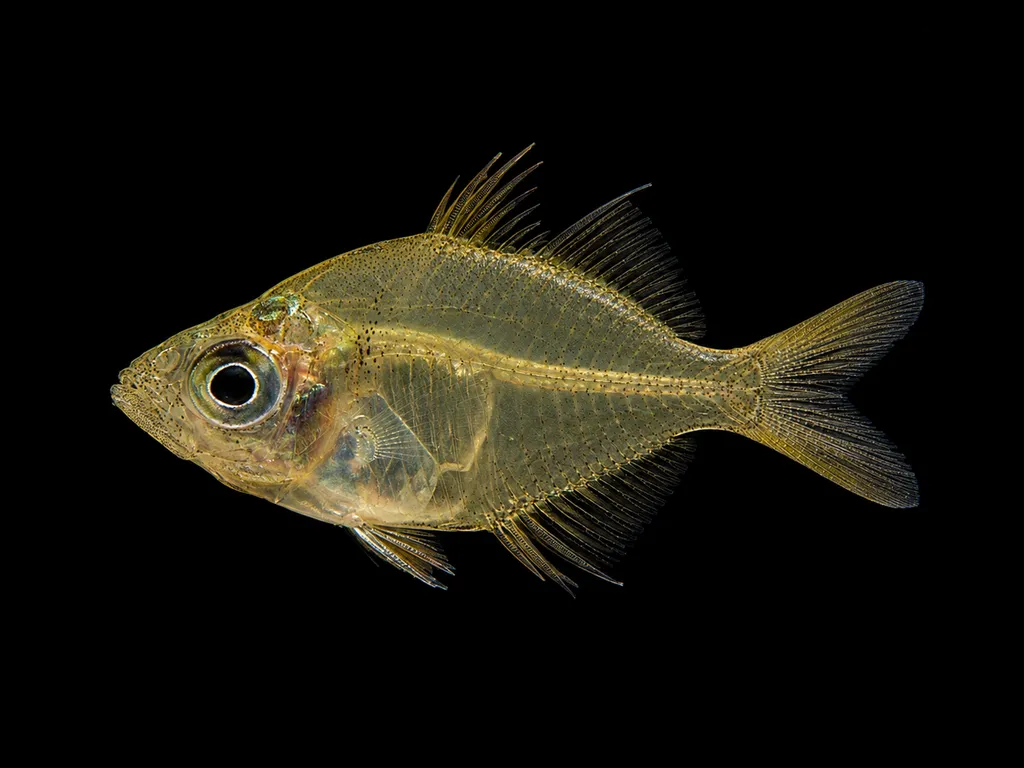 1.2 in (3 cm)11 gal (40 L)72–82°F (22–28°C)
Indian amber glassfish
Parambassis lala
1.2 in (3 cm) · 11 gal (40 L)
 1.6 in (4 cm)16 gal (60 L)73–81°F (23–27°C)
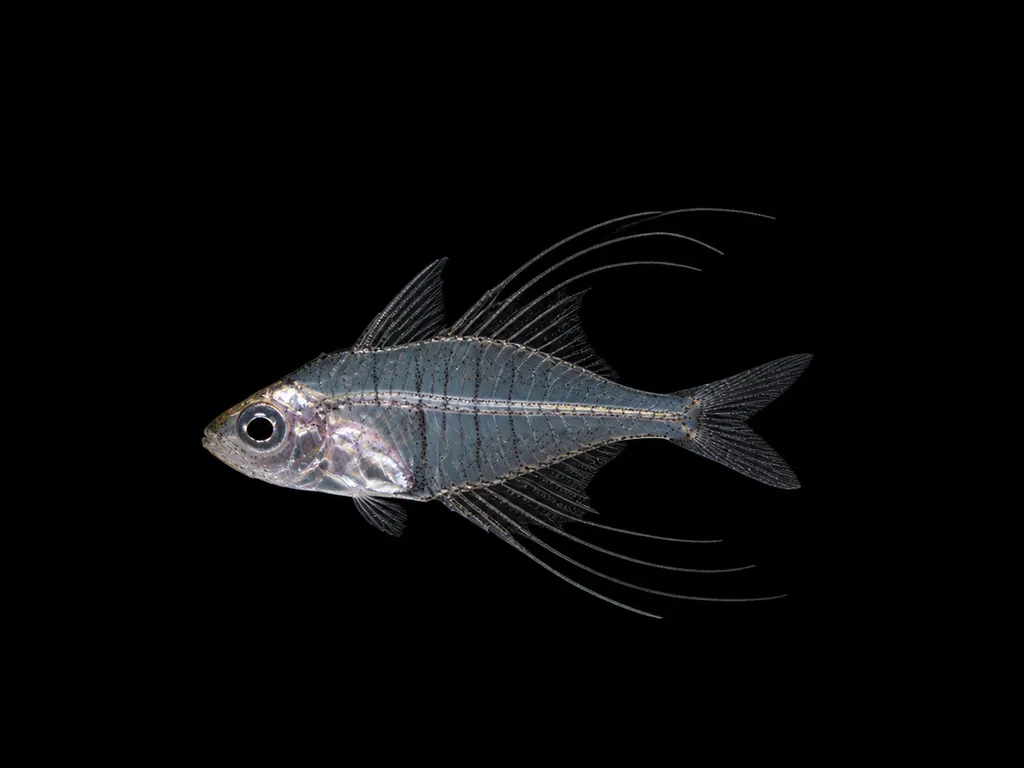
Threadfin glassfish
Gymnochanda filamentosa
1.6 in (4 cm) · 16 gal (60 L)
 1.2 in (3 cm)11 gal (40 L)75–82°F (24–28°C)
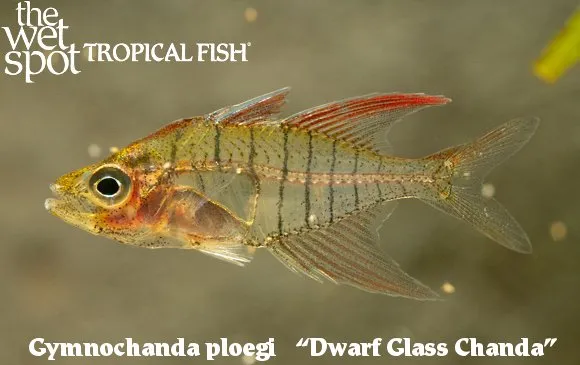
Dwarf glass chanda
Gymnochanda ploegi
1.2 in (3 cm) · 11 gal (40 L)
 1.2 in (3 cm)11 gal (40 L)75–82°F (24–28°C)
Rose flame glassfish
Gymnochanda verae
1.2 in (3 cm) · 11 gal (40 L)