Humphead glassfish
Parambassis pulcinella
Also known as Humphead perchlet, Humphead glass perchlet
FreshwaterFish
Care at a glance
- Temperature
- 73–81°F
- 23–27°C
- pH
- 7.0–7.5
- Adult size
- 3.9 in
- 10 cm
- Minimum tank
- 32 gal
- 120 L
- Temperament
- Mostly peaceful
- Social behavior
- Shoaling
- Swim level
- Middle
- Diet
- Carnivore
- Difficulty
- Medium
- Breeding
- Hard
- Rarity
- Rare
- Family
- Ambassidae
- Origin
- Native to the Ataran River within the Salween basin of southeastern Myanmar and western Thailand, in clear, highly oxygenated rivers near rapids and riffles.
Overview
The humphead glassfish is an active shoaling glassfish for the middle of a community tank with strong current. It is a step up from the easiest fish.
Did you know
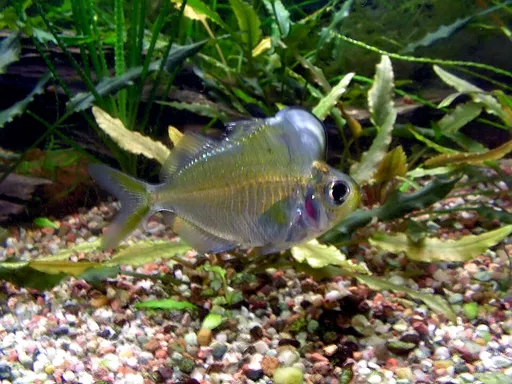
Only mature humphead glassfish grow the tall forehead hump. Males use it, along with their raised fins, to display to one another.
Caring for the humphead glassfish
Keep humphead glassfish in a group of eight or more, in a long tank of 32 gal (120 L) or larger. A group spreads out minor territorial sparring between males and looks far better than a few fish. Add some driftwood and plants along the edges.
Keep the water at 73 to 81°F (23 to 27°C), with a neutral pH of 7.0 to 7.5. Give them brisk, oxygen-rich flow, with powerful filtration and extra aeration. They are sensitive to poor water quality and the buildup of nitrogenous waste.
Feed small live and frozen foods such as bloodworm, daphnia and brine shrimp, since they often ignore dry flake. The humphead glassfish suits an active community of similarly sized fish that like current. Breeding them is hard.
Good to know
Parambassis pulcinella is a freshwater glassfish in the family Ambassidae, described by Kottelat in 2003. Its species name, pulcinella, refers to a humpbacked character from Italian comic theater. Its semi-transparent body shows the backbone and swim bladder through the flanks.
In the wild
The humphead glassfish is native to the Ataran River in the Salween basin, in southeastern Myanmar and western Thailand. It lives in clear, fast, highly oxygenated stretches of river near rapids and riffles, where it shoals in open water.
Weekly picks
Tank mates
The humphead glassfish is a mostly peaceful, shoaling species that keeps to the middle. These picks share a community profile with it, are safe together in both directions, and overlap on water type, temperature and pH.
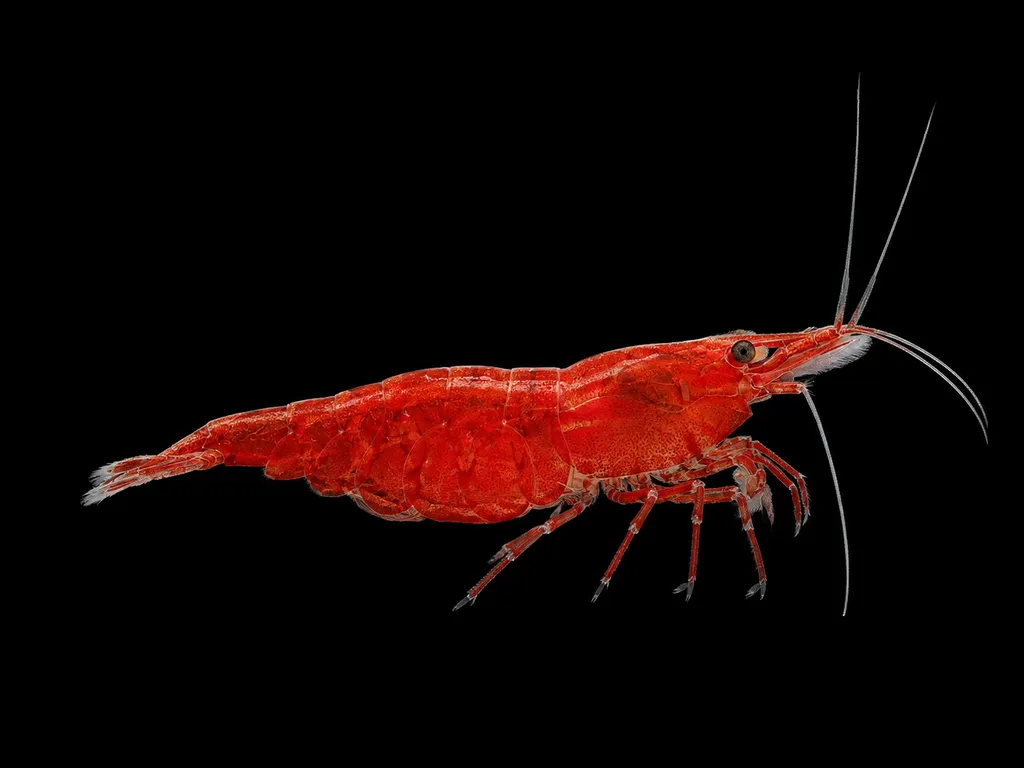
Neocaridina shrimp
Neocaridina davidi
Freshwater1.6 in (4 cm) · 5 gal (19 L)59–84°F (15–29°C)
Guppy
Poecilia reticulata
FreshwaterBrackish2.4 in (6 cm) · 10 gal (38 L)64–82°F (18–28°C)
Neon tetra
Paracheirodon innesi
Freshwater1.5 in (3.8 cm) · 11 gal (40 L)70–77°F (21–25°C)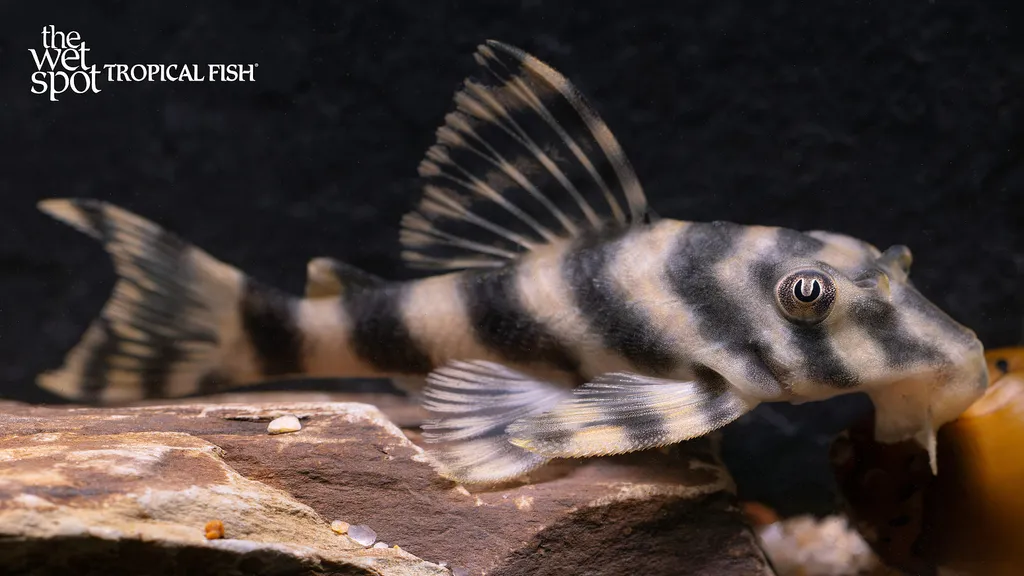
Candy striped pleco (L015)
Peckoltia vittata
Freshwater4.7 in (12 cm) · 30 gal (115 L)77–84°F (25–29°C)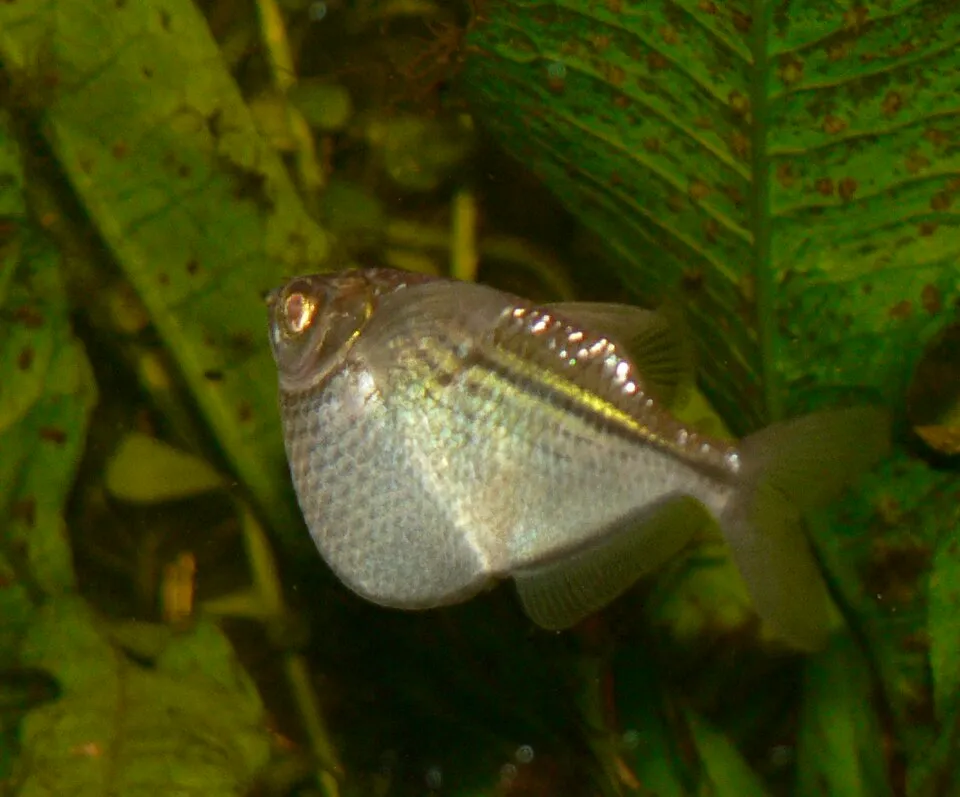
Common hatchetfish
Gasteropelecus sternicla
Freshwater1.6 in (4 cm) · 33 gal (125 L)68–82°F (20–28°C)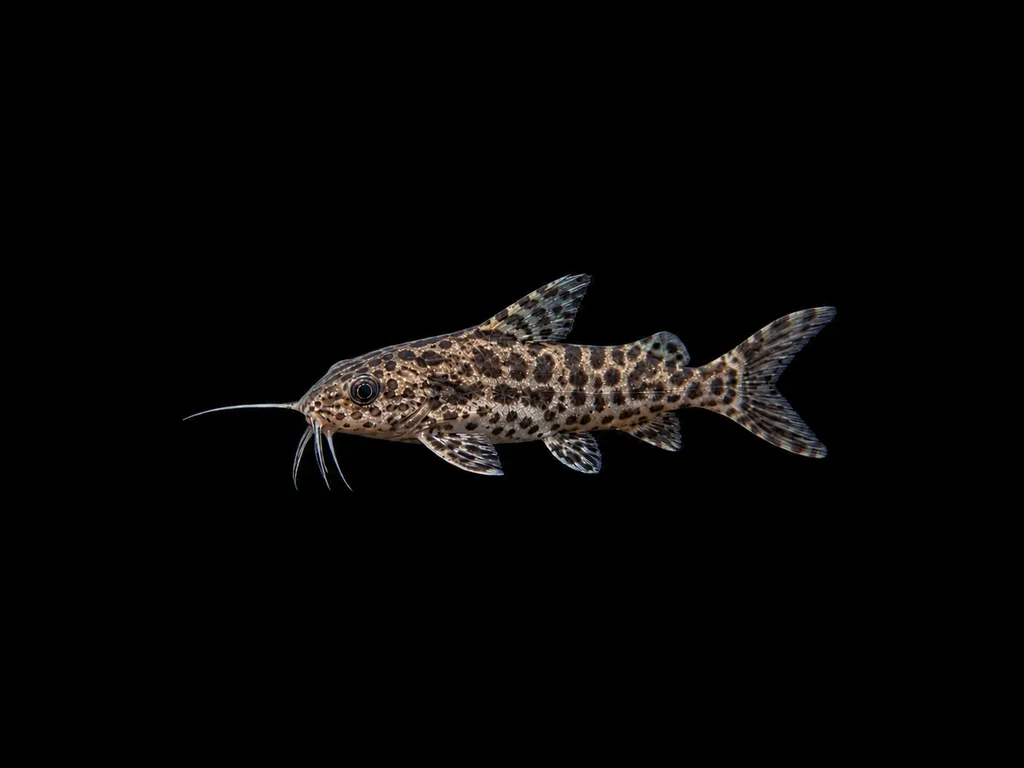
Bugeye squeaker
Synodontis contractus
Freshwater3.9 in (10 cm) · 30 gal (114 L)72–79°F (22–26°C)
Common questions
What size tank does a humphead glassfish need?
A humphead glassfish needs at least 32 gal (120 L). It spends most of its time in the middle.
What temperature and pH does a humphead glassfish need?
A humphead glassfish is comfortable at 73–81°F (23–27°C) with a pH of 7.0–7.5.
What does a humphead glassfish eat?
A humphead glassfish eats small live and frozen foods, such as bloodworm, daphnia and brine shrimp. It often ignores dry flake.
How big does a humphead glassfish get?
An adult humphead glassfish reaches about 3.9 in (10 cm).
Does a humphead glassfish need a group?
Yes. A humphead glassfish is a shoaling species and should be kept in a group, not singly.
Related species
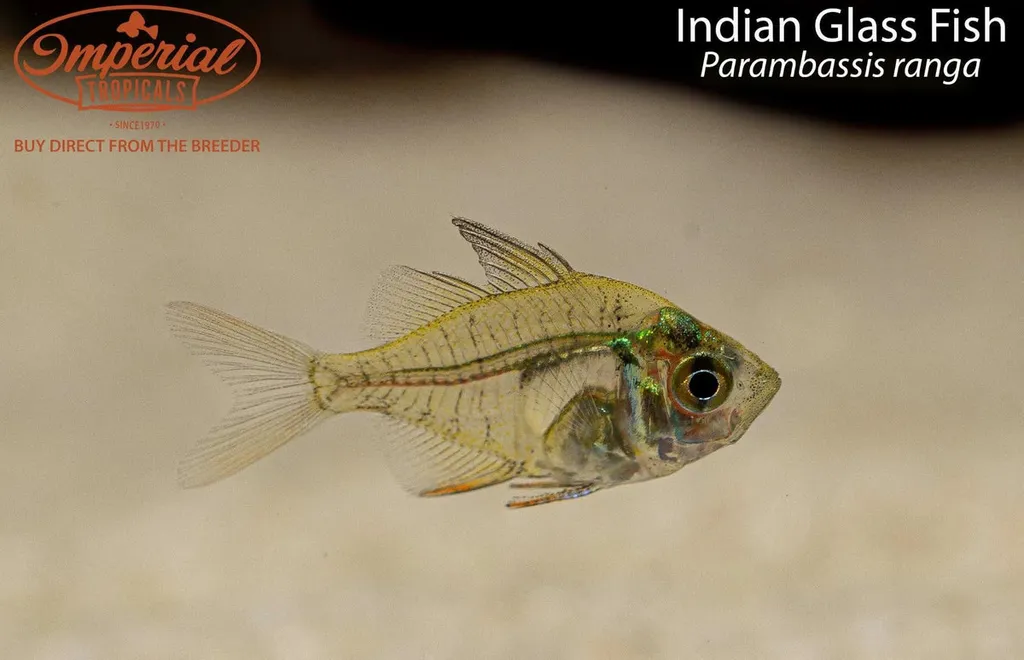 3.1 in (8 cm)20 gal (75 L)68–86°F (20–30°C)
Indian glassy fish
Parambassis ranga
3.1 in (8 cm) · 20 gal (75 L)
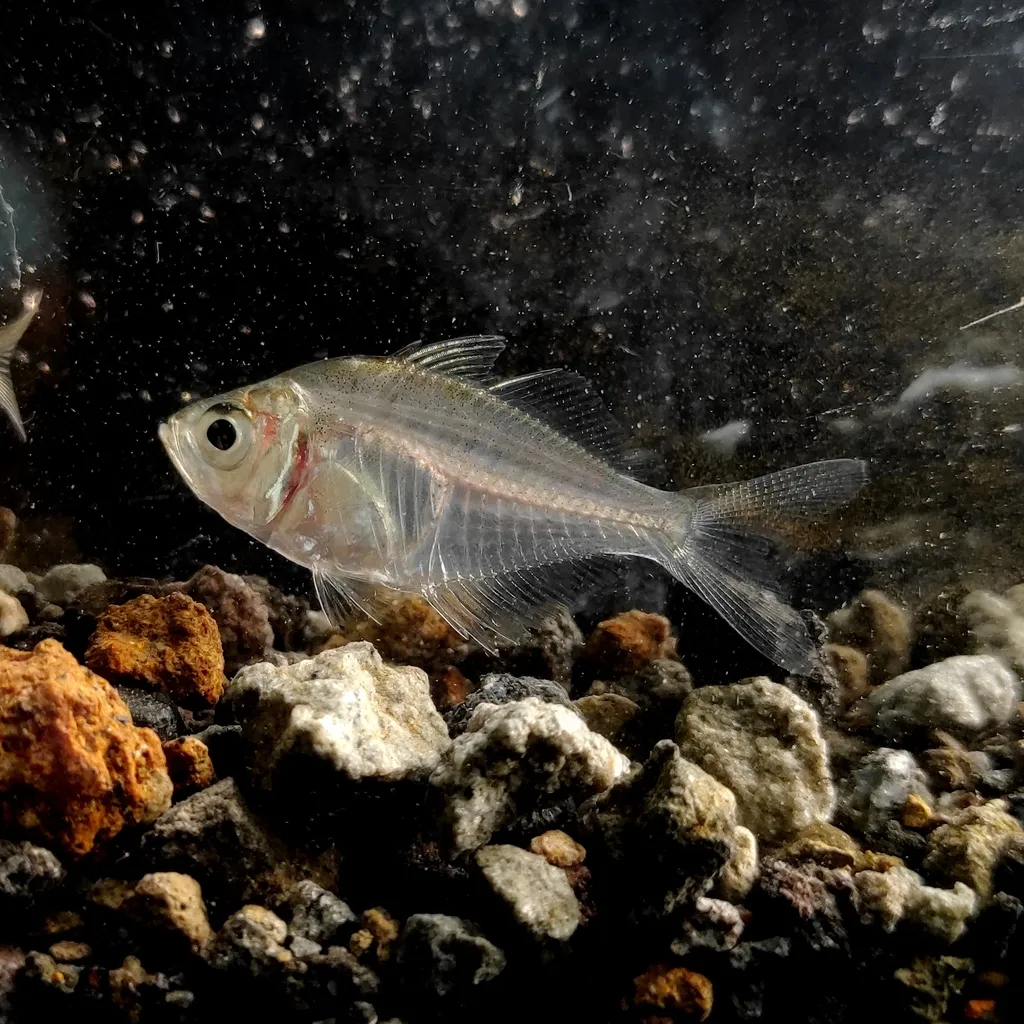 2.8 in (7 cm)21 gal (80 L)73–82°F (23–28°C)
Siamese glassfish
Parambassis siamensis
2.8 in (7 cm) · 21 gal (80 L)
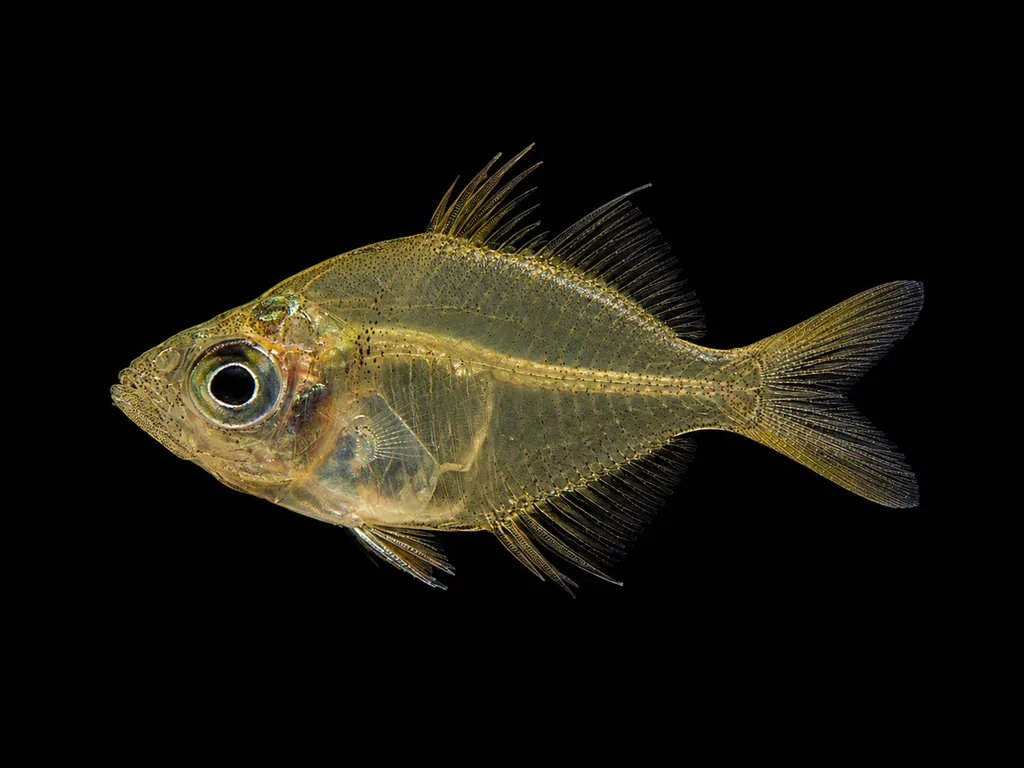 1.2 in (3 cm)11 gal (40 L)72–82°F (22–28°C)
Indian amber glassfish
Parambassis lala
1.2 in (3 cm) · 11 gal (40 L)
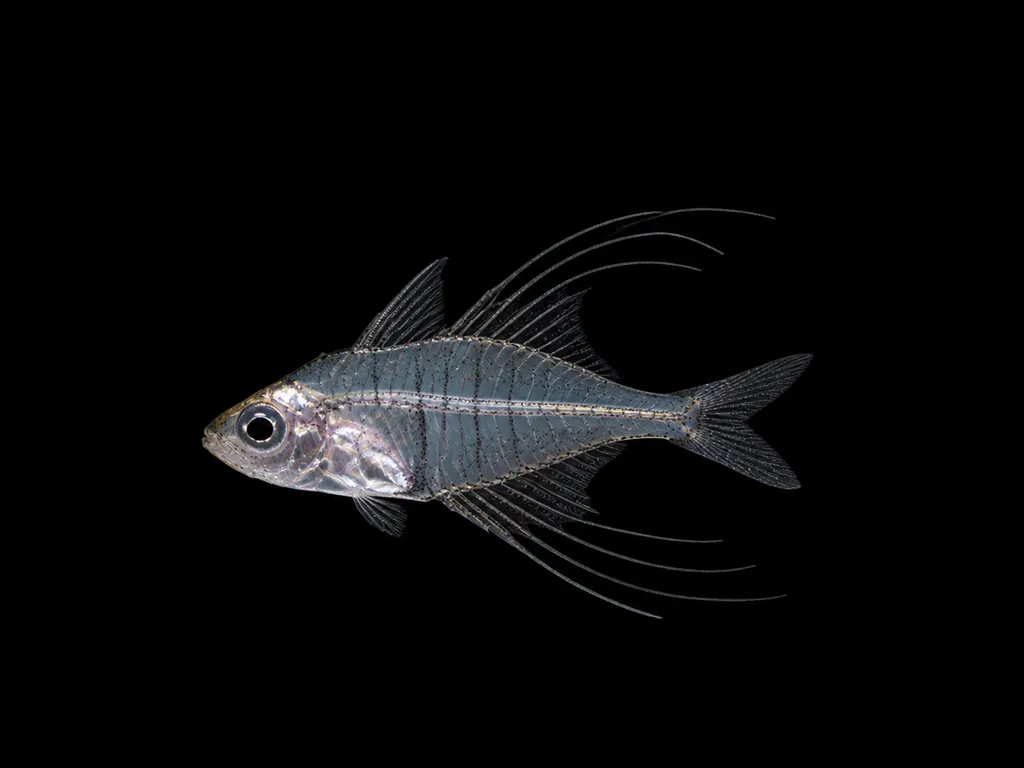 1.6 in (4 cm)16 gal (60 L)73–81°F (23–27°C)
Threadfin glassfish
Gymnochanda filamentosa
1.6 in (4 cm) · 16 gal (60 L)
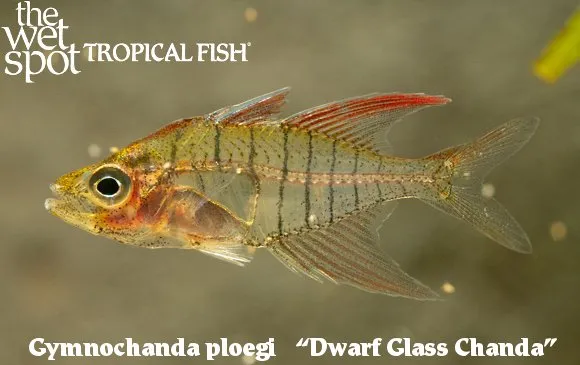 1.2 in (3 cm)11 gal (40 L)75–82°F (24–28°C)
Dwarf glass chanda
Gymnochanda ploegi
1.2 in (3 cm) · 11 gal (40 L)
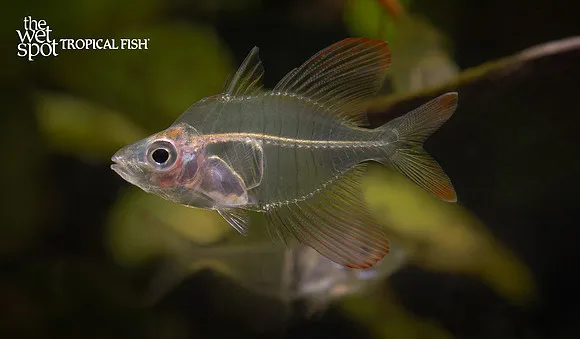 1.2 in (3 cm)11 gal (40 L)75–82°F (24–28°C)
Rose flame glassfish
Gymnochanda verae
1.2 in (3 cm) · 11 gal (40 L)