Threadfin glassfish
Gymnochanda filamentosa
Also known as Filament glassfish, Filament-finned glassfish, Long fin glass fish
FreshwaterFish
Care at a glance
- Temperature
- 73–81°F
- 23–27°C
- pH
- 5.0–7.0
- Adult size
- 1.6 in
- 4 cm
- Minimum tank
- 16 gal
- 60 L
- Temperament
- Peaceful
- Social behavior
- Shoaling
- Swim level
- Middle
- Difficulty
- Difficult
- Breeding
- Hard
- Rarity
- Rare
- Family
- Ambassidae
- Origin
- Native to the Malay Peninsula and parts of Sumatra and Borneo, in soft, acidic blackwater streams and peat swamps.
Overview
Keep a group of at least six to eight in a tank of 60 litres or more at 23 to 27 C in soft, acidic water with a pH of 5.0 to 7.0. It is peaceful but easily outcompeted, so keep it in a species tank or with tiny, gentle blackwater fish. It rarely accepts dry flake, so it needs regular small live and frozen foods such as daphnia, cyclops, microworm and bloodworm. Stable, clean, gently flowing water suits it best.
In the wild
Threadfin glassfish live in soft, acidic, tea colored blackwater streams and peat swamps with dim light and dense plants. They are small, delicate, semi-transparent fish that stay in loose groups. Recreate their home with soft, acidic water, tannins from leaf litter or botanicals, subdued lighting and plenty of fine leaved and floating plants. They are shy and sensitive, so a calm, mature tank is important.
Good to know
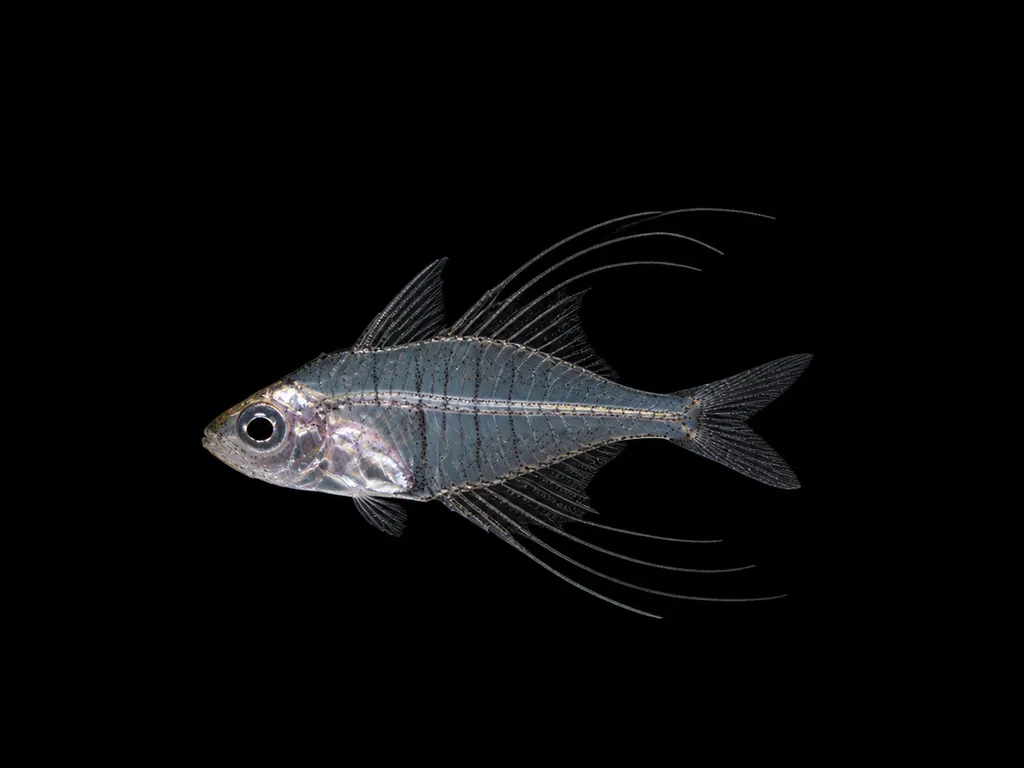
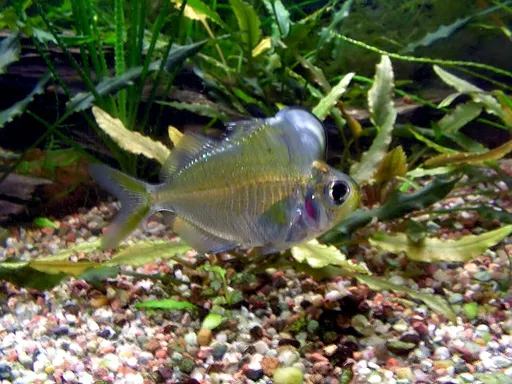
Gymnochanda filamentosa is a small glassfish in the family Ambassidae, the Asiatic glassfishes. Mature males grow long, blue-tipped filament extensions on the dorsal and anal fins, while females stay plain and lack the streamers. The transparent body is an adaptation for staying hidden in open, dimly lit water.
Did you know
Only the males carry the trailing blue-tipped fin filaments that give the fish its name, and they show them off in gentle displays to rivals and females.
Weekly picks
Tank mates
Threadfin glassfish is a peaceful, shoaling species that keeps to the middle. These picks share a community profile with it, are safe together in both directions, and overlap on water type, temperature and pH.
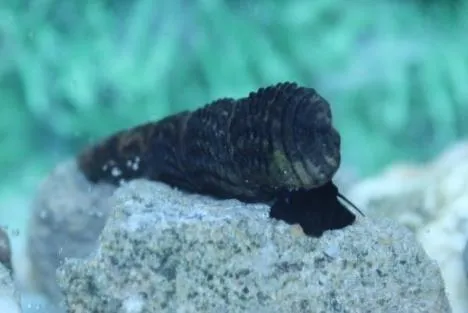
White spotted rabbit snail
Tylomelania towutica
Freshwater4.3 in (11 cm) · 16 gal (60 L)75–84°F (24–29°C)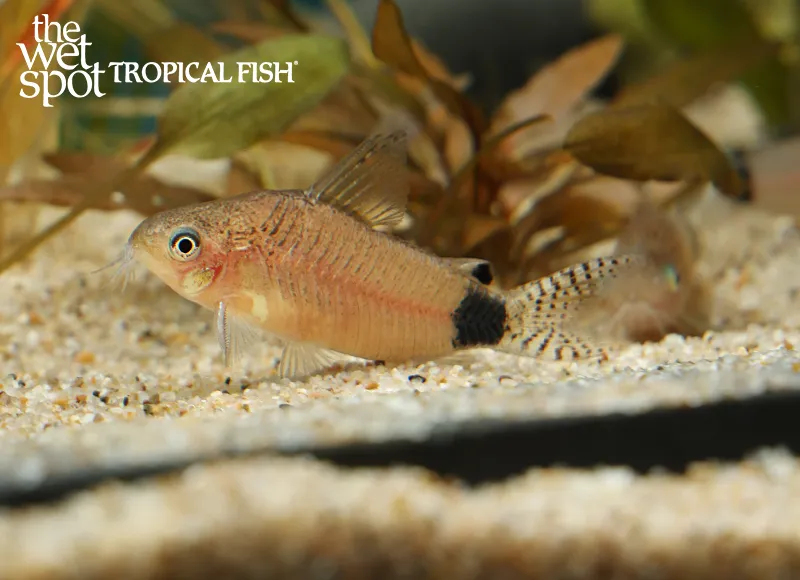
Guapore cory
Gastrodermus guapore
Freshwater2 in (5 cm) · 16 gal (60 L)72–82°F (22–28°C)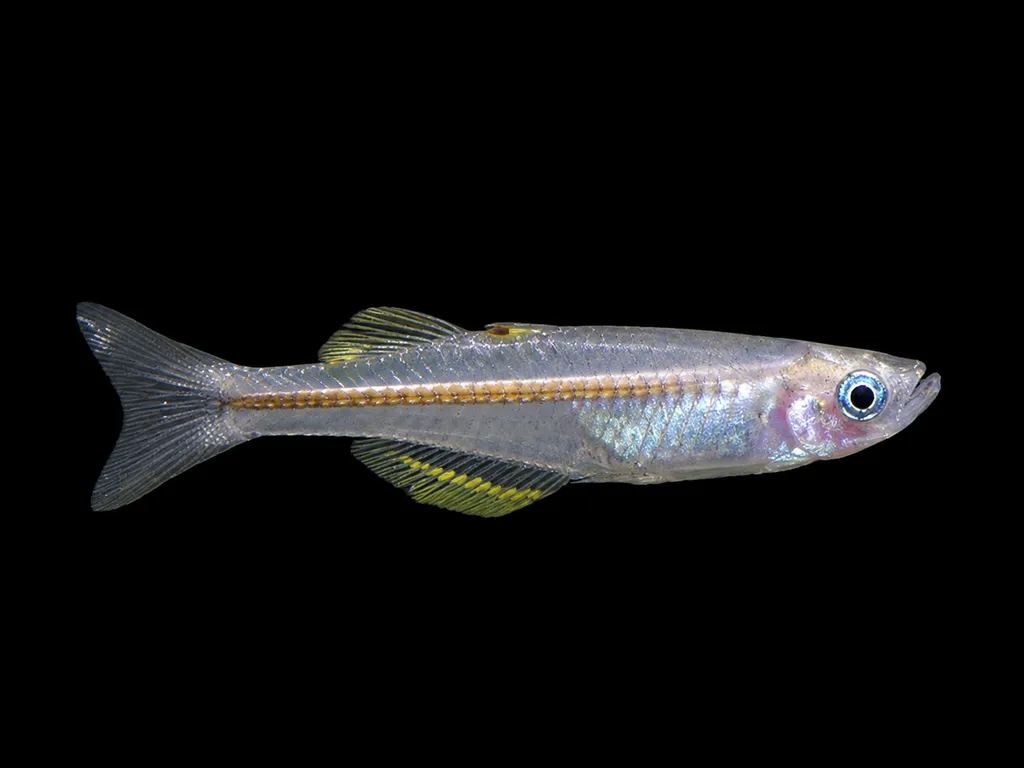
New Guinea blue-eye
Pseudomugil novaeguineae
Freshwater1.8 in (4.5 cm) · 15 gal (55 L)79–86°F (26–30°C)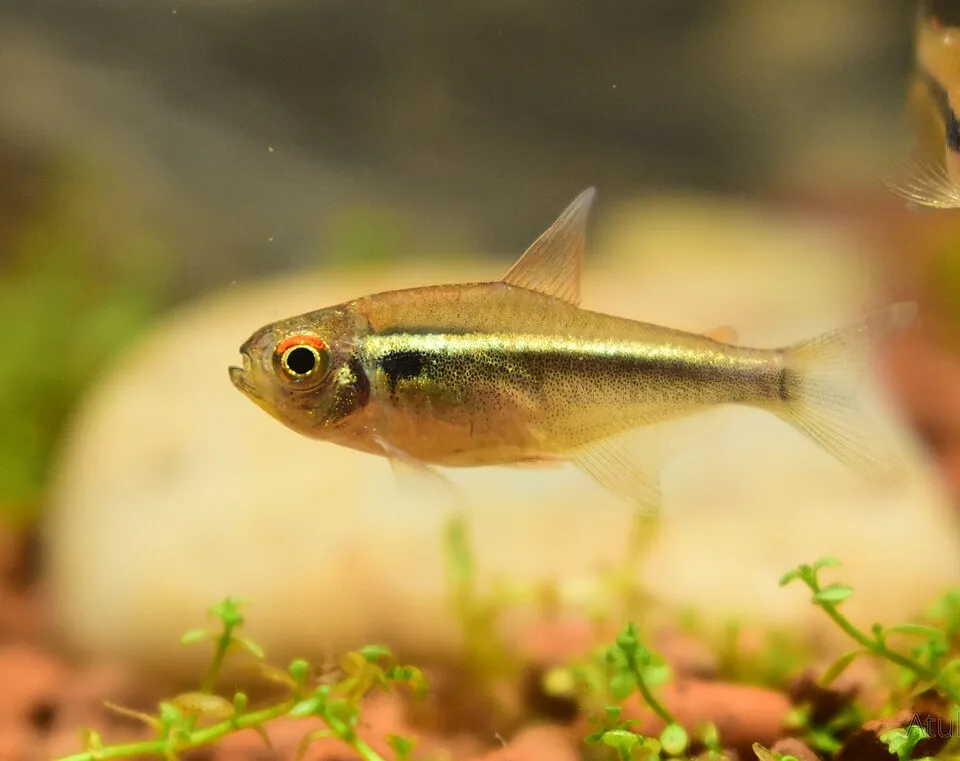
Black neon tetra
Hyphessobrycon herbertaxelrodi
Freshwater1.4 in (3.5 cm) · 16 gal (60 L)72–82°F (22–28°C)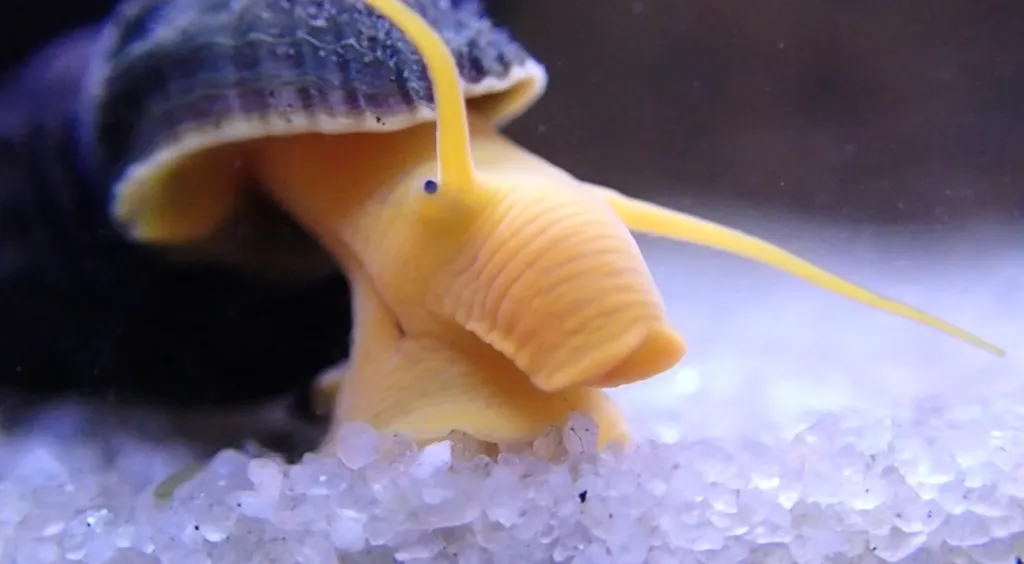
Gold rabbit snail
Tylomelania gemmifera
Freshwater2.8 in (7 cm) · 16 gal (60 L)75–82°F (24–28°C)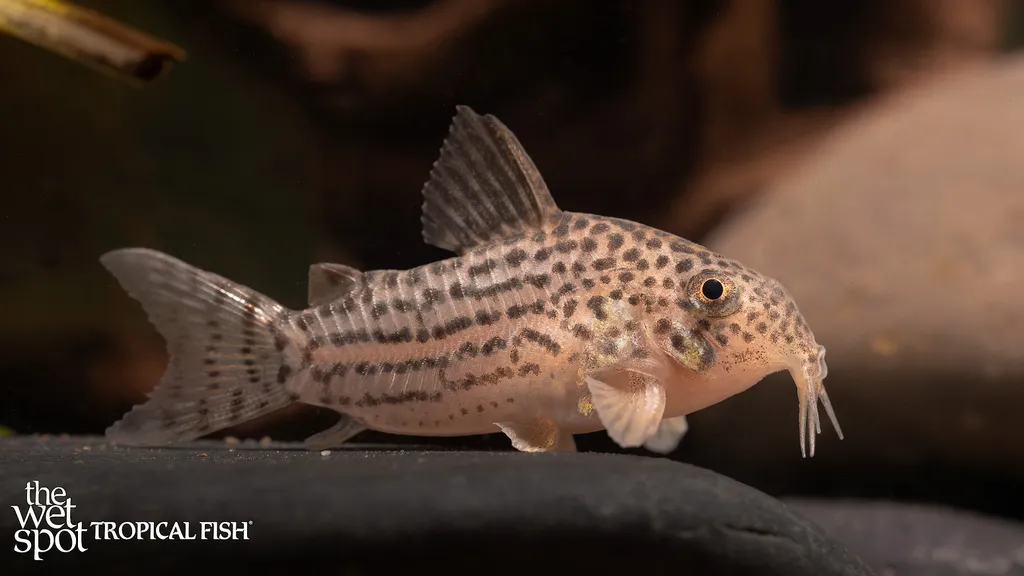
Boeseman's cory
Hoplisoma boesemani
Freshwater2.2 in (5.5 cm) · 16 gal (60 L)73–81°F (23–27°C)
Common questions
What size tank does a Threadfin glassfish need?
A Threadfin glassfish needs at least 16 gal (60 L). It spends most of its time in the middle.
What temperature and pH does a Threadfin glassfish need?
A Threadfin glassfish is comfortable at 73–81°F (23–27°C) with a pH of 5.0–7.0.
How big does a Threadfin glassfish get?
An adult Threadfin glassfish reaches about 1.6 in (4 cm).
Does a Threadfin glassfish need a group?
Yes. A Threadfin glassfish is a shoaling species and should be kept in a group, not singly.
Related species
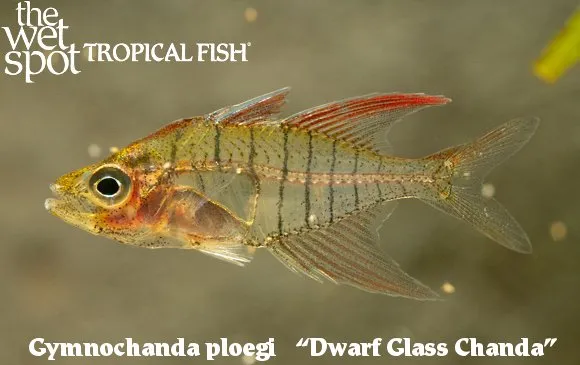 1.2 in (3 cm)11 gal (40 L)75–82°F (24–28°C)
Dwarf glass chanda
Gymnochanda ploegi
1.2 in (3 cm) · 11 gal (40 L)
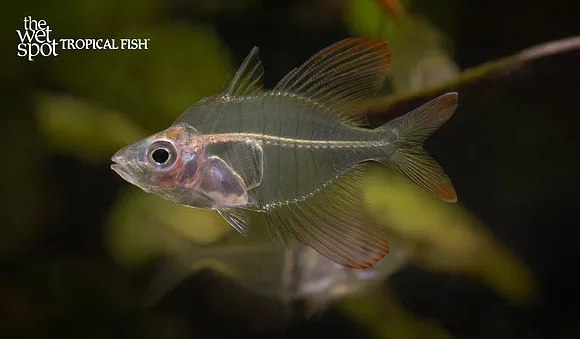 1.2 in (3 cm)11 gal (40 L)75–82°F (24–28°C)
Rose flame glassfish
Gymnochanda verae
1.2 in (3 cm) · 11 gal (40 L)
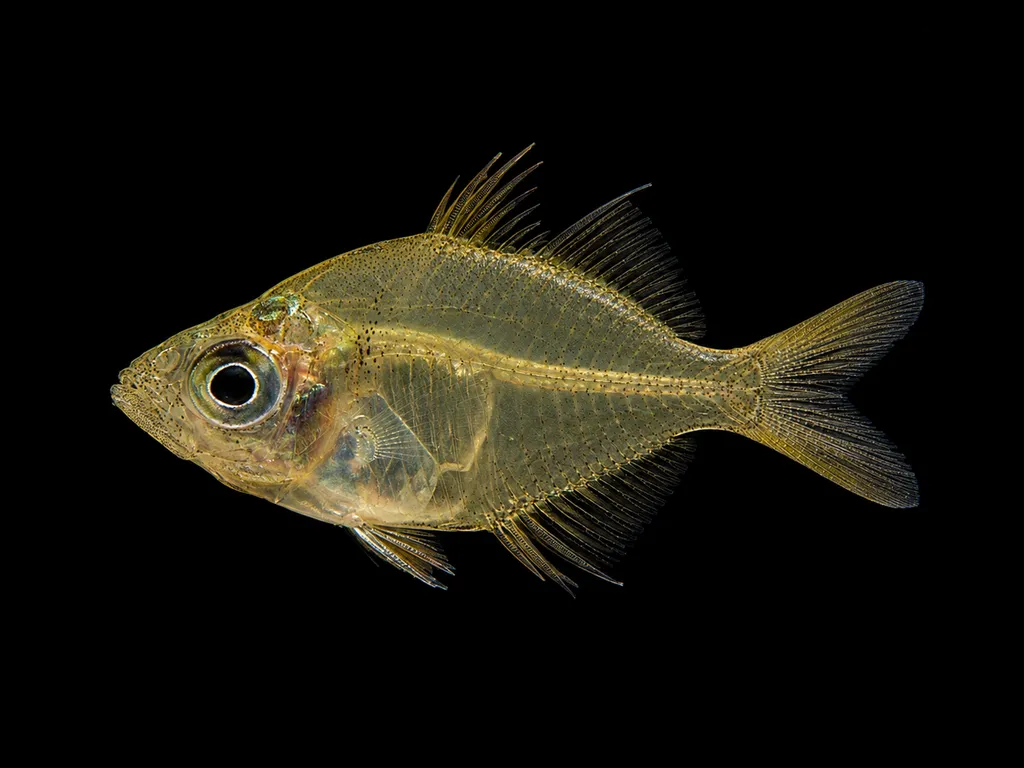 1.2 in (3 cm)11 gal (40 L)72–82°F (22–28°C)
Indian amber glassfish
Parambassis lala
1.2 in (3 cm) · 11 gal (40 L)
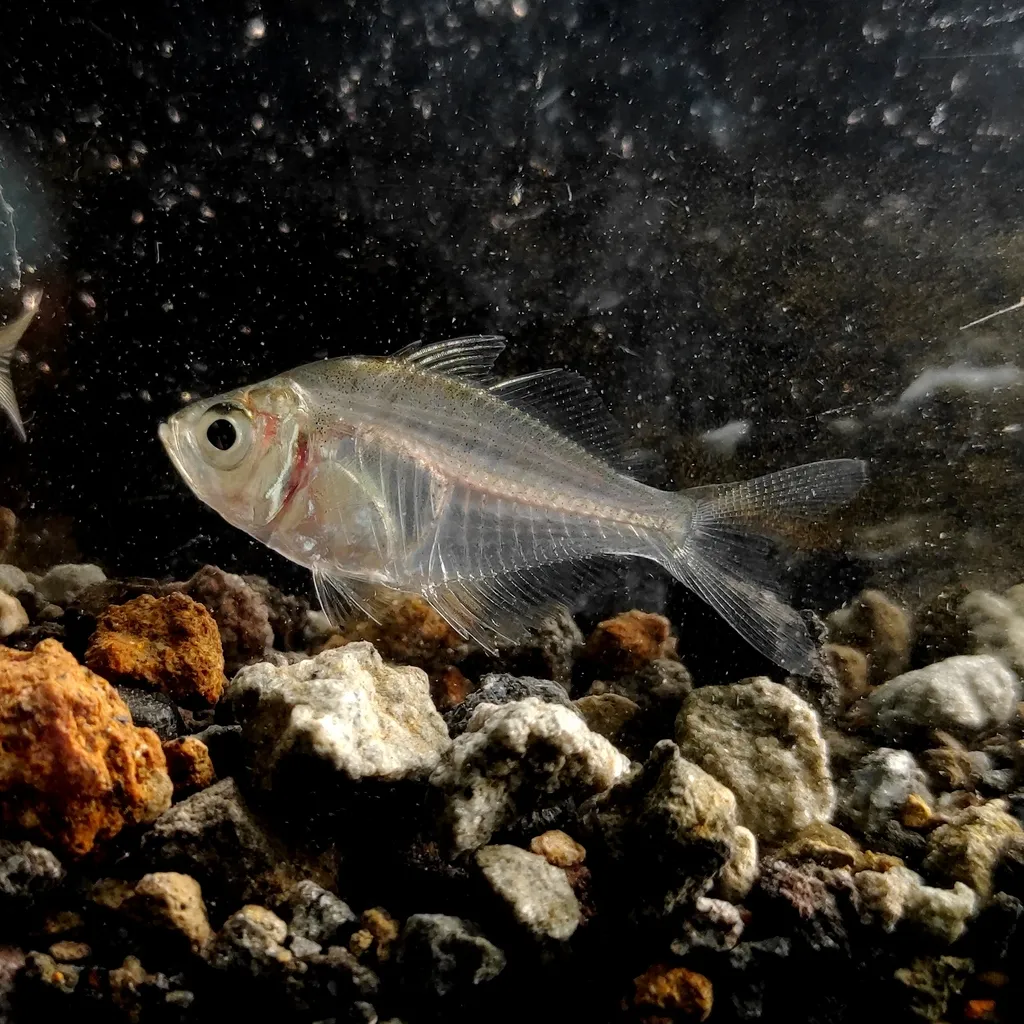 2.8 in (7 cm)21 gal (80 L)73–82°F (23–28°C)
Siamese glassfish
Parambassis siamensis
2.8 in (7 cm) · 21 gal (80 L)
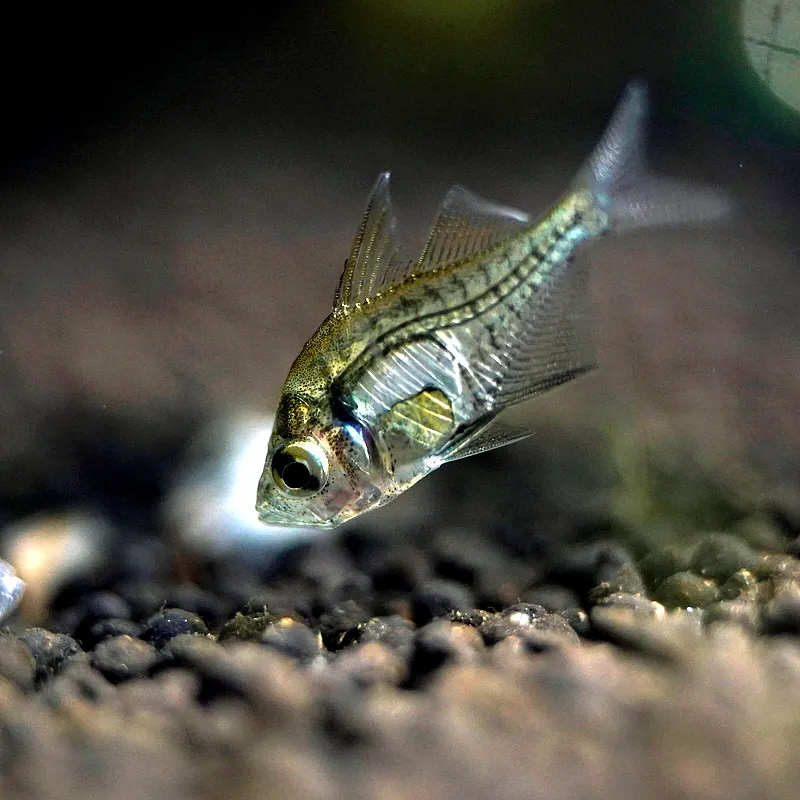 3.1 in (8 cm)20 gal (75 L)68–86°F (20–30°C)
Indian glassy fish
Parambassis ranga
3.1 in (8 cm) · 20 gal (75 L)
 3.9 in (10 cm)32 gal (120 L)73–81°F (23–27°C)
Humphead glassfish
Parambassis pulcinella
3.9 in (10 cm) · 32 gal (120 L)