Siamese glassfish
Parambassis siamensis
Also known as Thai glassfish, Siamese glass fish
FreshwaterFish
Care at a glance
- Temperature
- 73–82°F
- 23–28°C
- pH
- 6.0–7.5
- Adult size
- 2.8 in
- 7 cm
- Minimum tank
- 21 gal
- 80 L
- Temperament
- Peaceful
- Social behavior
- Schooling
- Swim level
- Middle
- Difficulty
- Medium
- Breeding
- Egg scatterer · Hard
- Rarity
- Rare
- Family
- Ambassidae
- Origin
- Chao Phraya and Mekong basins, Southeast Asia
Overview
The Siamese glassfish is a see-through schooling fish for the middle of a peaceful community tank. It is hardier and more forgiving than the tiny blackwater glassfish, though still a step up from the easiest fish.
Did you know
Despite the old belief that all glassfish need brackish water, the Siamese glassfish is strictly a freshwater fish.
Caring for the Siamese glassfish
Keep Siamese glassfish in a group of at least six, since they fail when kept singly or in pairs. With a dozen, the group becomes a display of animated glass. Give them a mature, densely planted tank of 21 gal (80 L) or more, with open midwater to shoal in.
They prefer dim light, so add floating plants and a dark substrate, and keep the flow gentle. Keep the water at 73 to 82°F (23 to 28°C) and a pH of 6.0 to 7.5. Never add salt, which does more harm than good.
Feed small foods such as frozen brine shrimp, bloodworm and daphnia. Dry flakes and micro-pellets work once it learns to take them. The Siamese glassfish is easygoing and peaceful, so keep it with other calm, similarly small fish. Egg-scattering spawning has been reported, though rearing the fry is challenging.
Good to know
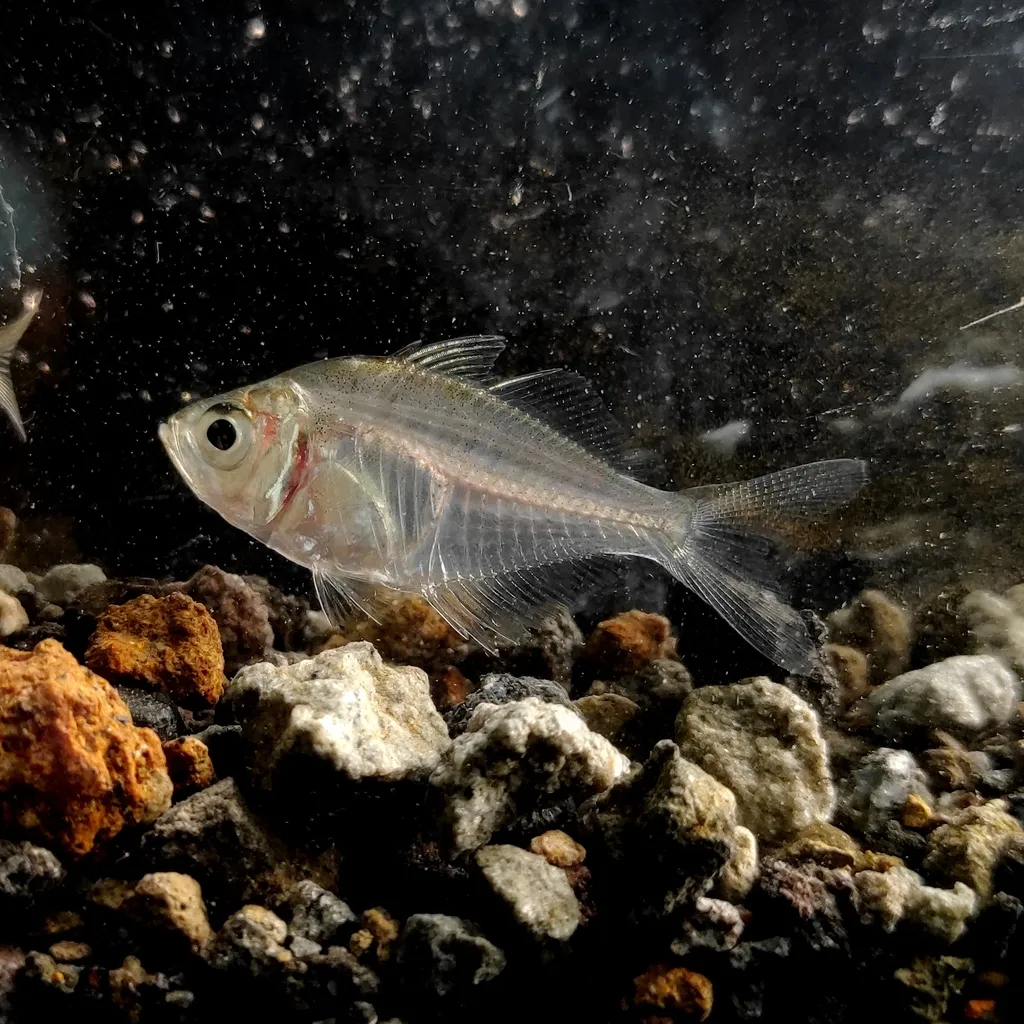
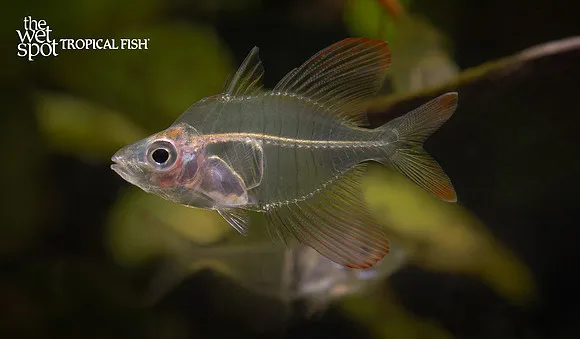
Parambassis siamensis is a glassfish of the family Ambassidae, with the clear, colorless body typical of the group. Its skeleton, swim bladder and gut show through the flanks in life.
In the wild
The Siamese glassfish lives in the slow lowland rivers, canals and floodplains of the Mekong, Mae Klong and Chao Phraya basins in Southeast Asia.
Weekly picks
Tank mates
The Siamese glassfish is a peaceful, schooling species that keeps to the middle. These picks share a community profile with it, are safe together in both directions, and overlap on water type, temperature and pH.
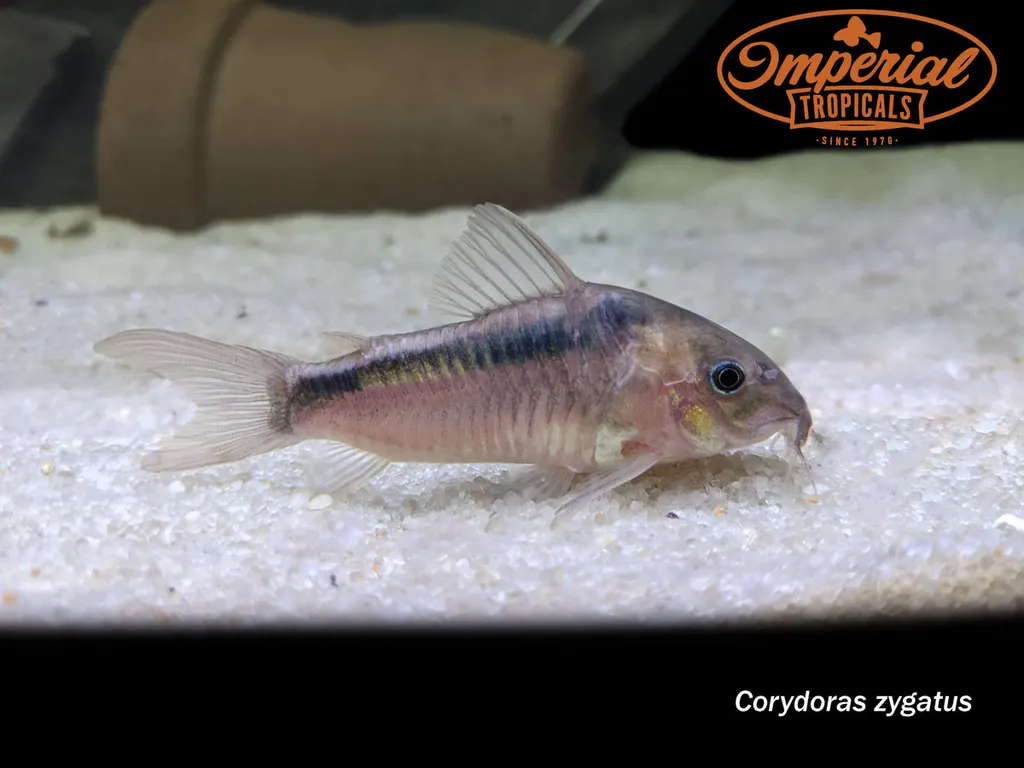
Black band cory
Osteogaster zygata
Freshwater2.6 in (6.5 cm) · 21 gal (80 L)72–79°F (22–26°C)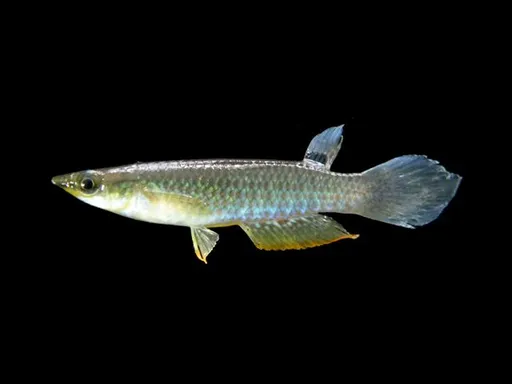
Blue panchax
Aplocheilus panchax
Freshwater3.5 in (9 cm) · 20 gal (75 L)72–82°F (22–28°C)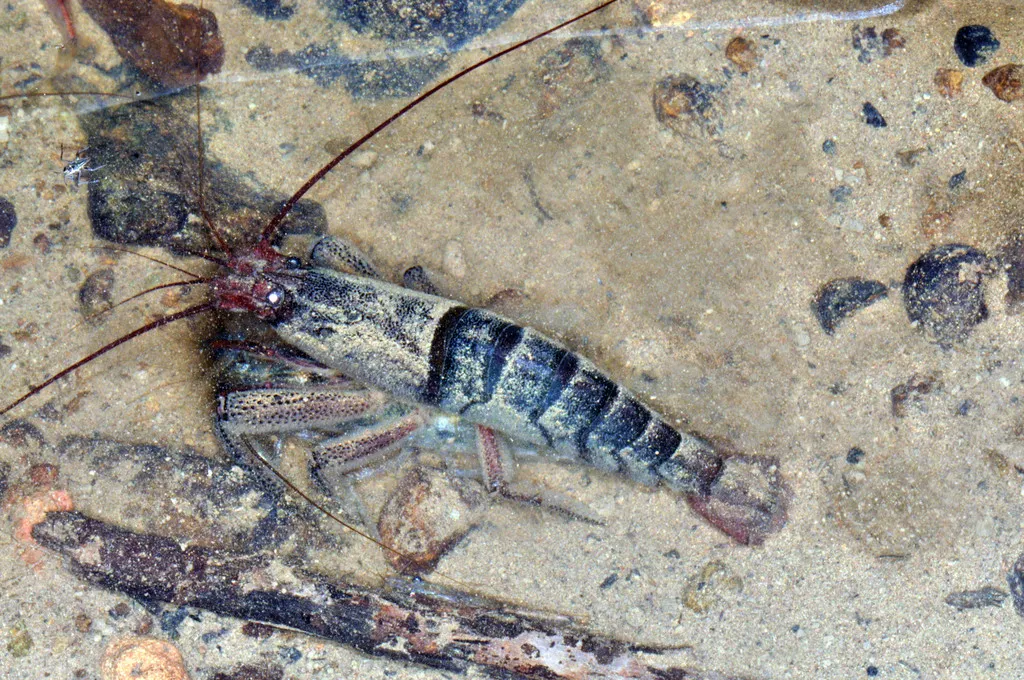
Marble wood shrimp
Atya scabra
Freshwater3.9 in (10 cm) · 20 gal (75 L)73–82°F (23–28°C)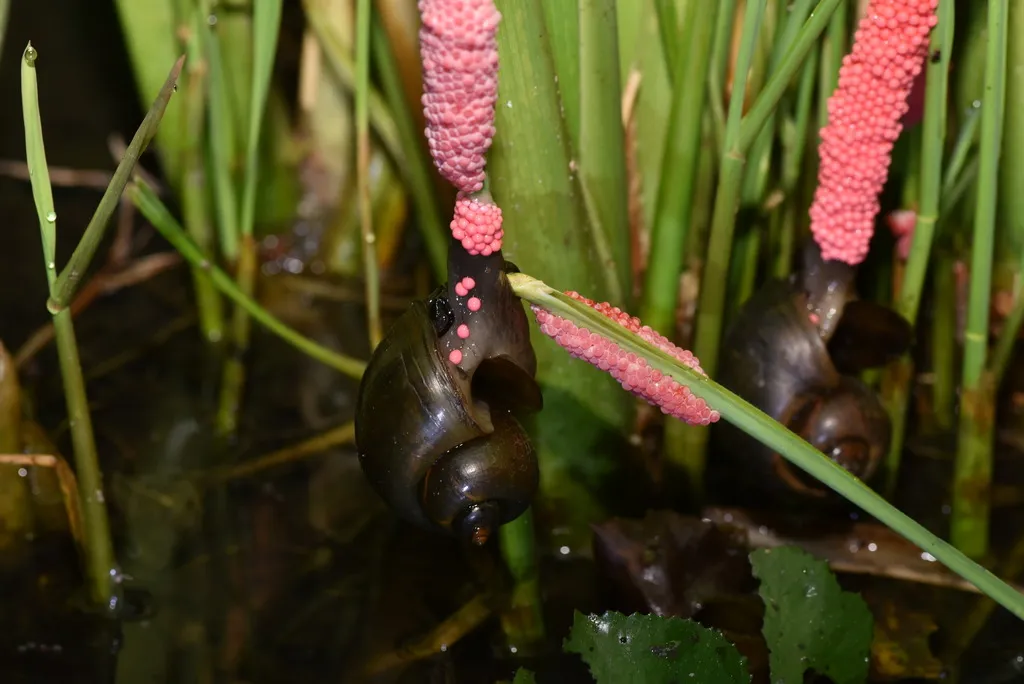
Apple snail
Pomacea canaliculata
Freshwater5.9 in (15 cm) · 21 gal (80 L)64–81°F (18–27°C)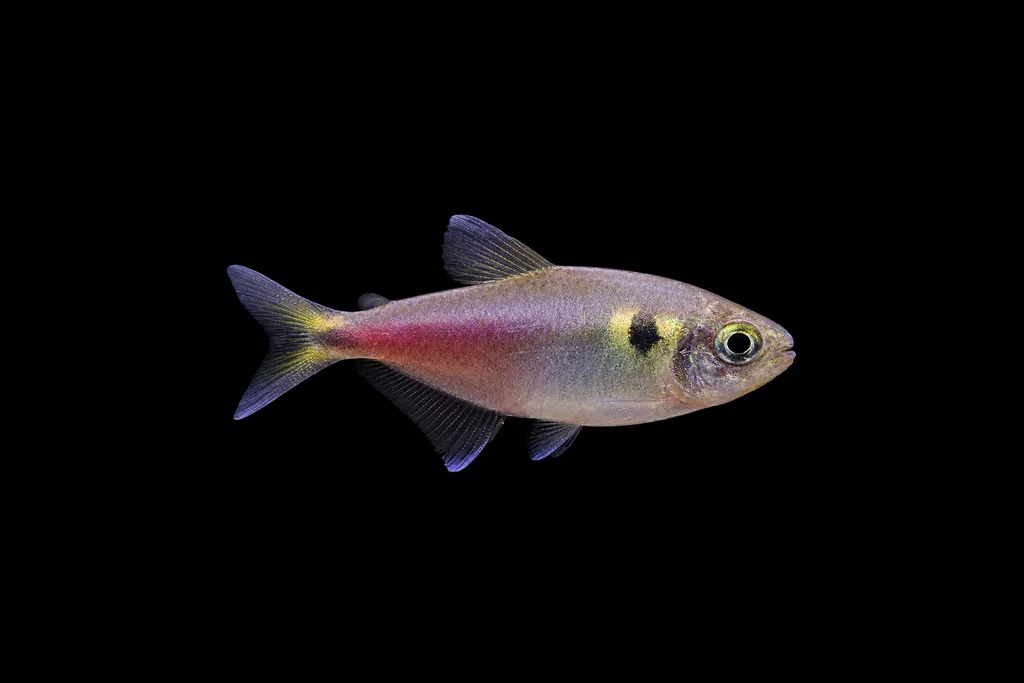
Pastel lily tetra
Psalidodon xavante
Freshwater2.4 in (6 cm) · 21 gal (80 L)72–81°F (22–27°C)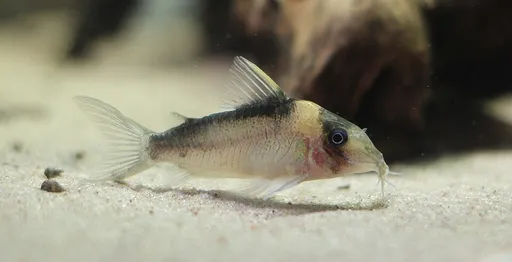
Imitator cory
Brochis imitator
Freshwater2.6 in (6.5 cm) · 21 gal (80 L)72–79°F (22–26°C)
Common questions
What size tank does a Siamese glassfish need?
A Siamese glassfish needs at least 21 gal (80 L). It spends most of its time in the middle.
What temperature and pH does a Siamese glassfish need?
A Siamese glassfish is comfortable at 73–82°F (23–28°C) with a pH of 6.0–7.5.
What does a Siamese glassfish eat?
A Siamese glassfish eats small foods such as frozen brine shrimp, bloodworm and daphnia. It takes dry flakes and micro-pellets once it learns to.
How big does a Siamese glassfish get?
An adult Siamese glassfish reaches about 2.8 in (7 cm).
Does a Siamese glassfish need a group?
Yes. A Siamese glassfish is a schooling species and should be kept in a group, not singly.
Related species
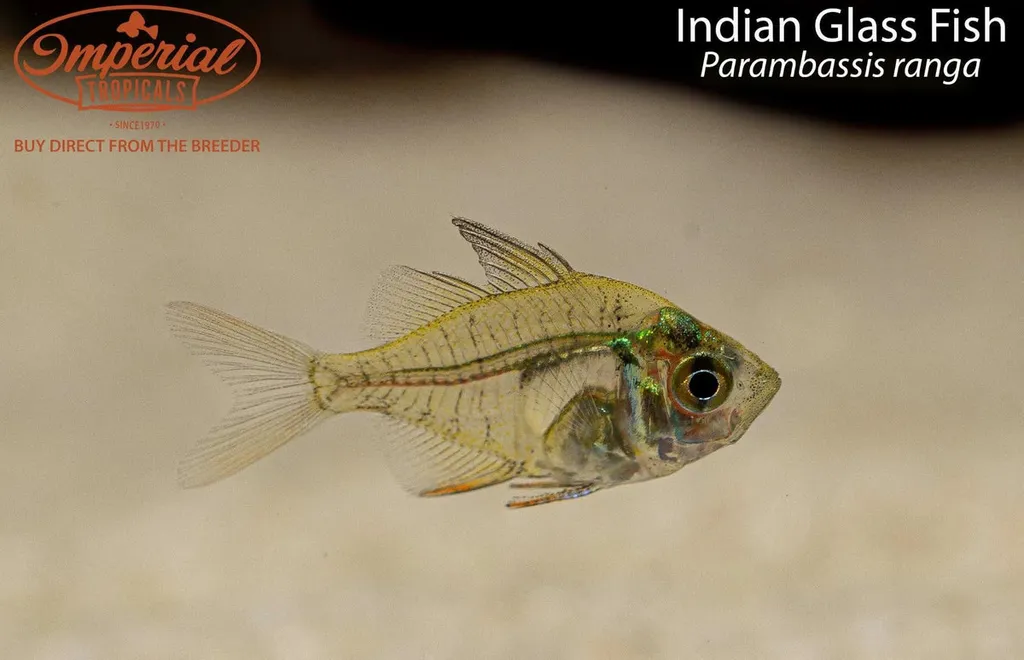 3.1 in (8 cm)20 gal (75 L)68–86°F (20–30°C)
Indian glassy fish
Parambassis ranga
3.1 in (8 cm) · 20 gal (75 L)
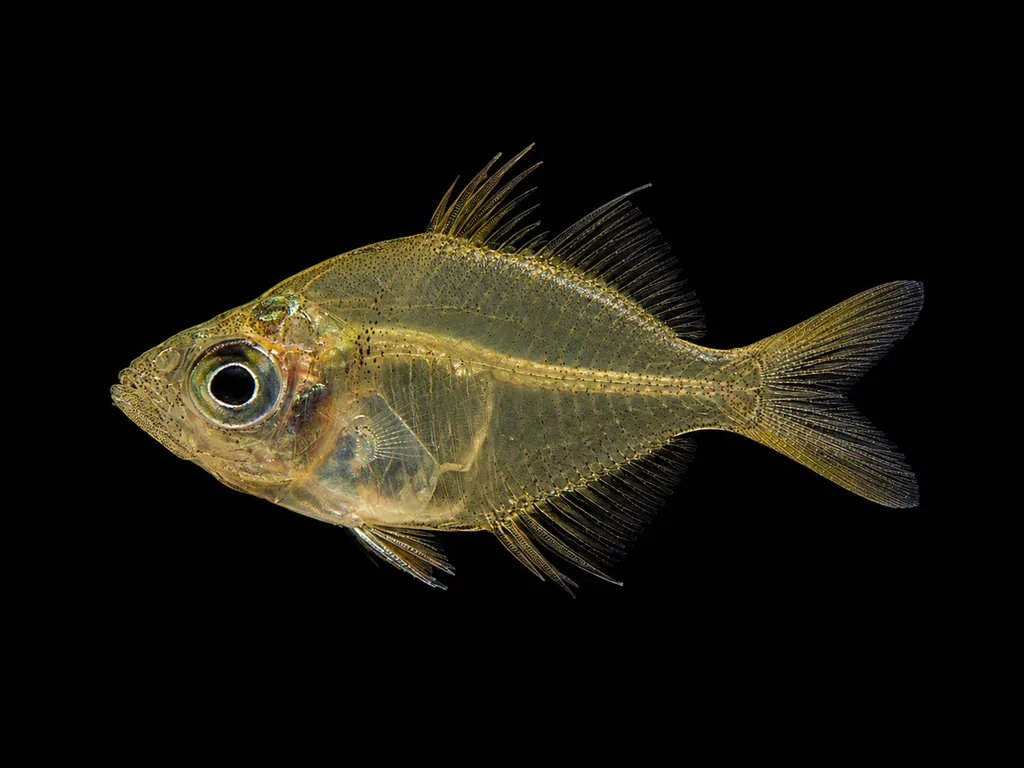 1.2 in (3 cm)11 gal (40 L)72–82°F (22–28°C)
Indian amber glassfish
Parambassis lala
1.2 in (3 cm) · 11 gal (40 L)
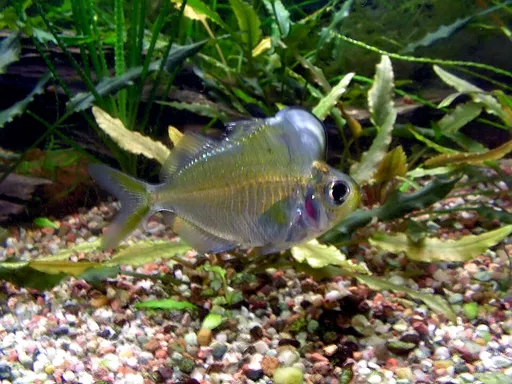 3.9 in (10 cm)32 gal (120 L)73–81°F (23–27°C)
Humphead glassfish
Parambassis pulcinella
3.9 in (10 cm) · 32 gal (120 L)
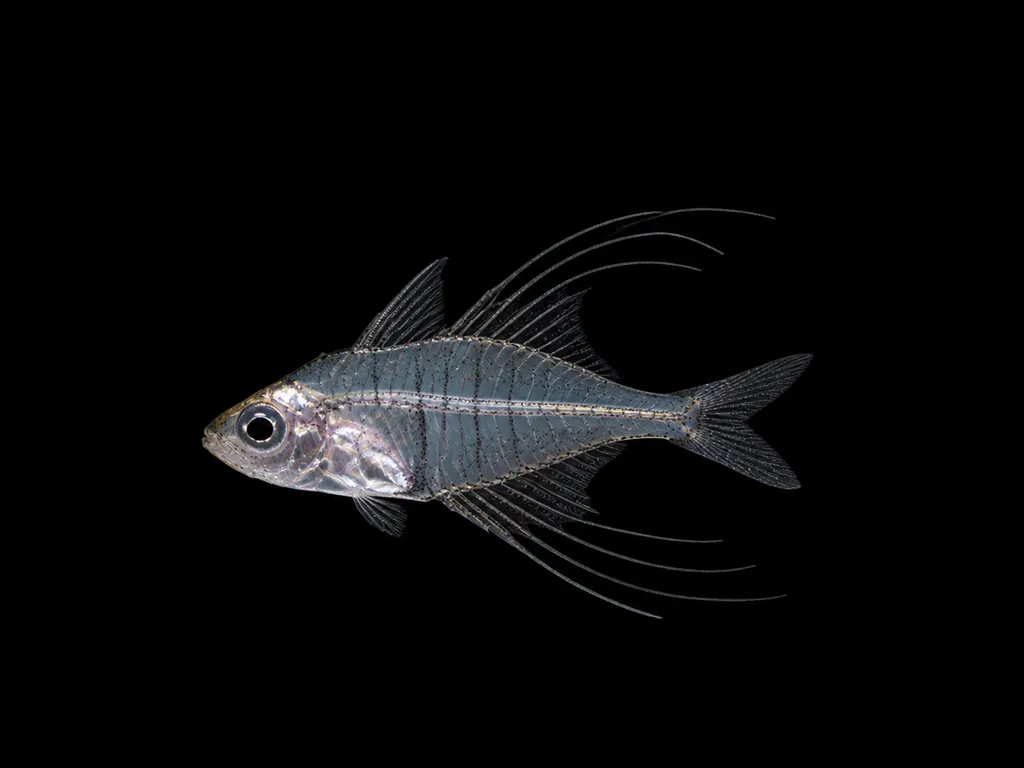 1.6 in (4 cm)16 gal (60 L)73–81°F (23–27°C)
Threadfin glassfish
Gymnochanda filamentosa
1.6 in (4 cm) · 16 gal (60 L)
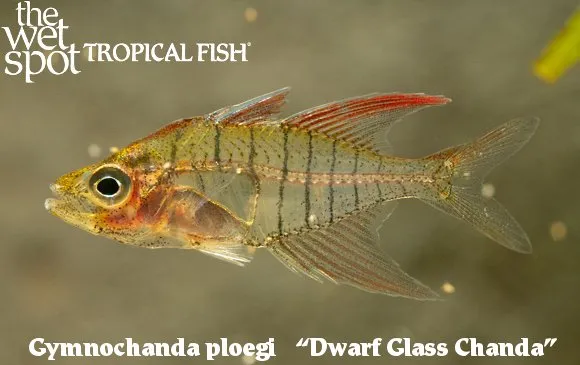 1.2 in (3 cm)11 gal (40 L)75–82°F (24–28°C)
Dwarf glass chanda
Gymnochanda ploegi
1.2 in (3 cm) · 11 gal (40 L)
 1.2 in (3 cm)11 gal (40 L)75–82°F (24–28°C)
Rose flame glassfish
Gymnochanda verae
1.2 in (3 cm) · 11 gal (40 L)