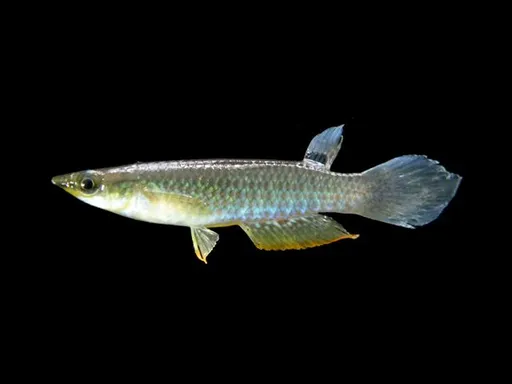
Blue panchax
Aplocheilus panchax
Also known as Whitespot panchax, Panchax Killi
FreshwaterFish
Care at a glance
- Temperature
- 72–82°F
- 22–28°C
- pH
- 6.0–7.8
- Adult size
- 3.5 in
- 9 cm
- Minimum tank
- 20 gal
- 75 L
- Temperament
- Mostly peaceful
- Social behavior
- Social
- Swim level
- Top
- Difficulty
- Easy
- Breeding
- Medium
- Rarity
- Common
- Family
- Aplocheilidae
- Origin
- South and Southeast Asia
Overview
Keep a pair or a small group in a tank of 75 liters or up, weighted toward more females so male attention gets spread around. They hang at the top and are mostly peaceful with fish their own size, but they eat anything that fits in the mouth, so skip neon tetras, dwarf shrimp, and fry. Hold the water at 22 to 28 C with a pH from 6 to 7.8, and they will tolerate fresh through slightly brackish, though salt is not needed. Floating plants give cover and break up sightlines between males. Feed insect and mosquito larvae along with other small foods, and keep a tight lid since they jump.
In the wild
Blue panchax range widely across South and Southeast Asia, where they sit at the surface of ponds, ditches, rice paddies, and slow streams, including coastal water that turns slightly brackish. They are very adaptable and handle fresh through light brackish conditions, though they need no salt to do well. Give them a tank of 75 liters or more with floating plants for surface cover and open swimming room up top. Keep the water from 22 to 28 C with a pH between 6 and 7.8, and put a tight lid on the tank since these are strong jumpers.
Good to know
This is a surface-dwelling killifish in the family Aplocheilidae, reaching about 9 cm as an adult. It is an egg layer of medium breeding difficulty, with females depositing eggs among floating plants over several days. Captive-bred stock turns up in the trade, and a healthy adult lives a few years.
Did you know
The flat head and upturned mouth are built for surface feeding, so a blue panchax spends most of its time parked just under the film waiting for insects to land. That same surface focus is what makes them such reliable jumpers, since in the wild they will leap to grab prey or move between shallow pools.
Weekly picks
Tank mates
Blue panchax is a mostly peaceful, social species that keeps to the top. These picks share a community profile with it, are safe together in both directions, and overlap on water type, temperature and pH.
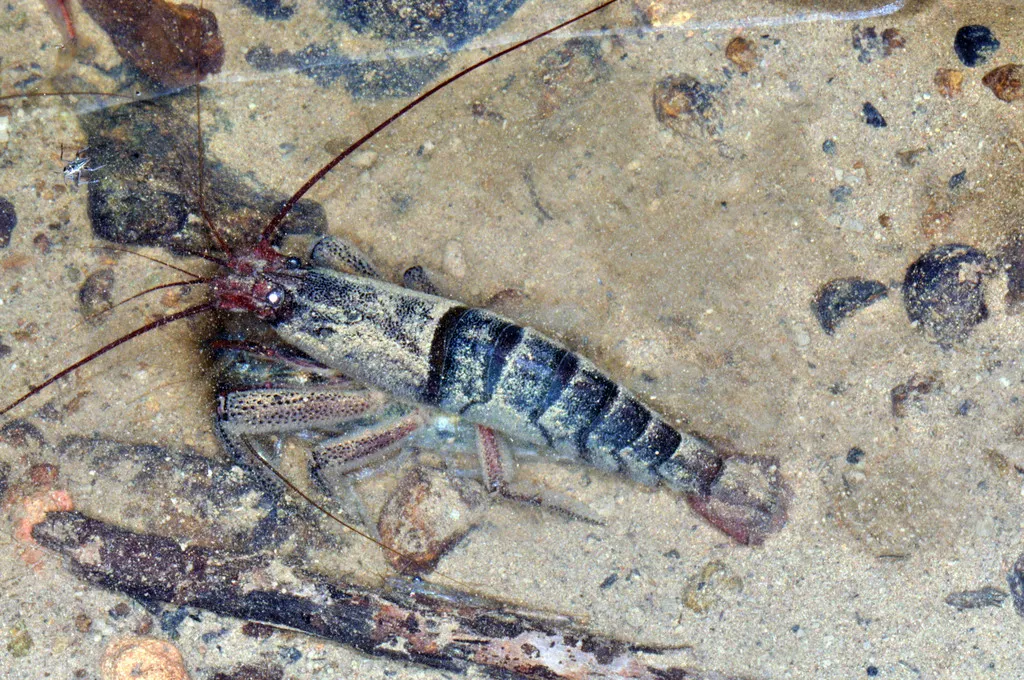
Marble wood shrimp
Atya scabra
Freshwater3.9 in (10 cm) · 20 gal (75 L)73–82°F (23–28°C)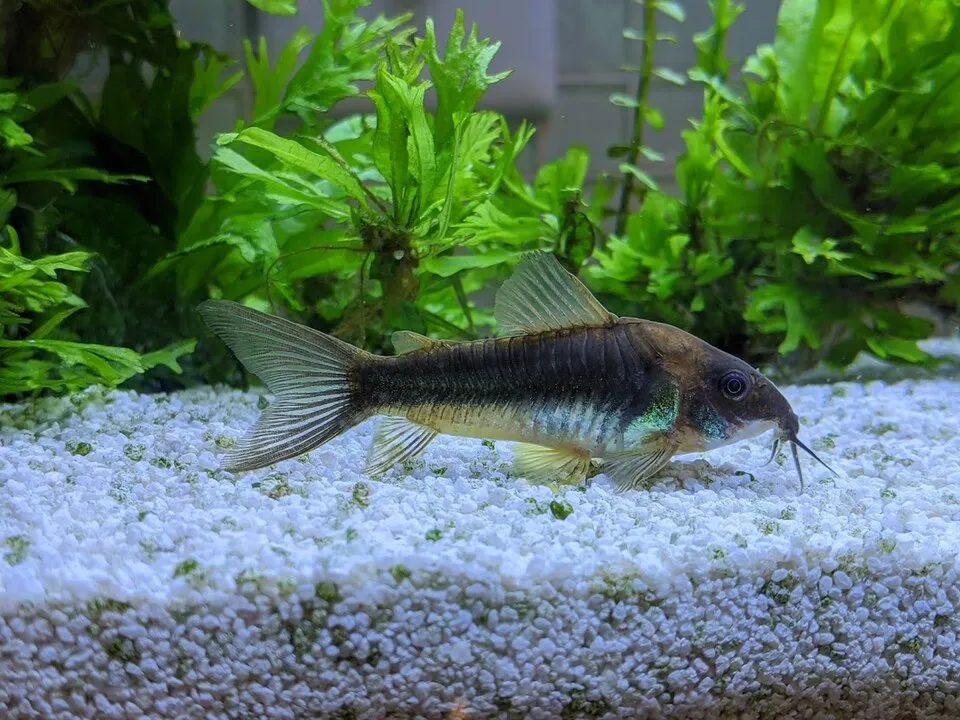
Bronze cory
Osteogaster aenea
Freshwater3 in (7.5 cm) · 20 gal (75 L)70–81°F (21–27°C)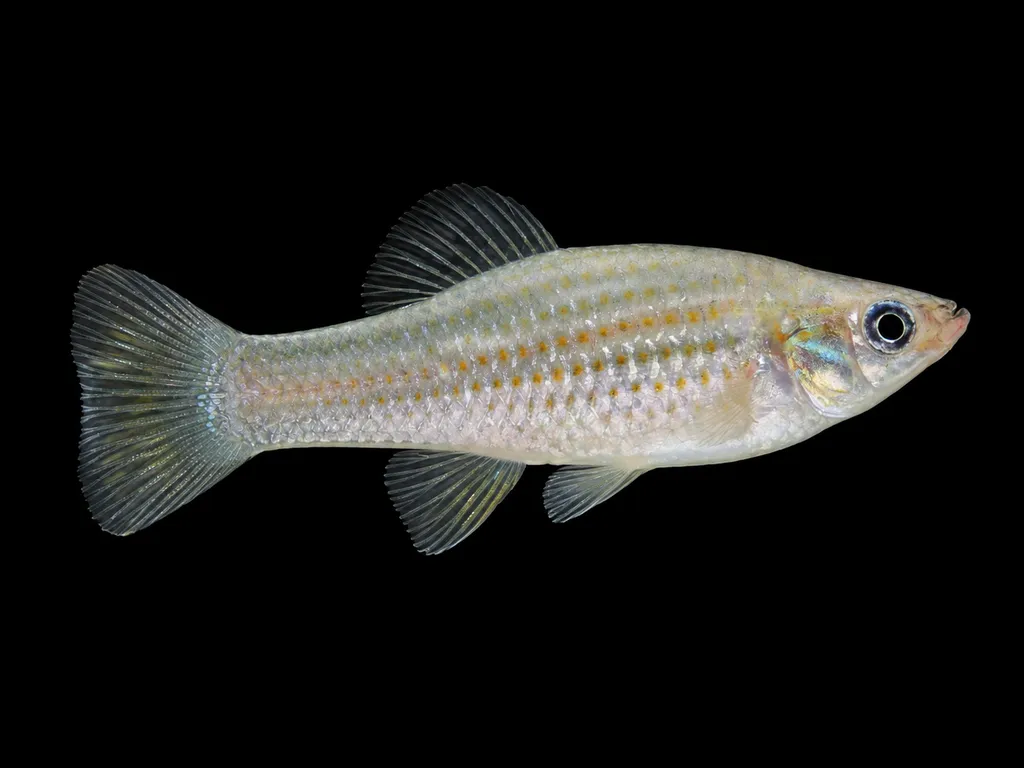
Amazon molly
Poecilia formosa
Freshwater3.5 in (9 cm) · 20 gal (75 L)68–82°F (20–28°C)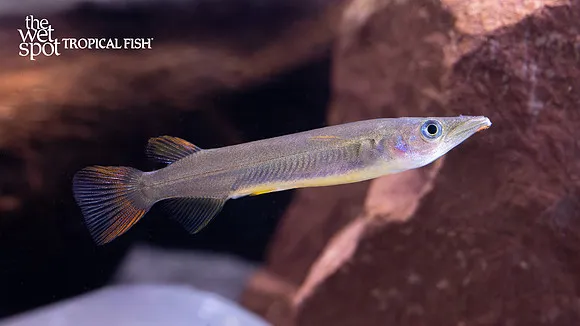
Rex halfbeak
Nomorhamphus rex
Freshwater2.2 in (5.5 cm) · 20 gal (75 L)72–79°F (22–26°C)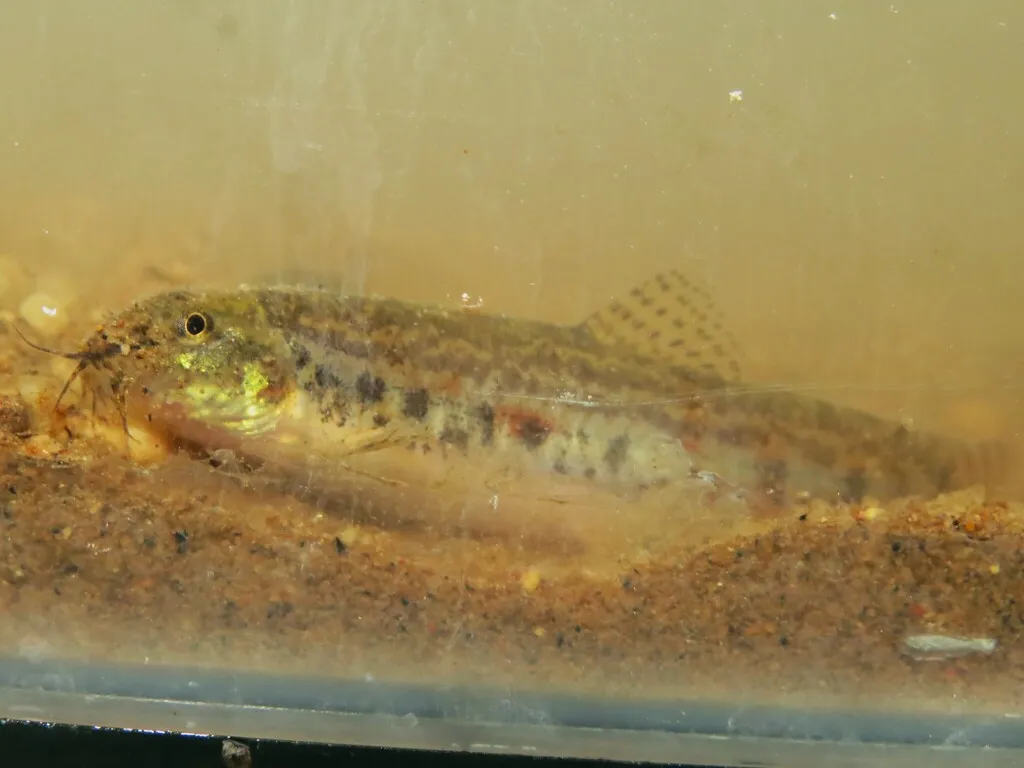
Common spiny loach
Lepidocephalichthys thermalis
Freshwater3.1 in (8 cm) · 20 gal (75 L)72–82°F (22–28°C)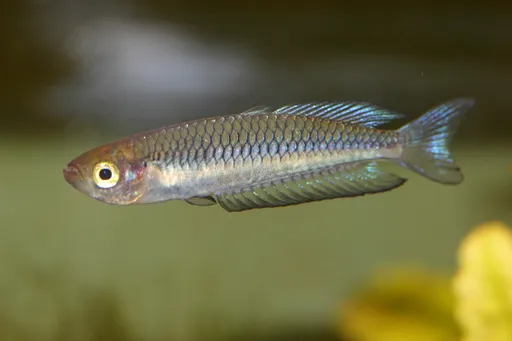
Ornate rainbowfish
Rhadinocentrus ornatus
Freshwater2.4 in (6 cm) · 20 gal (75 L)64–82°F (18–28°C)
Common questions
What size tank does a Blue panchax need?
A Blue panchax needs at least 20 gal (75 L). It spends most of its time in the top.
What temperature and pH does a Blue panchax need?
A Blue panchax is comfortable at 72–82°F (22–28°C) with a pH of 6.0–7.8.
How big does a Blue panchax get?
An adult Blue panchax reaches about 3.5 in (9 cm).
Related species
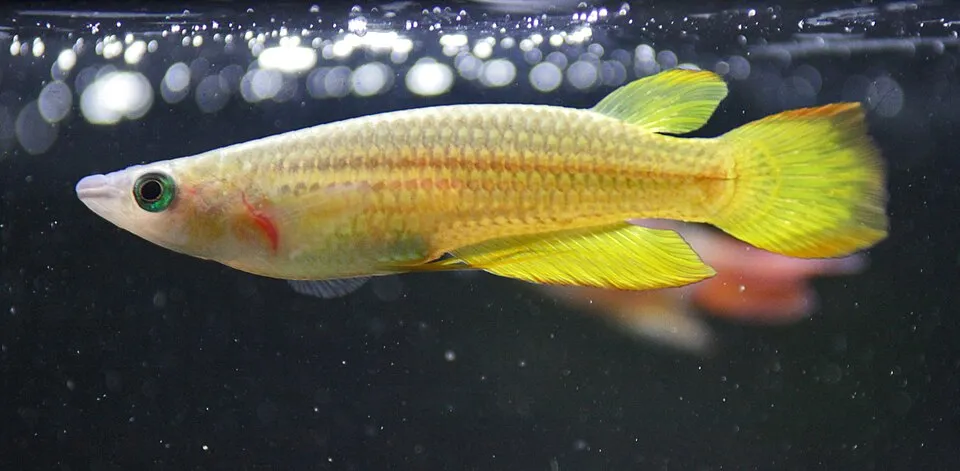 4.3 in (11 cm)30 gal (115 L)72–77°F (22–25°C)
Striped panchax
Aplocheilus lineatus
4.3 in (11 cm) · 30 gal (115 L)
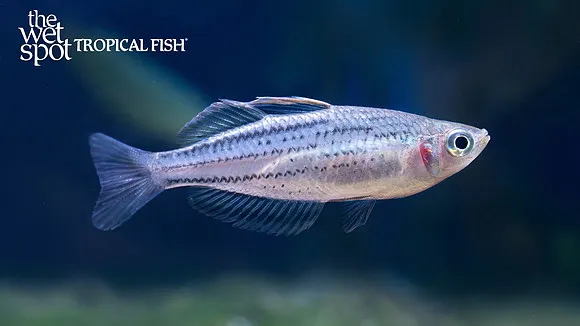 2 in (5 cm)11 gal (40 L)72–82°F (22–28°C)
Green panchax
Aplocheilus blockii
2 in (5 cm) · 11 gal (40 L)
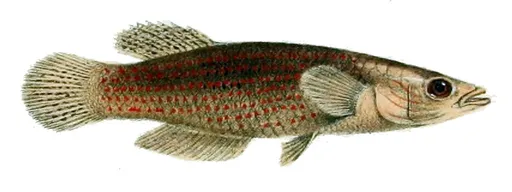 3.9 in (10 cm)20 gal (75 L)72–77°F (22–25°C)
Playfair's panchax
Pachypanchax playfairii
3.9 in (10 cm) · 20 gal (75 L)
 3.5 in (9 cm)29 gal (110 L)75–81°F (24–27°C)
Redfin halfbeak
Nomorhamphus ebrardtii
3.5 in (9 cm) · 29 gal (110 L)
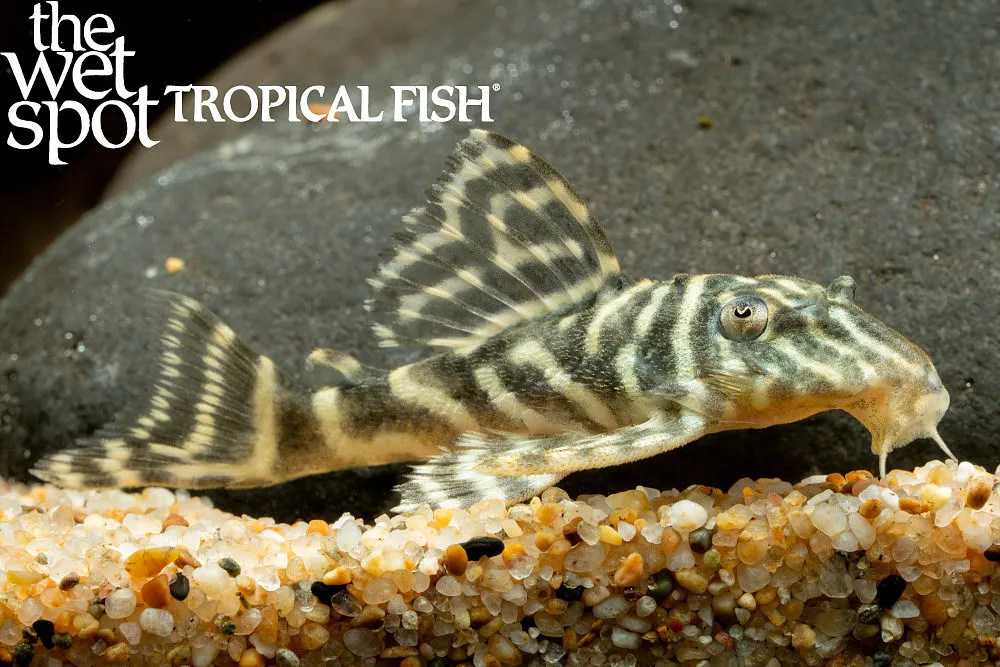 3.5 in (9 cm)20 gal (75 L)79–86°F (26–30°C)
Colombian zebra pleco (L129)
Hypancistrus debilittera
3.5 in (9 cm) · 20 gal (75 L)
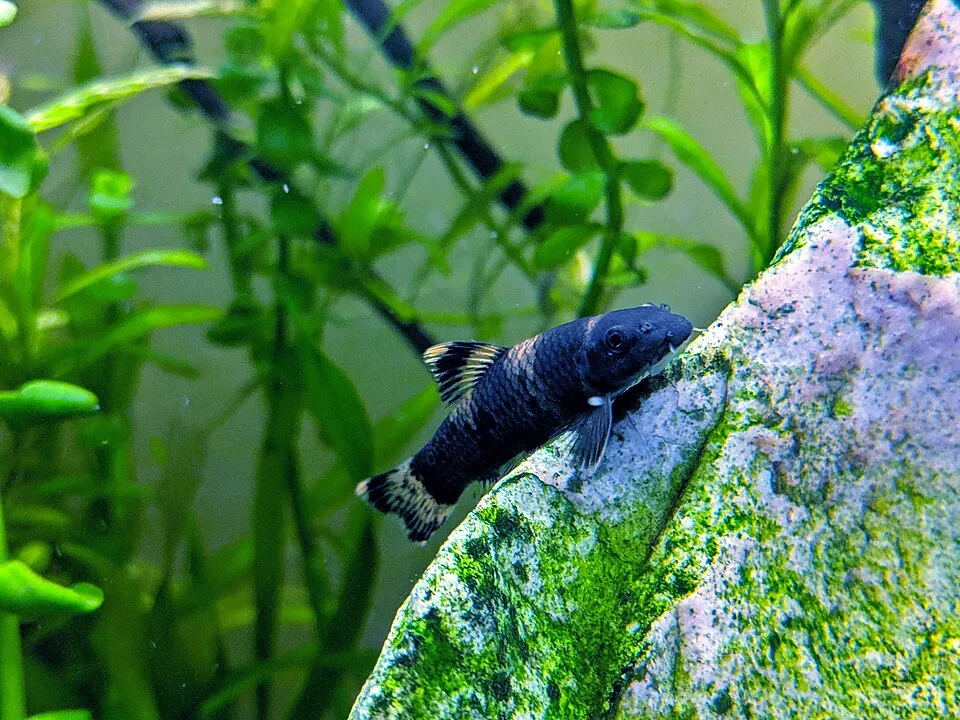 3.5 in (9 cm)26 gal (100 L)72–81°F (22–27°C)
Panda garra
Garra flavatra
3.5 in (9 cm) · 26 gal (100 L)