Peppered kuhli loach
Pangio piperata
Also known as Pepper kuhli
FreshwaterFish
Care at a glance
- Temperature
- 72–81°F
- 22–27°C
- pH
- 5.5–7.0
- Adult size
- 2.4 in
- 6 cm
- Minimum tank
- 20 gal
- 75 L
- Temperament
- Peaceful
- Social behavior
- Social
- Swim level
- Bottom
- Difficulty
- Medium
- Breeding
- No record
- Rarity
- Rare
- Family
- Cobitidae
- Origin
- Peninsular Malaysia and Sumatra
Overview
The peppered kuhli loach is a peaceful kuhli for the sandy floor of a quiet blackwater tank. It is not a first fish, but it is not hard to keep.
Did you know
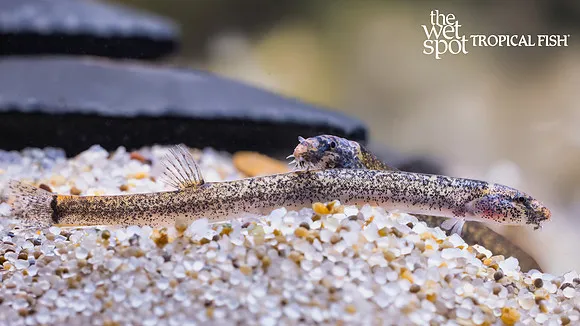
The peppered kuhli loach's species name, piperata, comes straight from the Latin word for pepper. The fish looks as if someone ground a peppermill over a plain tan kuhli.
Caring for the peppered kuhli loach
Give peppered kuhli loaches a tank of 20 gal (75 L) or more, with fine, soft sand and dense cover. Set it up as standard blackwater, with leaf litter, driftwood, shade and gentle flow.
Keep the water warm and acidic, at 72 to 81°F (22 to 27°C) and a pH of 5.5 to 7.0. Feed them once the lights are low. Sinking foods and frozen bloodworm, daphnia and brine shrimp keep them in condition.
A band of six or more settles far better than one or two, and a generous group looks most natural. They will happily share a tank with other Pangio.
The peppered kuhli loach is peaceful and poses no threat to anything it cannot swallow. Pick small, quiet companions such as Boraras, small rasboras and dwarf gouramis. No dependable aquarium breeding has been reported.
Good to know
The peppered kuhli loach, Pangio piperata, is a slender eel-loach in the family Cobitidae. Its fine dark speckling takes the place of the bold bands of a typical kuhli. That peppered pattern is the easiest way to pick it out from its banded relatives in a mixed group.
In the wild
The peppered kuhli loach lives in soft, slow lowland waters of the Malay Peninsula and Sumatra. It is found in forest streams, swamps and backwaters stained dark with tannins. In nature, these loaches gather in large numbers.
Weekly picks
Tank mates
The peppered kuhli loach is a peaceful, social species that keeps to the bottom. These picks share a community profile with it, are safe together in both directions, and overlap on water type, temperature and pH.
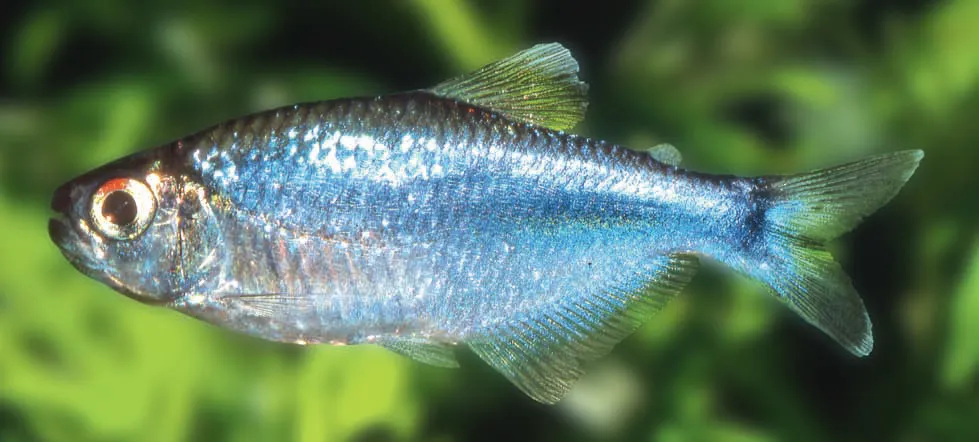
Cochu's blue tetra
Boehlkea fredcochui
Freshwater2.2 in (5.5 cm) · 20 gal (75 L)72–82°F (22–28°C)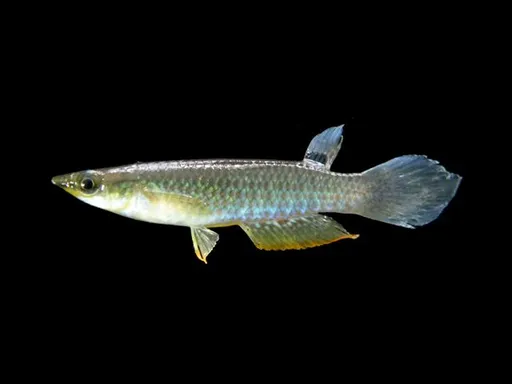
Blue panchax
Aplocheilus panchax
Freshwater3.5 in (9 cm) · 20 gal (75 L)72–82°F (22–28°C)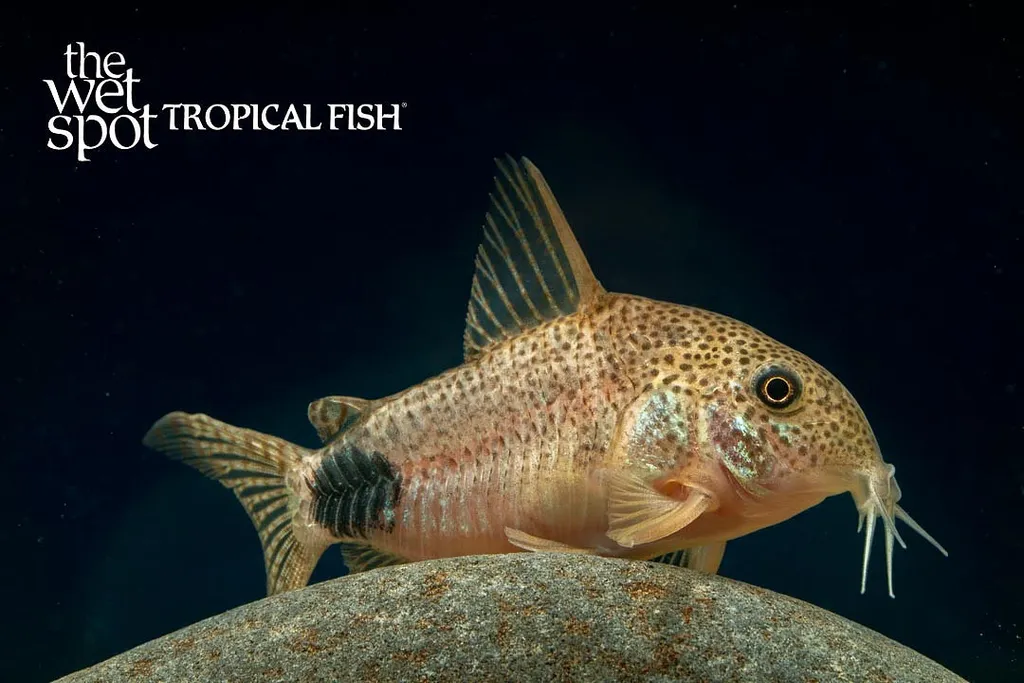
Tailspot cory
Hoplisoma caudimaculatum
Freshwater2 in (5 cm) · 20 gal (75 L)68–81°F (20–27°C)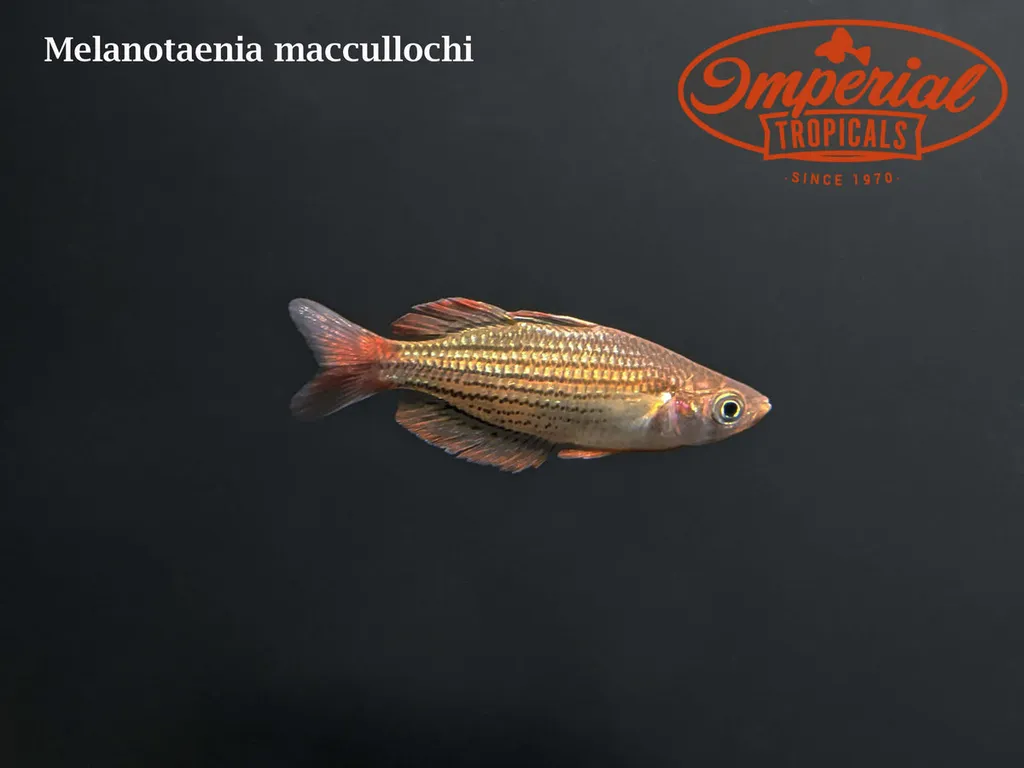
Dwarf rainbowfish
Melanotaenia maccullochi
Freshwater2.8 in (7 cm) · 20 gal (75 L)72–82°F (22–28°C)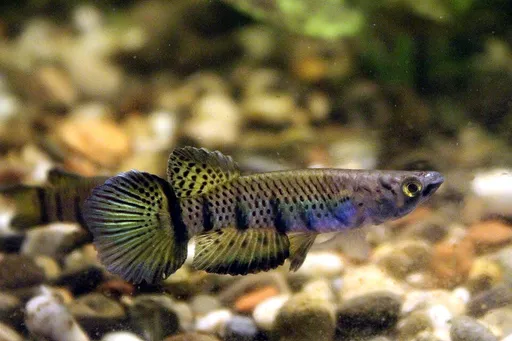
Six-barred panchax
Epiplatys sexfasciatus
Freshwater3.9 in (10 cm) · 20 gal (75 L)72–81°F (22–27°C)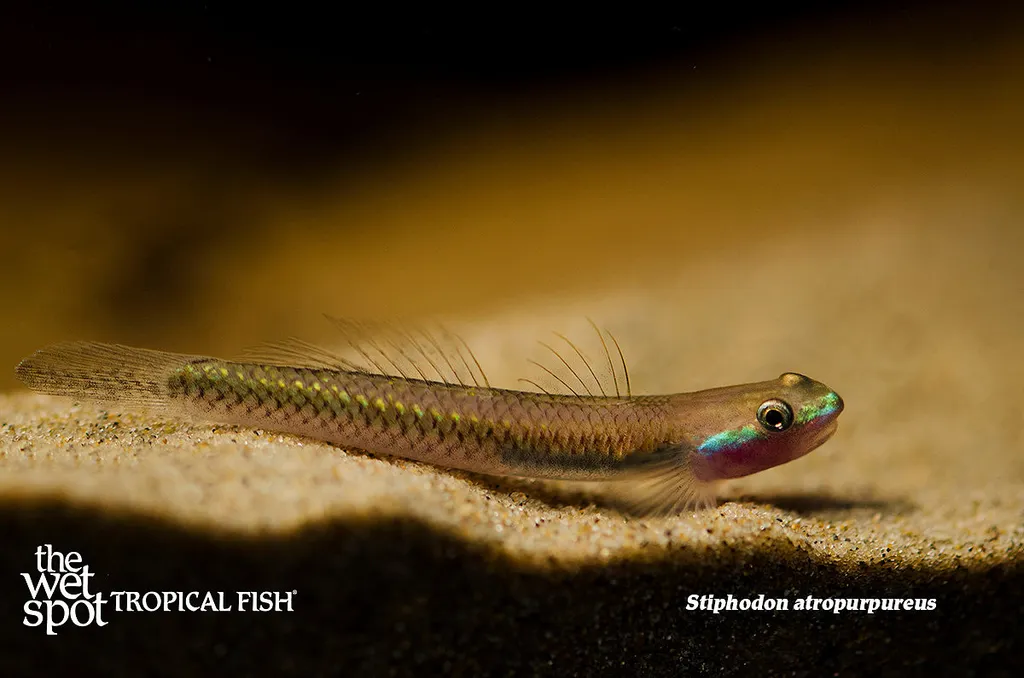
Blue neon dwarf goby
Stiphodon atropurpureus
Freshwater2 in (5 cm) · 20 gal (75 L)72–81°F (22–27°C)
Common questions
What size tank does a peppered kuhli loach need?
A peppered kuhli loach needs at least 20 gal (75 L). It spends most of its time in the bottom.
What temperature and pH does a peppered kuhli loach need?
A peppered kuhli loach is comfortable at 72–81°F (22–27°C) with a pH of 5.5–7.0.
What does a peppered kuhli loach eat?
A peppered kuhli loach eats sinking foods and frozen bloodworm, daphnia and brine shrimp. Feed it once the lights are low.
How big does a peppered kuhli loach get?
An adult peppered kuhli loach reaches about 2.4 in (6 cm).
Related species
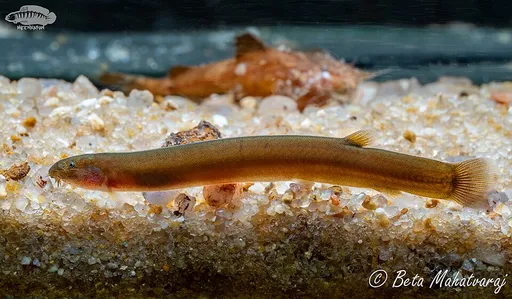 2.4 in (6 cm)20 gal (75 L)72–81°F (22–27°C)
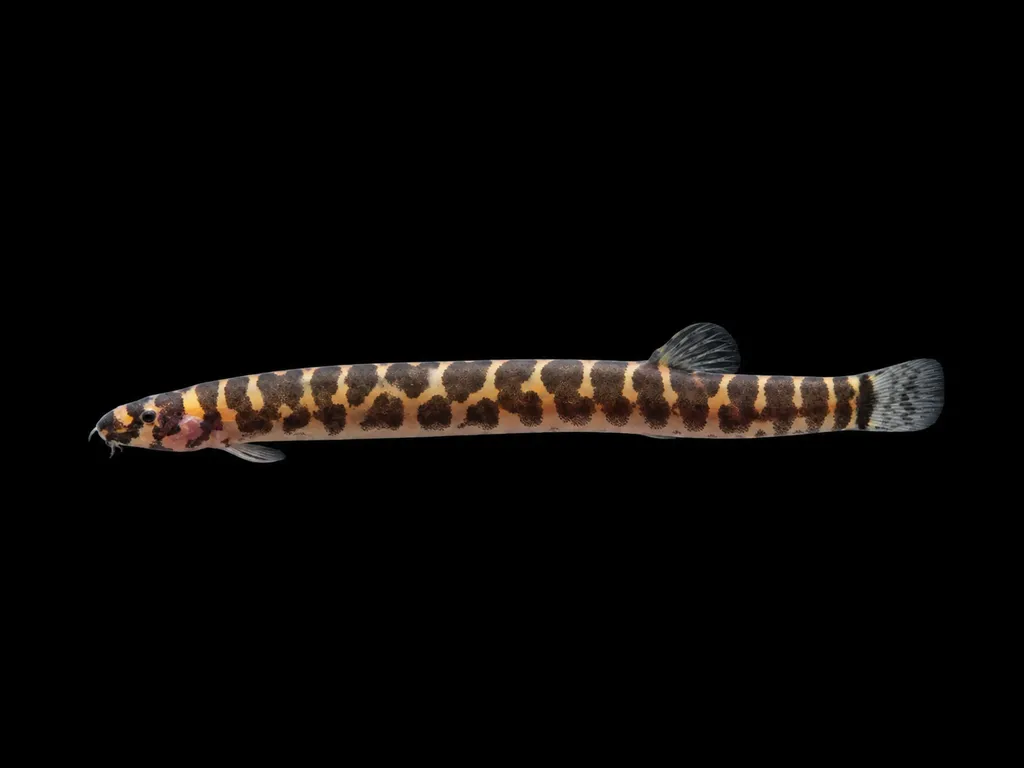
Cinnamon loach
Pangio pangia
2.4 in (6 cm) · 20 gal (75 L)
 2.4 in (6 cm)20 gal (75 L)72–81°F (22–27°C)
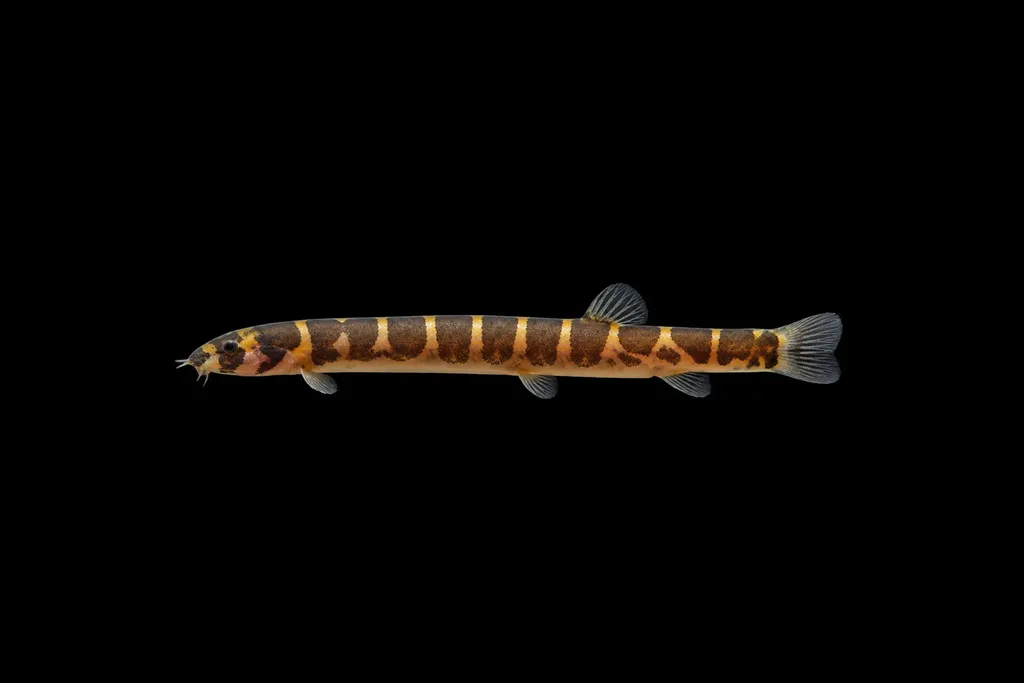
Moray kuhli loach
Pangio muraeniformis
2.4 in (6 cm) · 20 gal (75 L)
 2.5 in (6.3 cm)20 gal (75 L)72–81°F (22–27°C)
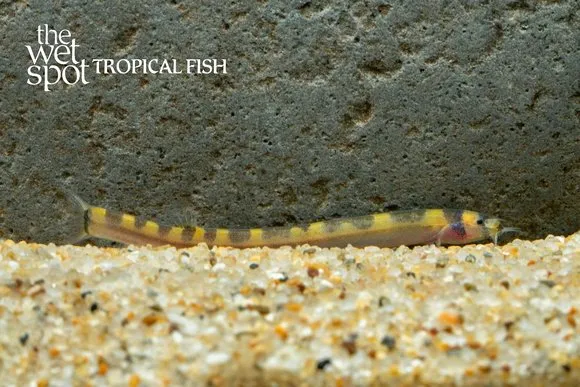
Borneo kuhli loach
Pangio borneensis
2.5 in (6.3 cm) · 20 gal (75 L)
 2.8 in (7 cm)20 gal (75 L)70–81°F (21–27°C)
Wedge-striped kuhli loach
Pangio cuneovirgata
2.8 in (7 cm) · 20 gal (75 L)
 3.1 in (8 cm)15 gal (55 L)70–79°F (21–26°C)
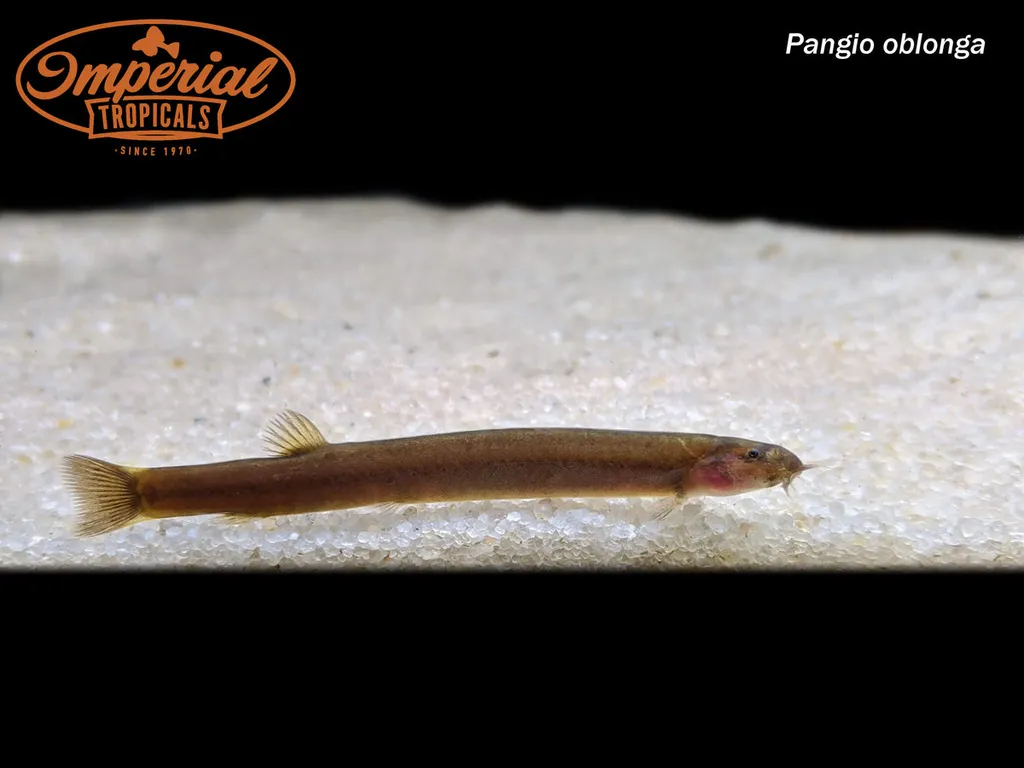
Java loach
Pangio oblonga
3.1 in (8 cm) · 15 gal (55 L)
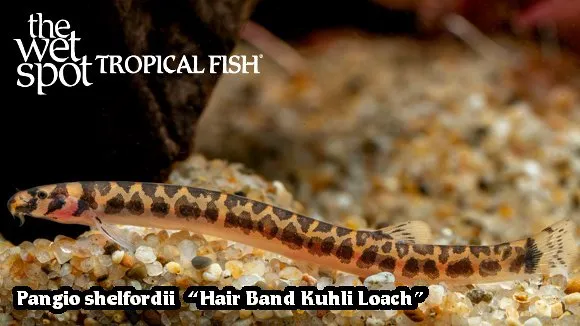 3.1 in (8 cm)15 gal (55 L)72–81°F (22–27°C)
Shelford's kuhli loach
Pangio shelfordii
3.1 in (8 cm) · 15 gal (55 L)