Cinnamon loach
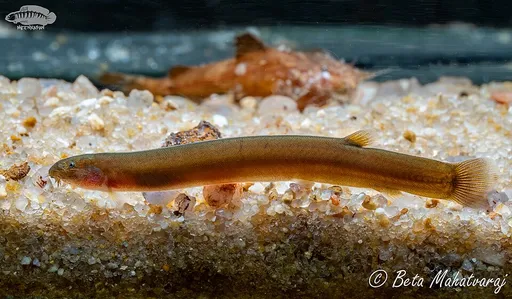
Pangio pangia
Also known as Pangia loach, Cinnamon kuhli loach, Cobitis pangia
FreshwaterFish
Care at a glance
- Temperature
- 72–81°F
- 22–27°C
- pH
- 5.5–7.0
- Adult size
- 2.4 in
- 6 cm
- Minimum tank
- 20 gal
- 75 L
- Temperament
- Peaceful
- Social behavior
- Social
- Swim level
- Bottom
- Difficulty
- Medium
- Breeding
- No record
- Rarity
- Rare
- Family
- Cobitidae
- Origin
- Native to the Ganges and Brahmaputra basins and parts of Southeast Asia, in slow, soft, often tannin-stained streams and pools over leaf litter.
Overview
Keep at least 5 together in a tank of 75 litres or more with soft sand and leaf litter, at 22 to 27 C and pH 5.5 to 7.0. It roots through the substrate and litter for small invertebrates, so feed sinking foods, frozen bloodworm, daphnia and brine shrimp. Peaceful and retiring, it suits soft-water community tanks with small rasboras, tetras and other gentle fish.
In the wild
A small, plain kuhli-type loach of about 6 cm in a uniform cinnamon to reddish brown, without the bands of the common kuhli. It comes from soft, acidic, slow-moving blackwater and does best in a dimly lit tank with soft sand, leaf litter and driftwood. It is shy at first and burrows, so cover and a quiet setup bring it out. Stable, warm temperatures suit it, as it dislikes swings toward either extreme.
Good to know
It is a true loach in the family Cobitidae and was first described as Cobitis pangia in 1822. The plain warm-brown colour that gives it the cinnamon name sets it apart from its boldly striped Pangio relatives.
Did you know
In a blackwater tank with tannin-stained water and dim light its plain body takes on a warm reddish glow that gives the cinnamon loach its name.
Weekly picks
Tank mates
Cinnamon loach is a peaceful, social species that keeps to the bottom. These picks share a community profile with it, are safe together in both directions, and overlap on water type, temperature and pH.
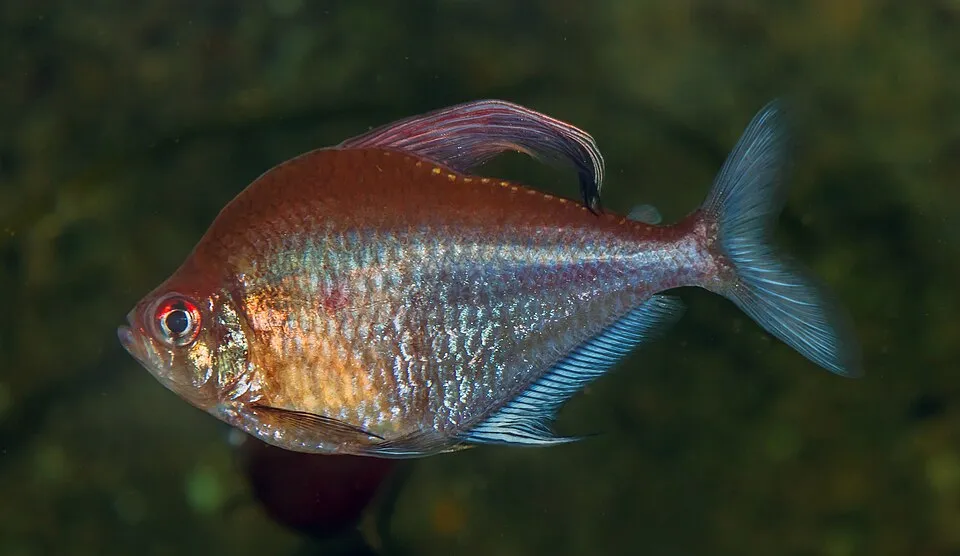
Bleeding heart tetra
Hyphessobrycon erythrostigma
Freshwater2.4 in (6 cm) · 20 gal (75 L)70–81°F (21–27°C)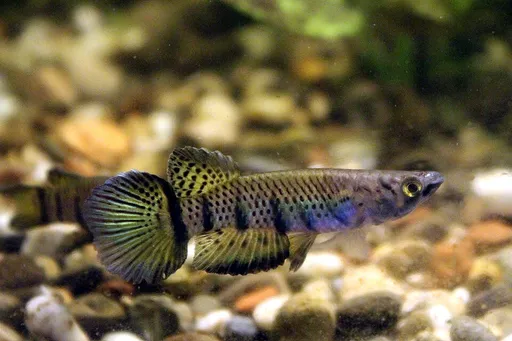
Six-barred panchax
Epiplatys sexfasciatus
Freshwater3.9 in (10 cm) · 20 gal (75 L)72–81°F (22–27°C)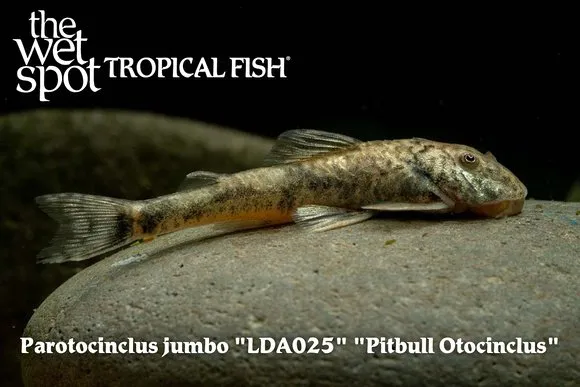
Pit bull otocinclus
Parotocinclus jumbo
Freshwater2.4 in (6 cm) · 20 gal (75 L)72–81°F (22–27°C)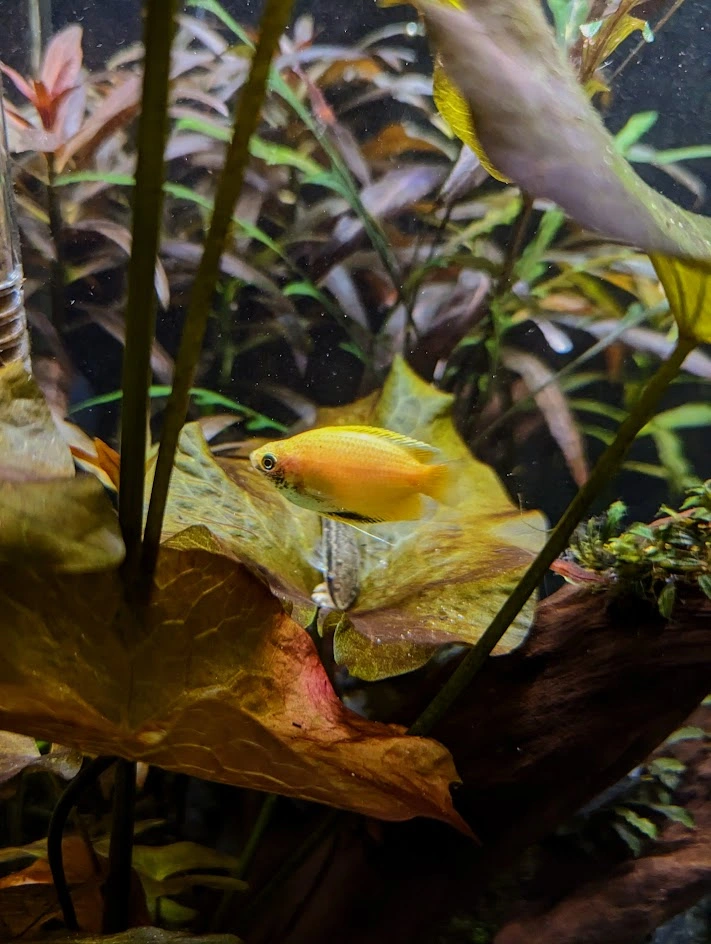
Honey gourami
Trichogaster chuna
Freshwater2 in (5 cm) · 20 gal (75 L)72–82°F (22–28°C)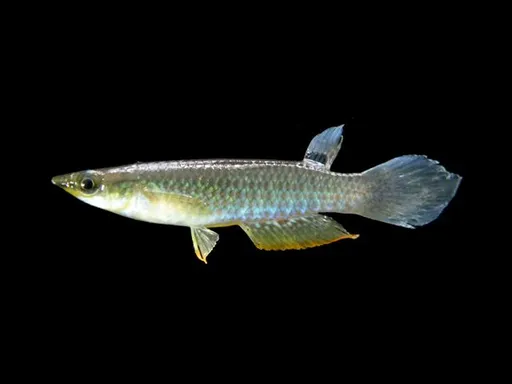
Blue panchax
Aplocheilus panchax
Freshwater3.5 in (9 cm) · 20 gal (75 L)72–82°F (22–28°C)
Dwarf botia
Ambastaia sidthimunki
Freshwater2.4 in (6 cm) · 20 gal (75 L)68–86°F (20–30°C)
Common questions
What size tank does a Cinnamon loach need?
A Cinnamon loach needs at least 20 gal (75 L). It spends most of its time in the bottom.
What temperature and pH does a Cinnamon loach need?
A Cinnamon loach is comfortable at 72–81°F (22–27°C) with a pH of 5.5–7.0.
How big does a Cinnamon loach get?
An adult Cinnamon loach reaches about 2.4 in (6 cm).
Related species
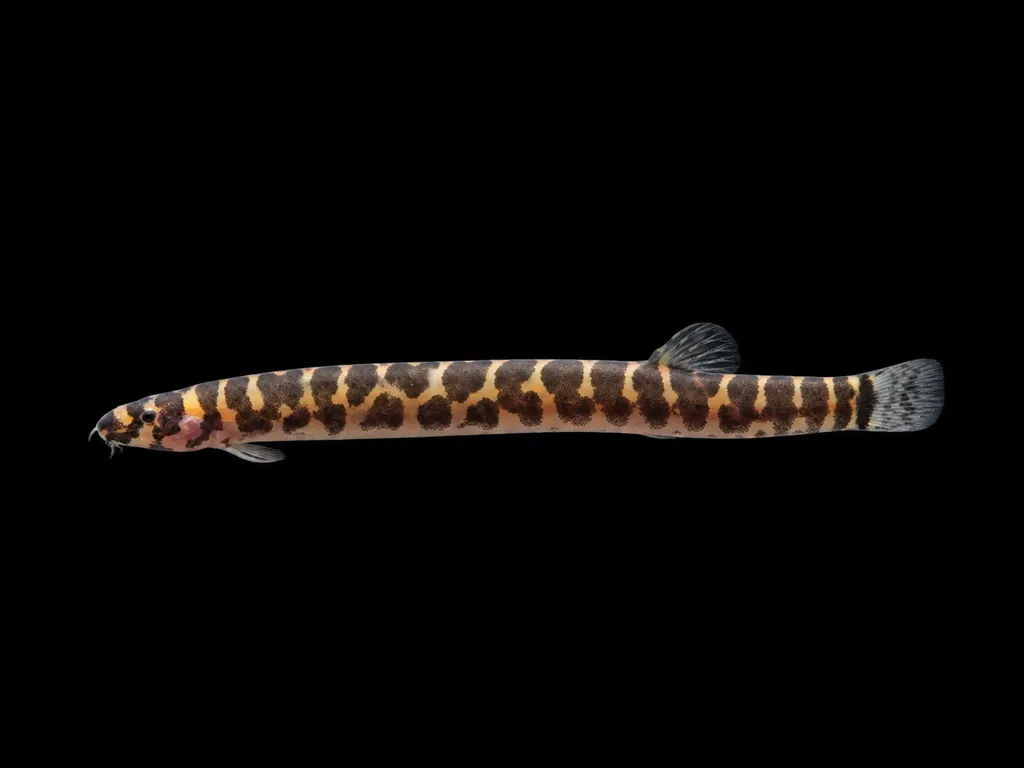 2.4 in (6 cm)20 gal (75 L)72–81°F (22–27°C)
Moray kuhli loach
Pangio muraeniformis
2.4 in (6 cm) · 20 gal (75 L)
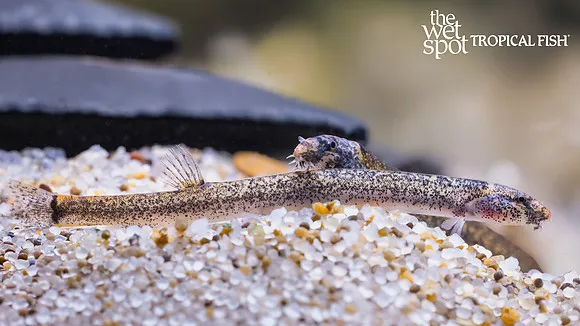 2.4 in (6 cm)20 gal (75 L)72–81°F (22–27°C)
Peppered kuhli loach
Pangio piperata
2.4 in (6 cm) · 20 gal (75 L)
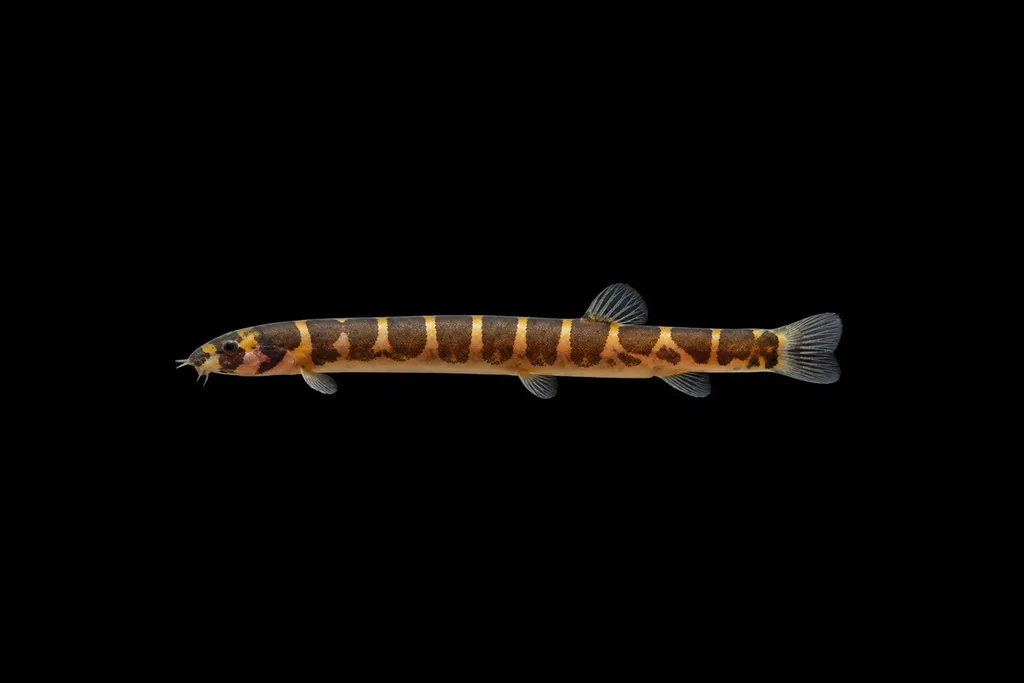 2.5 in (6.3 cm)20 gal (75 L)72–81°F (22–27°C)
Borneo kuhli loach
Pangio borneensis
2.5 in (6.3 cm) · 20 gal (75 L)
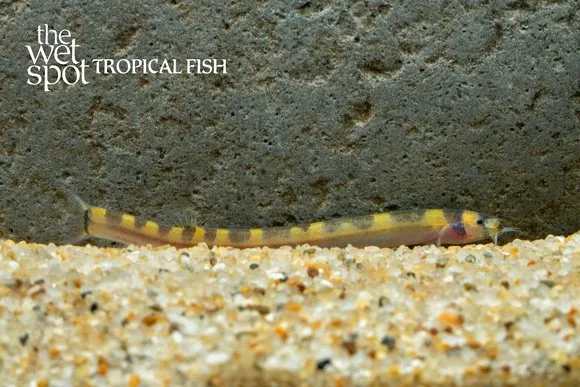 2.8 in (7 cm)20 gal (75 L)70–81°F (21–27°C)
Wedge-striped kuhli loach
Pangio cuneovirgata
2.8 in (7 cm) · 20 gal (75 L)
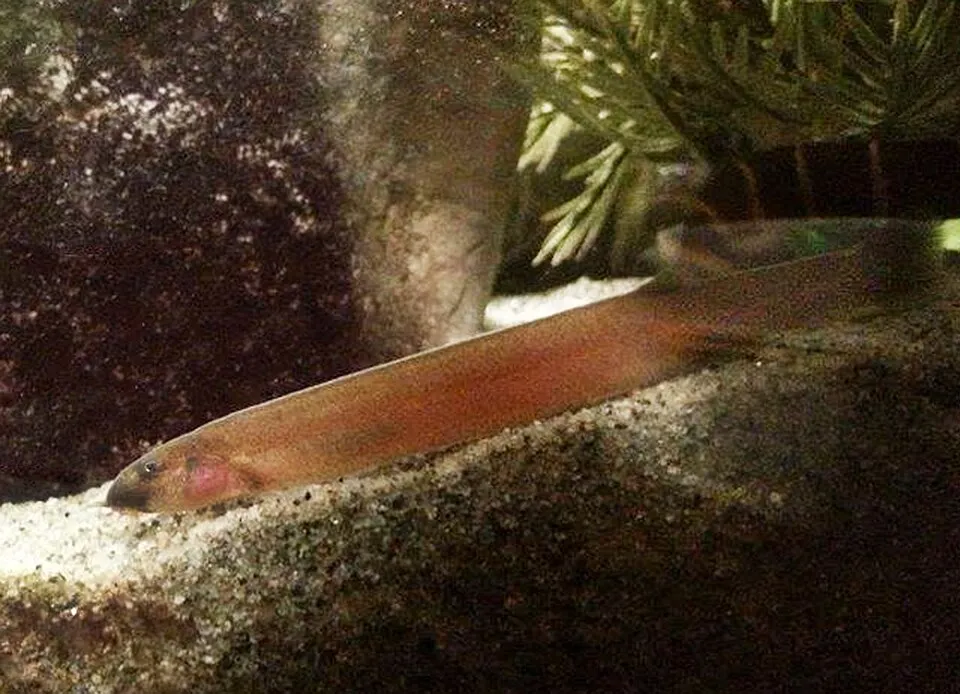 3.1 in (8 cm)25 gal (95 L)70–79°F (21–26°C)
Java loach
Pangio oblonga
3.1 in (8 cm) · 25 gal (95 L)
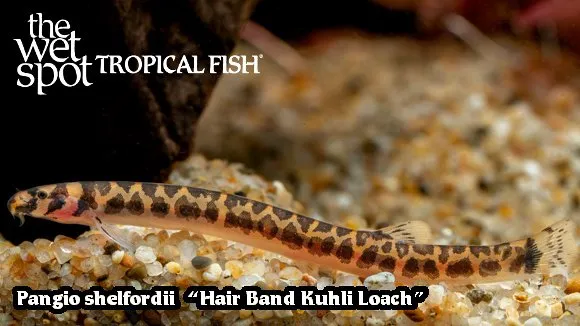 3.1 in (8 cm)24 gal (90 L)72–81°F (22–27°C)
Shelford's kuhli loach
Pangio shelfordii
3.1 in (8 cm) · 24 gal (90 L)