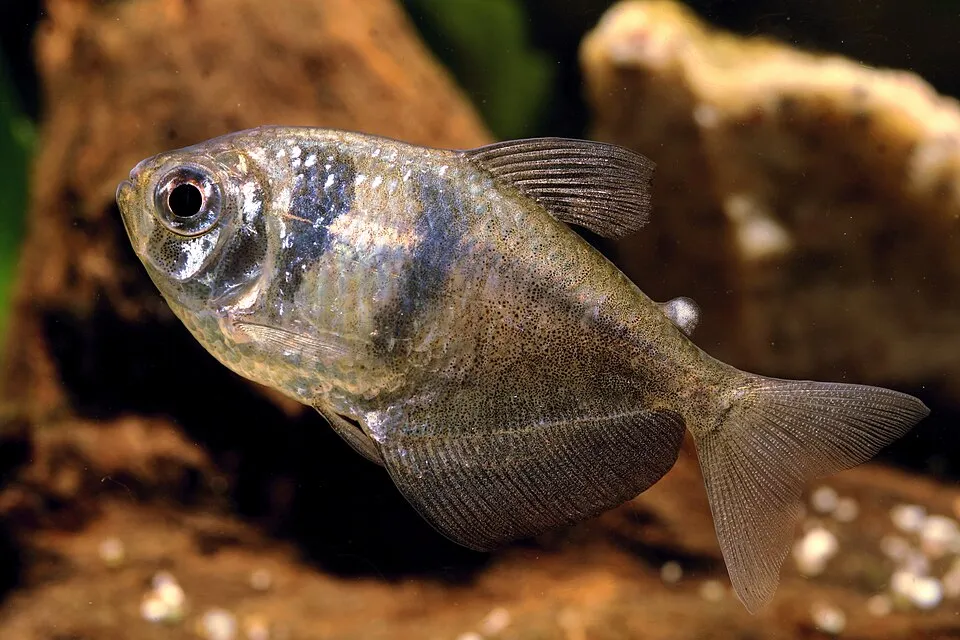
Black widow tetra
Gymnocorymbus ternetzi
Also known as black skirt tetra
FreshwaterFish
Care at a glance
- Temperature
- 68–79°F
- 20–26°C
- pH
- 6.0–7.5
- Adult size
- 2.4 in
- 6 cm
- Minimum tank
- 20 gal
- 75 L
- Temperament
- Mostly peaceful
- Social behavior
- Schooling
- Swim level
- Middle
- Difficulty
- Beginner
- Breeding
- Medium
- Rarity
- Common
- Family
- Characidae
- Origin
- Brazil, Bolivia, Argentina
Overview
Give them a group of six or more in a tank of about 75 liters and they'll occupy the middle. They're mostly peaceful but can nip fins, so skip slow, long-finned tankmates. They handle a wide range, from the low to mid 20s C and a pH from slightly acidic to neutral. Feed flake, micro pellets, and frozen bloodworms or daphnia.
In the wild
Black widow tetras come from slow rivers, streams, and flooded forest in the Paraguay and Guaporé basins of South America. Those waters are soft, slightly acidic, shaded, and full of roots and leaf litter. They don't demand a strict biotope, but a planted tank with some cover and a darker substrate suits them well.
Good to know
A member of the family Characidae, this tetra grows to about 6 cm with a tall, flattened body and dark vertical bars. The black tends to fade to gray as fish age. They are egg scatterers with no parental care. Conservation status is Least Concern.
Did you know
The dyed and long-finned versions sold in stores are the same species, just tank-altered. The injected colors fade over time, and the dyeing process is hard on the fish, so the plain wild-type is the better buy.
Varieties
The white skirt tetra is a leucistic form of this fish. Brightly colored skirt tetras are white skirts that have been dyed, a practice worth avoiding.
- White skirt
- leucistic white form
- Longfin
- flowing fins on black or white
Weekly picks
Tank mates
Black widow tetra is a mostly peaceful, schooling species that keeps to the middle. These picks share a community profile with it, are safe together in both directions, and overlap on water type, temperature and pH.
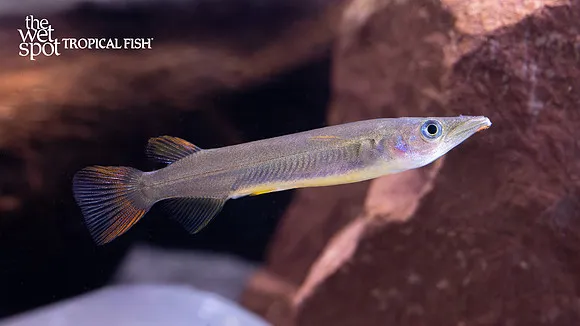
Rex halfbeak
Nomorhamphus rex
Freshwater2.2 in (5.5 cm) · 20 gal (75 L)72–79°F (22–26°C)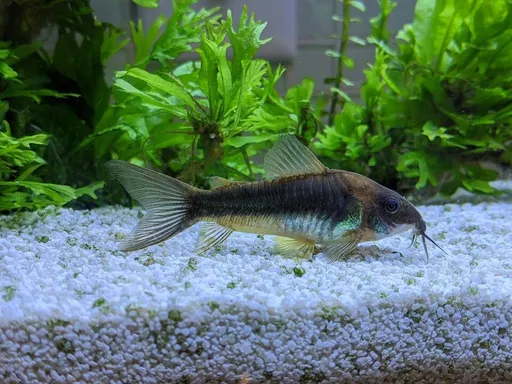
Venezuelan orange cory
Osteogaster aenea
Freshwater2.4 in (6 cm) · 20 gal (75 L)68–79°F (20–26°C)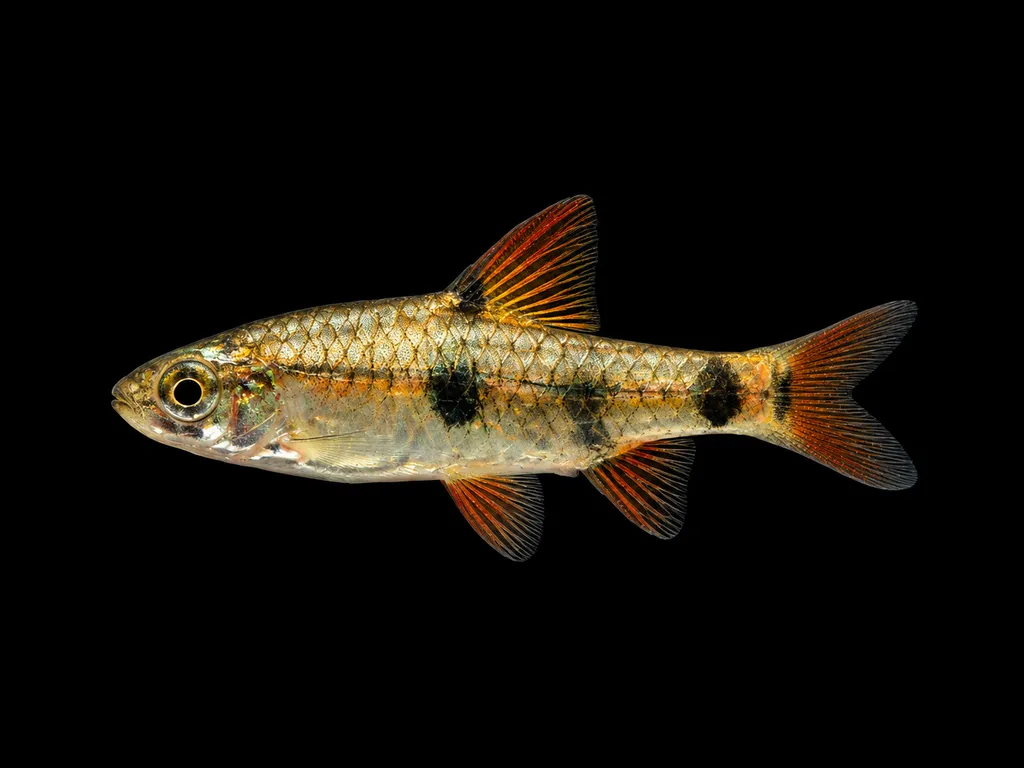
Canius barb
Pethia canius
Freshwater1.6 in (4 cm) · 20 gal (75 L)68–79°F (20–26°C)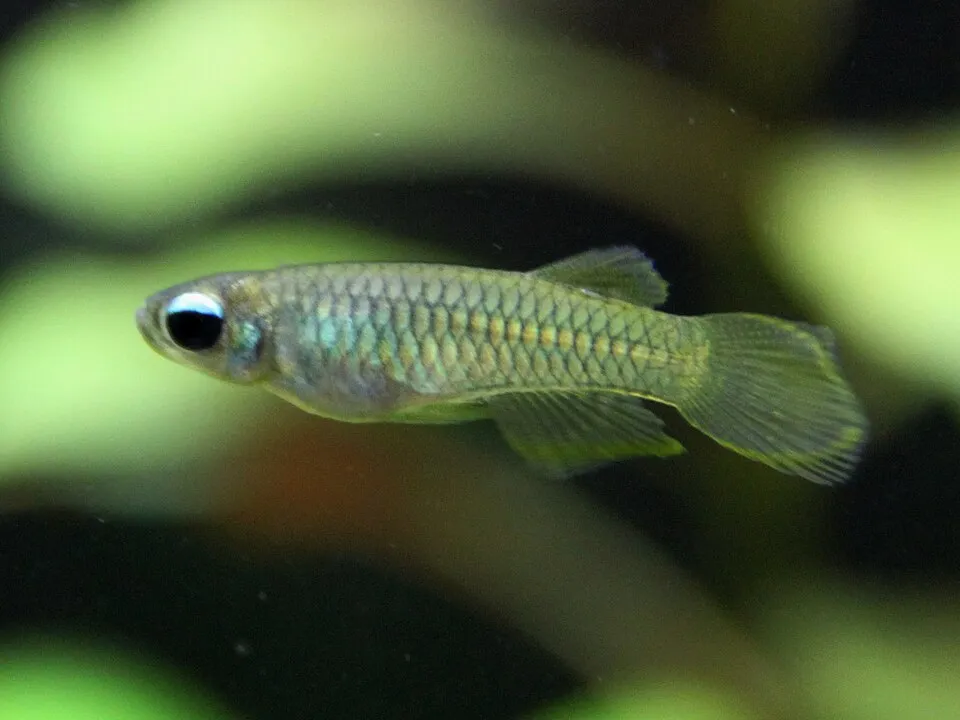
Norman's lampeye
Poropanchax normani
Freshwater1.6 in (4 cm) · 20 gal (75 L)72–79°F (22–26°C)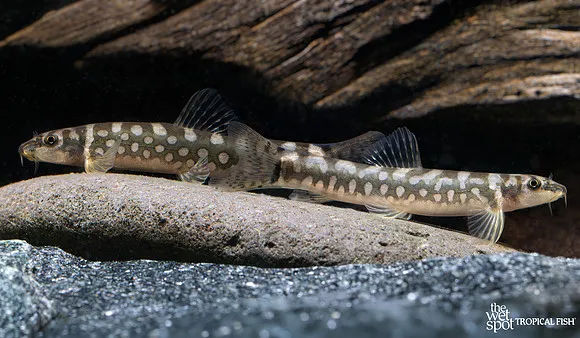
Guenther's zipper loach
Nemacheilus guentheri
Freshwater2.6 in (6.7 cm) · 20 gal (75 L)68–79°F (20–26°C)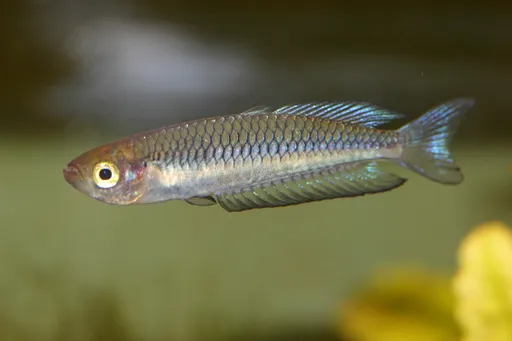
Ornate rainbowfish
Rhadinocentrus ornatus
Freshwater2.4 in (6 cm) · 20 gal (75 L)64–82°F (18–28°C)
Common questions
What size tank does a Black widow tetra need?
A Black widow tetra needs at least 20 gal (75 L). It spends most of its time in the middle.
What temperature and pH does a Black widow tetra need?
A Black widow tetra is comfortable at 68–79°F (20–26°C) with a pH of 6.0–7.5.
How big does a Black widow tetra get?
An adult Black widow tetra reaches about 2.4 in (6 cm).
Does a Black widow tetra need a group?
Yes. A Black widow tetra is a schooling species and should be kept in a group, not singly.
Related species
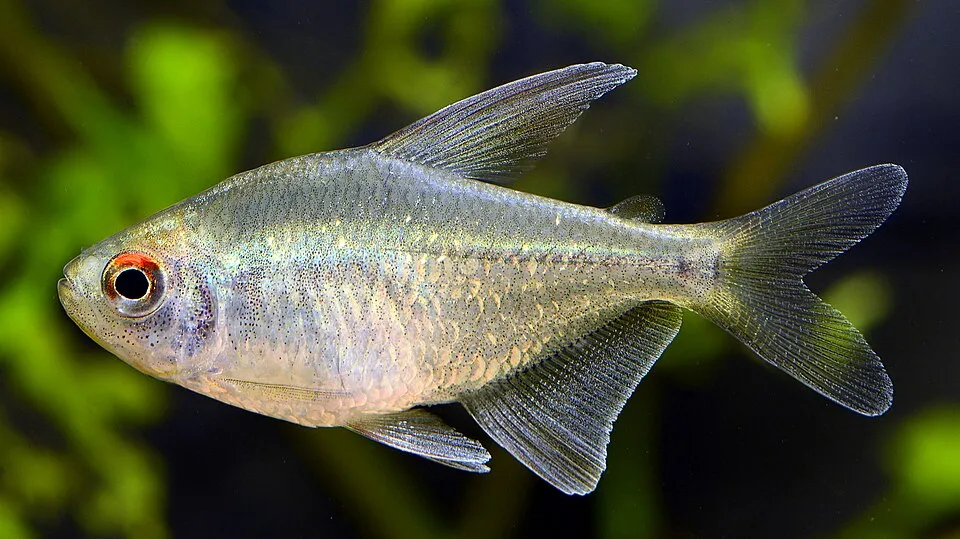 2.4 in (6 cm)20 gal (75 L)75–82°F (24–28°C)
Diamond tetra
Moenkhausia pittieri
2.4 in (6 cm) · 20 gal (75 L)
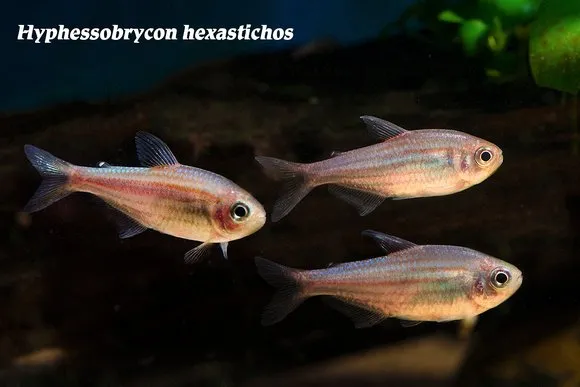 2.6 in (6.5 cm)24 gal (90 L)72–81°F (22–27°C)
Hexastichos tetra
Hyphessobrycon hexastichos
2.6 in (6.5 cm) · 24 gal (90 L)
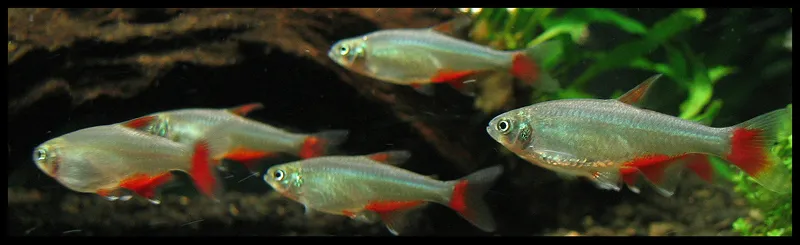 2.2 in (5.5 cm)20 gal (75 L)72–82°F (22–28°C)
Bloodfin tetra
Aphyocharax anisitsi
2.2 in (5.5 cm) · 20 gal (75 L)
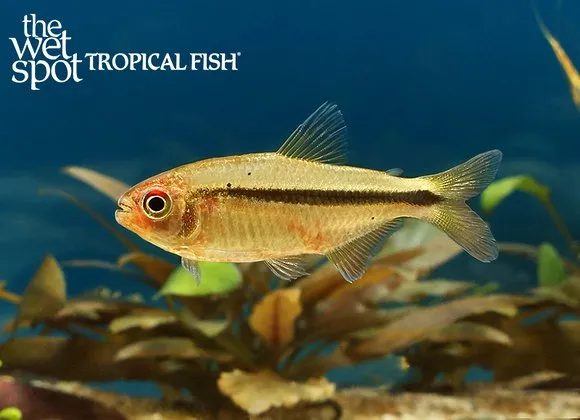 2.7 in (6.8 cm)26 gal (100 L)72–81°F (22–27°C)
Cachimbo tetra
Hyphessobrycon cachimbensis
2.7 in (6.8 cm) · 26 gal (100 L)
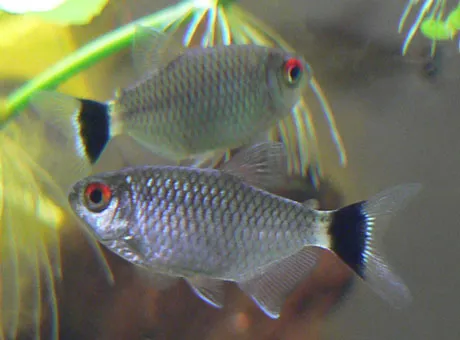 2.8 in (7 cm)28 gal (105 L)72–79°F (22–26°C)
Red eye tetra
Moenkhausia sanctaefilomenae
2.8 in (7 cm) · 28 gal (105 L)
 2 in (5 cm)22 gal (85 L)72–79°F (22–26°C)
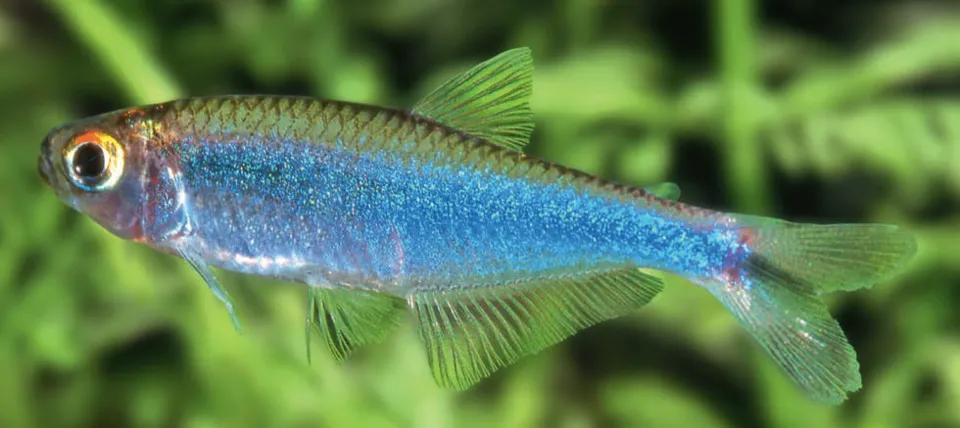
Blue tetra
Knodus borki
2 in (5 cm) · 22 gal (85 L)