Blue tetra
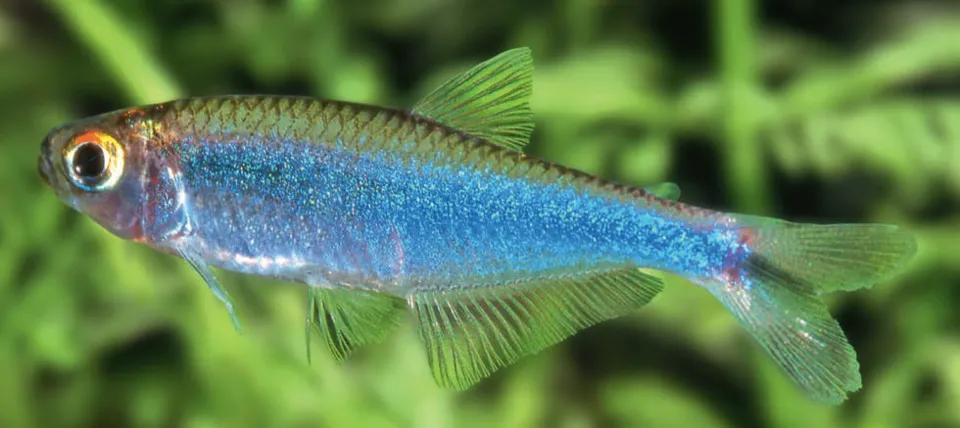
Knodus borki
FreshwaterFish
Care at a glance
- Temperature
- 72–79°F
- 22–26°C
- pH
- 5.5–7.0
- Adult size
- 2 in
- 5 cm
- Minimum tank
- 22 gal
- 85 L
- Temperament
- Mostly peaceful
- Social behavior
- Schooling
- Swim level
- Middle
- Difficulty
- Medium
- Breeding
- No record
- Rarity
- Common
- Family
- Characidae
- Origin
- Colombia, Brazil
Overview
Keep this one in a group of six or more; it's a schooling fish and gets nippy when kept in small numbers. It sits in the middle to upper part of the tank and is mostly peaceful, though fin-nipping is a risk with slow or long-finned tankmates. An 85 liter tank gives a group room to school. Feed small flake, micro-pellets, and frozen brine shrimp or daphnia. Keep pH from 5.5 to 7.
In the wild
This blue tetra lives in clear, slow forest streams of the upper Amazon basin in Colombia and Brazil, shaded by canopy with soft, slightly acidic water. Aim for the same dim, soft setup: subdued lighting, some plants, and tannin-stained water if you can manage it. Temperatures in the low to mid 20s C suit it.
Good to know
Knodus borki is a small characin in the family Characidae, reaching about 5 cm. Like most small tetras it's an egg scatterer that gives no parental care. There's no solid breeding record in captivity for this species, so it's not commonly bred at home.
Did you know
Knodus is a confusing genus, and fish sold as "blue tetra" often turn out to be several different species mixed together. Borki was only described in 2008, so a lot of older aquarium info under that common name actually refers to other fish.
Weekly picks
Tank mates
Blue tetra is a mostly peaceful, schooling species that keeps to the middle. These picks share a community profile with it, are safe together in both directions, and overlap on water type, temperature and pH.
Siamese flying barb
Laubuka siamensis
Freshwater2.6 in (6.5 cm) · 24 gal (90 L)72–81°F (22–27°C)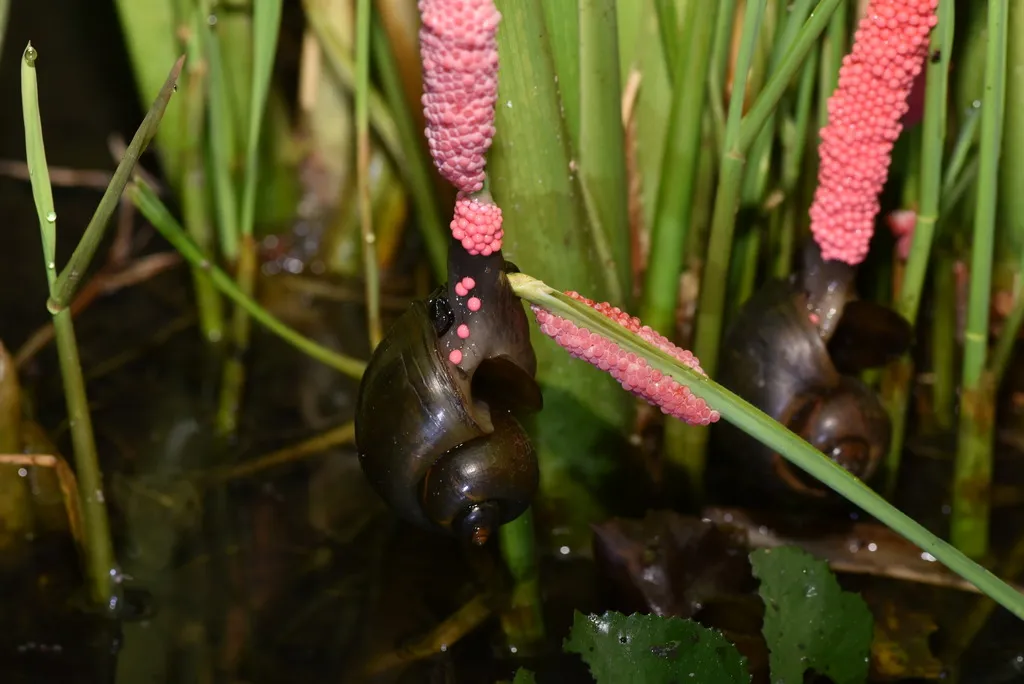
Apple snail
Pomacea canaliculata
Freshwater5.9 in (15 cm) · 21 gal (80 L)64–81°F (18–27°C)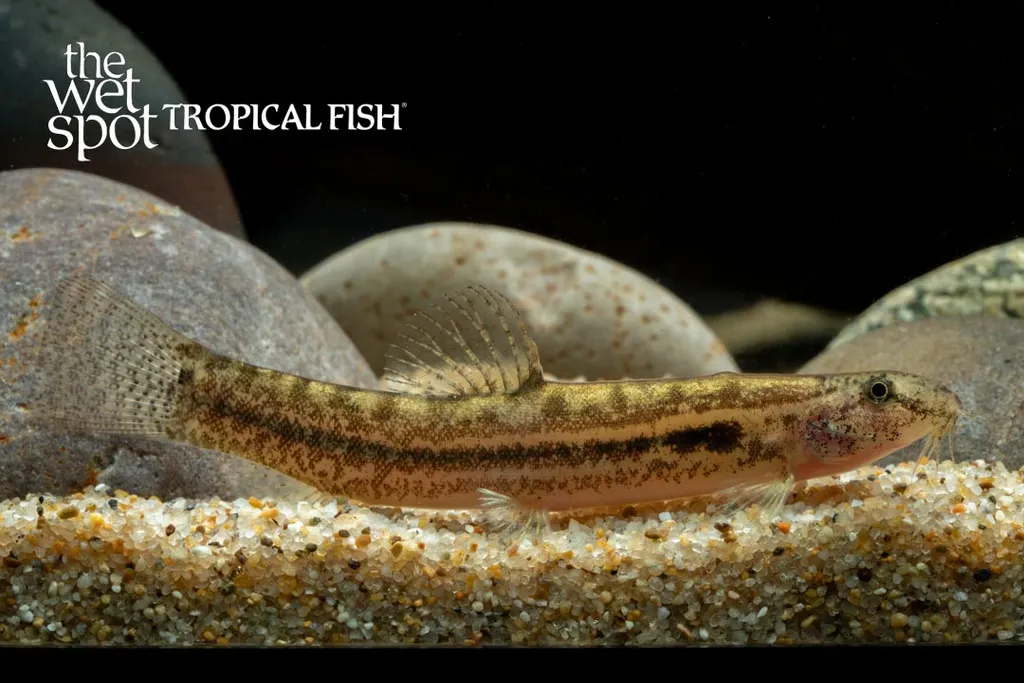
Guntea loach
Lepidocephalichthys guntea
Freshwater4.7 in (12 cm) · 24 gal (90 L)64–82°F (18–28°C)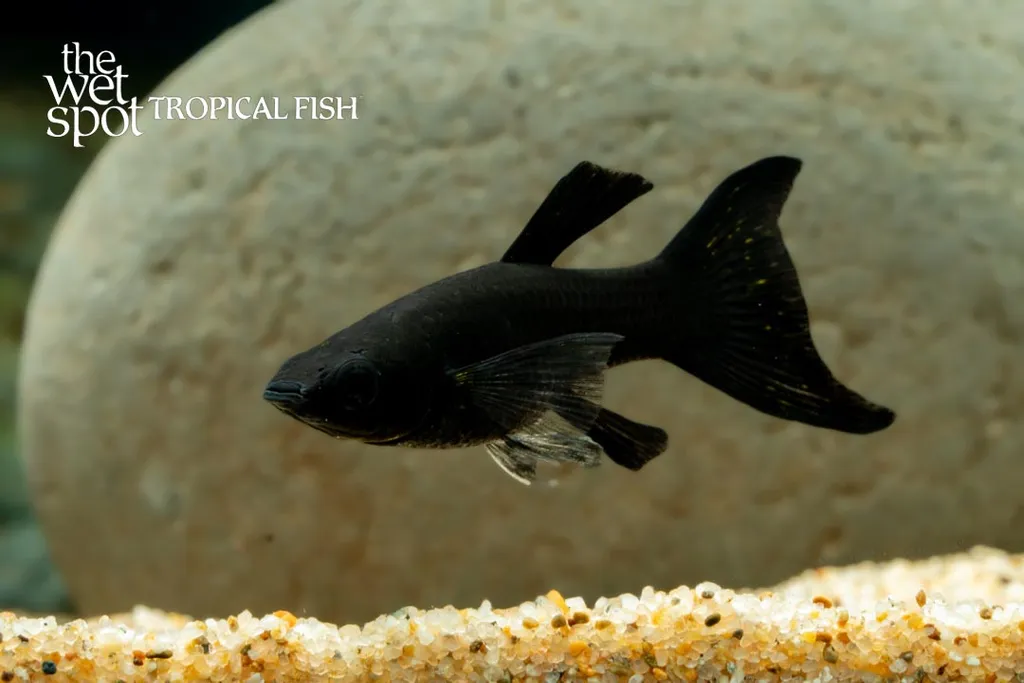
Black molly
Poecilia sphenops
FreshwaterBrackish4.7 in (12 cm) · 24 gal (90 L)70–82°F (21–28°C)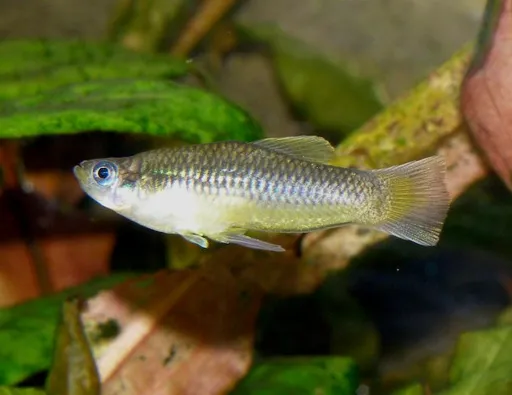
Blue-eyed livebearer
Priapella intermedia
Freshwater2.8 in (7 cm) · 24 gal (90 L)72–82°F (22–28°C)
Mekong lizard loach
Homaloptera confuzona
Freshwater3.2 in (8.2 cm) · 24 gal (90 L)70–81°F (21–27°C)
Common questions
What size tank does a Blue tetra need?
A Blue tetra needs at least 22 gal (85 L). It spends most of its time in the middle.
What temperature and pH does a Blue tetra need?
A Blue tetra is comfortable at 72–79°F (22–26°C) with a pH of 5.5–7.0.
How big does a Blue tetra get?
An adult Blue tetra reaches about 2 in (5 cm).
Does a Blue tetra need a group?
Yes. A Blue tetra is a schooling species and should be kept in a group, not singly.
Related species
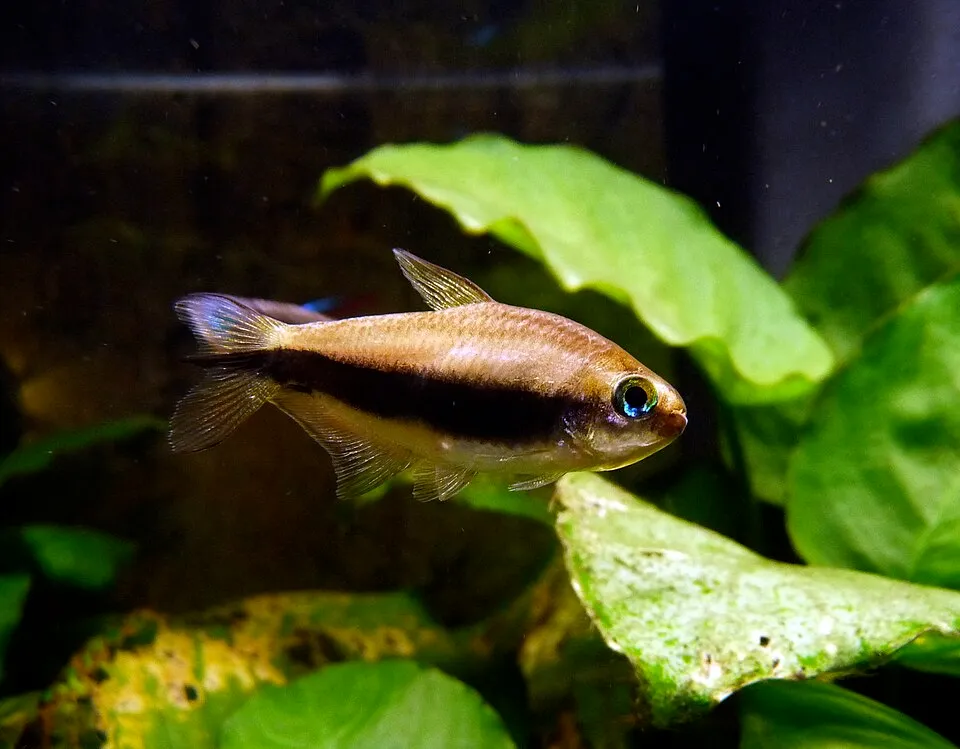 2 in (5 cm)20 gal (75 L)73–81°F (23–27°C)
Emperor tetra
Nematobrycon palmeri
2 in (5 cm) · 20 gal (75 L)
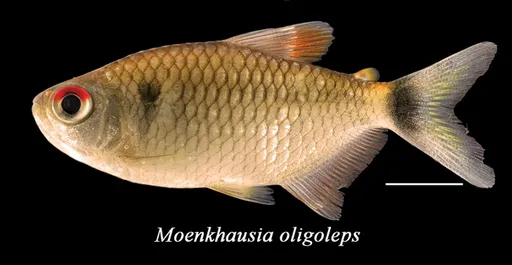 2 in (5 cm)18 gal (70 L)75–82°F (24–28°C)
Glass tetra
Moenkhausia oligolepis
2 in (5 cm) · 18 gal (70 L)
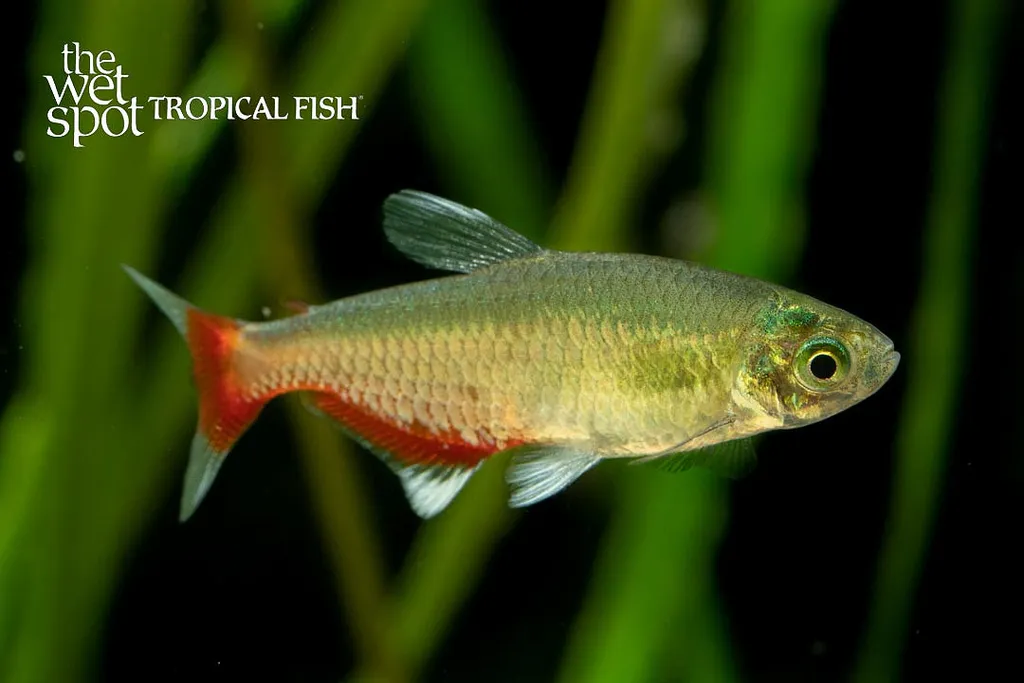 2 in (5 cm)20 gal (75 L)72–79°F (22–26°C)
Green fire tetra
Aphyocharax rathbuni
2 in (5 cm) · 20 gal (75 L)
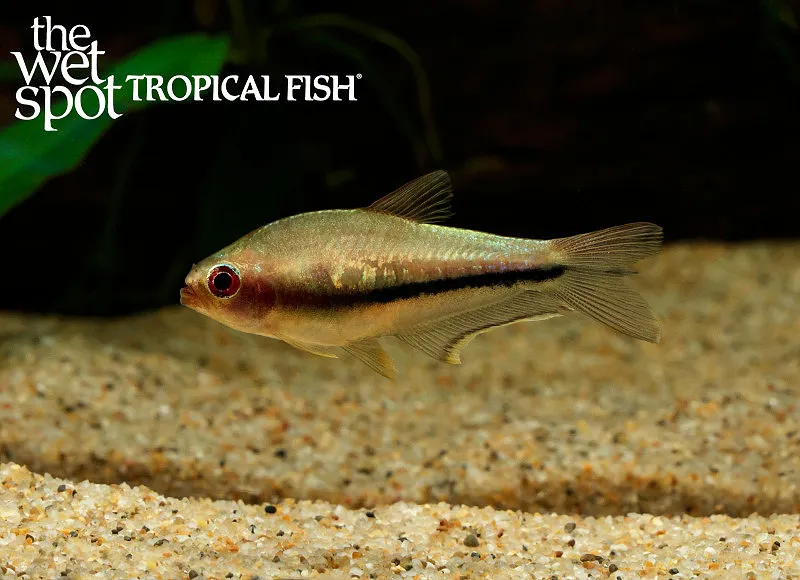 2 in (5 cm)20 gal (75 L)73–81°F (23–27°C)
Rainbow emperor tetra
Nematobrycon lacortei
2 in (5 cm) · 20 gal (75 L)
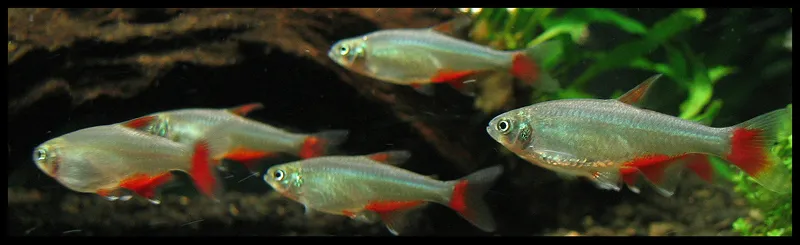 2.2 in (5.5 cm)20 gal (75 L)72–82°F (22–28°C)
Bloodfin tetra
Aphyocharax anisitsi
2.2 in (5.5 cm) · 20 gal (75 L)
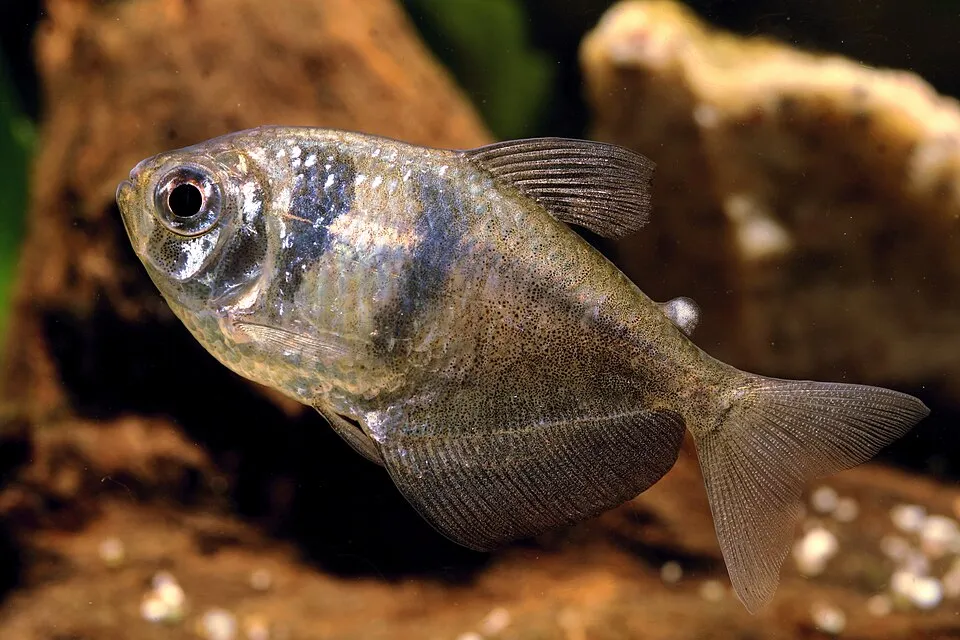 2.4 in (6 cm)20 gal (75 L)68–79°F (20–26°C)
Black widow tetra
Gymnocorymbus ternetzi
2.4 in (6 cm) · 20 gal (75 L)