Pastaza cory
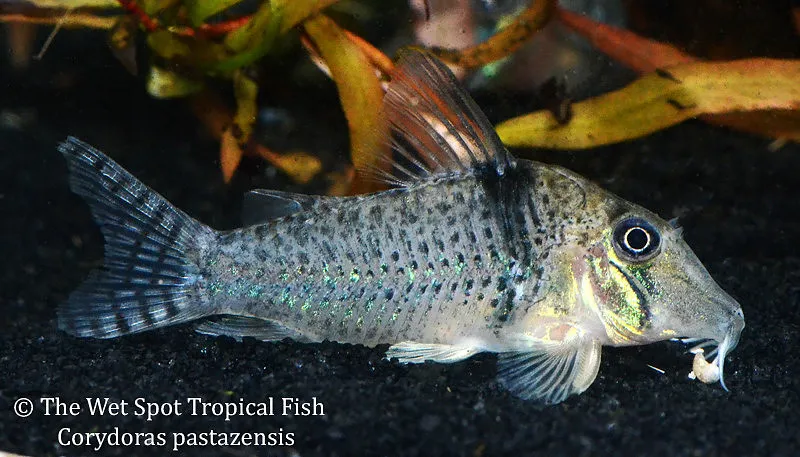
Corydoras pastazensis
FreshwaterFish
Care at a glance
- Temperature
- 72–82°F
- 22–28°C
- pH
- 6.0–7.5
- Adult size
- 2.8 in
- 7 cm
- Minimum tank
- 22 gal
- 85 L
- Temperament
- Peaceful
- Social behavior
- Shoaling
- Swim level
- Bottom
- Difficulty
- Medium
- Breeding
- No record
- Rarity
- Very rare
- Family
- Callichthyidae
- Origin
- Ecuador, Peru
Overview
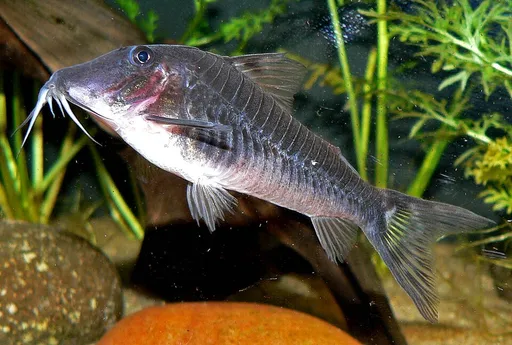
The Pastaza cory is a peaceful, larger shoaler that should be kept in a group of at least six. It grazes the sandy bottom with its barbels and mixes well with calm, medium sized community fish that leave the floor clear. Feed sinking pellets, frozen bloodworm and other meaty foods, and a little wafer, making sure the food reaches the substrate. Its size and social needs call for a tank of around 85 liters or larger with open sand to forage over.
In the wild
Corydoras pastazensis comes from the Rio Pastaza and neighboring upper Amazon drainages of Ecuador and Peru, over sand in warm, soft, gently flowing water. Give it a soft sand bed, driftwood, and shaded planting, with clean, well filtered water and open foraging areas. It suits a warm range of about 22 to 28 C and a pH from 6.0 to 7.5, with regular maintenance.
Good to know
This armored catfish of the family Callichthyidae reaches about 7 cm and takes its name from the Rio Pastaza, its home river. It carries a dark shoulder patch and eye band over a pale body, in the style of several upper Amazon cories. Two rows of bony scutes armor each flank. Reliable aquarium spawning is not well documented, though the group lays adhesive eggs onto firm surfaces after a brief pairing.
Did you know
Like a number of cories, this one is named straight after the river where it was found: the Rio Pastaza, a fast Andean fed tributary that flows from Ecuador into the Peruvian Amazon.
Weekly picks
Tank mates
Pastaza cory is a peaceful, shoaling species that keeps to the bottom. These picks share a community profile with it, are safe together in both directions, and overlap on water type, temperature and pH.
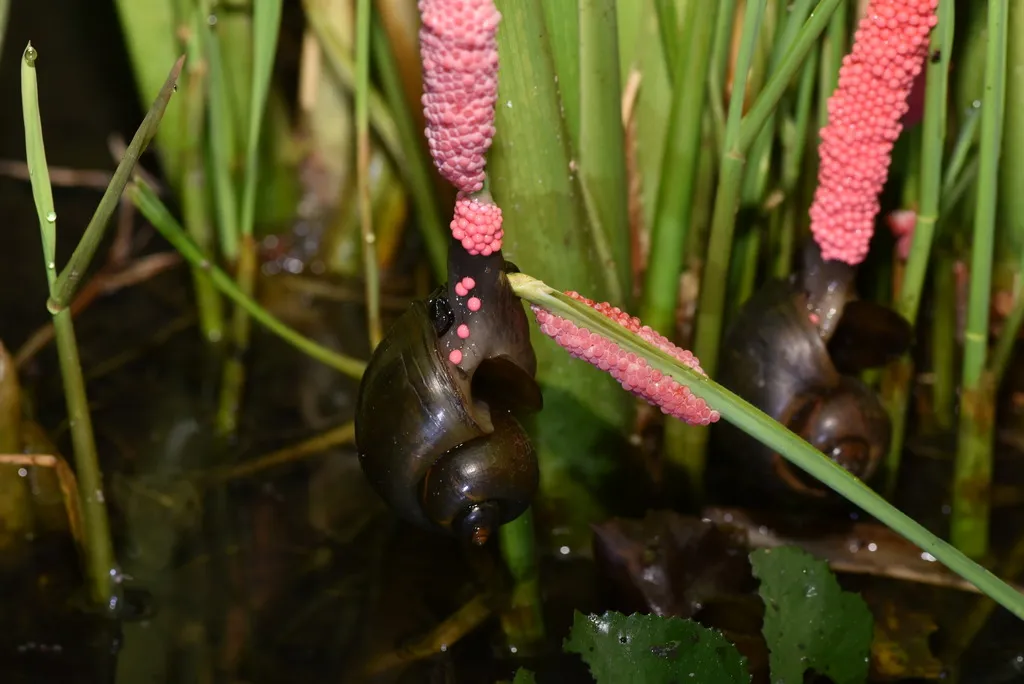
Apple snail
Pomacea canaliculata
Freshwater5.9 in (15 cm) · 21 gal (80 L)64–81°F (18–27°C)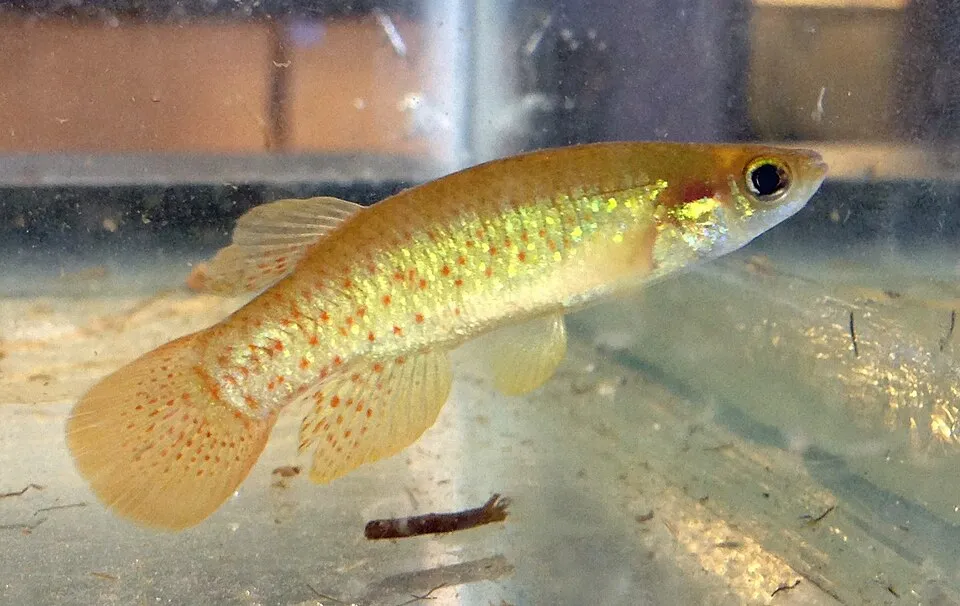
Golden topminnow
Fundulus chrysotus
Freshwater3 in (7.5 cm) · 22 gal (85 L)59–75°F (15–24°C)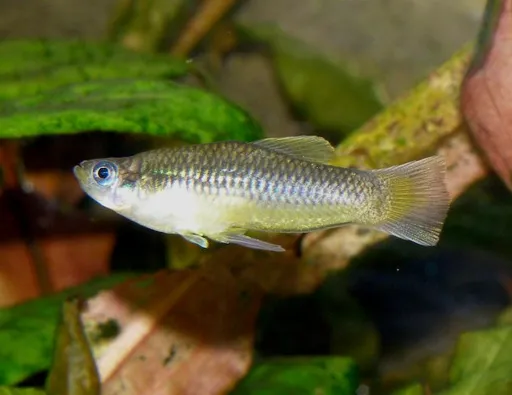
Blue-eyed livebearer
Priapella intermedia
Freshwater2.8 in (7 cm) · 24 gal (90 L)72–82°F (22–28°C)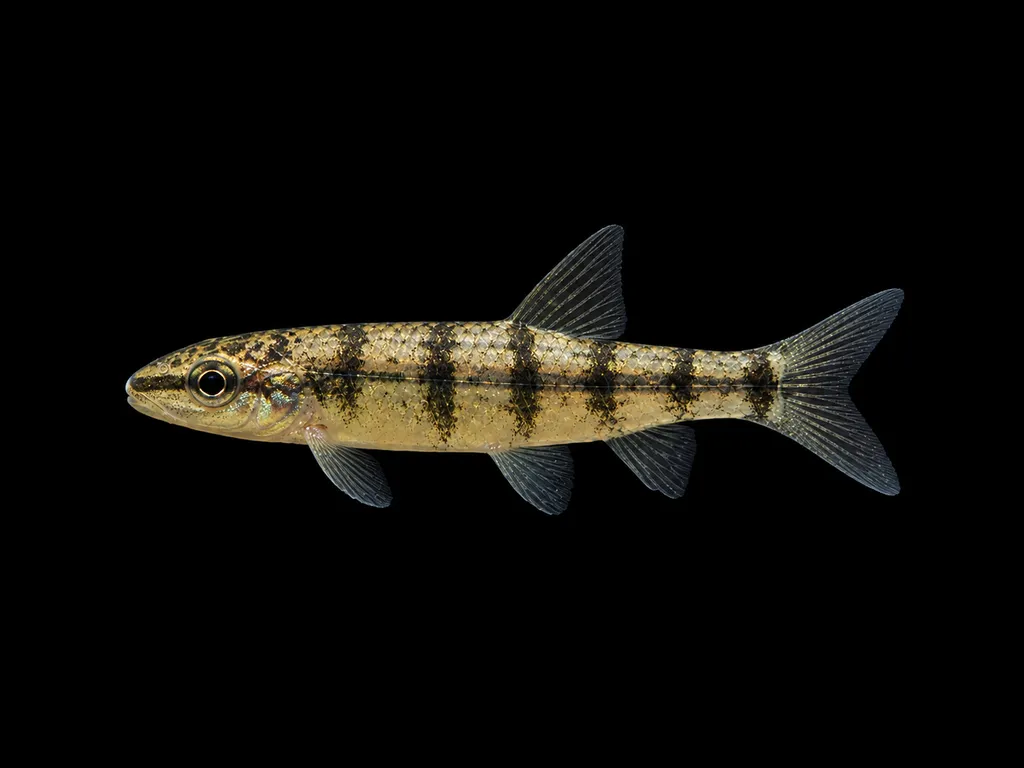
Banded darter tetra
Nannocharax fasciatus
Freshwater2.6 in (6.5 cm) · 21 gal (80 L)73–82°F (23–28°C)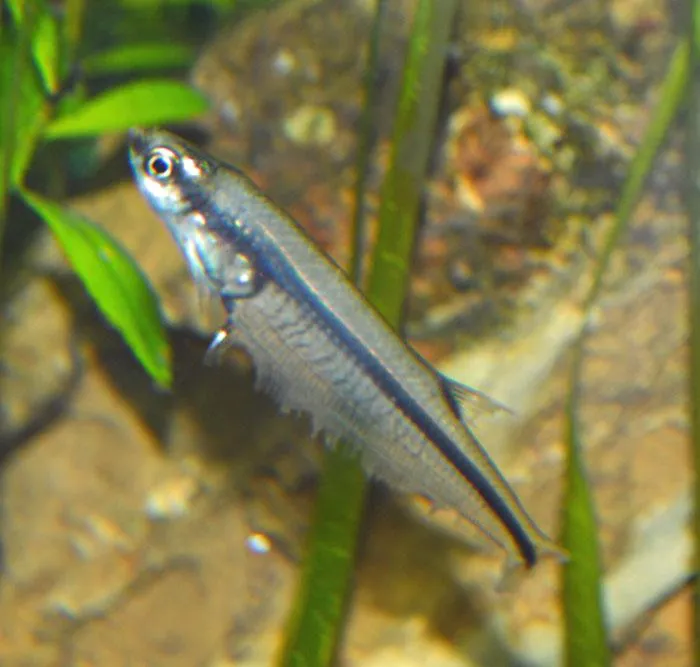
Bond's glass tetra
Xenagoniates bondi
Freshwater2.6 in (6.5 cm) · 21 gal (80 L)73–82°F (23–28°C)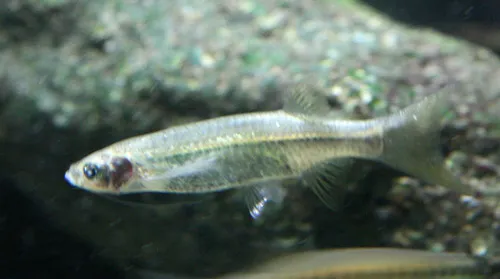
Striped flying barb
Esomus metallicus
Freshwater3 in (7.5 cm) · 24 gal (90 L)72–79°F (22–26°C)
Common questions
What size tank does a Pastaza cory need?
A Pastaza cory needs at least 22 gal (85 L). It spends most of its time in the bottom.
What temperature and pH does a Pastaza cory need?
A Pastaza cory is comfortable at 72–82°F (22–28°C) with a pH of 6.0–7.5.
How big does a Pastaza cory get?
An adult Pastaza cory reaches about 2.8 in (7 cm).
Does a Pastaza cory need a group?
Yes. A Pastaza cory is a shoaling species and should be kept in a group, not singly.
Related species
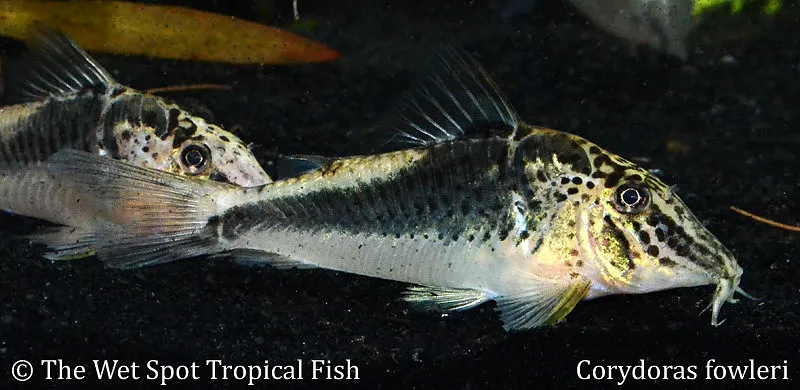 2.8 in (7 cm)26 gal (100 L)72–79°F (22–26°C)
Fowler's cory
Corydoras fowleri
2.8 in (7 cm) · 26 gal (100 L)
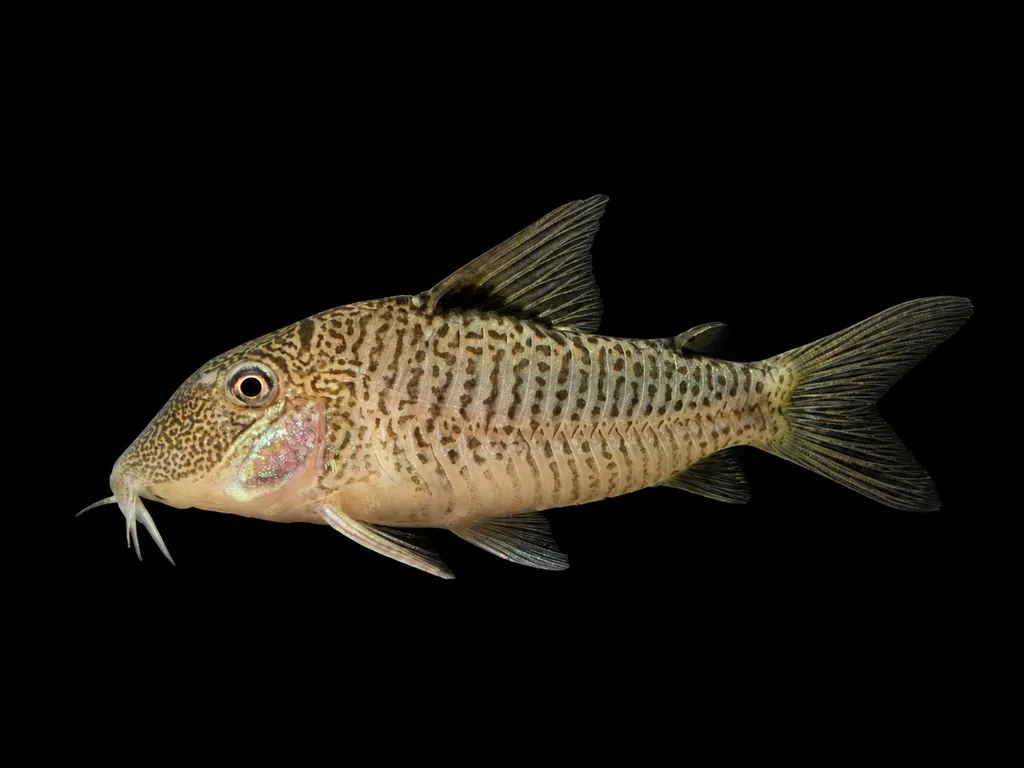
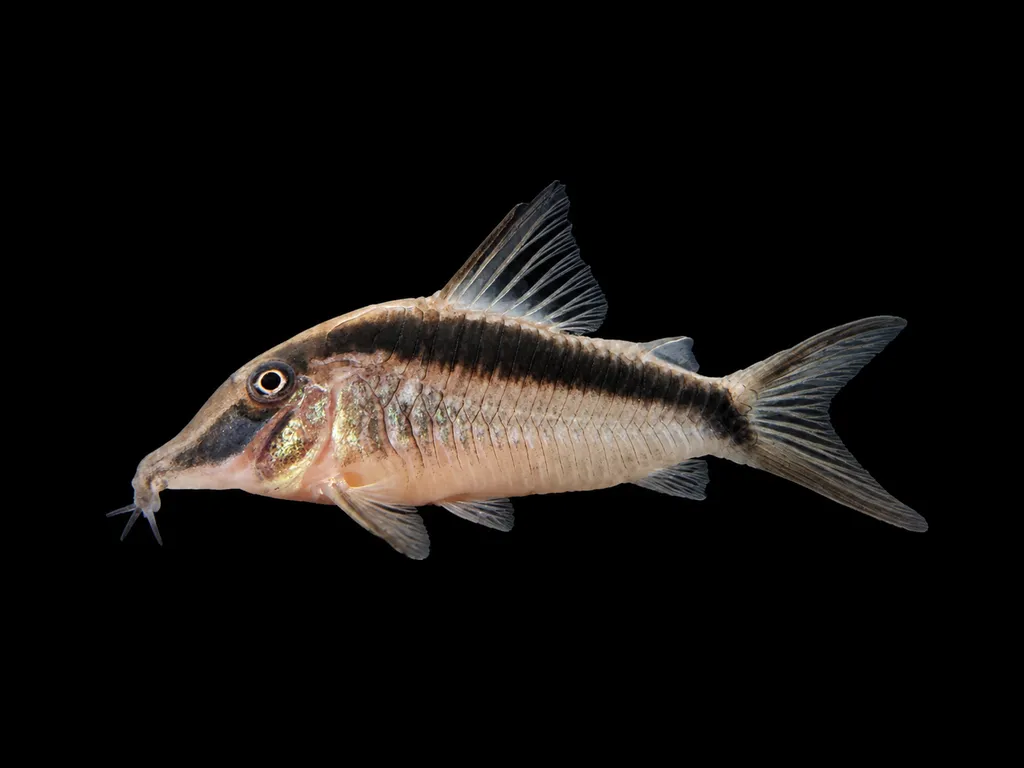 2.8 in (7 cm)30 gal (115 L)73–77°F (23–25°C)
Long nosed arched cory
Corydoras narcissus
2.8 in (7 cm) · 30 gal (115 L)
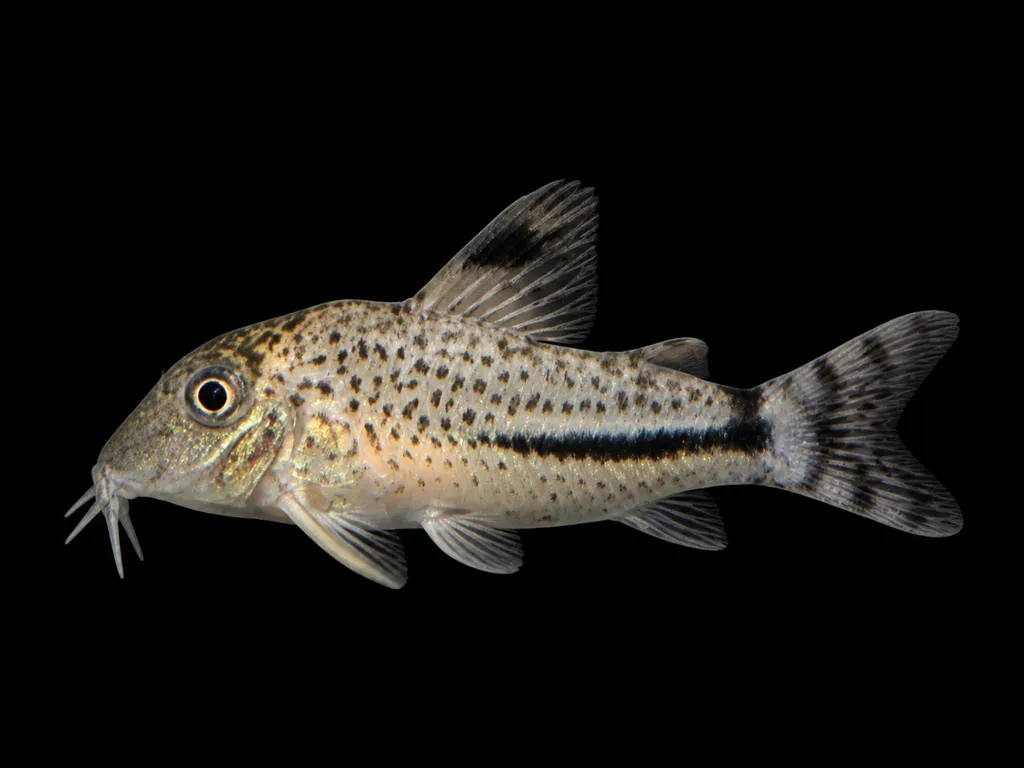
 3 in (7.5 cm)26 gal (100 L)73–81°F (23–27°C)
Geoffroy's cory
Corydoras geoffroy
3 in (7.5 cm) · 26 gal (100 L)
 2.6 in (6.5 cm)20 gal (75 L)73–81°F (23–27°C)
Fuller's cory
Corydoras fulleri
2.6 in (6.5 cm) · 20 gal (75 L)
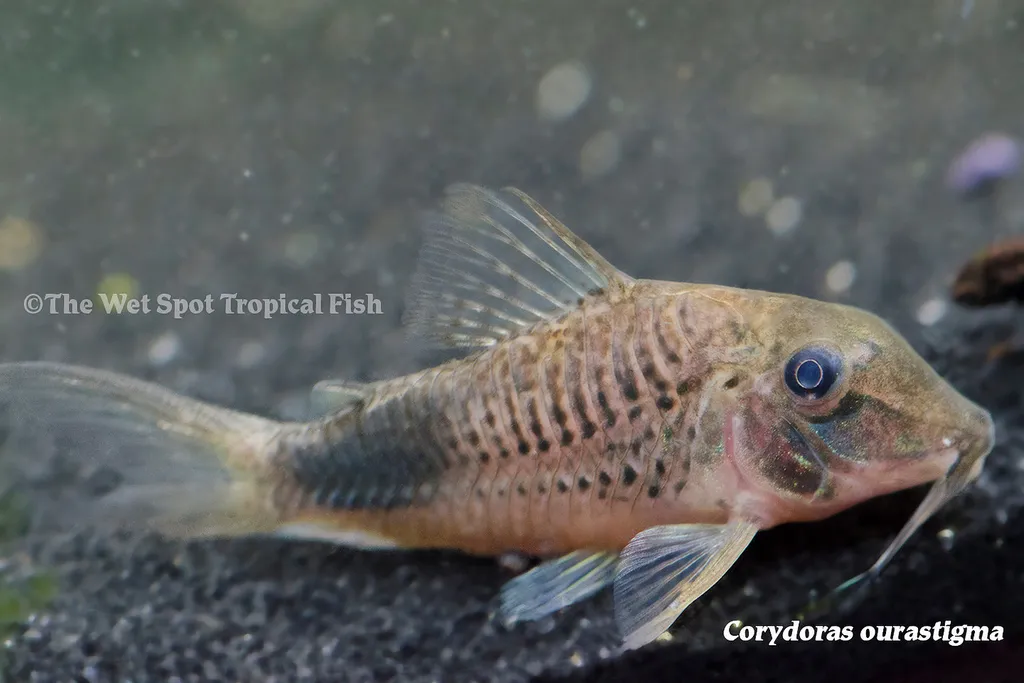 2.6 in (6.5 cm)20 gal (75 L)75–82°F (24–28°C)
Ourastigma cory
Corydoras ourastigma
2.6 in (6.5 cm) · 20 gal (75 L)
 2.6 in (6.5 cm)24 gal (90 L)72–79°F (22–26°C)
Peru black cory
Corydoras semiaquilus
2.6 in (6.5 cm) · 24 gal (90 L)