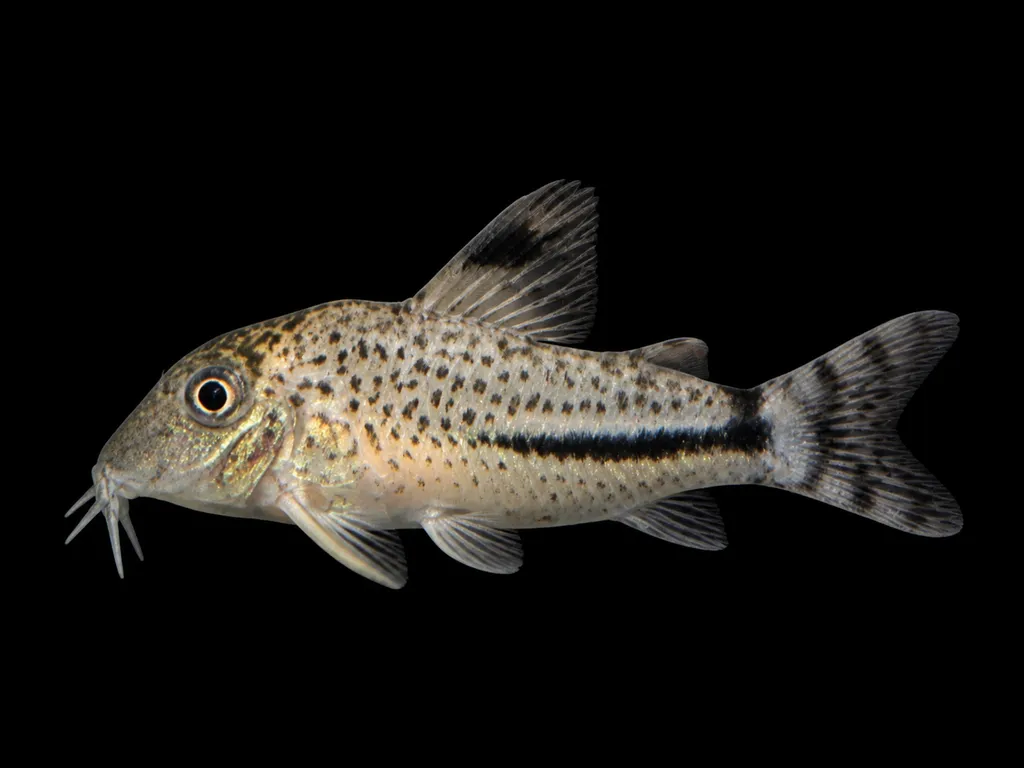
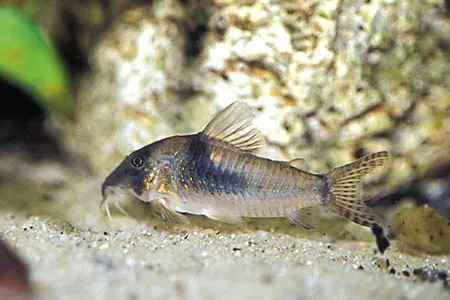
Fuller's cory
Corydoras fulleri
Also known as CW051, Fuller's long-snout cory
FreshwaterFish
Care at a glance
- Temperature
- 73–81°F
- 23–27°C
- pH
- 5.8–7.2
- Adult size
- 2.6 in
- 6.5 cm
- Minimum tank
- 20 gal
- 75 L
- Temperament
- Peaceful
- Social behavior
- Shoaling
- Swim level
- Bottom
- Difficulty
- Medium
- Breeding
- Hard
- Rarity
- Rare
- Family
- Callichthyidae
- Origin
- Rio Madre de Dios drainage, southeastern Peru
Overview
Fuller's cory is a peaceful bottom catfish that suits a community tank and a keeper with a little experience.
Did you know
Fuller's cory is named for Ian Fuller, the British catfish specialist whose CW numbering system cataloged unnamed cories. It wore his code, CW051, before it wore his name.
Caring for the Fuller's cory
Keep Fuller's cories in a group of six or more, in 20 gal (75 L) or larger. Long-snouted cories dig enthusiastically, so give them a deep bed of fine sand to root in. Add some wood and a patch of leaves.
Keep the water well oxygenated, at 73 to 81°F (23 to 27°C) and a pH of 5.8 to 7.2. Feed sinking prepared foods and frozen fare.
Fuller's cories are peaceful and get along with other community fish. Dedicated cory keepers have bred them using cool, soft water changes. Breeding them is hard, and they remain a project fish rather than a beginner spawner.
Good to know
Fuller's cory was described in 2021 by Tencatt and colleagues. It is a long-snouted member of the family Callichthyidae, and it keeps its place in the strict-sense genus Corydoras after the 2024 revision.
In the wild
Fuller's cory comes from the Madre de Dios drainage in southeastern Peru. It works the sandy runs and litter pockets of clear and lightly stained streams.
Weekly picks
Tank mates
The Fuller's cory is a peaceful, shoaling species that keeps to the bottom. These picks share a community profile with it, are safe together in both directions, and overlap on water type, temperature and pH.
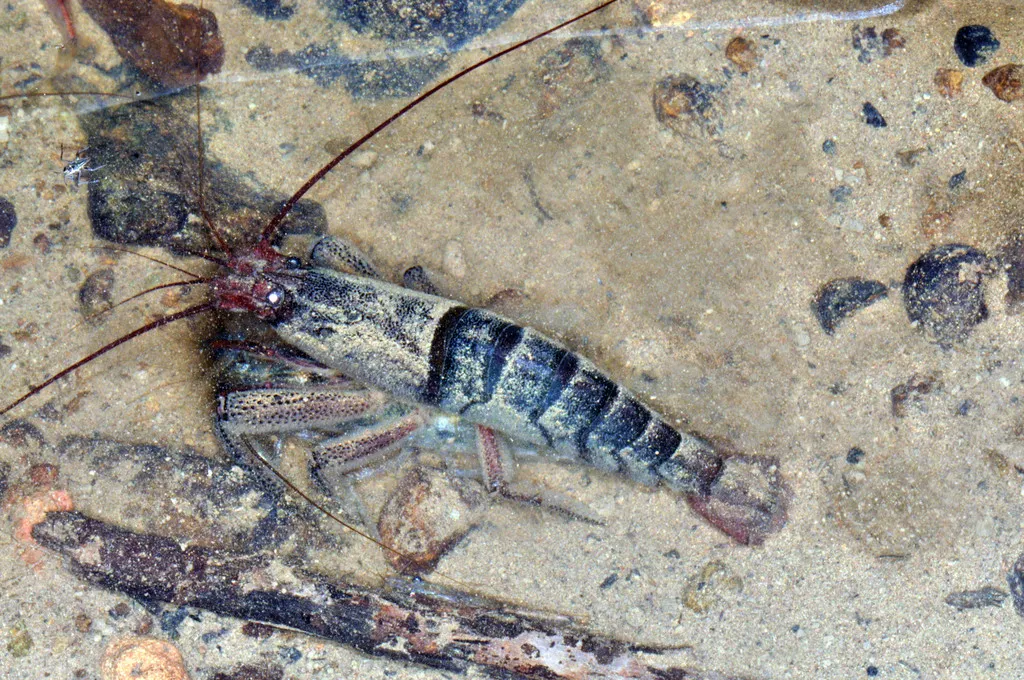
Marble wood shrimp
Atya scabra
Freshwater3.9 in (10 cm) · 20 gal (75 L)73–82°F (23–28°C)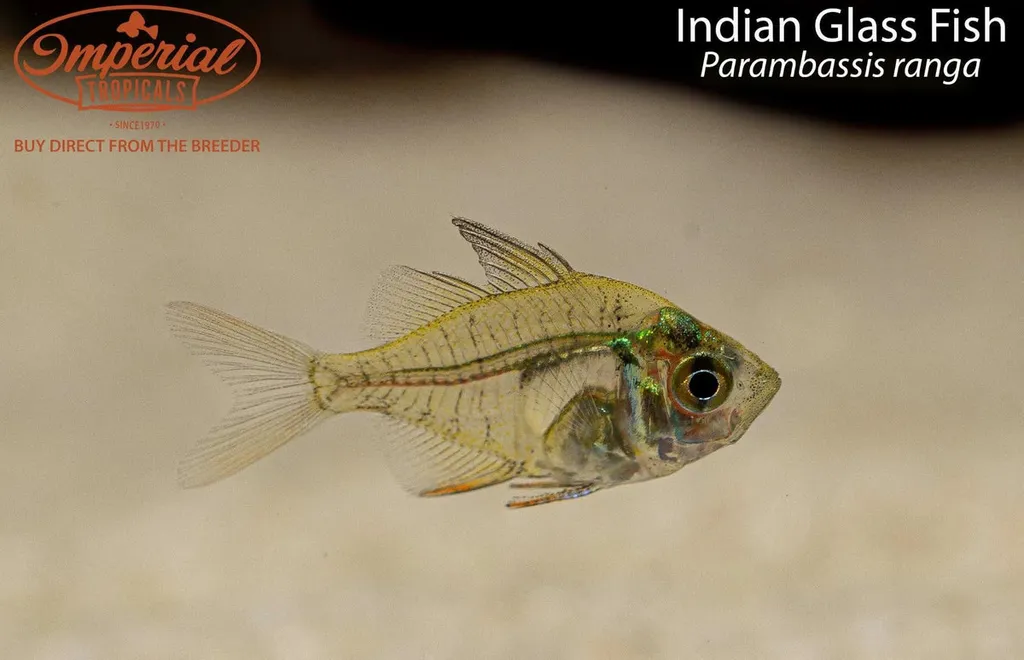
Indian glassy fish
Parambassis ranga
Freshwater3.1 in (8 cm) · 20 gal (75 L)68–86°F (20–30°C)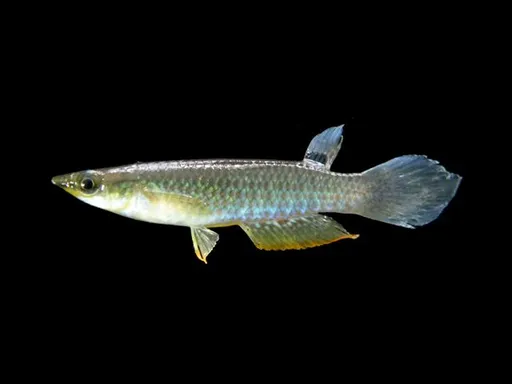
Blue panchax
Aplocheilus panchax
Freshwater3.5 in (9 cm) · 20 gal (75 L)72–82°F (22–28°C)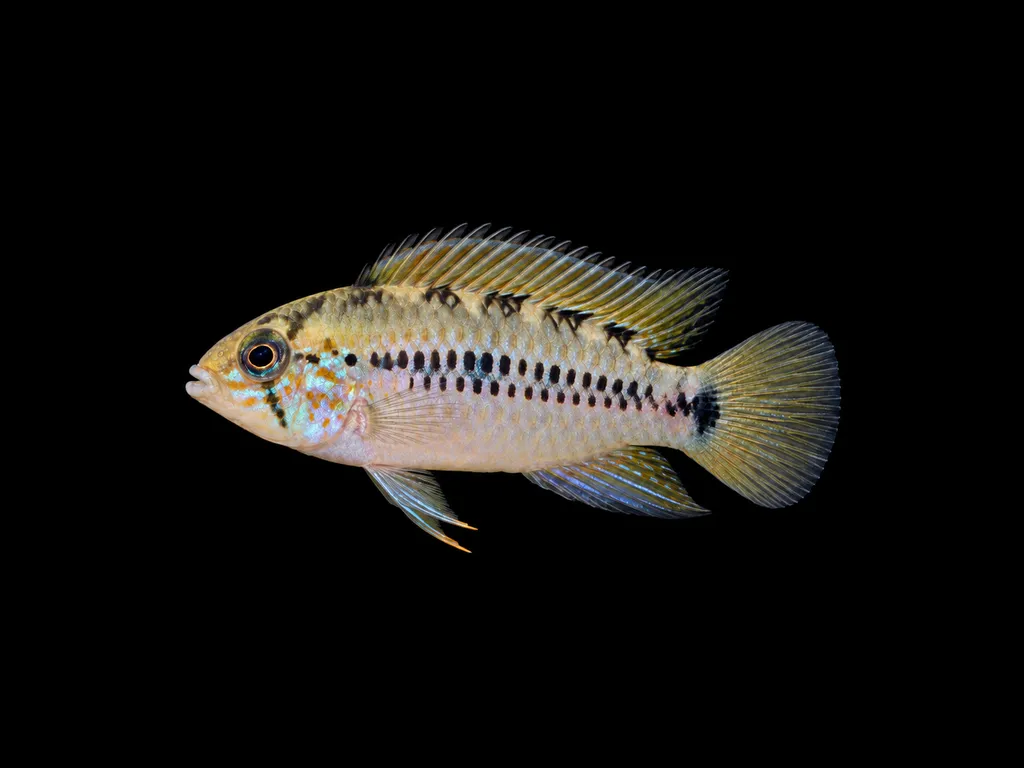
Alacrina dwarf cichlid
Apistogramma alacrina
Freshwater2.8 in (7 cm) · 20 gal (75 L)73–82°F (23–28°C)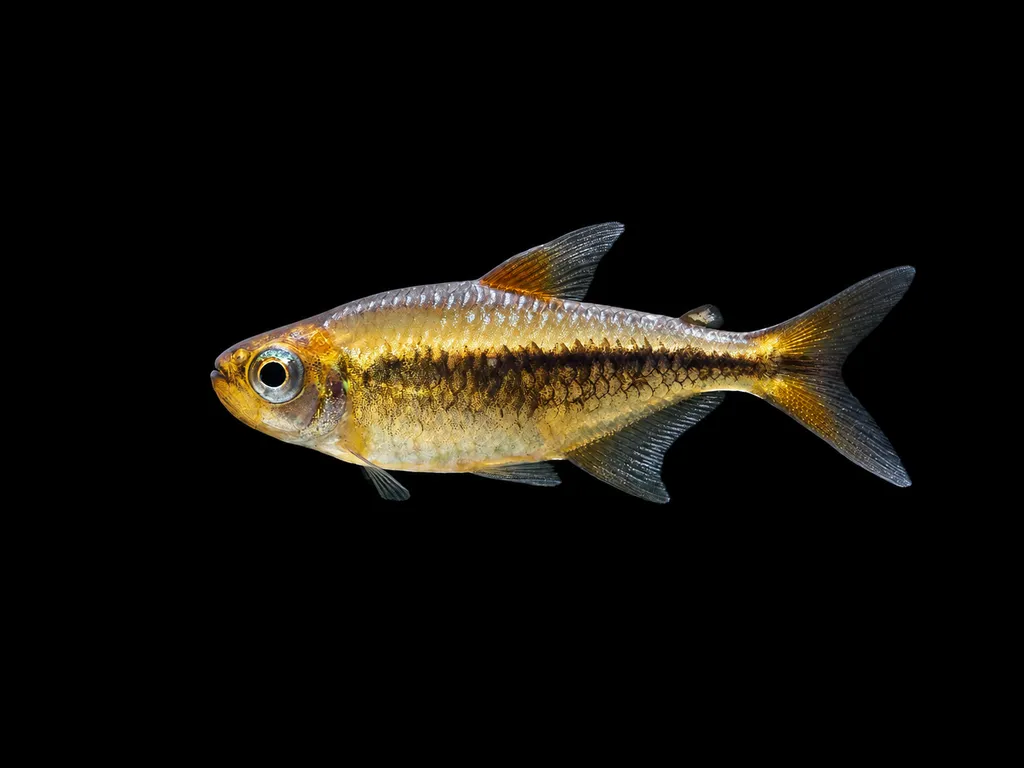
Blackmargin tetra
Moenkhausia nigromarginata
Freshwater2.1 in (5.3 cm) · 20 gal (75 L)73–82°F (23–28°C)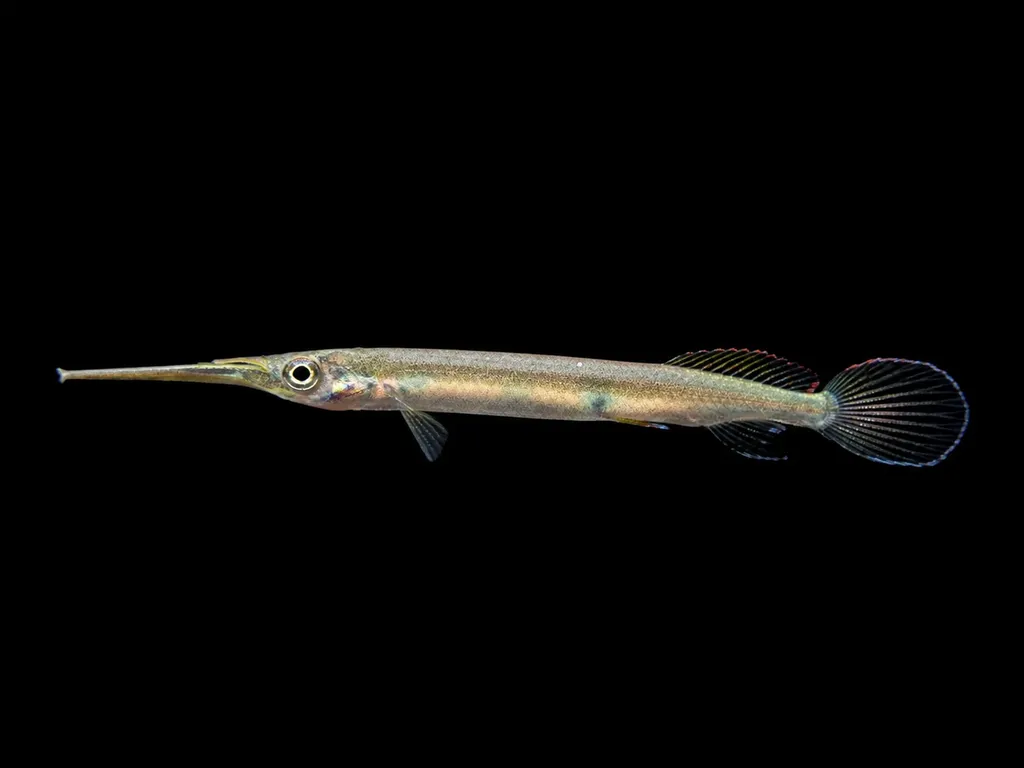
Kuekenthal's halfbeak
Hemirhamphodon kuekenthali
Freshwater3.3 in (8.5 cm) · 20 gal (75 L)73–81°F (23–27°C)
Common questions
What size tank does a Fuller's cory need?
A Fuller's cory needs at least 20 gal (75 L). It spends most of its time in the bottom.
What temperature and pH does a Fuller's cory need?
A Fuller's cory is comfortable at 73–81°F (23–27°C) with a pH of 5.8–7.2.
What does a Fuller's cory eat?
A Fuller's cory eats sinking prepared foods and frozen fare.
How big does a Fuller's cory get?
An adult Fuller's cory reaches about 2.6 in (6.5 cm).
Does a Fuller's cory need a group?
Yes. A Fuller's cory is a shoaling species and should be kept in a group, not singly.
How does a Fuller's cory breed?
Fuller's cories have been bred by dedicated cory keepers using cool, soft water changes. Breeding them is hard, and they are a project fish rather than a beginner spawner.
Related species
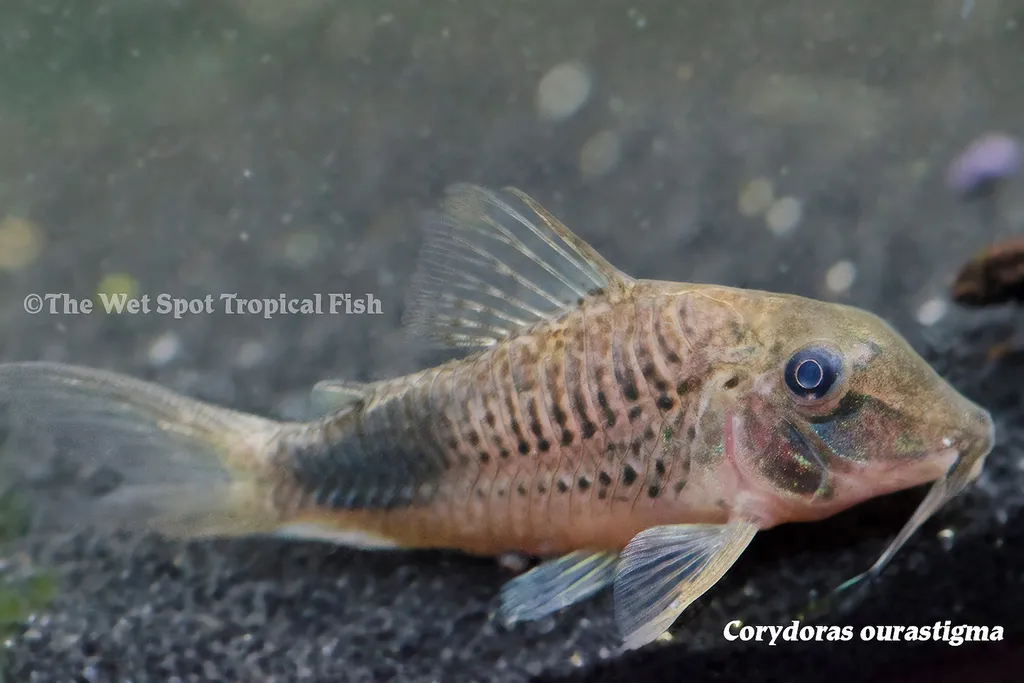 2.6 in (6.5 cm)20 gal (75 L)75–82°F (24–28°C)
Ourastigma cory
Corydoras ourastigma
2.6 in (6.5 cm) · 20 gal (75 L)
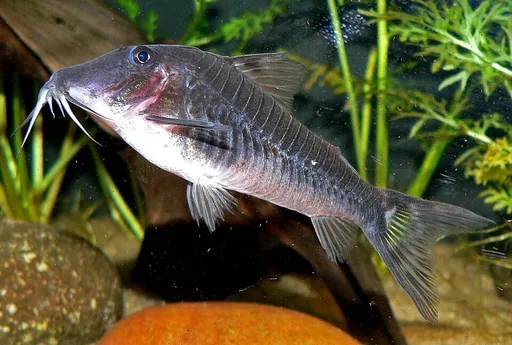 2.6 in (6.5 cm)24 gal (90 L)72–79°F (22–26°C)
Peru black cory
Corydoras semiaquilus
2.6 in (6.5 cm) · 24 gal (90 L)
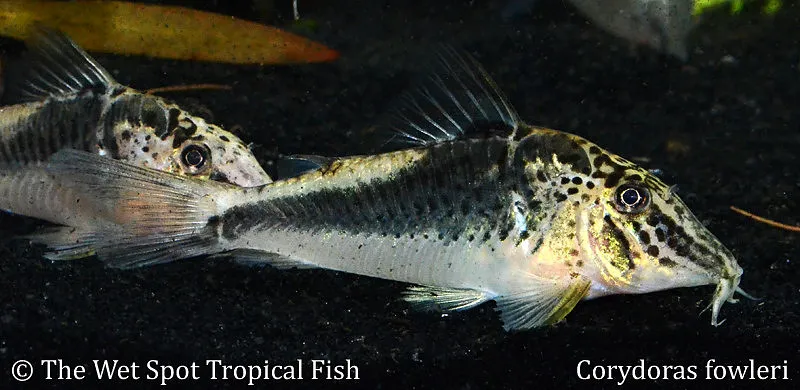 2.8 in (7 cm)26 gal (100 L)72–79°F (22–26°C)
Fowler's cory
Corydoras fowleri
2.8 in (7 cm) · 26 gal (100 L)
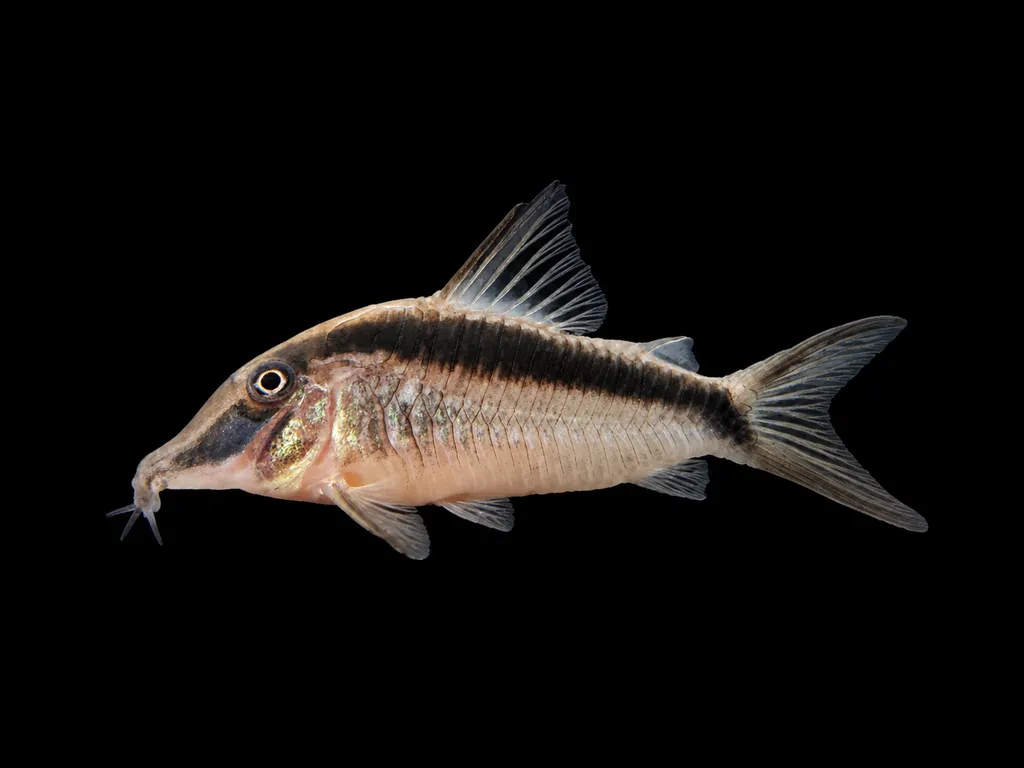 2.8 in (7 cm)30 gal (115 L)73–77°F (23–25°C)
Long nosed arched cory
Corydoras narcissus
2.8 in (7 cm) · 30 gal (115 L)
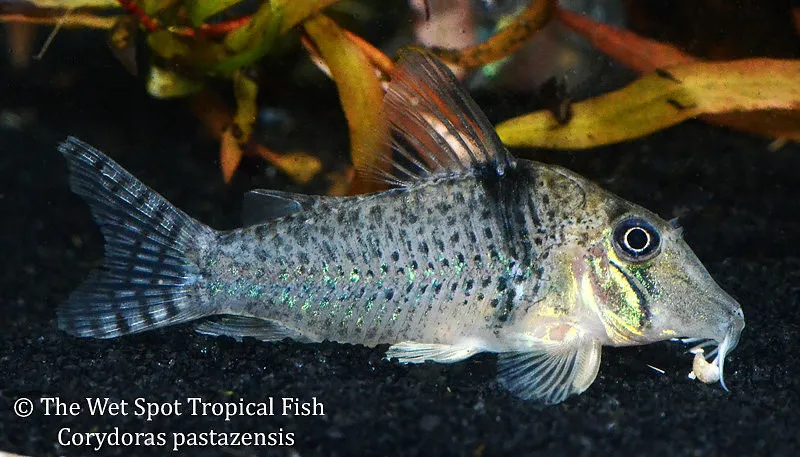 2.8 in (7 cm)22 gal (85 L)72–82°F (22–28°C)
Pastaza cory
Corydoras pastazensis
2.8 in (7 cm) · 22 gal (85 L)
 2.4 in (6 cm)20 gal (75 L)75–82°F (24–28°C)
Northern longnose cory
Corydoras septentrionalis
2.4 in (6 cm) · 20 gal (75 L)