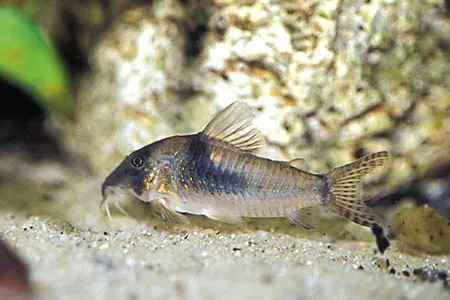
Northern longnose cory
Corydoras septentrionalis
Also known as Septentrionalis cory, Northern long nose cory
FreshwaterFish
Care at a glance
- Temperature
- 75–82°F
- 24–28°C
- pH
- 5.8–7.2
- Adult size
- 2.4 in
- 6 cm
- Minimum tank
- 20 gal
- 75 L
- Temperament
- Peaceful
- Social behavior
- Shoaling
- Swim level
- Bottom
- Difficulty
- Medium
- Breeding
- Egg layer · Hard
- Rarity
- Rare
- Family
- Callichthyidae
- Origin
- Orinoco basin llanos drainages of Venezuela and Colombia
Overview
The northern longnose cory is a peaceful shoaling cory for a warm tank with a deep sand bottom. It is a moderate challenge to keep.
Did you know
The northern longnose cory often shoals with a nearly identical mimic, the short-nosed Venezuelan cory. They are one of the mimic pairs that make cory identification a sport.
Caring for the northern longnose cory
A shoal of six northern longnose cories suits a tank of at least 20 gal (75 L). Give them a deep bed of fine sand with scattered wood.
Warm water suits them, at 75 to 82°F (24 to 28°C) and a pH of 5.8 to 7.2. They eat the standard sinking menu and frozen foods, nosing them out of the substrate.
Northern longnose cories are peaceful and get along with community fish. Their breeding is documented but tricky. They have the long-snout habit of tucking their eggs low, near the substrate.
Good to know
The northern longnose cory was described by Gosline in 1940, as Corydoras septentrionalis. The name simply means northern, for its Orinoco home at the top of the genus's range. It stays in strict-sense Corydoras under the 2024 revision. Venezuelan export gaps mean the supply comes and goes by the year.
In the wild
The northern longnose cory lives in the Orinoco llanos of Venezuela and Colombia. Its home is warm, sandy streams that flood wide in the wet season, where it roots deep in soft bottoms for food.
Weekly picks
Tank mates
The northern longnose cory is a peaceful, shoaling species that keeps to the bottom. These picks share a community profile with it, are safe together in both directions, and overlap on water type, temperature and pH.
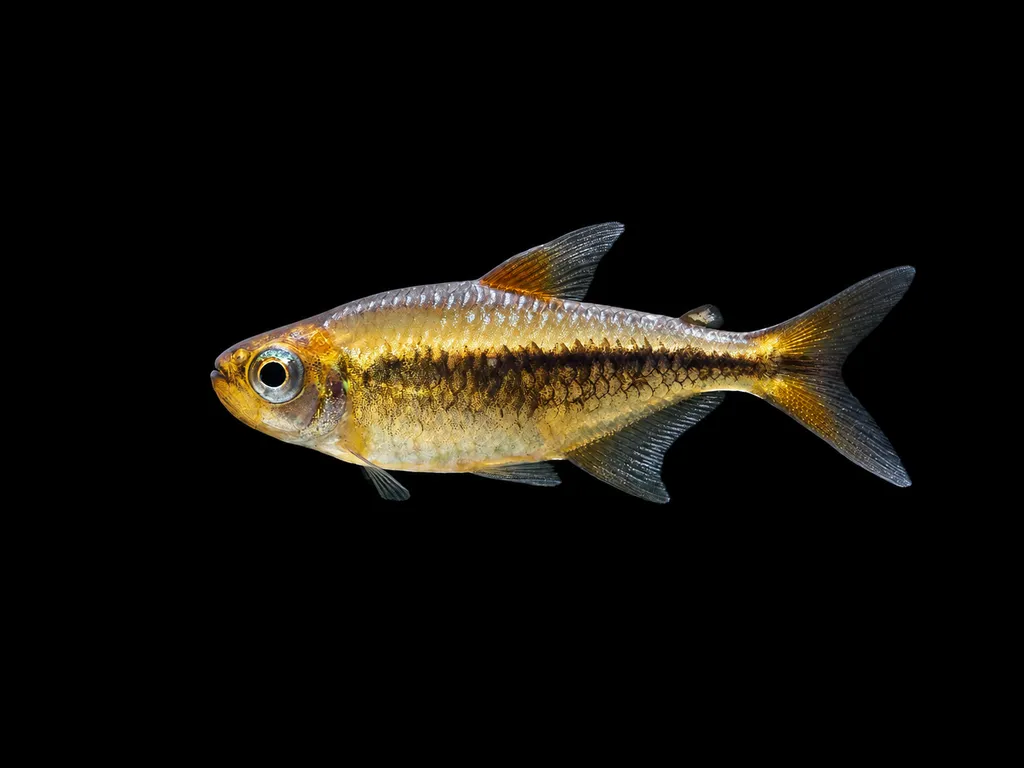
Blackmargin tetra
Moenkhausia nigromarginata
Freshwater2.1 in (5.3 cm) · 20 gal (75 L)73–82°F (23–28°C)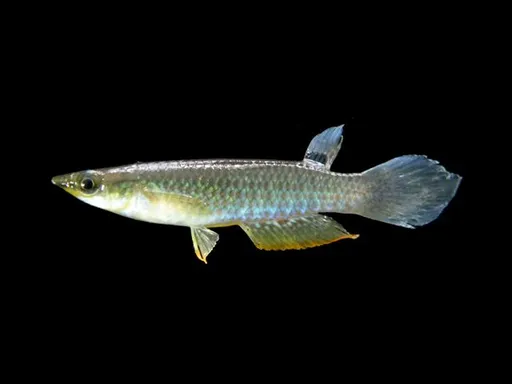
Blue panchax
Aplocheilus panchax
Freshwater3.5 in (9 cm) · 20 gal (75 L)72–82°F (22–28°C)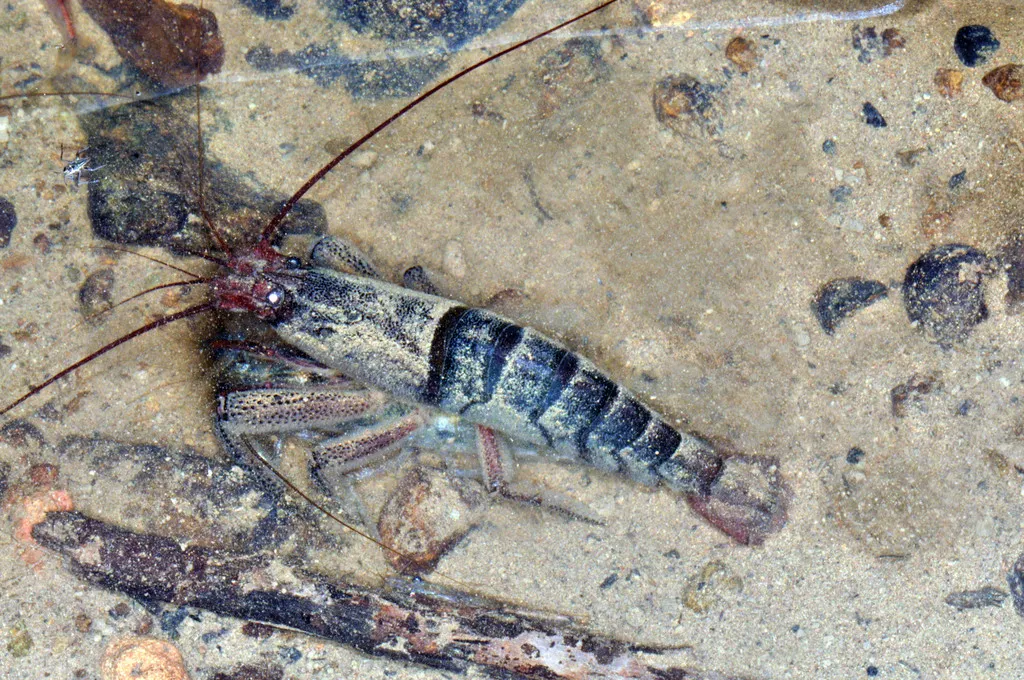
Marble wood shrimp
Atya scabra
Freshwater3.9 in (10 cm) · 20 gal (75 L)73–82°F (23–28°C)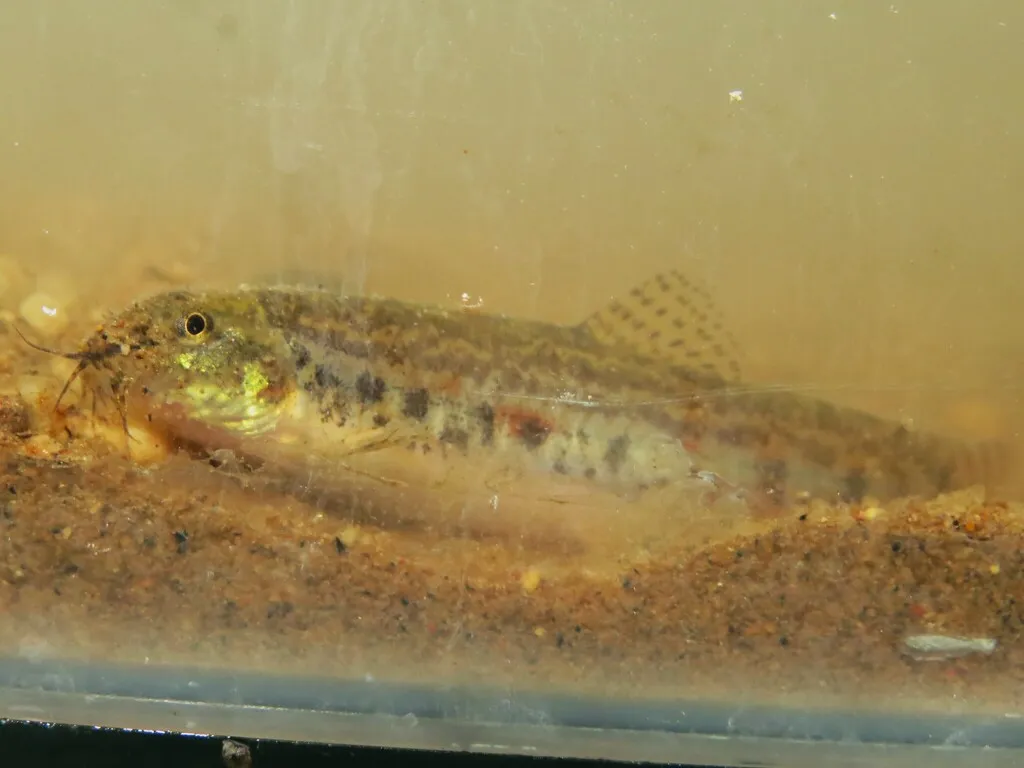
Common spiny loach
Lepidocephalichthys thermalis
Freshwater3.1 in (8 cm) · 20 gal (75 L)72–82°F (22–28°C)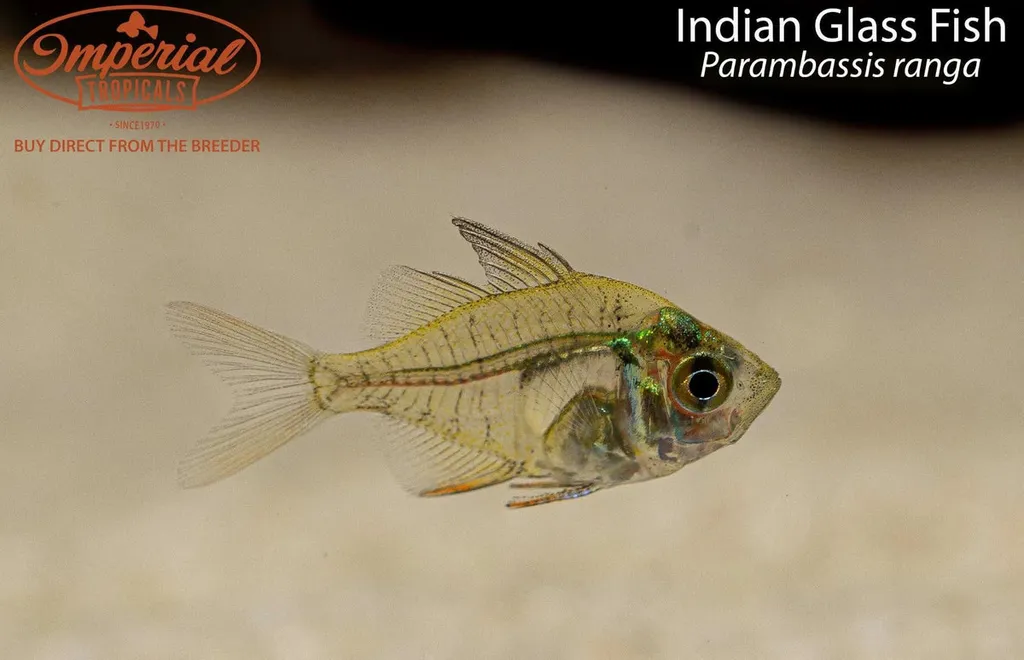
Indian glassy fish
Parambassis ranga
Freshwater3.1 in (8 cm) · 20 gal (75 L)68–86°F (20–30°C)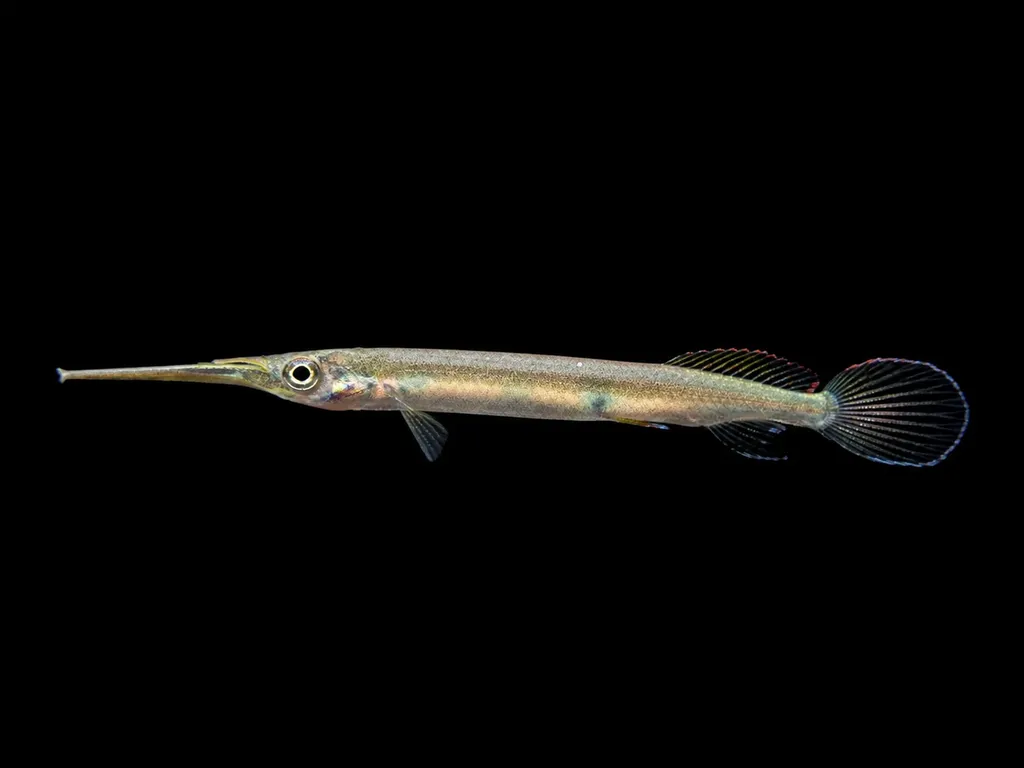
Kuekenthal's halfbeak
Hemirhamphodon kuekenthali
Freshwater3.3 in (8.5 cm) · 20 gal (75 L)73–81°F (23–27°C)
Common questions
What size tank does a northern longnose cory need?
A northern longnose cory needs at least 20 gal (75 L). It spends most of its time in the bottom.
What temperature and pH does a northern longnose cory need?
A northern longnose cory is comfortable at 75–82°F (24–28°C) with a pH of 5.8–7.2.
What does a northern longnose cory eat?
A northern longnose cory eats the standard sinking menu and frozen foods. It noses its food out of the substrate.
How big does a northern longnose cory get?
An adult northern longnose cory reaches about 2.4 in (6 cm).
Does a northern longnose cory need a group?
Yes. A northern longnose cory is a shoaling species and should be kept in a group, not singly.
How does a northern longnose cory breed?
Northern longnose cories have been bred, but it is tricky. They have the long-snout habit of tucking their eggs low, near the substrate.
Related species
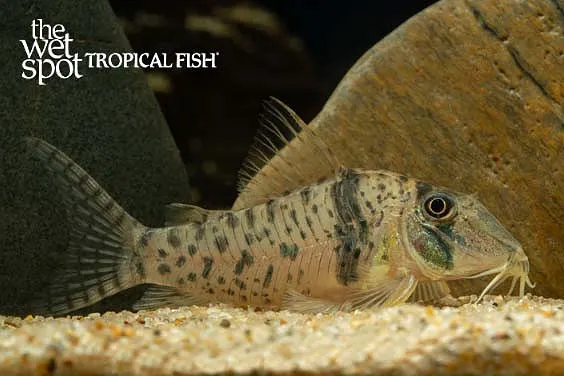 2.4 in (6 cm)20 gal (75 L)73–81°F (23–27°C)
Orces's cory
Corydoras orcesi
2.4 in (6 cm) · 20 gal (75 L)
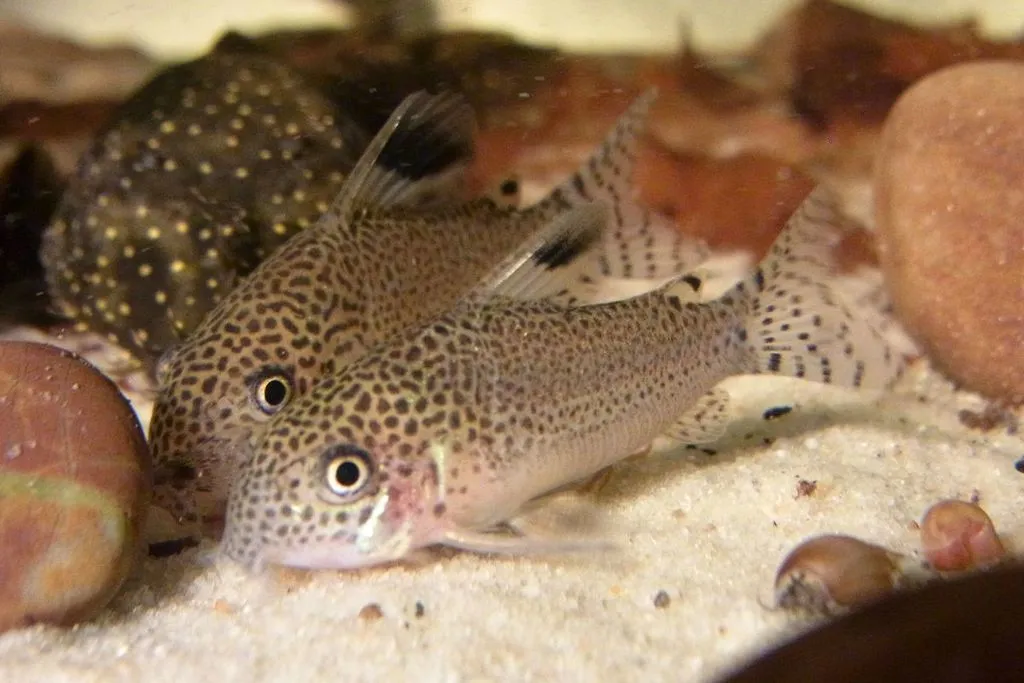 2.4 in (6 cm)16 gal (60 L)73–81°F (23–27°C)
Punctatus cory
Corydoras punctatus
2.4 in (6 cm) · 16 gal (60 L)
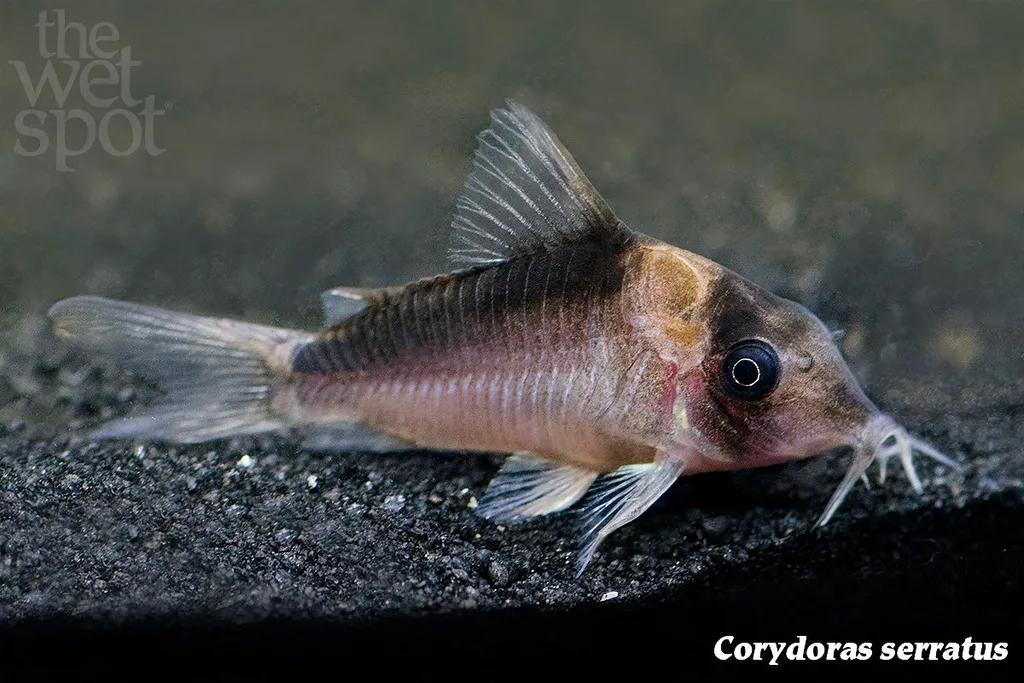 2.4 in (6 cm)20 gal (75 L)77–84°F (25–29°C)
Serratus cory
Corydoras serratus
2.4 in (6 cm) · 20 gal (75 L)
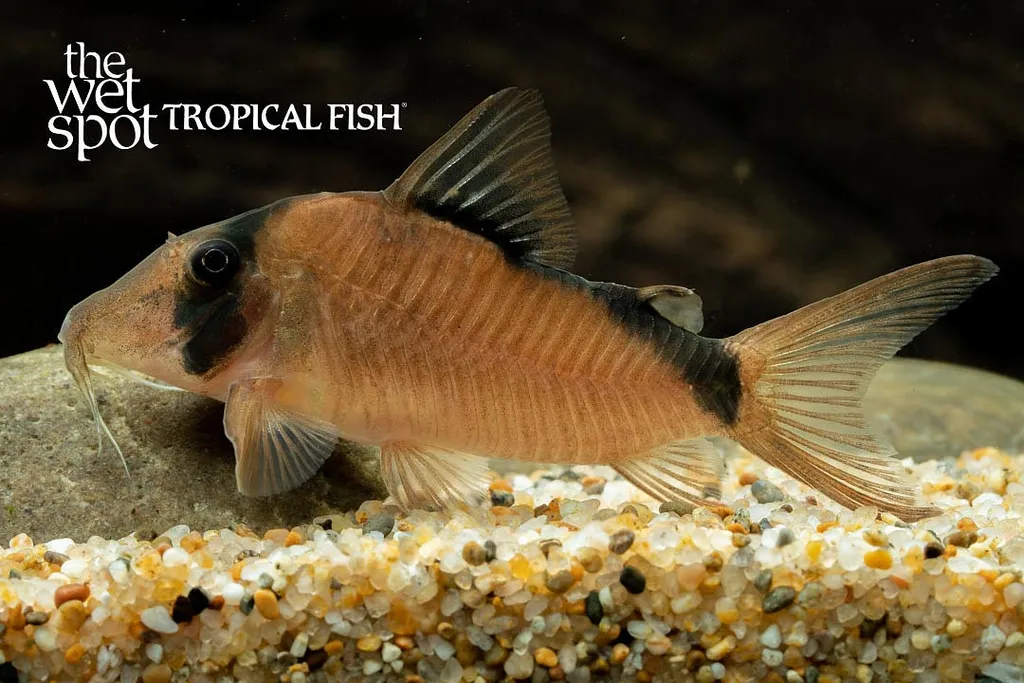 2.4 in (6 cm)20 gal (75 L)73–81°F (23–27°C)
Simulatus cory
Corydoras simulatus
2.4 in (6 cm) · 20 gal (75 L)
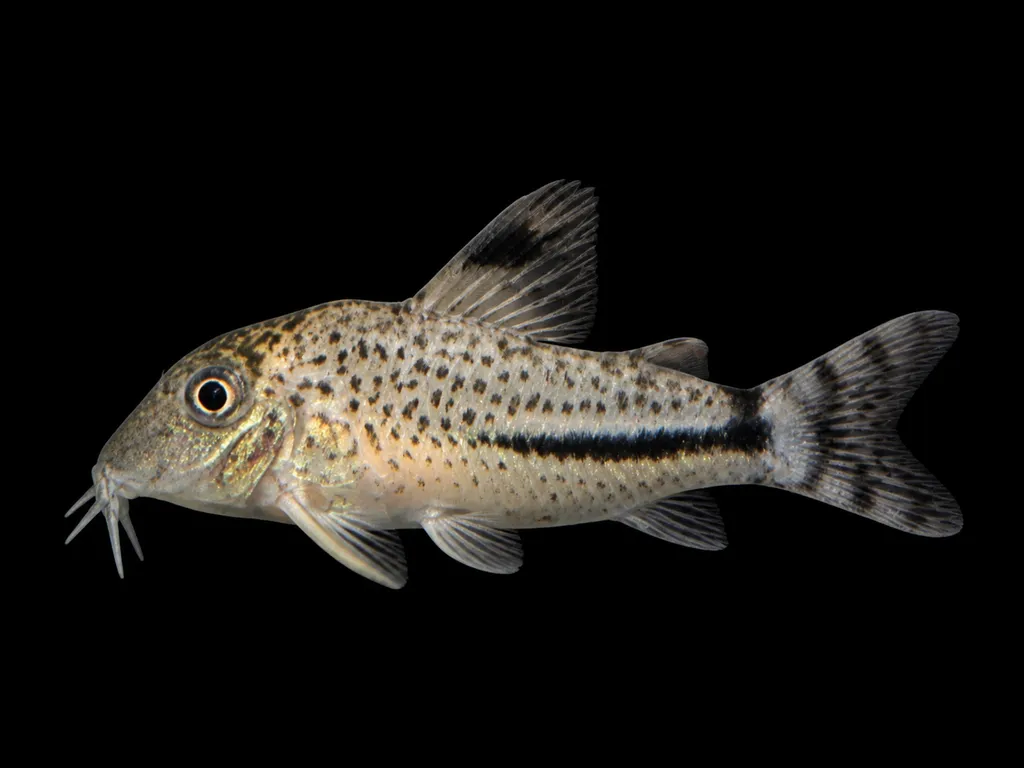 2.6 in (6.5 cm)20 gal (75 L)73–81°F (23–27°C)
Fuller's cory
Corydoras fulleri
2.6 in (6.5 cm) · 20 gal (75 L)
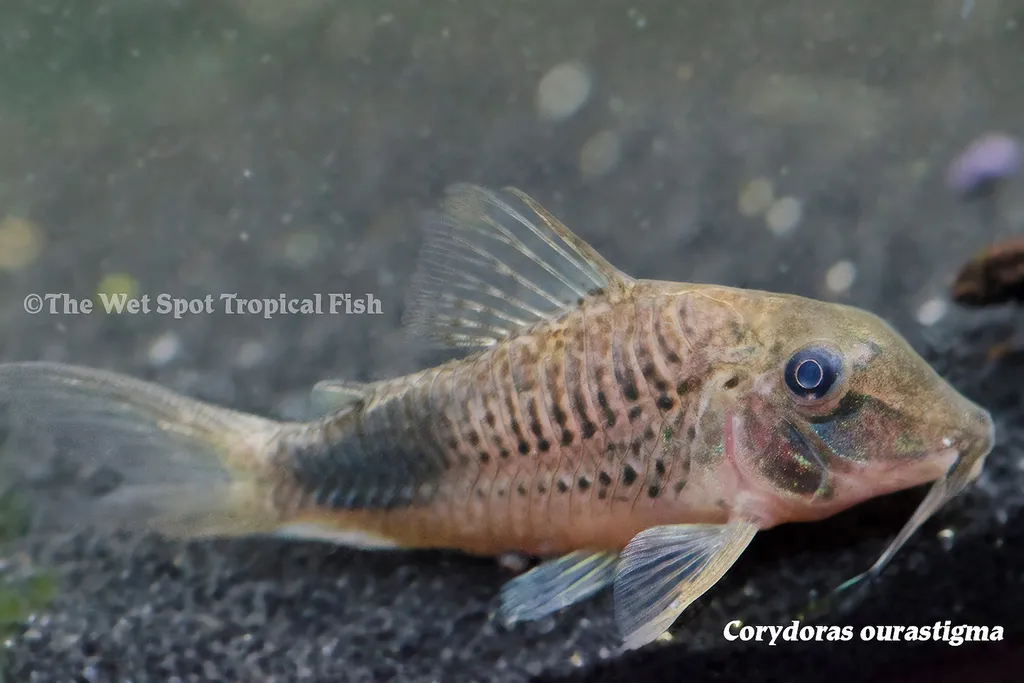 2.6 in (6.5 cm)20 gal (75 L)75–82°F (24–28°C)
Ourastigma cory
Corydoras ourastigma
2.6 in (6.5 cm) · 20 gal (75 L)