Simulatus cory
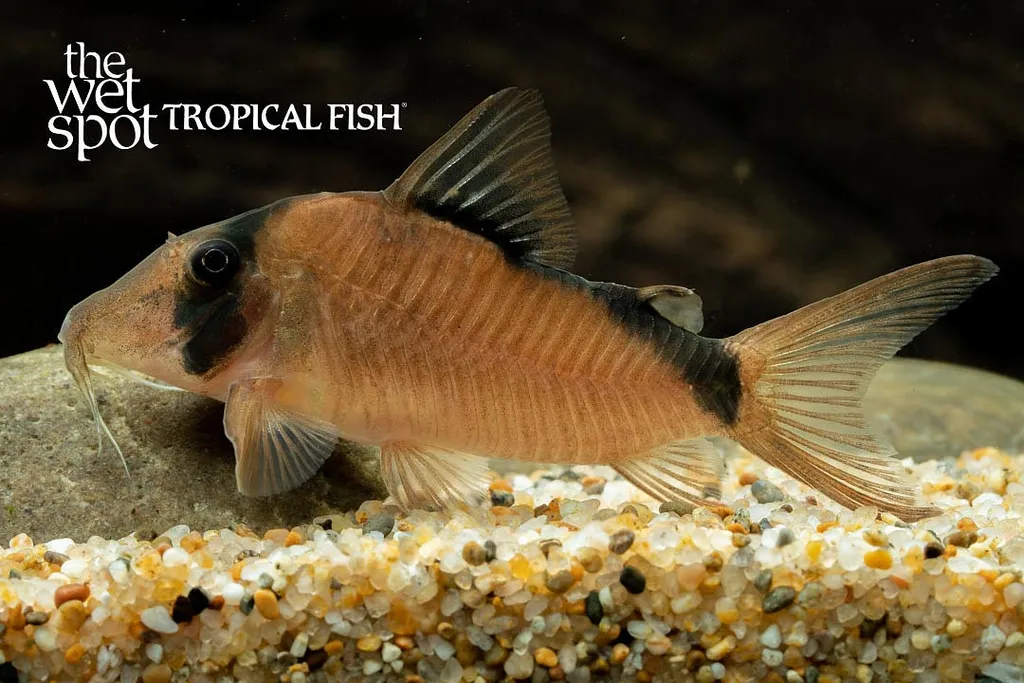
Corydoras simulatus
Also known as Long-nosed bandit cory, Meta long-snout cory, Olga Cory
FreshwaterFish
Care at a glance
- Temperature
- 73–81°F
- 23–27°C
- pH
- 5.8–7.2
- Adult size
- 2.4 in
- 6 cm
- Minimum tank
- 20 gal
- 75 L
- Temperament
- Peaceful
- Social behavior
- Shoaling
- Swim level
- Bottom
- Difficulty
- Medium
- Breeding
- Hard
- Rarity
- Rare
- Family
- Callichthyidae
- Origin
- Upper Rio Meta drainage, Colombia
Overview
The Simulatus cory is a peaceful, long-snouted cory for the bottom of a community tank. It is a step up from the easiest fish.
Did you know
The Simulatus cory and the short-nosed masked cory form a famous mimicry pair. Why mimic pairs exist is still argued about.
Caring for the Simulatus cory
Keep six or more Simulatus cories over deep, fine sand in a tank of 20 gal (75 L) or larger. Add wood for cover, and keep the water clean and flowing.
Hold the temperature at 73 to 81°F (23 to 27°C) with a pH of 5.8 to 7.2. They eat the standard cory menu and dig deeper in the sand than Corydoras metae does.
Simulatus cories are peaceful, and you can keep them with their short-nosed twin, Corydoras metae, if you enjoy the visual pun. The mimic pair makes one of the hobby's neatest biology demonstrations in a single tank. Breeding is rarely reported, and it is hard.
Good to know
The Simulatus cory was named simulatus, the imitator, by Weitzman and Nijssen in 1970. It wears almost exactly the black bandit mask and body stripe of Corydoras metae, the masked cory. Yet it is a long-snouted species from a different lineage. It remains in Corydoras in the strict sense in the 2024 revision.
In the wild
The Simulatus cory lives in the upper Meta drainage of Colombia. It shares sandy stream beds with the masked cory it famously imitates.
Weekly picks
Tank mates
The Simulatus cory is a peaceful, shoaling species that keeps to the bottom. These picks share a community profile with it, are safe together in both directions, and overlap on water type, temperature and pH.
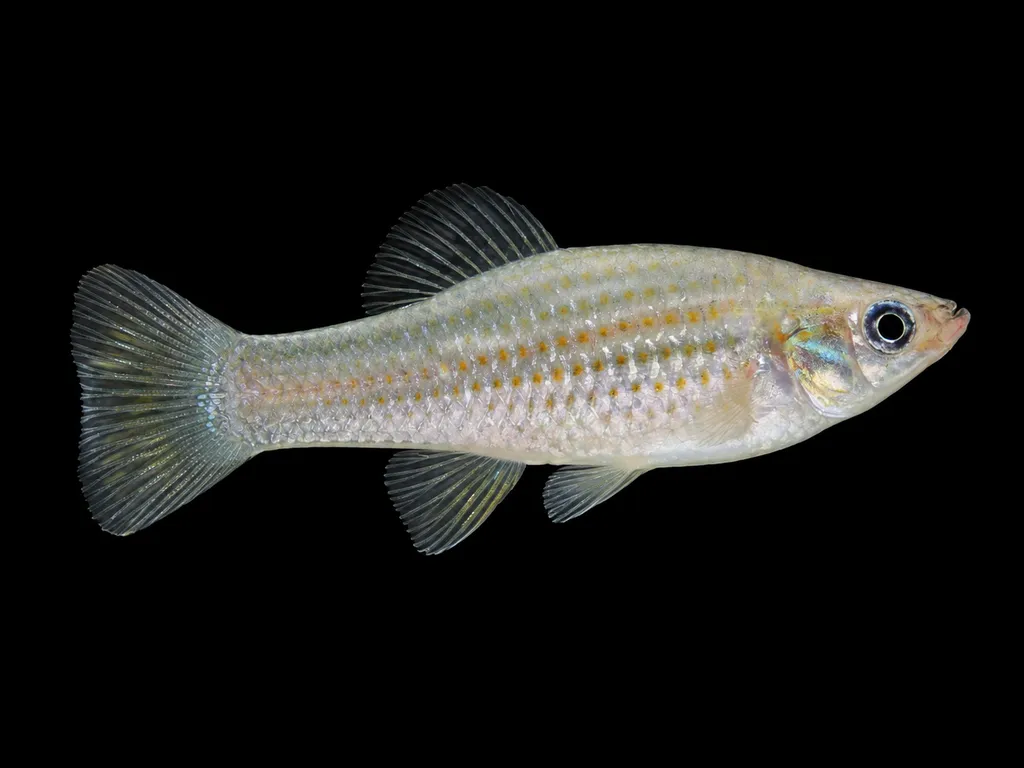
Amazon molly
Poecilia formosa
Freshwater3.5 in (9 cm) · 20 gal (75 L)68–82°F (20–28°C)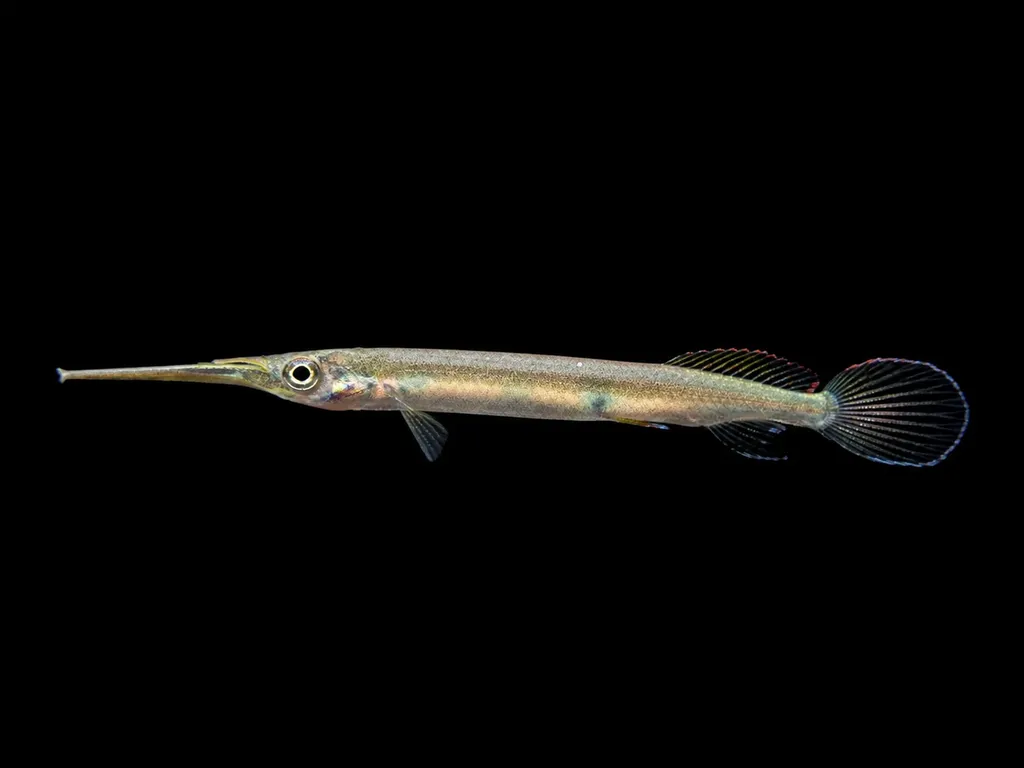
Kuekenthal's halfbeak
Hemirhamphodon kuekenthali
Freshwater3.3 in (8.5 cm) · 20 gal (75 L)73–81°F (23–27°C)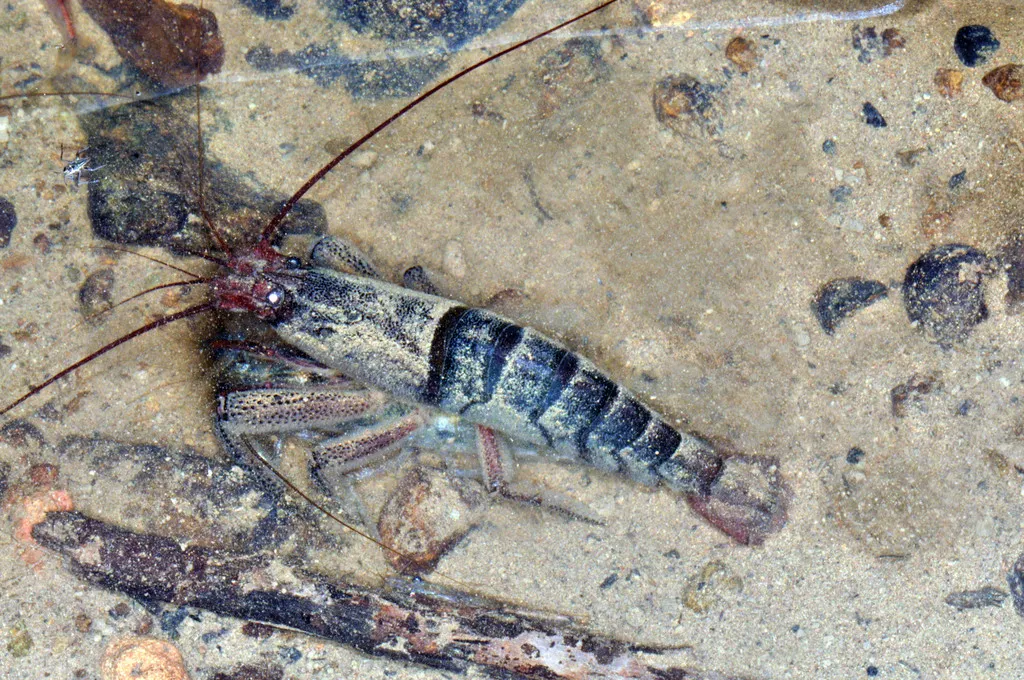
Marble wood shrimp
Atya scabra
Freshwater3.9 in (10 cm) · 20 gal (75 L)73–82°F (23–28°C)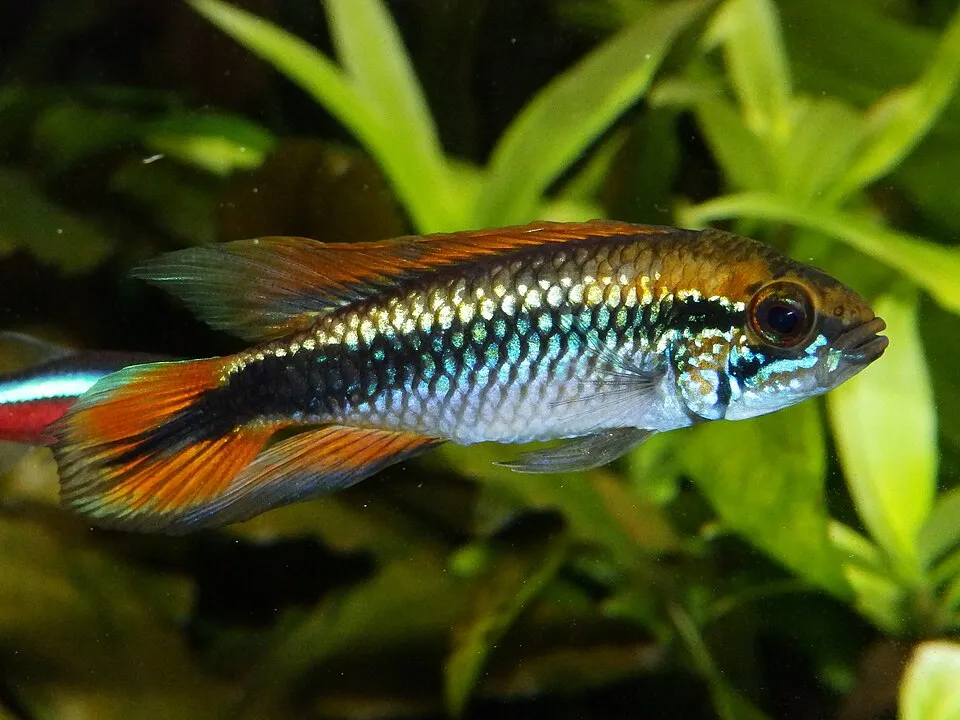
Agassiz's dwarf cichlid
Apistogramma agassizii
Freshwater3.5 in (9 cm) · 20 gal (75 L)72–84°F (22–29°C)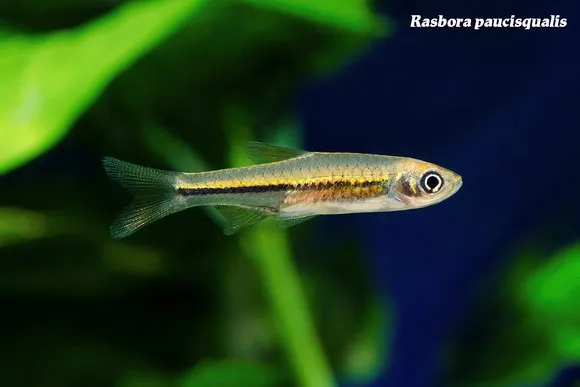
Largescale rasbora
Rasbora paucisqualis
Freshwater2 in (5 cm) · 20 gal (75 L)72–81°F (22–27°C)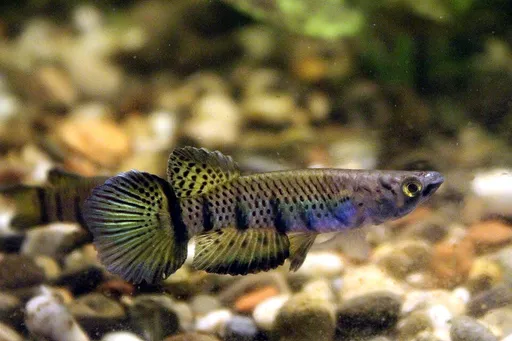
Six-barred panchax
Epiplatys sexfasciatus
Freshwater3.9 in (10 cm) · 20 gal (75 L)72–81°F (22–27°C)
Common questions
What size tank does a Simulatus cory need?
A Simulatus cory needs at least 20 gal (75 L). It spends most of its time in the bottom.
What temperature and pH does a Simulatus cory need?
A Simulatus cory is comfortable at 73–81°F (23–27°C) with a pH of 5.8–7.2.
How big does a Simulatus cory get?
An adult Simulatus cory reaches about 2.4 in (6 cm).
Does a Simulatus cory need a group?
Yes. A Simulatus cory is a shoaling species and should be kept in a group, not singly.
Related species
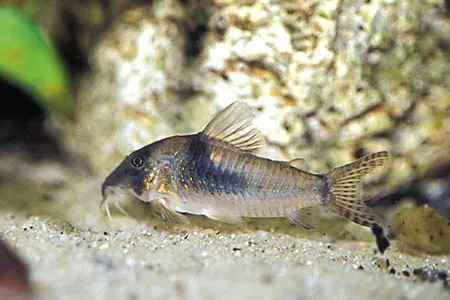 2.4 in (6 cm)20 gal (75 L)75–82°F (24–28°C)
Northern longnose cory
Corydoras septentrionalis
2.4 in (6 cm) · 20 gal (75 L)
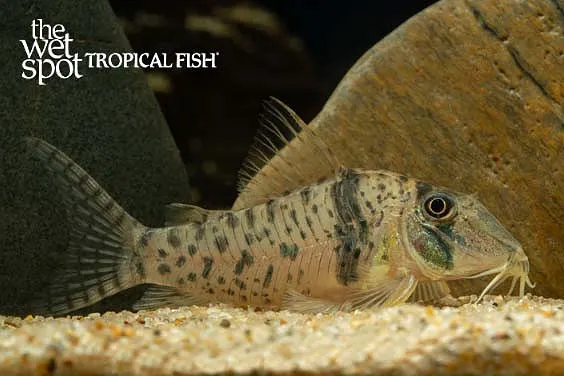 2.4 in (6 cm)20 gal (75 L)73–81°F (23–27°C)
Orces's cory
Corydoras orcesi
2.4 in (6 cm) · 20 gal (75 L)
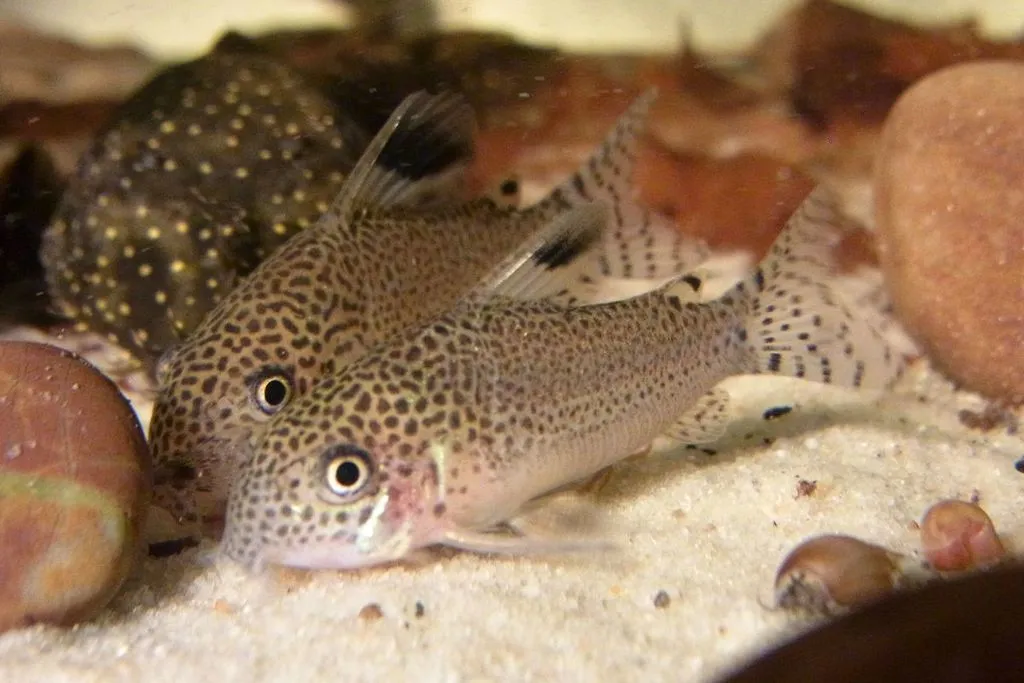 2.4 in (6 cm)16 gal (60 L)73–81°F (23–27°C)
Punctatus cory
Corydoras punctatus
2.4 in (6 cm) · 16 gal (60 L)
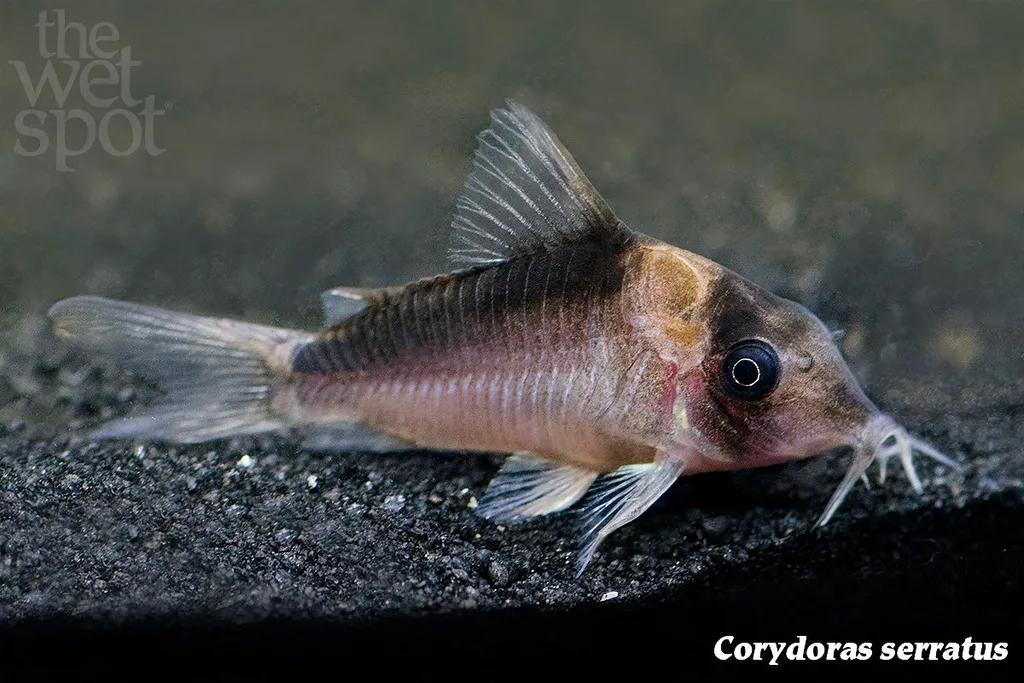 2.4 in (6 cm)20 gal (75 L)77–84°F (25–29°C)
Serratus cory
Corydoras serratus
2.4 in (6 cm) · 20 gal (75 L)
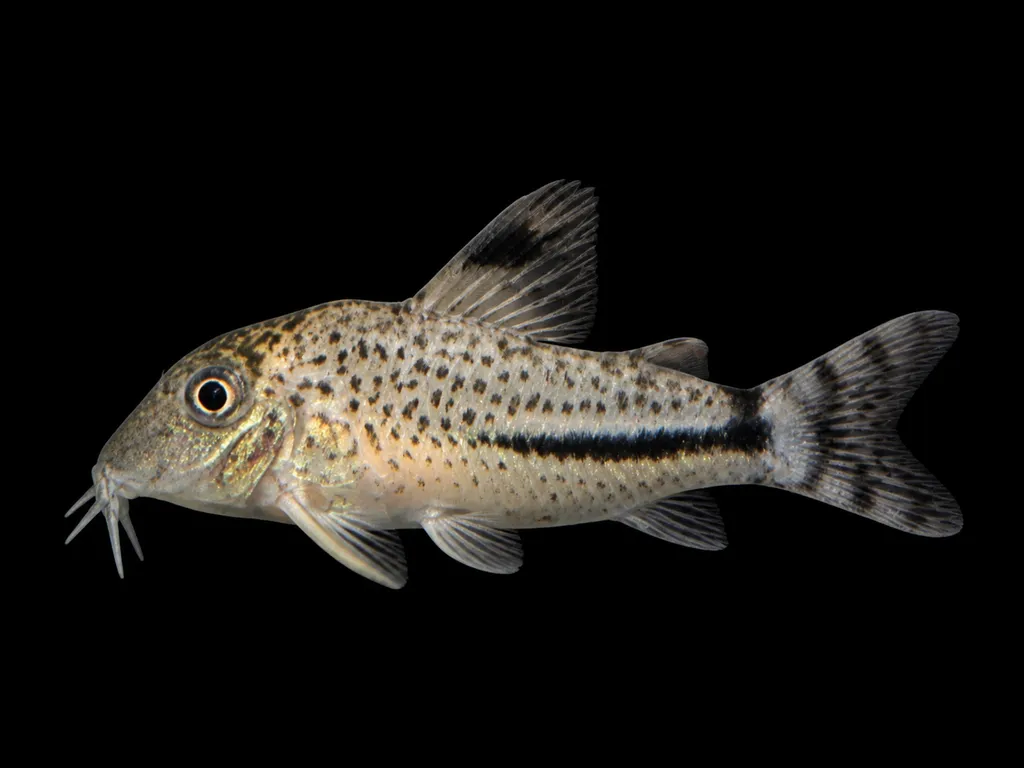 2.6 in (6.5 cm)20 gal (75 L)73–81°F (23–27°C)
Fuller's cory
Corydoras fulleri
2.6 in (6.5 cm) · 20 gal (75 L)
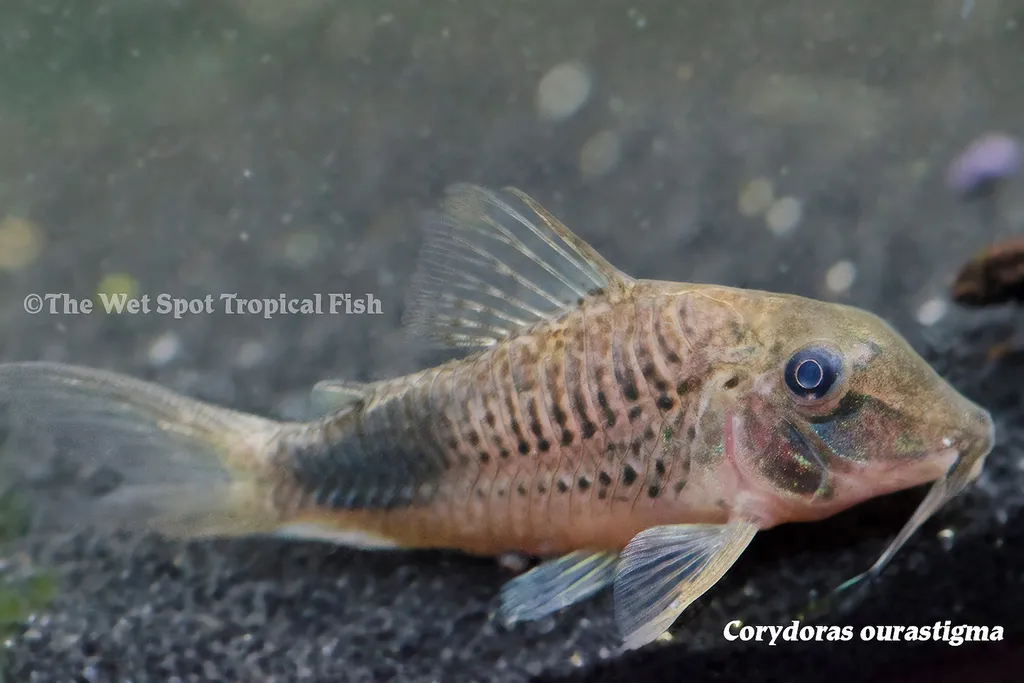 2.6 in (6.5 cm)20 gal (75 L)75–82°F (24–28°C)
Ourastigma cory
Corydoras ourastigma
2.6 in (6.5 cm) · 20 gal (75 L)