Orces's cory
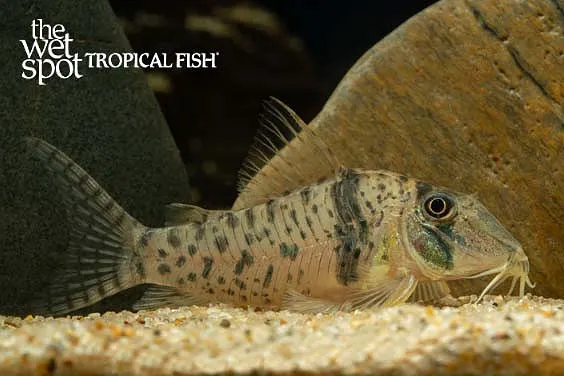
Corydoras orcesi
Also known as Bonita cory, Corydoras pastazensis orcesi
FreshwaterFish
Care at a glance
- Temperature
- 73–81°F
- 23–27°C
- pH
- 5.8–7.2
- Adult size
- 2.4 in
- 6 cm
- Minimum tank
- 20 gal
- 75 L
- Temperament
- Peaceful
- Social behavior
- Shoaling
- Swim level
- Bottom
- Difficulty
- Medium
- Breeding
- No record
- Rarity
- Rare
- Family
- Callichthyidae
- Origin
- Rio Tigre system, Amazonian lowlands of Ecuador
Overview
Orces's cory is a peaceful, long-snouted cory from Ecuador for the sandy bottom of a community tank. It is for a keeper ready to move beyond the easiest fish.
Did you know
Orces's cory started out in science as a subspecies of the pastaza cory, a footnote that later got its own name. Careful keepers still get the two confused.
Caring for the Orces's cory
Keep Orces's cories in a shoal of six, in a tank of at least 20 gal (75 L). Give them a generous, deep bed of fine sand for their snouts, with wood and leaf litter.
Aim for 73 to 81°F (23 to 27°C) and a pH of 5.8 to 7.2. Feed standard cory fare, such as sinking granules and frozen foods.
Orces's cories are peaceful community fish. If you keep both this species and the pastaza cory, house them separately to avoid mixed shoals of the two look-alikes. Ecuadorian exports are few, so the fish is a rarity with no established breeding record.
Good to know
Orces's cory was described by Weitzman and Nijssen in 1970 and named for the Ecuadorian zoologist Gustavo Orces. Most modern lists treat it as a full species, but not every authority agrees. It is told from the pastaza cory by its cleaner body and a differently cut mask. It is also sold as the bonita cory.
In the wild
Orces's cory lives in the Rio Tigre system, in the Amazonian lowlands of Ecuador. It is found over sand in slow forest waters, where this long-snouted forager roots deep into soft bottoms.
Weekly picks
Tank mates
The Orces's cory is a peaceful, shoaling species that keeps to the bottom. These picks share a community profile with it, are safe together in both directions, and overlap on water type, temperature and pH.
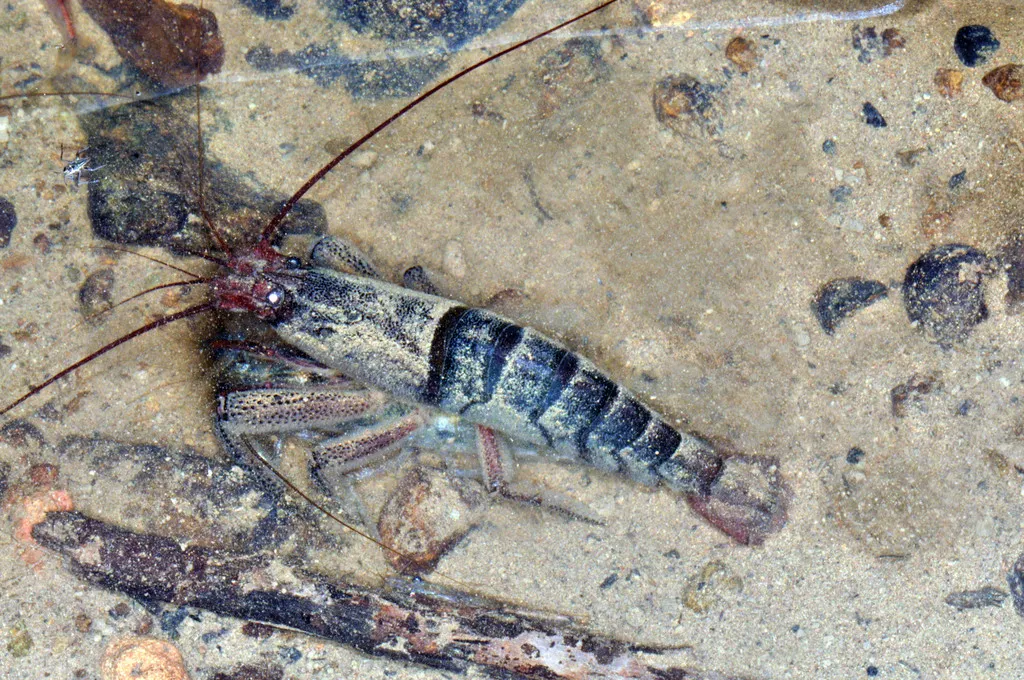
Marble wood shrimp
Atya scabra
Freshwater3.9 in (10 cm) · 20 gal (75 L)73–82°F (23–28°C)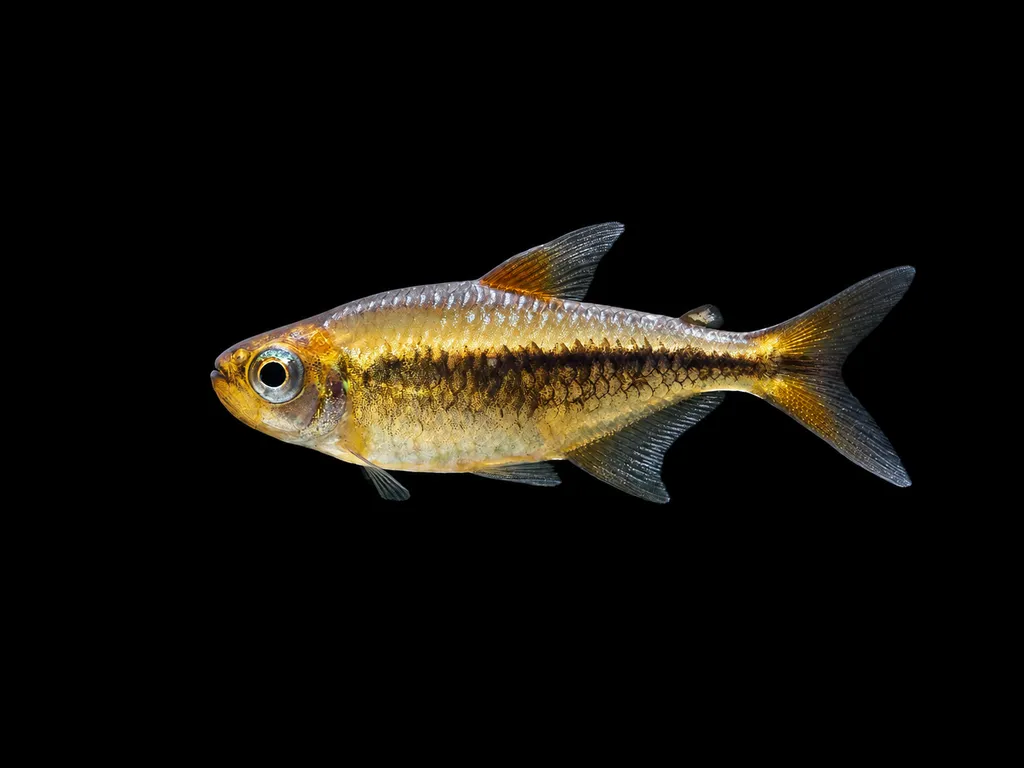
Blackmargin tetra
Moenkhausia nigromarginata
Freshwater2.1 in (5.3 cm) · 20 gal (75 L)73–82°F (23–28°C)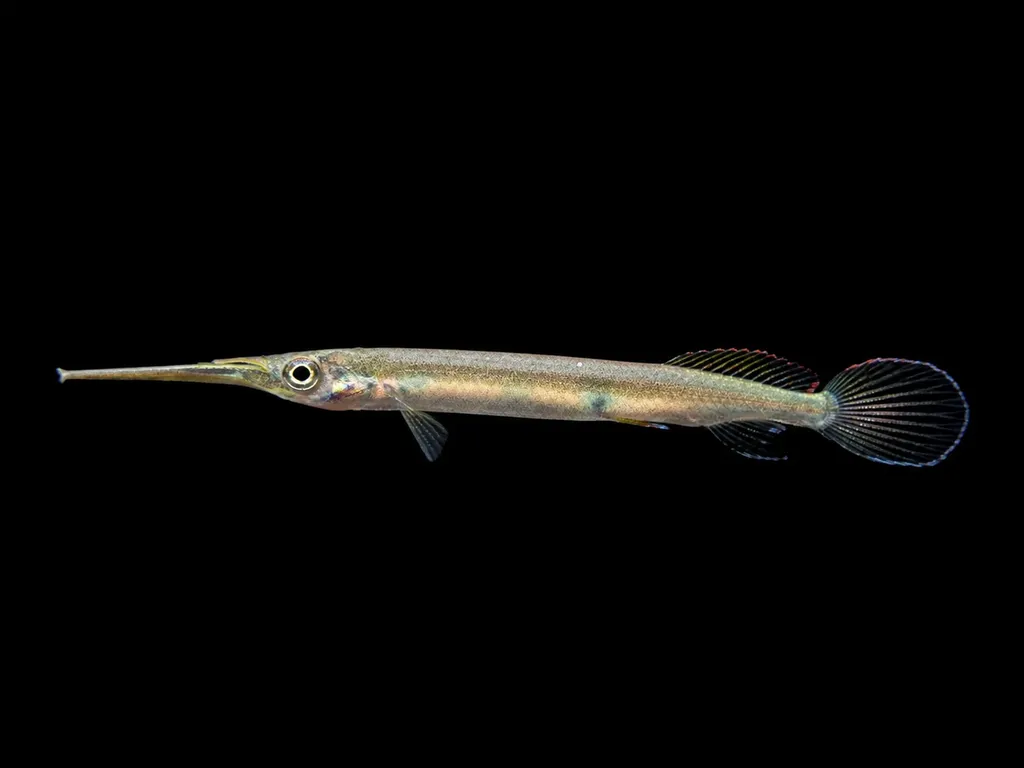
Kuekenthal's halfbeak
Hemirhamphodon kuekenthali
Freshwater3.3 in (8.5 cm) · 20 gal (75 L)73–81°F (23–27°C)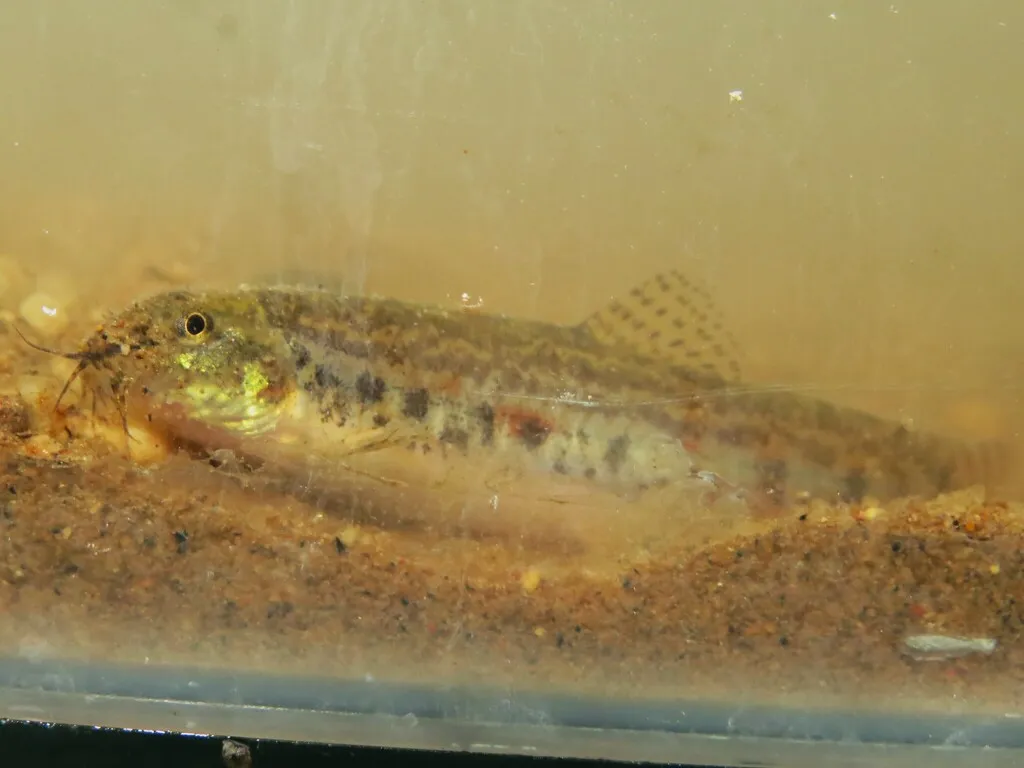
Common spiny loach
Lepidocephalichthys thermalis
Freshwater3.1 in (8 cm) · 20 gal (75 L)72–82°F (22–28°C)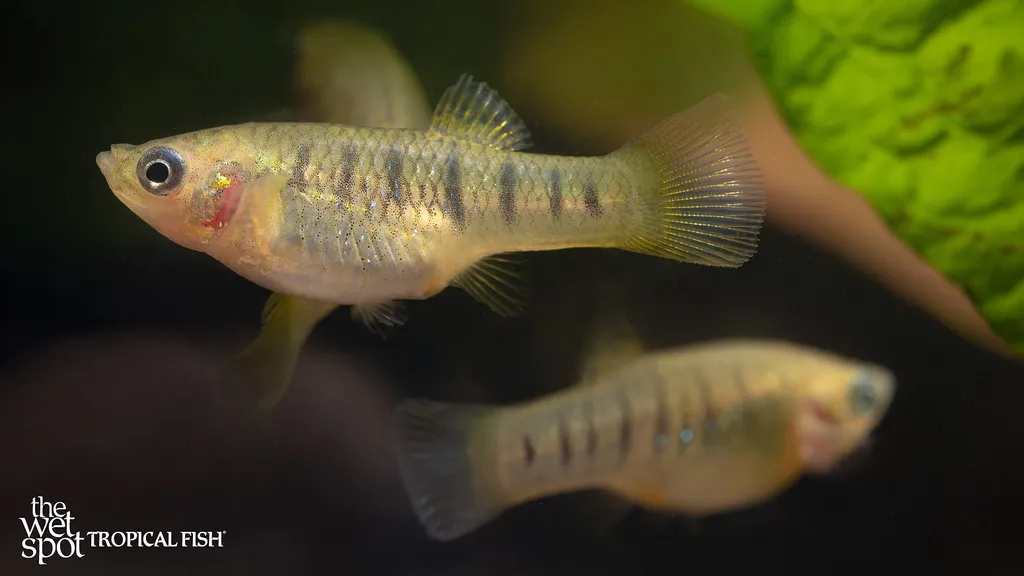
Humpbacked limia
Limia nigrofasciata
Freshwater2.4 in (6 cm) · 20 gal (75 L)72–82°F (22–28°C)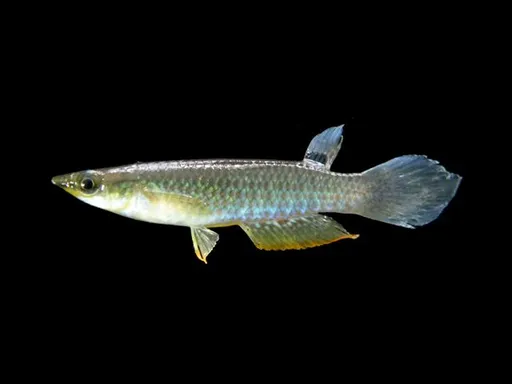
Blue panchax
Aplocheilus panchax
Freshwater3.5 in (9 cm) · 20 gal (75 L)72–82°F (22–28°C)
Common questions
What size tank does an Orces's cory need?
An Orces's cory needs at least 20 gal (75 L). It spends most of its time in the bottom.
What temperature and pH does an Orces's cory need?
An Orces's cory is comfortable at 73–81°F (23–27°C) with a pH of 5.8–7.2.
What does an Orces's cory eat?
An Orces's cory eats standard cory fare, such as sinking granules and frozen foods.
How big does an Orces's cory get?
An adult Orces's cory reaches about 2.4 in (6 cm).
Does an Orces's cory need a group?
Yes. An Orces's cory is a shoaling species and should be kept in a group, not singly.
Related species
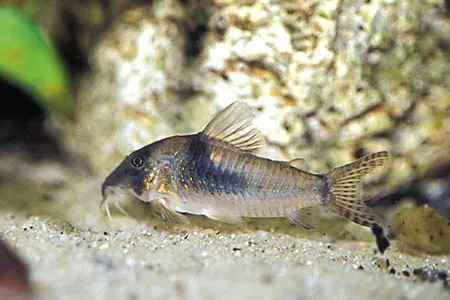 2.4 in (6 cm)20 gal (75 L)75–82°F (24–28°C)
Northern longnose cory
Corydoras septentrionalis
2.4 in (6 cm) · 20 gal (75 L)
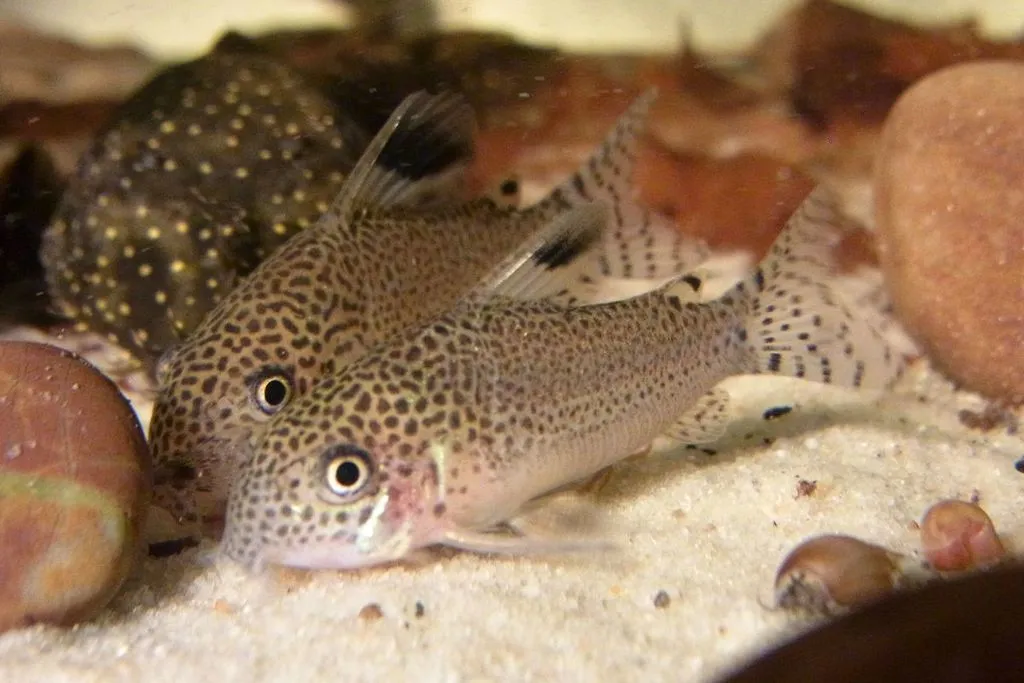 2.4 in (6 cm)16 gal (60 L)73–81°F (23–27°C)
Punctatus cory
Corydoras punctatus
2.4 in (6 cm) · 16 gal (60 L)
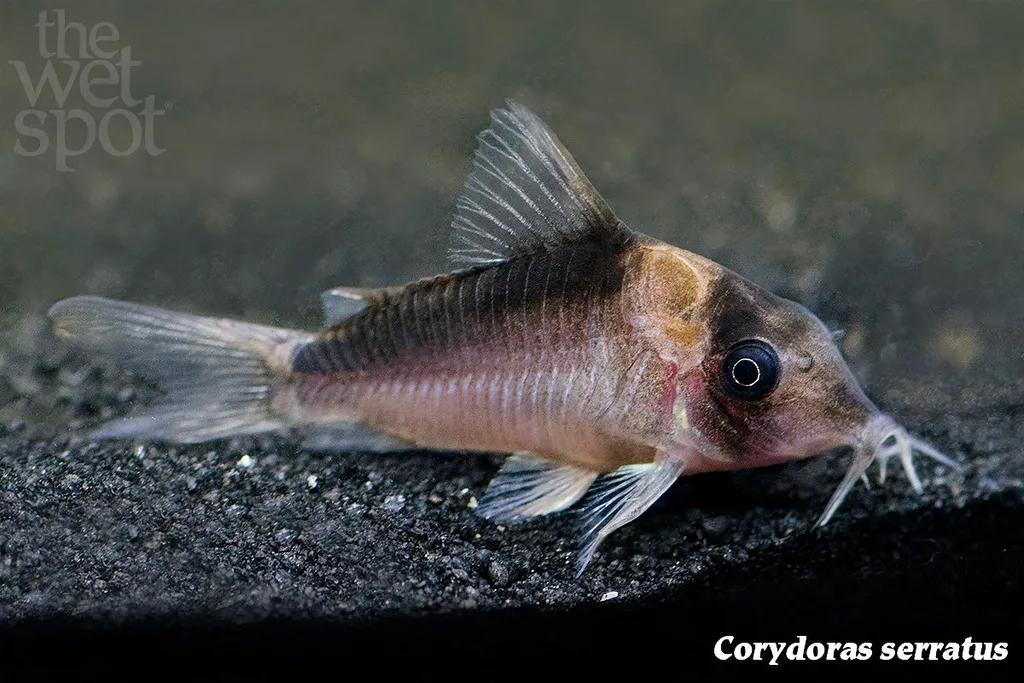 2.4 in (6 cm)20 gal (75 L)77–84°F (25–29°C)
Serratus cory
Corydoras serratus
2.4 in (6 cm) · 20 gal (75 L)
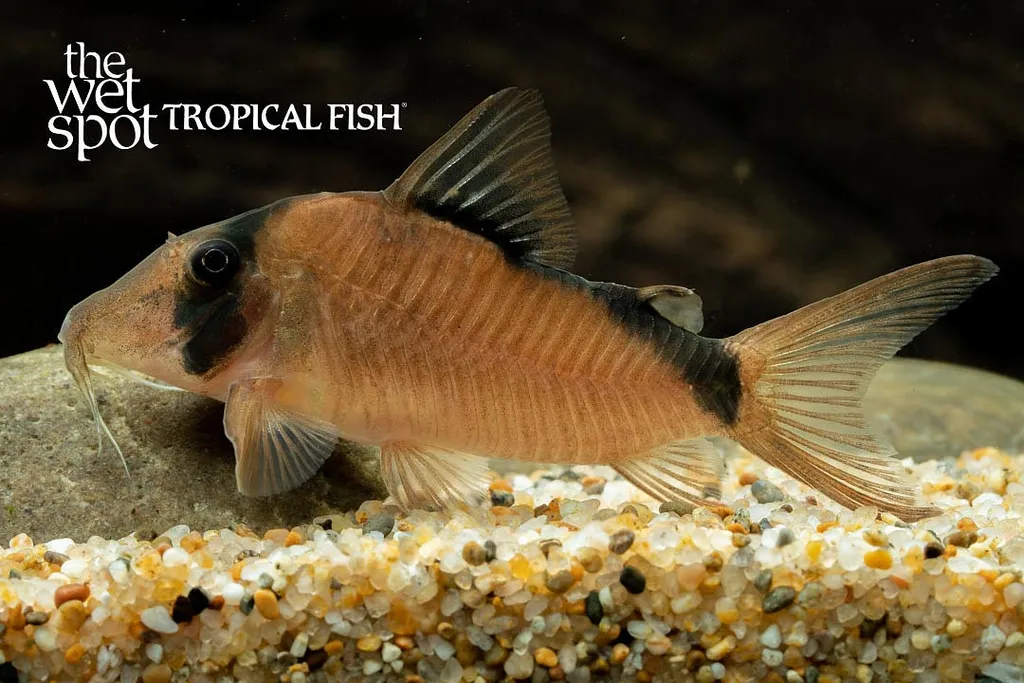 2.4 in (6 cm)20 gal (75 L)73–81°F (23–27°C)
Simulatus cory
Corydoras simulatus
2.4 in (6 cm) · 20 gal (75 L)
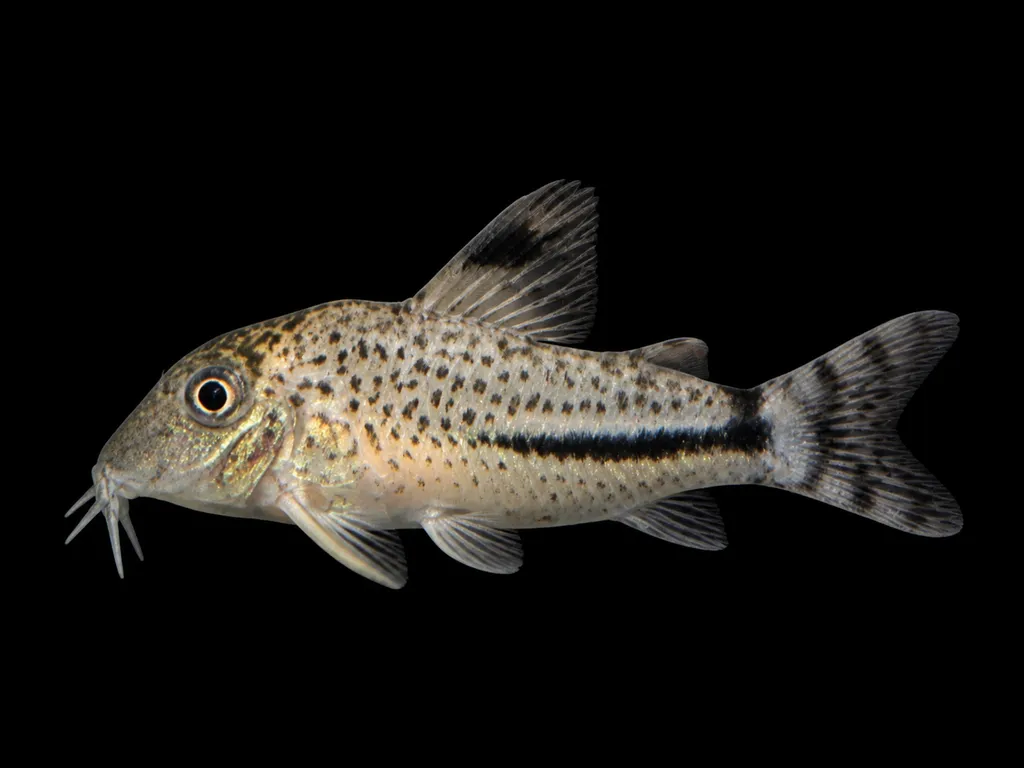 2.6 in (6.5 cm)20 gal (75 L)73–81°F (23–27°C)
Fuller's cory
Corydoras fulleri
2.6 in (6.5 cm) · 20 gal (75 L)
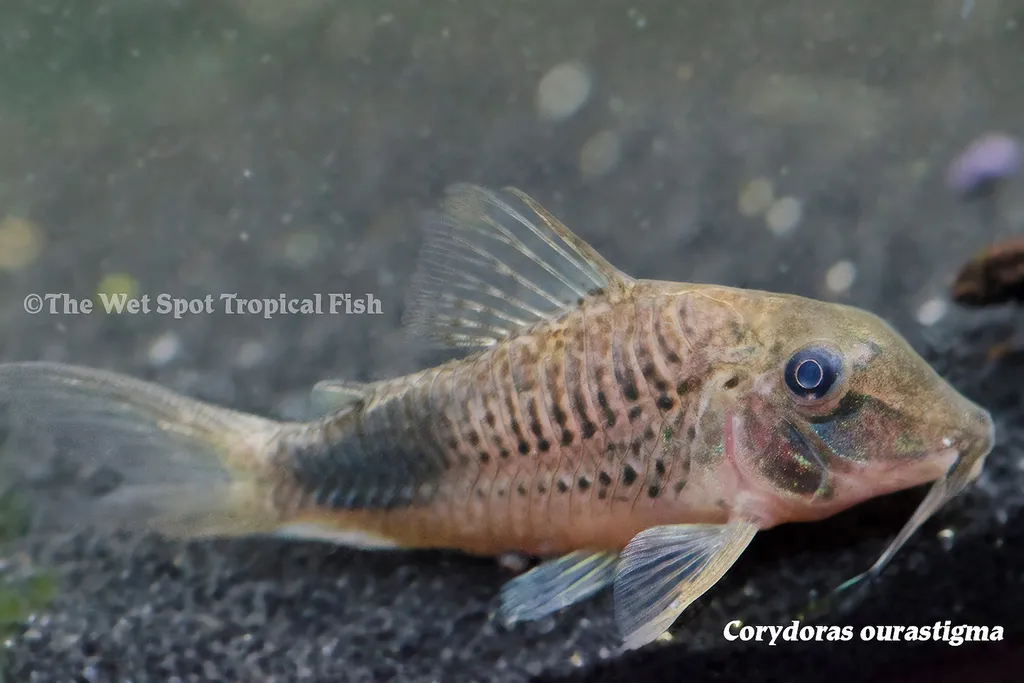 2.6 in (6.5 cm)20 gal (75 L)75–82°F (24–28°C)
Ourastigma cory
Corydoras ourastigma
2.6 in (6.5 cm) · 20 gal (75 L)