Amazon molly
Poecilia formosa
Also known as Mollienesia formosa, Limia formosa
FreshwaterFish
Care at a glance
- Temperature
- 68–82°F
- 20–28°C
- pH
- 7.0–8.2
- Adult size
- 3.5 in
- 9 cm
- Minimum tank
- 20 gal
- 75 L
- Temperament
- Peaceful
- Social behavior
- Social
- Swim level
- Middle
- Difficulty
- Easy
- Breeding
- Medium
- Rarity
- Rare
- Family
- Poeciliidae
- Origin
- Native to the lower Rio Grande and Rio Panuco drainages of southern Texas and northeastern Mexico, in warm, often hard coastal waters.
Overview
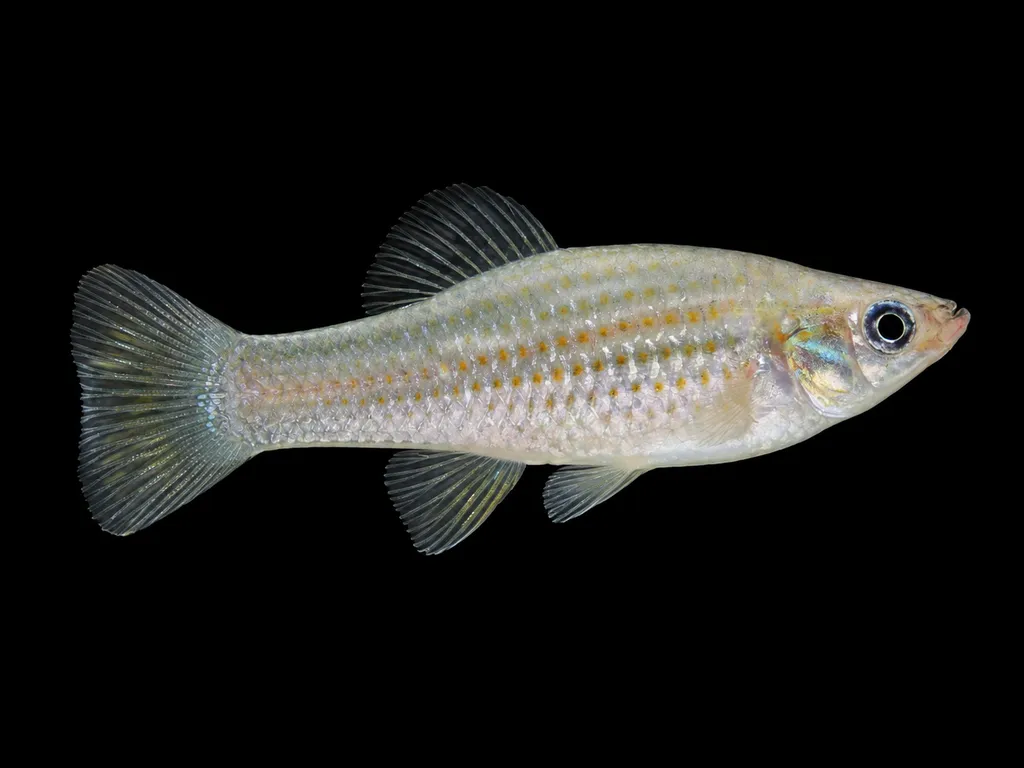
The Amazon molly is a plain silvery to olive molly, famous less for its looks than for how it breeds. It is peaceful and easy to keep.
Did you know
Every Amazon molly is female. The species was the first unisexual vertebrate ever described.
Caring for the Amazon molly
Keep a group of Amazon mollies in a tank of at least 20 gal (75 L), with open swimming space among plants. They spend most of their time in the middle of the tank.
Like all mollies, they want warmth and clean conditions. Keep the water hard, alkaline and stable, at 68 to 82°F (20 to 28°C) and a pH of 7.0 to 8.2. They tolerate slightly brackish water.
Feed a vegetable-rich diet of spirulina flake and blanched greens, plus some frozen foods. Amazon mollies also graze algae and take most prepared foods readily. They are peaceful and safe with other community fish.
Amazon mollies reproduce by gynogenesis, so a female must mate with a male of a related molly to trigger development. The male's genes are not passed on, so the fry are clones of their mother. Keep a few sailfin, shortfin or Atlantic mollies in the tank so the Amazon mollies keep breeding. Breeding them takes moderate effort.
Good to know
Poecilia formosa belongs to the family Poeciliidae. It is a naturally occurring species that arose from an ancient cross between the Atlantic molly and the sailfin molly. It has also been listed as Mollienesia formosa and Limia formosa.
In the wild
The Amazon molly is native to the lower Rio Grande and Rio Panuco drainages of southern Texas and northeastern Mexico. There it lives in warm, often hard coastal waters. A wild population persists only by borrowing sperm from males of other molly species.
Weekly picks
Tank mates
The Amazon molly is a peaceful, social species that keeps to the middle. These picks share a community profile with it, are safe together in both directions, and overlap on water type, temperature and pH.
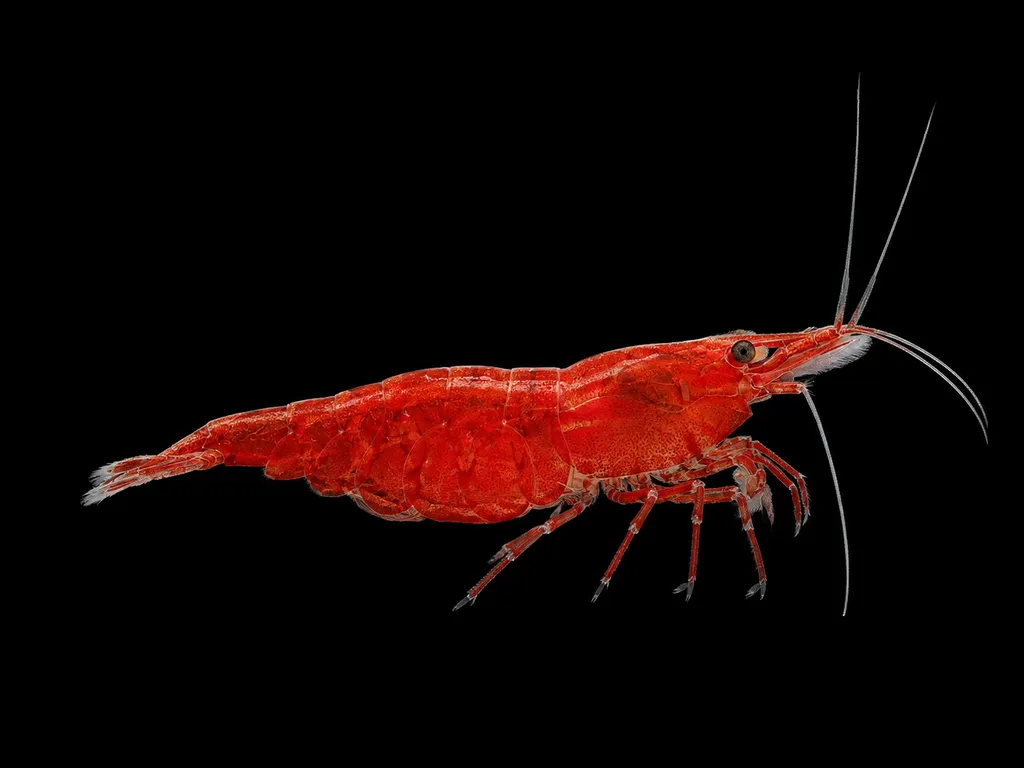
Neocaridina shrimp
Neocaridina davidi
Freshwater1.6 in (4 cm) · 5 gal (19 L)59–84°F (15–29°C)
Neon tetra
Paracheirodon innesi
Freshwater1.5 in (3.8 cm) · 11 gal (40 L)70–77°F (21–25°C)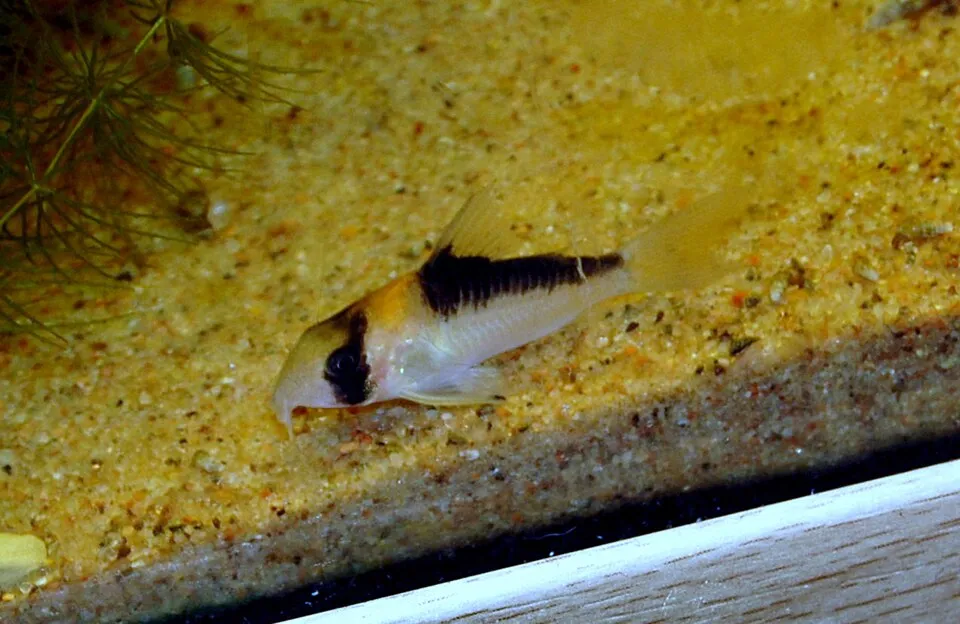
Adolfo's cory
Hoplisoma adolfoi
Freshwater2.4 in (6 cm) · 20 gal (75 L)70–79°F (21–26°C)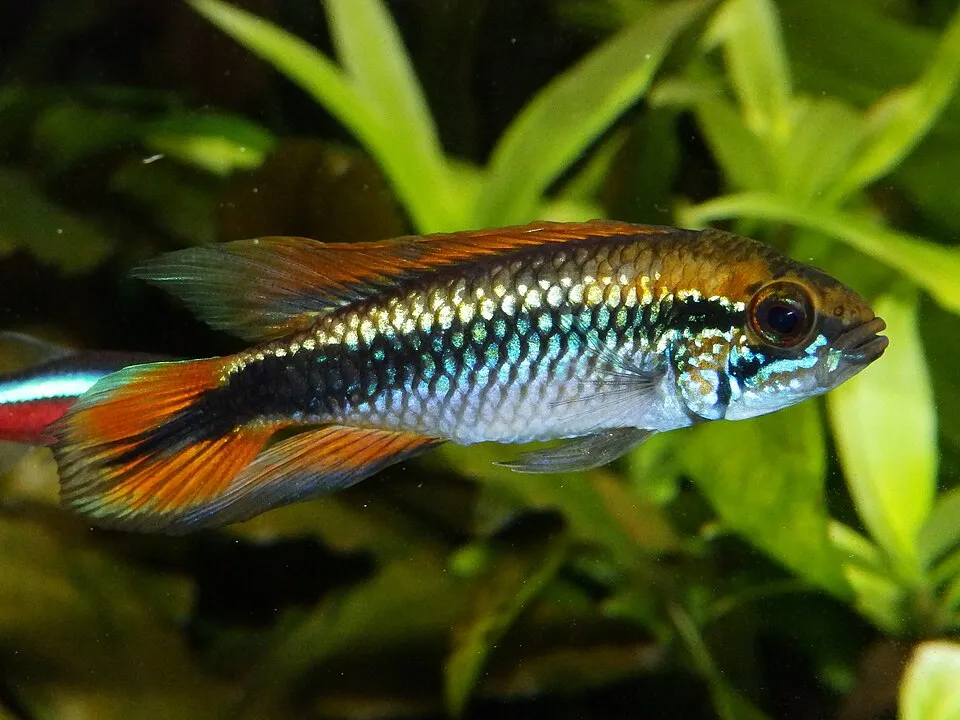
Agassiz's dwarf cichlid
Apistogramma agassizii
Freshwater3.5 in (9 cm) · 20 gal (75 L)72–84°F (22–29°C)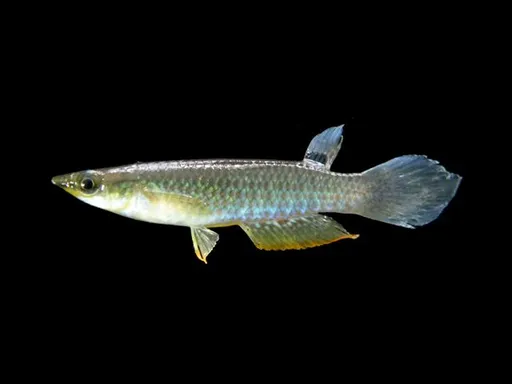
Blue panchax
Aplocheilus panchax
Freshwater3.5 in (9 cm) · 20 gal (75 L)72–82°F (22–28°C)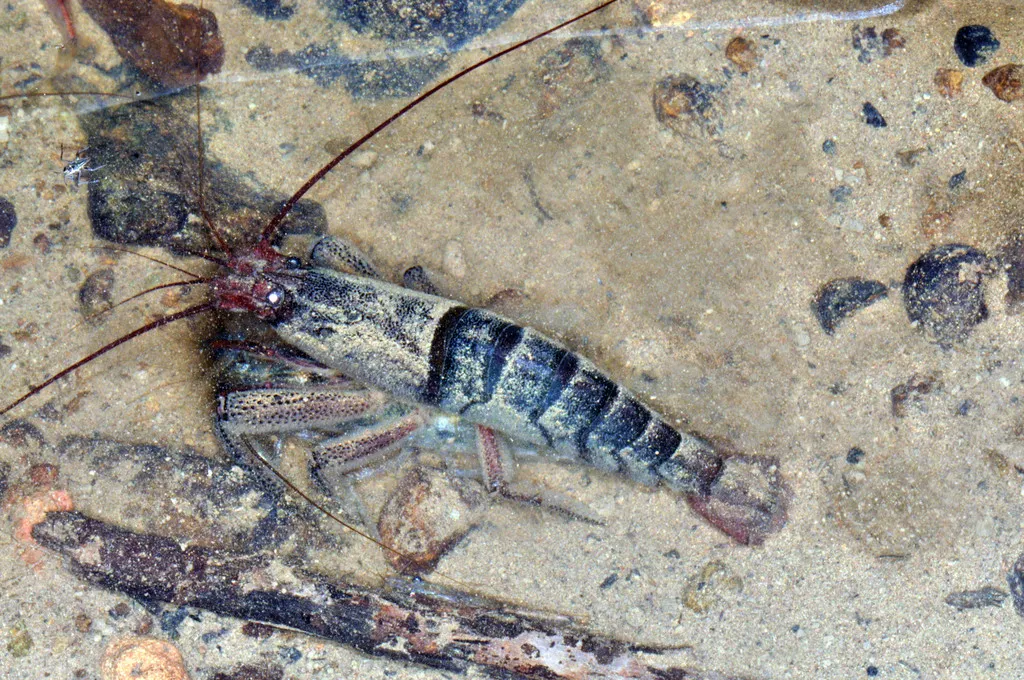
Marble wood shrimp
Atya scabra
Freshwater3.9 in (10 cm) · 20 gal (75 L)73–82°F (23–28°C)
Common questions
What size tank does an Amazon molly need?
An Amazon molly needs at least 20 gal (75 L). It spends most of its time in the middle.
What temperature and pH does an Amazon molly need?
An Amazon molly is comfortable at 68–82°F (20–28°C) with a pH of 7.0–8.2.
What does an Amazon molly eat?
An Amazon molly eats a vegetable-rich diet of spirulina flake and blanched greens, plus some frozen foods. It also grazes algae and takes most prepared foods readily.
How big does an Amazon molly get?
An adult Amazon molly reaches about 3.5 in (9 cm).
How does an Amazon molly breed?
An Amazon molly reproduces by gynogenesis, mating with a male of a related molly to trigger development. The male's genes are not passed on, so the fry are clones of their mother. Breeding takes moderate effort.
Related species
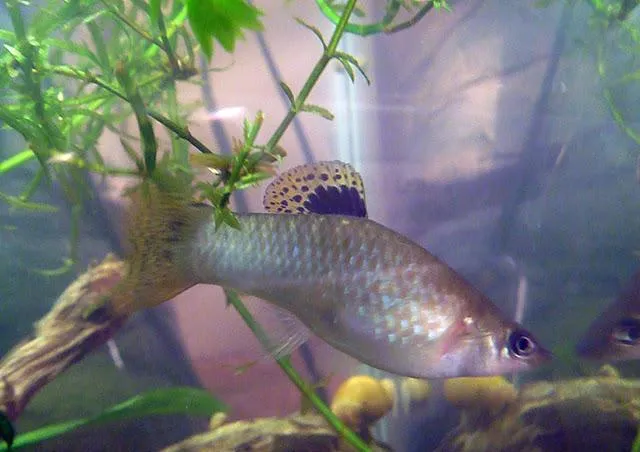 3.9 in (10 cm)26 gal (100 L)72–86°F (22–30°C)
Gill's molly
Poecilia gillii
3.9 in (10 cm) · 26 gal (100 L)
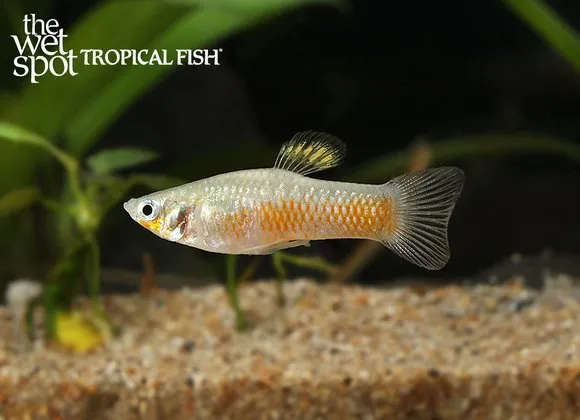 3.1 in (8 cm)20 gal (75 L)72–81°F (22–27°C)
Southern molly
Poecilia vivipara
3.1 in (8 cm) · 20 gal (75 L)
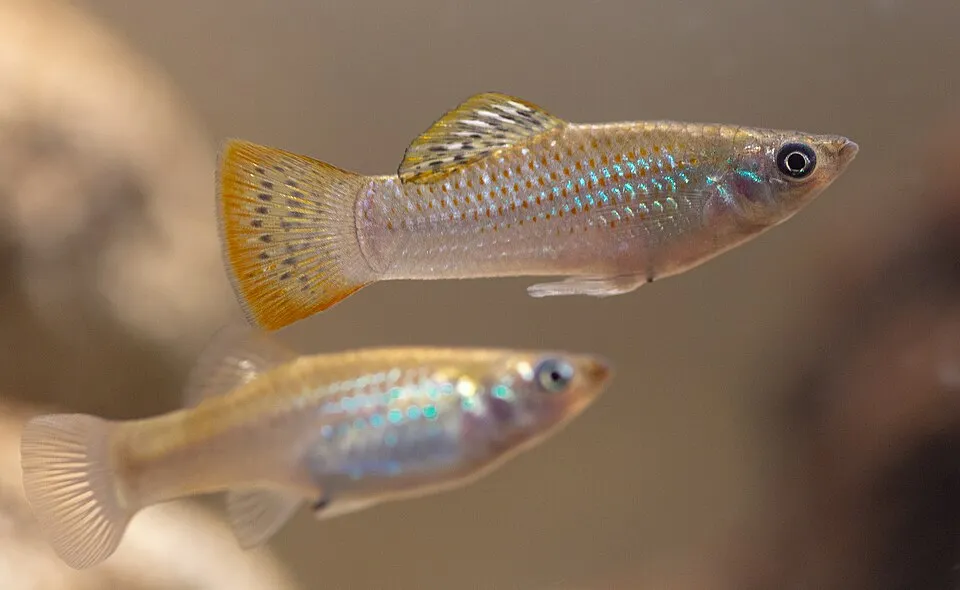 4.3 in (11 cm)32 gal (120 L)72–82°F (22–28°C)
Shortfin molly
Poecilia mexicana
4.3 in (11 cm) · 32 gal (120 L)
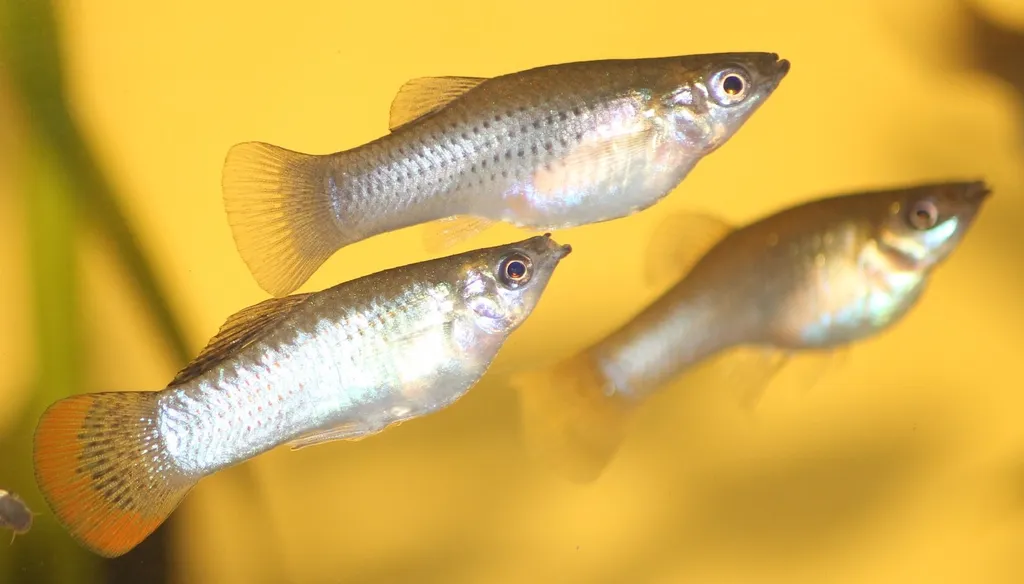 2.8 in (7 cm)29 gal (110 L)72–81°F (22–27°C)
Pacific molly
Poecilia butleri
2.8 in (7 cm) · 29 gal (110 L)
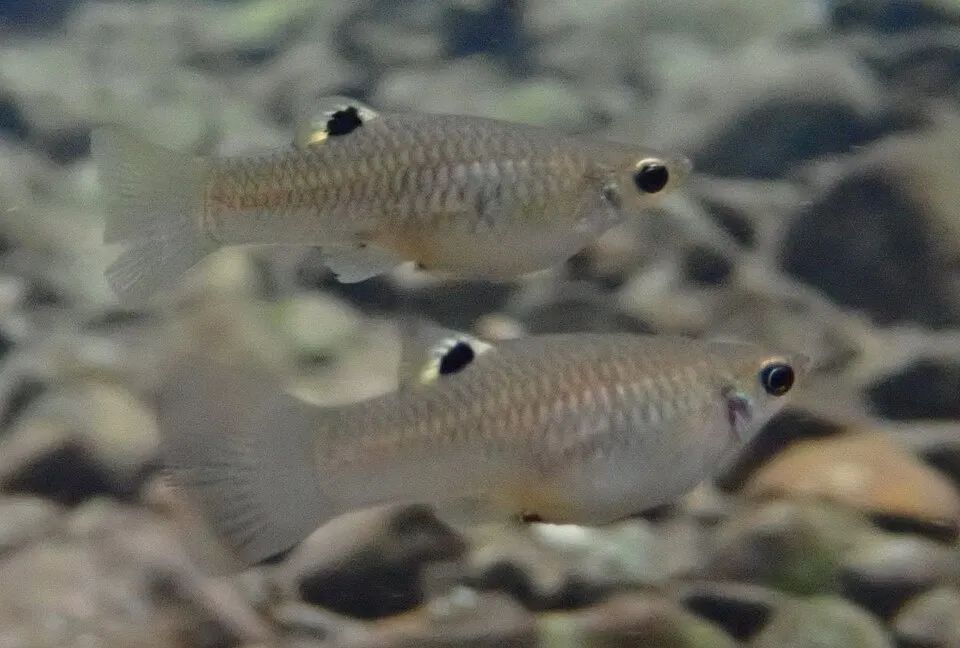 2.4 in (6 cm)16 gal (60 L)77–86°F (25–30°C)
Cauca molly
Poecilia caucana
2.4 in (6 cm) · 16 gal (60 L)
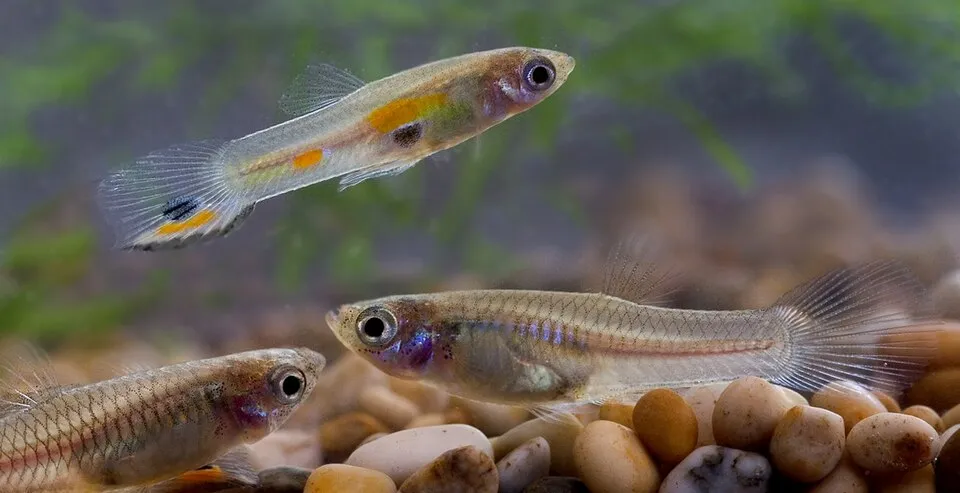 2.4 in (6 cm)10 gal (38 L)64–82°F (18–28°C)
Guppy
Poecilia reticulata
2.4 in (6 cm) · 10 gal (38 L)