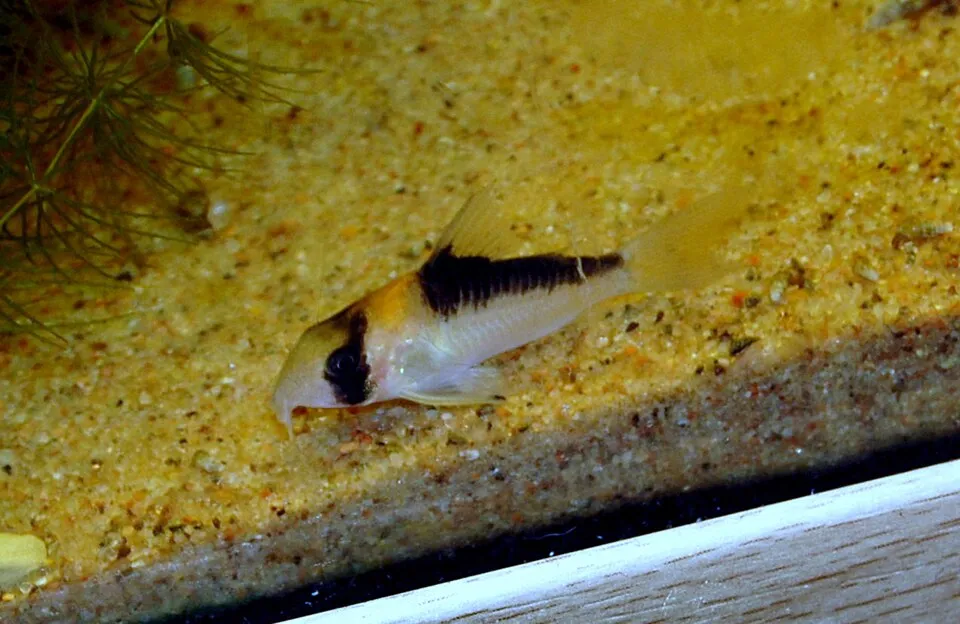
Adolfo's cory
Hoplisoma adolfoi
Also known as Corydoras adolfoi, Adolfo's Hoplisoma
FreshwaterFish
Care at a glance
- Temperature
- 70–79°F
- 21–26°C
- pH
- 6.0–7.2
- Adult size
- 2.4 in
- 6 cm
- Minimum tank
- 20 gal
- 75 L
- Temperament
- Peaceful
- Social behavior
- Shoaling
- Swim level
- Bottom
- Diet
- Omnivore
- Difficulty
- Easy
- Breeding
- Egg layer · Hard
- Rarity
- Common
- Family
- Callichthyidae
- Origin
- Brazil
Overview
Adolfo's cory is a small, peaceful armored catfish for the bottom of a community tank. It is easy to keep.
Did you know
Adolfo's cory is named after Adolfo Schwartz, a Brazilian fish exporter who first brought it to the trade. It is easy to confuse with the false cory, Corydoras imitator, which copies its pattern almost exactly.
Caring for the Adolfo's cory
Keep Adolfo's cories in a group of at least six, and more if you have room, since they get nervous on their own. They need a tank of at least 20 gal (75 L). Give them a fine sand bottom, some dried leaves or wood, and gentle filtration.
Soft, slightly acidic water keeps them comfortable, at 70 to 79°F (21 to 26°C) and a pH of 6.0 to 7.2. Feed sinking pellets, frozen bloodworms and the odd algae wafer. They sift the sand for food with their barbels, so make sure food actually reaches the floor.
Adolfo's cories are peaceful and mix well with small, calm community fish. They are egg layers, and breeding them is on the harder side. A cool water change usually triggers spawning.
Good to know
Adolfo's cory, Hoplisoma adolfoi, belongs to Callichthyidae, the armored catfish family. Like other cories, its body is covered in bony plates rather than scales. Healthy fish can live well past five years.
In the wild
Adolfo's cory comes from blackwater tributaries of the upper Rio Negro in Brazil. The water there is soft and acidic, stained brown by leaf litter over sand.
Weekly picks
Tank mates
The Adolfo's cory is a peaceful, shoaling species that keeps to the bottom. These picks share a community profile with it, are safe together in both directions, and overlap on water type, temperature and pH.
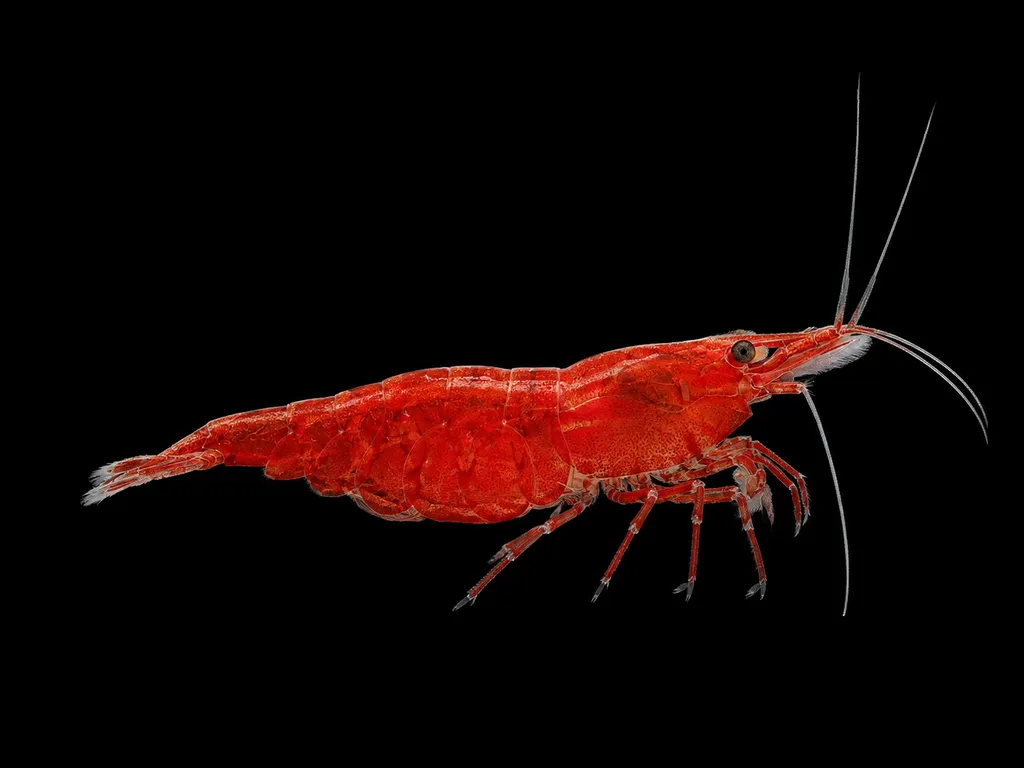
Neocaridina shrimp
Neocaridina davidi
Freshwater1.6 in (4 cm) · 5 gal (19 L)59–84°F (15–29°C)
Guppy
Poecilia reticulata
FreshwaterBrackish2.4 in (6 cm) · 10 gal (38 L)64–82°F (18–28°C)
Neon tetra
Paracheirodon innesi
Freshwater1.5 in (3.8 cm) · 11 gal (40 L)70–77°F (21–25°C)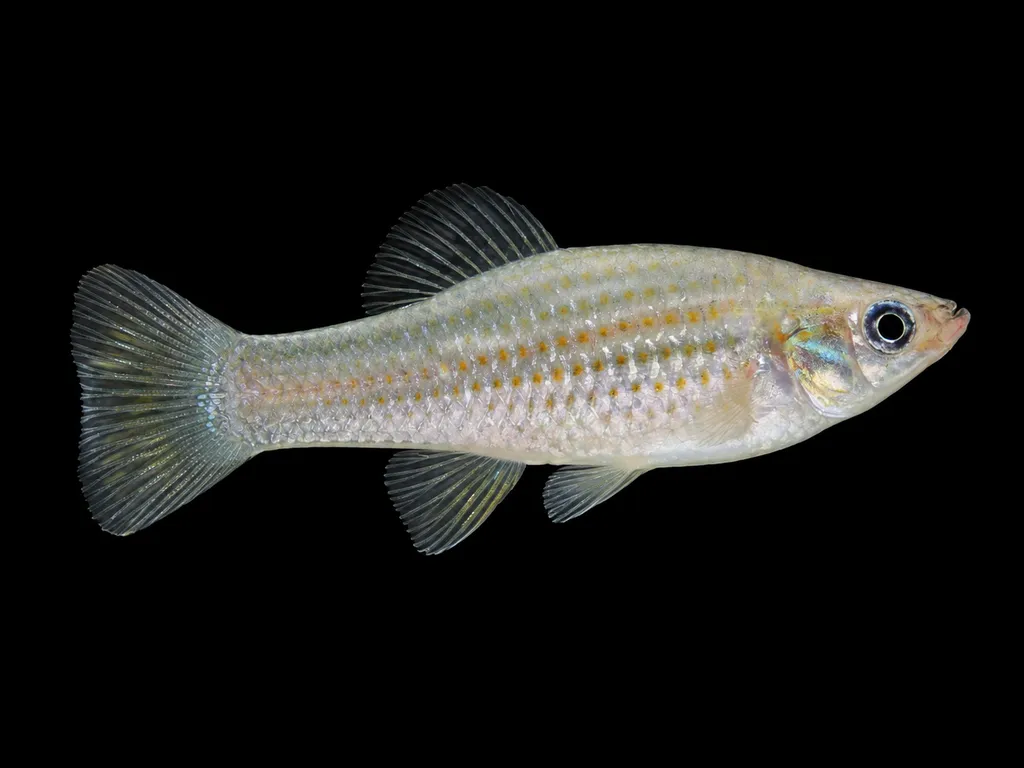
Amazon molly
Poecilia formosa
Freshwater3.5 in (9 cm) · 20 gal (75 L)68–82°F (20–28°C)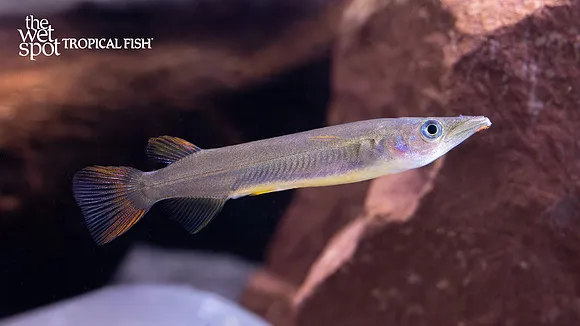
Rex halfbeak
Nomorhamphus rex
Freshwater2.2 in (5.5 cm) · 20 gal (75 L)72–79°F (22–26°C)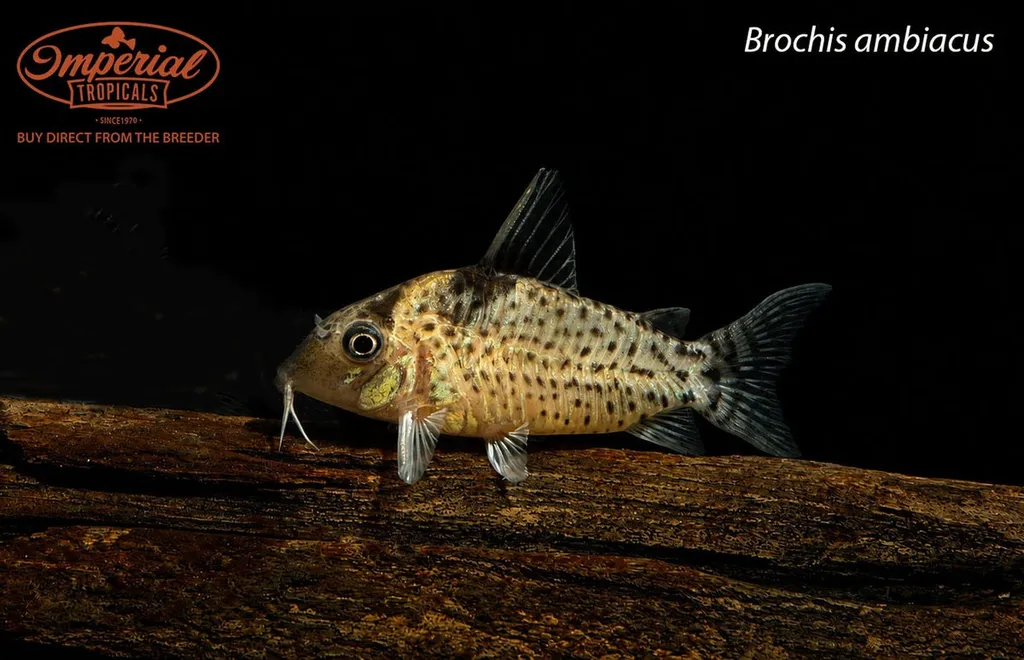
Spotted cory
Brochis ambiacus
Freshwater2.6 in (6.5 cm) · 20 gal (75 L)70–81°F (21–27°C)
Common questions
What size tank does an Adolfo's cory need?
An Adolfo's cory needs at least 20 gal (75 L). It spends most of its time in the bottom.
What temperature and pH does an Adolfo's cory need?
An Adolfo's cory is comfortable at 70–79°F (21–26°C) with a pH of 6.0–7.2.
What does an Adolfo's cory eat?
An Adolfo's cory eats sinking pellets, frozen bloodworms and the odd algae wafer. It sifts the sand with its barbels, so the food needs to reach the floor.
How big does an Adolfo's cory get?
An adult Adolfo's cory reaches about 2.4 in (6 cm).
Does an Adolfo's cory need a group?
Yes. An Adolfo's cory is a shoaling species and should be kept in a group, not singly.
How does an Adolfo's cory breed?
Adolfo's cories are egg layers, and breeding them is on the harder side. A cool water change usually triggers them to spawn.
Related species
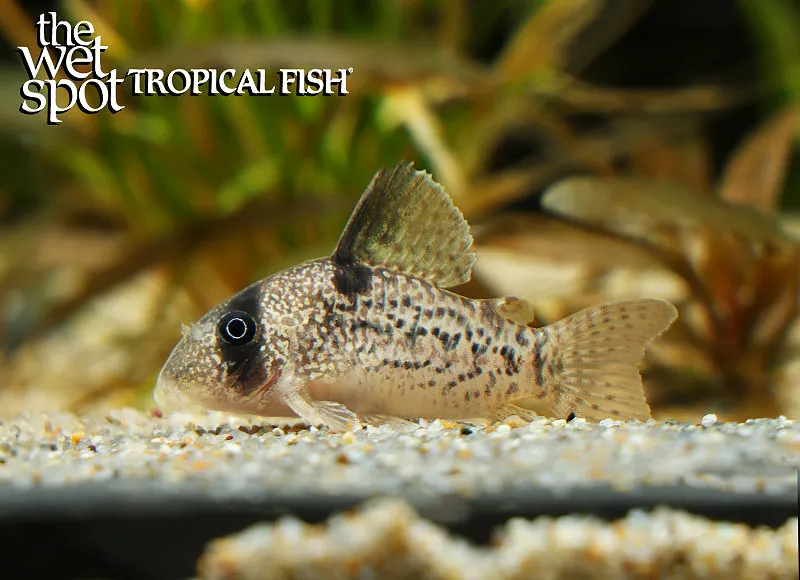 2.4 in (6 cm)16 gal (60 L)75–82°F (24–28°C)
Ancestor cory
Hoplisoma noxium
2.4 in (6 cm) · 16 gal (60 L)
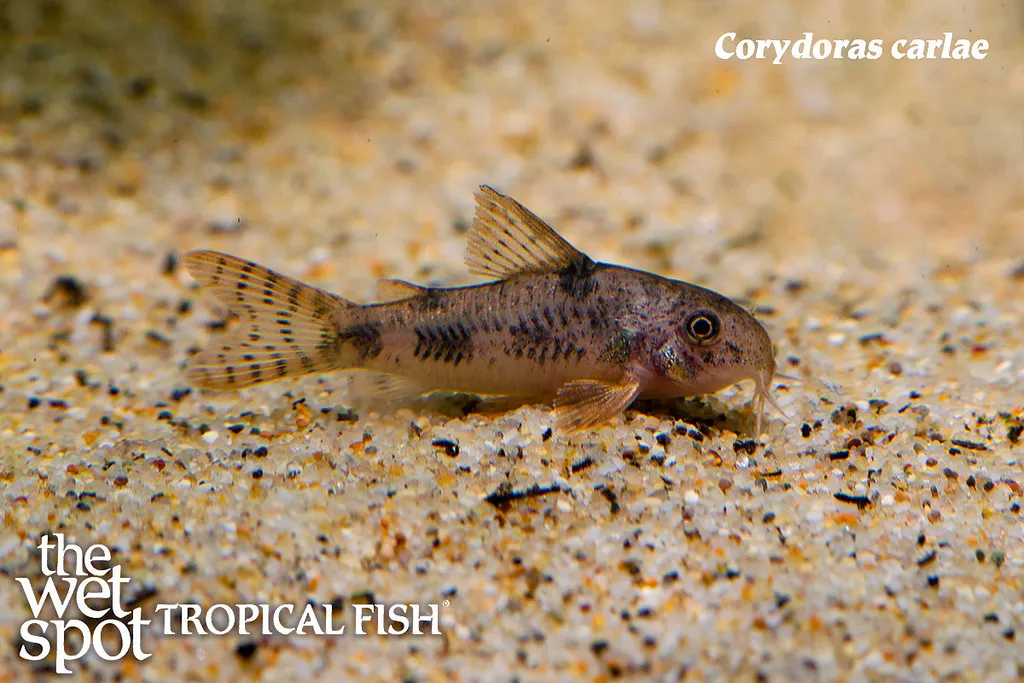 2.4 in (6 cm)16 gal (60 L)68–77°F (20–25°C)
Carla's cory
Hoplisoma carlae
2.4 in (6 cm) · 16 gal (60 L)
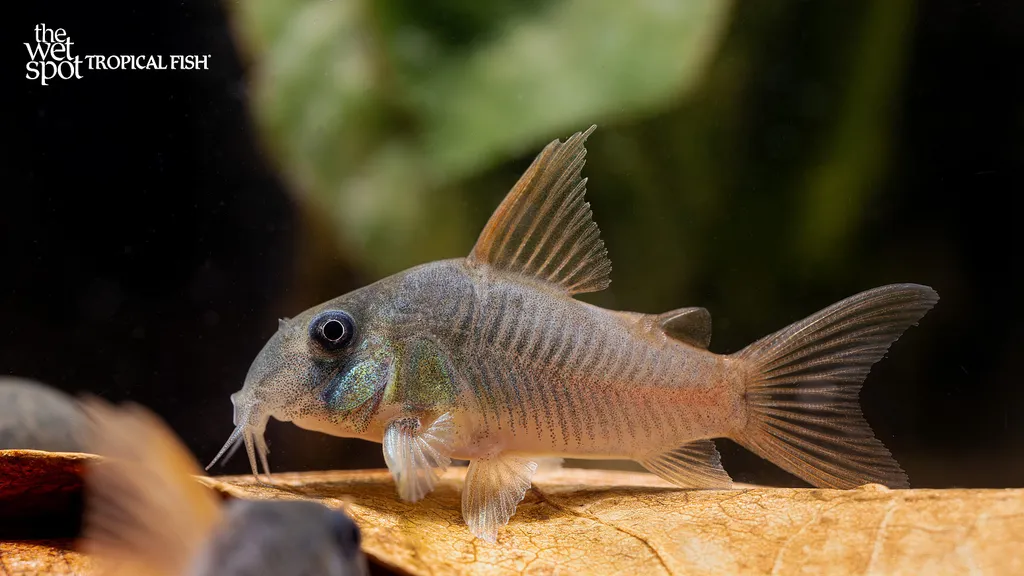 2.4 in (6 cm)20 gal (75 L)72–79°F (22–26°C)
Concolor cory
Hoplisoma concolor
2.4 in (6 cm) · 20 gal (75 L)
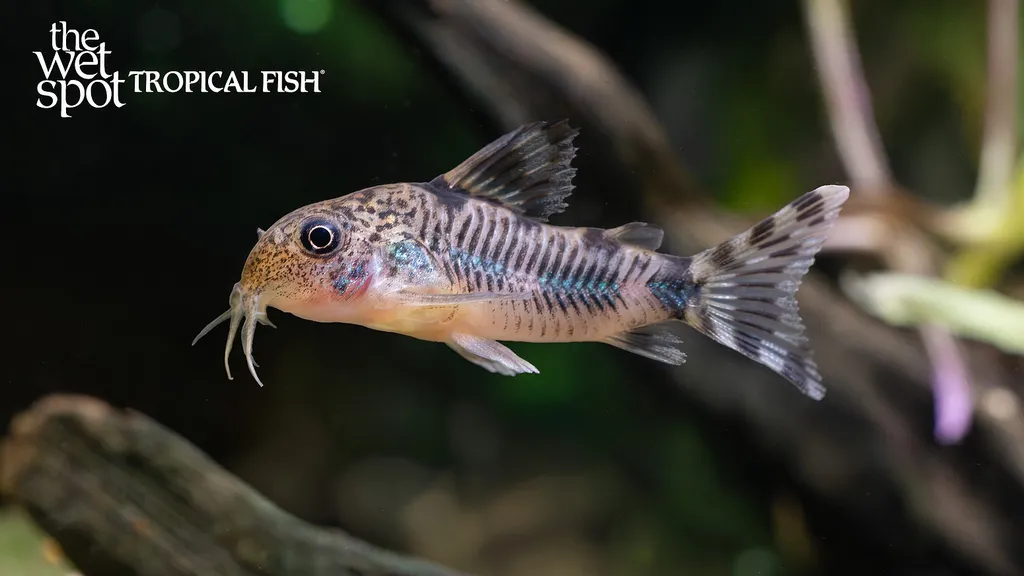 2.4 in (6 cm)20 gal (75 L)72–79°F (22–26°C)
Froehlich's cory
Hoplisoma froehlichi
2.4 in (6 cm) · 20 gal (75 L)
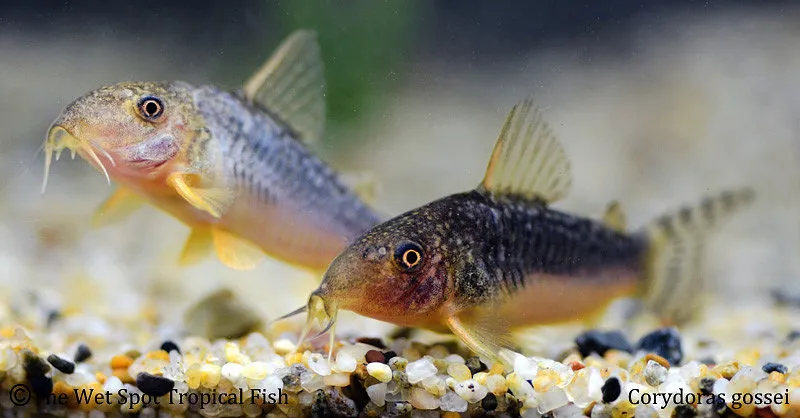 2.4 in (6 cm)20 gal (75 L)72–79°F (22–26°C)
Gossei cory
Hoplisoma gossei
2.4 in (6 cm) · 20 gal (75 L)
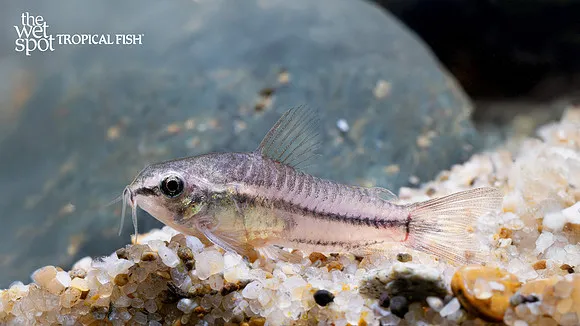 2.4 in (6 cm)21 gal (80 L)72–79°F (22–26°C)
Sands cory
Hoplisoma davidsandsi
2.4 in (6 cm) · 21 gal (80 L)