Southern molly
Poecilia vivipara
Also known as Vivipara molly
FreshwaterFish
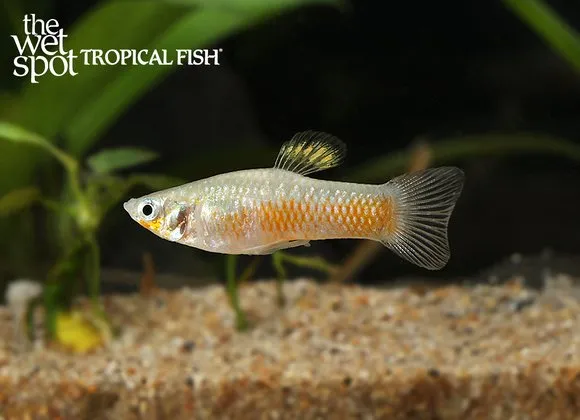
Care at a glance
- Temperature
- 72–81°F
- 22–27°C
- pH
- 7.0–8.2
- Adult size
- 3.1 in
- 8 cm
- Minimum tank
- 20 gal
- 75 L
- Temperament
- Peaceful
- Social behavior
- Social
- Swim level
- Middle
- Diet
- Omnivore
- Difficulty
- Medium
- Breeding
- Livebearer · Easy
- Rarity
- Rare
- Family
- Poeciliidae
- Origin
- Atlantic South America, Venezuela to Argentina
Overview
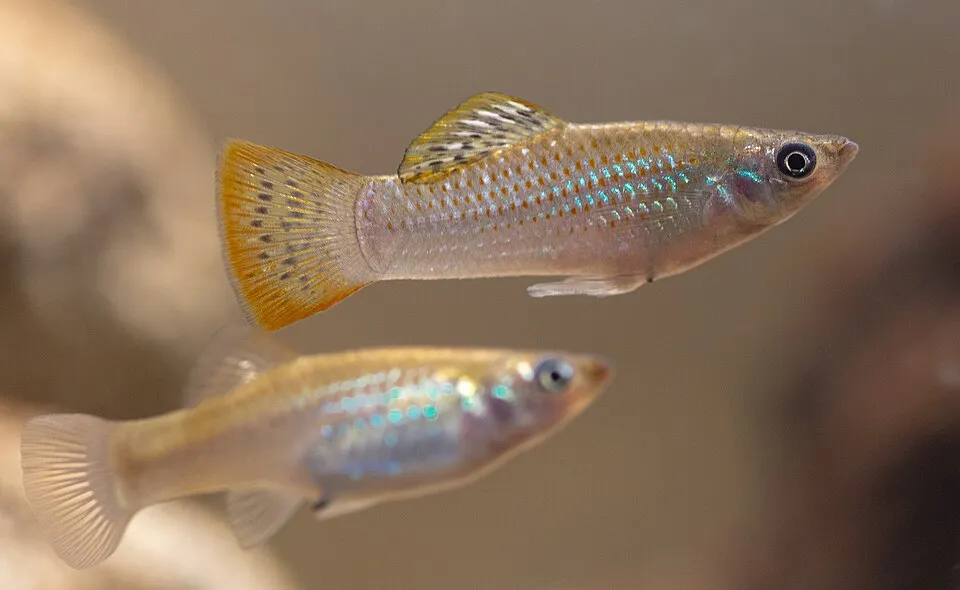
The southern molly is a hardy, adaptable livebearer for the middle of a hard-water community tank. It is a step up from the easiest fish.
Caring for the southern molly
Southern mollies do well as a colony, and a female-heavy group keeps courtship from focusing on any single fish. Give a colony a tank of 20 gal (75 L) or larger. They keep to the middle water and stay active, so leave open room between plants.
Keep the water hard and warm, at 72 to 81°F (22 to 27°C) and a pH of 7.0 to 8.2, with good filtration. They hold condition best in fresh, mineral-rich water. They handle a little added salt easily but do not need it.
Feed them as omnivores with a strong plant component. Offer algae and spirulina, blanched vegetables, flake, pellets and frozen foods.
Southern mollies are peaceful and get on with other tough, hard-water community fish. Very small or timid species suit them less well.
Females give birth to live young rather than laying eggs. Breeding them is easy, and they produce broods readily in a mature aquarium.
Good to know
The southern molly, Poecilia vivipara, was named by Bloch and Schneider in 1801, in the same work that established the genus. Its species name, vivipara, reflects its live-bearing habit. It sits in the large livebearer family Poeciliidae.
In the wild
The southern molly lives along the Atlantic coast of South America, from Venezuela to Argentina. It is found in coastal fresh and brackish waters, including lagoons that can turn quite salty.
Weekly picks
Tank mates
The southern molly is a peaceful, social species that keeps to the middle. These picks share a community profile with it, are safe together in both directions, and overlap on water type, temperature and pH.
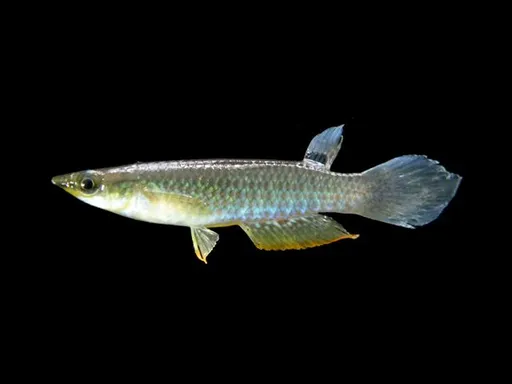
Blue panchax
Aplocheilus panchax
Freshwater3.5 in (9 cm) · 20 gal (75 L)72–82°F (22–28°C)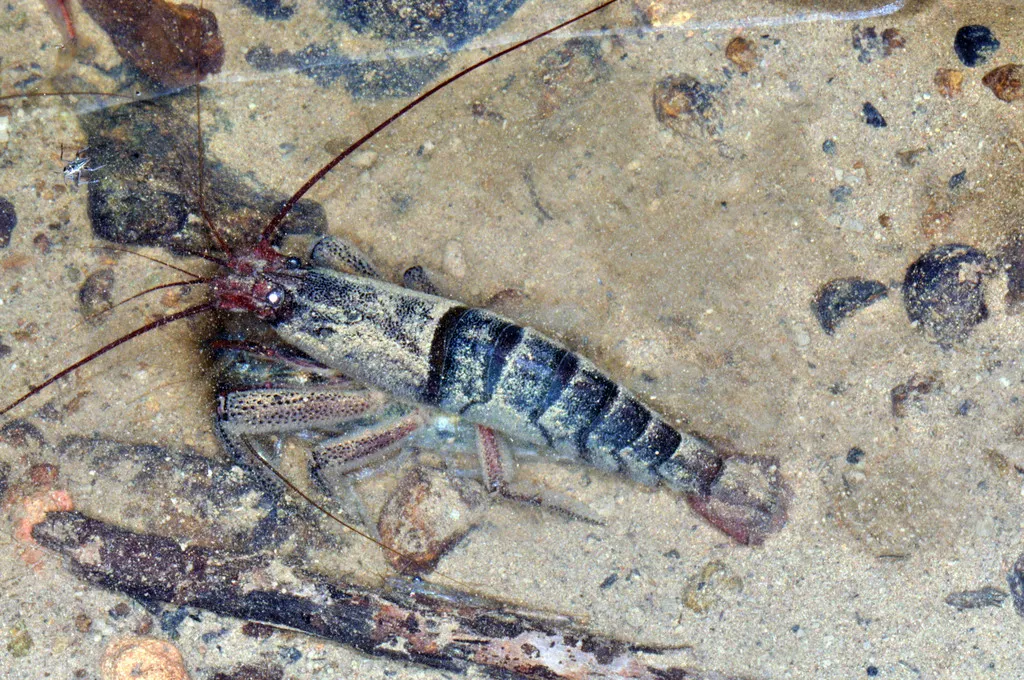
Marble wood shrimp
Atya scabra
Freshwater3.9 in (10 cm) · 20 gal (75 L)73–82°F (23–28°C)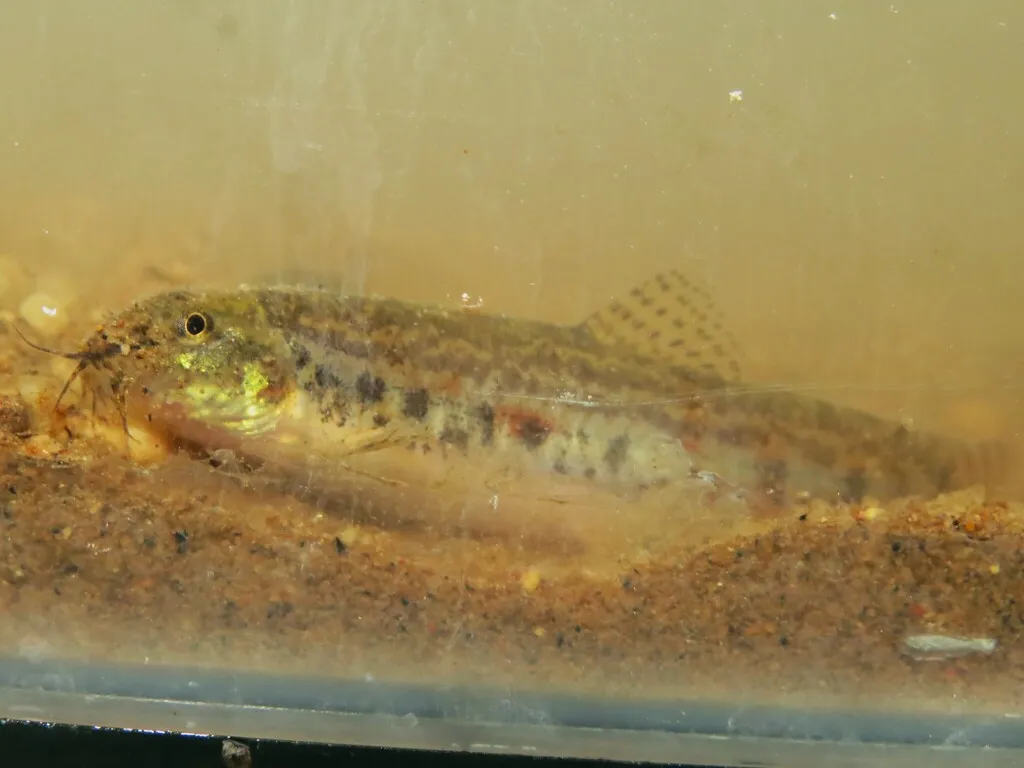
Common spiny loach
Lepidocephalichthys thermalis
Freshwater3.1 in (8 cm) · 20 gal (75 L)72–82°F (22–28°C)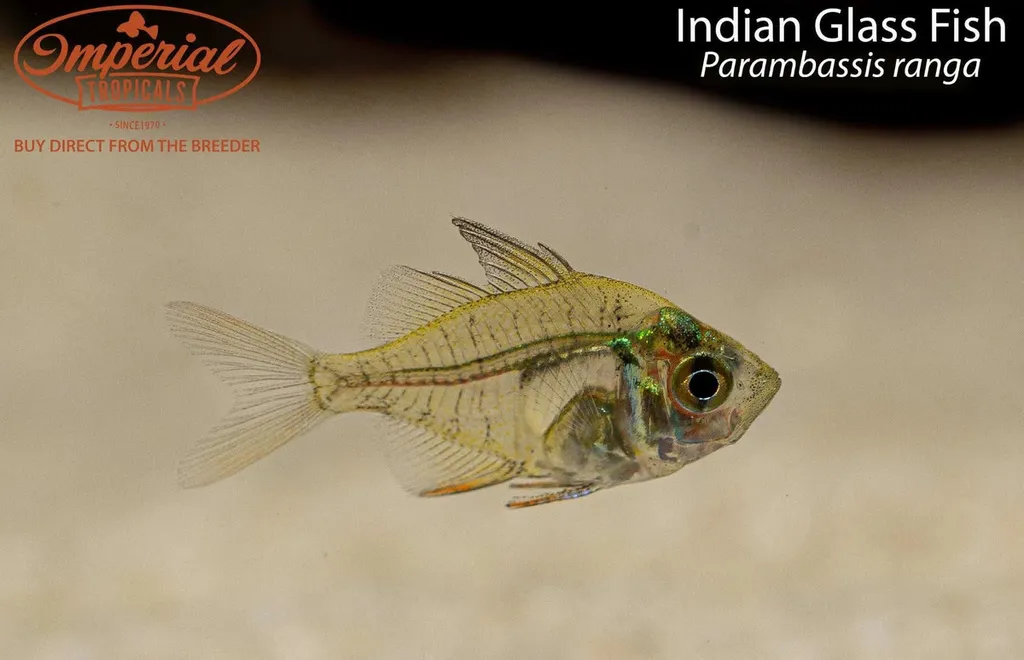
Indian glassy fish
Parambassis ranga
Freshwater3.1 in (8 cm) · 20 gal (75 L)68–86°F (20–30°C)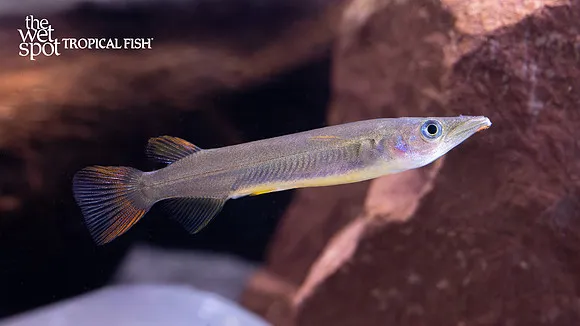
Rex halfbeak
Nomorhamphus rex
Freshwater2.2 in (5.5 cm) · 20 gal (75 L)72–79°F (22–26°C)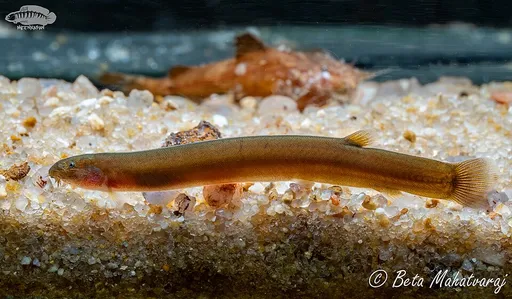
Cinnamon loach
Pangio pangia
Freshwater2.4 in (6 cm) · 20 gal (75 L)72–81°F (22–27°C)
Common questions
What size tank does a southern molly need?
A southern molly needs at least 20 gal (75 L). It spends most of its time in the middle.
What temperature and pH does a southern molly need?
A southern molly is comfortable at 72–81°F (22–27°C) with a pH of 7.0–8.2.
What does a southern molly eat?
A southern molly eats like an omnivore with a strong plant component. Feed it algae and spirulina, blanched vegetables, flake, pellets and frozen foods.
How big does a southern molly get?
An adult southern molly reaches about 3.1 in (8 cm).
How does a southern molly breed?
A southern molly gives birth to live young rather than laying eggs. Breeding it is easy, and it produces broods readily in a mature aquarium.
Related species
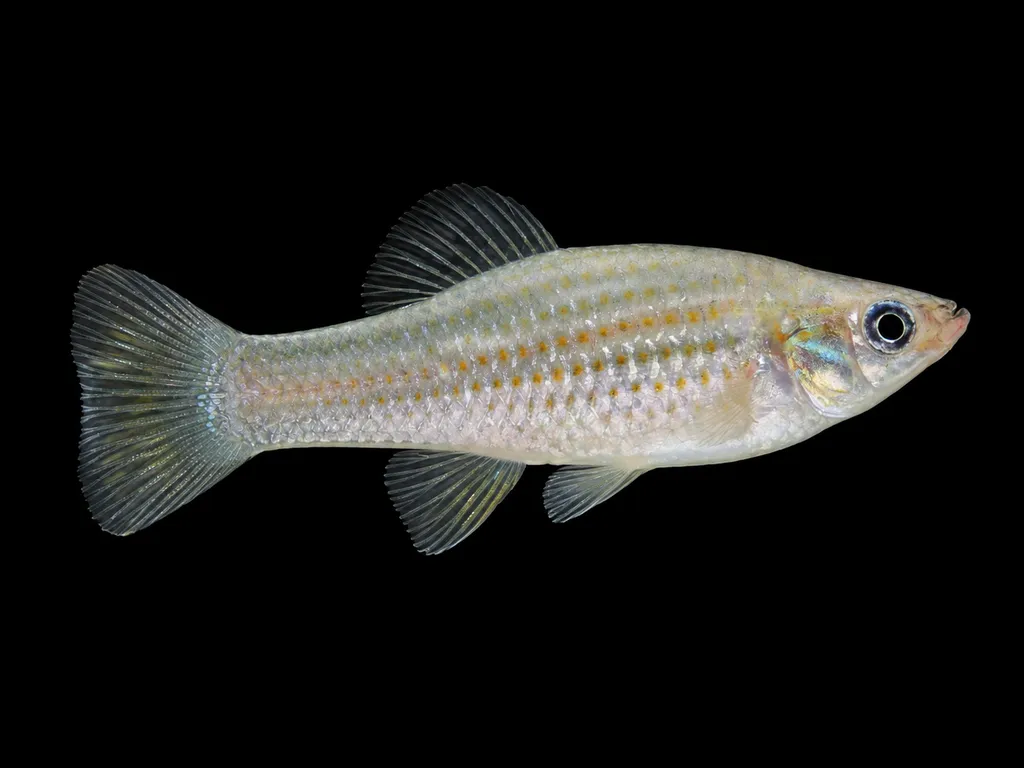 3.5 in (9 cm)20 gal (75 L)68–82°F (20–28°C)
Amazon molly
Poecilia formosa
3.5 in (9 cm) · 20 gal (75 L)
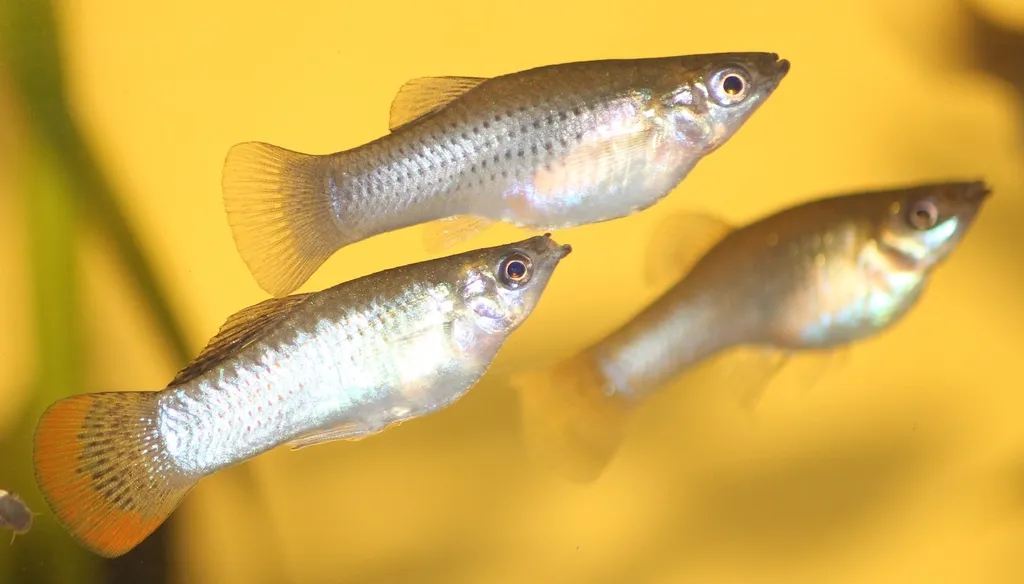 2.8 in (7 cm)29 gal (110 L)72–81°F (22–27°C)
Pacific molly
Poecilia butleri
2.8 in (7 cm) · 29 gal (110 L)
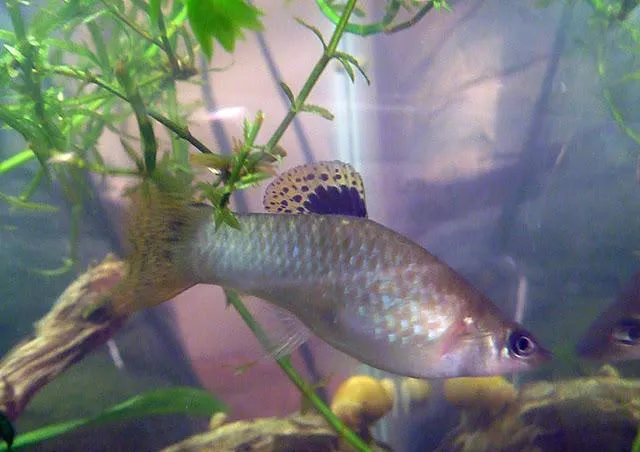 3.9 in (10 cm)26 gal (100 L)72–86°F (22–30°C)
Gill's molly
Poecilia gillii
3.9 in (10 cm) · 26 gal (100 L)
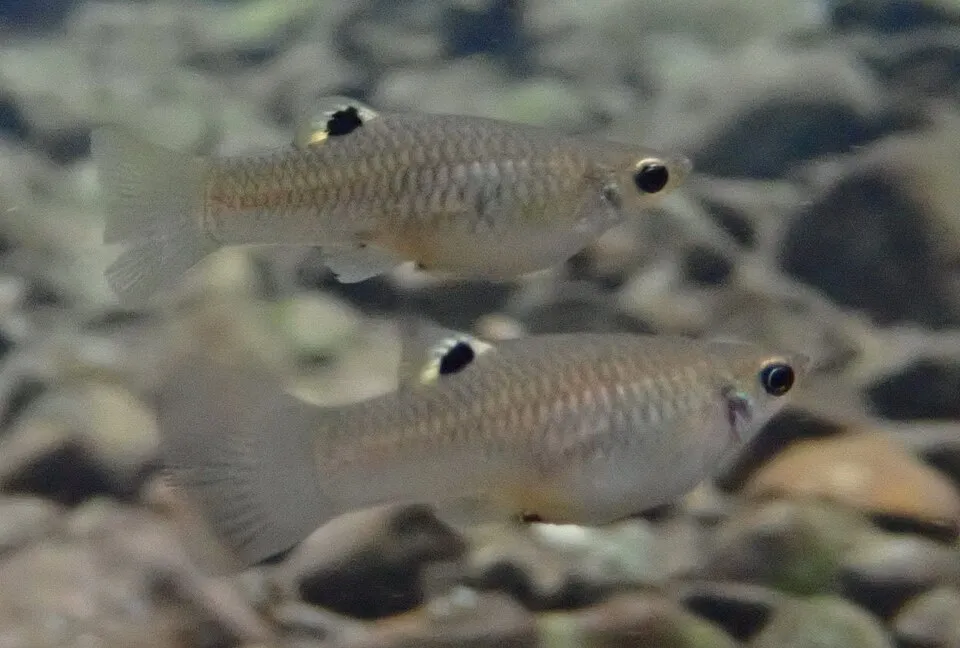 2.4 in (6 cm)16 gal (60 L)77–86°F (25–30°C)
Cauca molly
Poecilia caucana
2.4 in (6 cm) · 16 gal (60 L)
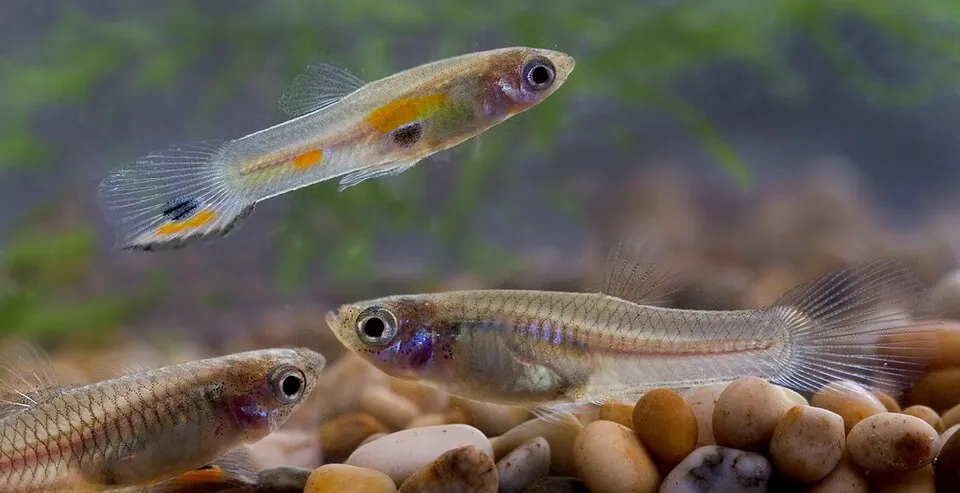 2.4 in (6 cm)10 gal (38 L)64–82°F (18–28°C)
Guppy
Poecilia reticulata
2.4 in (6 cm) · 10 gal (38 L)
 4.3 in (11 cm)32 gal (120 L)72–82°F (22–28°C)
Shortfin molly
Poecilia mexicana
4.3 in (11 cm) · 32 gal (120 L)