Masked cory
Hoplisoma metae
Also known as Corydoras metae, bandit cory
FreshwaterFish
Care at a glance
- Temperature
- 70–79°F
- 21–26°C
- pH
- 6.0–7.5
- Adult size
- 2 in
- 5 cm
- Minimum tank
- 15 gal
- 55 L
- Temperament
- Peaceful
- Social behavior
- Shoaling
- Swim level
- Bottom
- Difficulty
- Easy
- Breeding
- Hard
- Rarity
- Common
- Family
- Callichthyidae
- Origin
- Colombia, Venezuela
Overview
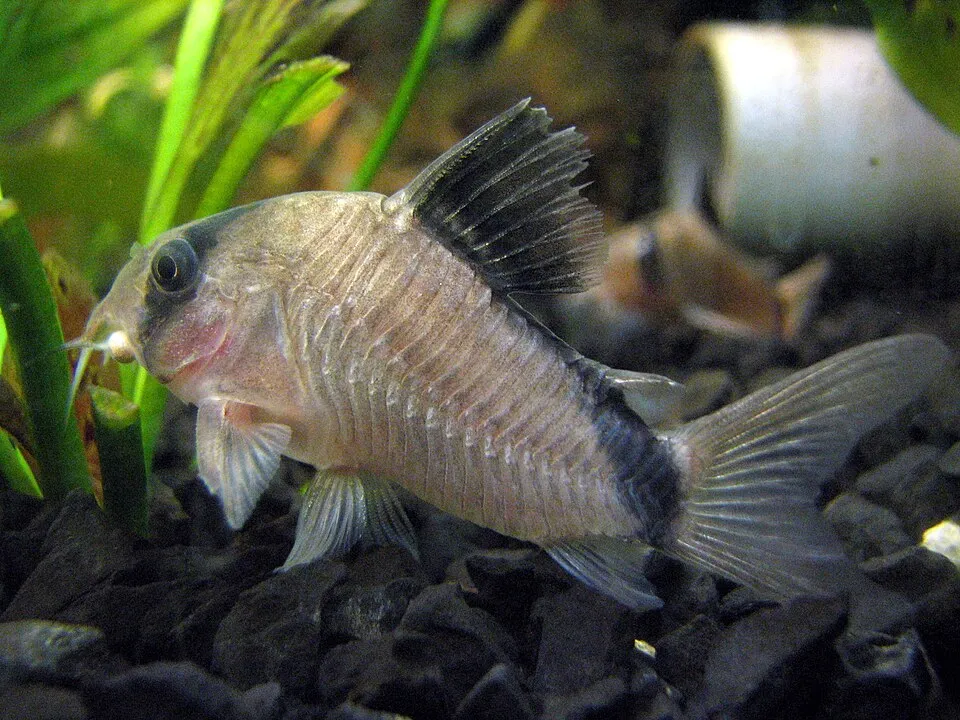
Keep masked corys in a group of at least six, more if you have room. They are peaceful schoolers that work the bottom of the tank. Feed sinking foods such as wafers and pellets plus frozen bloodworms and brine shrimp, and make sure food actually reaches the floor. They want soft, clean water and a smooth substrate. They mix well with other calm, soft-water community fish. A 55 liter tank suits a small group.
In the wild
The masked cory comes from clear, soft streams in Colombia and Venezuela, working sandy bottoms among leaf litter and roots. Set up the tank to suit that. Use a soft sand substrate so it can sift without damaging its barbels, add some shade from plants or wood, and keep gentle flow. Keep the water on the soft side with pH 6 to 7.5 and temperatures in the low to mid 20s C.
Good to know
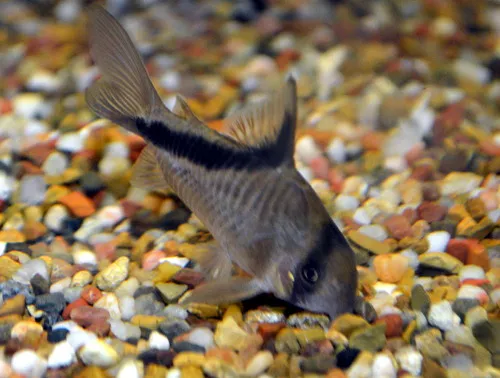
Corydoras metae is a small armored catfish in the family Callichthyidae, reaching about 5 cm. Like other Corydoras it wears bony plates instead of scales and can gulp air at the surface using its gut to pull oxygen, handy in low-oxygen water. It is an egg layer. The female carries eggs in a pouch formed by her pelvic fins and sticks them to surfaces. The dark band running over the head and through the dorsal gives it the masked look.
Did you know
Corydoras like this one can breathe air. They dart to the surface, grab a gulp, and absorb oxygen through a section of their gut, which lets them get by in warm, stagnant pools where many fish would struggle. A cory making regular surface trips in a healthy tank is normal, not a warning sign on its own.
Weekly picks
Tank mates
Masked cory is a peaceful, shoaling species that keeps to the bottom. These picks share a community profile with it, are safe together in both directions, and overlap on water type, temperature and pH.
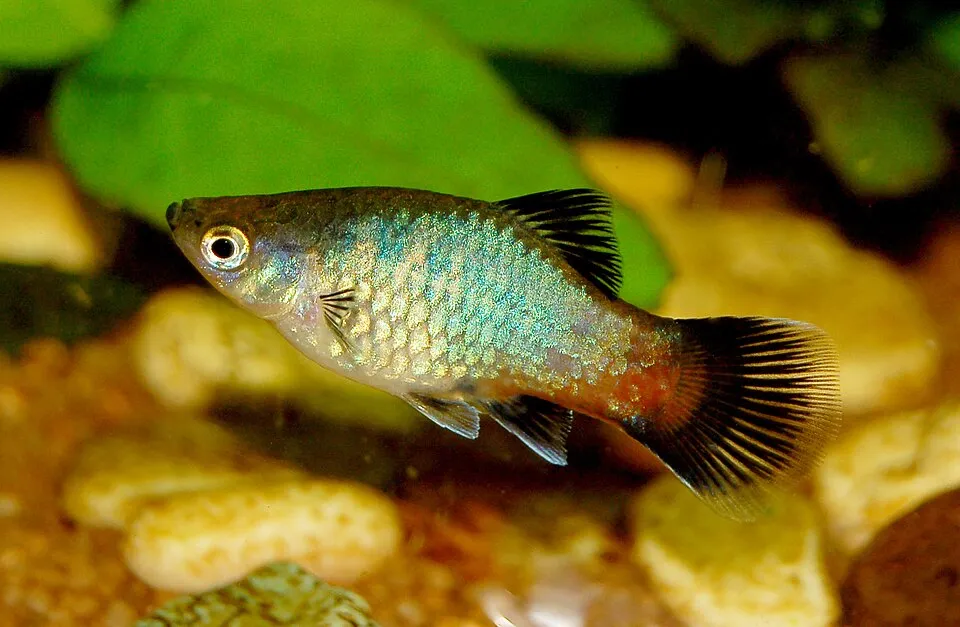
Southern platy
Xiphophorus maculatus
Freshwater2.8 in (7 cm) · 15 gal (55 L)68–79°F (20–26°C)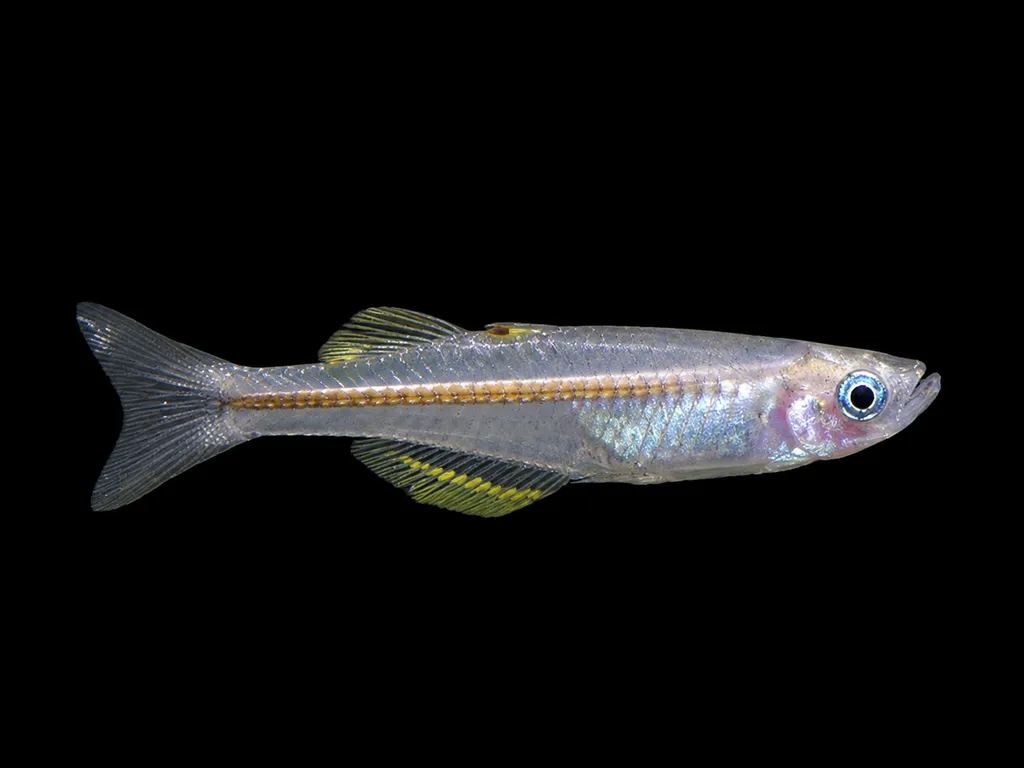
New Guinea blue-eye
Pseudomugil novaeguineae
Freshwater1.8 in (4.5 cm) · 15 gal (55 L)79–86°F (26–30°C)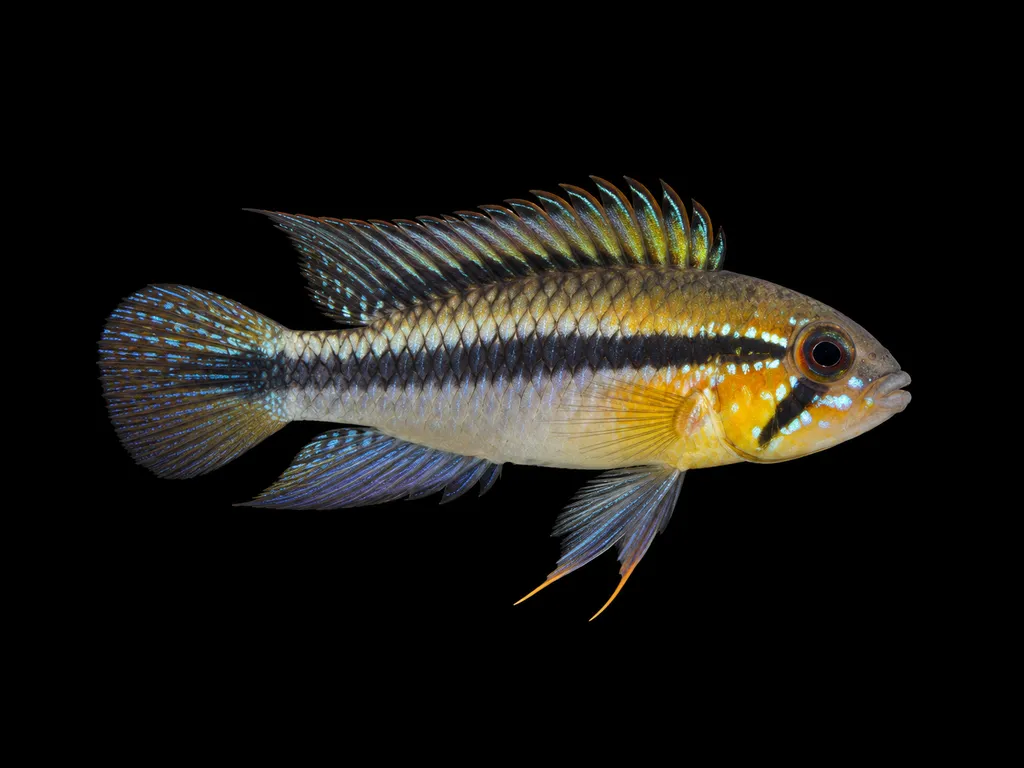
Bridge dwarf cichlid
Apistogramma gephyra
Freshwater1.8 in (4.5 cm) · 15 gal (55 L)77–84°F (25–29°C)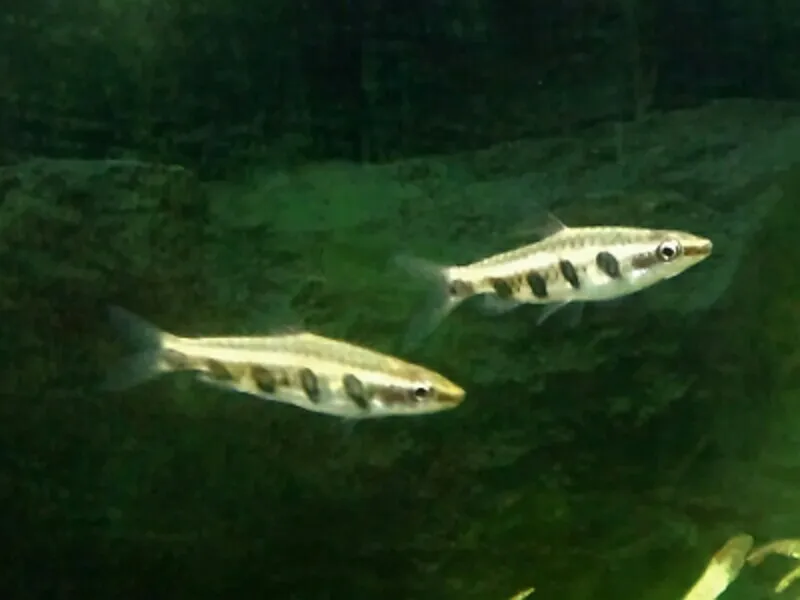
Barred pencilfish
Nannostomus espei
Freshwater1.2 in (3 cm) · 15 gal (55 L)72–82°F (22–28°C)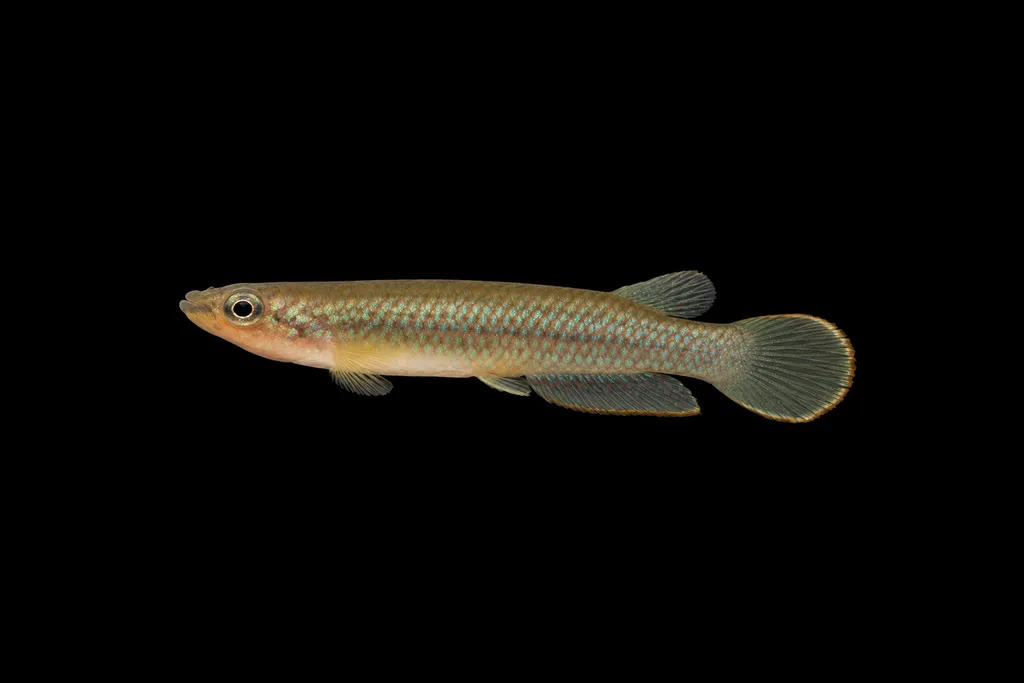
Guinean panchax
Epiplatys guineensis
Freshwater2.8 in (7 cm) · 14 gal (54 L)68–77°F (20–25°C)
Butterfly hara catfish
Hara hara
Freshwater3.1 in (8 cm) · 14 gal (54 L)68–79°F (20–26°C)
Common questions
What size tank does a Masked cory need?
A Masked cory needs at least 15 gal (55 L). It spends most of its time in the bottom.
What temperature and pH does a Masked cory need?
A Masked cory is comfortable at 70–79°F (21–26°C) with a pH of 6.0–7.5.
How big does a Masked cory get?
An adult Masked cory reaches about 2 in (5 cm).
Does a Masked cory need a group?
Yes. A Masked cory is a shoaling species and should be kept in a group, not singly.
Related species
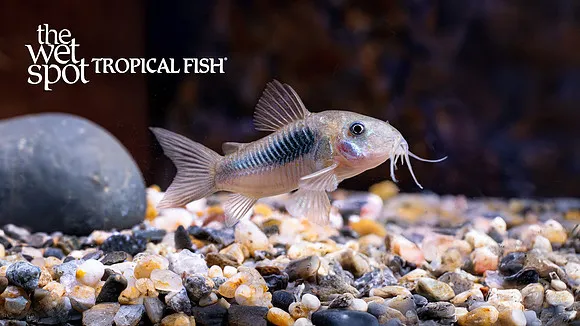 2 in (5 cm)15 gal (55 L)70–79°F (21–26°C)
Blackstripe cory
Hoplisoma bondi
2 in (5 cm) · 15 gal (55 L)
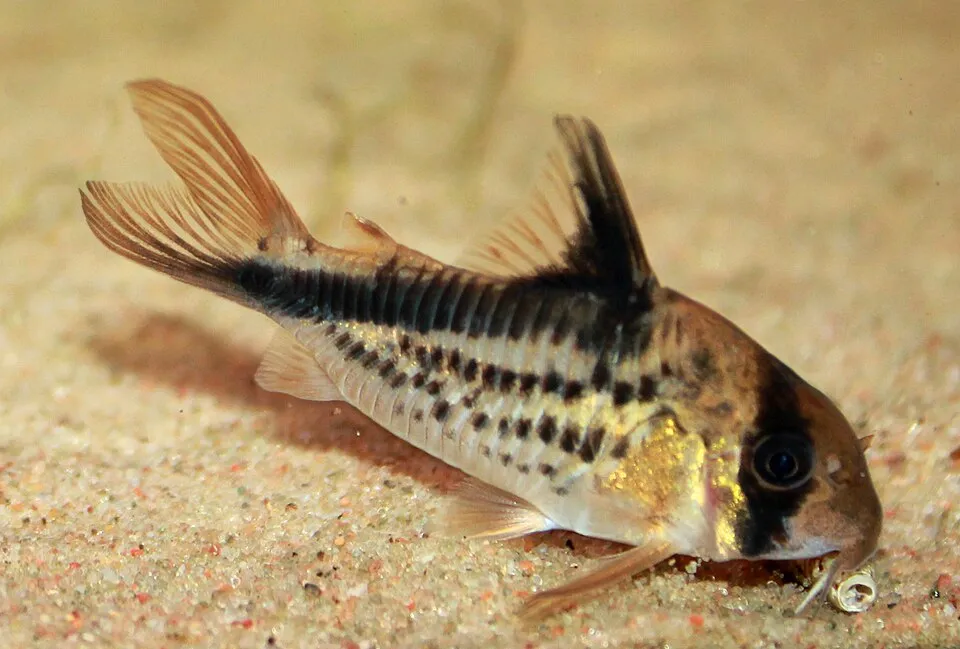 2 in (5 cm)16 gal (60 L)70–75°F (21–24°C)
Dirty bandit cory
Hoplisoma loxozonum
2 in (5 cm) · 16 gal (60 L)
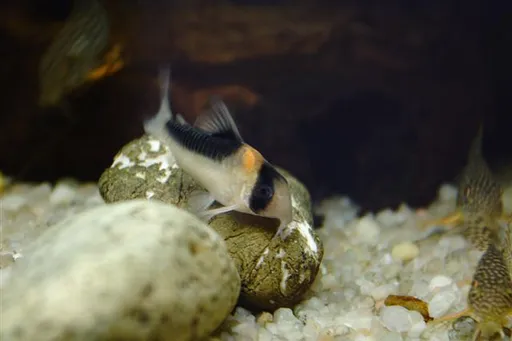 2 in (5 cm)20 gal (75 L)72–79°F (22–26°C)
Duplicate cory
Hoplisoma duplicareum
2 in (5 cm) · 20 gal (75 L)
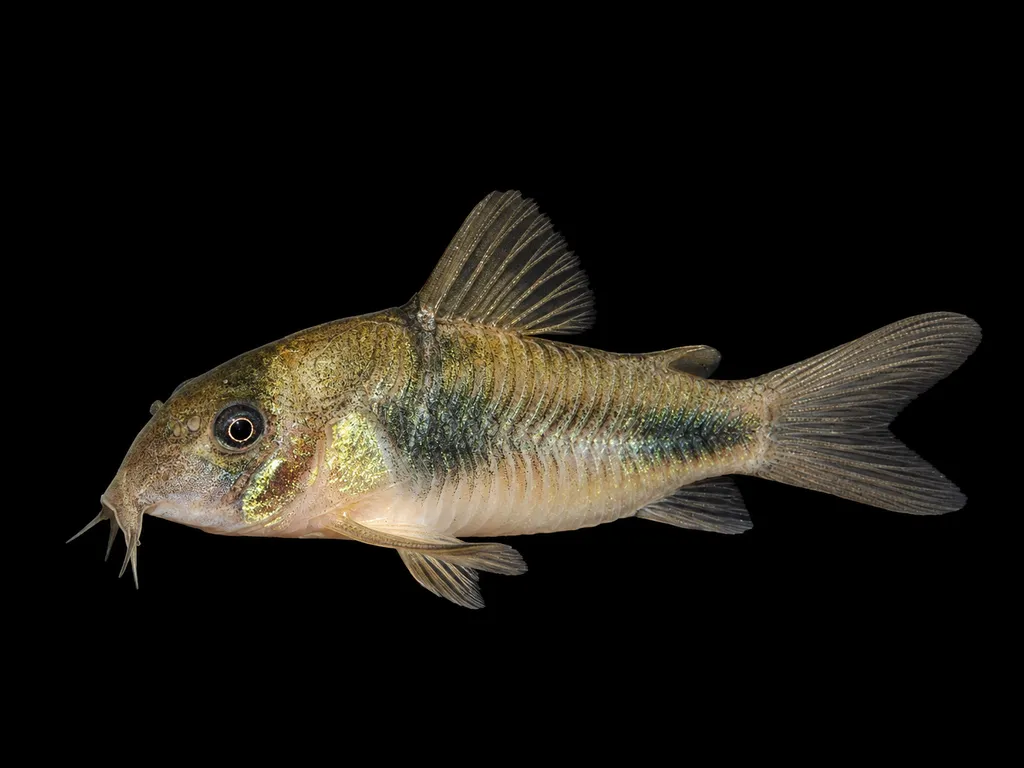 2 in (5 cm)16 gal (60 L)66–77°F (19–25°C)
Ehrhardt's cory
Hoplisoma ehrhardti
2 in (5 cm) · 16 gal (60 L)
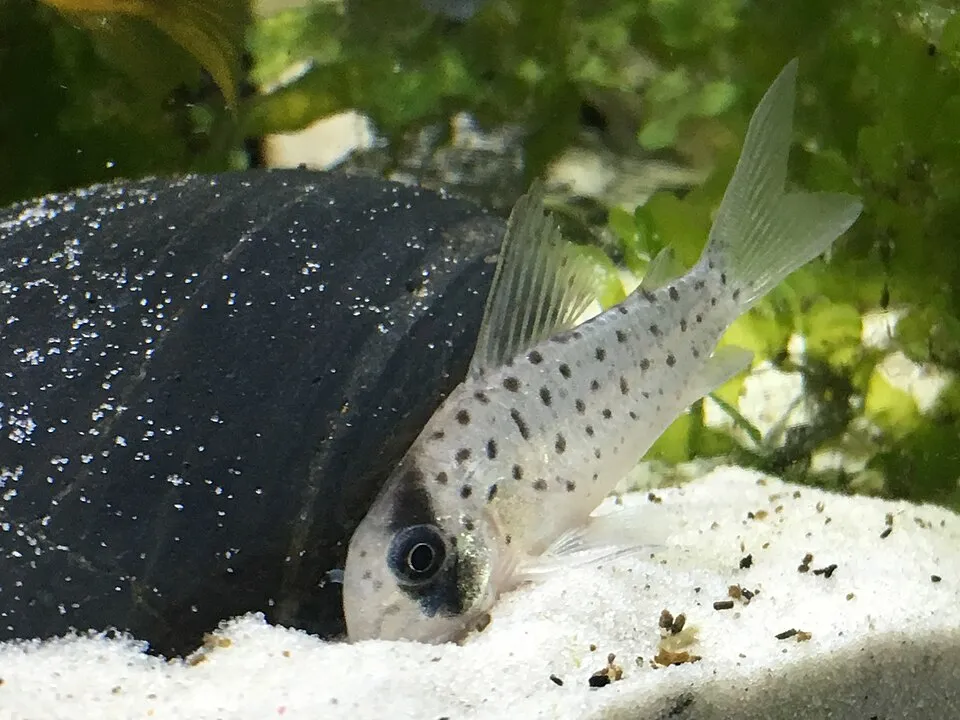 2 in (5 cm)16 gal (60 L)70–81°F (21–27°C)
Fairy cory
Hoplisoma atropersonatum
2 in (5 cm) · 16 gal (60 L)
 2 in (5 cm)16 gal (60 L)72–79°F (22–26°C)
False bandit cory
Hoplisoma melini
2 in (5 cm) · 16 gal (60 L)