Dirty bandit cory
Hoplisoma loxozonum
Also known as Corydoras loxozonus, Loxozonus cory
FreshwaterFish
Care at a glance
- Temperature
- 70–75°F
- 21–24°C
- pH
- 6.0–7.5
- Adult size
- 2 in
- 5 cm
- Minimum tank
- 16 gal
- 60 L
- Temperament
- Peaceful
- Social behavior
- Shoaling
- Swim level
- Bottom
- Difficulty
- Medium
- Breeding
- Hard
- Rarity
- Very rare
- Family
- Callichthyidae
- Origin
- Colombia
Overview
Keep the dirty bandit cory in a shoal of at least six, as it is a peaceful, social bottom fish that frets on its own. It cruises the sand in a group, probing for food with its barbels, and suits a calm community of small tetras, rasboras, or dwarf cichlids that leave the floor alone. Feed sinking pellets, frozen bloodworm and daphnia, and a little wafer, checking that enough drops to the bottom. A group is comfortable in a tank of around 60 liters or larger.
In the wild
Corydoras loxozonus lives in the Meta River basin of Colombia, in shallow, gently flowing water over sand. Recreate that with a soft sand bed, driftwood, and some leaf litter, plus areas of shade. Keep the water soft and slightly acidic, pH about 6.0 to 7.5, at a moderate 21 to 24 C. Clean, well filtered water with gentle current keeps it in good health.
Good to know
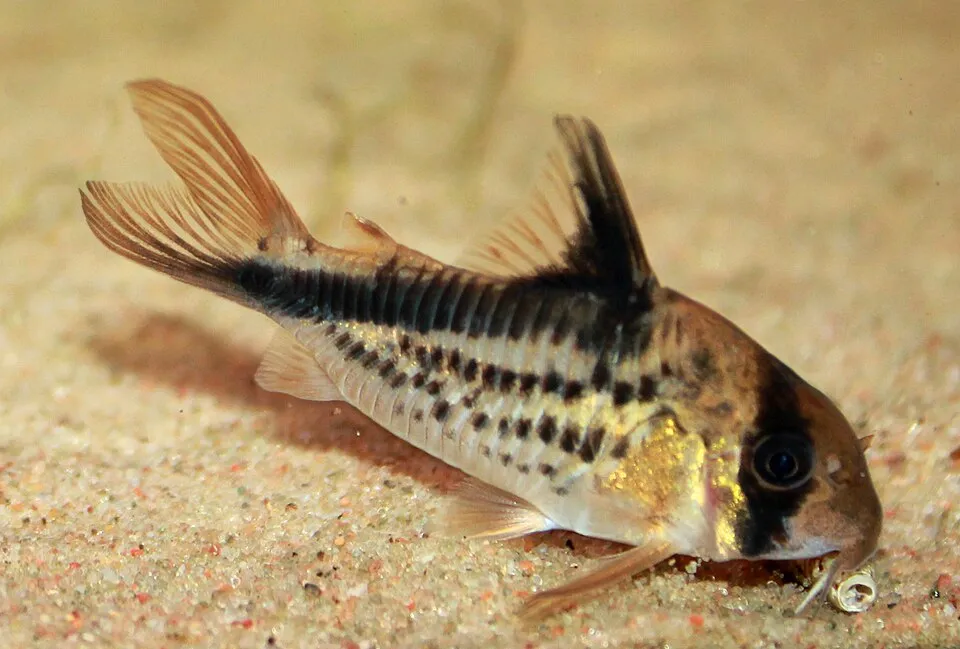
This armored catfish of the family Callichthyidae reaches about 5 cm. Its name loxozonus comes from the Greek for oblique band, after the slanted dark stripe that runs down across the rear of the body. A dark bar also crosses the eye, and small spots freckle the flanks. It has been bred in aquaria but is thought of as difficult, needing soft, cool, clean water and well conditioned adults to spawn.
Did you know
The common name dirty bandit fits a fish that mixes several patterns at once: the eye mask of a bandit cory, a slanted body bar, and a dusting of julii like spots. Its scientific name loxozonus means slanted band, for that diagonal stripe.
Weekly picks
Tank mates
Dirty bandit cory is a peaceful, shoaling species that keeps to the bottom. These picks share a community profile with it, are safe together in both directions, and overlap on water type, temperature and pH.
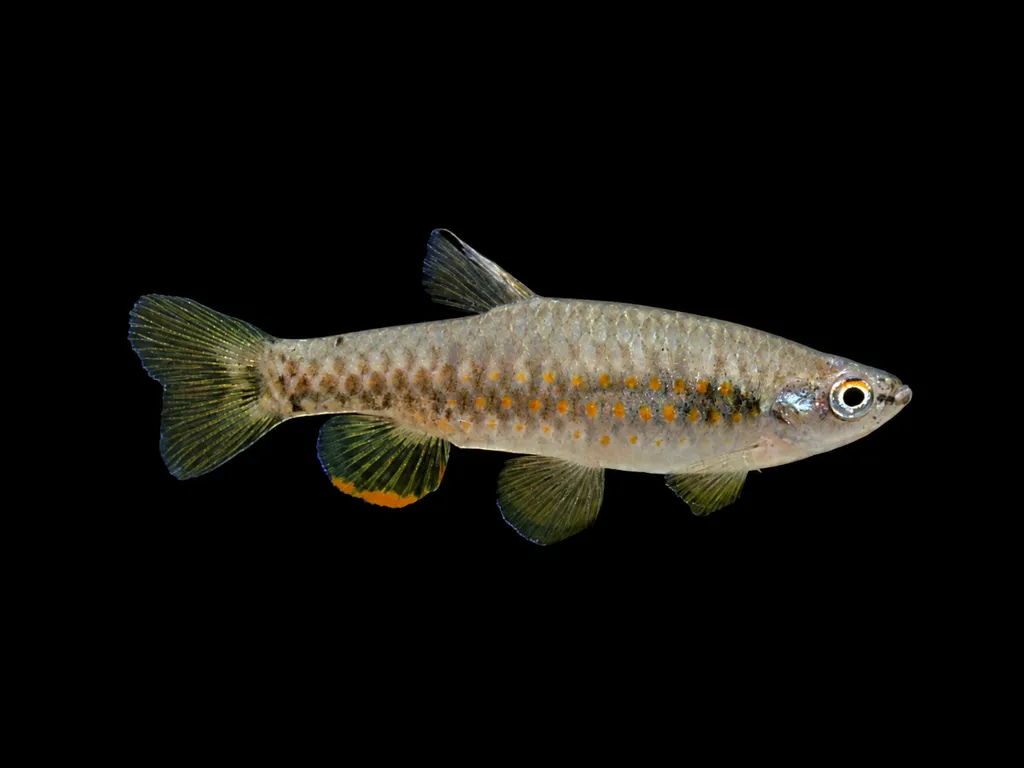
Fanning characin
Pyrrhulina rachoviana
Freshwater2 in (5 cm) · 16 gal (60 L)68–79°F (20–26°C)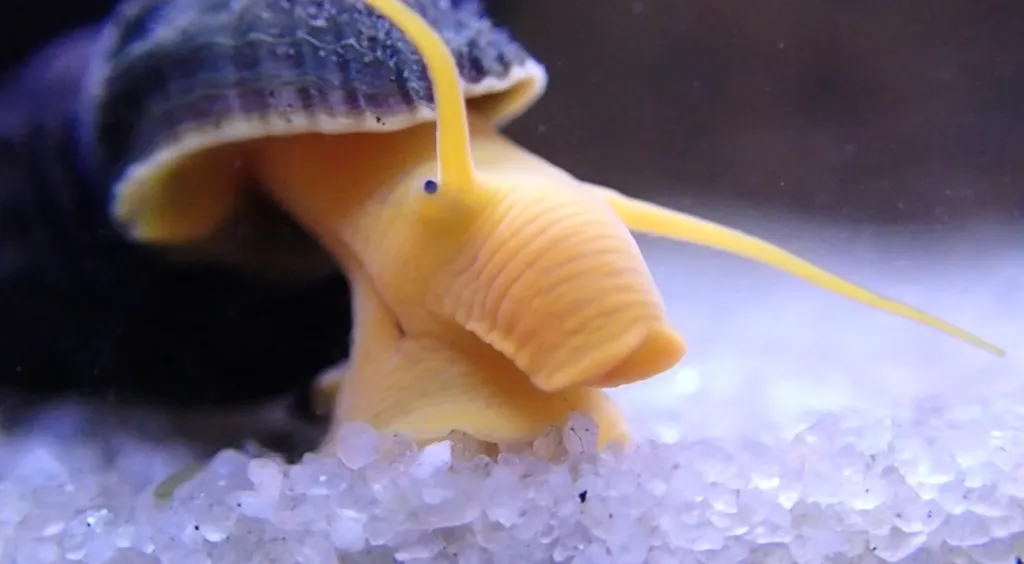
Gold rabbit snail
Tylomelania gemmifera
Freshwater2.8 in (7 cm) · 16 gal (60 L)75–82°F (24–28°C)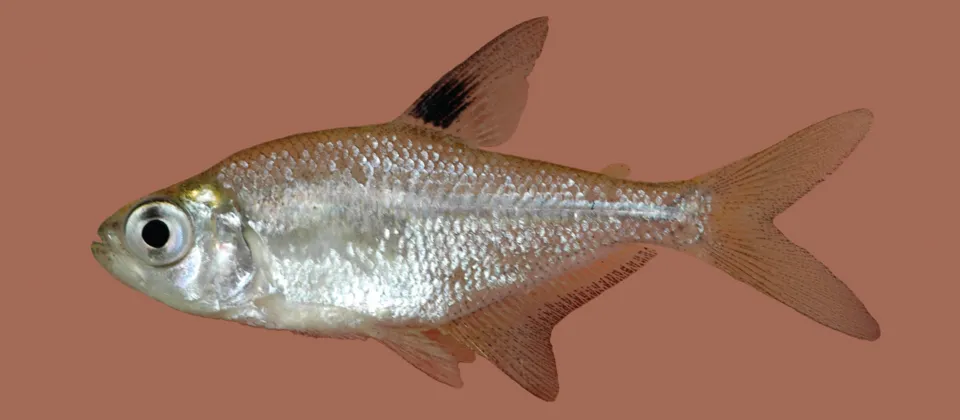
Mayan tetra
Hyphessobrycon compressus
Freshwater1.8 in (4.5 cm) · 16 gal (60 L)68–79°F (20–26°C)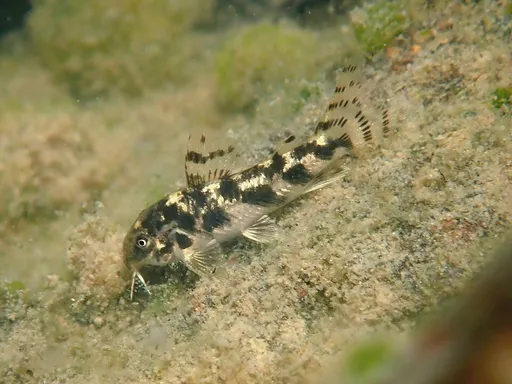
Albater cory
Aspidoras albater
Freshwater1.6 in (4 cm) · 16 gal (60 L)72–77°F (22–25°C)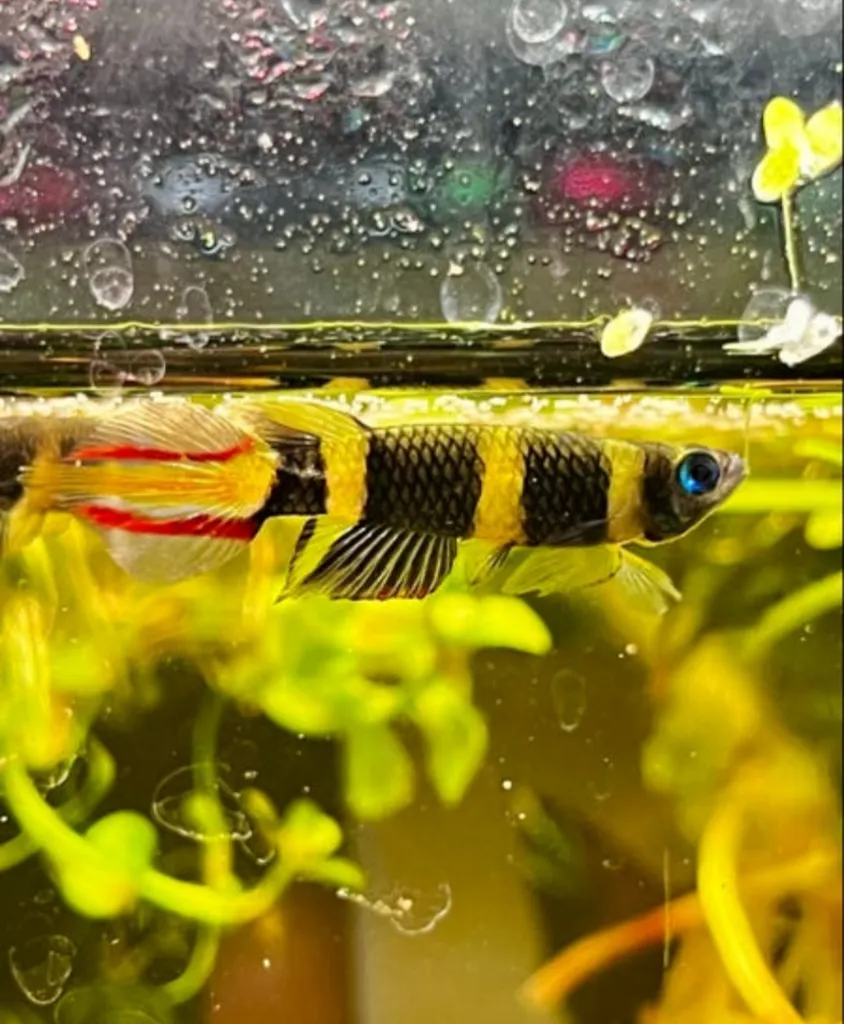
Clown killifish
Epiplatys annulatus
Freshwater1.4 in (3.5 cm) · 15 gal (55 L)68–79°F (20–26°C)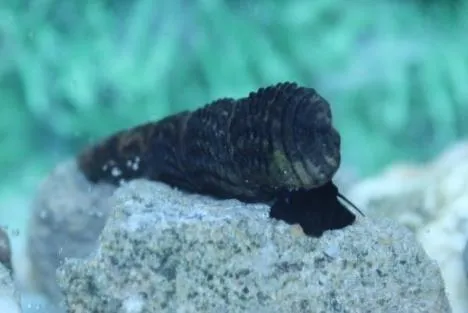
White spotted rabbit snail
Tylomelania towutica
Freshwater4.3 in (11 cm) · 16 gal (60 L)75–84°F (24–29°C)
Common questions
What size tank does a Dirty bandit cory need?
A Dirty bandit cory needs at least 16 gal (60 L). It spends most of its time in the bottom.
What temperature and pH does a Dirty bandit cory need?
A Dirty bandit cory is comfortable at 70–75°F (21–24°C) with a pH of 6.0–7.5.
How big does a Dirty bandit cory get?
An adult Dirty bandit cory reaches about 2 in (5 cm).
Does a Dirty bandit cory need a group?
Yes. A Dirty bandit cory is a shoaling species and should be kept in a group, not singly.
Related species
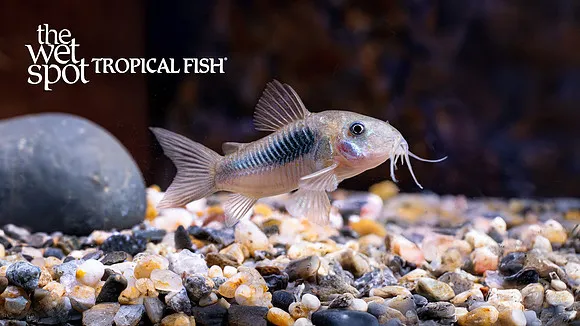 2 in (5 cm)15 gal (55 L)70–79°F (21–26°C)
Blackstripe cory
Hoplisoma bondi
2 in (5 cm) · 15 gal (55 L)
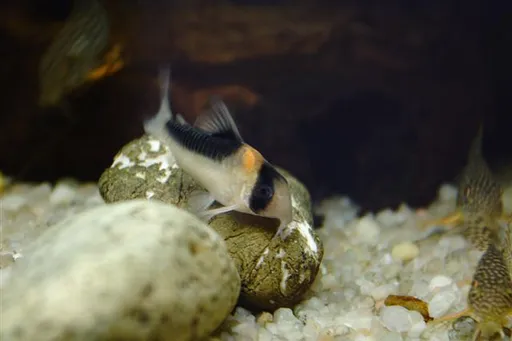 2 in (5 cm)20 gal (75 L)72–79°F (22–26°C)
Duplicate cory
Hoplisoma duplicareum
2 in (5 cm) · 20 gal (75 L)
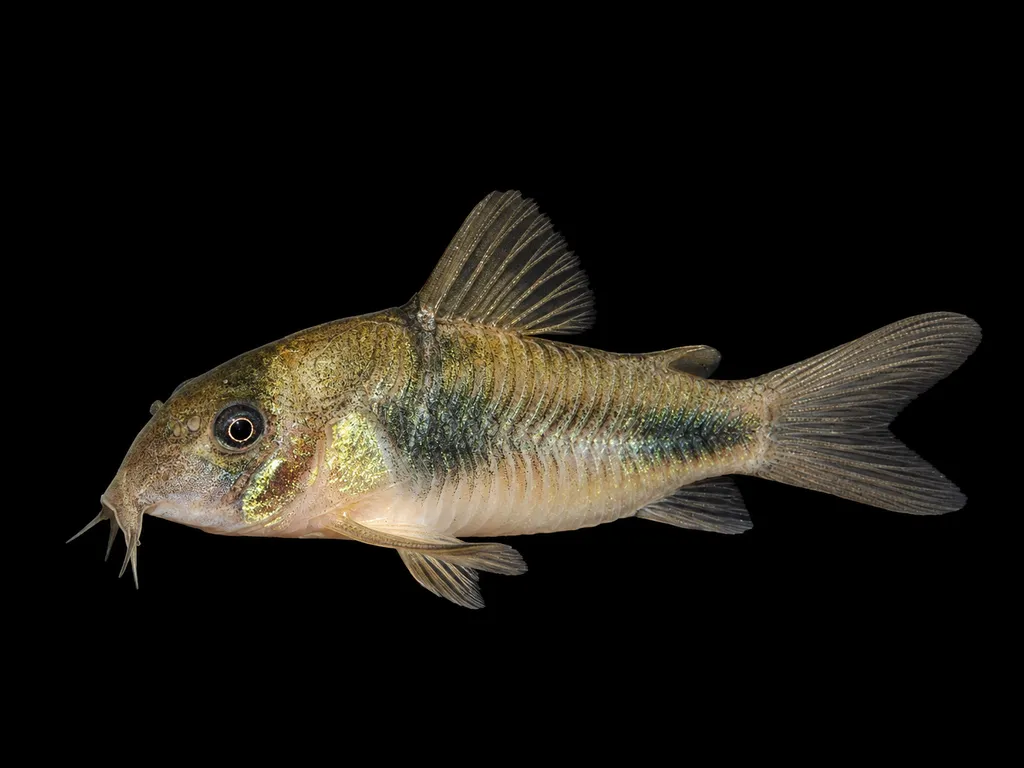 2 in (5 cm)16 gal (60 L)66–77°F (19–25°C)
Ehrhardt's cory
Hoplisoma ehrhardti
2 in (5 cm) · 16 gal (60 L)
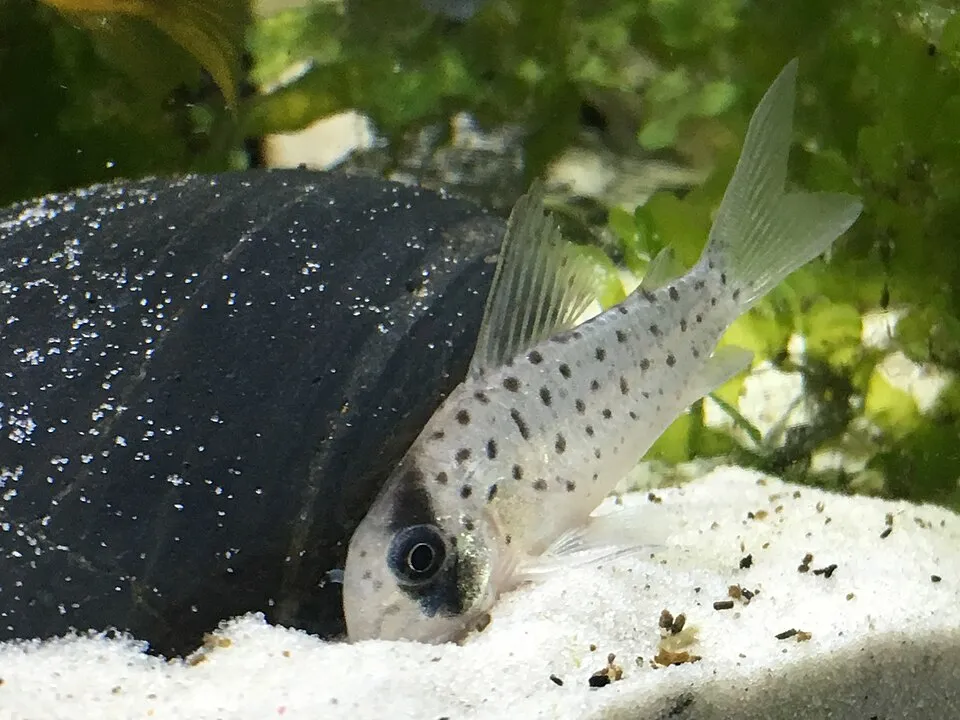 2 in (5 cm)16 gal (60 L)70–81°F (21–27°C)
Fairy cory
Hoplisoma atropersonatum
2 in (5 cm) · 16 gal (60 L)
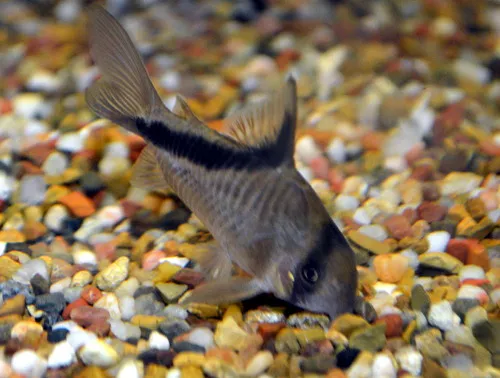 2 in (5 cm)16 gal (60 L)72–79°F (22–26°C)
False bandit cory
Hoplisoma melini
2 in (5 cm) · 16 gal (60 L)
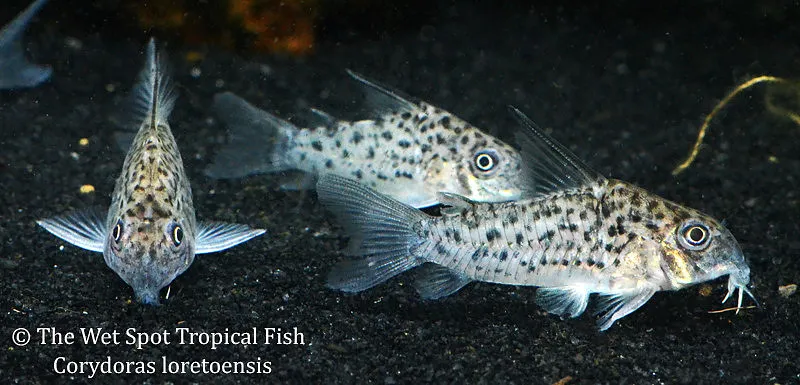 2 in (5 cm)16 gal (60 L)72–77°F (22–25°C)
Loreto cory
Hoplisoma loretoense
2 in (5 cm) · 16 gal (60 L)