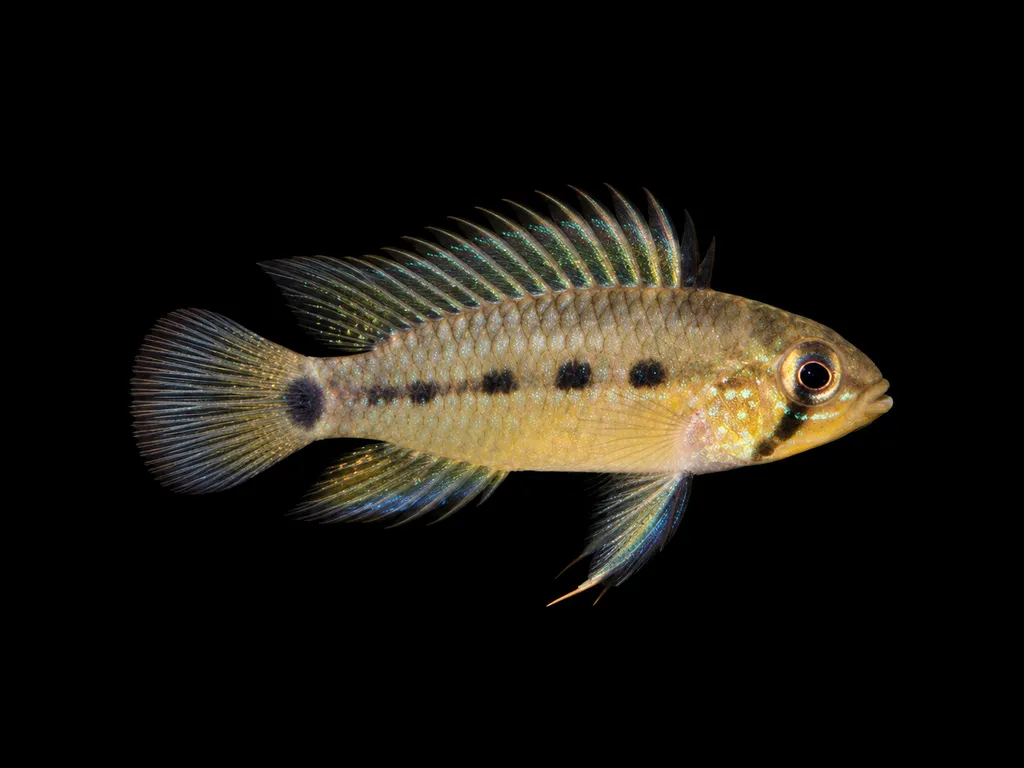
Amazon sail-fin dwarf cichlid
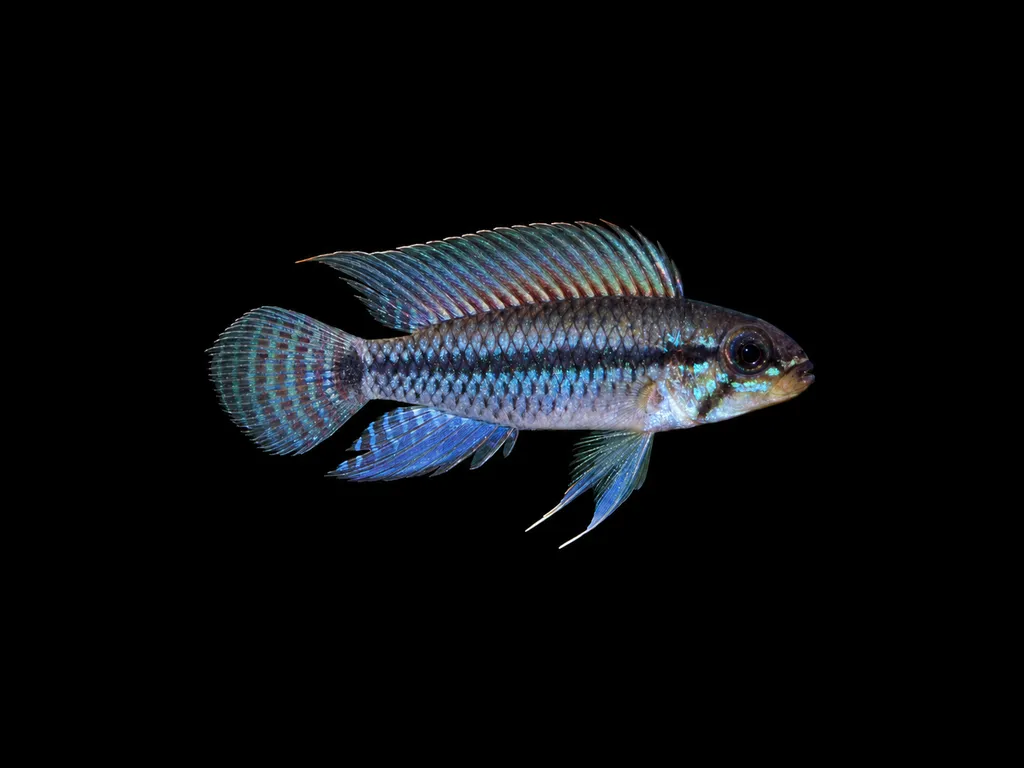
Apistogramma pertensis
Also known as Sailfin apisto
FreshwaterFish
Care at a glance
- Temperature
- 77–84°F
- 25–29°C
- pH
- 4.8–6.5
- Adult size
- 2 in
- 5 cm
- Minimum tank
- 15 gal
- 55 L
- Temperament
- Peaceful
- Social behavior
- Social
- Swim level
- Bottom
- Difficulty
- Medium
- Breeding
- Cave spawner · Hard
- Rarity
- Rare
- Family
- Cichlidae
- Origin
- Lower Rio Negro and Amazon mainstem margins from Manacapuru to Monte Alegre, Brazil
Overview
The Amazon sail-fin dwarf cichlid is one of the gentlest apistos, and it lives near the bottom of a peaceful community tank. It suits a keeper who has moved past the easiest fish.
Did you know
Most apisto males settle arguments by mouth-wrestling. Male Amazon sail-fin dwarf cichlids mostly fence with their sail fins instead, then call it a day.
Caring for the Amazon sail-fin dwarf cichlid
Keep Amazon sail-fin dwarf cichlids on fine sand with scattered leaf litter, in a tank of 15 gal (55 L) or more. Several males can even share a larger tank, displaying at each other across the sand.
Give them warm, truly soft water at 77 to 84°F (25 to 29°C) and a pH of 4.8 to 6.5. Feed small frozen and live foods, along with fine granules.
This peaceful apisto suits a soft-water community with tiny tetras or pencilfish. It spawns in caves in the standard way, but the eggs need truly soft, acidic water to develop. Breeding is hard.
Good to know
Haseman described the Amazon sail-fin dwarf cichlid back in 1911, which makes it one of the longest-known apistos. Males raise a tall, smoke-and-silver dorsal fin that gave the species its sailfin nickname. The pertensis group built around it holds the genus's slim, high-finned sand specialists.
In the wild
The Amazon sail-fin dwarf cichlid lives along the lower Rio Negro and the Amazon mainstem in Brazil, from Manacapuru to Monte Alegre. It keeps to sandy litter banks and mainstem lakes, in warm, soft, tannin-stained shallows. It is a slender sand dweller that drifts over open bottom between leaf piles.
Weekly picks
Tank mates
The Amazon sail-fin dwarf cichlid is a peaceful, social species that keeps to the bottom. These picks share a community profile with it, are safe together in both directions, and overlap on water type, temperature and pH.
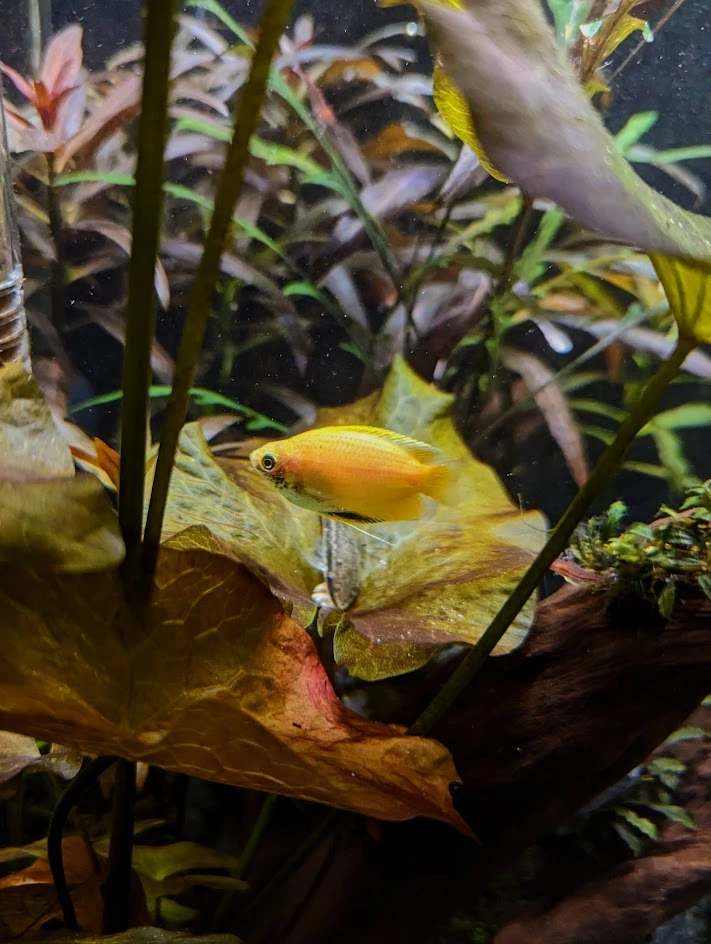
Honey gourami
Trichogaster chuna
Freshwater2 in (5 cm) · 14 gal (54 L)72–82°F (22–28°C)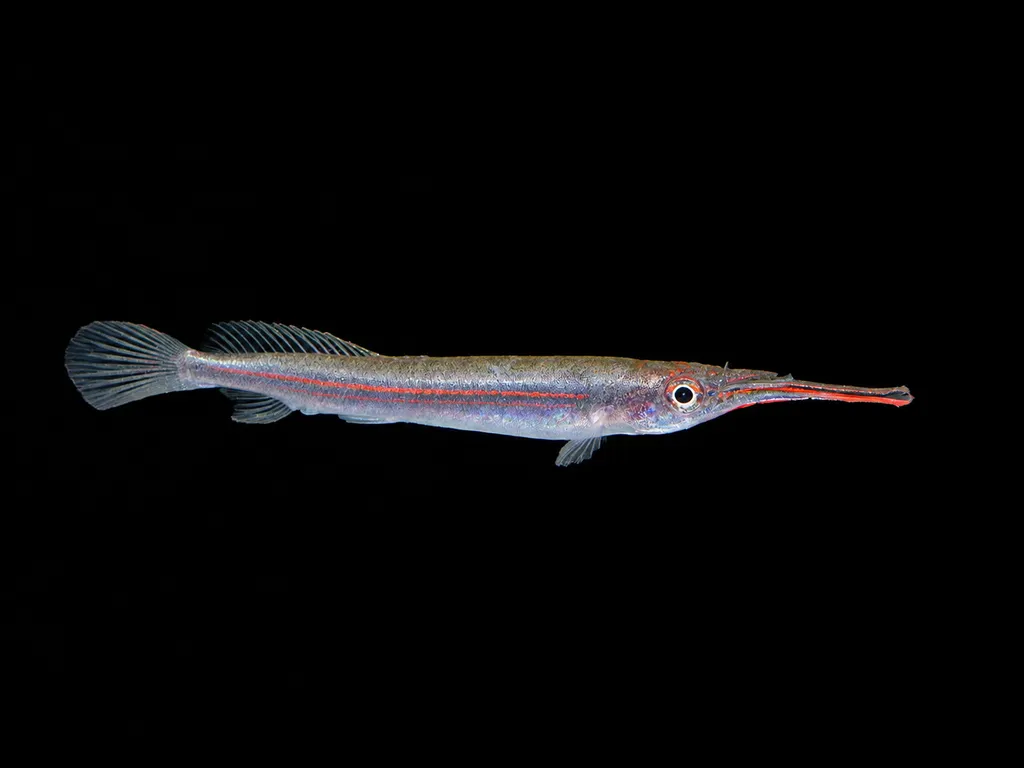
Red line halfbeak
Hemirhamphodon phaiosoma
Freshwater2.6 in (6.5 cm) · 14 gal (54 L)73–81°F (23–27°C)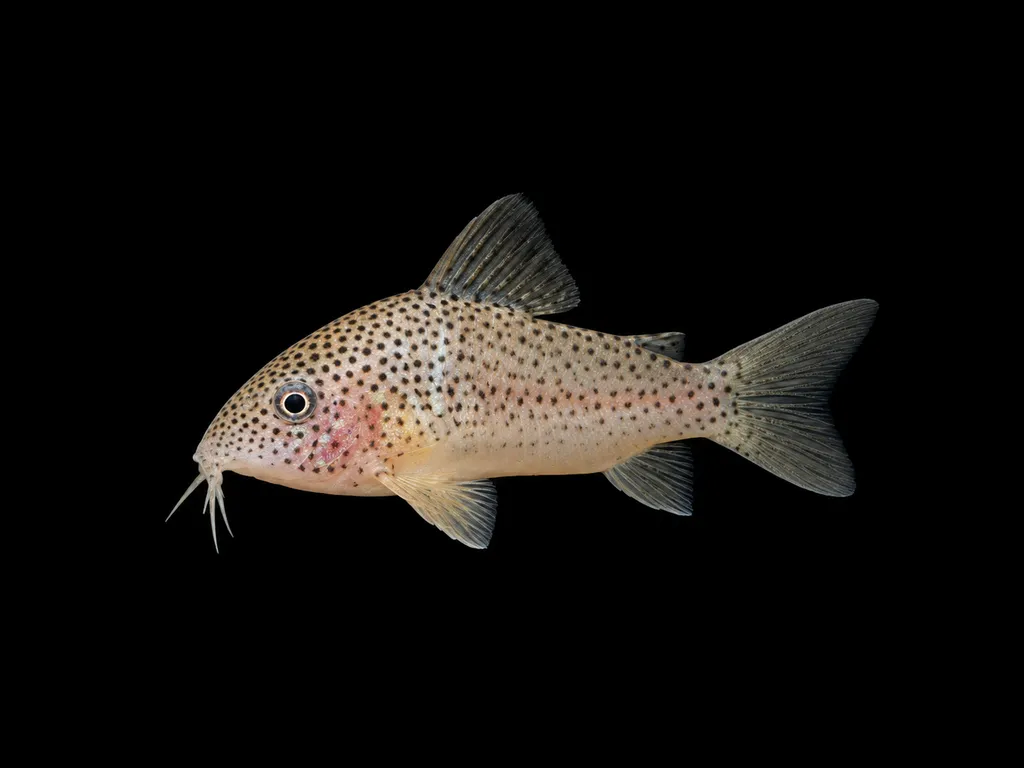
Apiaka cory
Hoplisoma apiaka
Freshwater1.8 in (4.5 cm) · 15 gal (55 L)75–82°F (24–28°C)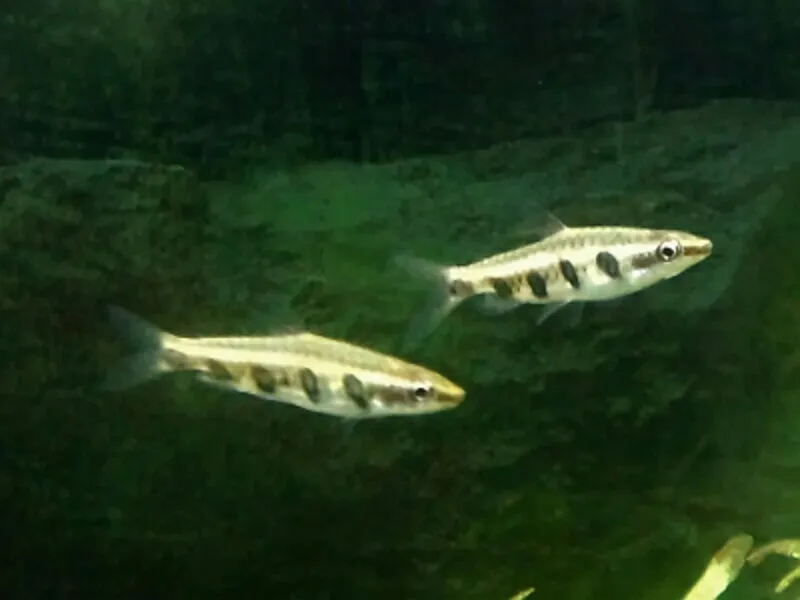
Barred pencilfish
Nannostomus espei
Freshwater1.2 in (3 cm) · 15 gal (55 L)72–82°F (22–28°C)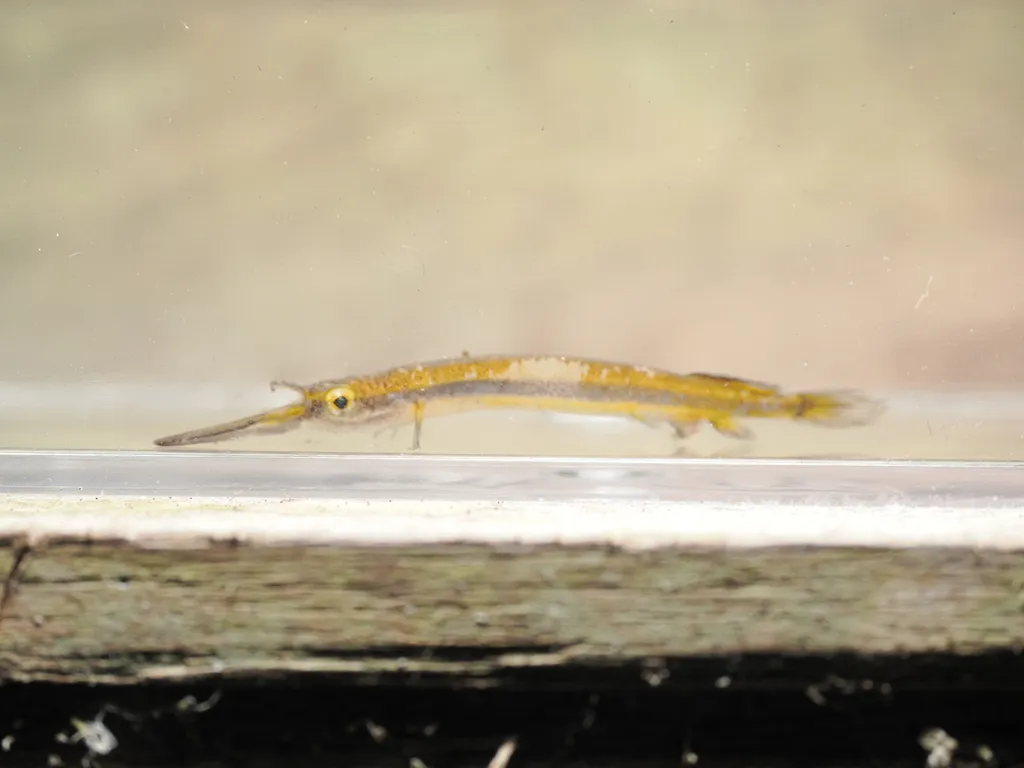
Gold-spotted halfbeak
Hemirhamphodon chrysopunctatus
Freshwater2.6 in (6.5 cm) · 14 gal (54 L)73–81°F (23–27°C)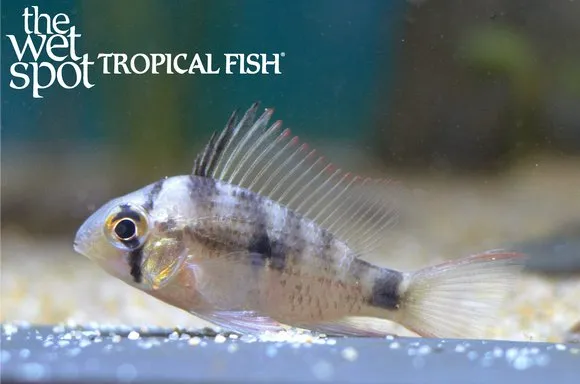
Brazilian ram
Mikrogeophagus maculicauda
Freshwater2.4 in (6 cm) · 14 gal (54 L)77–86°F (25–30°C)
Common questions
What size tank does an Amazon sail-fin dwarf cichlid need?
An Amazon sail-fin dwarf cichlid needs at least 15 gal (55 L). It spends most of its time in the bottom.
What temperature and pH does an Amazon sail-fin dwarf cichlid need?
An Amazon sail-fin dwarf cichlid is comfortable at 77–84°F (25–29°C) with a pH of 4.8–6.5.
What does an Amazon sail-fin dwarf cichlid eat?
An Amazon sail-fin dwarf cichlid eats small frozen and live foods, along with fine granules.
How big does an Amazon sail-fin dwarf cichlid get?
An adult Amazon sail-fin dwarf cichlid reaches about 2 in (5 cm).
Related species
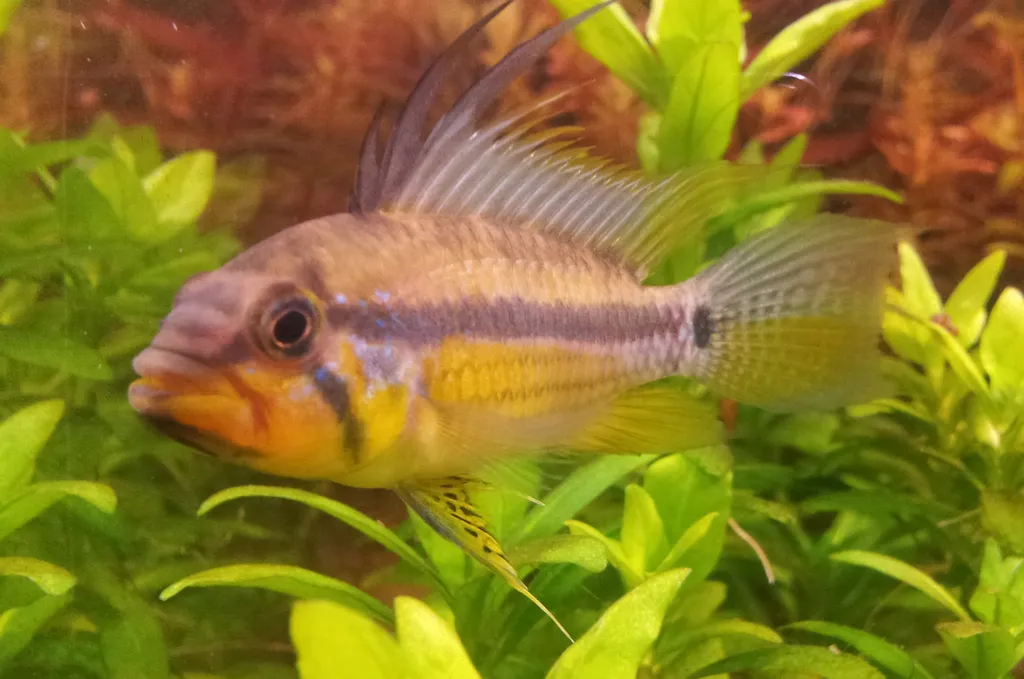 2 in (5 cm)16 gal (60 L)75–82°F (24–28°C)
Allpahuayo dwarf cichlid
Apistogramma allpahuayo
2 in (5 cm) · 16 gal (60 L)
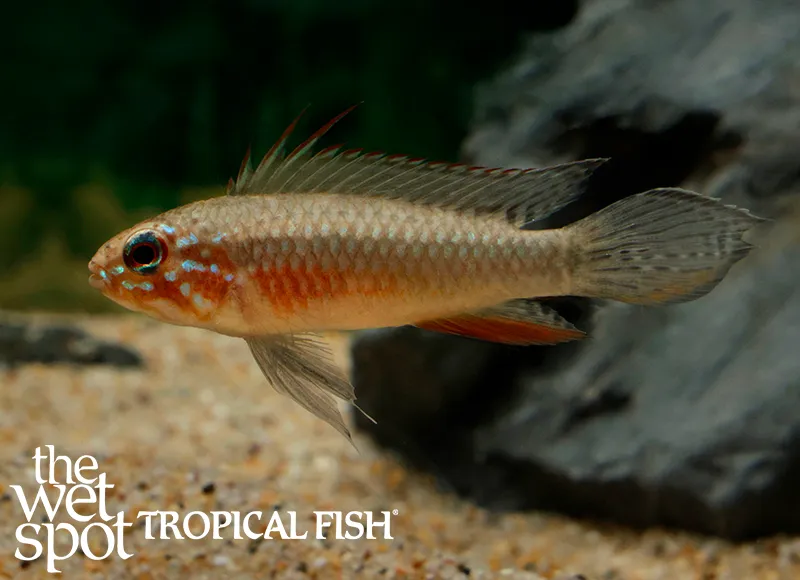 2 in (5 cm)20 gal (75 L)75–84°F (24–29°C)
Elizabeth's dwarf cichlid
Apistogramma elizabethae
2 in (5 cm) · 20 gal (75 L)
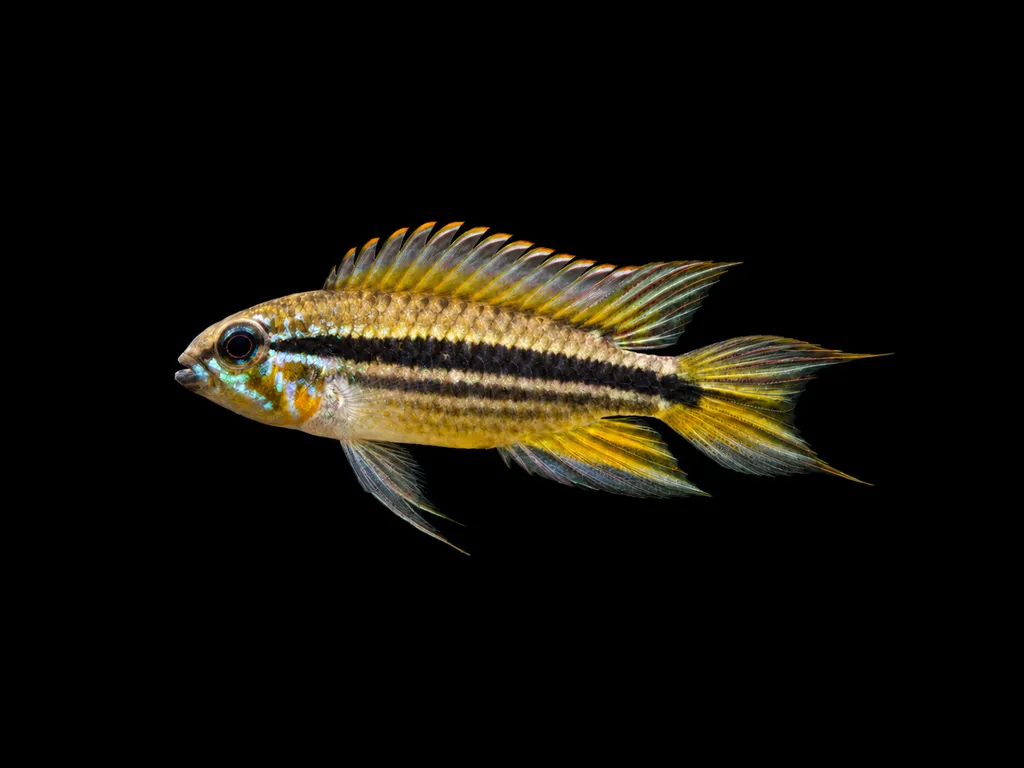 2 in (5 cm)16 gal (60 L)79–86°F (26–30°C)
Mendez's dwarf cichlid
Apistogramma mendezi
2 in (5 cm) · 16 gal (60 L)
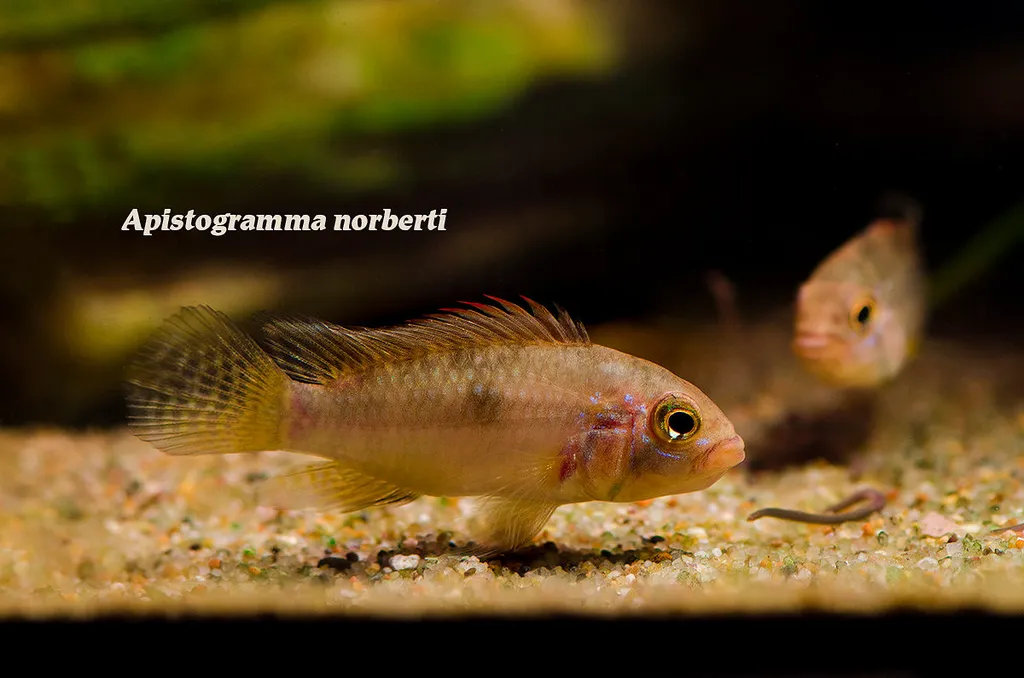 2 in (5 cm)16 gal (60 L)75–82°F (24–28°C)
Norbert's dwarf cichlid
Apistogramma norberti
2 in (5 cm) · 16 gal (60 L)
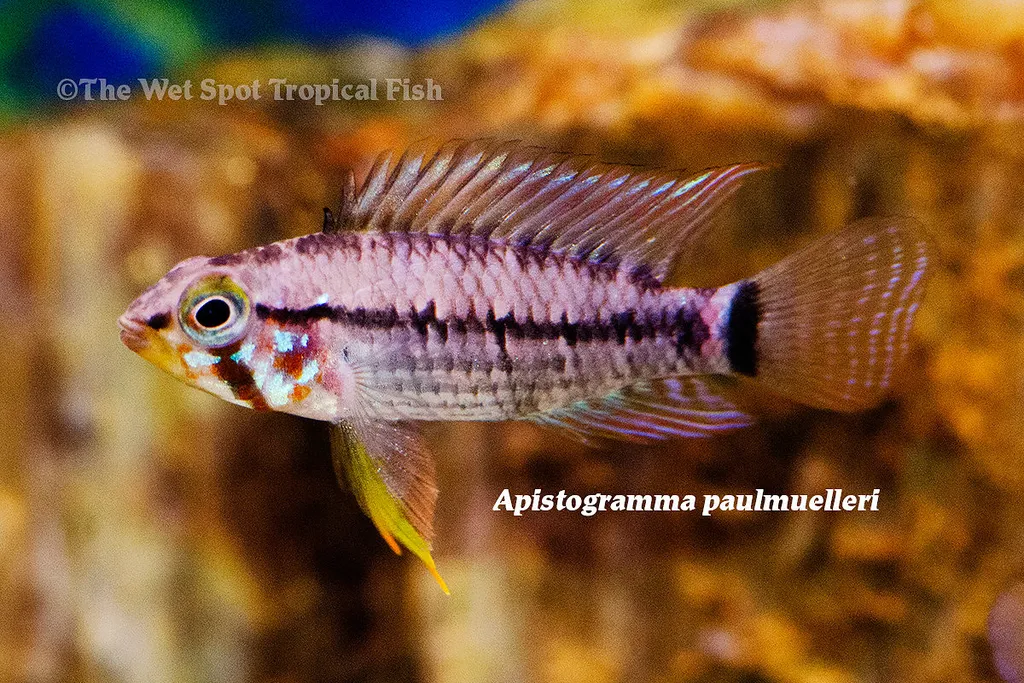 2 in (5 cm)16 gal (60 L)75–82°F (24–28°C)
Paul Mueller's dwarf cichlid
Apistogramma paulmuelleri
2 in (5 cm) · 16 gal (60 L)
 2 in (5 cm)16 gal (60 L)73–81°F (23–27°C)
Red-lined dwarf cichlid
Apistogramma rubrolineata
2 in (5 cm) · 16 gal (60 L)