Paul Mueller's dwarf cichlid
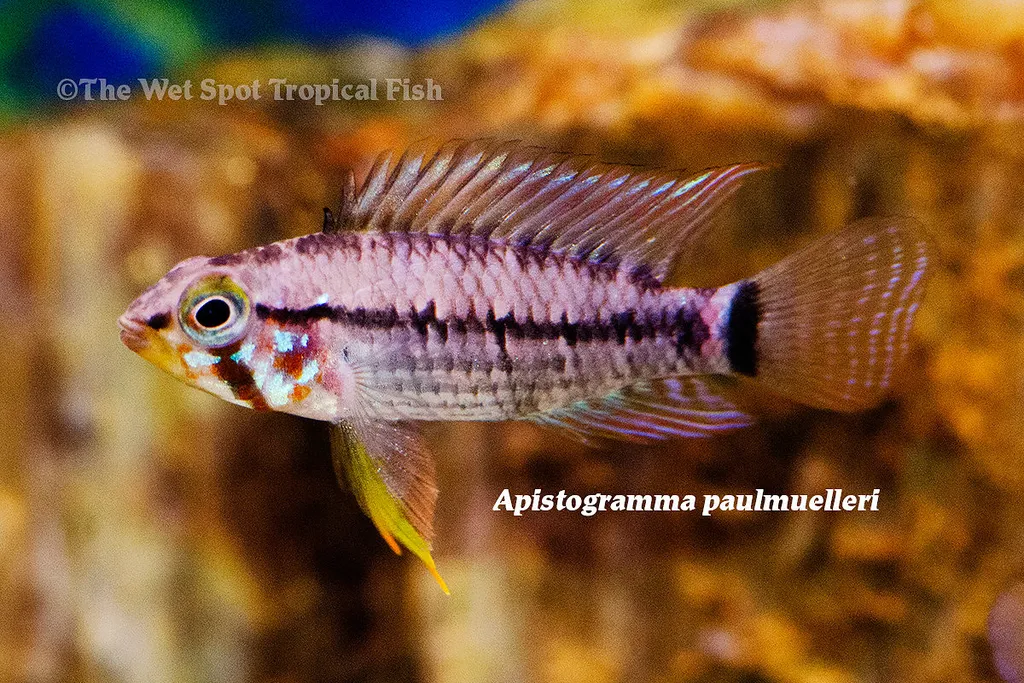
Apistogramma paulmuelleri
Also known as Glitter-face apisto
FreshwaterFish
Care at a glance
- Temperature
- 75–82°F
- 24–28°C
- pH
- 5.0–6.8
- Adult size
- 2 in
- 5 cm
- Minimum tank
- 16 gal
- 60 L
- Temperament
- Mostly peaceful
- Social behavior
- Social
- Swim level
- Bottom
- Difficulty
- Medium
- Breeding
- Cave spawner · Hard
- Rarity
- Rare
- Family
- Cichlidae
- Origin
- Amazon lowland streams south of Iquitos, Loreto, Peru
Overview
Paul Mueller's dwarf cichlid is a shy apisto for the bottom of a quiet, dim tank. It is a fish for a keeper past the beginner stage.
Did you know
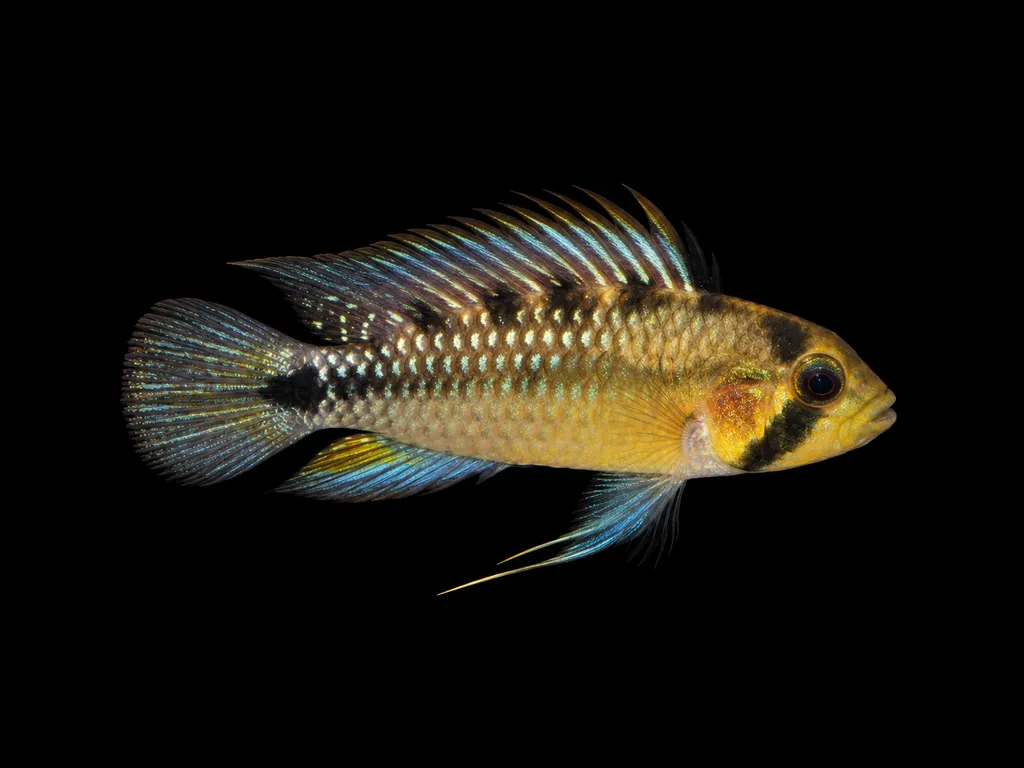
In display light, the male's face sparkles as if someone dusted it with crushed glass. That sparkle is exactly how importers spot Paul Mueller's dwarf cichlid in mixed apisto hauls.
Caring for the Paul Mueller's dwarf cichlid
Keep a pair of Paul Mueller's dwarf cichlids in a quiet, blackwater-leaning tank of 16 gal (60 L). It wants a dim, structured setup with sand, leaves, wood and caves.
Give it stable warmth at 75 to 82°F (24 to 28°C) and a pH of 5.0 to 6.8. It takes small frozen foods well and dry food only occasionally.
Shyness is the main challenge with this mostly peaceful fish. Give it heavy cover and calm neighbors, and it comes out and shows its glitter.
Breeding is hard and follows the cave pattern. It works best in soft, slightly acidic, warm water, with small, frequent feedings for the fry.
Good to know
Römer and coauthors described Paul Mueller's dwarf cichlid in 2013 and named it for the German biologist Paul Müller. Males carry glittering blue-green scales across the face and shoulders over a soft gray body. It belongs to the same Loreto species swarm as norberti and allpahuayo. The members of that swarm are told apart by face pattern and fin shape.
In the wild
Paul Mueller's dwarf cichlid inhabits small lowland forest streams in the Iquitos region of Peru. It lives in soft, gently acidic water over leaf litter.
Weekly picks
Tank mates
The Paul Mueller's dwarf cichlid is a mostly peaceful, social species that keeps to the bottom. These picks share a community profile with it, are safe together in both directions, and overlap on water type, temperature and pH.
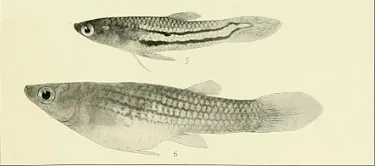
Melanzona guppy
Poecilia parae
FreshwaterBrackish2 in (5 cm) · 15 gal (55 L)75–82°F (24–28°C)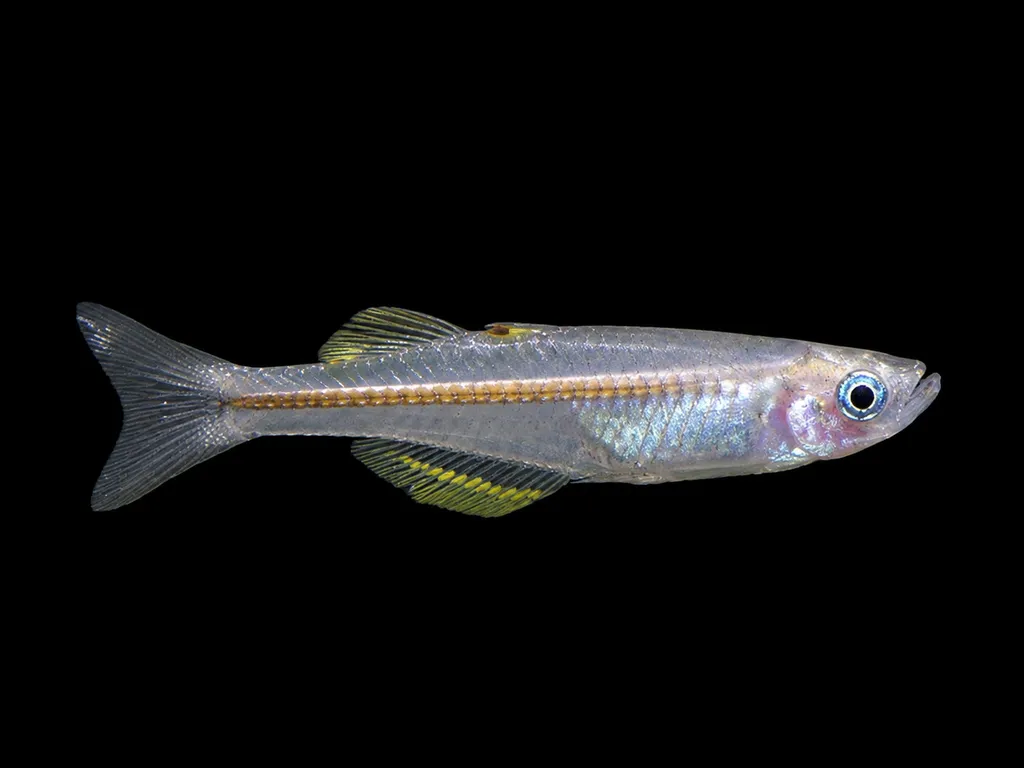
New Guinea blue-eye
Pseudomugil novaeguineae
Freshwater1.8 in (4.5 cm) · 15 gal (55 L)79–86°F (26–30°C)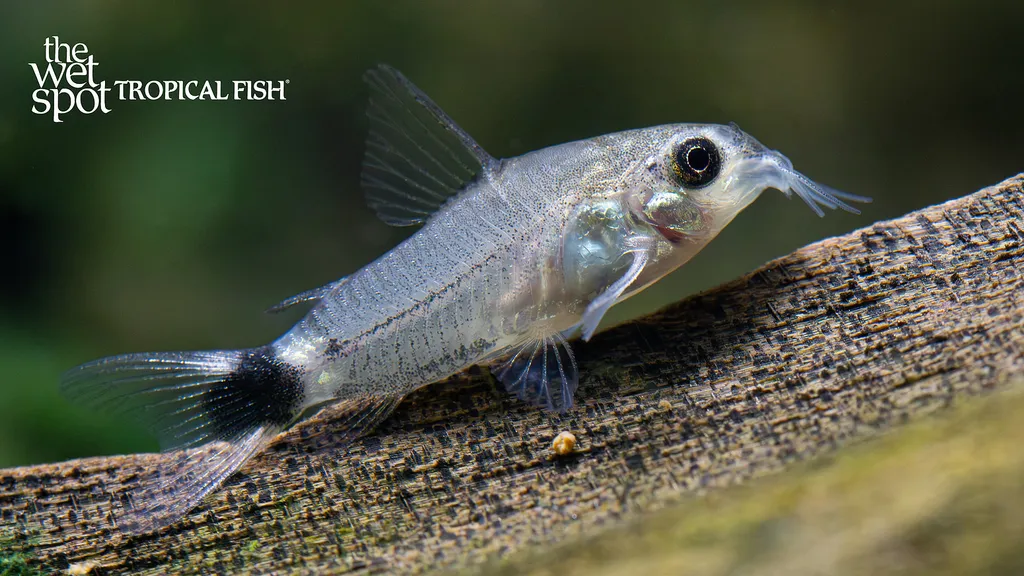
Sarare cory
Corydoras sarareensis
Freshwater2 in (5 cm) · 16 gal (60 L)75–82°F (24–28°C)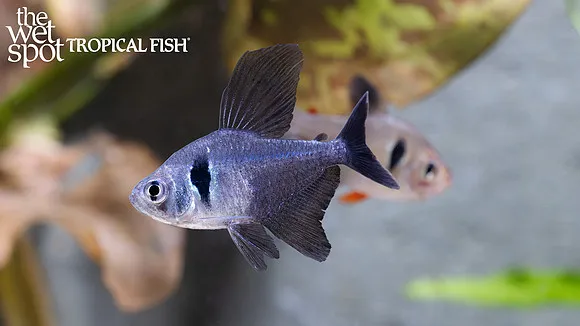
Epicharis tetra
Hyphessobrycon epicharis
Freshwater1.6 in (4 cm) · 16 gal (60 L)73–82°F (23–28°C)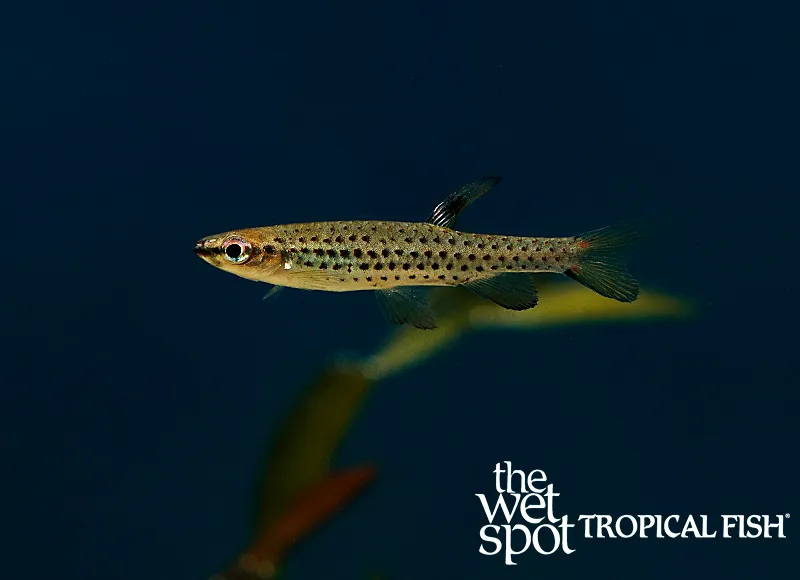
Spotted splash tetra
Copella nattereri
Freshwater2 in (5 cm) · 16 gal (60 L)75–82°F (24–28°C)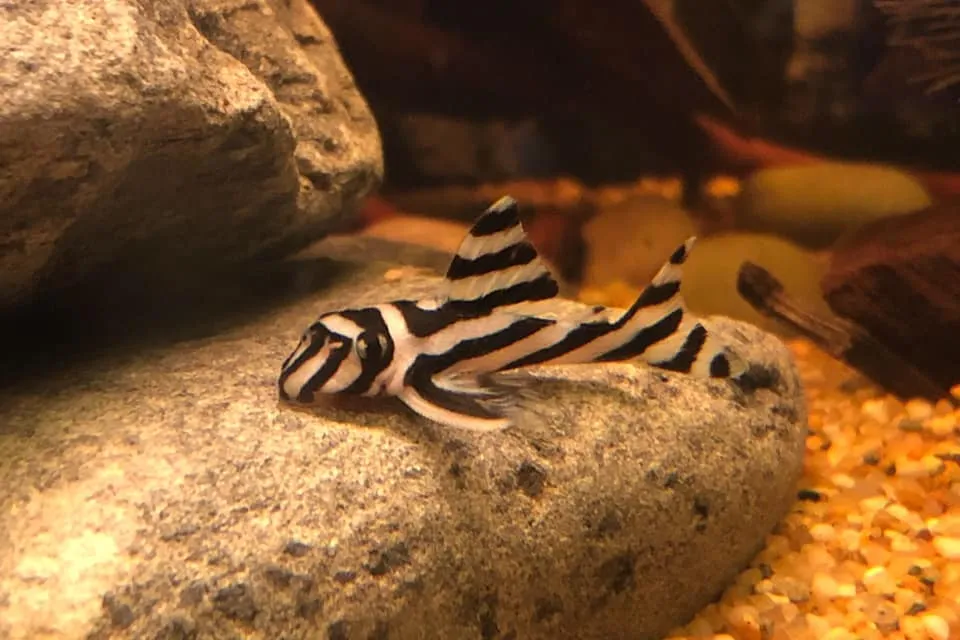
Zebra pleco
Hypancistrus zebra
Freshwater3.1 in (8 cm) · 15 gal (55 L)79–86°F (26–30°C)
Common questions
What size tank does a Paul Mueller's dwarf cichlid need?
A Paul Mueller's dwarf cichlid needs at least 16 gal (60 L). It spends most of its time in the bottom.
What temperature and pH does a Paul Mueller's dwarf cichlid need?
A Paul Mueller's dwarf cichlid is comfortable at 75–82°F (24–28°C) with a pH of 5.0–6.8.
What does a Paul Mueller's dwarf cichlid eat?
A Paul Mueller's dwarf cichlid takes small frozen foods well and eats dry food only occasionally.
How big does a Paul Mueller's dwarf cichlid get?
An adult Paul Mueller's dwarf cichlid reaches about 2 in (5 cm).
Related species
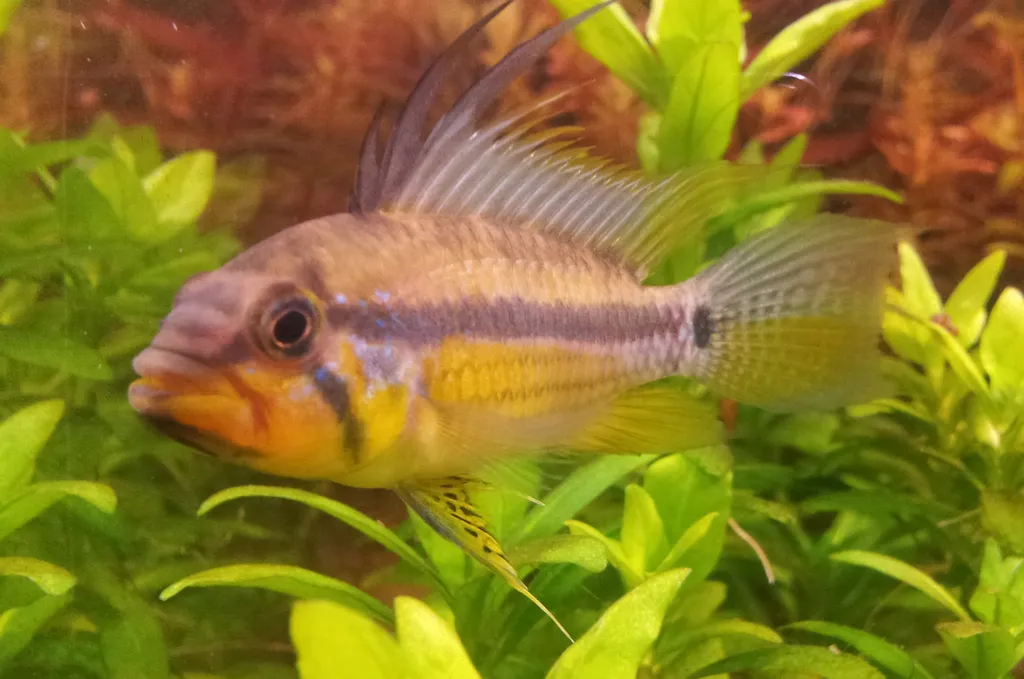 2 in (5 cm)16 gal (60 L)75–82°F (24–28°C)
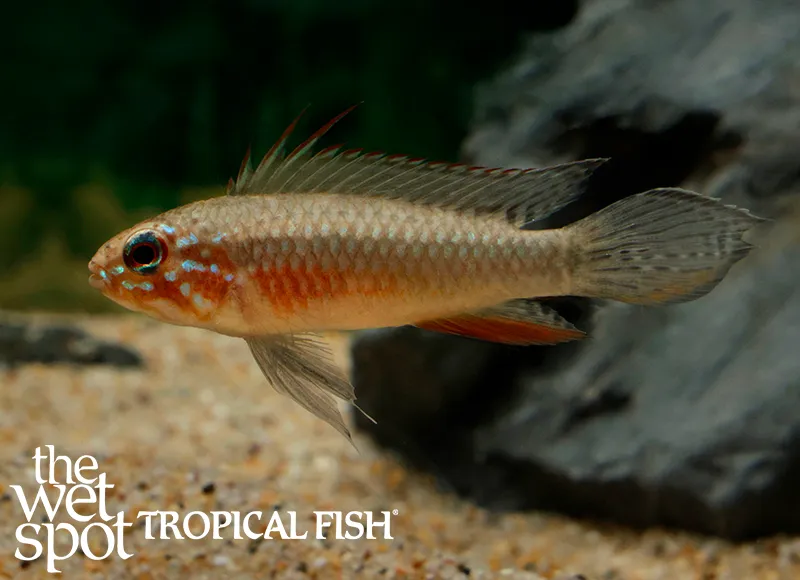
Allpahuayo dwarf cichlid
Apistogramma allpahuayo
2 in (5 cm) · 16 gal (60 L)
 2 in (5 cm)20 gal (75 L)75–84°F (24–29°C)
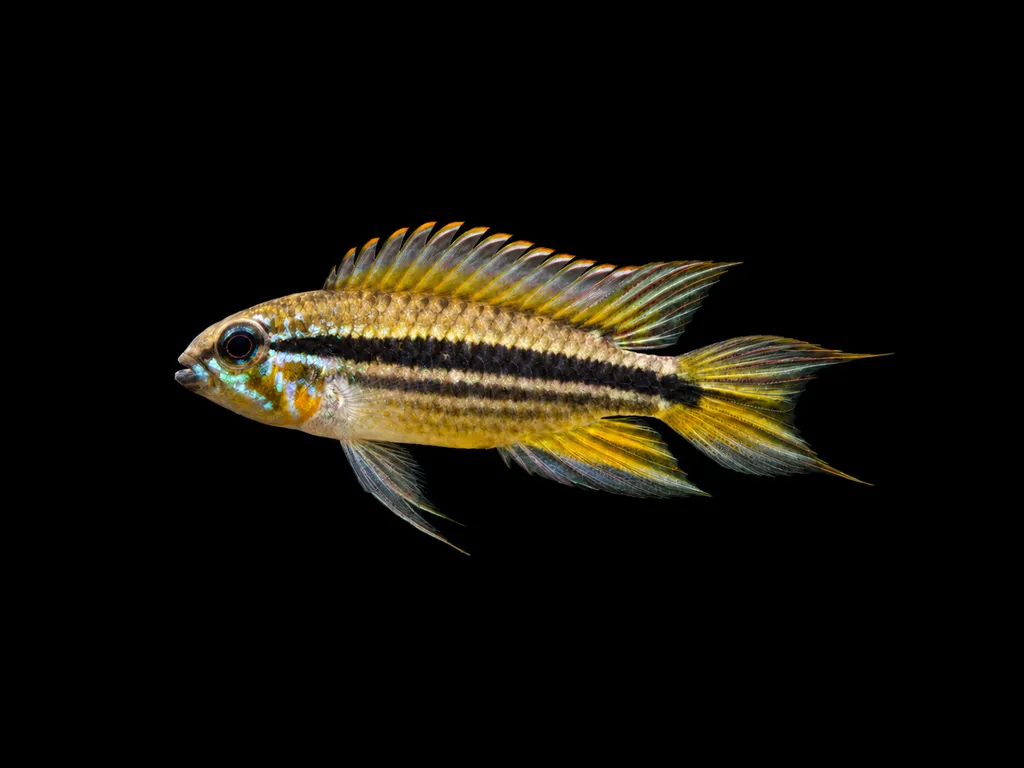
Elizabeth's dwarf cichlid
Apistogramma elizabethae
2 in (5 cm) · 20 gal (75 L)
 2 in (5 cm)16 gal (60 L)79–86°F (26–30°C)
Mendez's dwarf cichlid
Apistogramma mendezi
2 in (5 cm) · 16 gal (60 L)
 2 in (5 cm)16 gal (60 L)75–82°F (24–28°C)
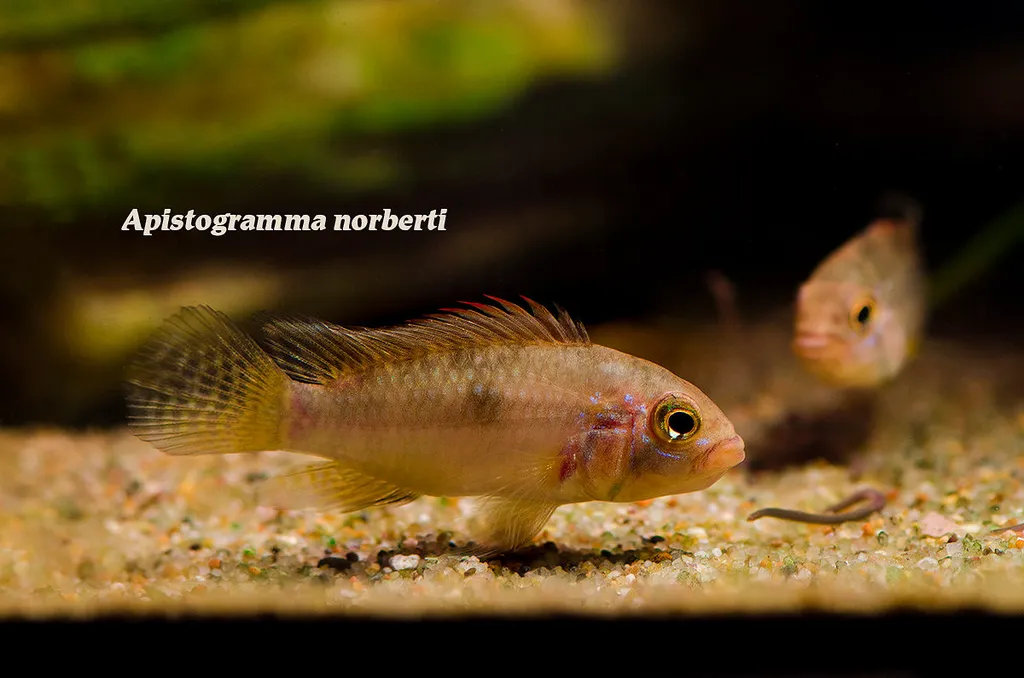
Norbert's dwarf cichlid
Apistogramma norberti
2 in (5 cm) · 16 gal (60 L)
 2 in (5 cm)16 gal (60 L)73–81°F (23–27°C)
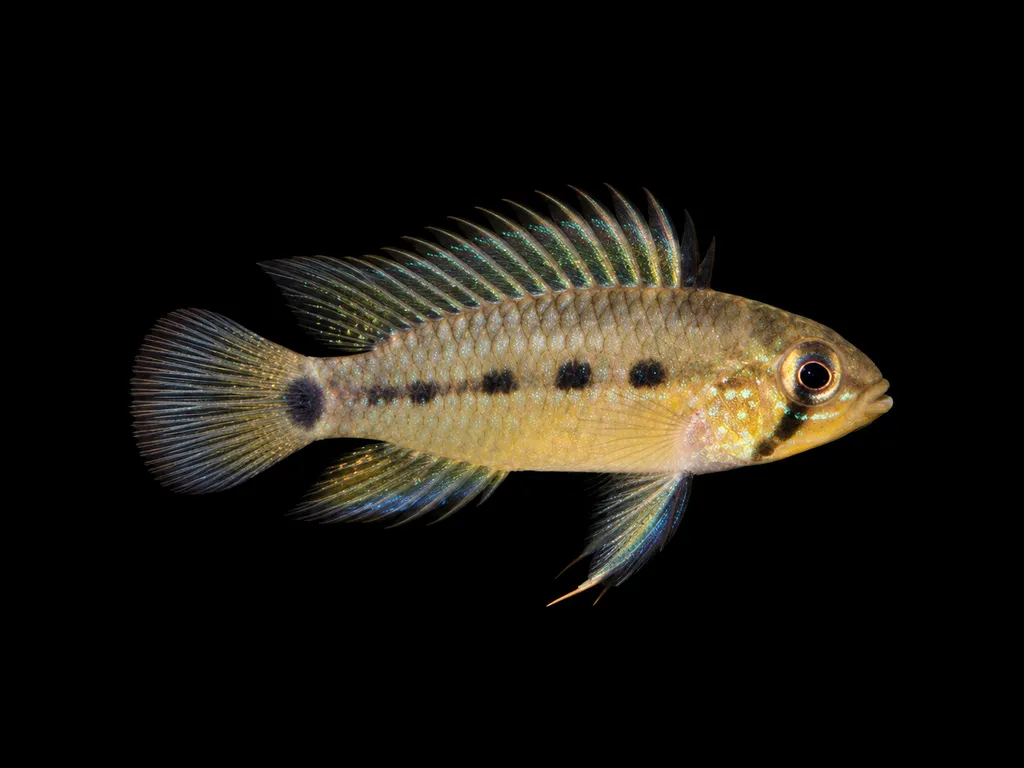
Red-lined dwarf cichlid
Apistogramma rubrolineata
2 in (5 cm) · 16 gal (60 L)
 2 in (5 cm)16 gal (60 L)75–82°F (24–28°C)
Rosita dwarf cichlid
Apistogramma rositae
2 in (5 cm) · 16 gal (60 L)