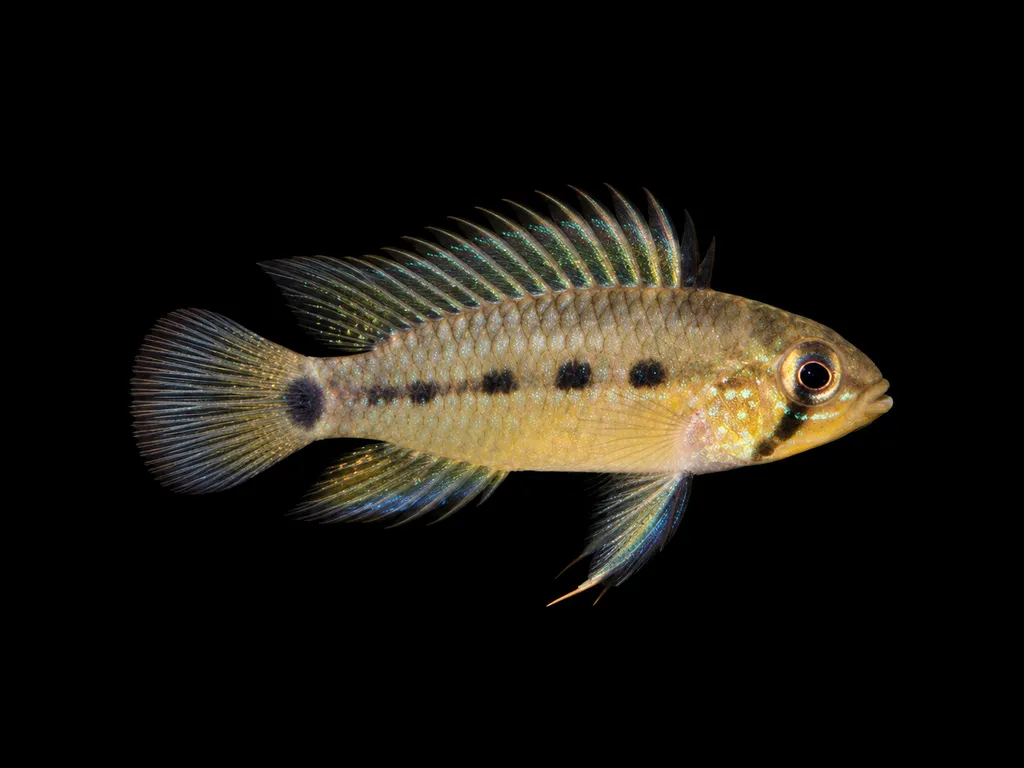
Rosita dwarf cichlid
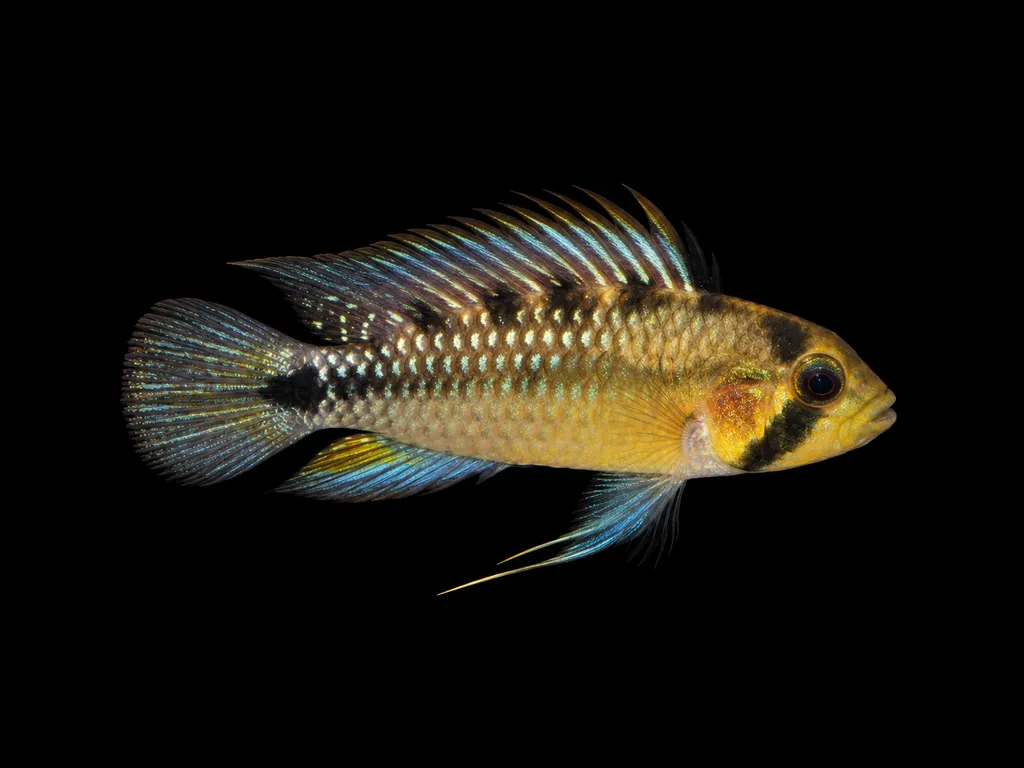
Apistogramma rositae
Also known as Sword-tail apisto
FreshwaterFish
Care at a glance
- Temperature
- 75–82°F
- 24–28°C
- pH
- 4.8–6.5
- Adult size
- 2 in
- 5 cm
- Minimum tank
- 16 gal
- 60 L
- Temperament
- Mostly peaceful
- Social behavior
- Social
- Swim level
- Bottom
- Difficulty
- Difficult
- Breeding
- Hard
- Rarity
- Rare
- Family
- Cichlidae
- Origin
- Lower Rio Tigre blackwaters, Loreto, Peru
Overview
The Rosita dwarf cichlid is an expert-keeper fish, a blackwater apisto that needs patience. It stays near the bottom of the tank.
Caring for the Rosita dwarf cichlid
Give a pair of Rosita dwarf cichlids a tank of 16 gal (60 L) with blackwater chemistry. Use a dim, litter-heavy setup on sand with caves. Cover and low light decide whether you ever see it behave naturally.
Keep the water at 75 to 82°F (24 to 28°C) and a pH of 4.8 to 6.5. Hold the hardness near zero if you want more than survival. Feed live and frozen foods.
Breeding is hard and requires very soft, acidic, warm water. Broods are small and the fry are delicate. If you get a line going, share fish with other keepers, because imports cannot be counted on.
Good to know
The Römers and Hahn described the Rosita dwarf cichlid in 2006 and named it for Rosita Römer. It is closely tied to intact blackwater habitat, and it is scarce in both the wild trade and captive breeding programs.
In the wild
The Rosita dwarf cichlid comes from blackwater streams in the lower Tigre drainage of Peru. It is a leaf-litter specialist from water with almost no minerals.
Weekly picks
Tank mates
The Rosita dwarf cichlid is a mostly peaceful, social species that keeps to the bottom. These picks share a community profile with it, are safe together in both directions, and overlap on water type, temperature and pH.
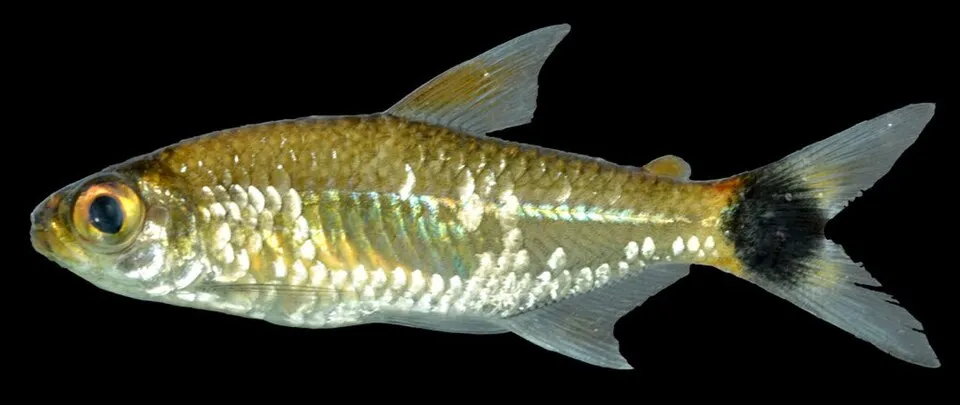
Ceros tetra
Moenkhausia ceros
Freshwater2 in (5 cm) · 16 gal (60 L)75–82°F (24–28°C)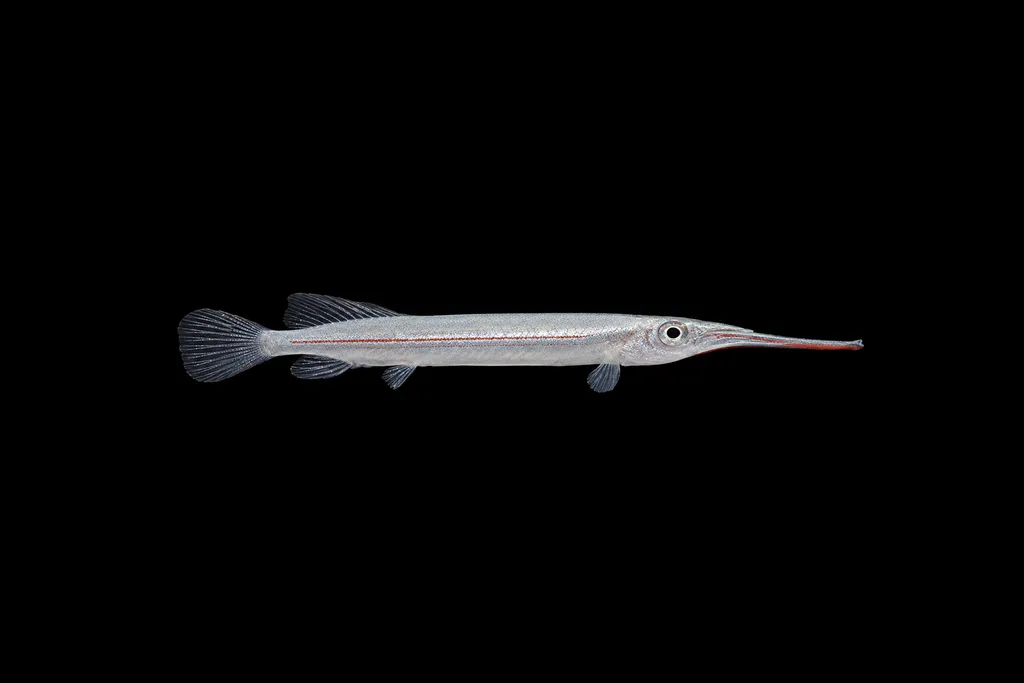
Fire halfbeak
Hemirhamphodon kapuasensis
Freshwater2.4 in (6 cm) · 14 gal (54 L)73–81°F (23–27°C)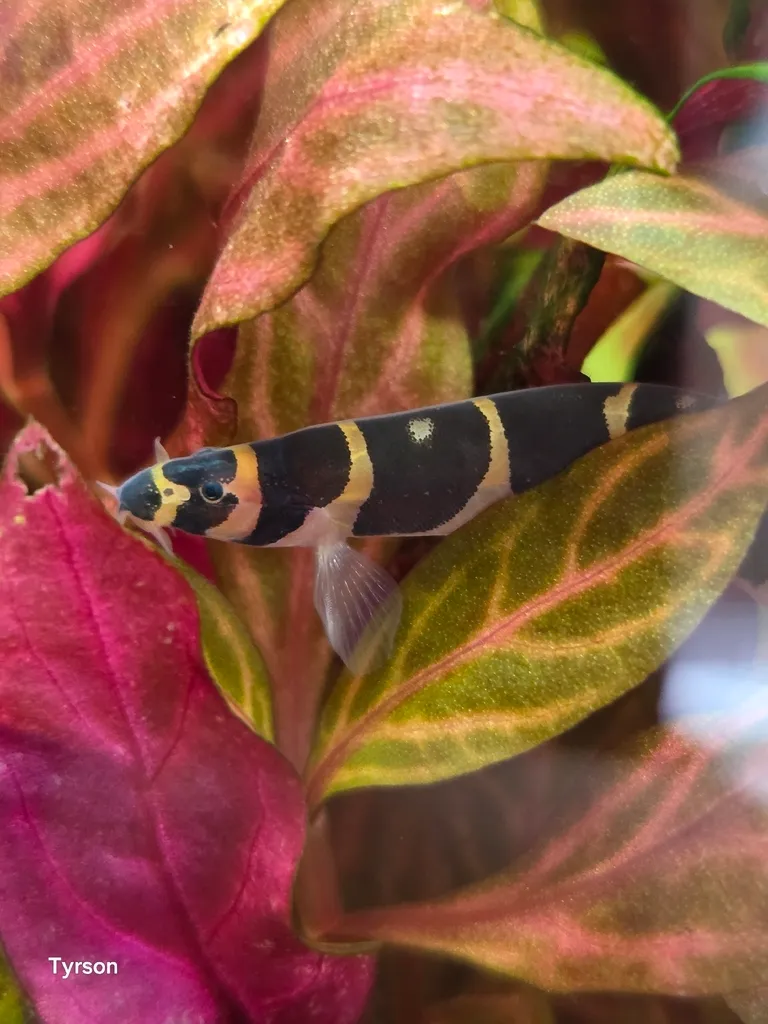
Kuhli loach
Pangio kuhlii
Freshwater3.9 in (10 cm) · 17 gal (65 L)72–82°F (22–28°C)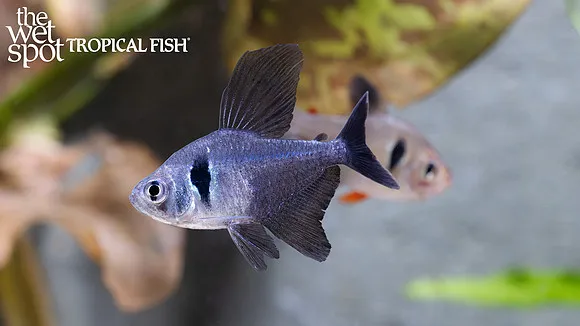
Epicharis tetra
Hyphessobrycon epicharis
Freshwater1.6 in (4 cm) · 16 gal (60 L)73–82°F (23–28°C)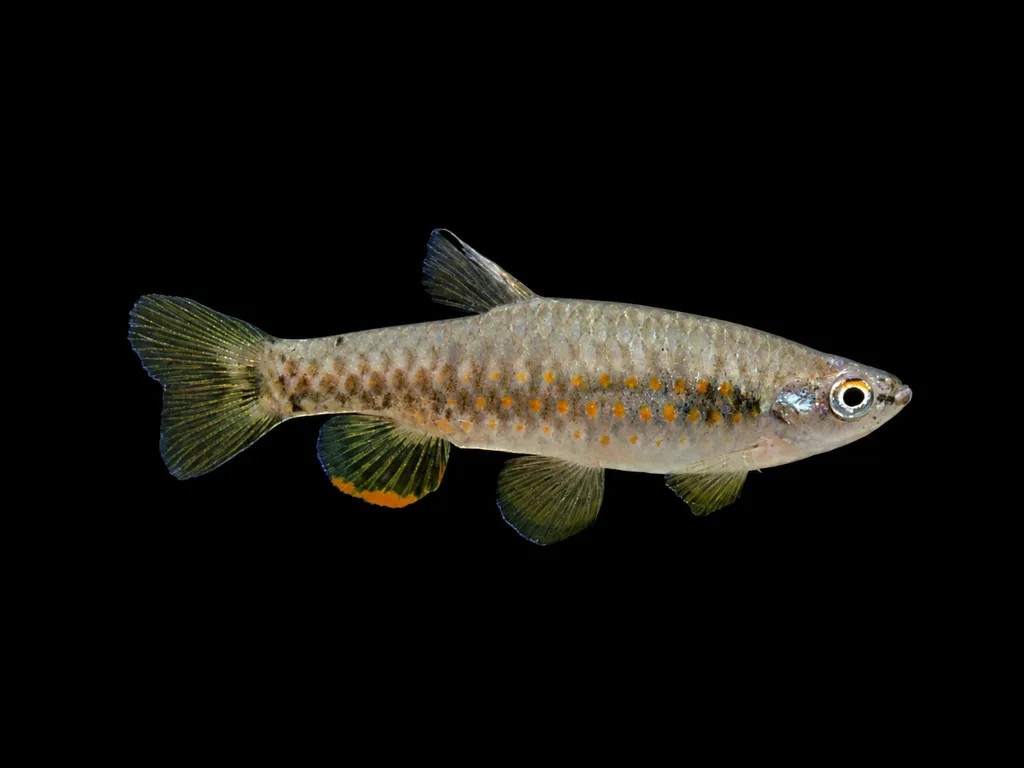
Fanning characin
Pyrrhulina rachoviana
Freshwater2 in (5 cm) · 16 gal (60 L)68–79°F (20–26°C)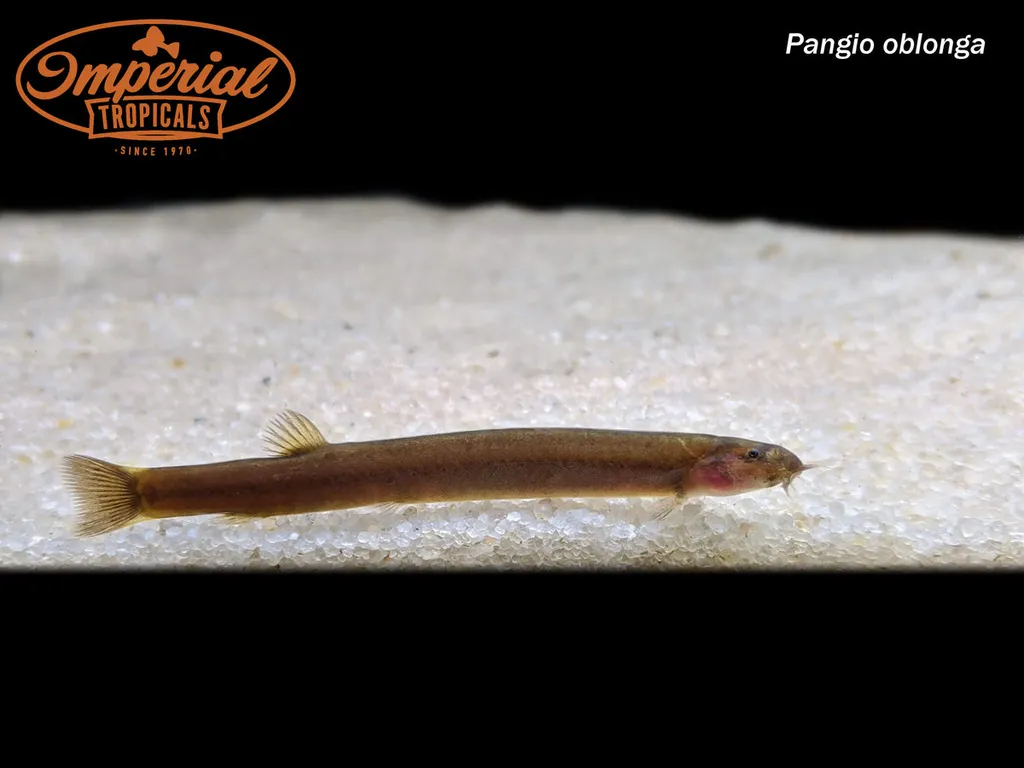
Java loach
Pangio oblonga
Freshwater3.1 in (8 cm) · 15 gal (55 L)70–79°F (21–26°C)
Common questions
What size tank does a Rosita dwarf cichlid need?
A Rosita dwarf cichlid needs at least 16 gal (60 L). It spends most of its time in the bottom.
What temperature and pH does a Rosita dwarf cichlid need?
A Rosita dwarf cichlid is comfortable at 75–82°F (24–28°C) with a pH of 4.8–6.5.
What does a Rosita dwarf cichlid eat?
A Rosita dwarf cichlid eats live and frozen foods.
How big does a Rosita dwarf cichlid get?
An adult Rosita dwarf cichlid reaches about 2 in (5 cm).
How does a Rosita dwarf cichlid breed?
A Rosita dwarf cichlid needs very soft, acidic, warm water to breed, and breeding is hard. Broods are small and the fry are delicate.
Related species
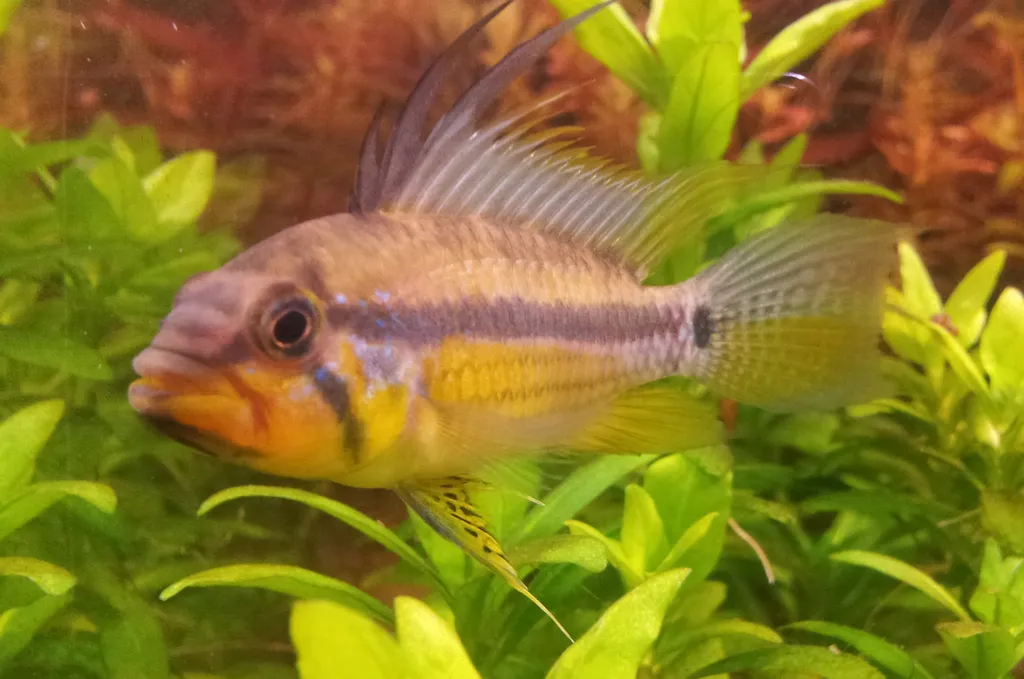 2 in (5 cm)16 gal (60 L)75–82°F (24–28°C)
Allpahuayo dwarf cichlid
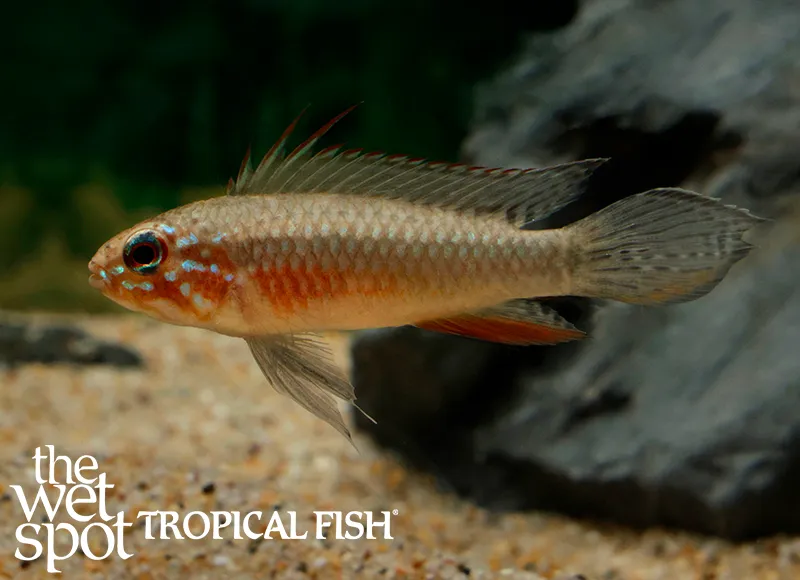
Apistogramma allpahuayo
2 in (5 cm) · 16 gal (60 L)
 2 in (5 cm)20 gal (75 L)75–84°F (24–29°C)
Elizabeth's dwarf cichlid
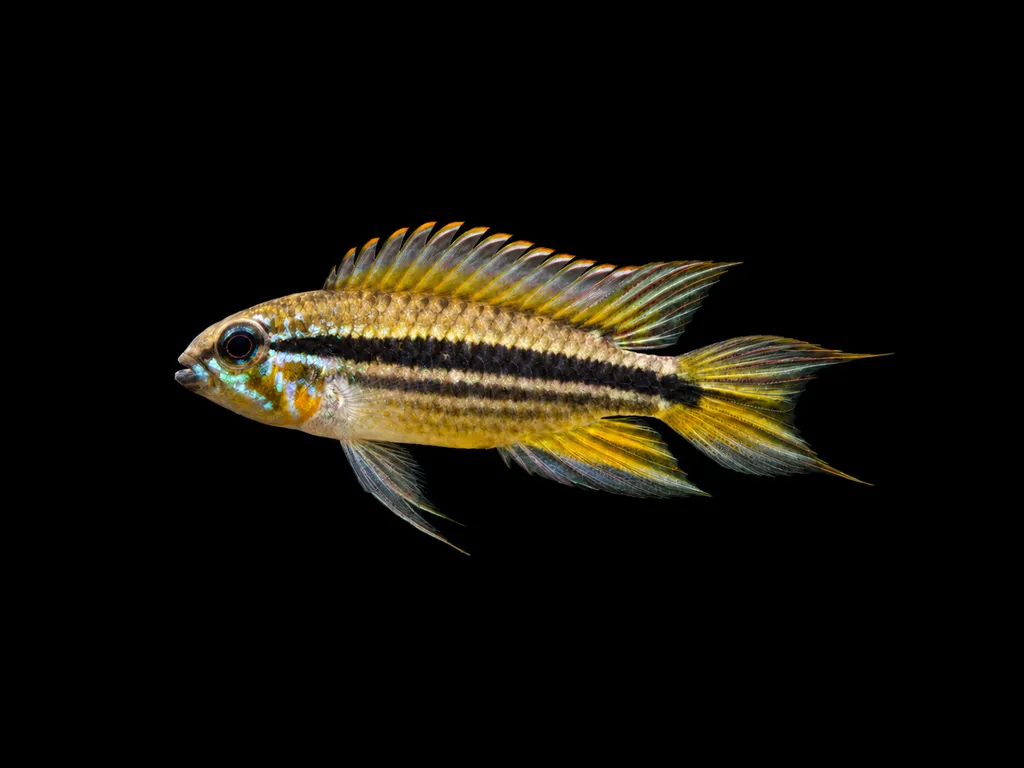
Apistogramma elizabethae
2 in (5 cm) · 20 gal (75 L)
 2 in (5 cm)16 gal (60 L)79–86°F (26–30°C)
Mendez's dwarf cichlid
Apistogramma mendezi
2 in (5 cm) · 16 gal (60 L)
 2 in (5 cm)16 gal (60 L)75–82°F (24–28°C)
Norbert's dwarf cichlid
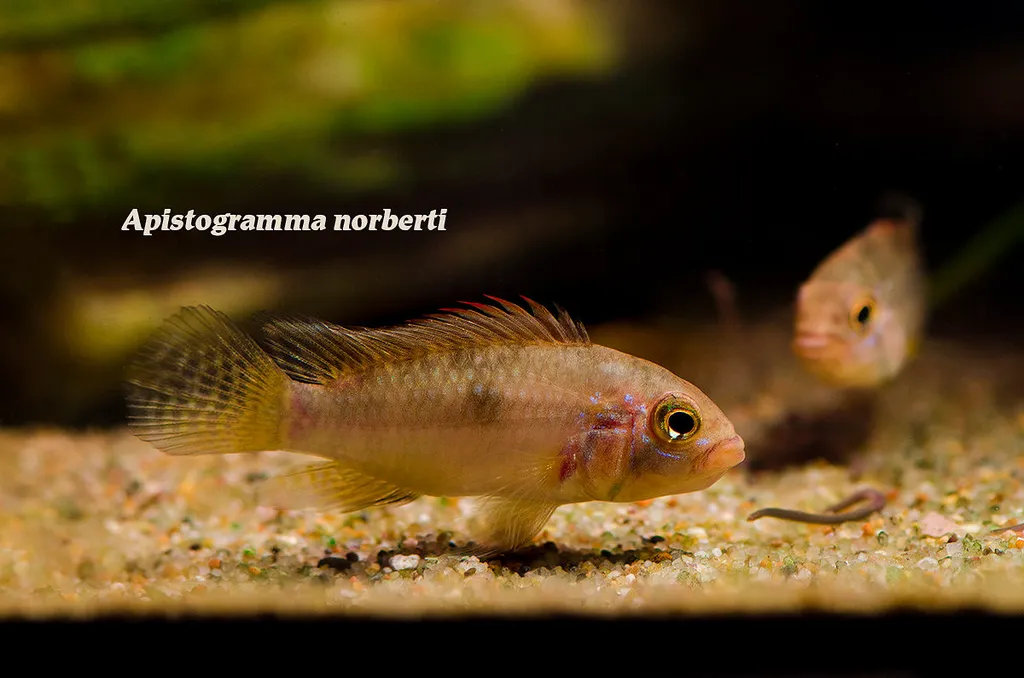
Apistogramma norberti
2 in (5 cm) · 16 gal (60 L)
 2 in (5 cm)16 gal (60 L)75–82°F (24–28°C)
Paul Mueller's dwarf cichlid
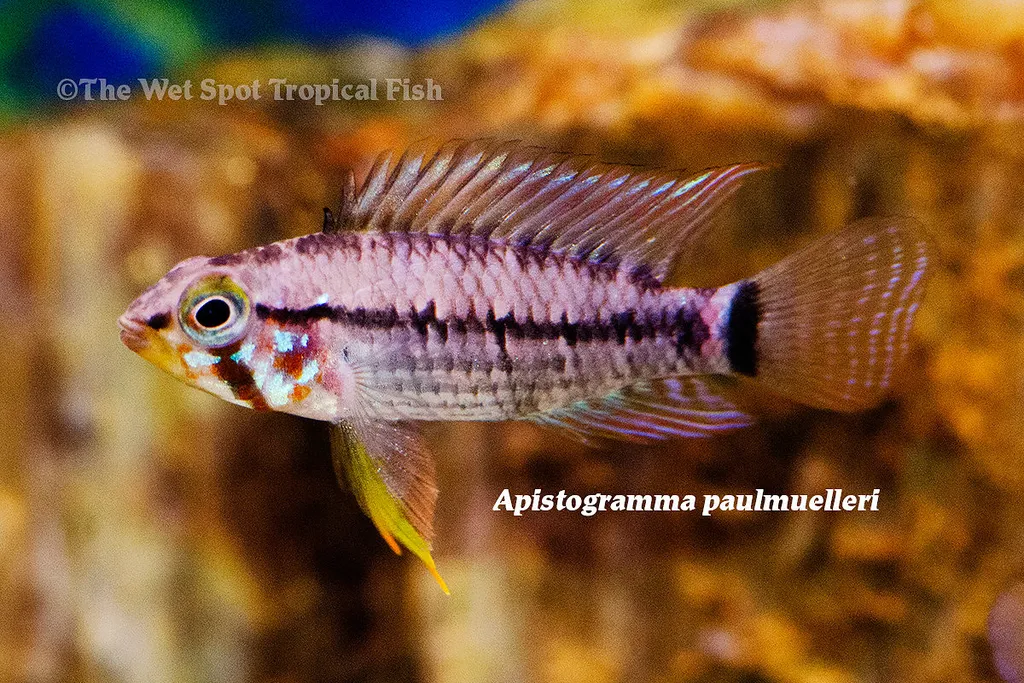
Apistogramma paulmuelleri
2 in (5 cm) · 16 gal (60 L)
 2 in (5 cm)16 gal (60 L)73–81°F (23–27°C)
Red-lined dwarf cichlid
Apistogramma rubrolineata
2 in (5 cm) · 16 gal (60 L)