Darter tetra
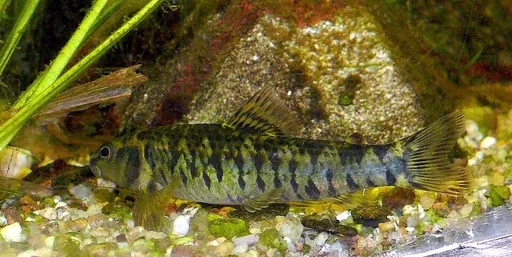
Characidium fasciatum
Also known as Barred darter characin
FreshwaterFish
Care at a glance
- Temperature
- 68–79°F
- 20–26°C
- pH
- 6.0–7.5
- Adult size
- 2.8 in
- 7 cm
- Minimum tank
- 16 gal
- 60 L
- Temperament
- Peaceful
- Social behavior
- Social
- Swim level
- Bottom
- Difficulty
- Medium
- Breeding
- Hard
- Rarity
- Rare
- Family
- Crenuchidae
- Origin
- Widespread across river basins of eastern and central South America.
Overview
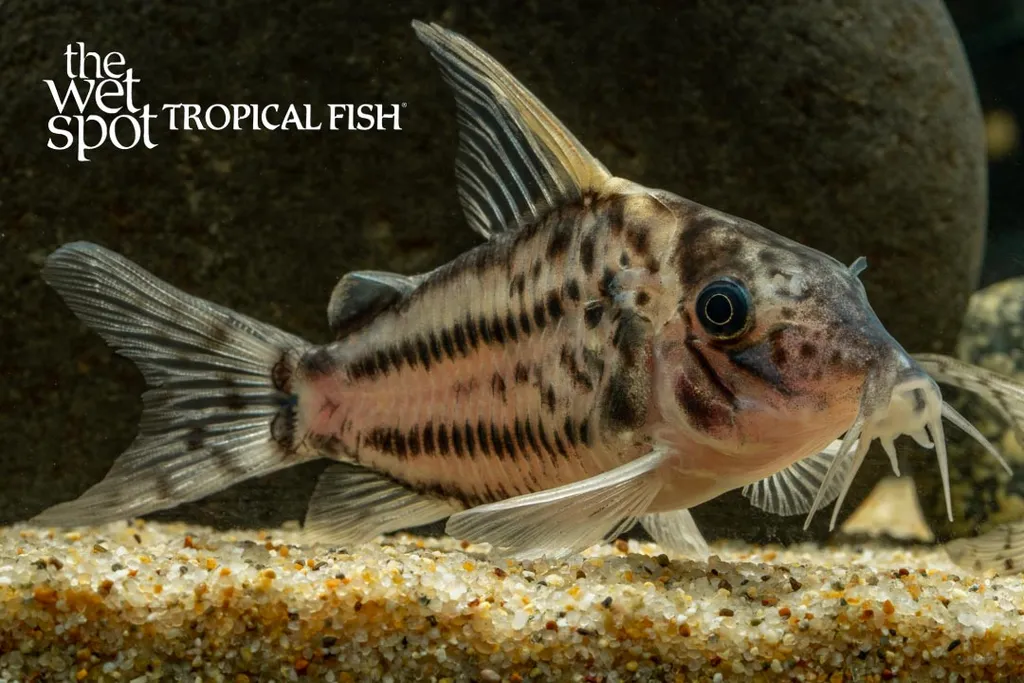
This is a bottom dweller rather than a mid water schooler, so give it a sandy or fine gravel floor with stones and wood to perch on. It is peaceful and a little territorial with its own kind, so allow space if you keep several. Cooler, well oxygenated, flowing water suits it best.
In the wild
Lives along the bottom of flowing streams and rivers, often over sand and gravel among stones and roots. It props itself on its pectoral fins and darts between resting spots rather than swimming in open water. It picks small invertebrates from the substrate.
Good to know
Characidium fasciatum is a small, bottom hugging characin of around 6 cm, marked with a row of dark bars along a pale body. It belongs to the family Crenuchidae, the South American darters. It perches on its fins in the manner of a goby or true darter.
Did you know
Instead of cruising with a school, it spends its time perched on its fins and making short darting hops along the bottom, just like the darters it is named after.
Weekly picks
Tank mates
Darter tetra is a peaceful, social species that keeps to the bottom. These picks share a community profile with it, are safe together in both directions, and overlap on water type, temperature and pH.
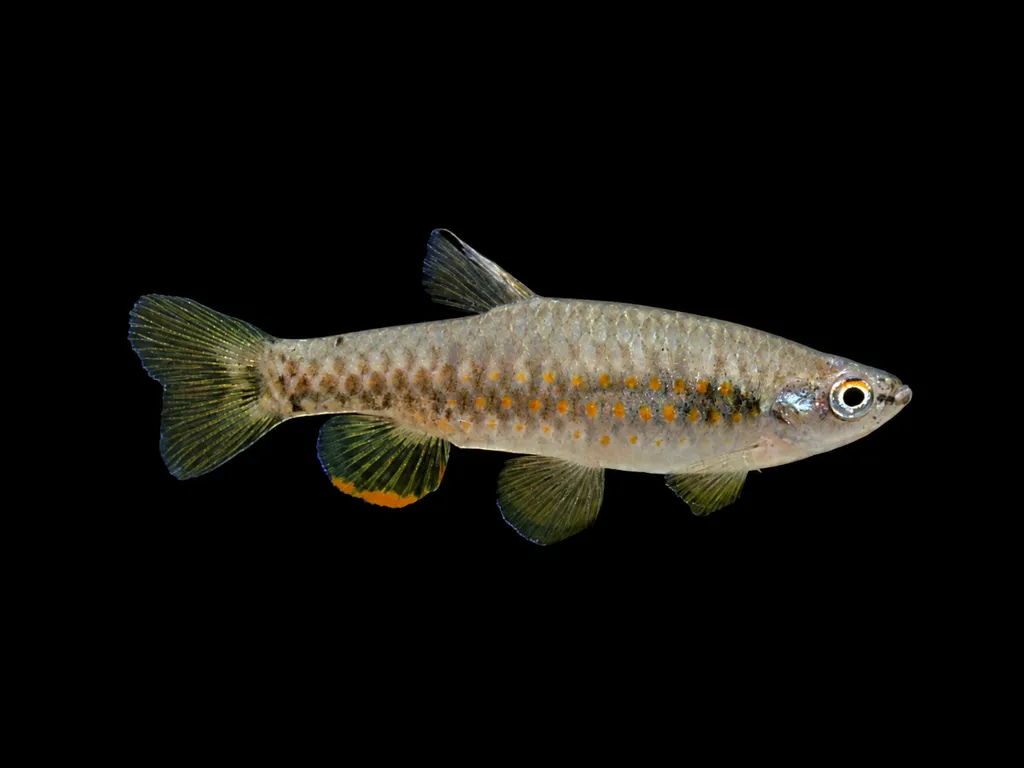
Fanning characin
Pyrrhulina rachoviana
Freshwater2 in (5 cm) · 16 gal (60 L)68–79°F (20–26°C)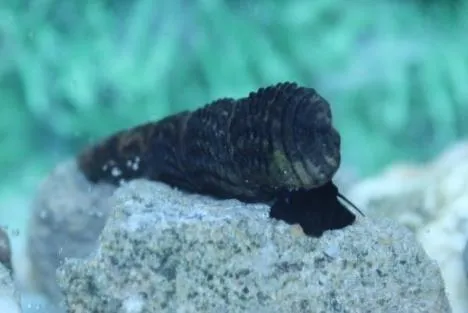
White spotted rabbit snail
Tylomelania towutica
Freshwater4.3 in (11 cm) · 16 gal (60 L)75–84°F (24–29°C)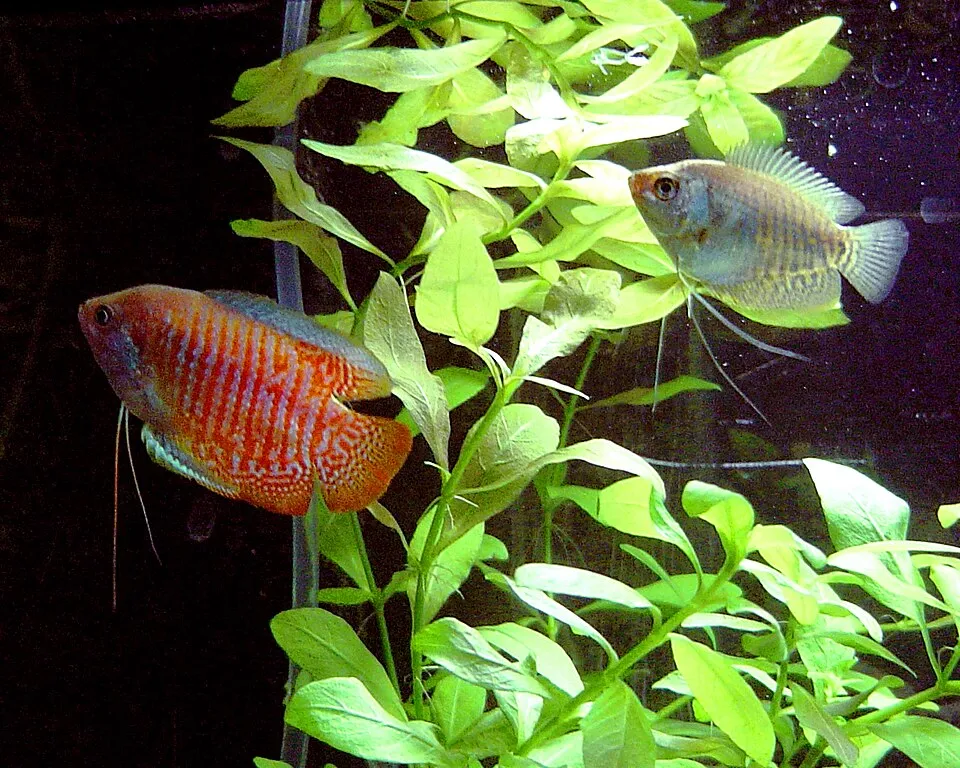
Dwarf gourami
Trichogaster lalius
Freshwater3 in (7.5 cm) · 16 gal (60 L)72–81°F (22–27°C)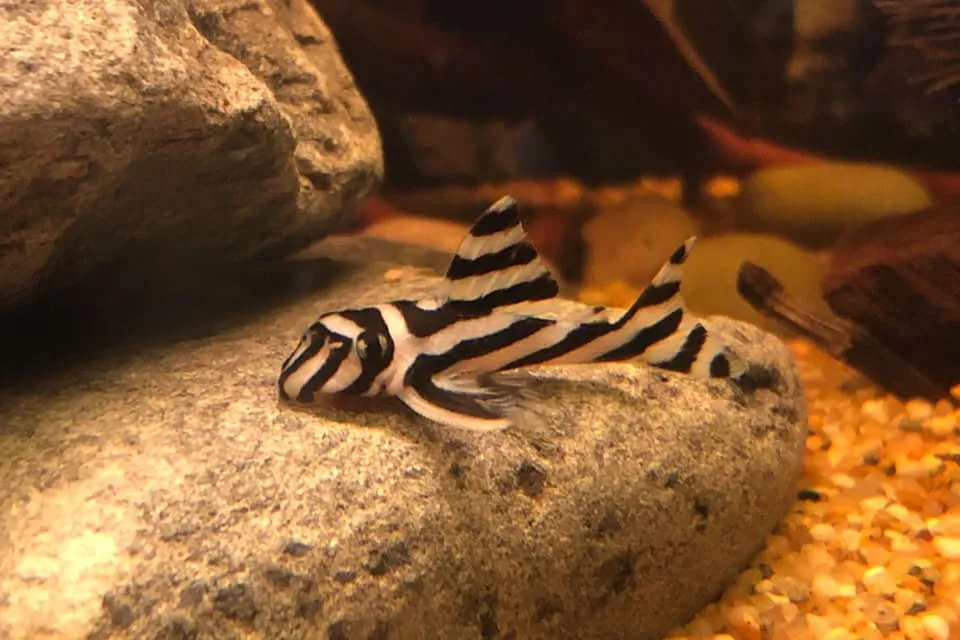
Zebra pleco
Hypancistrus zebra
Freshwater3.1 in (8 cm) · 15 gal (55 L)79–86°F (26–30°C)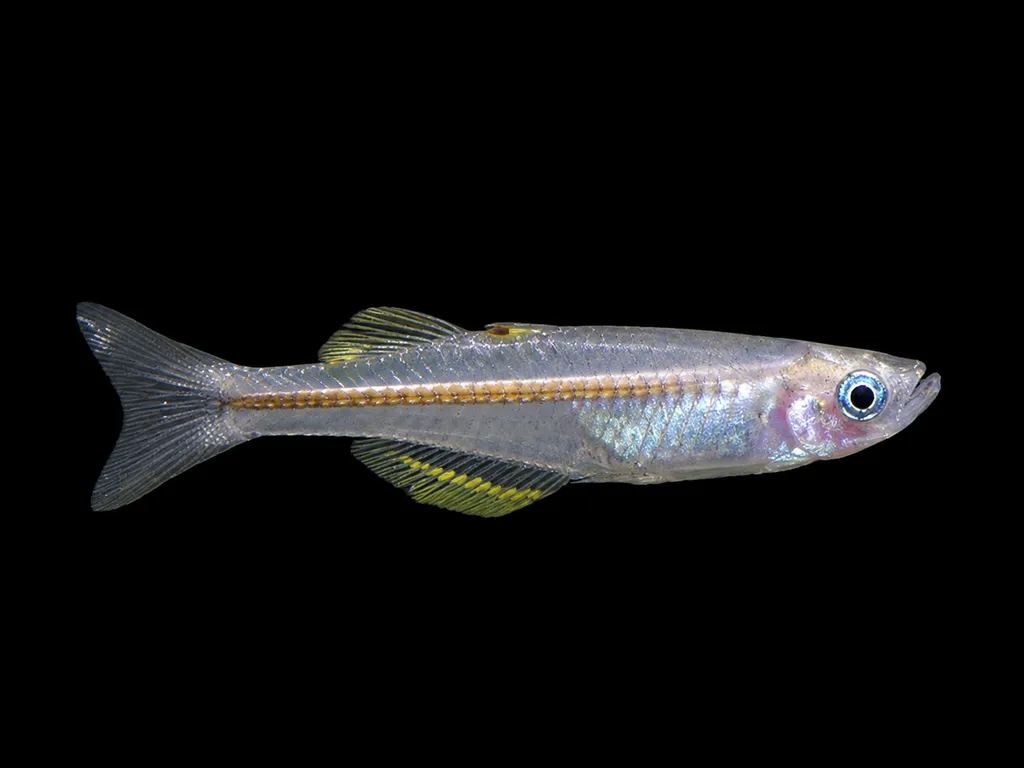
New Guinea blue-eye
Pseudomugil novaeguineae
Freshwater1.8 in (4.5 cm) · 15 gal (55 L)79–86°F (26–30°C)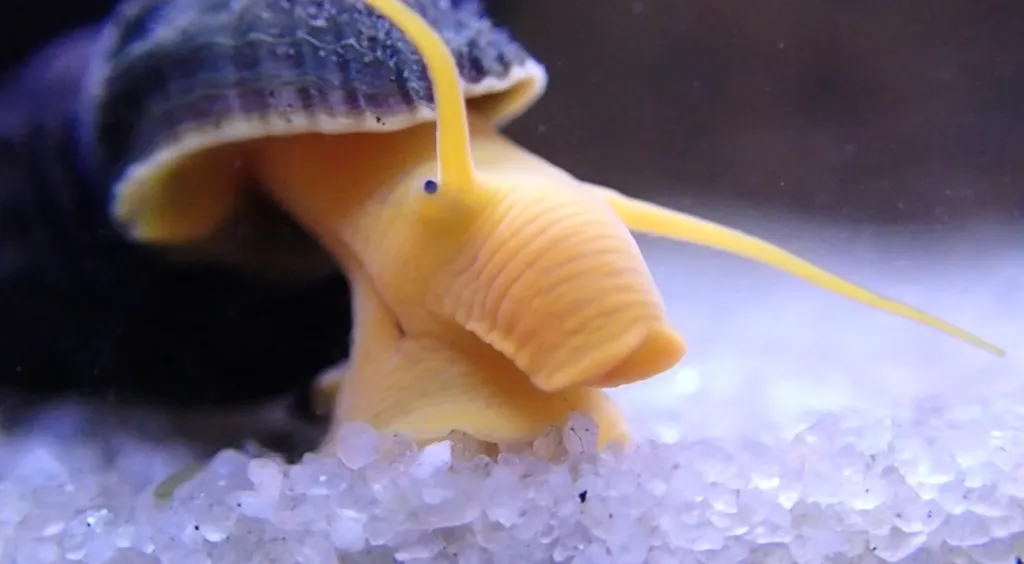
Gold rabbit snail
Tylomelania gemmifera
Freshwater2.8 in (7 cm) · 16 gal (60 L)75–82°F (24–28°C)
Common questions
What size tank does a Darter tetra need?
A Darter tetra needs at least 16 gal (60 L). It spends most of its time in the bottom.
What temperature and pH does a Darter tetra need?
A Darter tetra is comfortable at 68–79°F (20–26°C) with a pH of 6.0–7.5.
How big does a Darter tetra get?
An adult Darter tetra reaches about 2.8 in (7 cm).
Related species
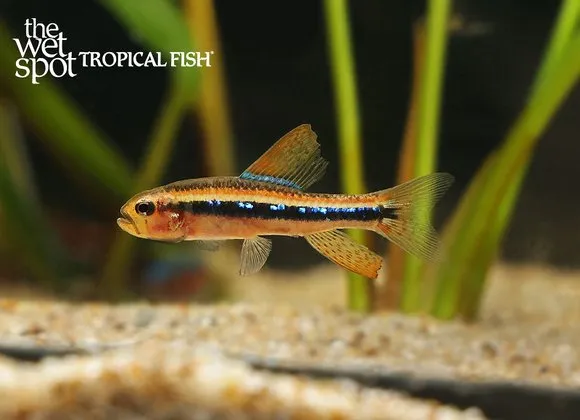
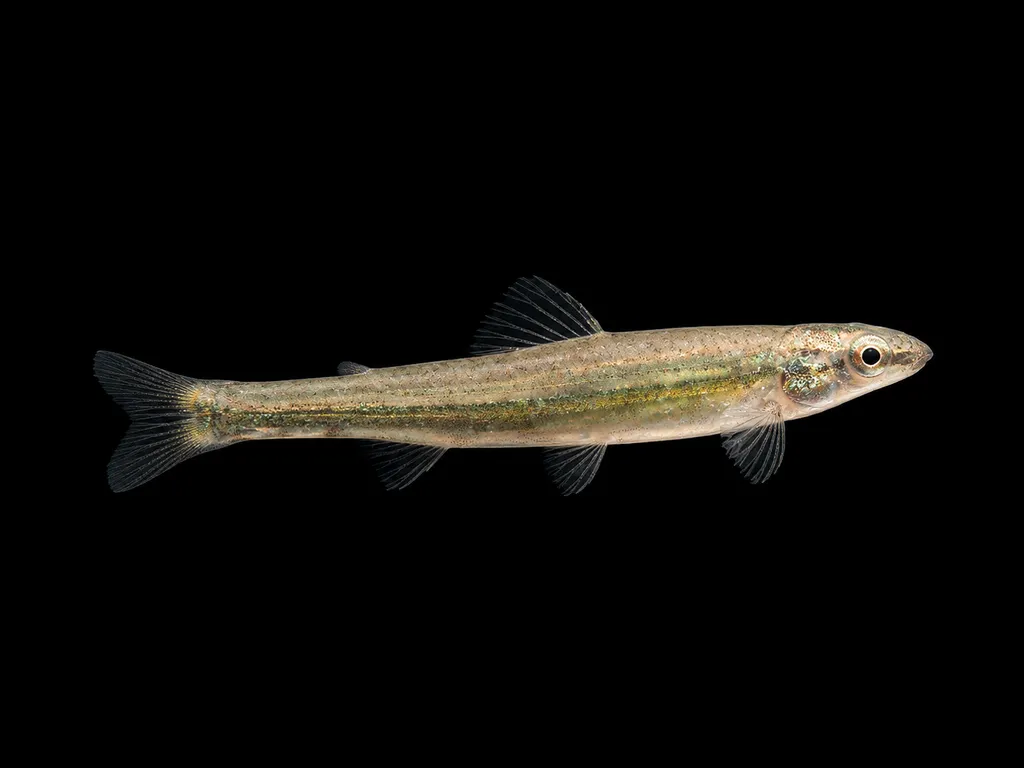 1.6 in (4 cm)14 gal (54 L)73–81°F (23–27°C)
Elegant darter characin
Ammocryptocharax elegans
1.6 in (4 cm) · 14 gal (54 L)
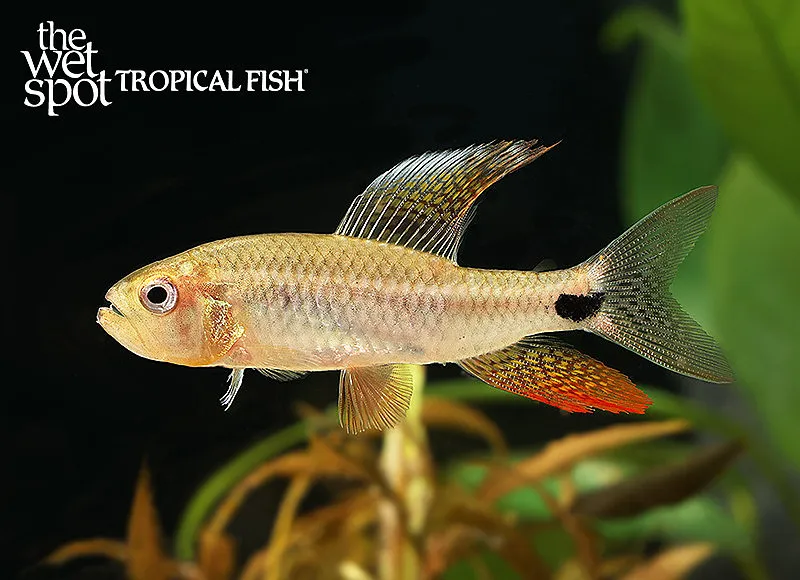
 1.9 in (4.7 cm)14 gal (54 L)75–82°F (24–28°C)
Black darter tetra
Poecilocharax weitzmani
1.9 in (4.7 cm) · 14 gal (54 L)
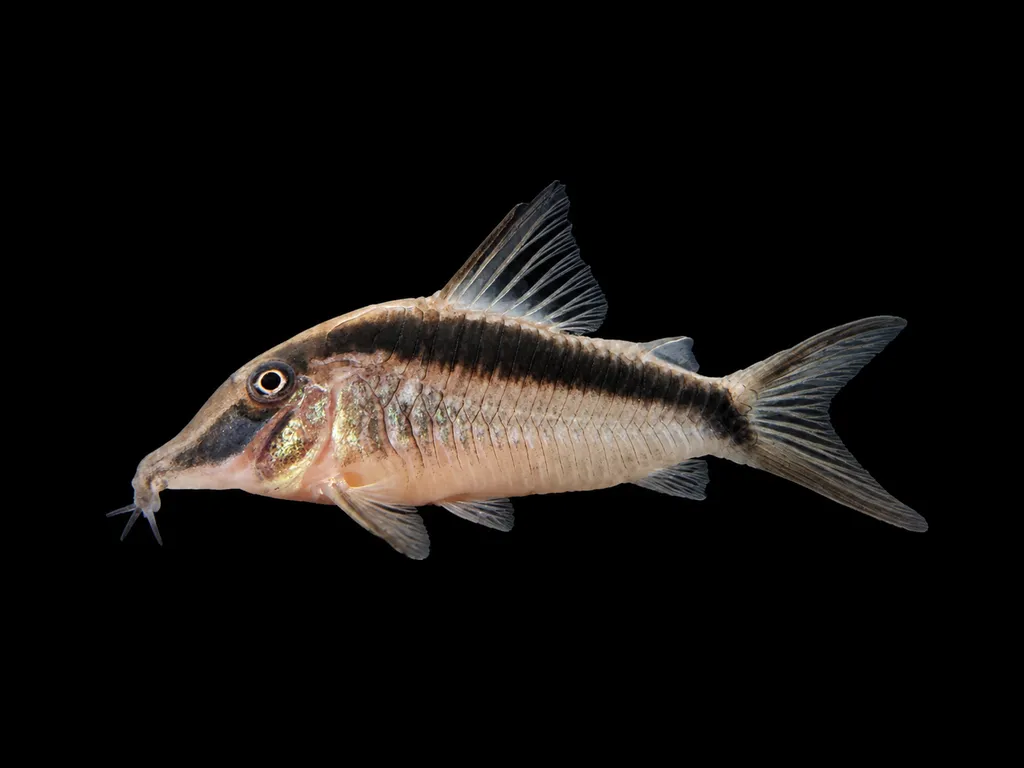
 2.4 in (6 cm)20 gal (75 L)73–82°F (23–28°C)
Sailfin tetra
Crenuchus spilurus
2.4 in (6 cm) · 20 gal (75 L)
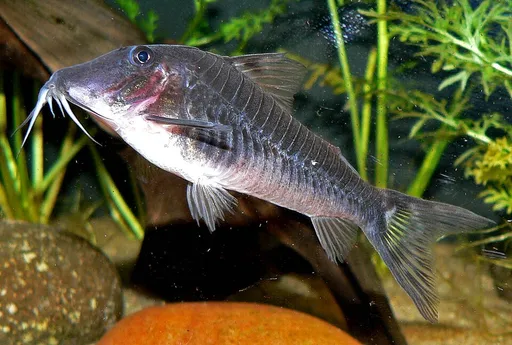
 2.8 in (7 cm)30 gal (115 L)73–77°F (23–25°C)
Long nosed arched cory
Corydoras narcissus
2.8 in (7 cm) · 30 gal (115 L)
 2.6 in (6.5 cm)24 gal (90 L)72–79°F (22–26°C)
Peru black cory
Corydoras semiaquilus
2.6 in (6.5 cm) · 24 gal (90 L)
 2.6 in (6.5 cm)24 gal (90 L)75–82°F (24–28°C)
Pretty cory
Brochis pulchra
2.6 in (6.5 cm) · 24 gal (90 L)