Flag tetra
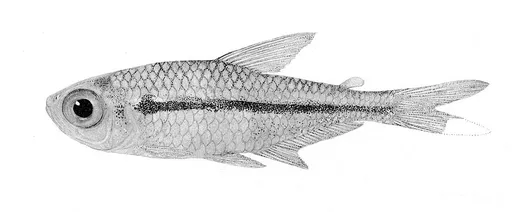
Hyphessobrycon heterorhabdus
Also known as Belgian flag tetra
FreshwaterFish
Care at a glance
- Temperature
- 70–81°F
- 21–27°C
- pH
- 5.5–7.0
- Adult size
- 1.4 in
- 3.5 cm
- Minimum tank
- 16 gal
- 60 L
- Temperament
- Peaceful
- Social behavior
- Schooling
- Swim level
- Middle
- Difficulty
- Medium
- Breeding
- Medium
- Rarity
- Rare
- Family
- Characidae
- Origin
- Colombia, Brazil
Overview
Keep them in a group of at least six to eight so they school and feel safe. They are peaceful mid-water fish but a bit sensitive to water quality, so they reward stable, soft, slightly acidic conditions and steady maintenance. Feed quality flake, small pellets, and frozen foods like bloodworm or daphnia. Aim for temperatures in the low to high 20s C and a tank of around 60 liters for a school.
In the wild
Flag tetras live in the lower Amazon basin across Colombia and Brazil, in slow streams, rivers, and flooded forest. The water is soft and slightly acidic, shaded by the canopy and often stained with tannins over leaf litter. Recreate that with a planted tank, driftwood, dim lighting, and a darker substrate. Soft water from pH 5.5 to 7 keeps them settled and showing color.
Good to know
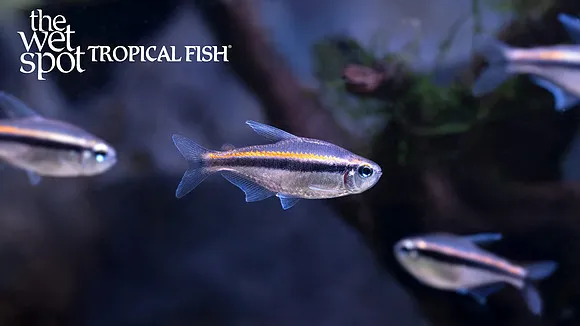
A characin in the family Characidae, reaching about 3.5 cm. It is marked by a gold-over-red line running the length of the body with a black stripe beneath it, the pairing that gives the flag its name. They are egg scatterers with no parental care, and they spawn among fine-leaved plants. They are considered a moderately demanding tetra to keep and breed.
Did you know
The flag tetra's red and gold stripe acts as a water-quality readout. When conditions are clean and stable the line glows bright, but stress, poor water, or a harsh bare tank makes it fade fast, so a dull flag tetra is often telling you to check the tank before the fish looks sick.
Weekly picks
Tank mates
Flag tetra is a peaceful, schooling species that keeps to the middle. These picks share a community profile with it, are safe together in both directions, and overlap on water type, temperature and pH.
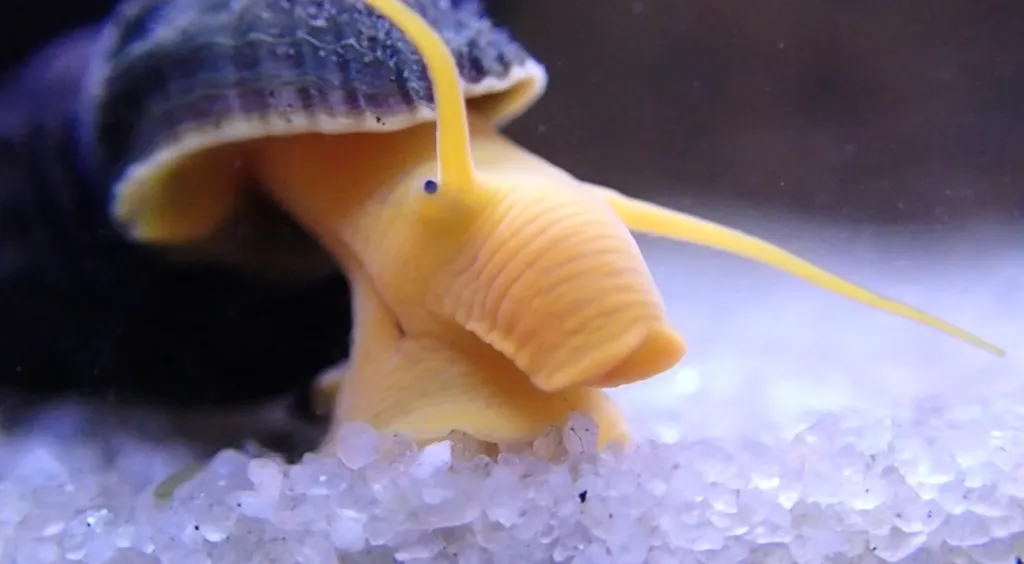
Gold rabbit snail
Tylomelania gemmifera
Freshwater2.8 in (7 cm) · 16 gal (60 L)75–82°F (24–28°C)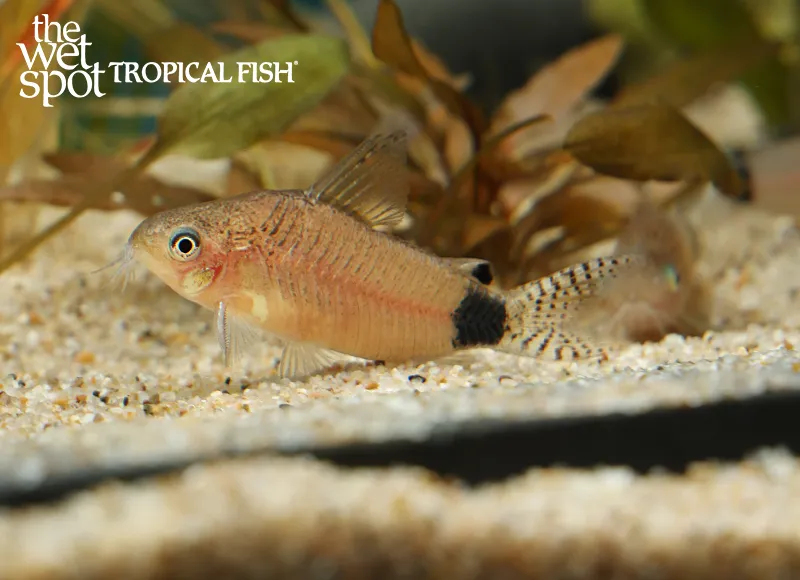
Guapore cory
Gastrodermus guapore
Freshwater2 in (5 cm) · 16 gal (60 L)72–82°F (22–28°C)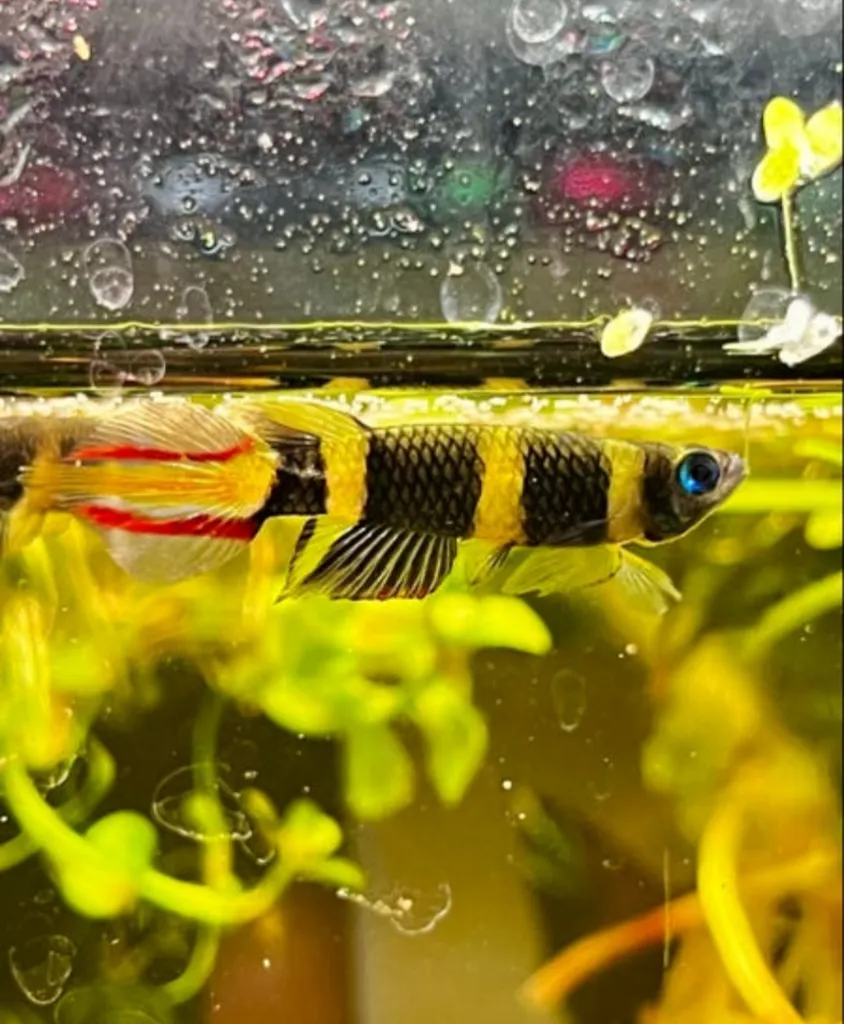
Clown killifish
Epiplatys annulatus
Freshwater1.4 in (3.5 cm) · 15 gal (55 L)68–79°F (20–26°C)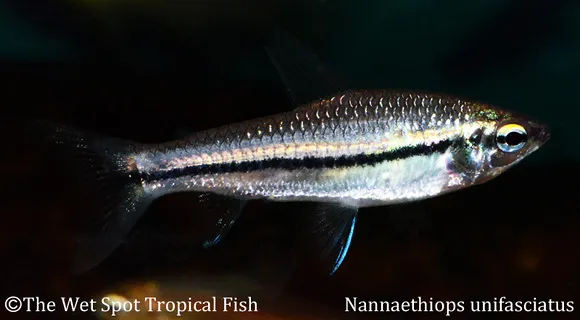
African oneline tetra
Nannaethiops unitaeniatus
Freshwater2.6 in (6.5 cm) · 16 gal (60 L)72–79°F (22–26°C)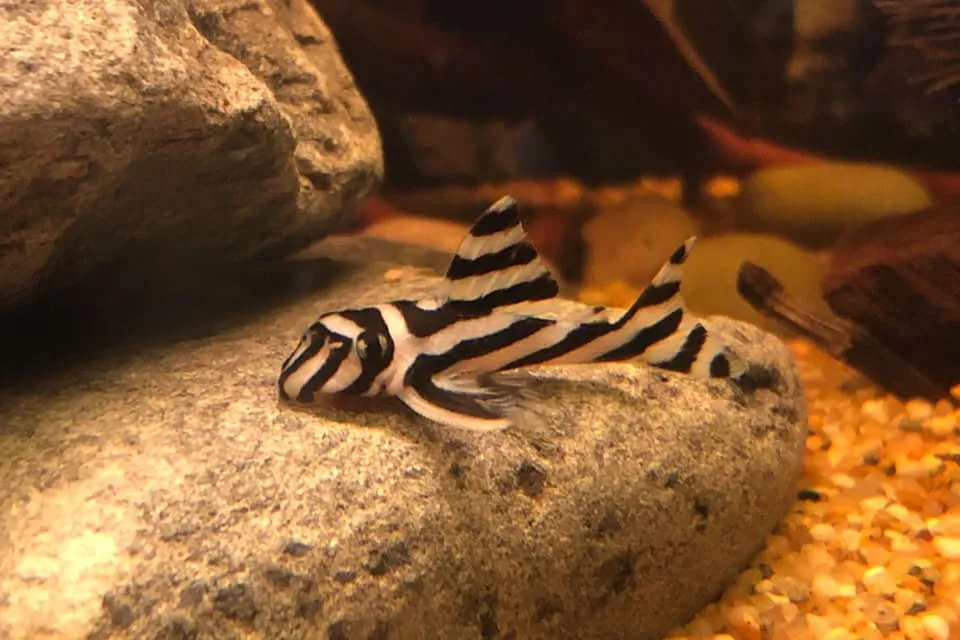
Zebra pleco
Hypancistrus zebra
Freshwater3.1 in (8 cm) · 15 gal (55 L)79–86°F (26–30°C)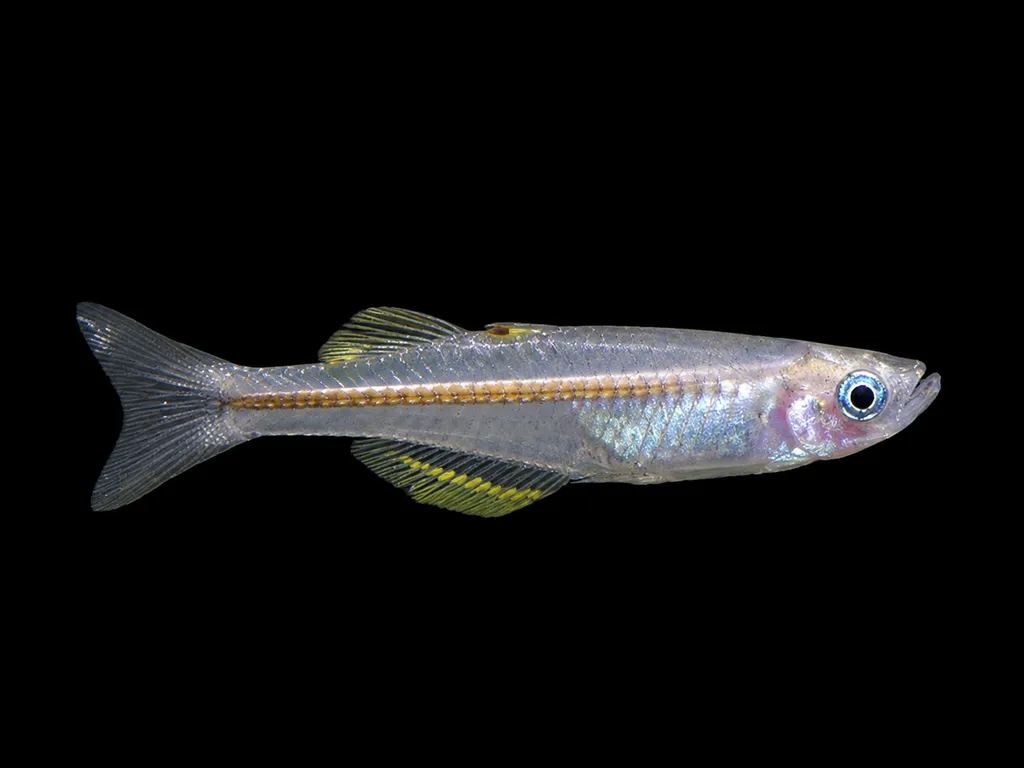
New Guinea blue-eye
Pseudomugil novaeguineae
Freshwater1.8 in (4.5 cm) · 15 gal (55 L)79–86°F (26–30°C)
Common questions
What size tank does a Flag tetra need?
A Flag tetra needs at least 16 gal (60 L). It spends most of its time in the middle.
What temperature and pH does a Flag tetra need?
A Flag tetra is comfortable at 70–81°F (21–27°C) with a pH of 5.5–7.0.
How big does a Flag tetra get?
An adult Flag tetra reaches about 1.4 in (3.5 cm).
Does a Flag tetra need a group?
Yes. A Flag tetra is a schooling species and should be kept in a group, not singly.
Related species
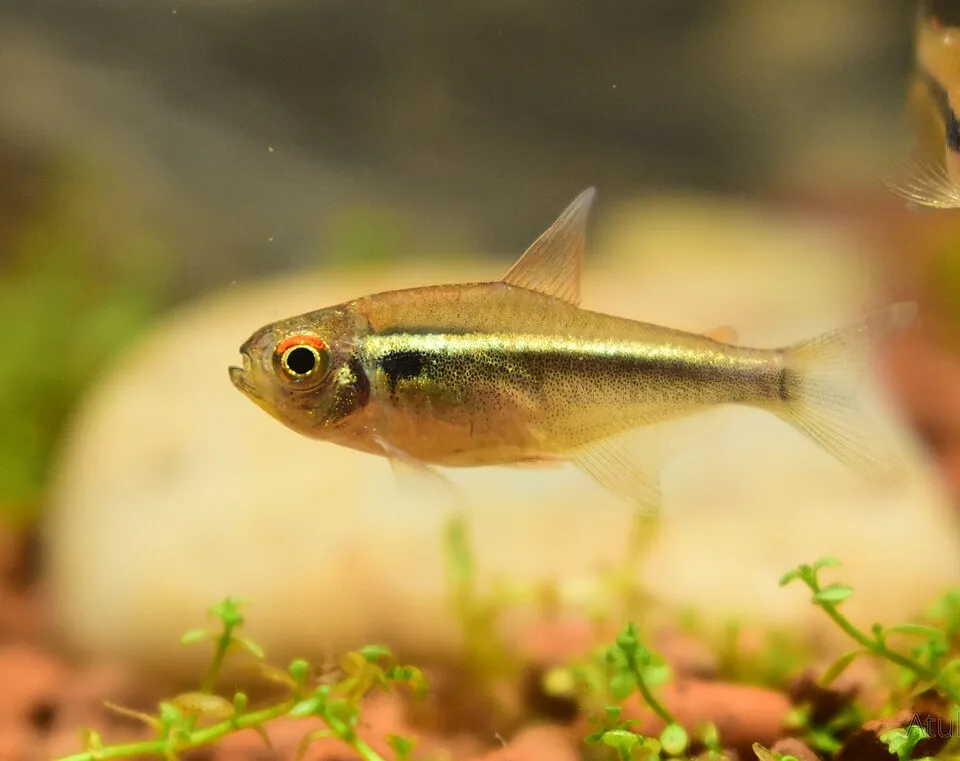 1.4 in (3.5 cm)16 gal (60 L)72–82°F (22–28°C)
Black neon tetra
Hyphessobrycon herbertaxelrodi
1.4 in (3.5 cm) · 16 gal (60 L)
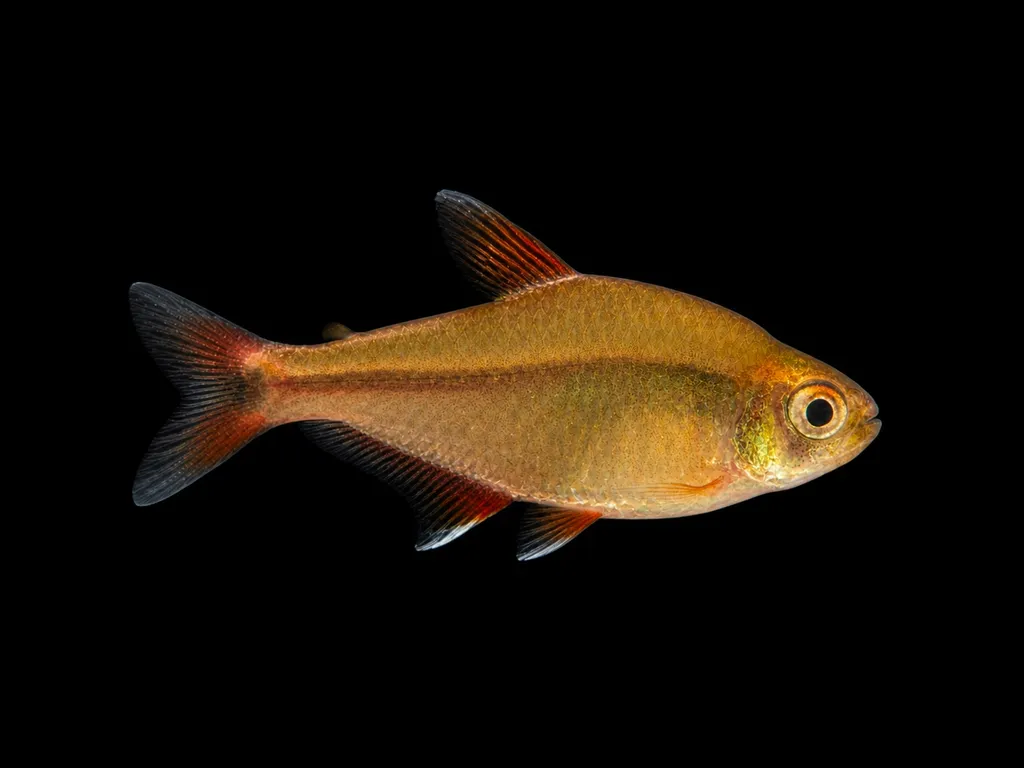
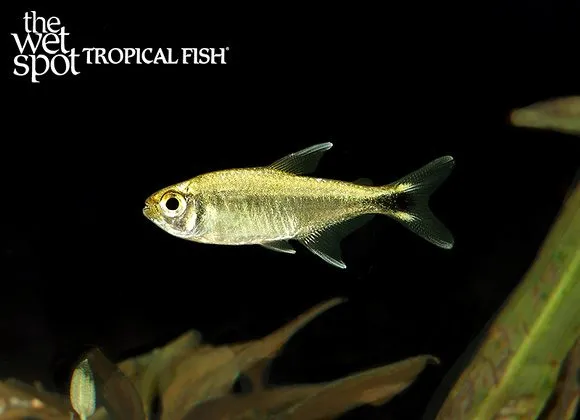 1.4 in (3.5 cm)14 gal (54 L)73–82°F (23–28°C)
Colombian gold tetra
Hyphessobrycon saizi
1.4 in (3.5 cm) · 14 gal (54 L)
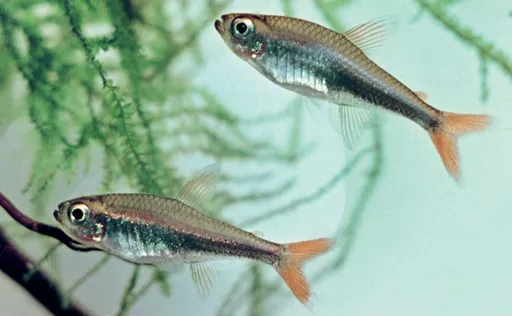
 1.4 in (3.5 cm)15 gal (55 L)72–81°F (22–27°C)
Krenakore tetra
Hyphessobrycon krenakore
1.4 in (3.5 cm) · 15 gal (55 L)
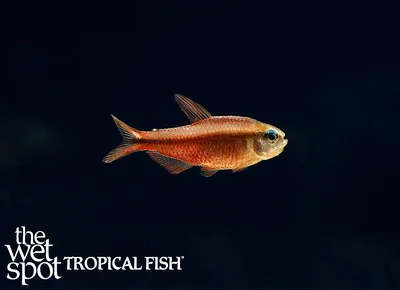
 1.4 in (3.5 cm)16 gal (60 L)72–81°F (22–27°C)
Loreto tetra
Hyphessobrycon loretoensis
1.4 in (3.5 cm) · 16 gal (60 L)
 1.4 in (3.5 cm)15 gal (55 L)72–81°F (22–27°C)
Notidanos tetra
Hyphessobrycon notidanos
1.4 in (3.5 cm) · 15 gal (55 L)
 1.4 in (3.5 cm)15 gal (55 L)72–81°F (22–27°C)
Vilma's tetra
Hyphessobrycon vilmae
1.4 in (3.5 cm) · 15 gal (55 L)