Loreto tetra
Hyphessobrycon loretoensis
Also known as Loreto's tetra, Loreto slender tetra
FreshwaterFish
Care at a glance
- Temperature
- 72–81°F
- 22–27°C
- pH
- 5.5–7.0
- Adult size
- 1.4 in
- 3.5 cm
- Minimum tank
- 16 gal
- 60 L
- Temperament
- Peaceful
- Social behavior
- Schooling
- Swim level
- Middle
- Difficulty
- Medium
- Breeding
- Medium
- Rarity
- Rare
- Family
- Characidae
- Origin
- Native to the upper Amazon around the Loreto region of northeastern Peru.
Overview
Keep loreto tetras in a shoal of at least 8 to see their tight schooling behavior. They are peaceful, active, and undemanding as long as the water is soft and clean. They make good companions for other small, gentle characins and dwarf cichlids.
In the wild
Occurs in soft, often tannin stained streams and tributaries of the upper Amazon in Peru. These are calm, shaded waters with sandy bottoms, wood, and leaf litter. The fish shoal in the open middle water.
Good to know
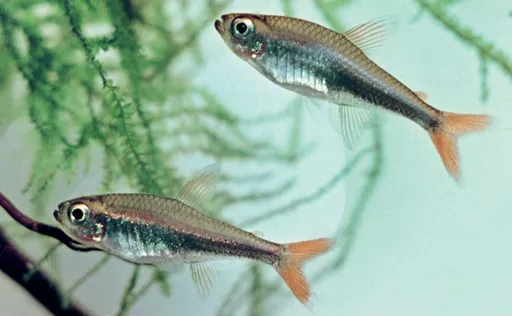
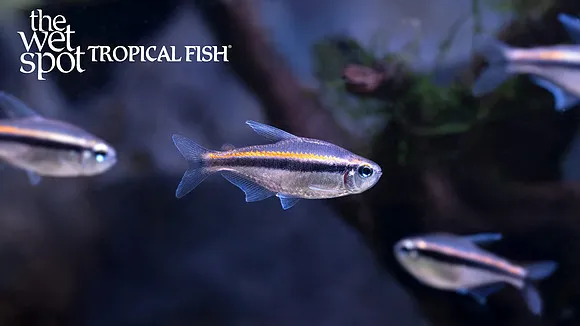
Hyphessobrycon loretoensis is a slim, silvery tetra with a dark lateral line and a small tail spot. It reaches around 3.5 cm and is often confused with the similar Peruvian tetra. Both come from the same broad region of Peru.
Did you know
The neat black and silver stripe pattern makes a large school look like a single shimmering ribbon when the fish turn together.
Weekly picks
Tank mates
Loreto tetra is a peaceful, schooling species that keeps to the middle. These picks share a community profile with it, are safe together in both directions, and overlap on water type, temperature and pH.
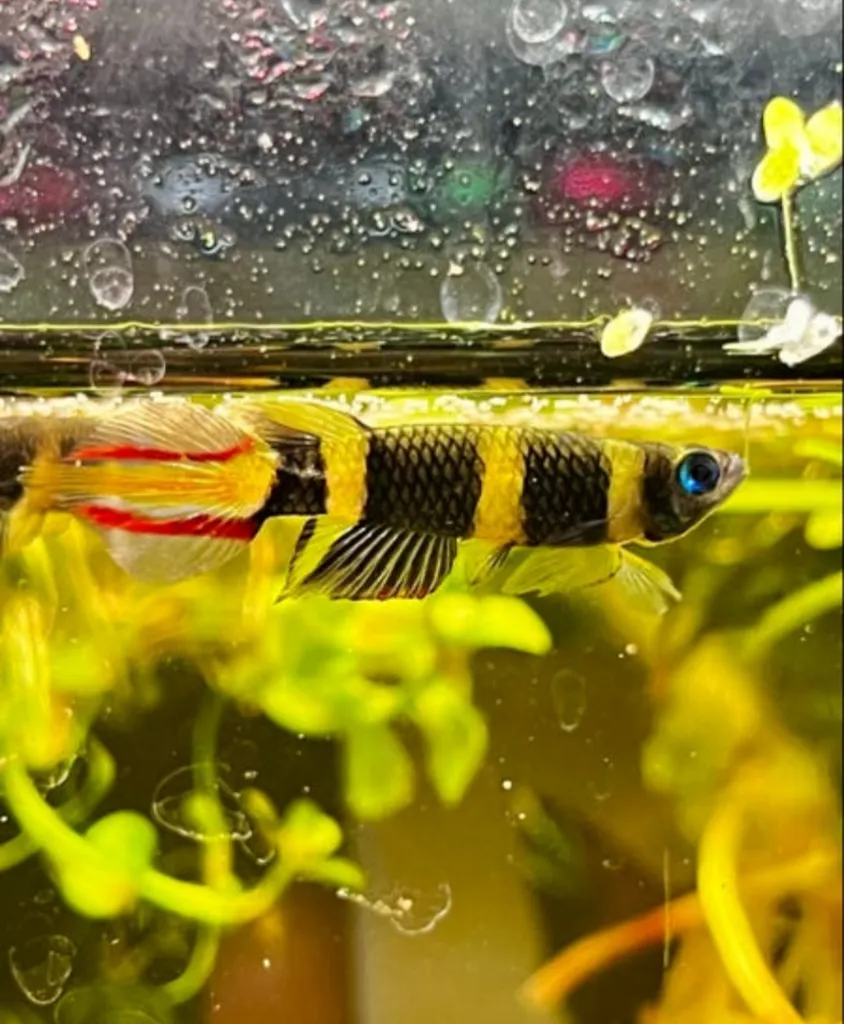
Clown killifish
Epiplatys annulatus
Freshwater1.4 in (3.5 cm) · 15 gal (55 L)68–79°F (20–26°C)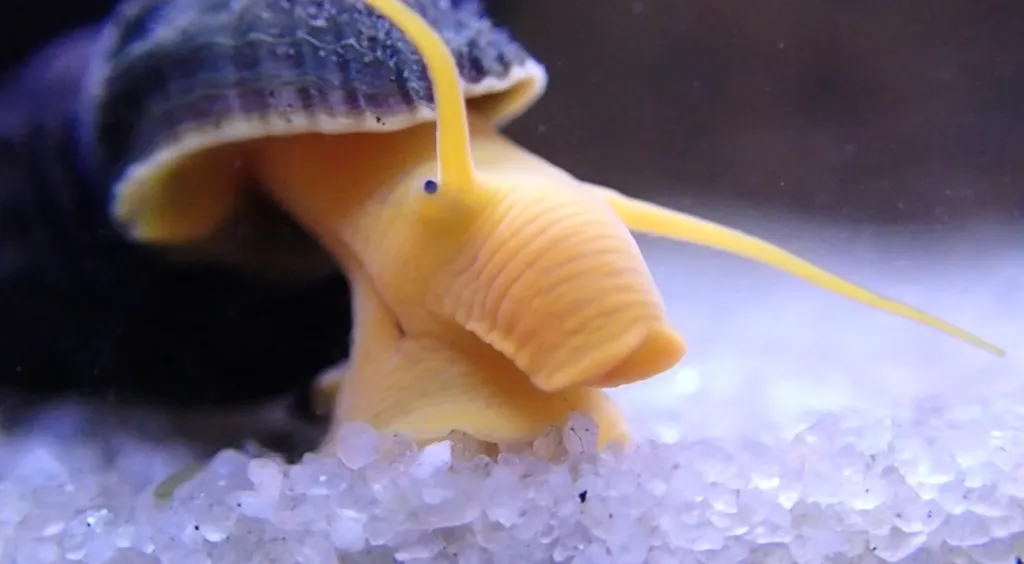
Gold rabbit snail
Tylomelania gemmifera
Freshwater2.8 in (7 cm) · 16 gal (60 L)75–82°F (24–28°C)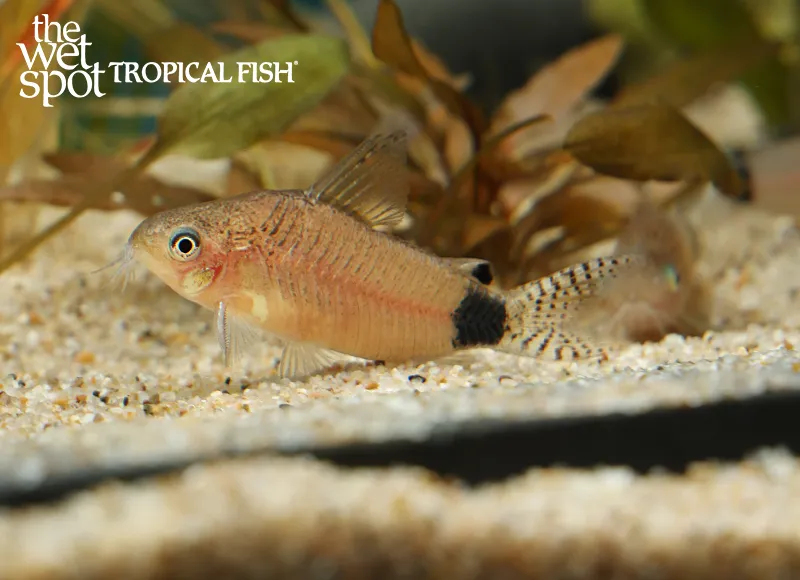
Guapore cory
Gastrodermus guapore
Freshwater2 in (5 cm) · 16 gal (60 L)72–82°F (22–28°C)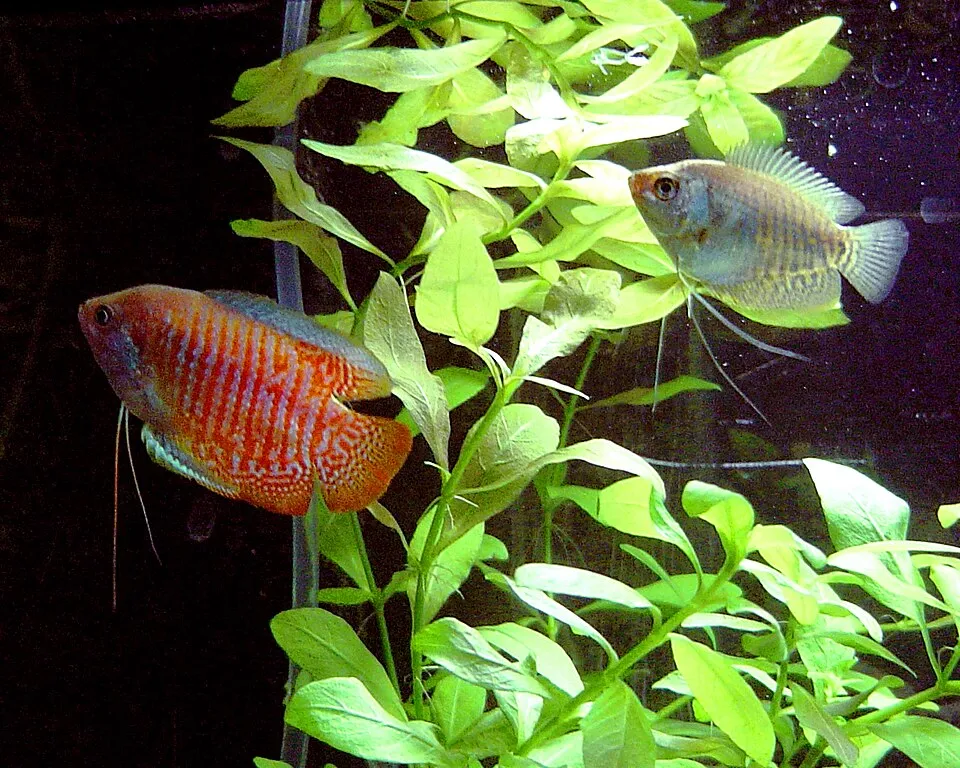
Dwarf gourami
Trichogaster lalius
Freshwater3 in (7.5 cm) · 16 gal (60 L)72–81°F (22–27°C)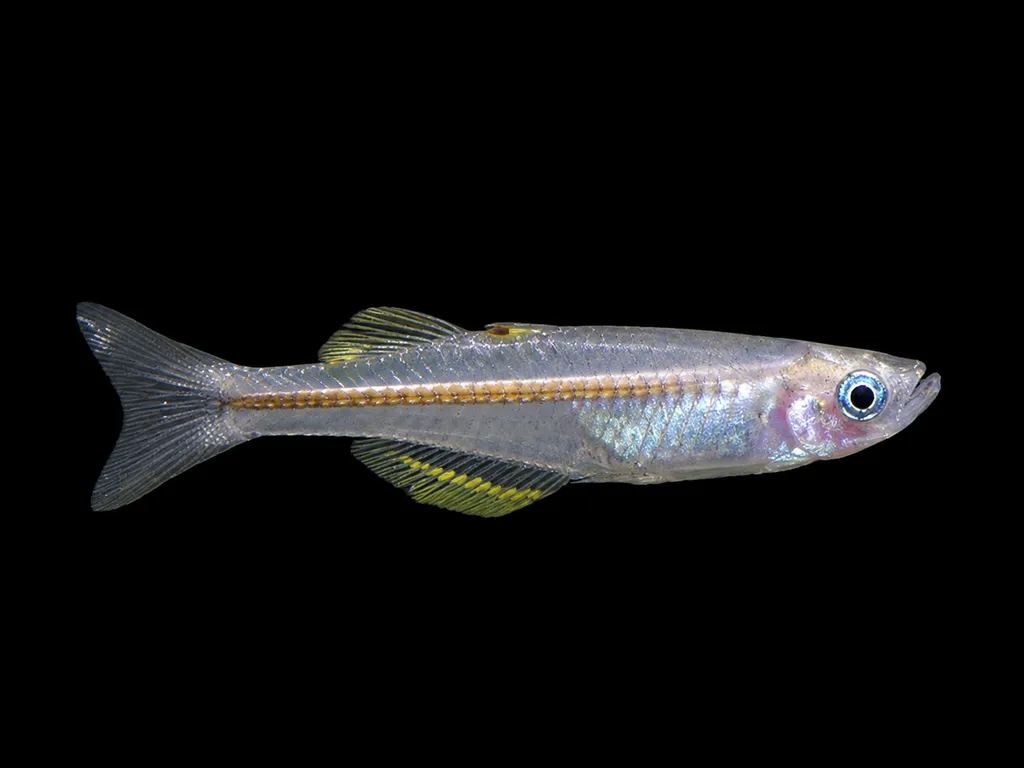
New Guinea blue-eye
Pseudomugil novaeguineae
Freshwater1.8 in (4.5 cm) · 15 gal (55 L)79–86°F (26–30°C)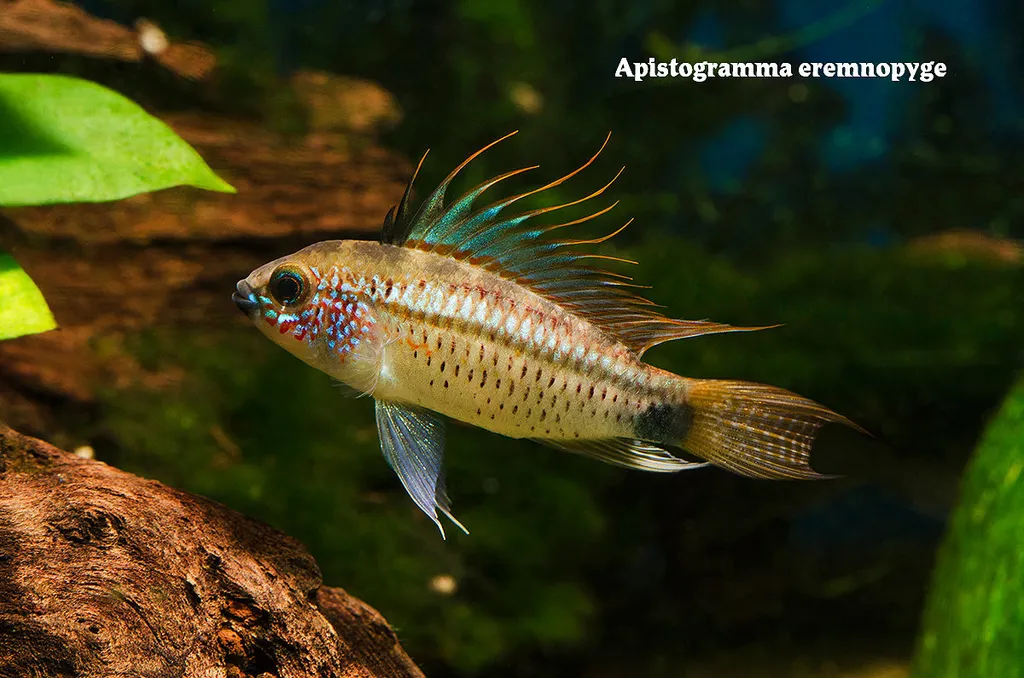
Fire-tail dwarf cichlid
Apistogramma eremnopyge
Freshwater1.8 in (4.5 cm) · 16 gal (60 L)73–81°F (23–27°C)
Common questions
What size tank does a Loreto tetra need?
A Loreto tetra needs at least 16 gal (60 L). It spends most of its time in the middle.
What temperature and pH does a Loreto tetra need?
A Loreto tetra is comfortable at 72–81°F (22–27°C) with a pH of 5.5–7.0.
How big does a Loreto tetra get?
An adult Loreto tetra reaches about 1.4 in (3.5 cm).
Does a Loreto tetra need a group?
Yes. A Loreto tetra is a schooling species and should be kept in a group, not singly.
Related species
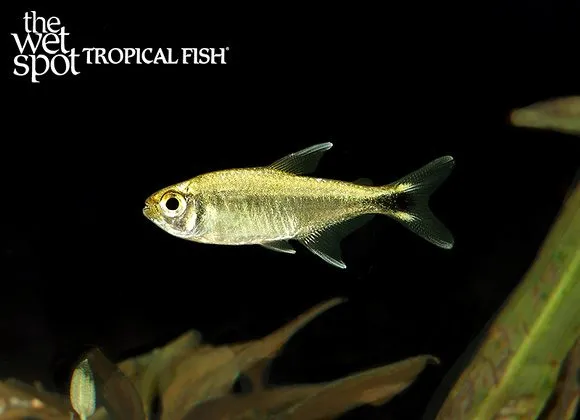
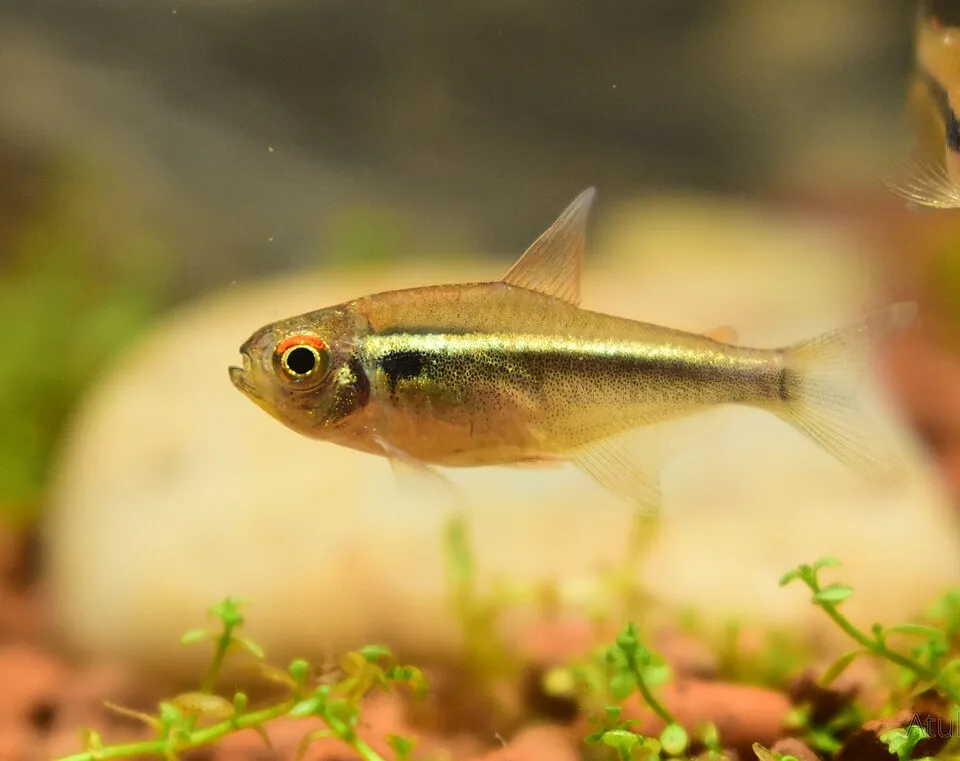 1.4 in (3.5 cm)16 gal (60 L)72–82°F (22–28°C)
Black neon tetra
Hyphessobrycon herbertaxelrodi
1.4 in (3.5 cm) · 16 gal (60 L)
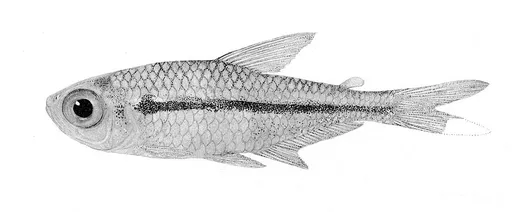
 1.4 in (3.5 cm)14 gal (54 L)73–82°F (23–28°C)
Colombian gold tetra
Hyphessobrycon saizi
1.4 in (3.5 cm) · 14 gal (54 L)
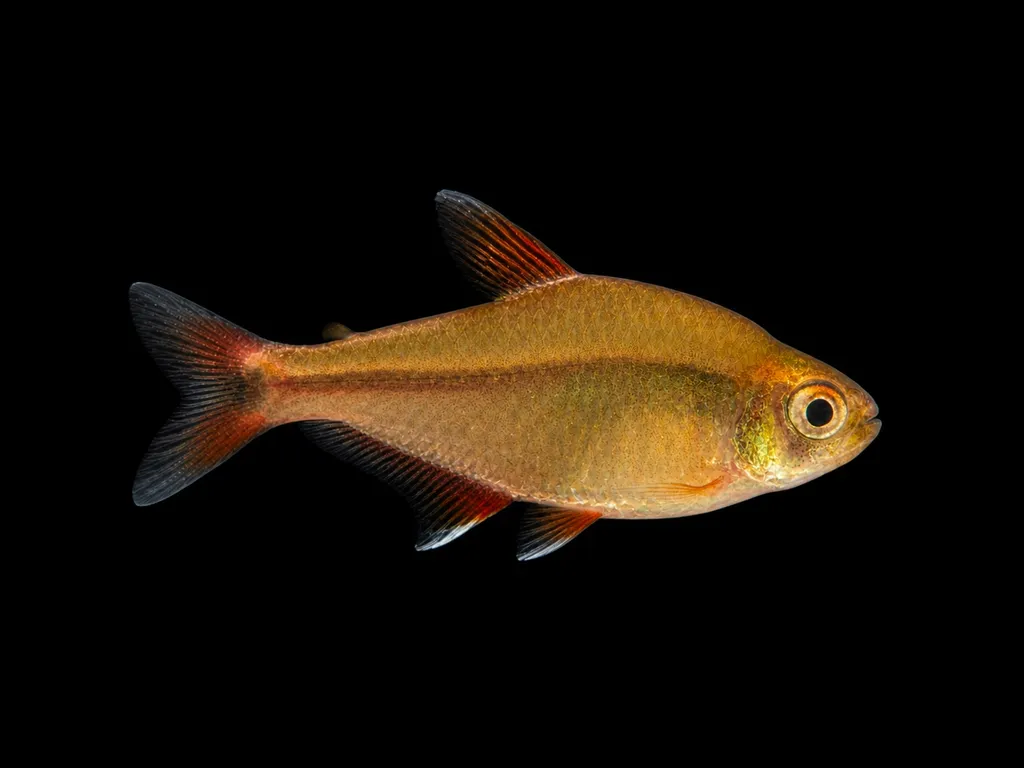
 1.4 in (3.5 cm)16 gal (60 L)70–81°F (21–27°C)
Flag tetra
Hyphessobrycon heterorhabdus
1.4 in (3.5 cm) · 16 gal (60 L)
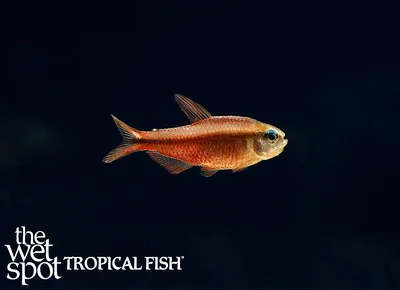
 1.4 in (3.5 cm)15 gal (55 L)72–81°F (22–27°C)
Krenakore tetra
Hyphessobrycon krenakore
1.4 in (3.5 cm) · 15 gal (55 L)
 1.4 in (3.5 cm)15 gal (55 L)72–81°F (22–27°C)
Notidanos tetra
Hyphessobrycon notidanos
1.4 in (3.5 cm) · 15 gal (55 L)
 1.4 in (3.5 cm)15 gal (55 L)72–81°F (22–27°C)
Vilma's tetra
Hyphessobrycon vilmae
1.4 in (3.5 cm) · 15 gal (55 L)