Peruvian tetra
Hyphessobrycon peruvianus
Also known as Blue loreto tetra, Peruvian blue tetra, Loreto blue tetra
FreshwaterFish
Care at a glance
- Temperature
- 72–81°F
- 22–27°C
- pH
- 5.5–7.0
- Adult size
- 1.6 in
- 4 cm
- Minimum tank
- 16 gal
- 60 L
- Temperament
- Peaceful
- Social behavior
- Schooling
- Swim level
- Middle
- Difficulty
- Medium
- Breeding
- Medium
- Rarity
- Rare
- Family
- Characidae
- Origin
- Native to the upper Amazon in the Loreto region of northeastern Peru.
Overview
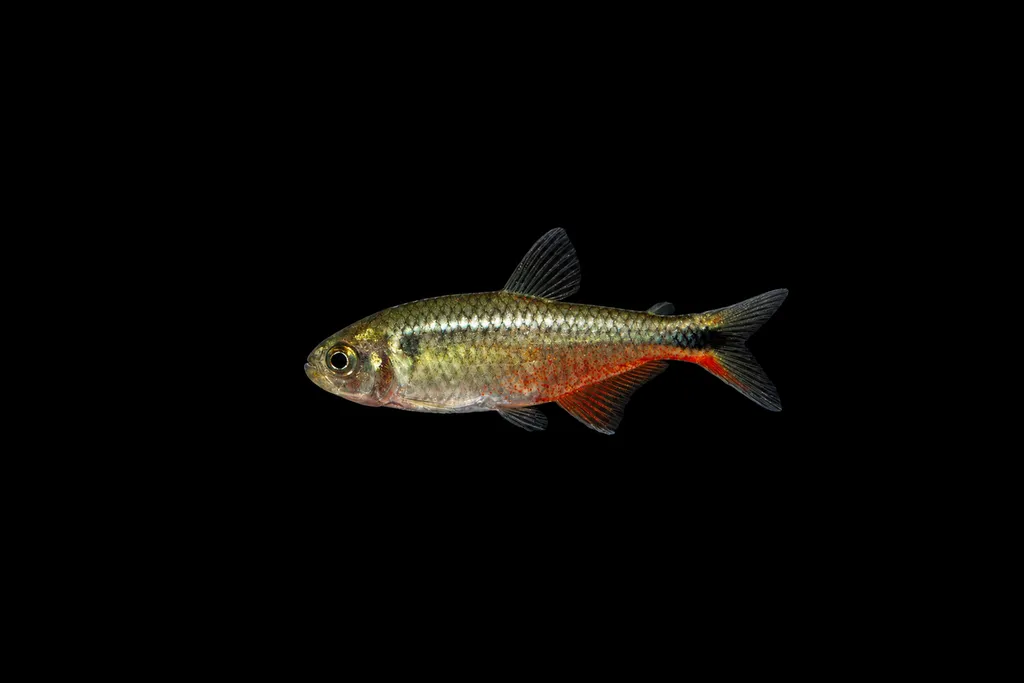
Keep a shoal of at least 8 to bring out the blue shimmer above the dark stripe. It is peaceful and undemanding in soft, clean water and mixes well with other small characins and dwarf cichlids. Dark substrate and gentle lighting deepen the colors.
In the wild
Comes from soft, tannin stained streams and tributaries of the upper Amazon in Peru. These are gentle, shaded waters over sand and leaf litter. The fish shoal quietly in the middle water.
Good to know
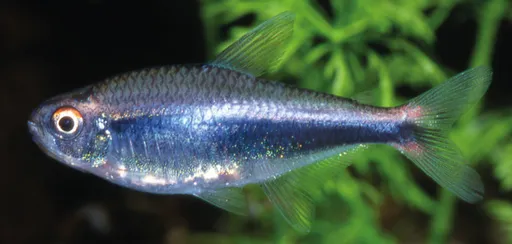
Hyphessobrycon peruvianus is a slim tetra of around 4 cm with a dark lateral stripe topped by a soft blue and gold sheen. It is easily confused with the loreto tetra and often mixed with it in shipments. Both share the same corner of Peru.
Did you know
A soft blue and gold glow runs along the top of the black stripe, which is why the trade often calls it the blue loreto tetra.
Weekly picks
Tank mates
Peruvian tetra is a peaceful, schooling species that keeps to the middle. These picks share a community profile with it, are safe together in both directions, and overlap on water type, temperature and pH.
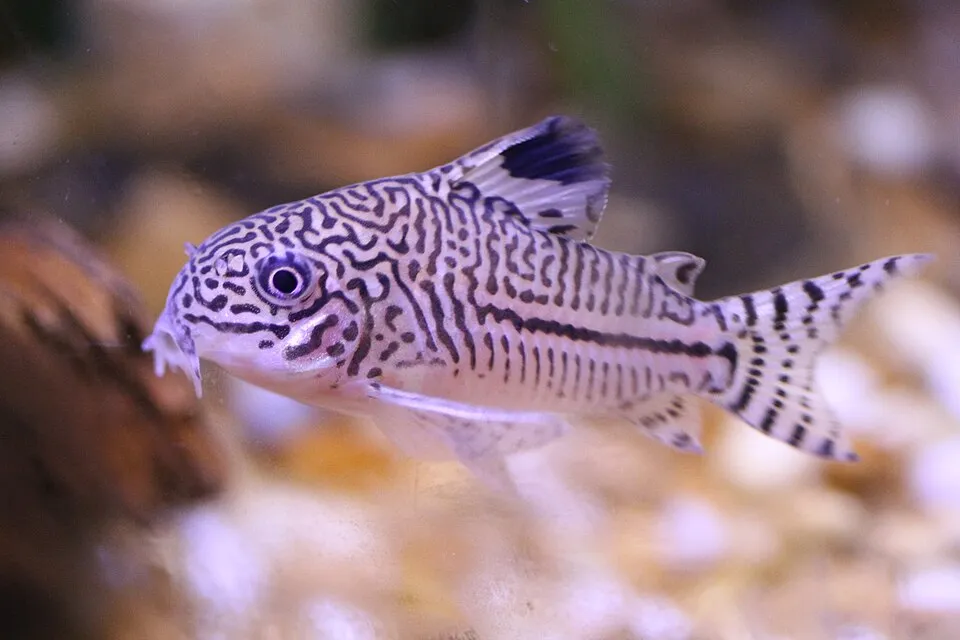
Threestripe cory
Hoplisoma trilineatum
Freshwater2.2 in (5.5 cm) · 16 gal (60 L)72–81°F (22–27°C)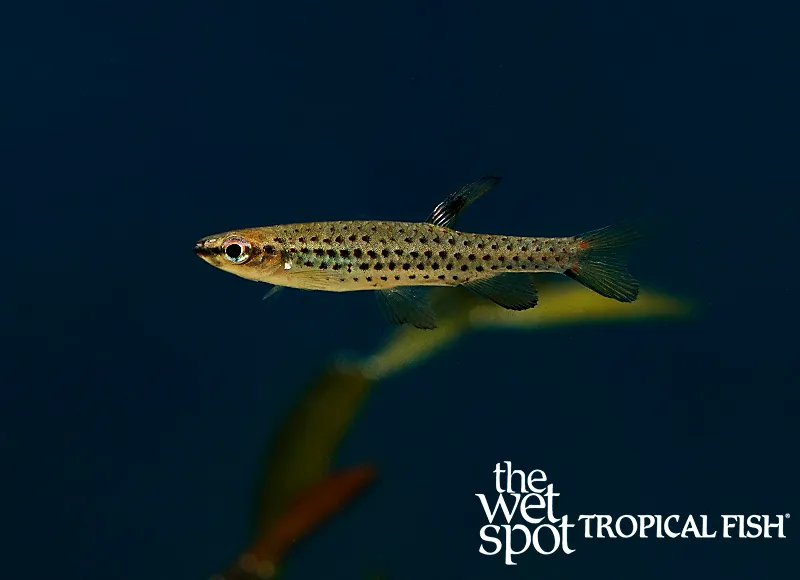
Spotted splash tetra
Copella nattereri
Freshwater2 in (5 cm) · 16 gal (60 L)75–82°F (24–28°C)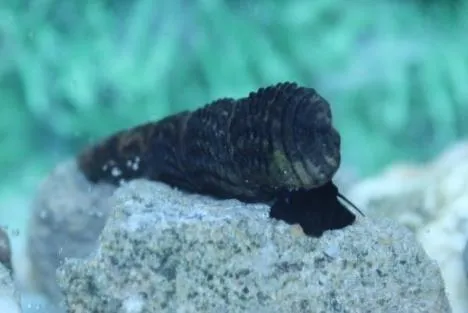
White spotted rabbit snail
Tylomelania towutica
Freshwater4.3 in (11 cm) · 16 gal (60 L)75–84°F (24–29°C)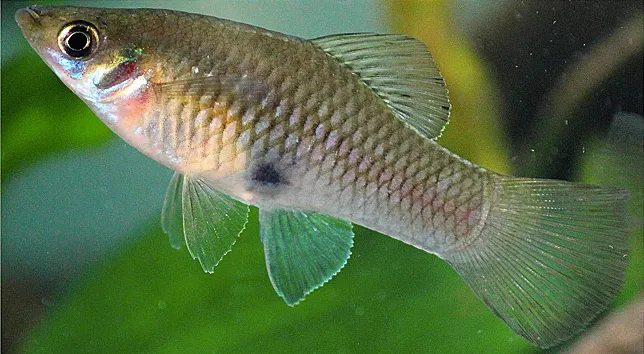
Merry widow livebearer
Phallichthys amates
Freshwater2.5 in (6.4 cm) · 16 gal (60 L)72–86°F (22–30°C)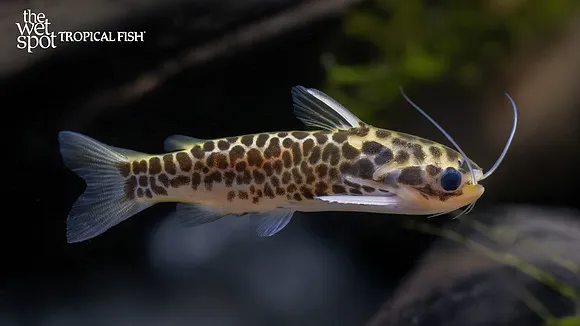
Oil catfish
Duringlanis perugiae
Freshwater2.4 in (6 cm) · 15 gal (55 L)75–82°F (24–28°C)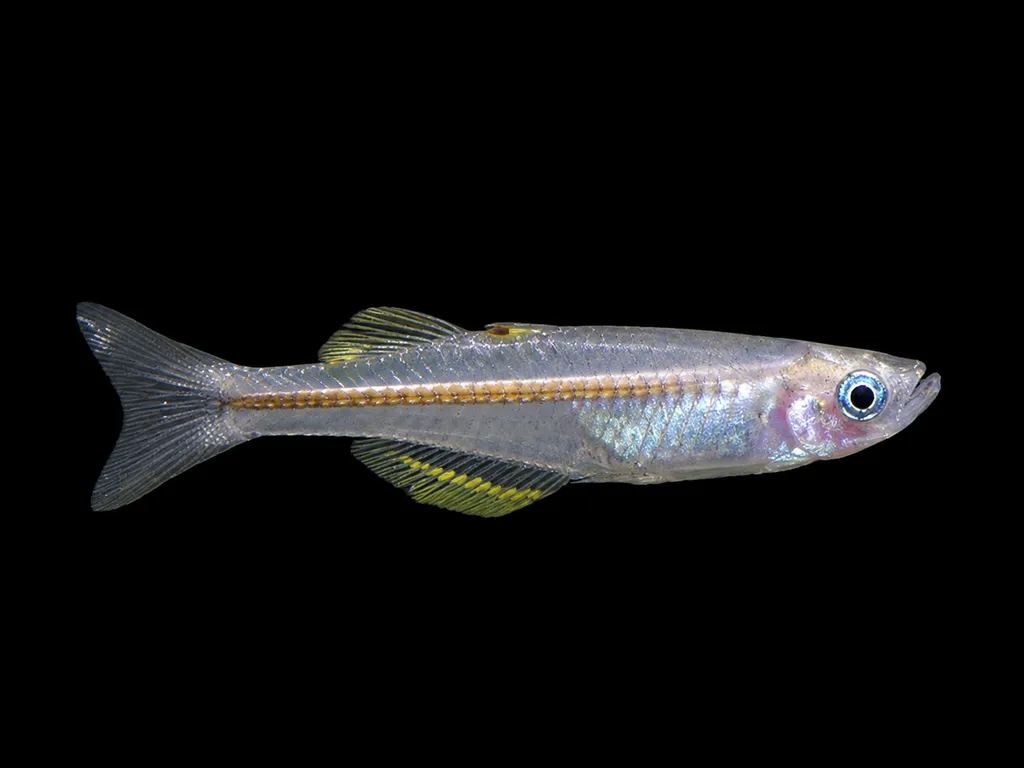
New Guinea blue-eye
Pseudomugil novaeguineae
Freshwater1.8 in (4.5 cm) · 15 gal (55 L)79–86°F (26–30°C)
Common questions
What size tank does a Peruvian tetra need?
A Peruvian tetra needs at least 16 gal (60 L). It spends most of its time in the middle.
What temperature and pH does a Peruvian tetra need?
A Peruvian tetra is comfortable at 72–81°F (22–27°C) with a pH of 5.5–7.0.
How big does a Peruvian tetra get?
An adult Peruvian tetra reaches about 1.6 in (4 cm).
Does a Peruvian tetra need a group?
Yes. A Peruvian tetra is a schooling species and should be kept in a group, not singly.
Related species
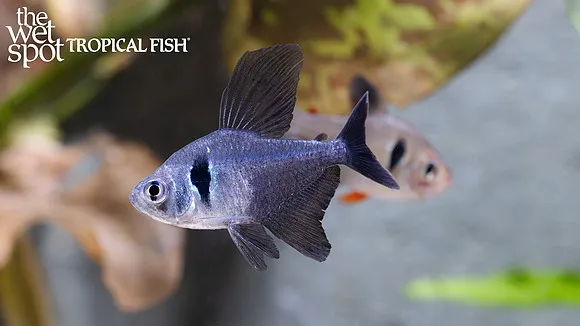 1.6 in (4 cm)16 gal (60 L)73–82°F (23–28°C)
Epicharis tetra
Hyphessobrycon epicharis
1.6 in (4 cm) · 16 gal (60 L)
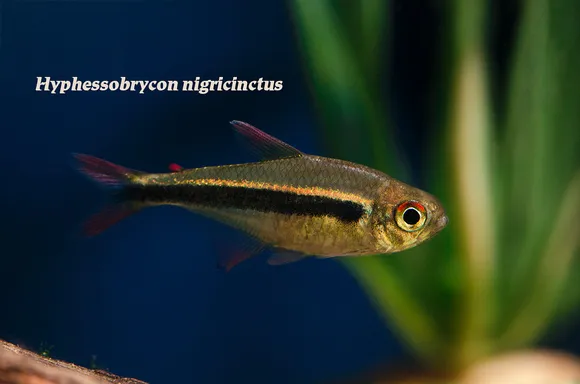 1.6 in (4 cm)15 gal (55 L)72–81°F (22–27°C)
Madre de Dios tetra
Hyphessobrycon nigricinctus
1.6 in (4 cm) · 15 gal (55 L)
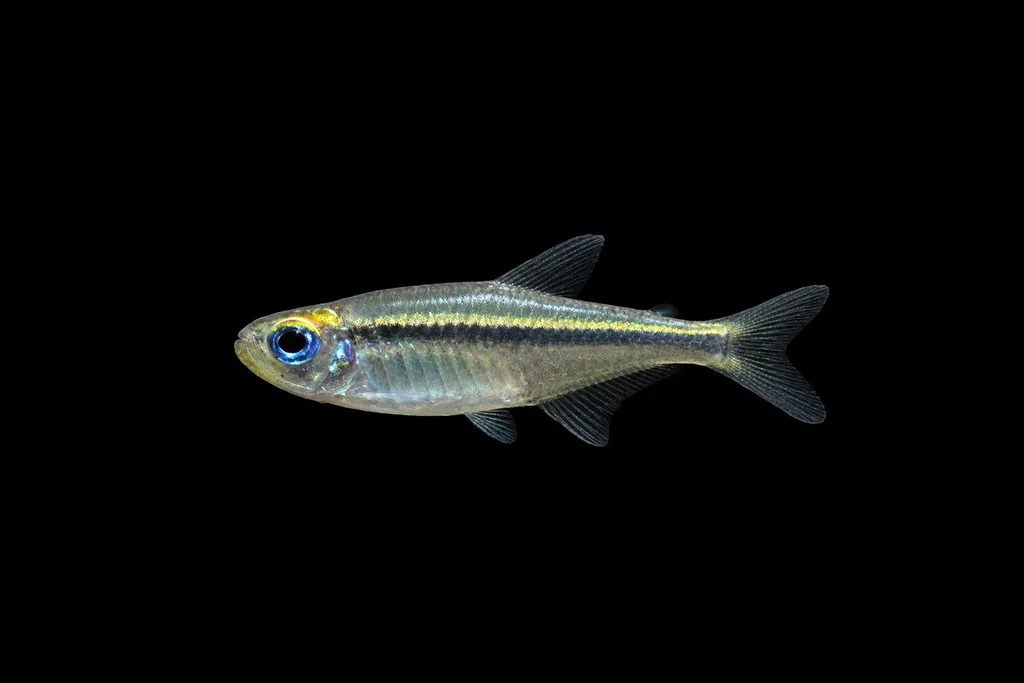 1.6 in (4 cm)16 gal (60 L)72–81°F (22–27°C)
Parrot tetra
Hyphessobrycon psittacus
1.6 in (4 cm) · 16 gal (60 L)
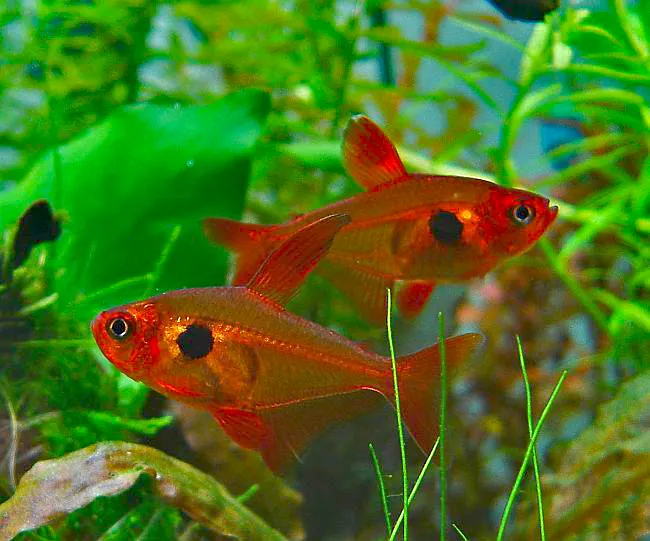 1.6 in (4 cm)15 gal (55 L)72–82°F (22–28°C)
Red phantom tetra
Hyphessobrycon sweglesi
1.6 in (4 cm) · 15 gal (55 L)
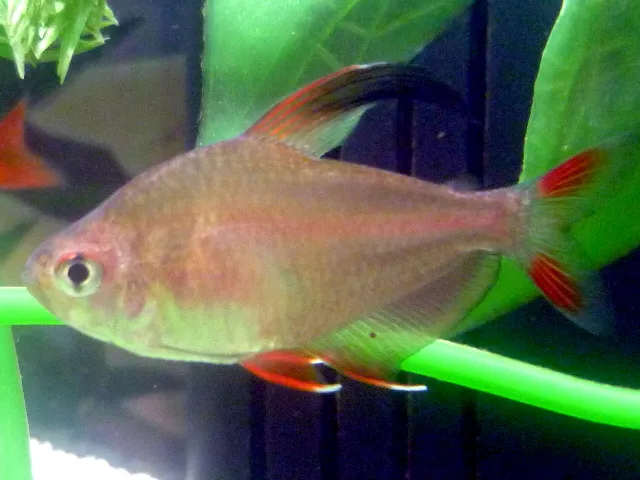 1.6 in (4 cm)15 gal (55 L)75–82°F (24–28°C)
Rosy tetra
Hyphessobrycon rosaceus
1.6 in (4 cm) · 15 gal (55 L)
 1.6 in (4 cm)14 gal (54 L)72–81°F (22–27°C)
Vinaceus tetra
Hyphessobrycon vinaceus
1.6 in (4 cm) · 14 gal (54 L)