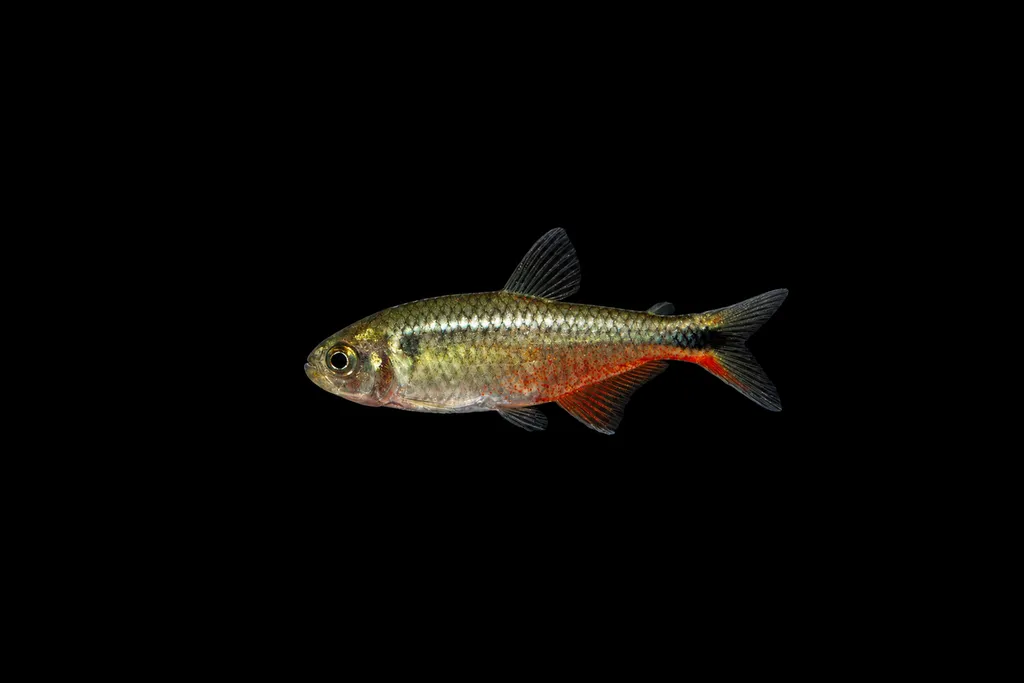
Red phantom tetra
Hyphessobrycon sweglesi
Also known as Megalamphodus sweglesi
FreshwaterFish
Care at a glance
- Temperature
- 72–82°F
- 22–28°C
- pH
- 5.5–7.5
- Adult size
- 1.6 in
- 4 cm
- Minimum tank
- 15 gal
- 55 L
- Temperament
- Peaceful
- Social behavior
- Schooling
- Swim level
- Middle
- Difficulty
- Easy
- Breeding
- Medium
- Rarity
- Common
- Family
- Characidae
- Origin
- Venezuela, Colombia
Overview
These are peaceful schooling fish, so keep at least six and they will color up and behave better in a bigger group. They swim mostly in the middle and do well with other small calm species in a planted tank with open room to swim. A 55 liter tank works for a small school. Feed small foods like quality flake, micro pellets, and the occasional frozen or live treat such as daphnia or brine shrimp.
In the wild
Red phantom tetras come from the Orinoco basin in Colombia and Venezuela, living in slow blackwater streams shaded by heavy plant growth. That water is soft, acidic, and stained brown with tannins from leaf litter and wood on the bottom. To match it, keep the pH on the lower side, use gentle filtration, and consider some leaf litter or driftwood to tint the water. A planted tank with dim, shaded light suits them well.
Good to know
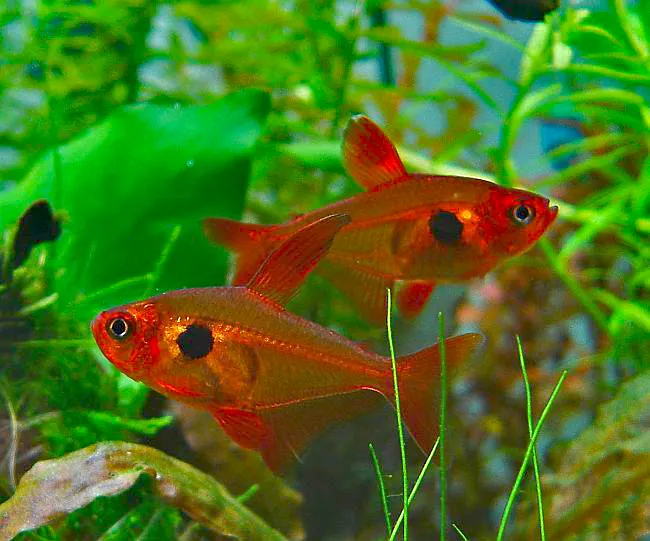
This is a small characin in the family Characidae, reaching about 4 cm. Males show a deeper red, while females lean toward a softer orange-red and often carry a small dark fin marking. They are egg scatterers with no parental care, and the IUCN lists them as Least Concern. Lifespan in a stable tank is usually around 3 to 5 years.
Did you know
The species name honors Kyle Swegles, who helped bring the fish into the hobby in the 1950s. Males spar by flaring their fins at each other in mock display, which sorts out pecking order without real damage and is most obvious when a school is well fed and settled.
Weekly picks
Tank mates
Red phantom tetra is a peaceful, schooling species that keeps to the middle. These picks share a community profile with it, are safe together in both directions, and overlap on water type, temperature and pH.
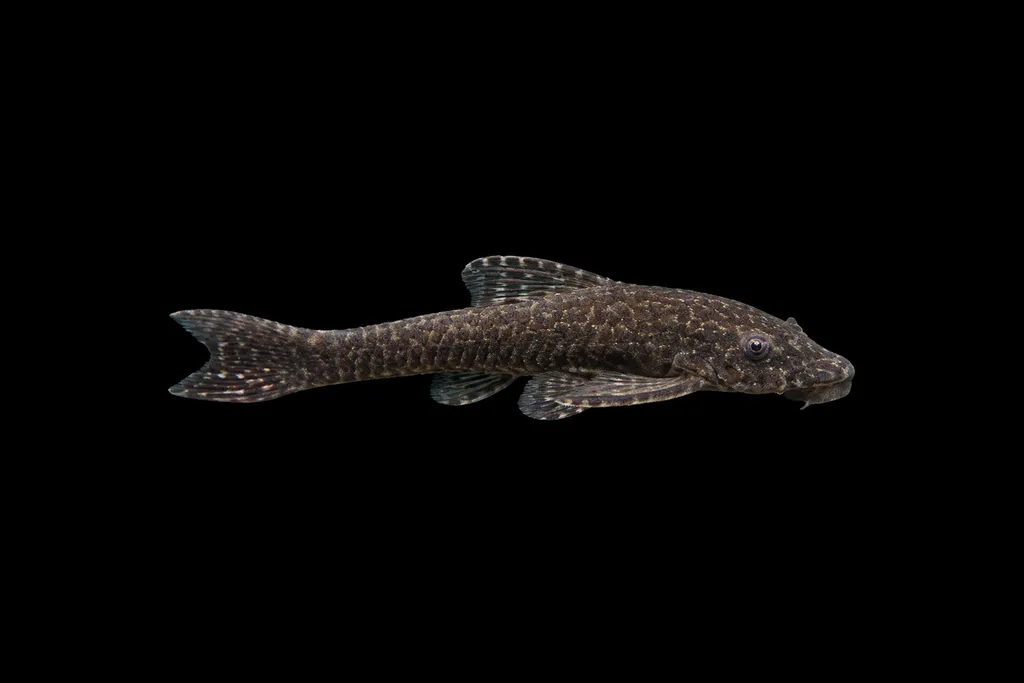
Black otocinclus
Hisonotus notatus
Freshwater2 in (5 cm) · 14 gal (54 L)72–81°F (22–27°C)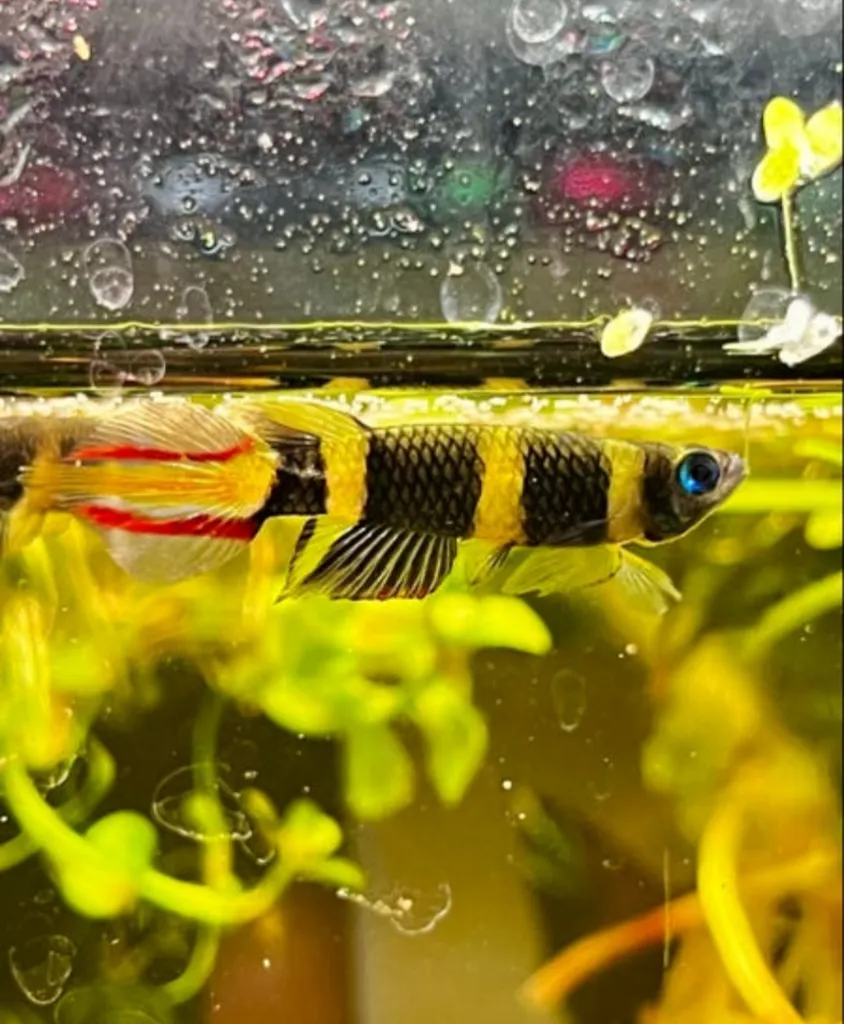
Clown killifish
Epiplatys annulatus
Freshwater1.4 in (3.5 cm) · 15 gal (55 L)68–79°F (20–26°C)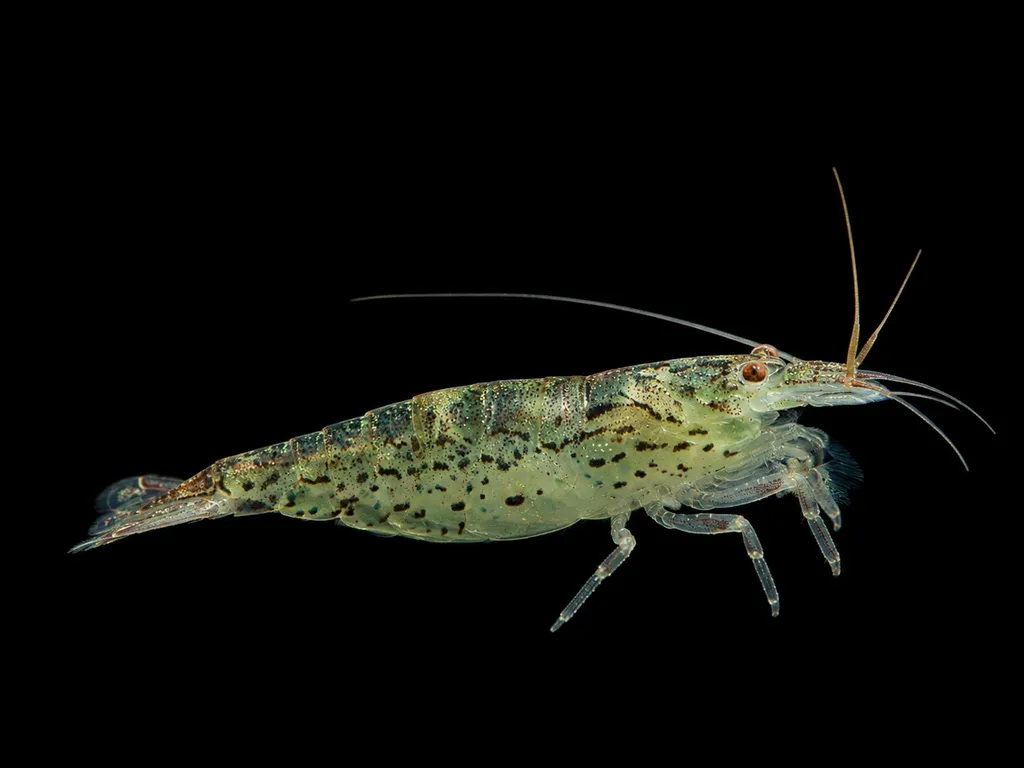
Green lace shrimp
Atyoida pilipes
Freshwater2.8 in (7 cm) · 14 gal (54 L)73–82°F (23–28°C)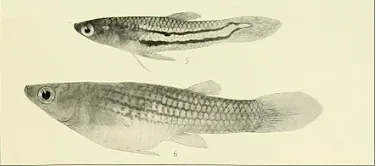
Melanzona guppy
Poecilia parae
FreshwaterBrackish2 in (5 cm) · 15 gal (55 L)75–82°F (24–28°C)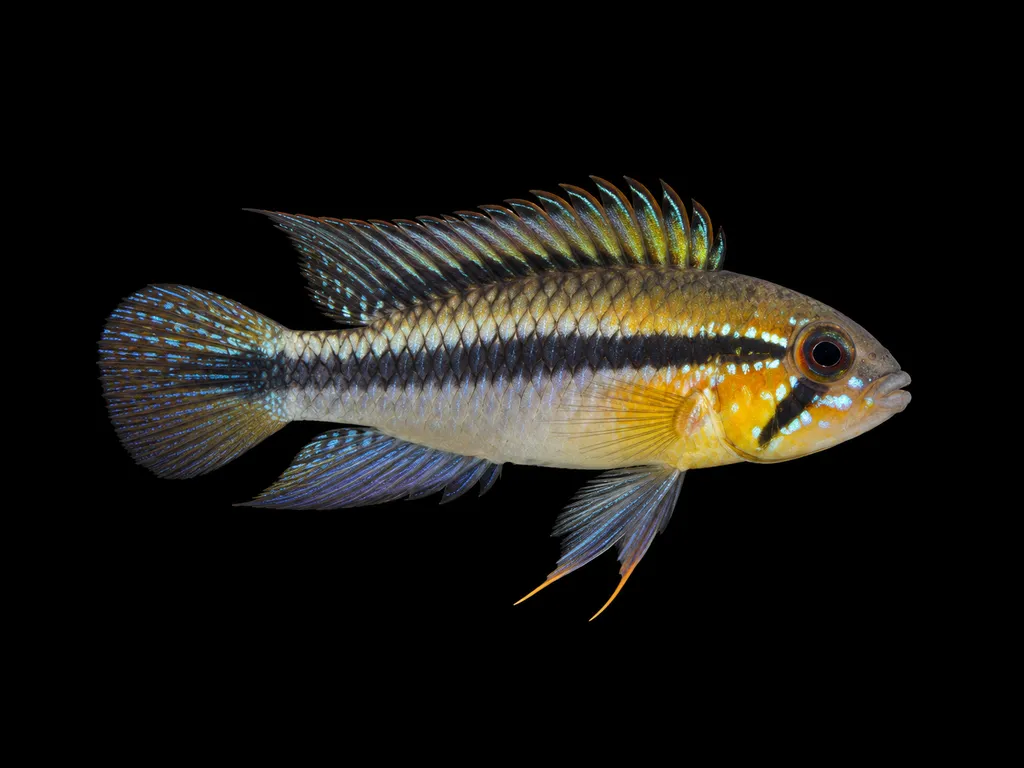
Bridge dwarf cichlid
Apistogramma gephyra
Freshwater1.8 in (4.5 cm) · 15 gal (55 L)77–84°F (25–29°C)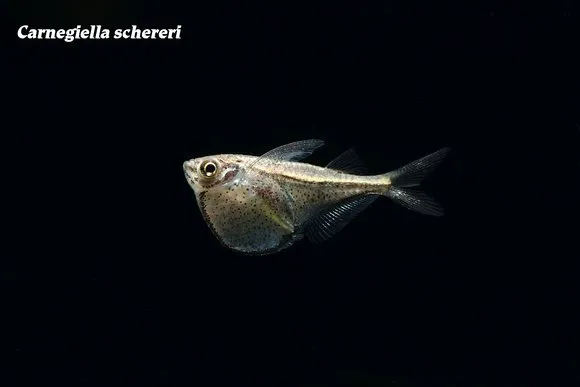
Scherer's hatchetfish
Carnegiella schereri
Freshwater1 in (2.6 cm) · 14 gal (54 L)73–82°F (23–28°C)
Common questions
What size tank does a Red phantom tetra need?
A Red phantom tetra needs at least 15 gal (55 L). It spends most of its time in the middle.
What temperature and pH does a Red phantom tetra need?
A Red phantom tetra is comfortable at 72–82°F (22–28°C) with a pH of 5.5–7.5.
How big does a Red phantom tetra get?
An adult Red phantom tetra reaches about 1.6 in (4 cm).
Does a Red phantom tetra need a group?
Yes. A Red phantom tetra is a schooling species and should be kept in a group, not singly.
Related species
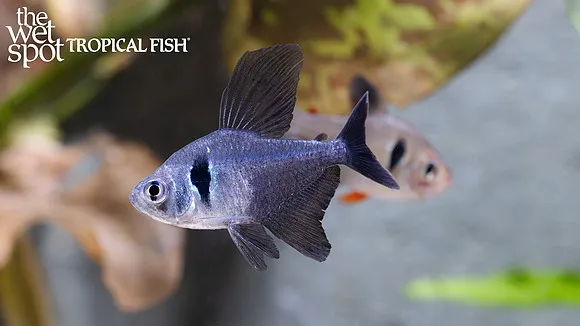 1.6 in (4 cm)16 gal (60 L)73–82°F (23–28°C)
Epicharis tetra
Hyphessobrycon epicharis
1.6 in (4 cm) · 16 gal (60 L)
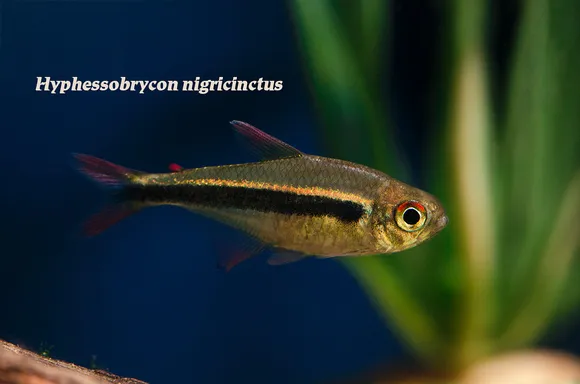 1.6 in (4 cm)15 gal (55 L)72–81°F (22–27°C)
Madre de Dios tetra
Hyphessobrycon nigricinctus
1.6 in (4 cm) · 15 gal (55 L)
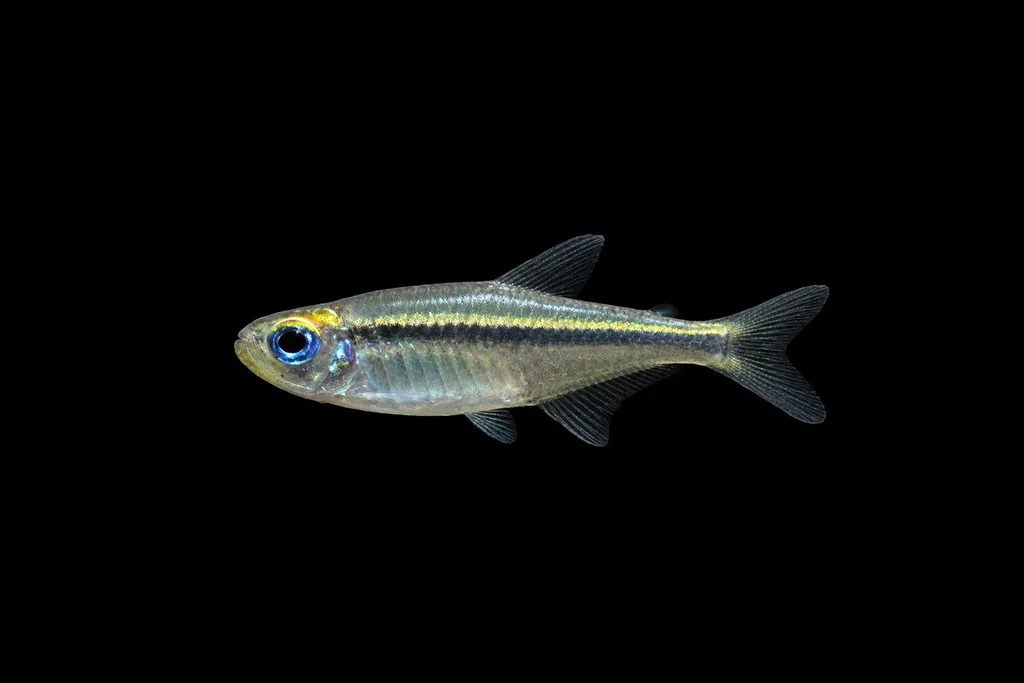 1.6 in (4 cm)16 gal (60 L)72–81°F (22–27°C)
Parrot tetra
Hyphessobrycon psittacus
1.6 in (4 cm) · 16 gal (60 L)
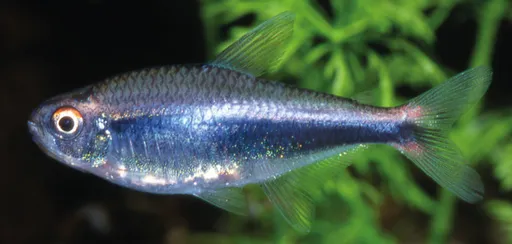 1.6 in (4 cm)16 gal (60 L)72–81°F (22–27°C)
Peruvian tetra
Hyphessobrycon peruvianus
1.6 in (4 cm) · 16 gal (60 L)
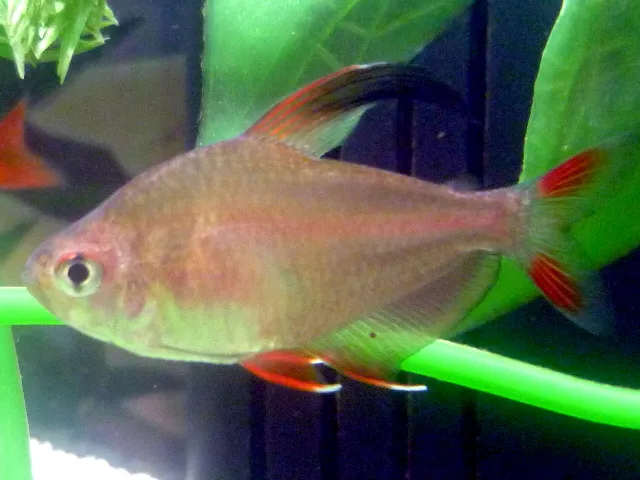 1.6 in (4 cm)15 gal (55 L)75–82°F (24–28°C)
Rosy tetra
Hyphessobrycon rosaceus
1.6 in (4 cm) · 15 gal (55 L)
 1.6 in (4 cm)14 gal (54 L)72–81°F (22–27°C)
Vinaceus tetra
Hyphessobrycon vinaceus
1.6 in (4 cm) · 14 gal (54 L)