Vinaceus tetra
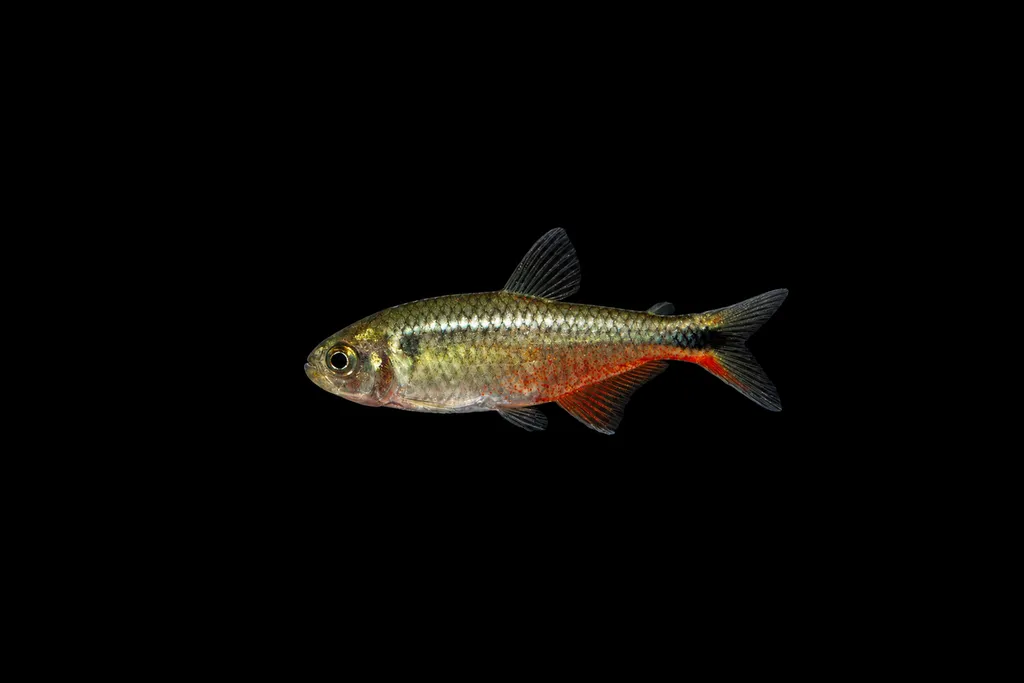
Hyphessobrycon vinaceus
Also known as Wine-red tetra, Vinaceus rosy tetra
FreshwaterFish
Care at a glance
- Temperature
- 72–81°F
- 22–27°C
- pH
- 5.5–7.0
- Adult size
- 1.6 in
- 4 cm
- Minimum tank
- 14 gal
- 54 L
- Temperament
- Peaceful
- Social behavior
- Schooling
- Swim level
- Middle
- Difficulty
- Medium
- Breeding
- Egg scatterer · Medium
- Rarity
- Rare
- Family
- Characidae
- Origin
- Rio de Contas basin, Bahia, Brazil
Overview
The Vinaceus tetra is a wine-red schooling fish for a soft-water planted tank. It is peaceful and best kept by someone with a little experience.
Did you know
Unlike most aquarium tetras, the Vinaceus tetra is not an Amazon fish at all. It comes from one of several isolated Atlantic drainages that have grown their own distinct tetras.
Caring for the Vinaceus tetra
Keep Vinaceus tetras in a group of at least eight, in a tank of 14 gal (54 L) or more. In a group they feel secure, and the males show their fullest color as they display. A sandy floor, driftwood, some shade and planted edges with open central space suit them.
Give them soft, gently acidic water at 72 to 81°F (22 to 27°C) and a pH of 5.5 to 7.0. Provide a gentle current and good oxygen. Feed varied small foods, such as quality flake and micro pellets plus frozen bloodworm, daphnia and brine shrimp.
Vinaceus tetras are peaceful and swim in the middle of the tank. They are a good match for a calm community of similarly sized soft-water fish.
They are egg scatterers, and breeding them is moderately difficult. In a separate tank over fine-leaved plants or a spawning mesh, they drop eggs that the parents will eat. Breeders remove the adults after spawning.
Good to know
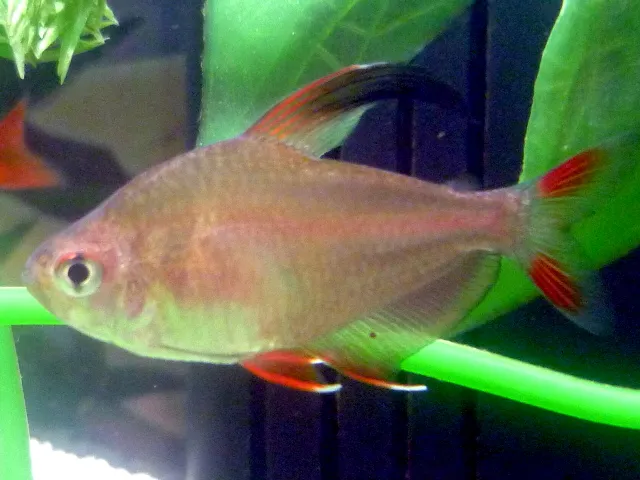
The Vinaceus tetra is a characin of the family Characidae and a small member of the rosy tetra group. Its name, vinaceus, is Latin for wine and describes the deep claret red the body takes on. That color is unusual in the group.
In the wild
Hyphessobrycon vinaceus comes from a clear, fast coastal stream in the Rio de Contas basin of eastern Bahia, Brazil. It was collected in rapid stretches just below a small waterfall, over a sandy bottom.
Weekly picks
Tank mates
The Vinaceus tetra is a peaceful, schooling species that keeps to the middle. These picks share a community profile with it, are safe together in both directions, and overlap on water type, temperature and pH.
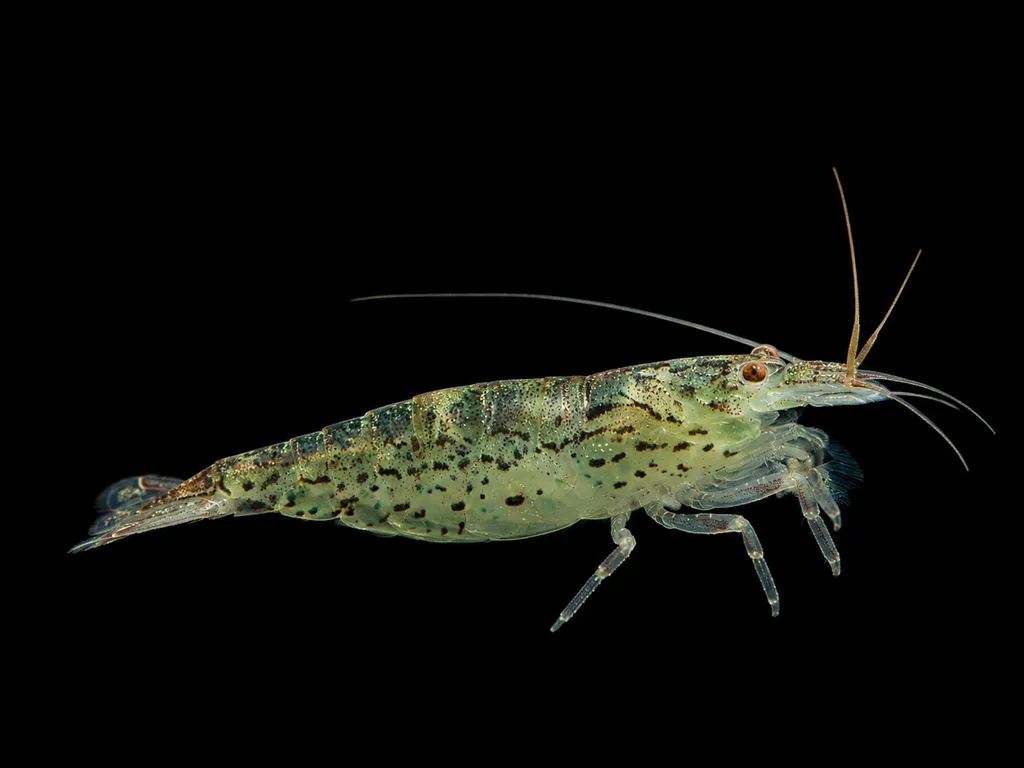
Green lace shrimp
Atyoida pilipes
Freshwater2.8 in (7 cm) · 14 gal (54 L)73–82°F (23–28°C)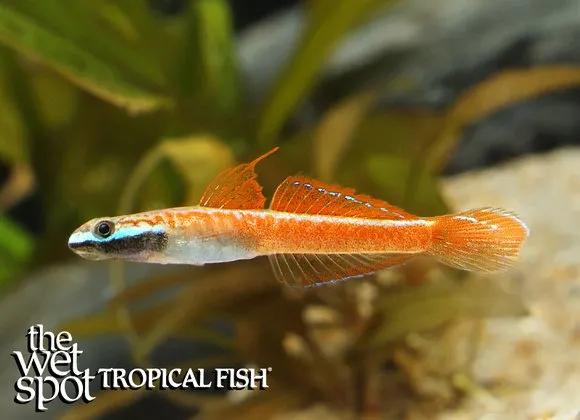
Annie's goby
Stiphodon annieae
Freshwater1.2 in (3 cm) · 14 gal (54 L)73–81°F (23–27°C)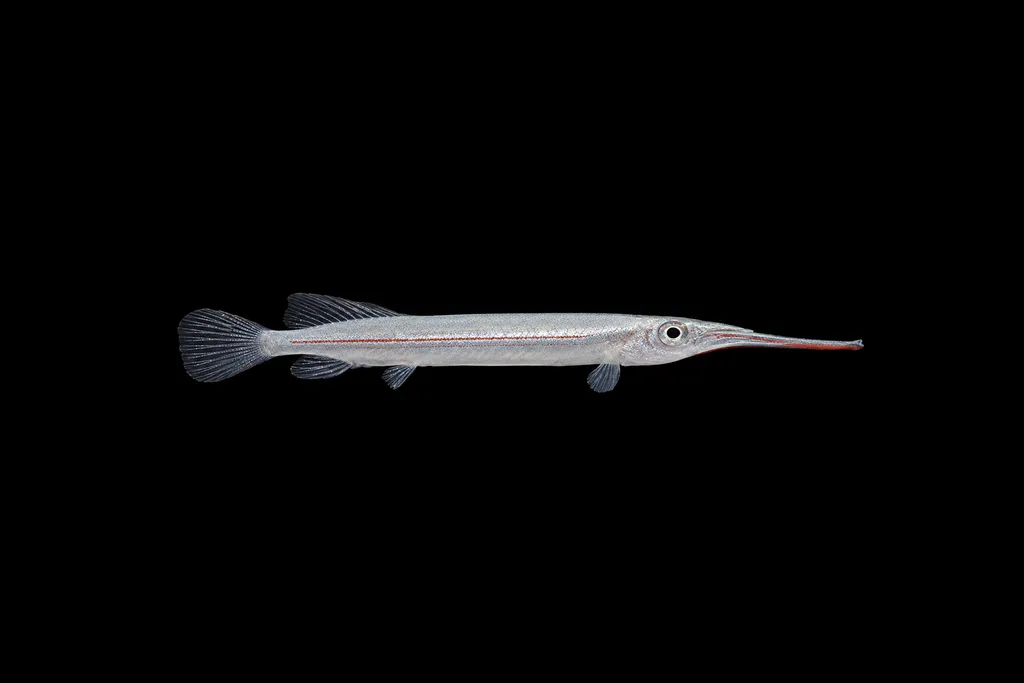
Fire halfbeak
Hemirhamphodon kapuasensis
Freshwater2.4 in (6 cm) · 14 gal (54 L)73–81°F (23–27°C)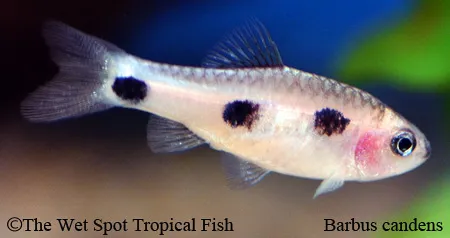
Glowing ember barb
Enteromius candens
Freshwater1.6 in (4 cm) · 14 gal (54 L)72–81°F (22–27°C)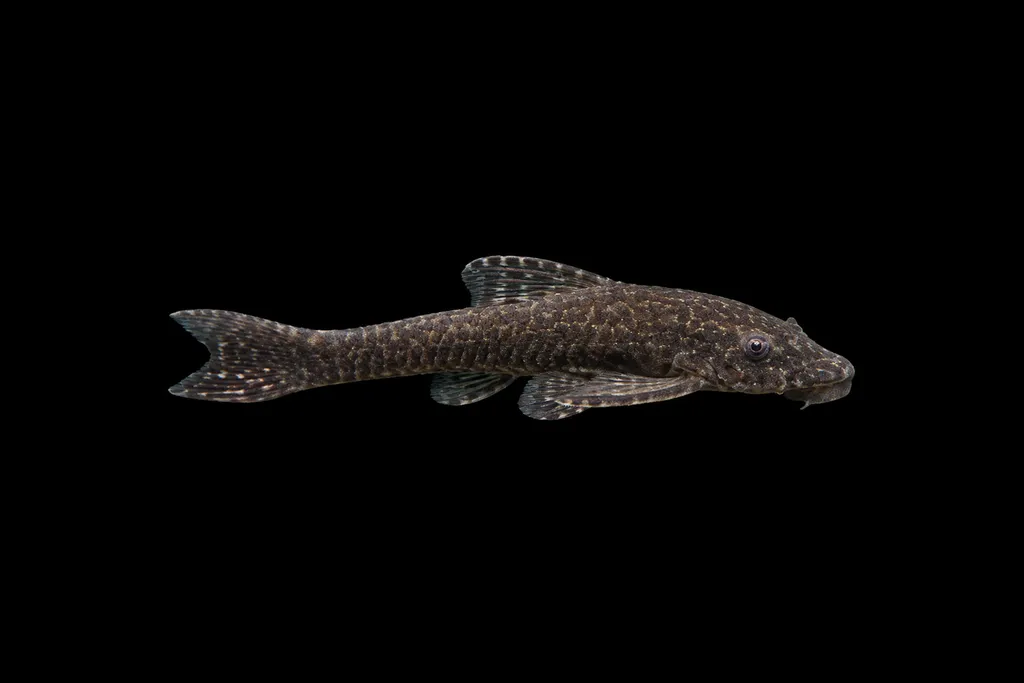
Black otocinclus
Hisonotus notatus
Freshwater2 in (5 cm) · 14 gal (54 L)72–81°F (22–27°C)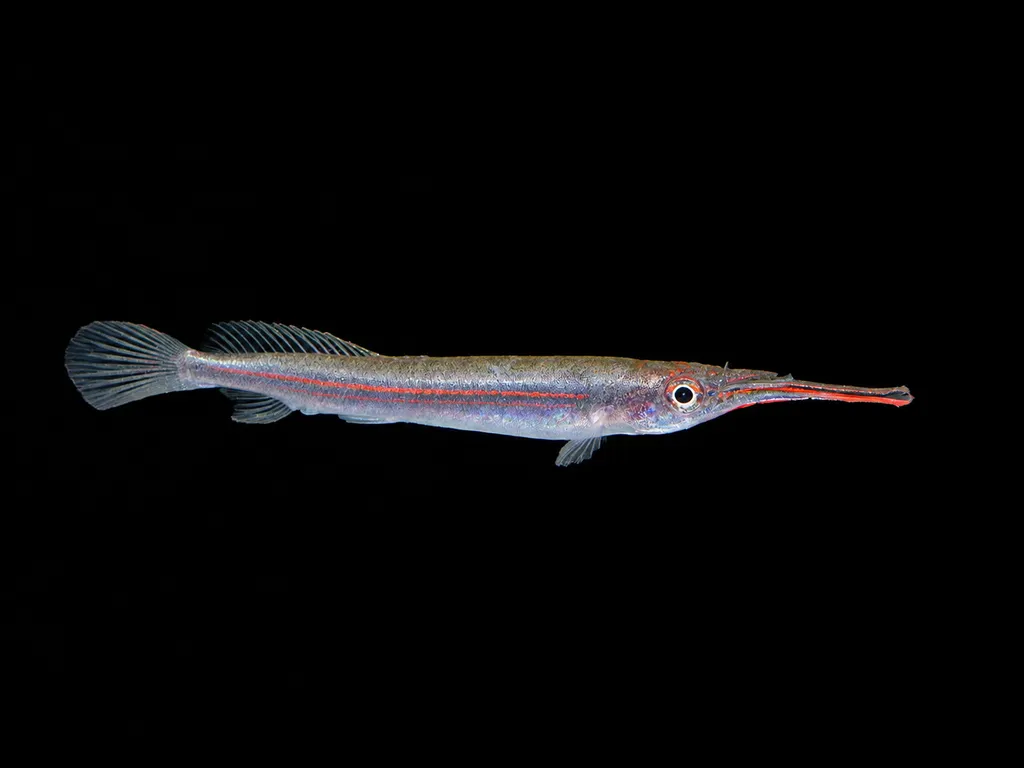
Red line halfbeak
Hemirhamphodon phaiosoma
Freshwater2.6 in (6.5 cm) · 14 gal (54 L)73–81°F (23–27°C)
Common questions
What size tank does a Vinaceus tetra need?
A Vinaceus tetra needs at least 14 gal (54 L). It spends most of its time in the middle.
What temperature and pH does a Vinaceus tetra need?
A Vinaceus tetra is comfortable at 72–81°F (22–27°C) with a pH of 5.5–7.0.
What does a Vinaceus tetra eat?
A Vinaceus tetra eats varied small foods, such as quality flake and micro pellets. Add frozen bloodworm, daphnia and brine shrimp.
How big does a Vinaceus tetra get?
An adult Vinaceus tetra reaches about 1.6 in (4 cm).
Does a Vinaceus tetra need a group?
Yes. A Vinaceus tetra is a schooling species and should be kept in a group, not singly.
How does a Vinaceus tetra breed?
Vinaceus tetras scatter their eggs over fine-leaved plants or a spawning mesh in a separate tank. The parents will eat the eggs, so breeders take the adults out after spawning.
Related species
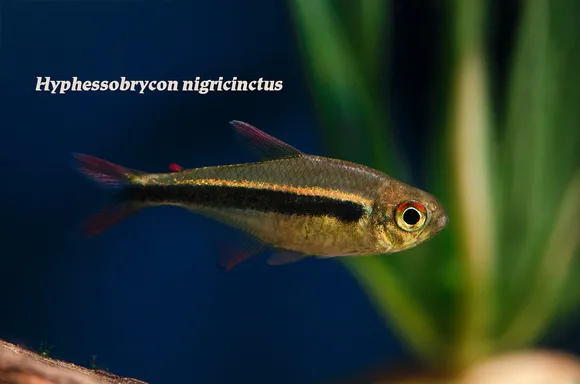
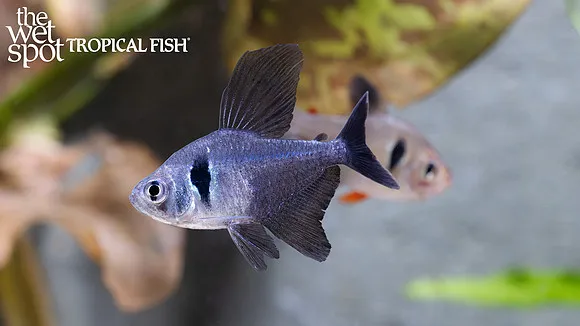 1.6 in (4 cm)16 gal (60 L)73–82°F (23–28°C)
Epicharis tetra
Hyphessobrycon epicharis
1.6 in (4 cm) · 16 gal (60 L)
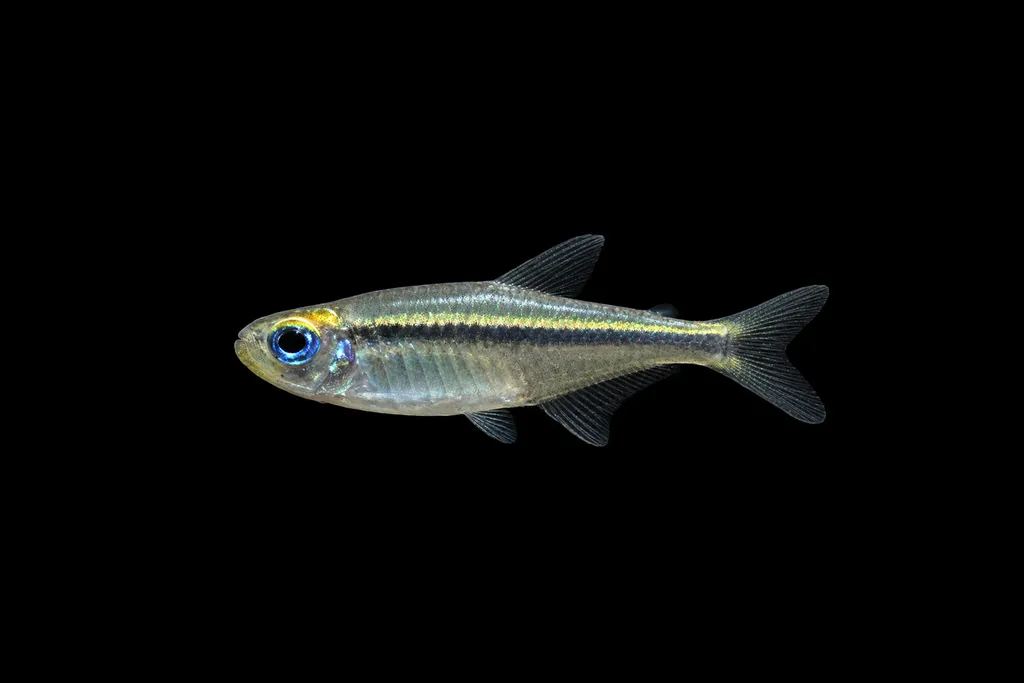
 1.6 in (4 cm)15 gal (55 L)72–81°F (22–27°C)
Madre de Dios tetra
Hyphessobrycon nigricinctus
1.6 in (4 cm) · 15 gal (55 L)
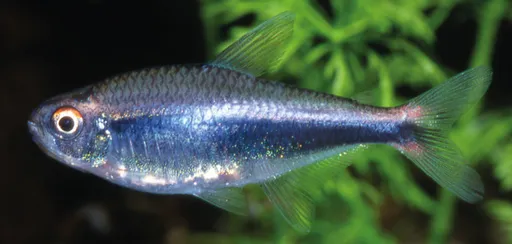
 1.6 in (4 cm)16 gal (60 L)72–81°F (22–27°C)
Parrot tetra
Hyphessobrycon psittacus
1.6 in (4 cm) · 16 gal (60 L)
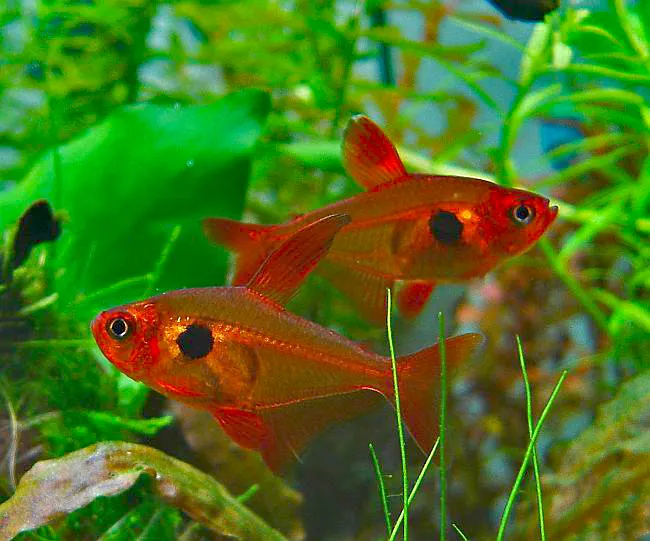
 1.6 in (4 cm)16 gal (60 L)72–81°F (22–27°C)
Peruvian tetra
Hyphessobrycon peruvianus
1.6 in (4 cm) · 16 gal (60 L)
 1.6 in (4 cm)15 gal (55 L)72–82°F (22–28°C)
Red phantom tetra
Hyphessobrycon sweglesi
1.6 in (4 cm) · 15 gal (55 L)
 1.6 in (4 cm)15 gal (55 L)75–82°F (24–28°C)
Rosy tetra
Hyphessobrycon rosaceus
1.6 in (4 cm) · 15 gal (55 L)