Dwarf horseface loach
Acanthopsoides robertsi
Also known as Roberts' horseface loach
FreshwaterFish
Care at a glance
- Temperature
- 72–81°F
- 22–27°C
- pH
- 6.0–7.5
- Adult size
- 2.2 in
- 5.5 cm
- Minimum tank
- 14 gal
- 54 L
- Temperament
- Peaceful
- Social behavior
- Social
- Swim level
- Bottom
- Difficulty
- Medium
- Breeding
- No record
- Rarity
- Rare
- Family
- Cobitidae
- Origin
- Sundaland rivers of Borneo, Sumatra, and the Malay Peninsula
Overview
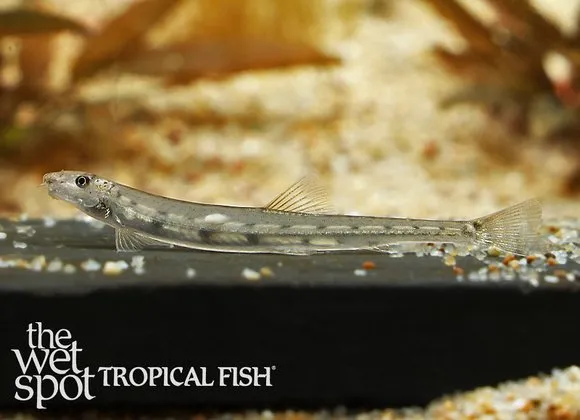
The dwarf horseface loach is a sociable little sand-diver for the bottom of a calm community tank. It asks a little more than a beginner fish.
Did you know
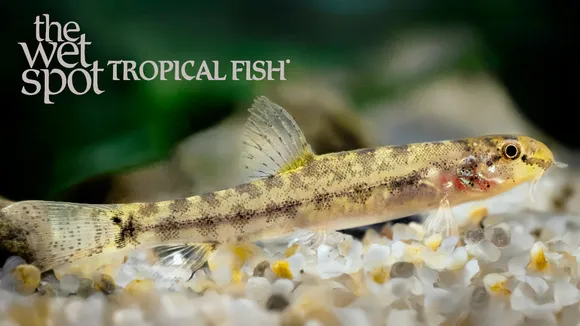
The dwarf horseface loach spends much of the day buried in sand, with only its eyes above the surface. When disturbed, it swims off snout-first.
Caring for the dwarf horseface loach
A group of dwarf horseface loaches settles well in 14 gal (54 L) or more. Give them a shallow, soft sand bed, since they bury themselves in it to rest. Coarse gravel scratches their skin and stresses them, so keep the substrate fine.
Keep the water clean and well oxygenated, with a gentle current and subdued lighting. A temperature of 72 to 81°F (22 to 27°C) and a pH of 6.0 to 7.5 suit them.
The dwarf horseface loach patrols the open floor with its long snout, sifting fine sand for tiny invertebrates. Feed sinking dried foods along with frozen or live bloodworm, daphnia and brine shrimp.
Keep a group of six or more, since single fish stay hidden and nervous. It is entirely peaceful and ignores its tank mates. Match it with small, calm upper-water fish such as little rasboras or danios, not anything pushy. No aquarium breeding has been recorded.
Good to know
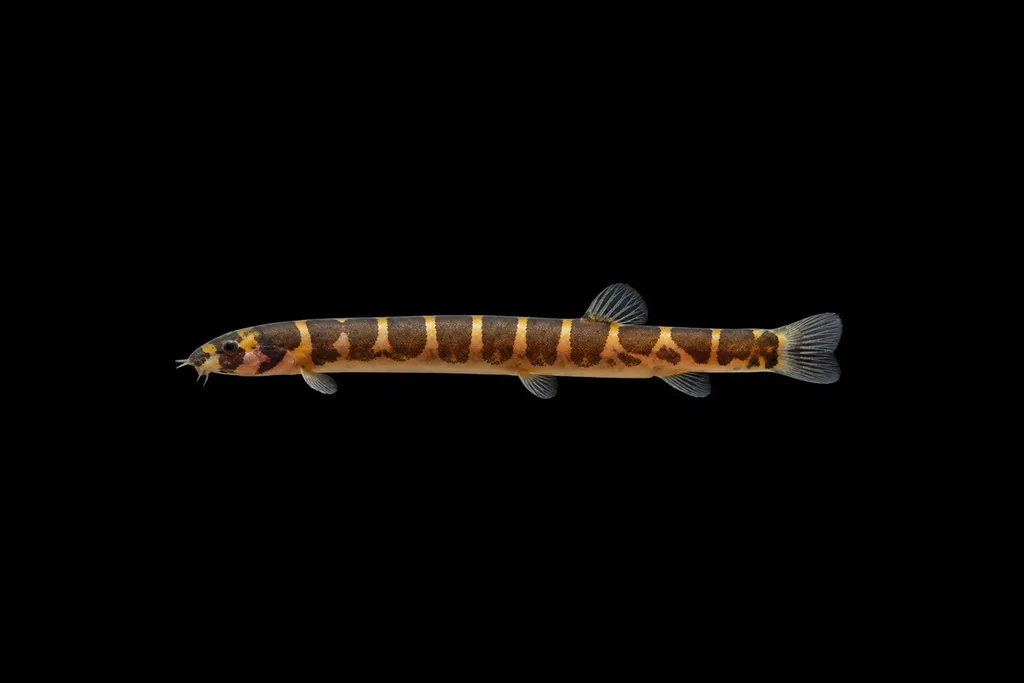
The dwarf horseface loach, Acanthopsoides robertsi, is a small member of the loach family Cobitidae. It resembles the true horseface loaches in miniature, at roughly a quarter of their length. A dark triangular mark on the tail, unique in its genus, makes it easy to tell apart. The name honors the American ichthyologist Tyson Roberts, who led the Kapuas River surveys that turned it up.
In the wild
The dwarf horseface loach lives in Sundaland rivers of Borneo, Sumatra and the Malay Peninsula. It is best known from the Kapuas basin of Borneo and nearby drainages, in clear, flowing channels over sand and fine gravel.
Weekly picks
Tank mates
The dwarf horseface loach is a peaceful, social species that keeps to the bottom. These picks share a community profile with it, are safe together in both directions, and overlap on water type, temperature and pH.
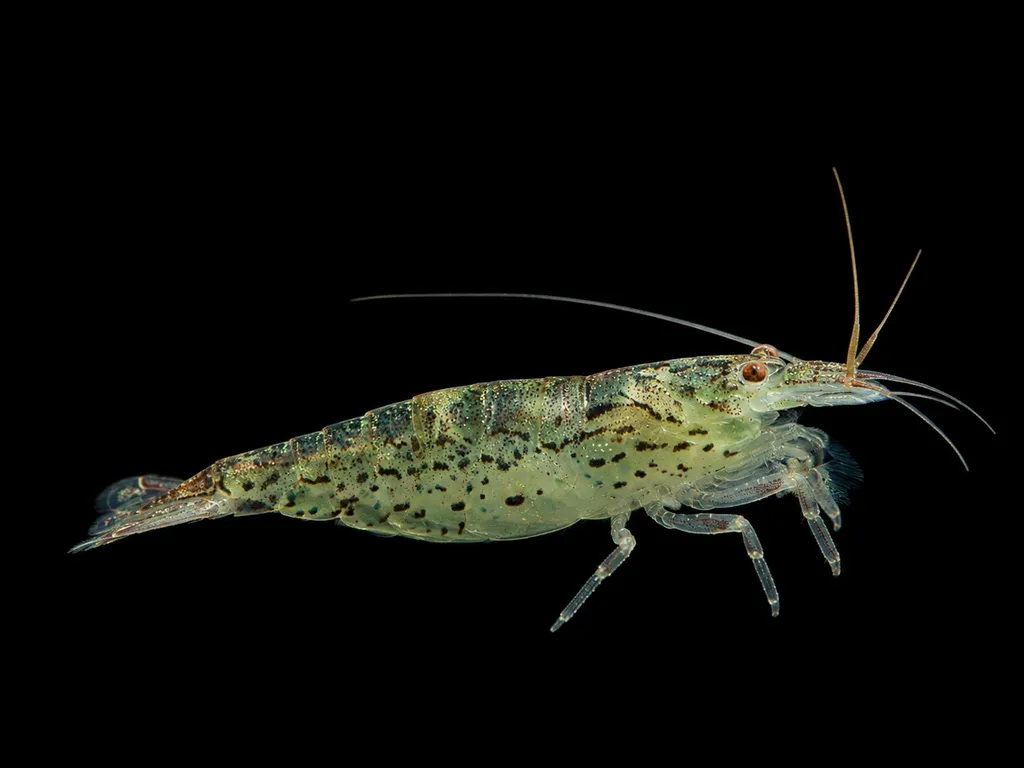
Green lace shrimp
Atyoida pilipes
Freshwater2.8 in (7 cm) · 14 gal (54 L)73–82°F (23–28°C)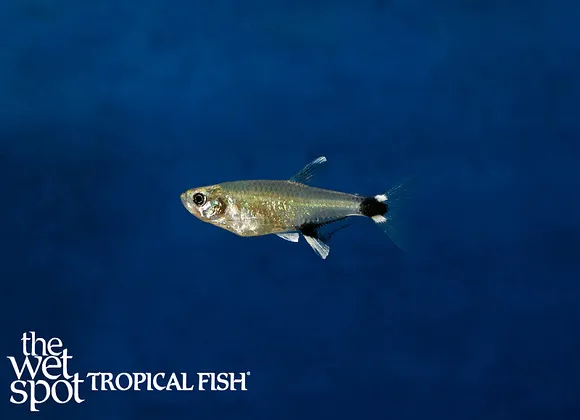
Panda darter tetra
Aphyocharax nattereri
Freshwater1.4 in (3.5 cm) · 14 gal (54 L)72–81°F (22–27°C)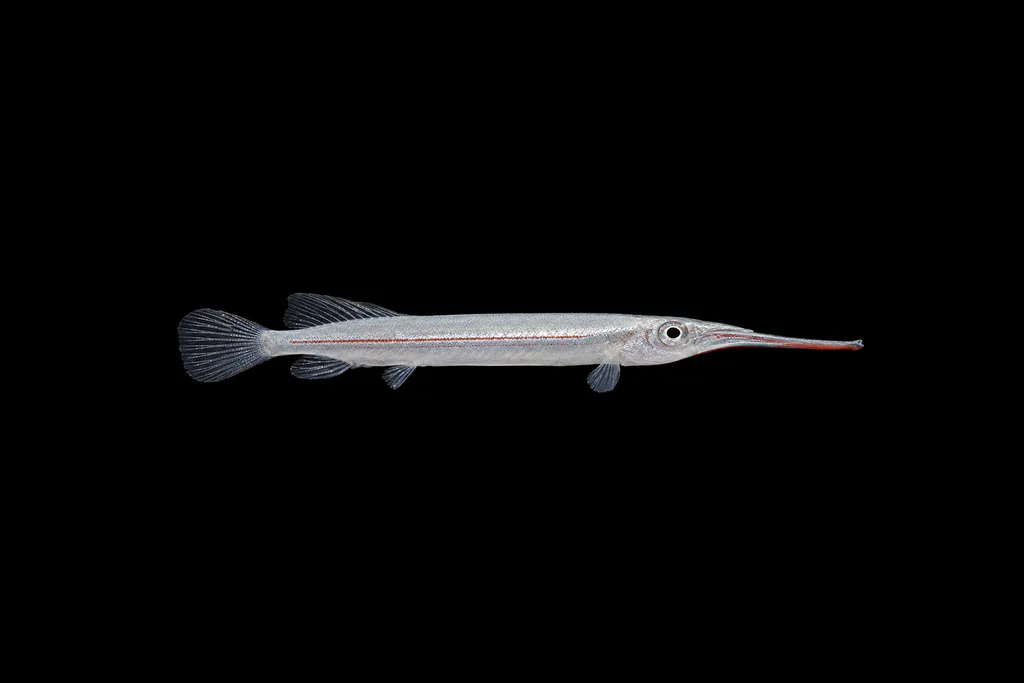
Fire halfbeak
Hemirhamphodon kapuasensis
Freshwater2.4 in (6 cm) · 14 gal (54 L)73–81°F (23–27°C)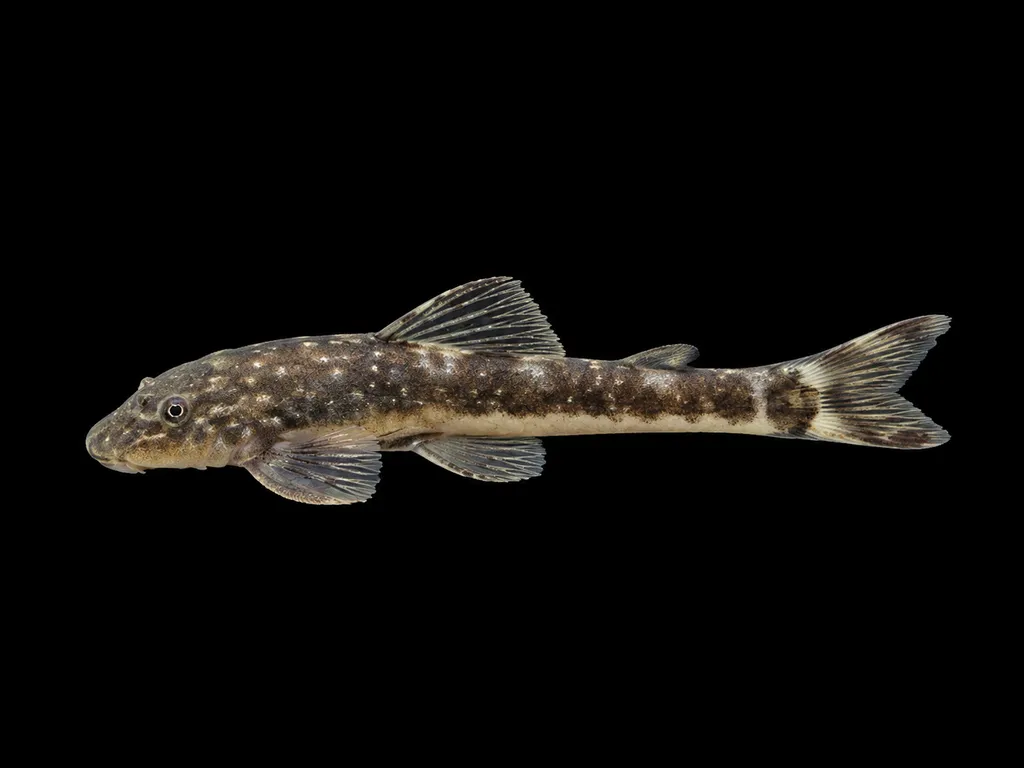
Ceará parotocinclus
Parotocinclus cearensis
Freshwater2 in (5 cm) · 14 gal (54 L)72–81°F (22–27°C)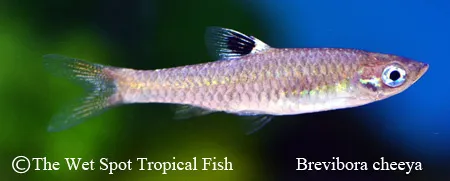
Cheeya rasbora
Brevibora cheeya
Freshwater1.3 in (3.4 cm) · 14 gal (54 L)72–81°F (22–27°C)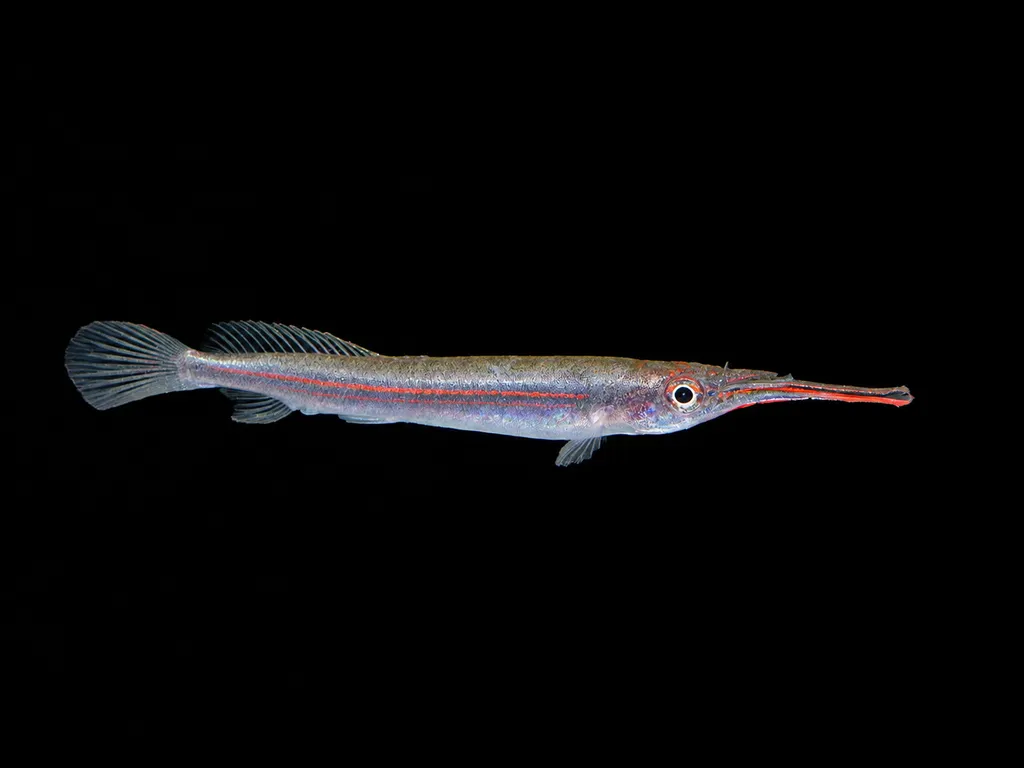
Red line halfbeak
Hemirhamphodon phaiosoma
Freshwater2.6 in (6.5 cm) · 14 gal (54 L)73–81°F (23–27°C)
Common questions
What size tank does a dwarf horseface loach need?
A dwarf horseface loach needs at least 14 gal (54 L). It spends most of its time in the bottom.
What temperature and pH does a dwarf horseface loach need?
A dwarf horseface loach is comfortable at 72–81°F (22–27°C) with a pH of 6.0–7.5.
What does a dwarf horseface loach eat?
A dwarf horseface loach sifts fine sand for tiny invertebrates. Feed it sinking dried foods with frozen or live bloodworm, daphnia and brine shrimp.
How big does a dwarf horseface loach get?
An adult dwarf horseface loach reaches about 2.2 in (5.5 cm).
Related species
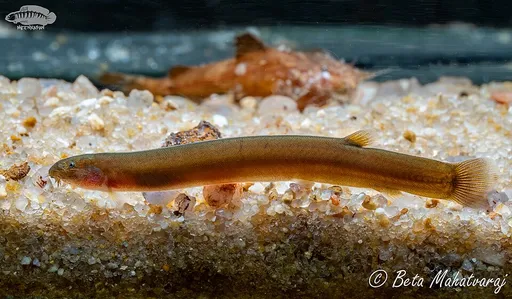 2.4 in (6 cm)20 gal (75 L)72–81°F (22–27°C)
Cinnamon loach
Pangio pangia
2.4 in (6 cm) · 20 gal (75 L)
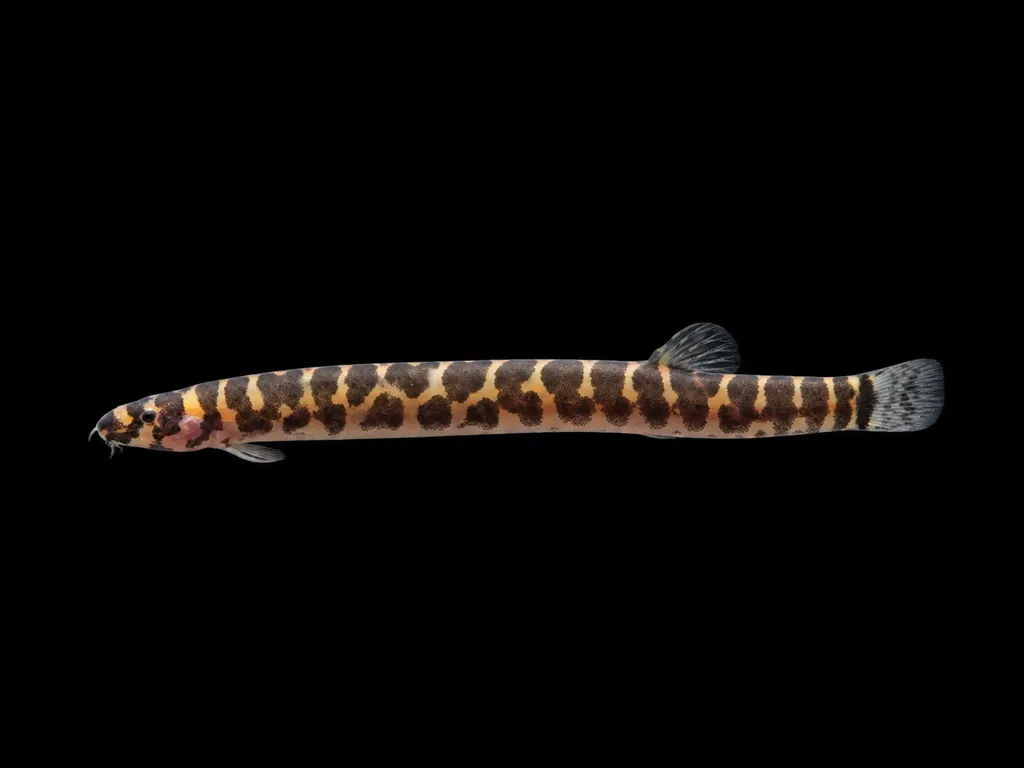
 2.4 in (6 cm)20 gal (75 L)73–82°F (23–28°C)
Forktail spiny loach
Lepidocephalichthys furcatus
2.4 in (6 cm) · 20 gal (75 L)
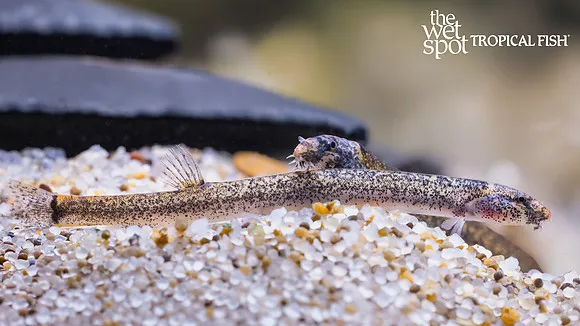
 2.4 in (6 cm)20 gal (75 L)72–81°F (22–27°C)
Moray kuhli loach
Pangio muraeniformis
2.4 in (6 cm) · 20 gal (75 L)
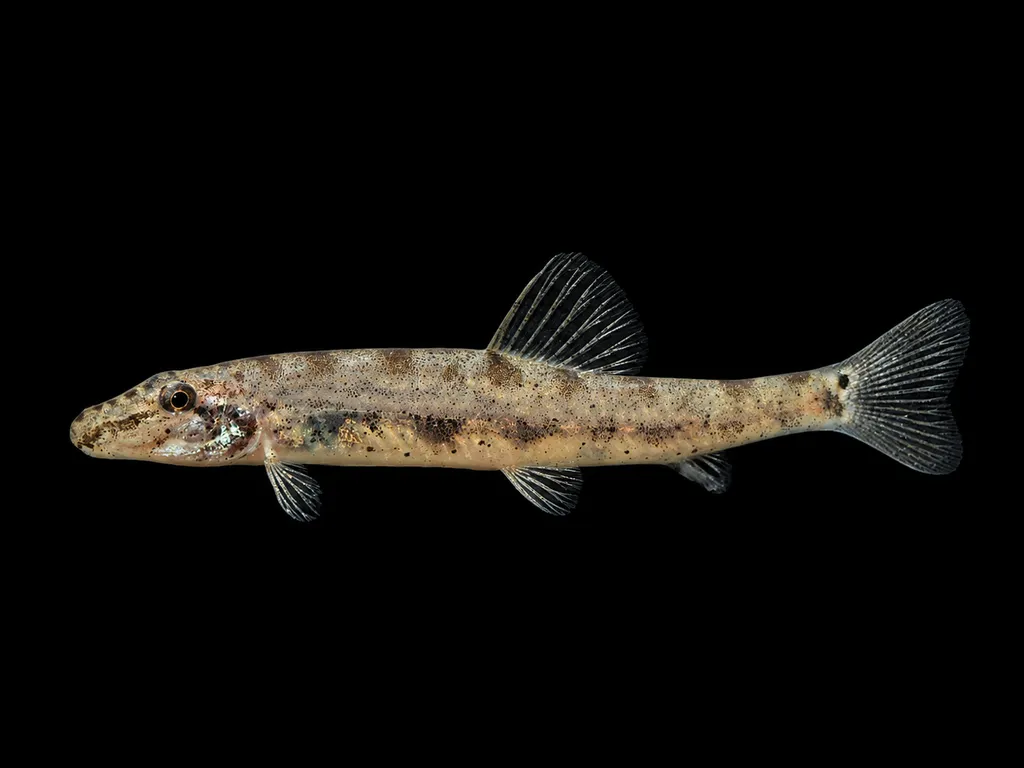
 2.4 in (6 cm)20 gal (75 L)72–81°F (22–27°C)
Peppered kuhli loach
Pangio piperata
2.4 in (6 cm) · 20 gal (75 L)
 2 in (5 cm)14 gal (54 L)72–81°F (22–27°C)
Dwarf white horseface loach
Kottelatlimia hipporhynchos
2 in (5 cm) · 14 gal (54 L)
 2.5 in (6.3 cm)20 gal (75 L)72–81°F (22–27°C)
Borneo kuhli loach
Pangio borneensis
2.5 in (6.3 cm) · 20 gal (75 L)