Horseface loach
Acantopsis dialuzona
FreshwaterFish
Care at a glance
- Temperature
- 61–75°F
- 16–24°C
- pH
- 6.0–7.5
- Adult size
- 7.9 in
- 20 cm
- Minimum tank
- 55 gal
- 210 L
- Temperament
- Mostly peaceful
- Social behavior
- Social
- Swim level
- Bottom
- Difficulty
- Medium
- Breeding
- No record
- Rarity
- Rare
- Family
- Cobitidae
- Origin
- Sunda Islands, Thailand
Overview
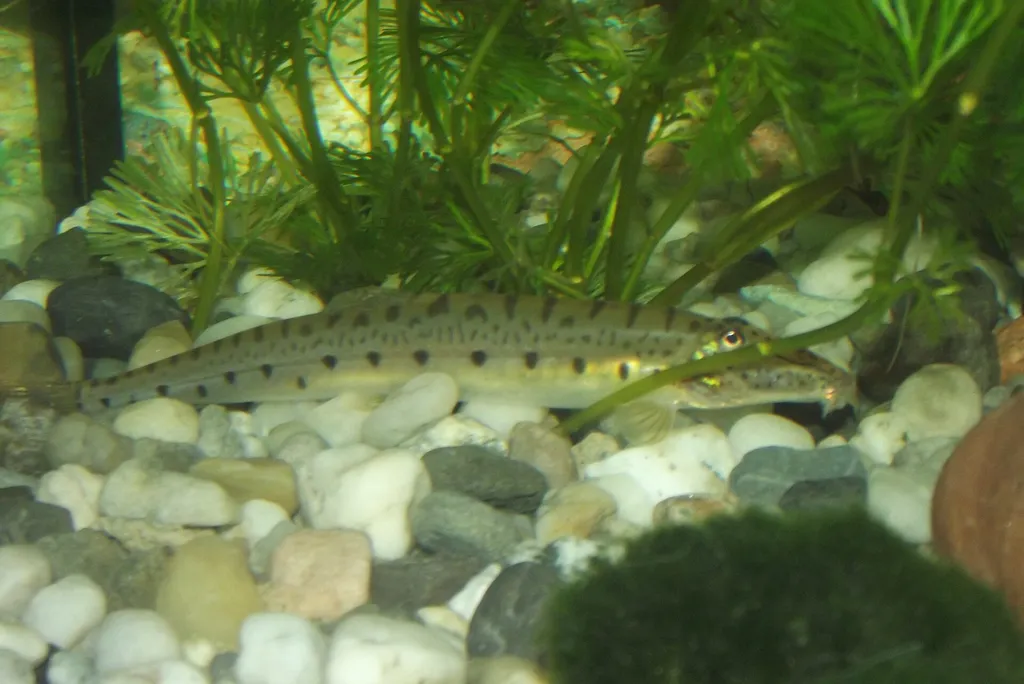
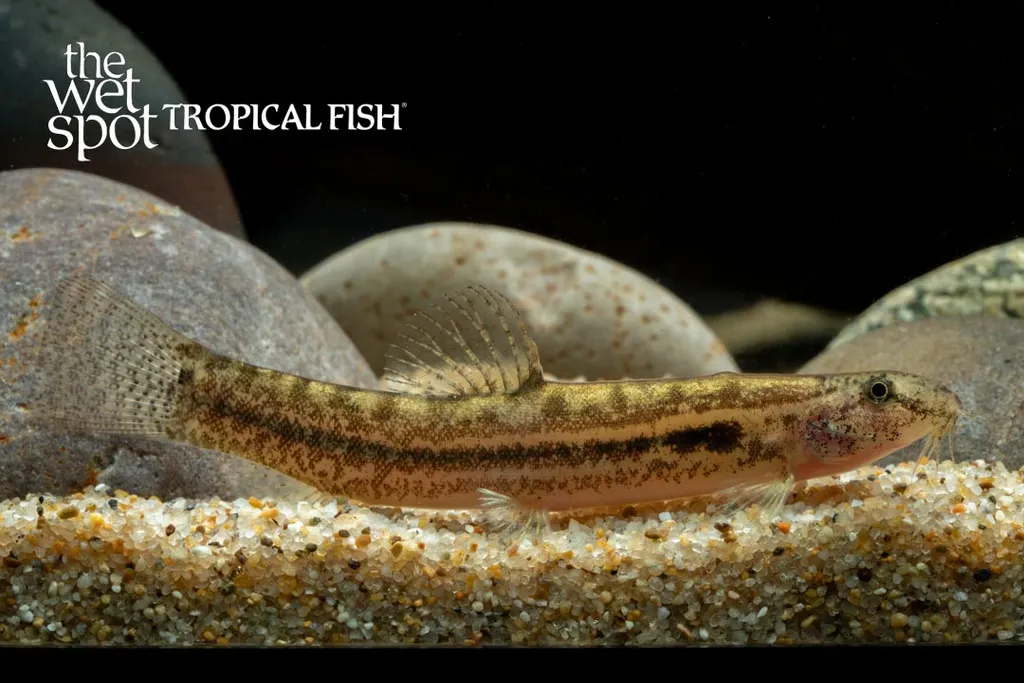
The horseface loach is a long, sand-dwelling fish named for its down-curved snout, and it is social enough that a group of five or more settles better than a lone fish. It spends the day half-buried in soft sand, sifting mouthfuls for food and leaving only its eyes showing, then becomes more active around dusk. It is mostly peaceful and works well with calm, cool-water community fish, though small shrimp may be seen as food. A deep, soft sand bed is essential so it can bury without injury. Feed sinking pellets, frozen bloodworms, and blackworms that settle to the floor. Given its size, a group needs a long tank of around 210 liters or larger.
In the wild
Acantopsis dialuzona is widespread through Thailand and the Sunda Islands, living in flowing rivers and streams with clean sand and fine gravel beds. It favors cooler, well-oxygenated water, roughly 16 to 24 C, at a pH from about 6 to 7.5. The single most important feature of its tank is a deep bed of soft, fine sand, since the fish spends much of its life buried in it. Add smooth rocks and driftwood at the surface, keep the flow brisk and the water clean, and avoid sharp substrates that would damage its delicate snout and belly.
Good to know
Acantopsis dialuzona belongs to Cobitidae and reaches around 20 cm, with a slender, downward-pointing head and a long body built for burrowing into sand. Like other cobitids it has a small, erectile spine set below each eye. The name Acantopsis has long been applied to several similar, hard-to-separate loaches, so trade fish under this name may represent more than one species. Breeding is not recorded in home aquaria, and the fish for sale are wild caught.
Did you know
The horseface loach is a living sand filter: it takes in mouthfuls of substrate, sieves out edible morsels through its gills, and puffs the clean sand back out. Given fine sand to work, a group keeps the top layer of the bed constantly turned and aerated.
Weekly picks
Tank mates
Horseface loach is a mostly peaceful, social species that keeps to the bottom. These picks share a community profile with it, are safe together in both directions, and overlap on water type, temperature and pH.
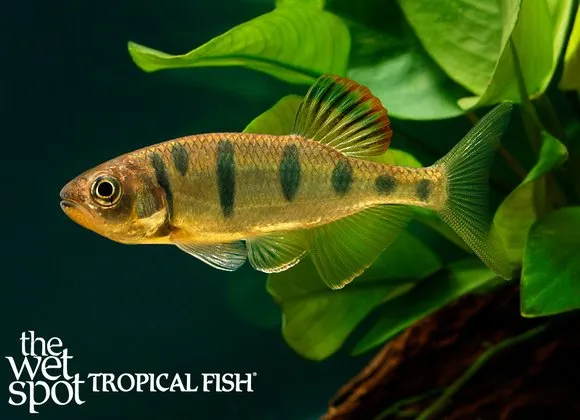
Jeweled baril
Opsarius pulchellus
Freshwater5.1 in (13 cm) · 53 gal (200 L)72–81°F (22–27°C)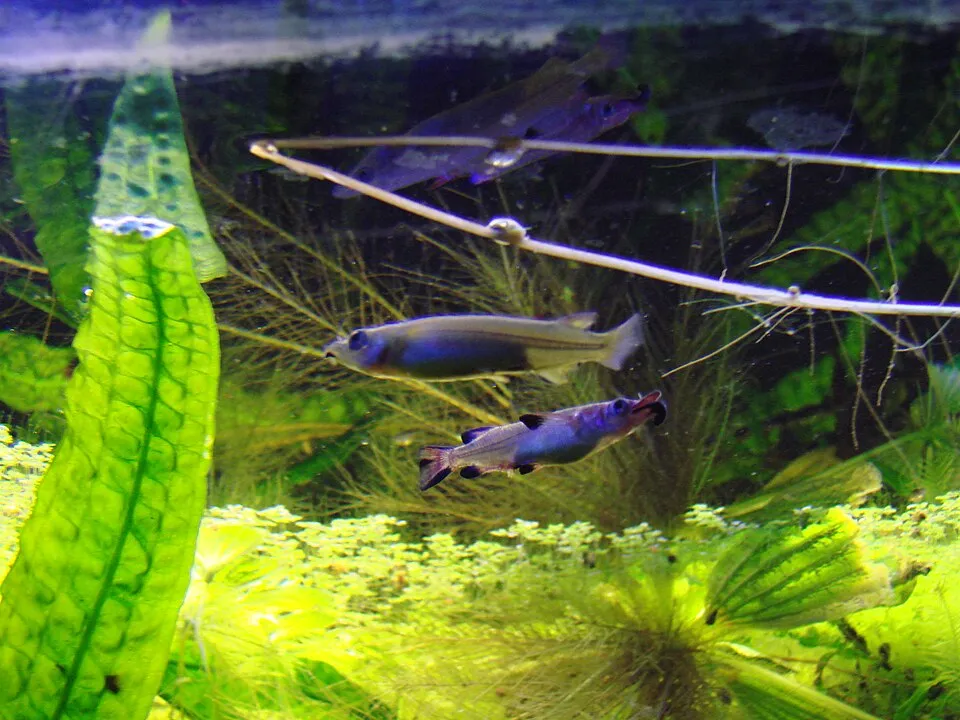
Celebes halfbeak
Nomorhamphus liemi
Freshwater3.5 in (9 cm) · 40 gal (150 L)68–77°F (20–25°C)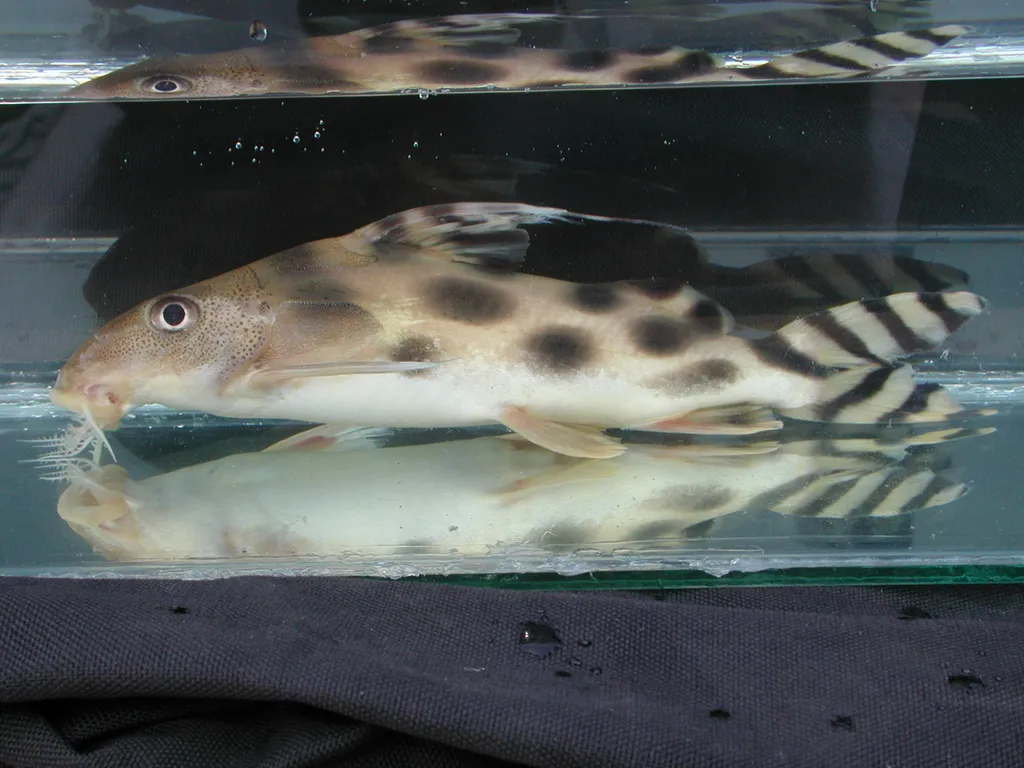
Decorated squeaker
Synodontis decorus
Freshwater11.8 in (30 cm) · 53 gal (200 L)72–81°F (22–27°C)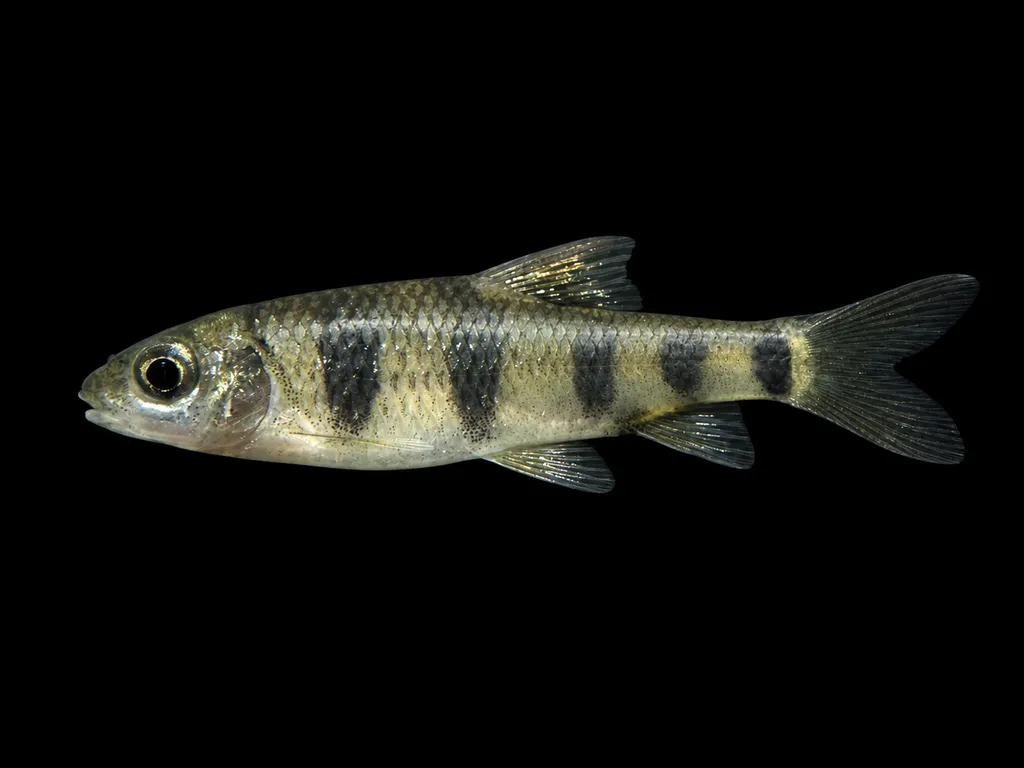
Beijiang barb
Acrossocheilus beijiangensis
Freshwater5.1 in (13 cm) · 53 gal (200 L)64–79°F (18–26°C)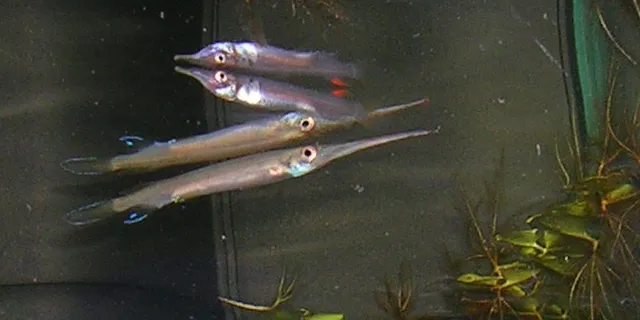
Forest halfbeak
Hemirhamphodon pogonognathus
Freshwater3.5 in (9 cm) · 34 gal (130 L)75–82°F (24–28°C)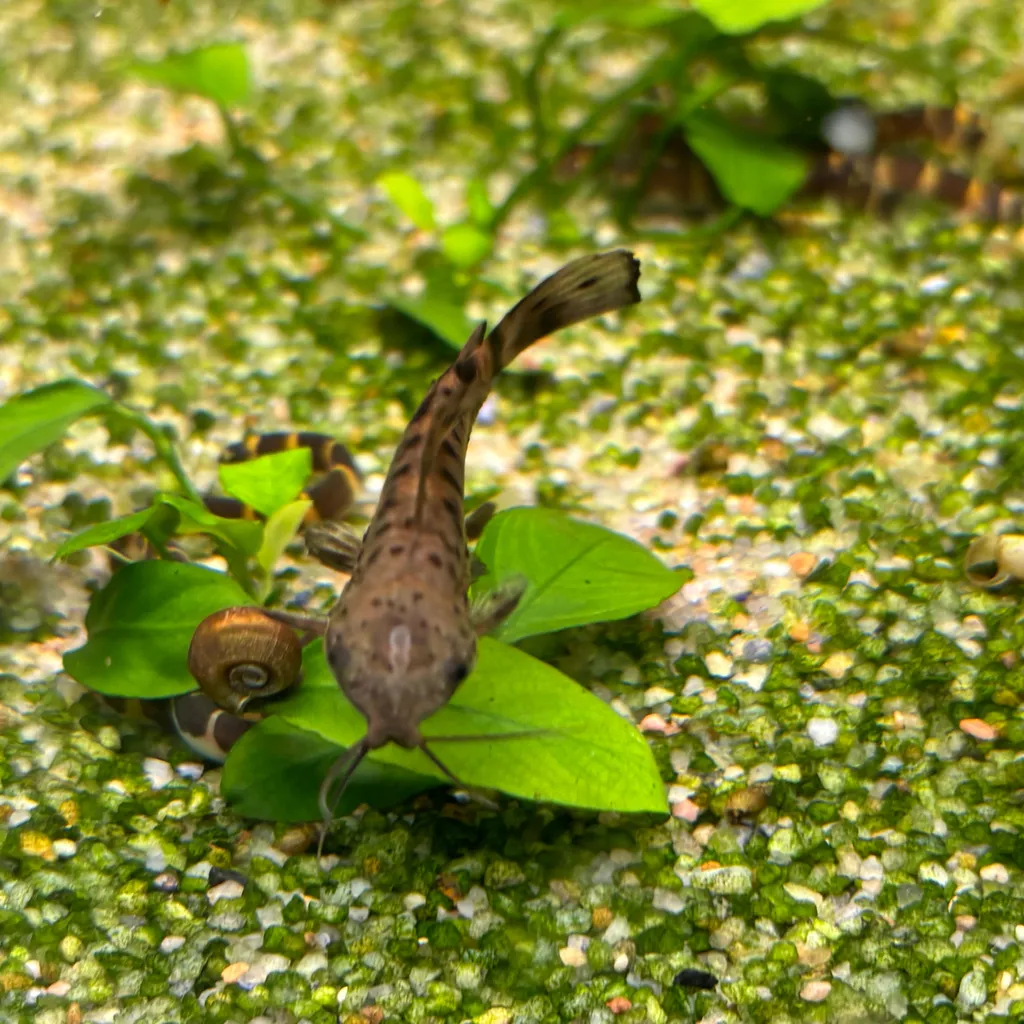
Bar-tailed hoplo
Megalechis picta
Freshwater5.9 in (15 cm) · 53 gal (200 L)72–79°F (22–26°C)
Common questions
What size tank does a Horseface loach need?
A Horseface loach needs at least 55 gal (210 L). It spends most of its time in the bottom.
What temperature and pH does a Horseface loach need?
A Horseface loach is comfortable at 61–75°F (16–24°C) with a pH of 6.0–7.5.
How big does a Horseface loach get?
An adult Horseface loach reaches about 7.9 in (20 cm).
Related species
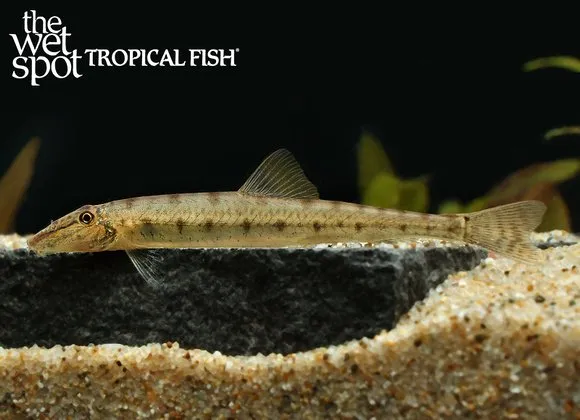 6.3 in (16 cm)42 gal (160 L)72–81°F (22–27°C)
Slender horseface loach
Acantopsis ioa
6.3 in (16 cm) · 42 gal (160 L)
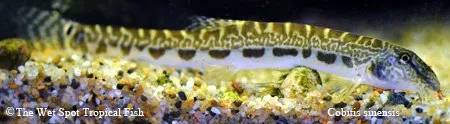 6 in (15.3 cm)42 gal (160 L)59–75°F (15–24°C)
Chinese spiny loach
Cobitis sinensis
6 in (15.3 cm) · 42 gal (160 L)
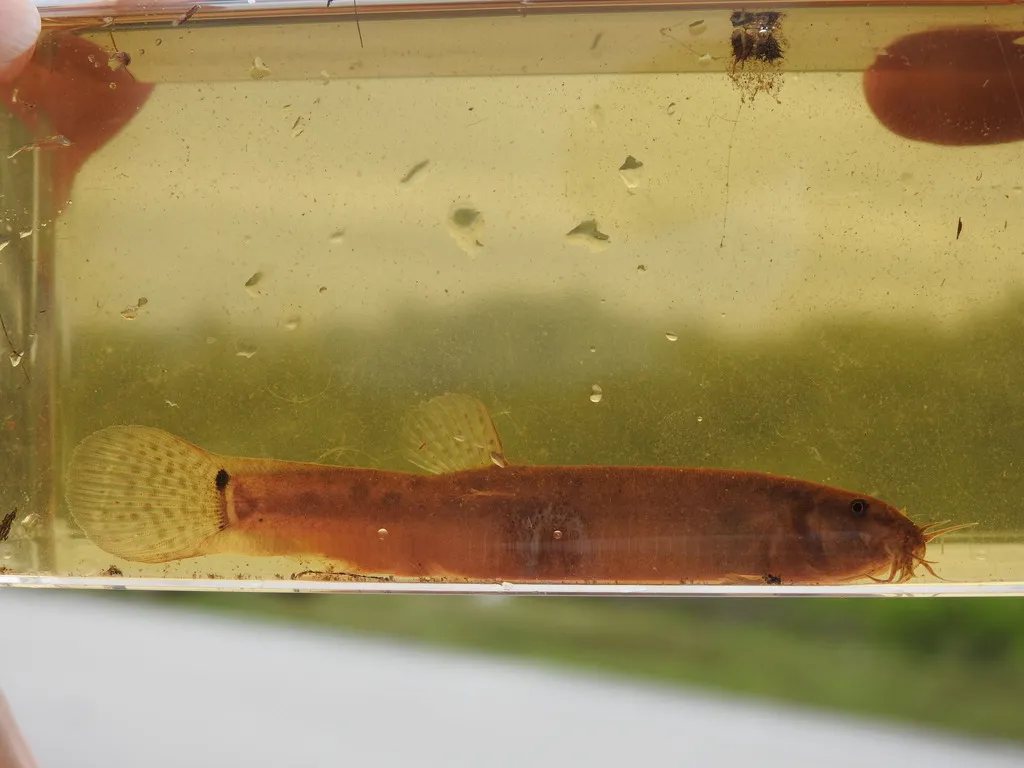 11 in (28 cm)55 gal (210 L)50–73°F (10–23°C)
Weather loach
Misgurnus anguillicaudatus
11 in (28 cm) · 55 gal (210 L)
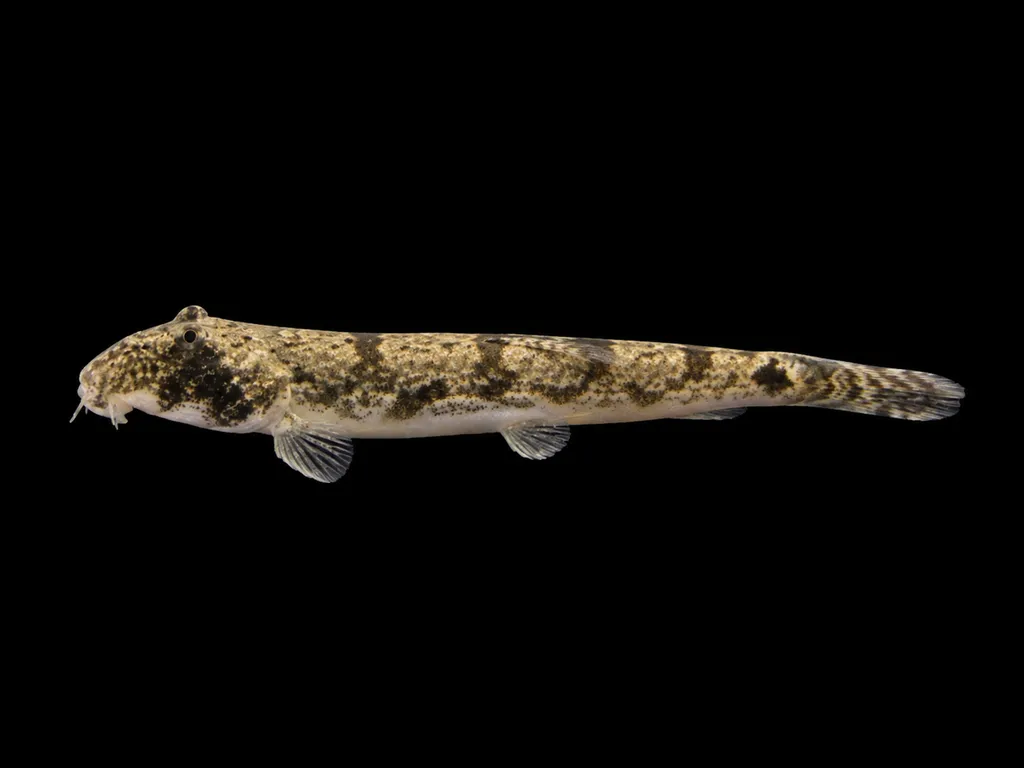 5.1 in (13 cm)42 gal (160 L)70–81°F (21–27°C)
Gongota loach
Canthophrys gongota
5.1 in (13 cm) · 42 gal (160 L)
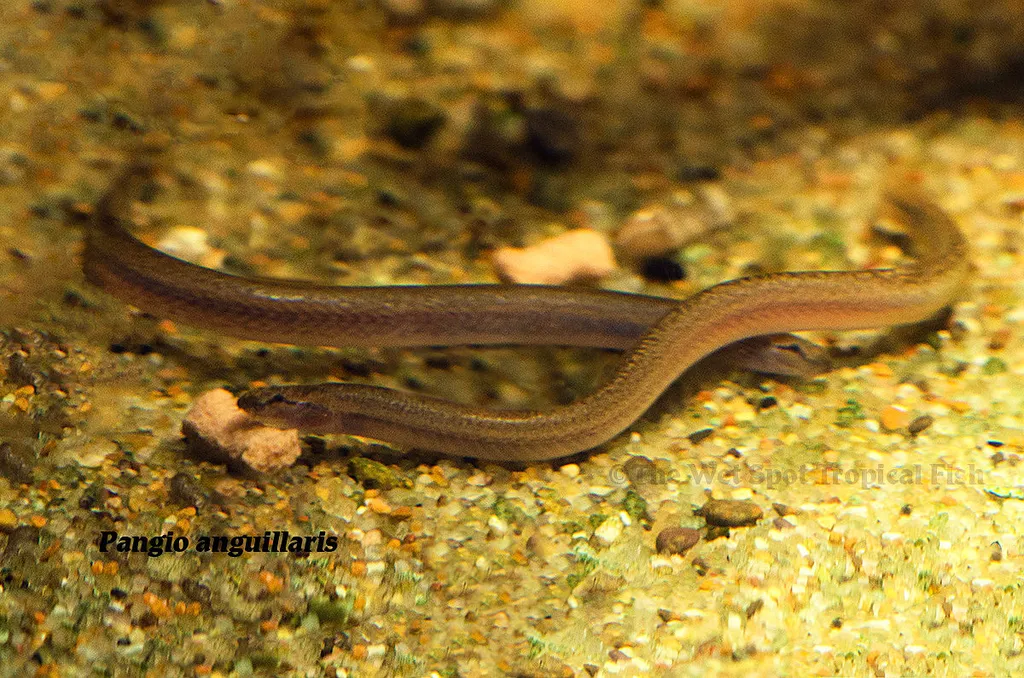 4.7 in (12 cm)20 gal (75 L)72–82°F (22–28°C)
Eel kuhli loach
Pangio anguillaris
4.7 in (12 cm) · 20 gal (75 L)
 4.7 in (12 cm)24 gal (90 L)64–82°F (18–28°C)
Guntea loach
Lepidocephalichthys guntea
4.7 in (12 cm) · 24 gal (90 L)