Parrot tetra
Hyphessobrycon psittacus
Also known as Papagaio tetra, Psittacus Tetra
FreshwaterFish
Care at a glance
- Temperature
- 72–81°F
- 22–27°C
- pH
- 5.0–7.0
- Adult size
- 1.6 in
- 4 cm
- Minimum tank
- 16 gal
- 60 L
- Temperament
- Peaceful
- Social behavior
- Schooling
- Swim level
- Middle
- Difficulty
- Medium
- Breeding
- No record
- Rarity
- Rare
- Family
- Characidae
- Origin
- Rio Papagaio, upper Juruena basin, Mato Grosso, Brazil
Overview
The parrot tetra is a small, peaceful schooling fish for a clearwater community tank. It is best with a little experience.
Did you know
The parrot tetra's name is a translation chain. It is named psittacus, Latin for parrot, because it lives in the rio Papagaio, which is Portuguese for parrot river.
Caring for the parrot tetra
Keep parrot tetras in a school of six or more, in 16 gal (60 L) or larger. The school holds midwater over open sand, so give the tank a clear swimming lane. Keep the water clean and flowing, at 72 to 81°F (22 to 27°C) and a pH of 5.0 to 7.0.
Parrot tetras feed on flake, granules and small frozen foods. They are peaceful and safe in a community. Pair them with corys and other clearwater Brazilian fish rather than blackwater species, for a setup true to their habitat.
Good to know
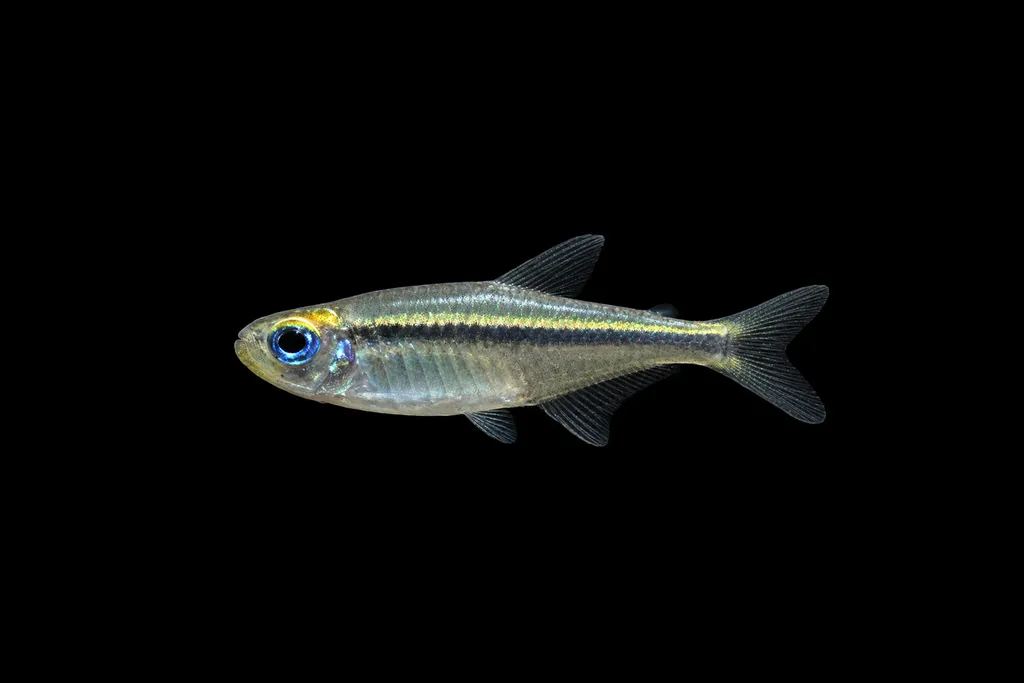
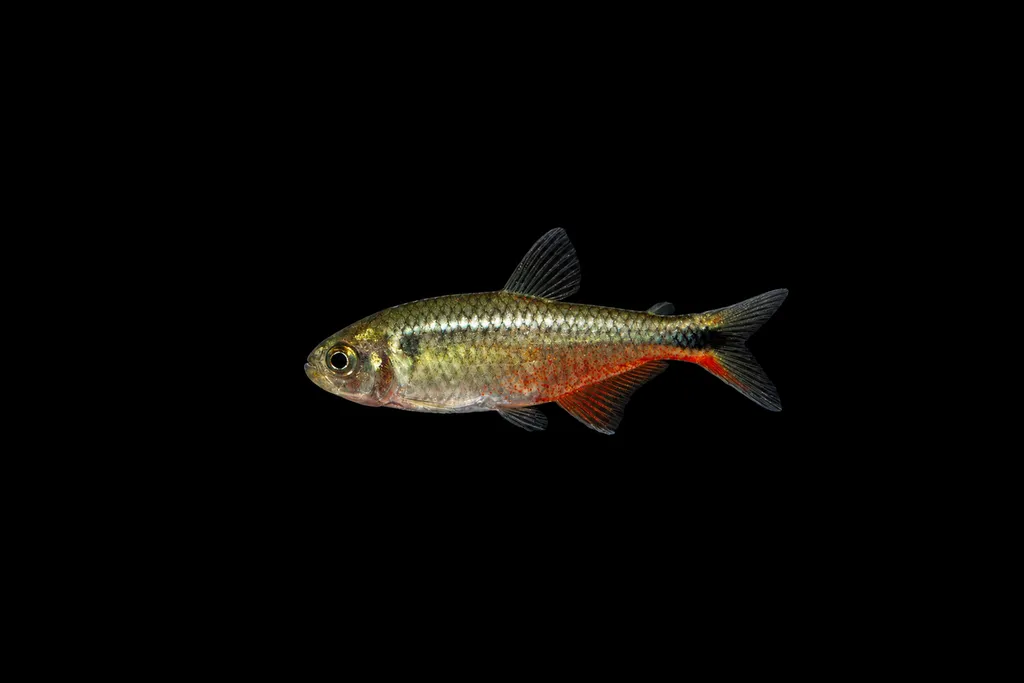
The parrot tetra, Hyphessobrycon psittacus, was described in 2016 and belongs to the family Characidae. Its field marks are a narrow, sharply defined dark stripe from eye to tail and no shoulder blotch at all. That is an unusually clean pattern for the genus.
In the wild
The parrot tetra comes from the rio Papagaio, a clearwater tributary in the upper Juruena system of Mato Grosso, Brazil. Its home water runs clean over sand and rock.
Weekly picks
Tank mates
The parrot tetra is a peaceful, schooling species that keeps to the middle. These picks share a community profile with it, are safe together in both directions, and overlap on water type, temperature and pH.
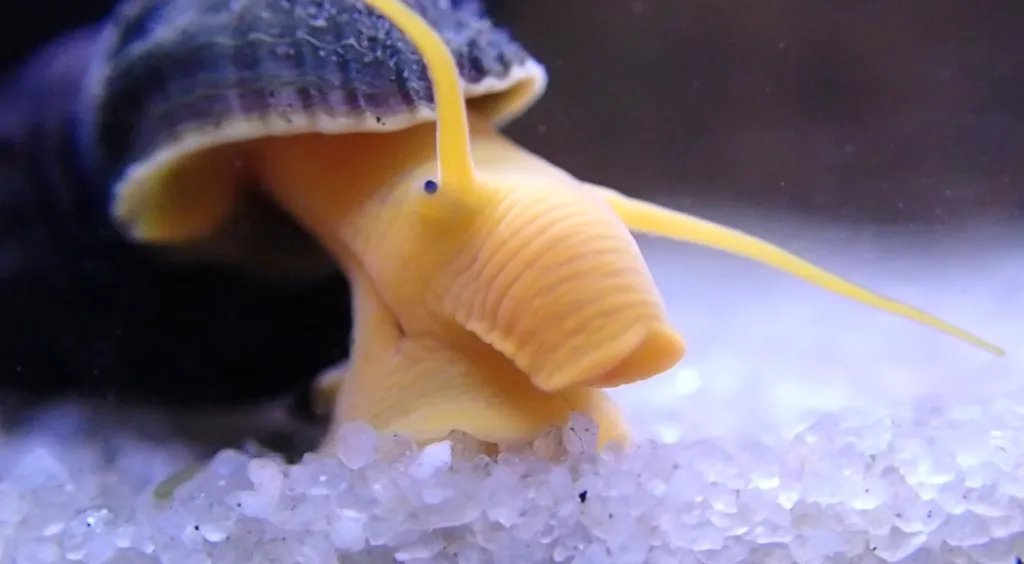
Gold rabbit snail
Tylomelania gemmifera
Freshwater2.8 in (7 cm) · 16 gal (60 L)75–82°F (24–28°C)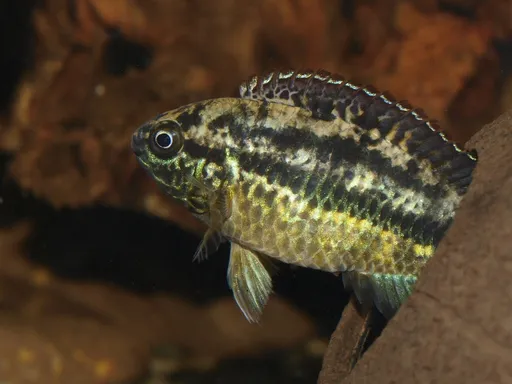
Golden dwarf cichlid
Nannacara anomala
Freshwater3.1 in (8 cm) · 16 gal (60 L)72–82°F (22–28°C)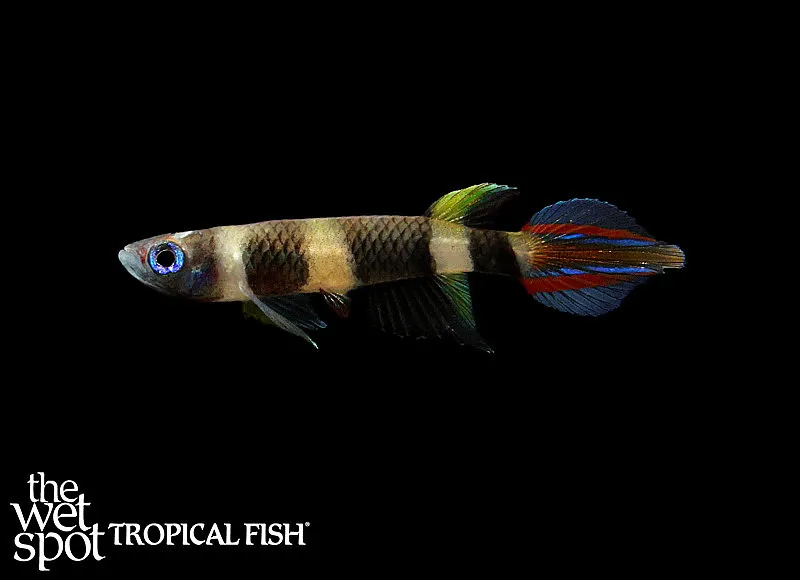
Clown killifish
Epiplatys annulatus
Freshwater1.4 in (3.5 cm) · 15 gal (55 L)68–79°F (20–26°C)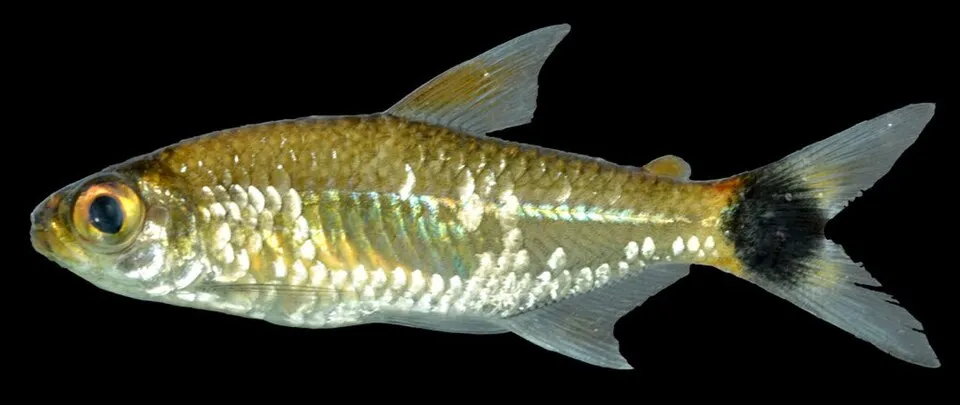
Ceros tetra
Moenkhausia ceros
Freshwater2 in (5 cm) · 16 gal (60 L)75–82°F (24–28°C)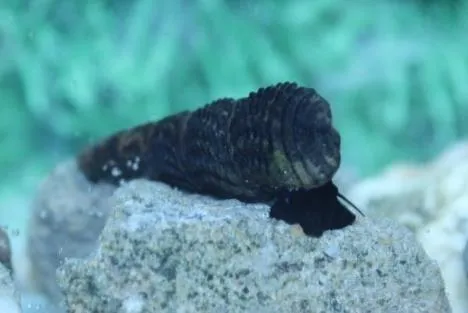
White spotted rabbit snail
Tylomelania towutica
Freshwater4.3 in (11 cm) · 16 gal (60 L)75–84°F (24–29°C)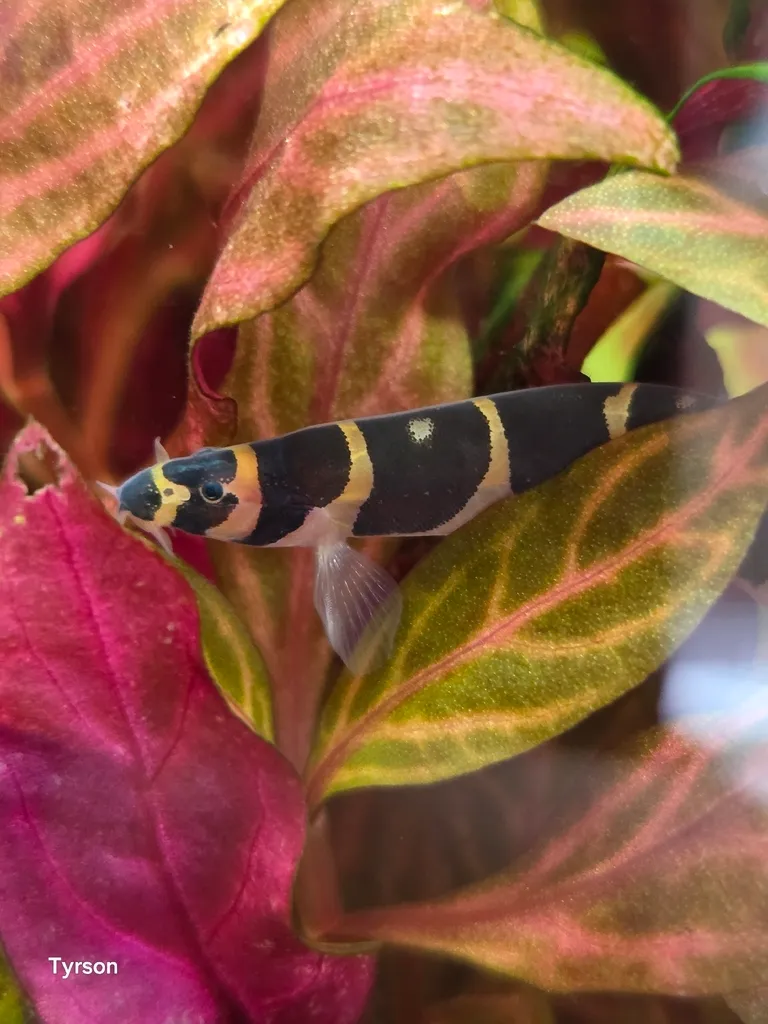
Kuhli loach
Pangio kuhlii
Freshwater3.9 in (10 cm) · 17 gal (65 L)72–82°F (22–28°C)
Common questions
What size tank does a parrot tetra need?
A parrot tetra needs at least 16 gal (60 L). It spends most of its time in the middle.
What temperature and pH does a parrot tetra need?
A parrot tetra is comfortable at 72–81°F (22–27°C) with a pH of 5.0–7.0.
What does a parrot tetra eat?
A parrot tetra feeds on flake, granules and small frozen foods.
How big does a parrot tetra get?
An adult parrot tetra reaches about 1.6 in (4 cm).
Does a parrot tetra need a group?
Yes. A parrot tetra is a schooling species and should be kept in a group, not singly.
Related species
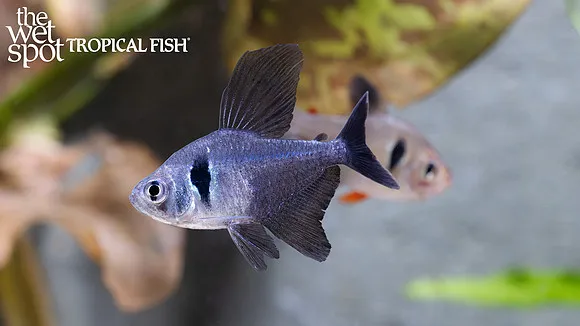 1.6 in (4 cm)16 gal (60 L)73–82°F (23–28°C)
Epicharis tetra
Hyphessobrycon epicharis
1.6 in (4 cm) · 16 gal (60 L)
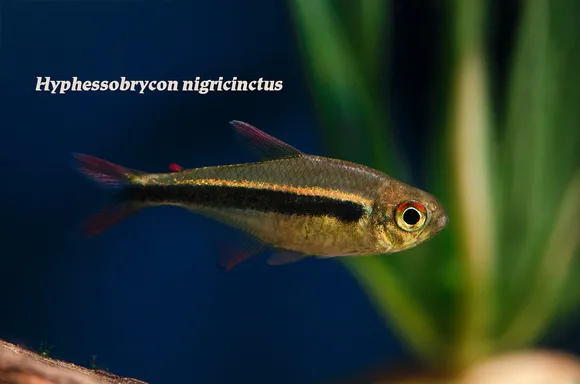 1.6 in (4 cm)15 gal (55 L)72–81°F (22–27°C)
Madre de Dios tetra
Hyphessobrycon nigricinctus
1.6 in (4 cm) · 15 gal (55 L)
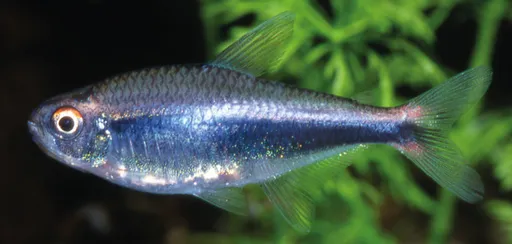 1.6 in (4 cm)16 gal (60 L)72–81°F (22–27°C)
Peruvian tetra
Hyphessobrycon peruvianus
1.6 in (4 cm) · 16 gal (60 L)
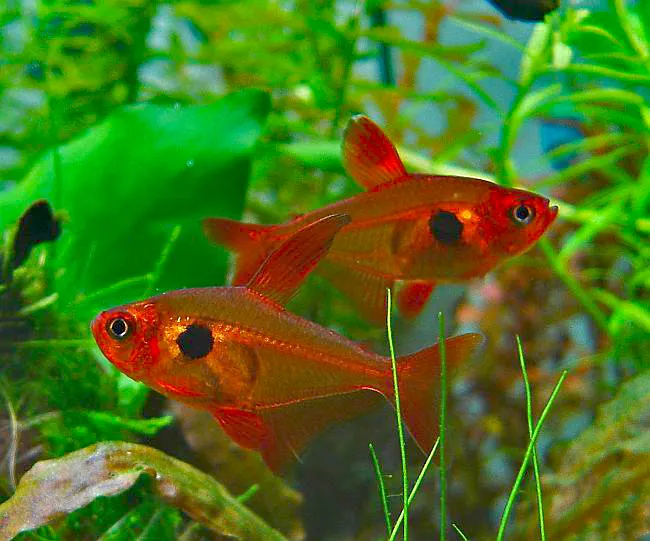 1.6 in (4 cm)15 gal (55 L)72–82°F (22–28°C)
Red phantom tetra
Hyphessobrycon sweglesi
1.6 in (4 cm) · 15 gal (55 L)
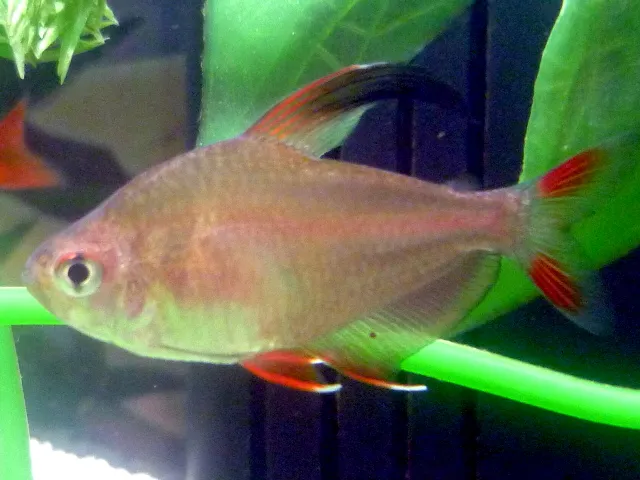 1.6 in (4 cm)15 gal (55 L)75–82°F (24–28°C)
Rosy tetra
Hyphessobrycon rosaceus
1.6 in (4 cm) · 15 gal (55 L)
 1.6 in (4 cm)14 gal (54 L)72–81°F (22–27°C)
Vinaceus tetra
Hyphessobrycon vinaceus
1.6 in (4 cm) · 14 gal (54 L)