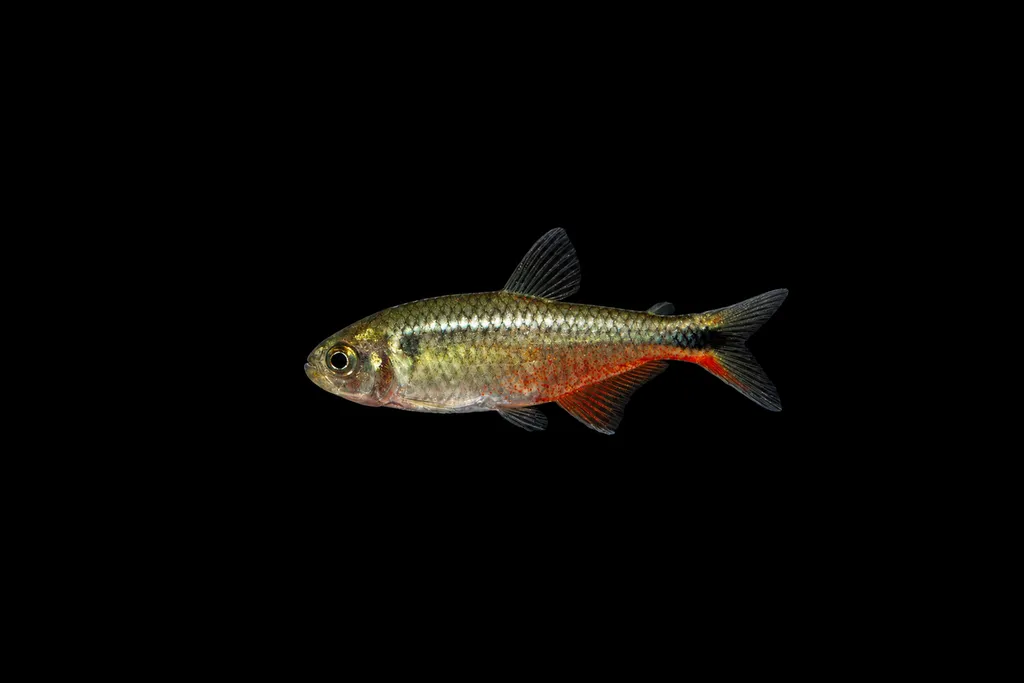
Rosy tetra
Hyphessobrycon rosaceus
Also known as Megalamphodus rosaceus
FreshwaterFish
Care at a glance
- Temperature
- 75–82°F
- 24–28°C
- pH
- 5.5–7.5
- Adult size
- 1.6 in
- 4 cm
- Minimum tank
- 15 gal
- 55 L
- Temperament
- Peaceful
- Social behavior
- Schooling
- Swim level
- Middle
- Difficulty
- Easy
- Breeding
- Medium
- Rarity
- Rare
- Family
- Characidae
- Origin
- Guyana, Suriname, Brazil
Overview
Keep them in a school of at least six, ideally more, in a tank around 55 liters or larger. They spend most of their time in the middle of the water column and stay peaceful with other small, calm species. Feed a mix of quality flake, micro-pellets, and regular live or frozen foods like bloodworms and brine shrimp. Aim for temperatures from the mid to high 20s C and pH from about 5.5 to 7.5.
In the wild
Rosy tetras come from the Guiana Shield in northern South America, across Guyana, Suriname, and parts of Brazil. They live in slow, heavily planted blackwater streams shaded by trees, where tannins stain the water dark and soft. To match that, give them a tank with plenty of plants, some driftwood, and dimmer lighting. Soft, slightly acidic water and a darker substrate help them settle and show better color.
Good to know
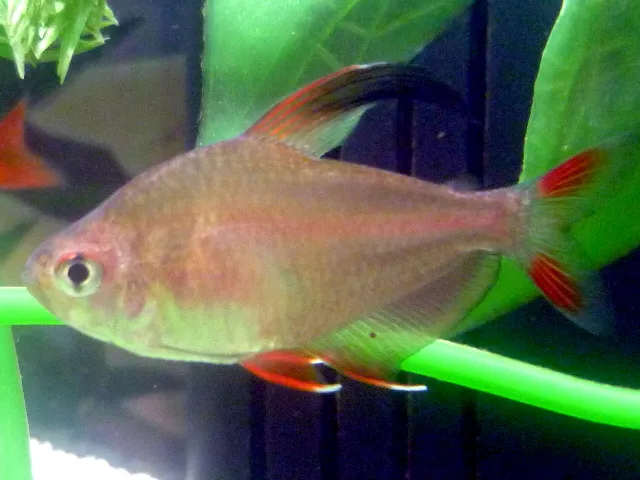
This is a characin in the family Characidae, reaching about 4 cm as an adult. Males carry deeper pink to red color and longer, sail-like dorsal fins, while females are paler and rounder. They are egg scatterers that give no parental care, with eggs hatching in roughly a day to a day and a half. The IUCN lists the species as Least Concern.
Did you know
Males spar without ever making contact. Two will face off and flare their extended dorsal and anal fins at each other to settle who ranks higher, and a bigger group keeps these displays frequent without anyone getting hurt.
Weekly picks
Tank mates
Rosy tetra is a peaceful, schooling species that keeps to the middle. These picks share a community profile with it, are safe together in both directions, and overlap on water type, temperature and pH.
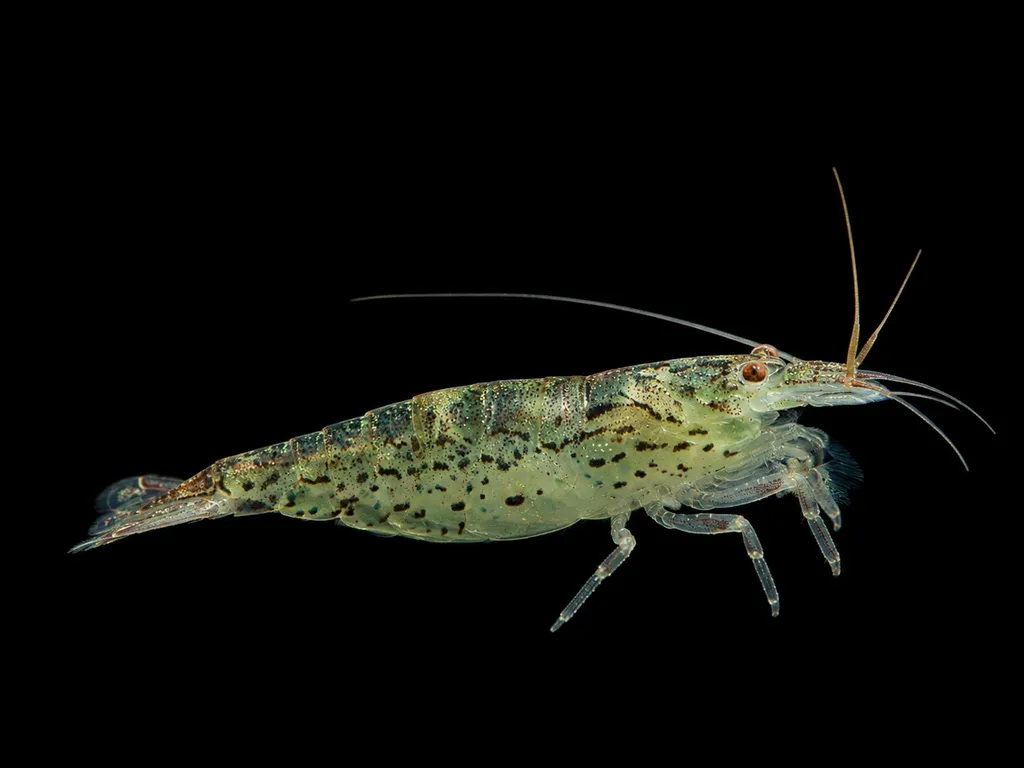
Green lace shrimp
Atyoida pilipes
Freshwater2.8 in (7 cm) · 14 gal (54 L)73–82°F (23–28°C)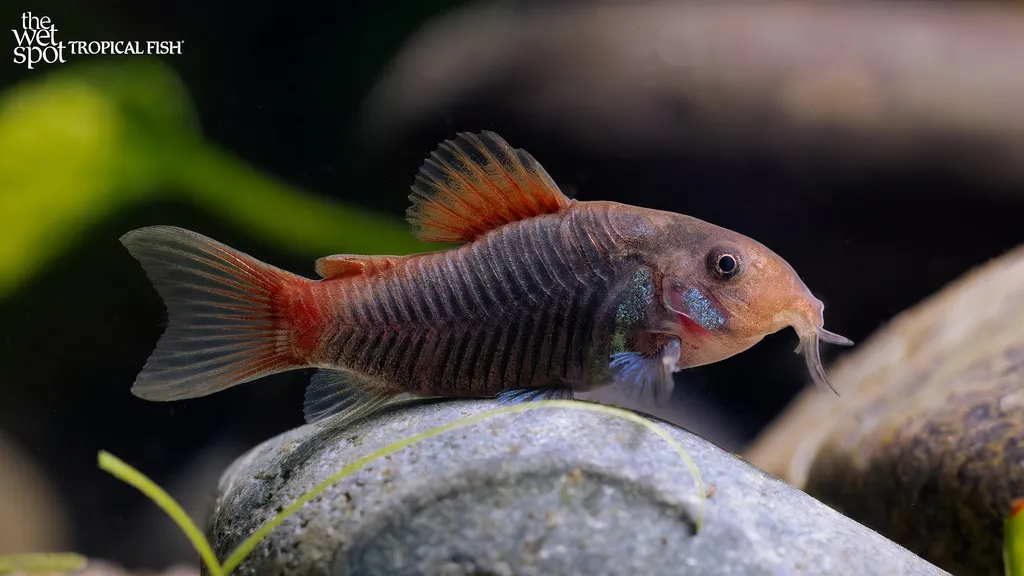
Volcano cory
Osteogaster hephaestus
Freshwater1.6 in (4 cm) · 15 gal (55 L)75–82°F (24–28°C)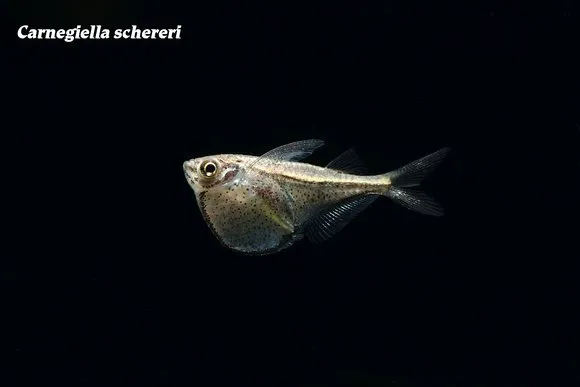
Scherer's hatchetfish
Carnegiella schereri
Freshwater1 in (2.6 cm) · 14 gal (54 L)73–82°F (23–28°C)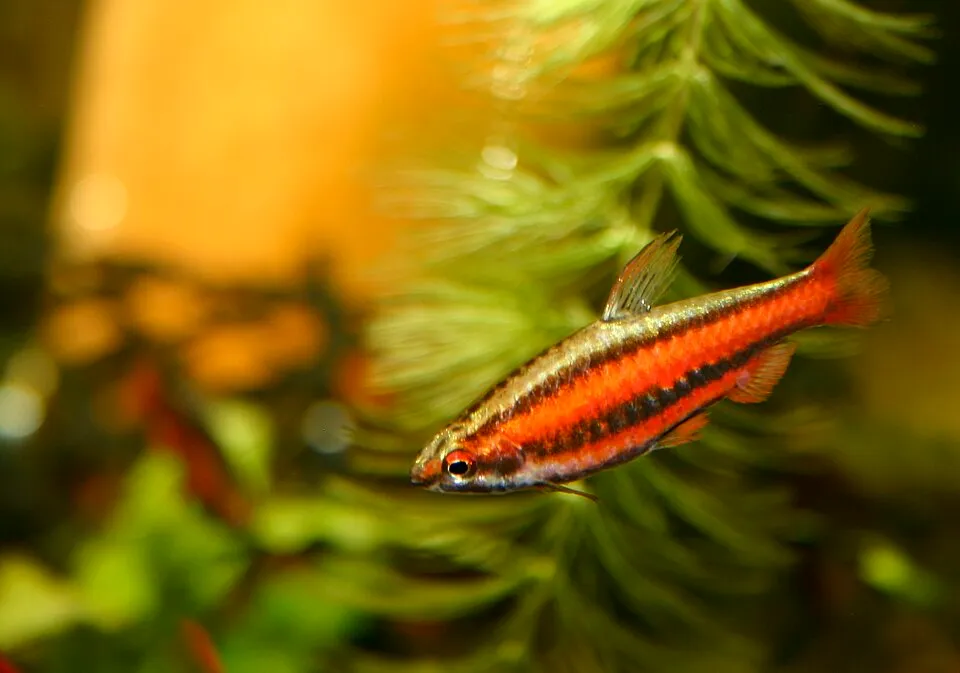
Coral red pencilfish
Nannostomus mortenthaleri
Freshwater1.2 in (3 cm) · 15 gal (55 L)75–82°F (24–28°C)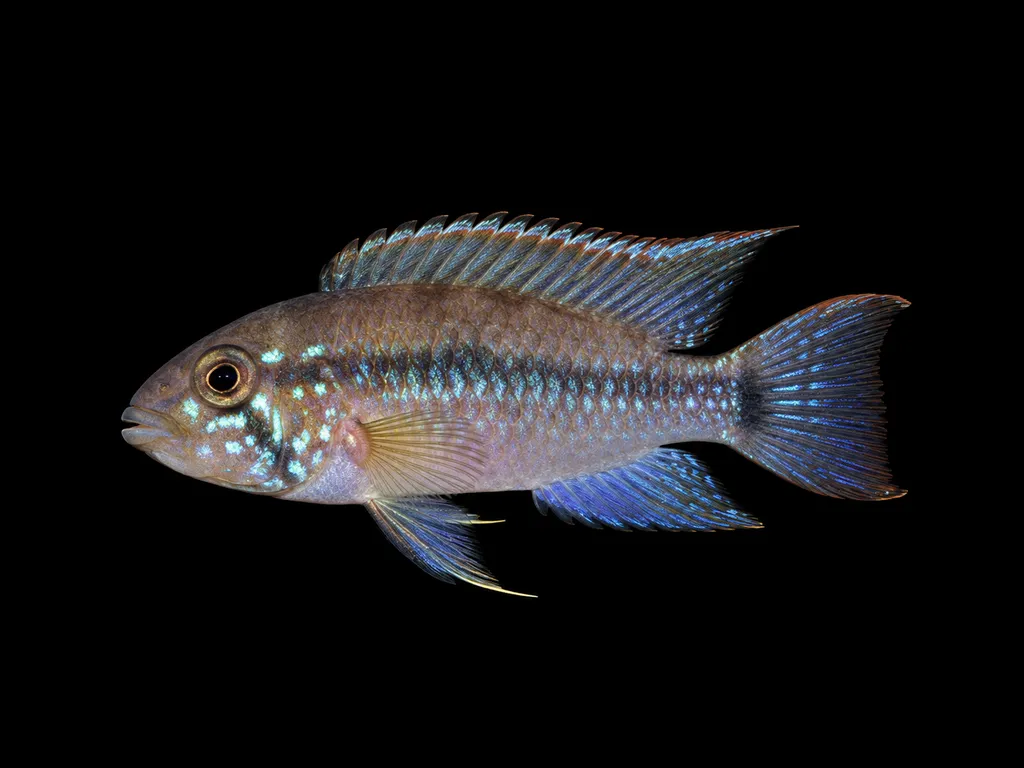
Martin's dwarf cichlid
Apistogramma martini
Freshwater1.6 in (4 cm) · 15 gal (55 L)73–81°F (23–27°C)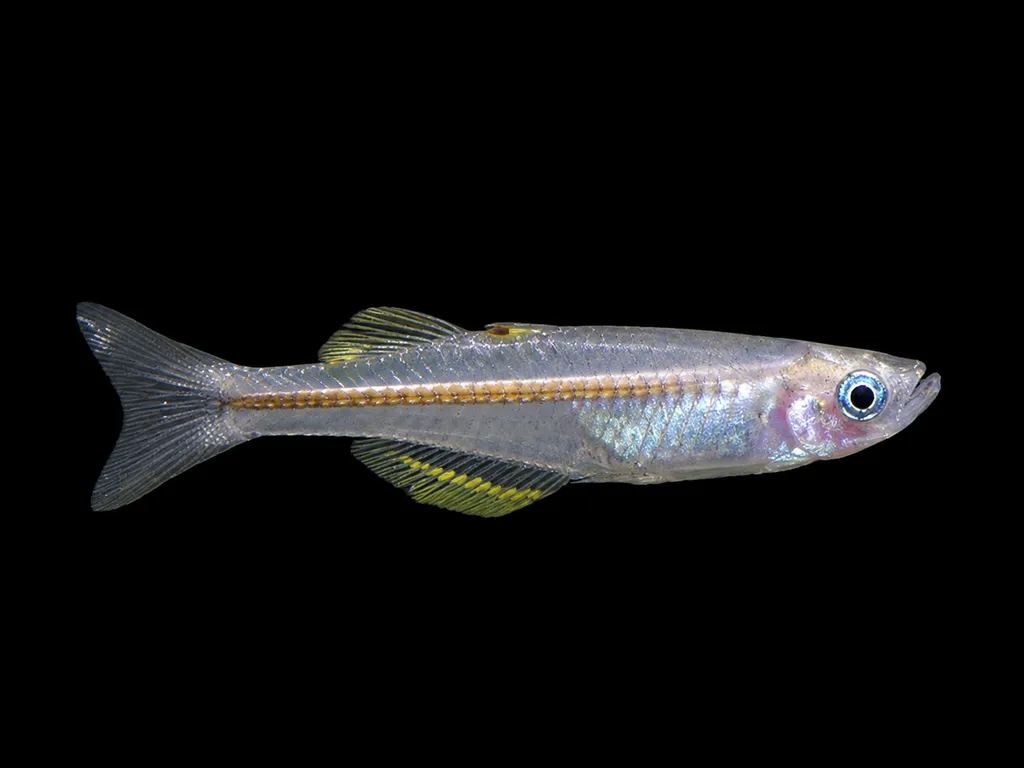
New Guinea blue-eye
Pseudomugil novaeguineae
Freshwater1.8 in (4.5 cm) · 15 gal (55 L)79–86°F (26–30°C)
Common questions
What size tank does a Rosy tetra need?
A Rosy tetra needs at least 15 gal (55 L). It spends most of its time in the middle.
What temperature and pH does a Rosy tetra need?
A Rosy tetra is comfortable at 75–82°F (24–28°C) with a pH of 5.5–7.5.
How big does a Rosy tetra get?
An adult Rosy tetra reaches about 1.6 in (4 cm).
Does a Rosy tetra need a group?
Yes. A Rosy tetra is a schooling species and should be kept in a group, not singly.
Related species
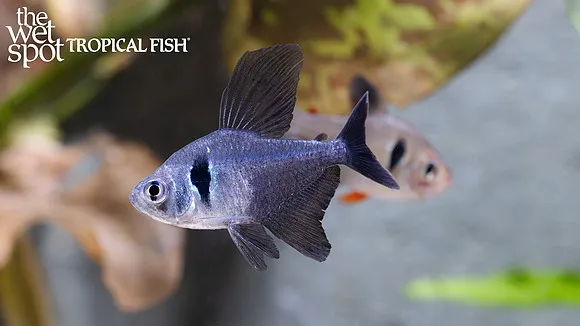 1.6 in (4 cm)16 gal (60 L)73–82°F (23–28°C)
Epicharis tetra
Hyphessobrycon epicharis
1.6 in (4 cm) · 16 gal (60 L)
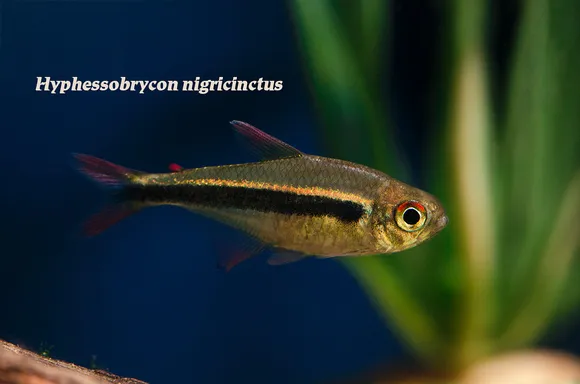 1.6 in (4 cm)15 gal (55 L)72–81°F (22–27°C)
Madre de Dios tetra
Hyphessobrycon nigricinctus
1.6 in (4 cm) · 15 gal (55 L)
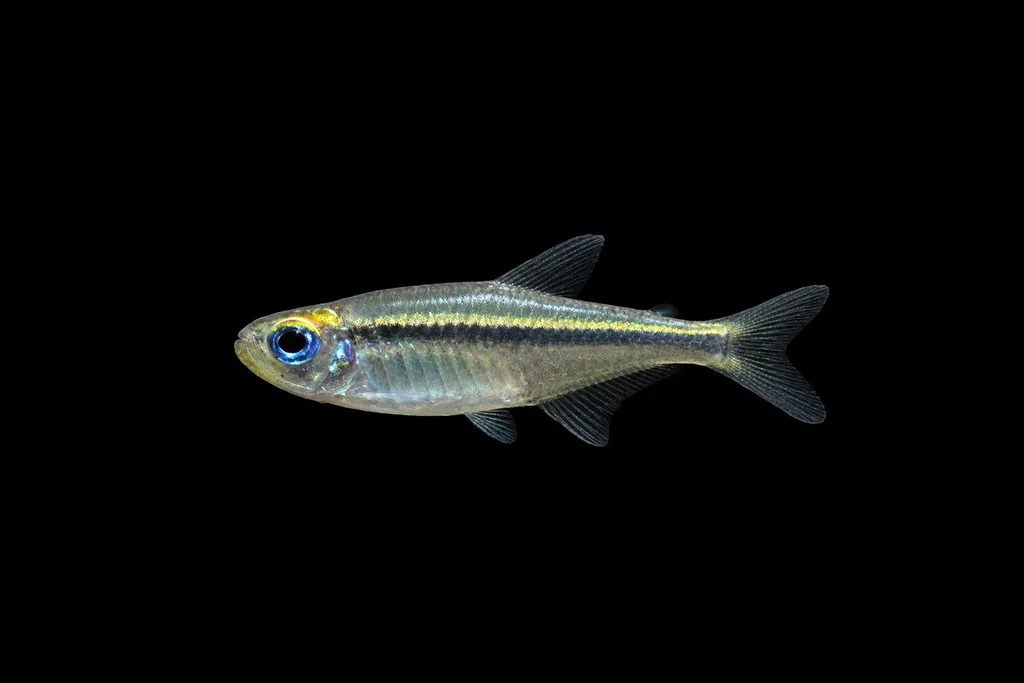 1.6 in (4 cm)16 gal (60 L)72–81°F (22–27°C)
Parrot tetra
Hyphessobrycon psittacus
1.6 in (4 cm) · 16 gal (60 L)
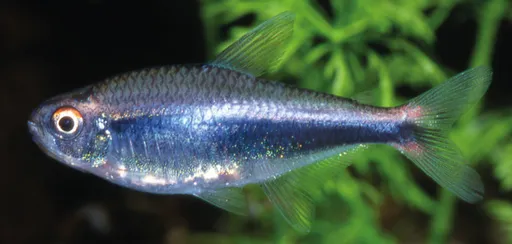 1.6 in (4 cm)16 gal (60 L)72–81°F (22–27°C)
Peruvian tetra
Hyphessobrycon peruvianus
1.6 in (4 cm) · 16 gal (60 L)
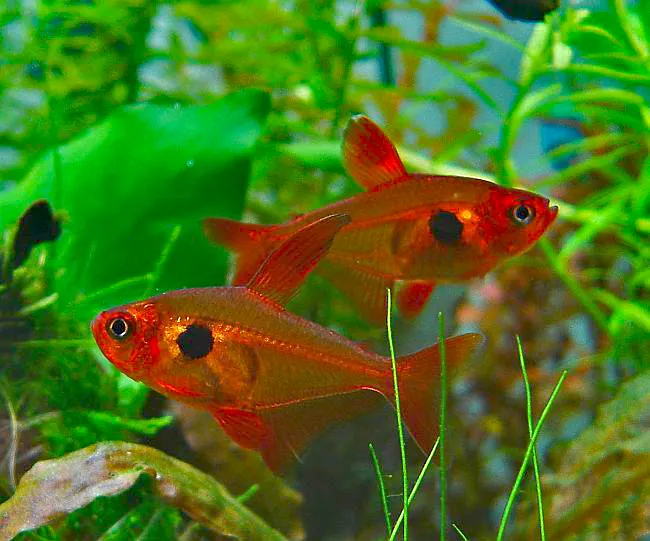 1.6 in (4 cm)15 gal (55 L)72–82°F (22–28°C)
Red phantom tetra
Hyphessobrycon sweglesi
1.6 in (4 cm) · 15 gal (55 L)
 1.6 in (4 cm)14 gal (54 L)72–81°F (22–27°C)
Vinaceus tetra
Hyphessobrycon vinaceus
1.6 in (4 cm) · 14 gal (54 L)