Epicharis tetra
Hyphessobrycon epicharis
Also known as Megalamphodus epicharis, Charming Rosy Tetra
FreshwaterFish
Care at a glance
- Temperature
- 73–82°F
- 23–28°C
- pH
- 5.0–6.8
- Adult size
- 1.6 in
- 4 cm
- Minimum tank
- 16 gal
- 60 L
- Temperament
- Peaceful
- Social behavior
- Schooling
- Swim level
- Middle
- Difficulty
- Medium
- Breeding
- No record
- Rarity
- Rare
- Family
- Characidae
- Origin
- Upper Orinoco and upper Negro basins, Venezuela and Brazil
Overview
The Epicharis tetra is a peaceful phantom tetra for a soft, acidic blackwater tank. It is best with a little experience.
Did you know
The Epicharis tetra's home rivers are so poor in minerals that rainwater is hard by comparison.
Caring for the Epicharis tetra
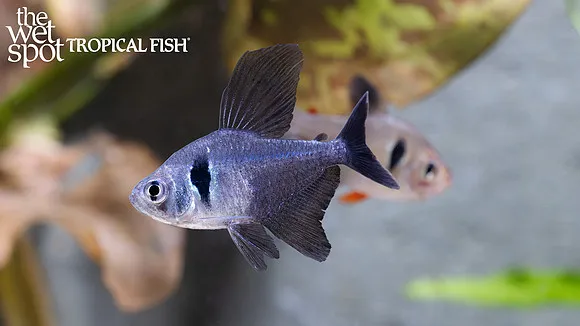
Keep Epicharis tetras in a school of six or more, in a tank of at least 16 gal (60 L). Treat them much like black phantom tetras, but in a blackwater setup with tannin-stained water, leaf litter and dim light.
Give them soft, acidic water at 73 to 82°F (23 to 28°C) and a pH of 5.0 to 6.8. Seasoned keepers reach for peat and botanicals to get there. They accept flake and small frozen foods.
Epicharis tetras are peaceful and need gentle company. Males spar with their fins in the stately phantom way, but it is all display and does no damage. The sparring shows best against a leaf-litter backdrop.
Good to know
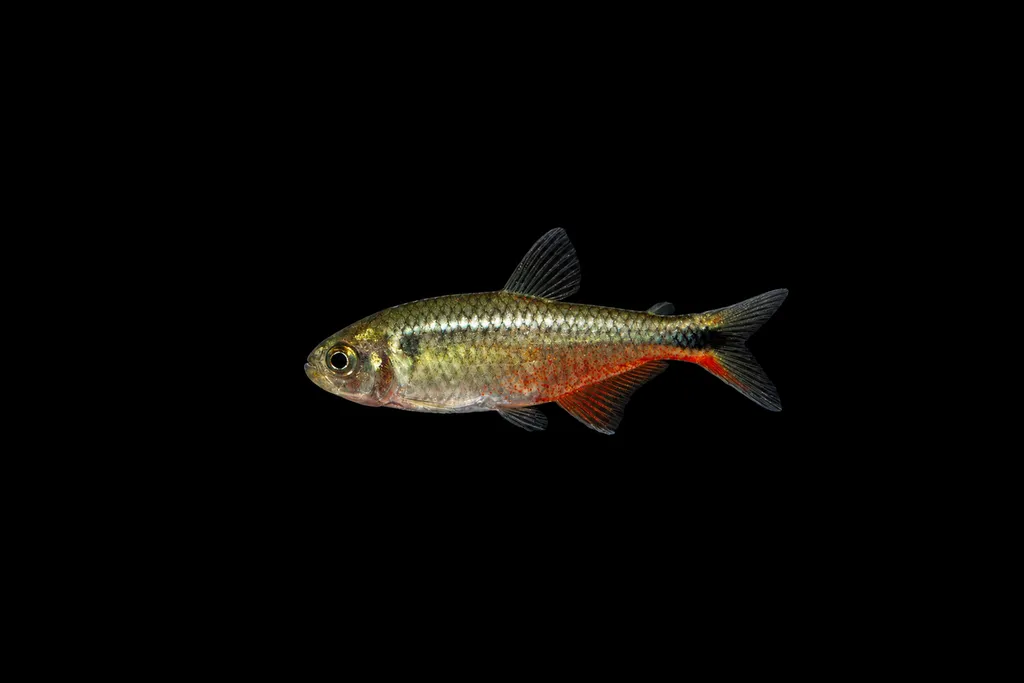
Hyphessobrycon epicharis belongs to the phantom tetra group, and current classification places it in the resurrected genus Megalamphodus. The species name comes from the Greek for charming. A tall, dusky dorsal fin over a marked shoulder blotch gives it the classic phantom silhouette.
In the wild
The Epicharis tetra comes from the blackwater of the upper Orinoco and upper Negro basins, in Venezuela and Brazil. This is some of the softest, most acidic habitat in South America.
Weekly picks
Tank mates
The Epicharis tetra is a peaceful, schooling species that keeps to the middle. These picks share a community profile with it, are safe together in both directions, and overlap on water type, temperature and pH.
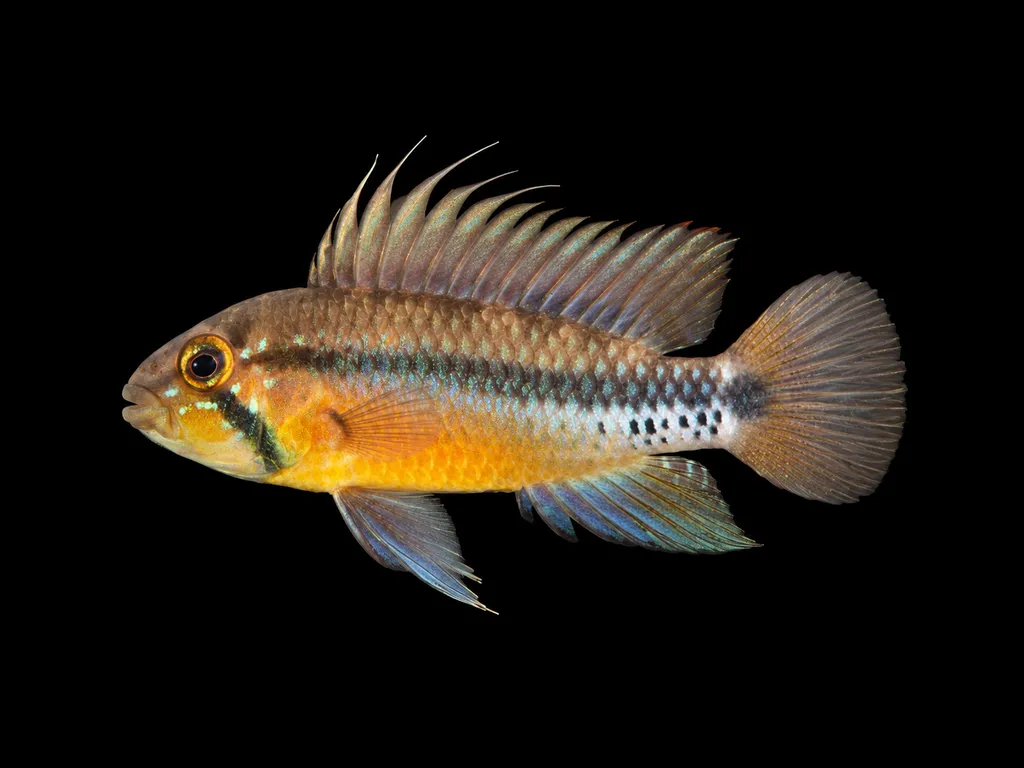
Sunset dwarf cichlid
Apistogramma atahualpa
Freshwater2.2 in (5.5 cm) · 16 gal (60 L)75–82°F (24–28°C)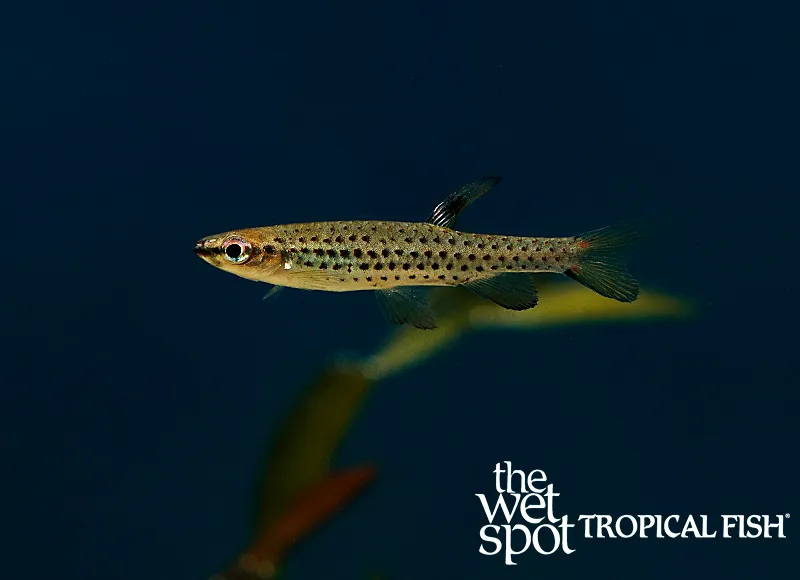
Spotted splash tetra
Copella nattereri
Freshwater2 in (5 cm) · 16 gal (60 L)75–82°F (24–28°C)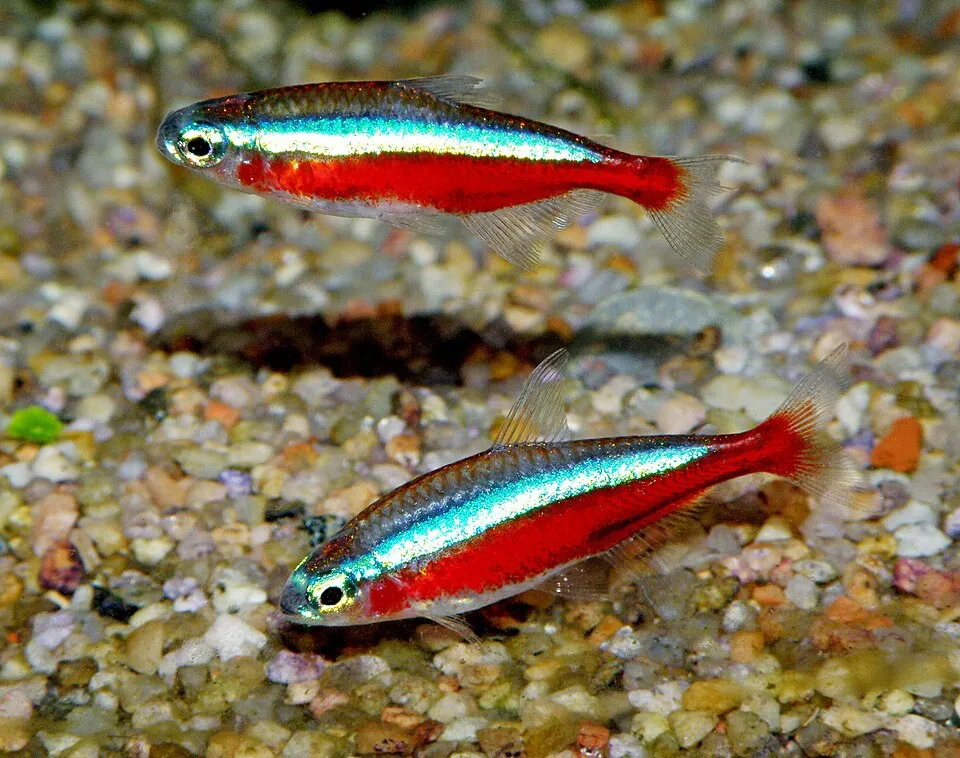
Cardinal tetra
Paracheirodon axelrodi
Freshwater1.8 in (4.5 cm) · 16 gal (60 L)73–84°F (23–29°C)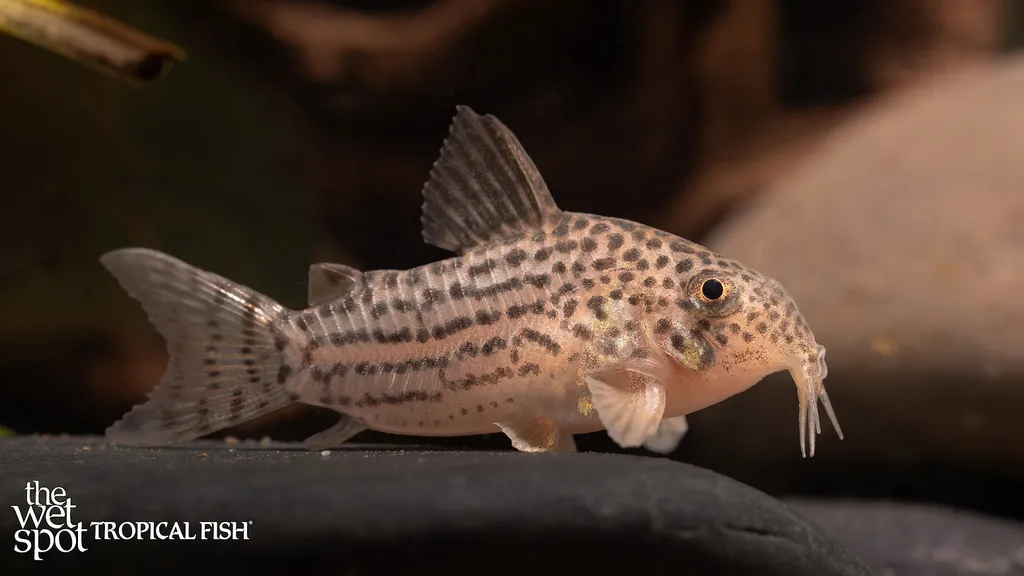
Boeseman's cory
Hoplisoma boesemani
Freshwater2.2 in (5.5 cm) · 16 gal (60 L)73–81°F (23–27°C)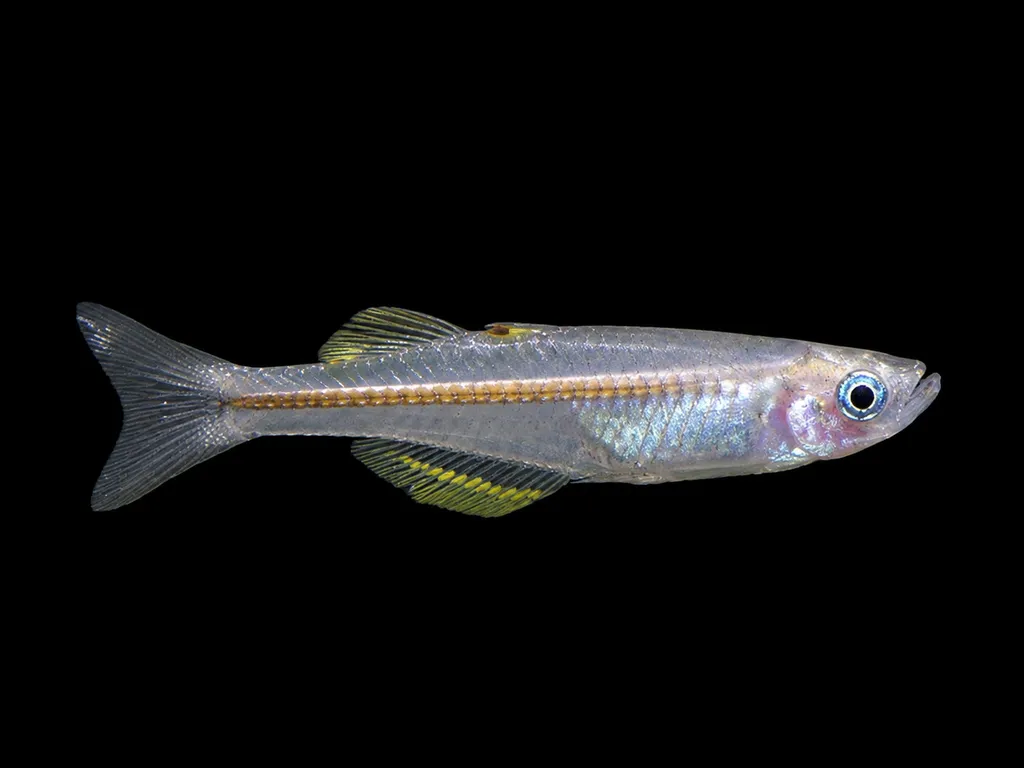
New Guinea blue-eye
Pseudomugil novaeguineae
Freshwater1.8 in (4.5 cm) · 15 gal (55 L)79–86°F (26–30°C)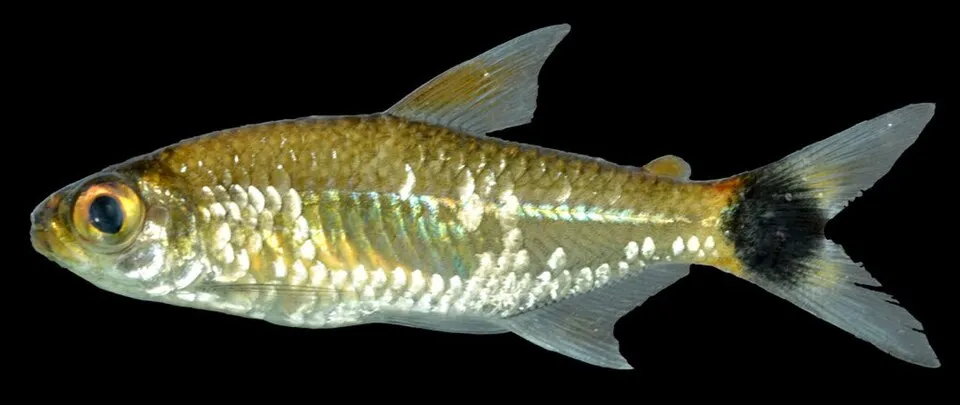
Ceros tetra
Moenkhausia ceros
Freshwater2 in (5 cm) · 16 gal (60 L)75–82°F (24–28°C)
Common questions
What size tank does an Epicharis tetra need?
An Epicharis tetra needs at least 16 gal (60 L). It spends most of its time in the middle.
What temperature and pH does an Epicharis tetra need?
An Epicharis tetra is comfortable at 73–82°F (23–28°C) with a pH of 5.0–6.8.
What does an Epicharis tetra eat?
An Epicharis tetra accepts flake and small frozen foods.
How big does an Epicharis tetra get?
An adult Epicharis tetra reaches about 1.6 in (4 cm).
Does an Epicharis tetra need a group?
Yes. An Epicharis tetra is a schooling species and should be kept in a group, not singly.
Related species
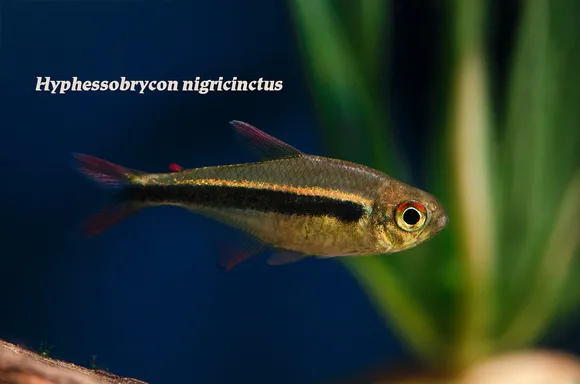 1.6 in (4 cm)15 gal (55 L)72–81°F (22–27°C)
Madre de Dios tetra
Hyphessobrycon nigricinctus
1.6 in (4 cm) · 15 gal (55 L)
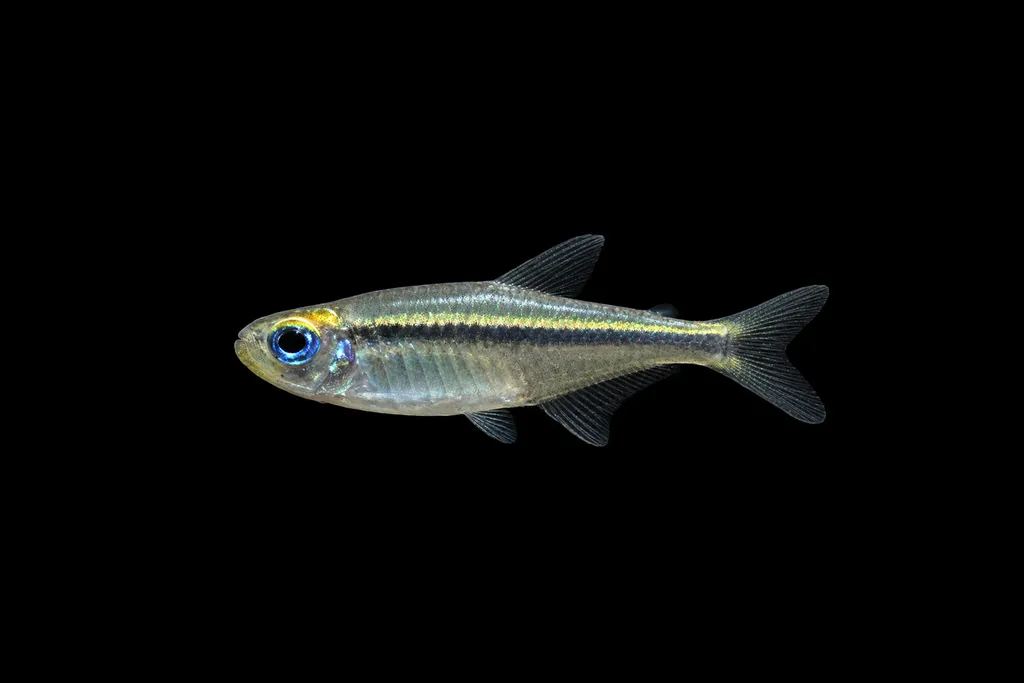 1.6 in (4 cm)16 gal (60 L)72–81°F (22–27°C)
Parrot tetra
Hyphessobrycon psittacus
1.6 in (4 cm) · 16 gal (60 L)
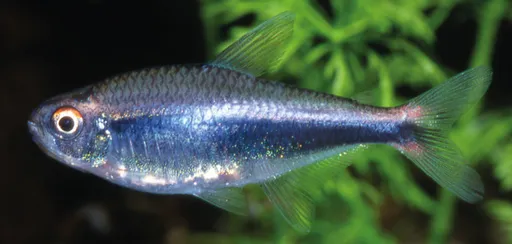 1.6 in (4 cm)16 gal (60 L)72–81°F (22–27°C)
Peruvian tetra
Hyphessobrycon peruvianus
1.6 in (4 cm) · 16 gal (60 L)
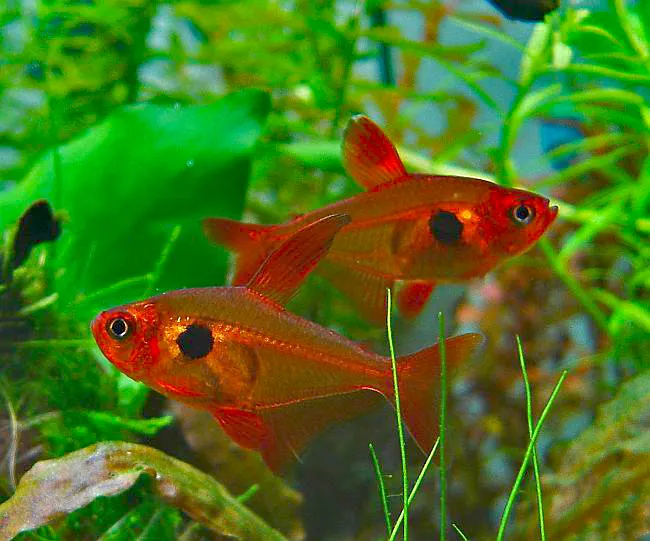 1.6 in (4 cm)15 gal (55 L)72–82°F (22–28°C)
Red phantom tetra
Hyphessobrycon sweglesi
1.6 in (4 cm) · 15 gal (55 L)
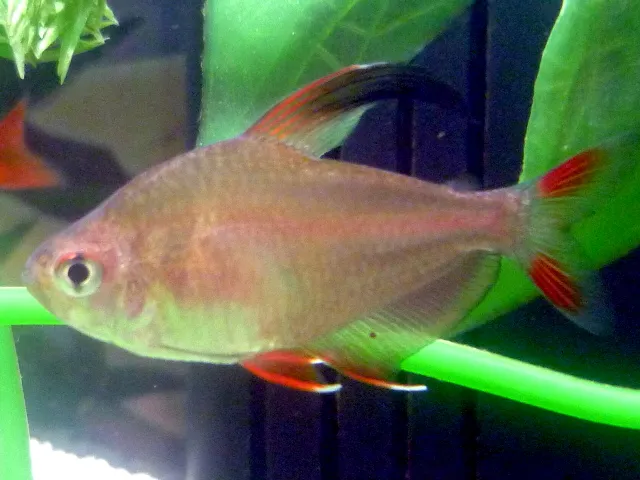 1.6 in (4 cm)15 gal (55 L)75–82°F (24–28°C)
Rosy tetra
Hyphessobrycon rosaceus
1.6 in (4 cm) · 15 gal (55 L)
 1.6 in (4 cm)14 gal (54 L)72–81°F (22–27°C)
Vinaceus tetra
Hyphessobrycon vinaceus
1.6 in (4 cm) · 14 gal (54 L)