Burmese marble bee catfish
Akysis prashadi
Also known as Prashadi bee cat, Indawgyi bee cat, Burmese marble catfish
FreshwaterFish
Care at a glance
- Temperature
- 72–79°F
- 22–26°C
- pH
- 6.0–7.5
- Adult size
- 2.8 in
- 7 cm
- Minimum tank
- 14 gal
- 54 L
- Temperament
- Peaceful
- Social behavior
- Social
- Swim level
- Bottom
- Difficulty
- Medium
- Breeding
- No record
- Rarity
- Common
- Family
- Akysidae
- Origin
- Lake Indawgyi basin, Myanmar
Overview
The Burmese marble bee catfish is the largest of the bee catfish, a peaceful sand dweller for the bottom of a cool community tank. It takes a little experience to keep well.
Did you know
The Burmese marble bee catfish comes from the watershed of a lake that is sacred to Burmese pilgrims.
Caring for the Burmese marble bee catfish
Keep a small group of Burmese marble bee catfish in 14 gal (54 L) or more, with sand and stone. A soft sand substrate is essential, because it buries itself during the day. At night it works the floor for food.
Keep the water cool-leaning, at 72 to 79°F (22 to 26°C) and a pH of 6.0 to 7.5, with gentle flow and clean water. Feed sinking foods and frozen bloodworm after lights out, since it will not compete at the surface.
The Burmese marble bee catfish is peaceful and community safe. It is big enough to share a tank with small rasboras and danios without being eaten. Its pectoral spines are venomous and deliver a painful sting, so move it in a container rather than a net. Breeding is not recorded in aquaria.
Good to know
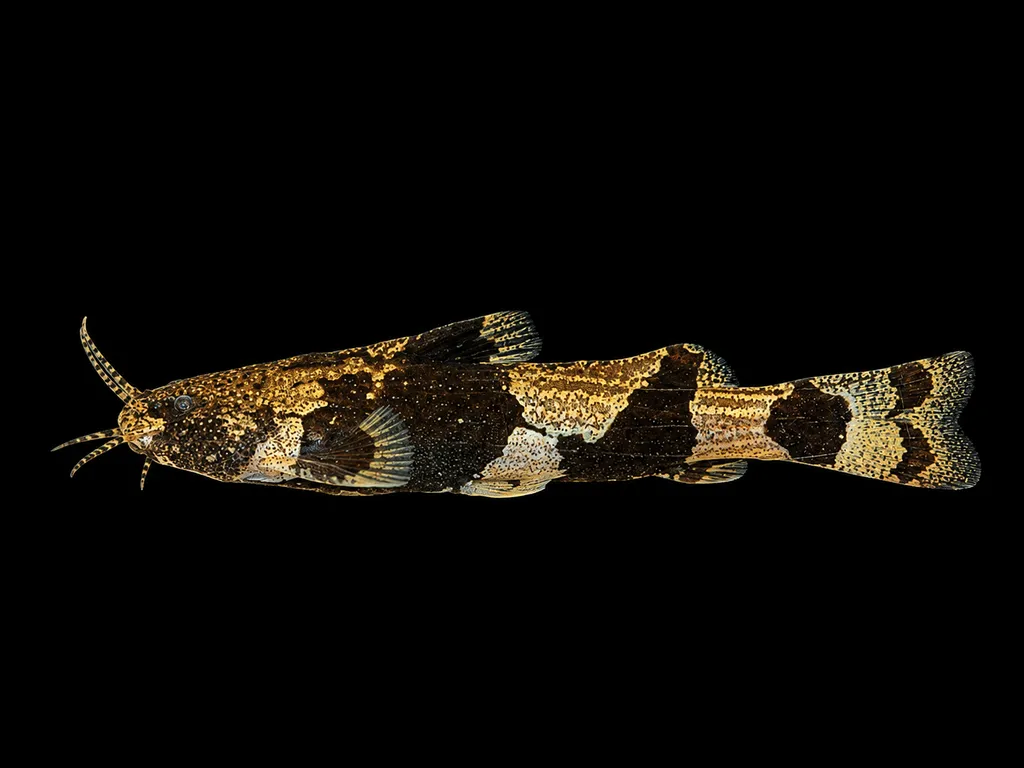
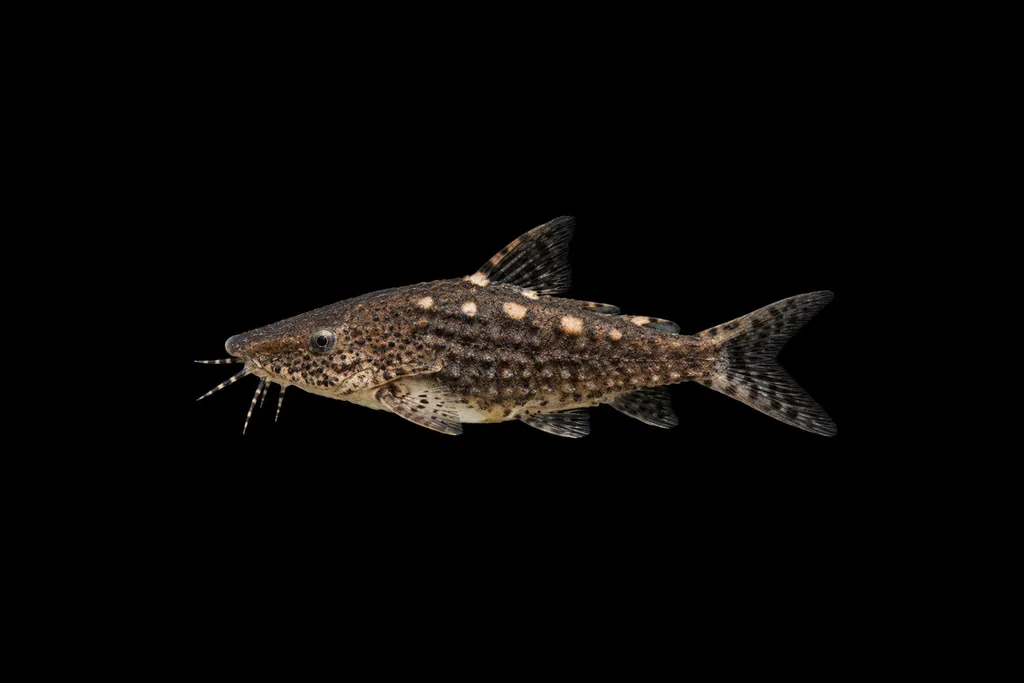
The Burmese marble bee catfish, Akysis prashadi, is a member of the catfish family Akysidae. It carries a marbled brown pattern that breaks up its outline against sand. It is also sold as the Prashadi bee cat or the Indawgyi bee cat.
In the wild
The Burmese marble bee catfish lives in the streams feeding Lake Indawgyi in northern Myanmar. The water there is clear, runs over sand and gravel, and stays cooler than most tropical tanks.
Weekly picks
Tank mates
The Burmese marble bee catfish is a peaceful, social species that keeps to the bottom. These picks share a community profile with it, are safe together in both directions, and overlap on water type, temperature and pH.
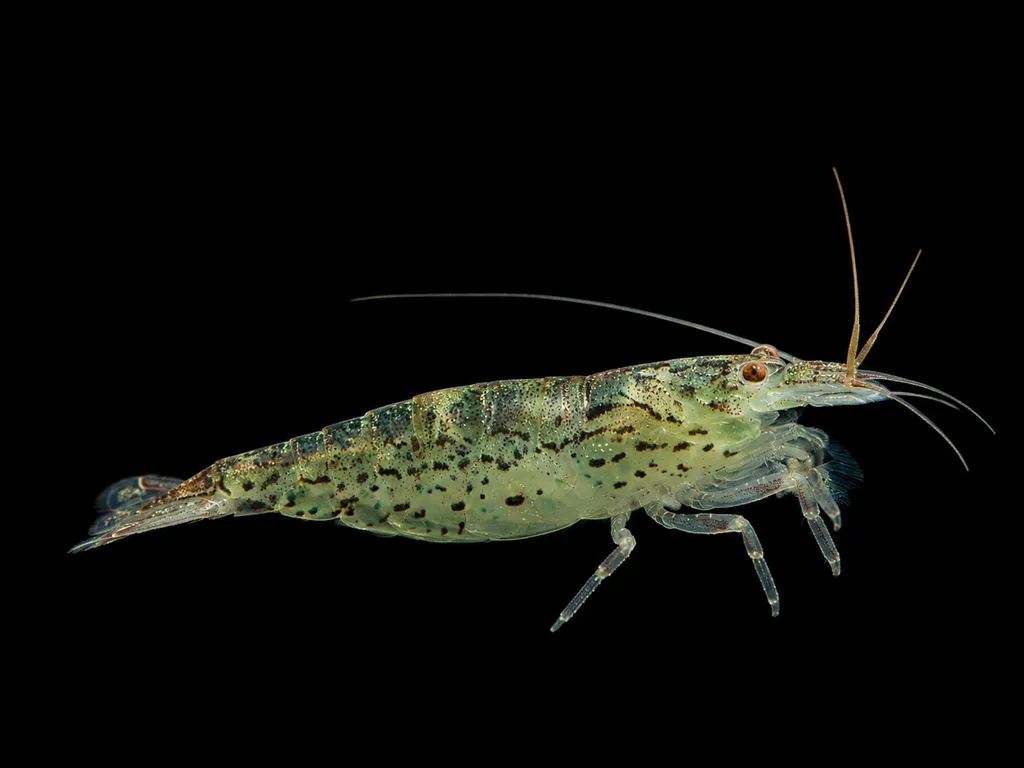
Green lace shrimp
Atyoida pilipes
Freshwater2.8 in (7 cm) · 14 gal (54 L)73–82°F (23–28°C)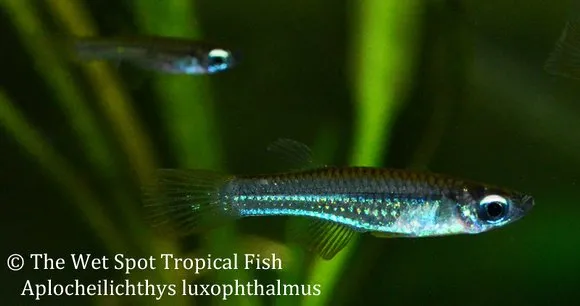
Filamentous lampeye
Poropanchax luxophthalmus
Freshwater1.6 in (4 cm) · 14 gal (54 L)72–79°F (22–26°C)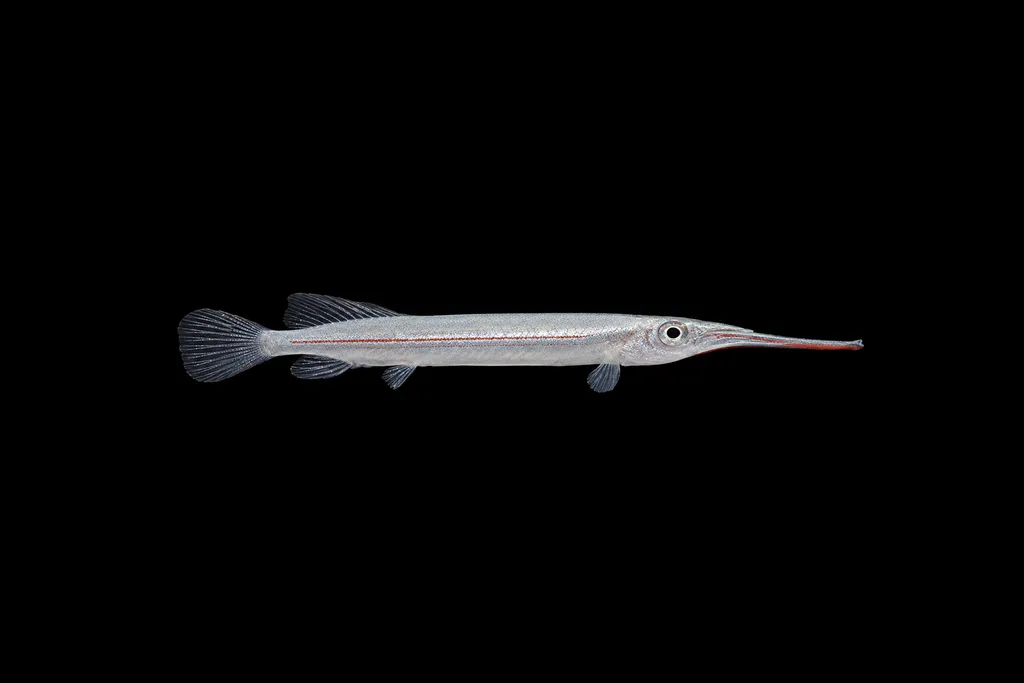
Fire halfbeak
Hemirhamphodon kapuasensis
Freshwater2.4 in (6 cm) · 14 gal (54 L)73–81°F (23–27°C)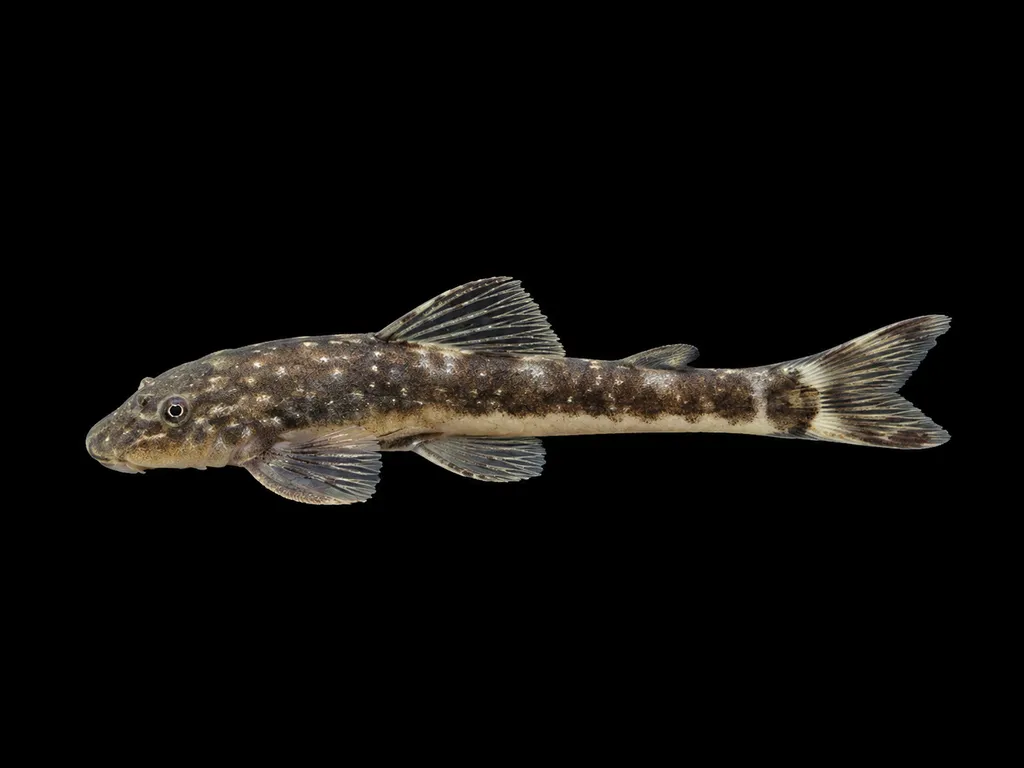
Ceará parotocinclus
Parotocinclus cearensis
Freshwater2 in (5 cm) · 14 gal (54 L)72–81°F (22–27°C)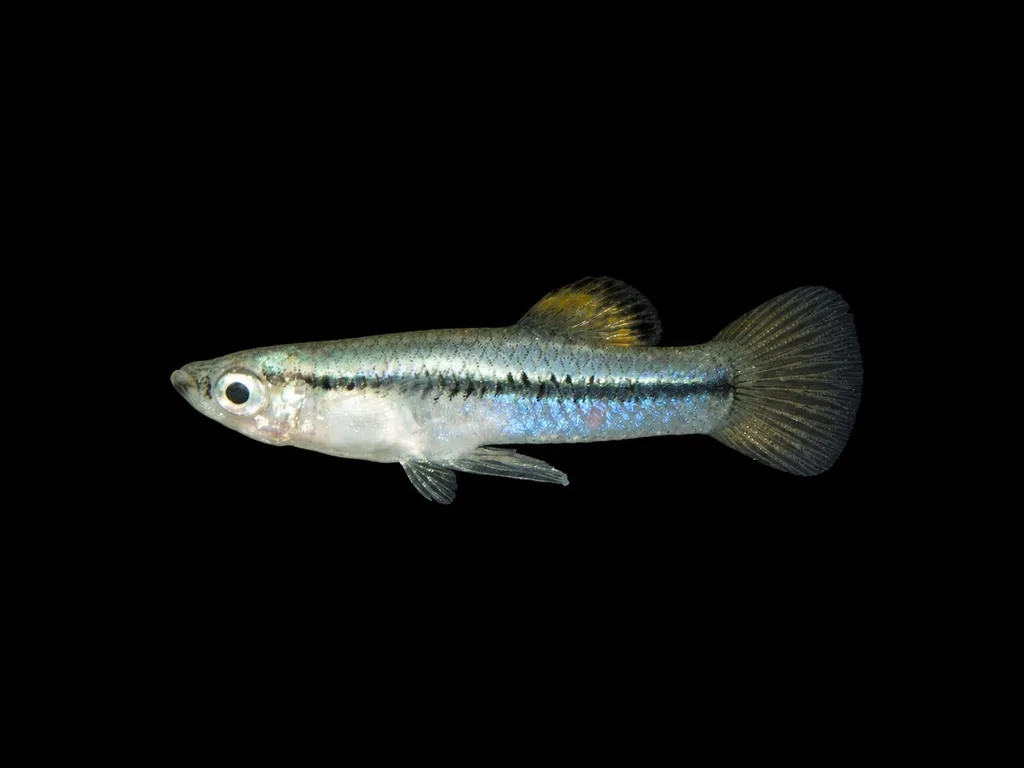
Blackline mosquitofish
Gambusia vittata
Freshwater1.8 in (4.5 cm) · 14 gal (54 L)72–81°F (22–27°C)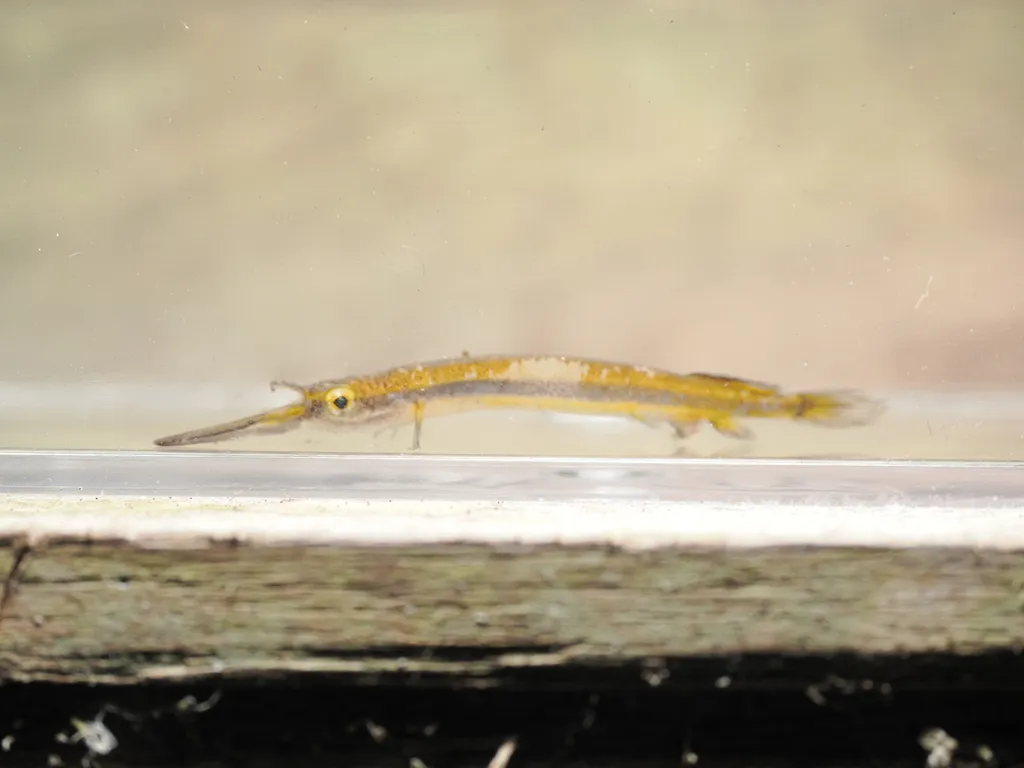
Gold-spotted halfbeak
Hemirhamphodon chrysopunctatus
Freshwater2.6 in (6.5 cm) · 14 gal (54 L)73–81°F (23–27°C)
Common questions
What size tank does a Burmese marble bee catfish need?
A Burmese marble bee catfish needs at least 14 gal (54 L). It spends most of its time in the bottom.
What temperature and pH does a Burmese marble bee catfish need?
A Burmese marble bee catfish is comfortable at 72–79°F (22–26°C) with a pH of 6.0–7.5.
What does a Burmese marble bee catfish eat?
A Burmese marble bee catfish eats sinking foods and frozen bloodworm, fed after lights out. It will not compete for food at the surface.
How big does a Burmese marble bee catfish get?
An adult Burmese marble bee catfish reaches about 2.8 in (7 cm).
Related species
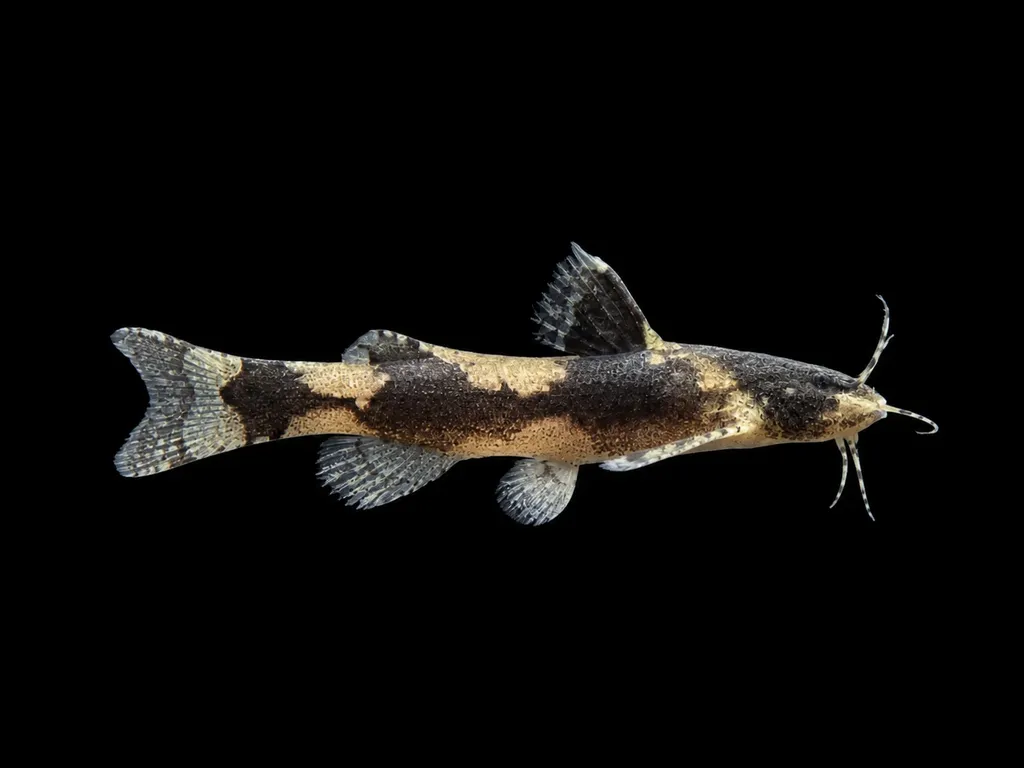 2.4 in (6 cm)14 gal (54 L)72–79°F (22–26°C)
Hendrickson's bee catfish
Akysis hendricksoni
2.4 in (6 cm) · 14 gal (54 L)
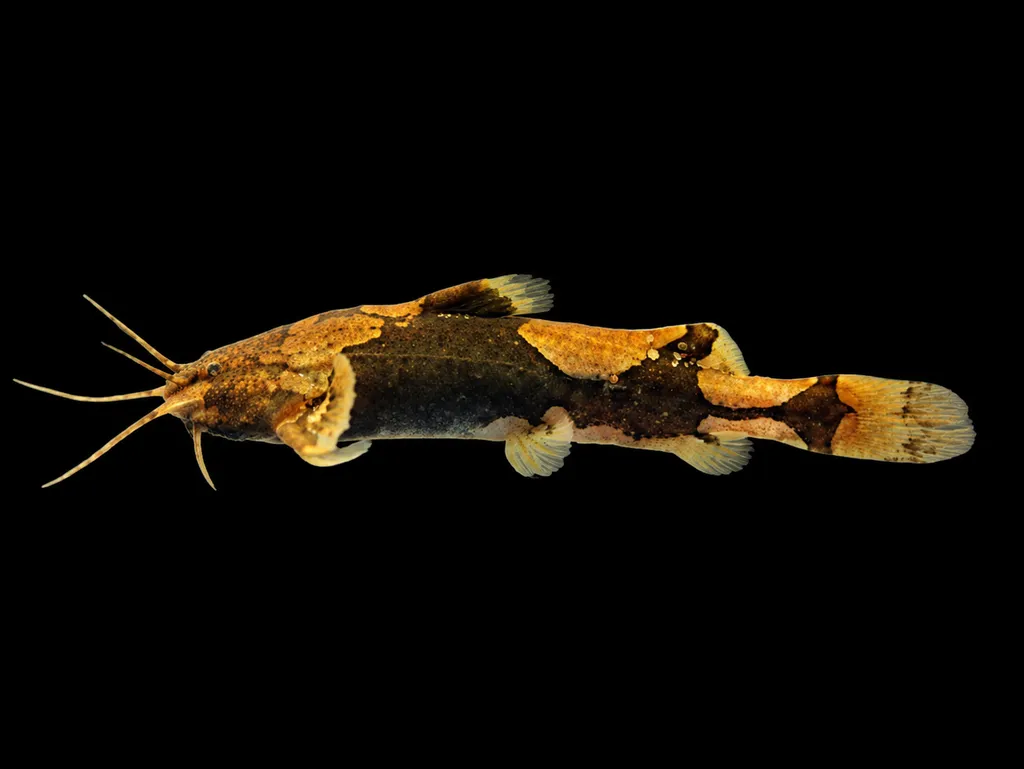 2.4 in (6 cm)14 gal (54 L)72–79°F (22–26°C)
Orange marble bee catfish
Akysis longifilis
2.4 in (6 cm) · 14 gal (54 L)
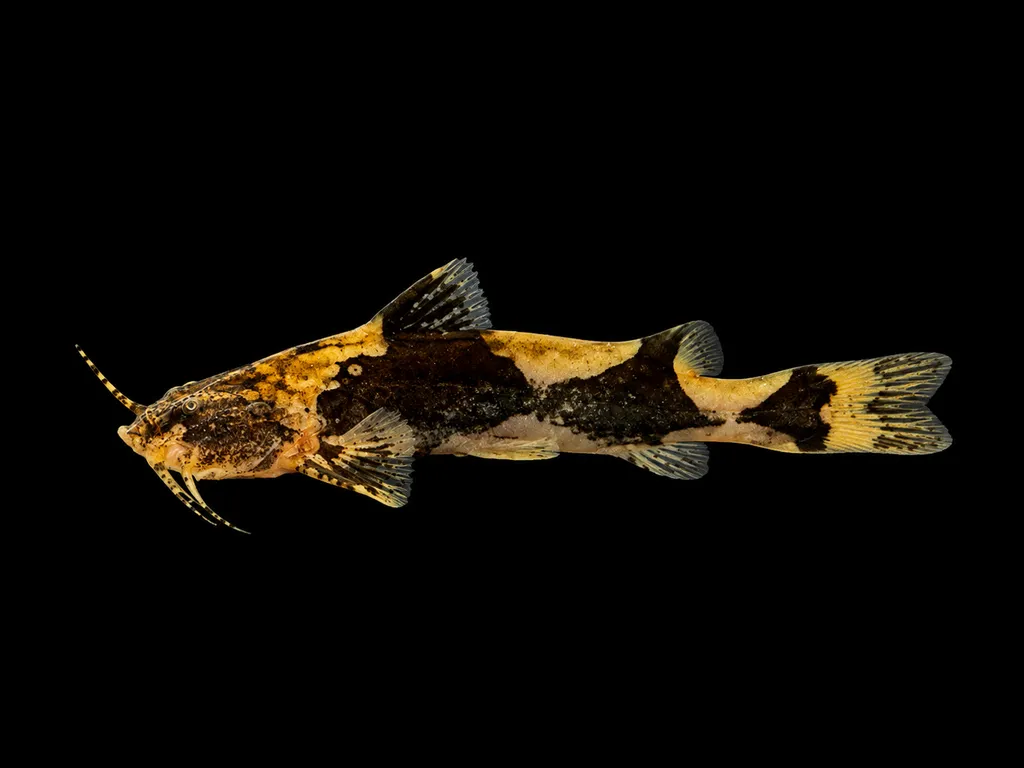 1.6 in (4 cm)14 gal (54 L)72–79°F (22–26°C)
Portellus bee catfish
Akysis portellus
1.6 in (4 cm) · 14 gal (54 L)
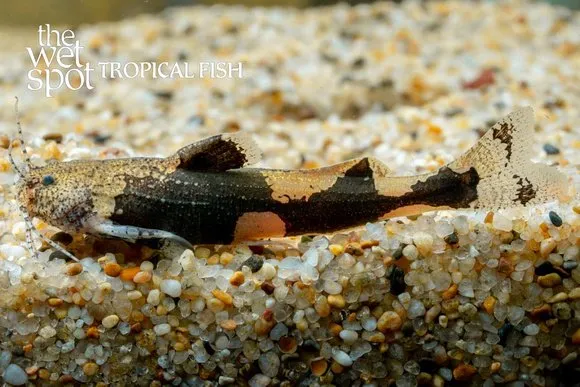 1.6 in (4 cm)11 gal (40 L)72–79°F (22–26°C)
Wasp bee catfish
Akysis vespa
1.6 in (4 cm) · 11 gal (40 L)
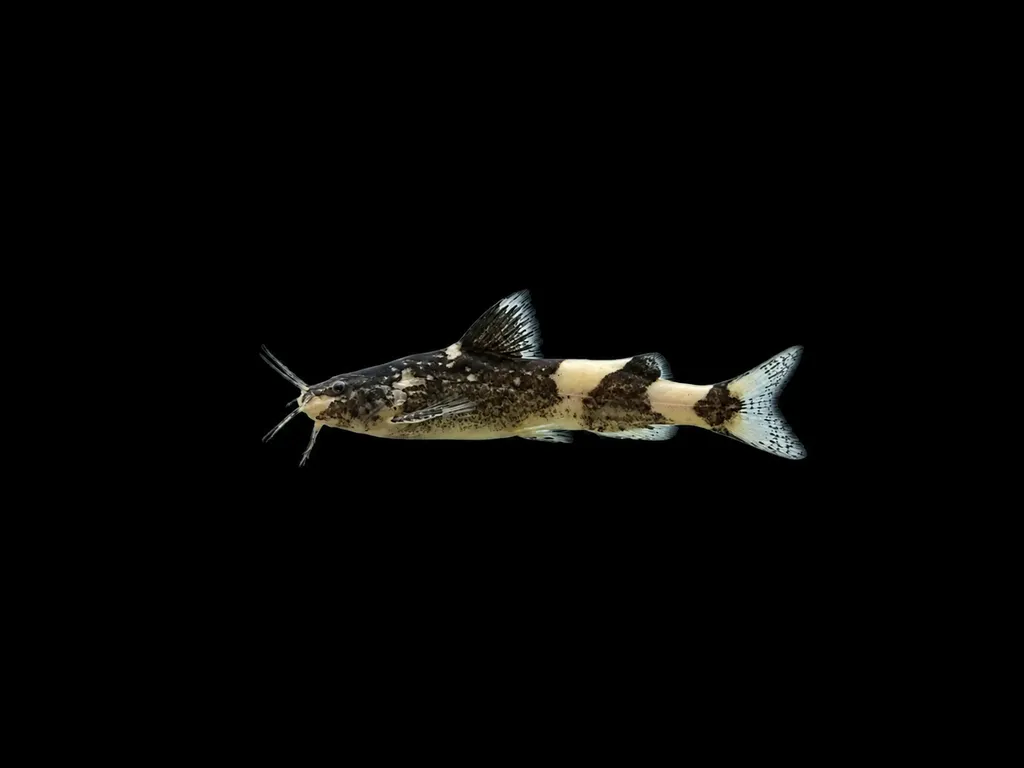 1.4 in (3.5 cm)11 gal (40 L)72–79°F (22–26°C)
Small-eyed bee catfish
Akysis microps
1.4 in (3.5 cm) · 11 gal (40 L)
 1 in (2.5 cm)11 gal (40 L)73–82°F (23–28°C)
Dwarf warty catfish
Parakysis notialis
1 in (2.5 cm) · 11 gal (40 L)