Wasp bee catfish
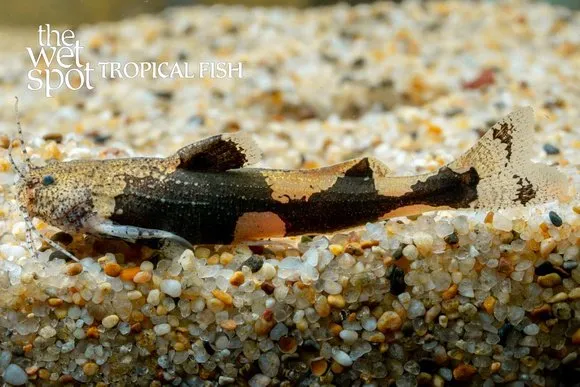
Akysis vespa
Also known as Orange mini bee cat, Vespa catfish
FreshwaterFish
Care at a glance
- Temperature
- 72–79°F
- 22–26°C
- pH
- 6.0–7.5
- Adult size
- 1.6 in
- 4 cm
- Minimum tank
- 11 gal
- 40 L
- Temperament
- Peaceful
- Social behavior
- Social
- Swim level
- Bottom
- Difficulty
- Medium
- Breeding
- Egg layer
- Rarity
- Rare
- Family
- Akysidae
- Origin
- Ataran basin, Myanmar
Overview
The wasp bee catfish is the best known of the bee catfishes, a boldly banded nano species for a cool, sandy tank. It is best kept by someone with a little experience.
Did you know
The whole bee catfish genus is nicknamed for the wasp bee catfish. It stung so memorably that its describers named it after the wasp. The wider group then picked up the bee and bumble bee trade names from the same banded, well armed template.
Caring for the wasp bee catfish
Give the wasp bee catfish around 11 gal (40 L) with a soft sand bed, smooth rounded stones and wood. The sand is a must, since it buries itself with only its eyes showing. It comes out to forage at night.
Keep the water cool, soft to neutral and well oxygenated, at 72 to 79°F (22 to 26°C) and a pH of 6.0 to 7.5. Run strong flow from a generously sized filter.
Feed sinking and frozen foods after dark, such as bloodworm, daphnia and brine shrimp. It may ignore dried foods at first.
The wasp bee catfish is peaceful and community safe, happy alone or in a small group of its own kind with other calm, small fish. Handle it carefully to avoid its stinging fin spines. Spawning has been reported after a sharp drop in temperature, with eggs hatching in around four days. It is still rarely bred and has no established breeding record.
Good to know
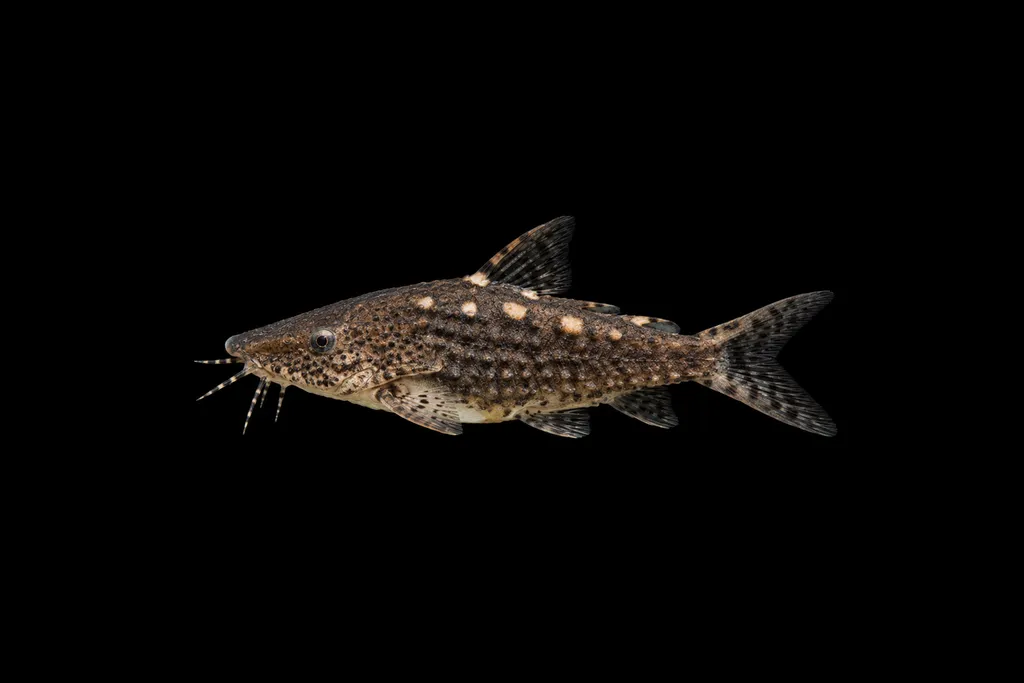
The wasp bee catfish, Akysis vespa, is a stream catfish of the family Akysidae, banded in orange and dark brown. Its name, vespa, is Latin for wasp, chosen for both the striped colors and the painful sting of its fin spines. It is also sold as the orange mini bee cat or vespa catfish.
In the wild
The wasp bee catfish comes from the Ataran river drainage of southern Myanmar, part of the wider Salween system. It lives in fast, clear streams over sand and cobble.
Weekly picks
Tank mates
The wasp bee catfish is a peaceful, social species that keeps to the bottom. These picks share a community profile with it, are safe together in both directions, and overlap on water type, temperature and pH.
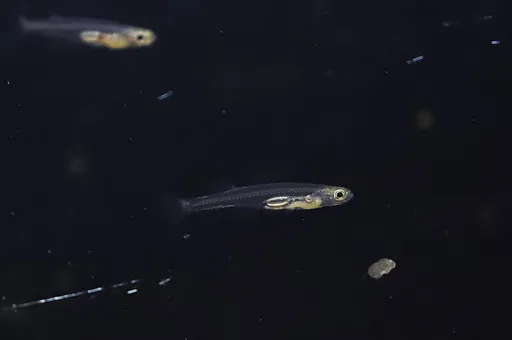
Dracula fish
Danionella dracula
Freshwater0.7 in (1.7 cm) · 11 gal (40 L)68–79°F (20–26°C)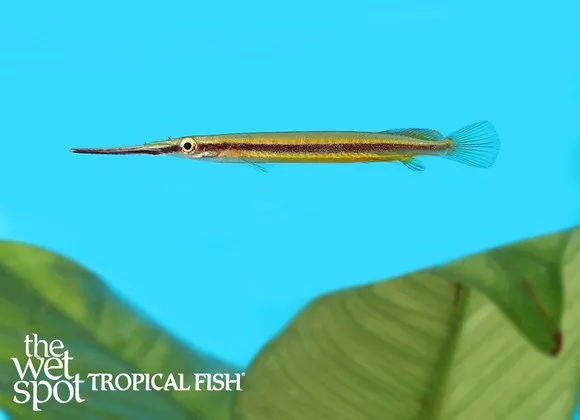
Borneo gold spot halfbeak
Hemirhamphodon tengah
Freshwater1.8 in (4.5 cm) · 11 gal (40 L)73–81°F (23–27°C)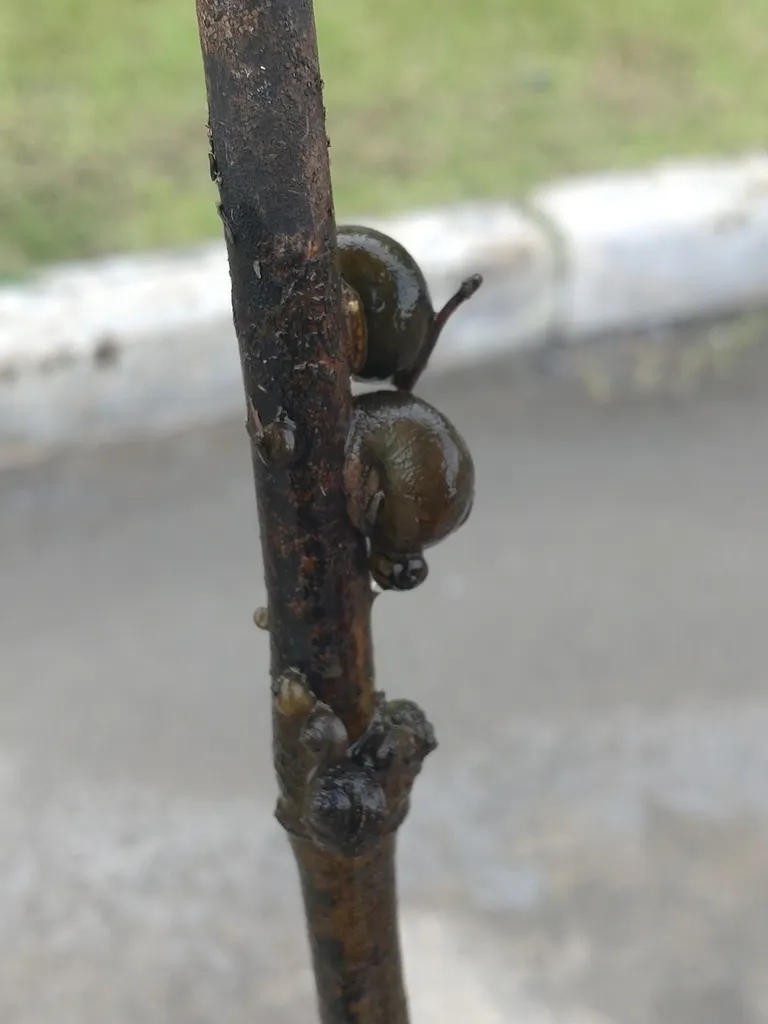
White wizard snail
Filopaludina martensi
Freshwater2 in (5 cm) · 11 gal (40 L)72–79°F (22–26°C)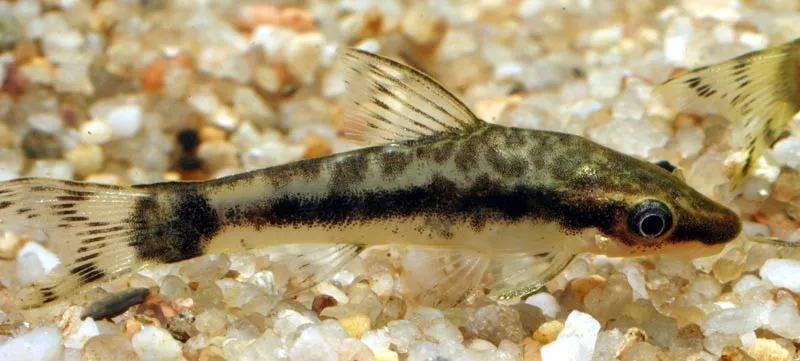
Golden dwarf sucker
Otocinclus macrospilus
Freshwater1.4 in (3.5 cm) · 11 gal (40 L)70–79°F (21–26°C)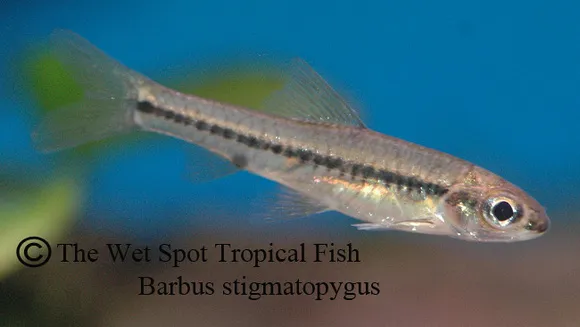
Blackspot dwarf barb
Enteromius stigmatopygus
Freshwater1.4 in (3.5 cm) · 11 gal (40 L)72–81°F (22–27°C)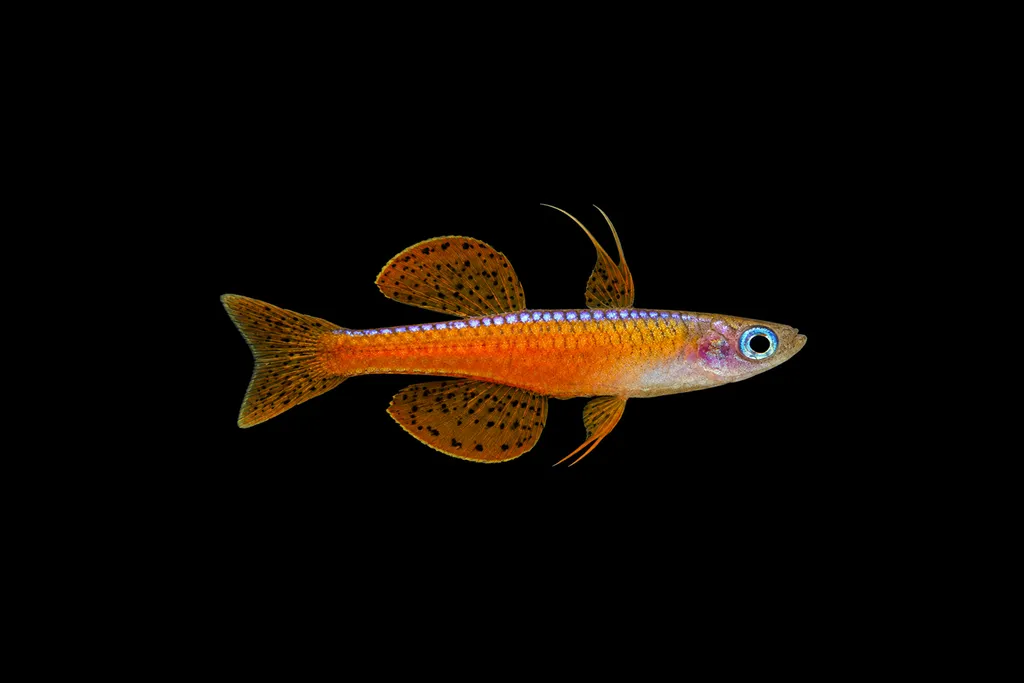
Paska's blue-eye
Pseudomugil paskai
Freshwater1.4 in (3.5 cm) · 11 gal (40 L)72–79°F (22–26°C)
Common questions
What size tank does a wasp bee catfish need?
A wasp bee catfish needs at least 11 gal (40 L). It spends most of its time in the bottom.
What temperature and pH does a wasp bee catfish need?
A wasp bee catfish is comfortable at 72–79°F (22–26°C) with a pH of 6.0–7.5.
What does a wasp bee catfish eat?
A wasp bee catfish eats sinking and frozen foods after dark, such as bloodworm, daphnia and brine shrimp. It may ignore dried foods at first.
How big does a wasp bee catfish get?
An adult wasp bee catfish reaches about 1.6 in (4 cm).
How does a wasp bee catfish breed?
Wasp bee catfish have been reported to spawn after a sharp drop in temperature, with eggs hatching in around four days. They are still rarely bred and have no established breeding record.
Related species
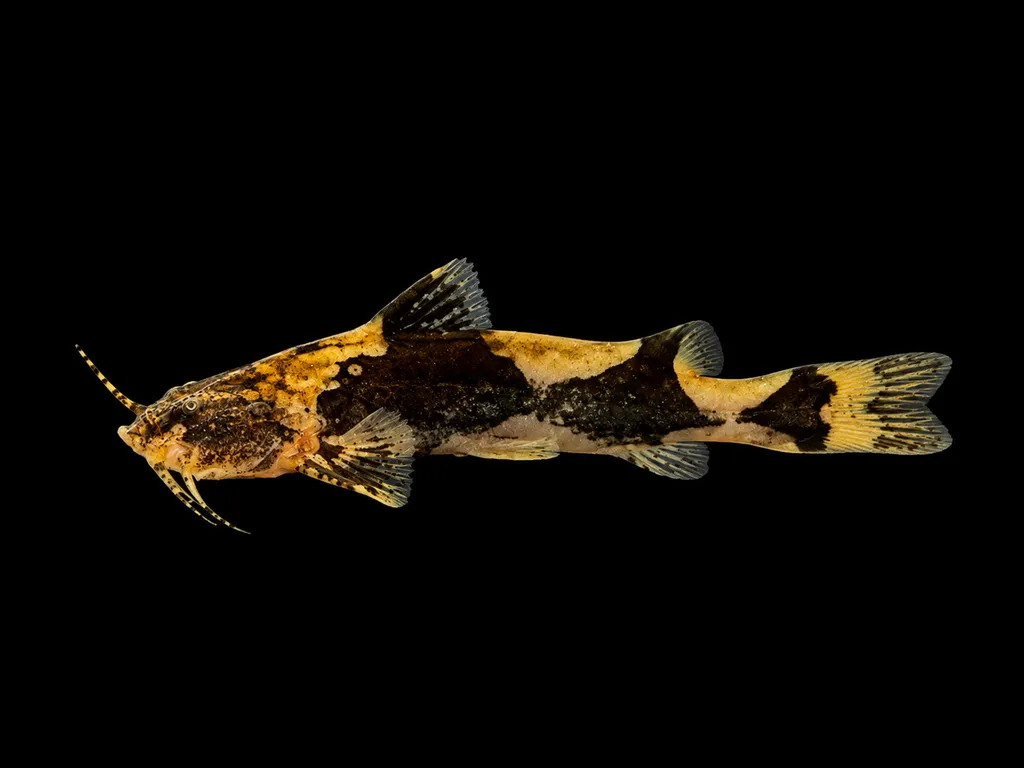 1.6 in (4 cm)14 gal (54 L)72–79°F (22–26°C)
Portellus bee catfish
Akysis portellus
1.6 in (4 cm) · 14 gal (54 L)
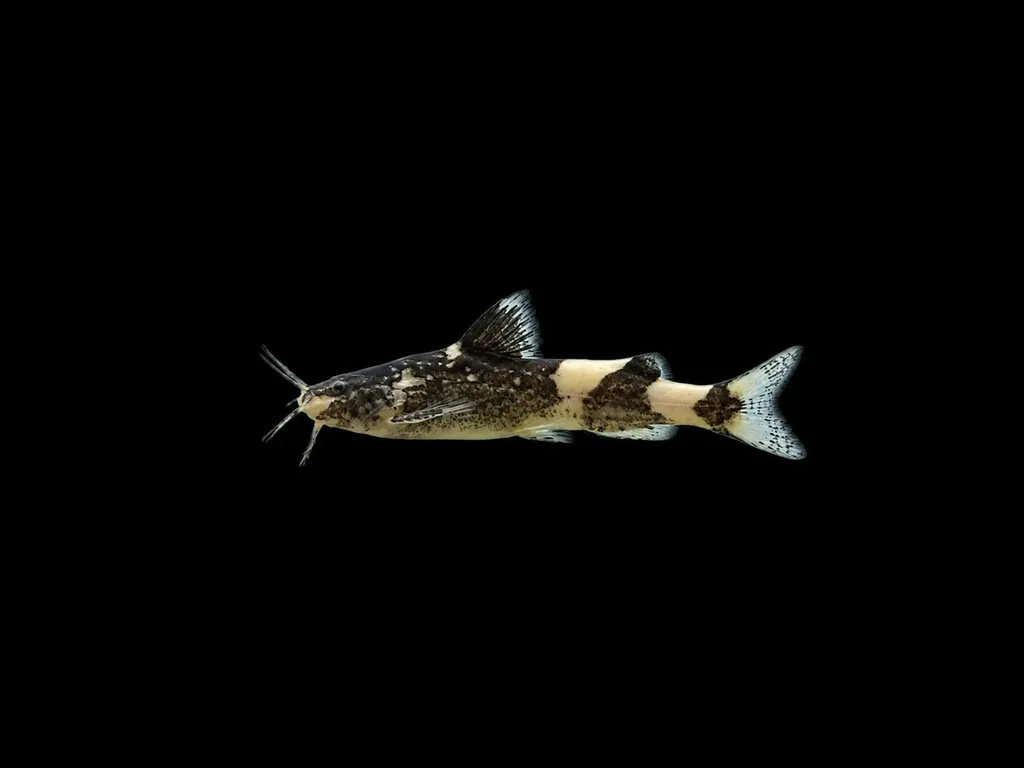 1.4 in (3.5 cm)11 gal (40 L)72–79°F (22–26°C)
Small-eyed bee catfish
Akysis microps
1.4 in (3.5 cm) · 11 gal (40 L)
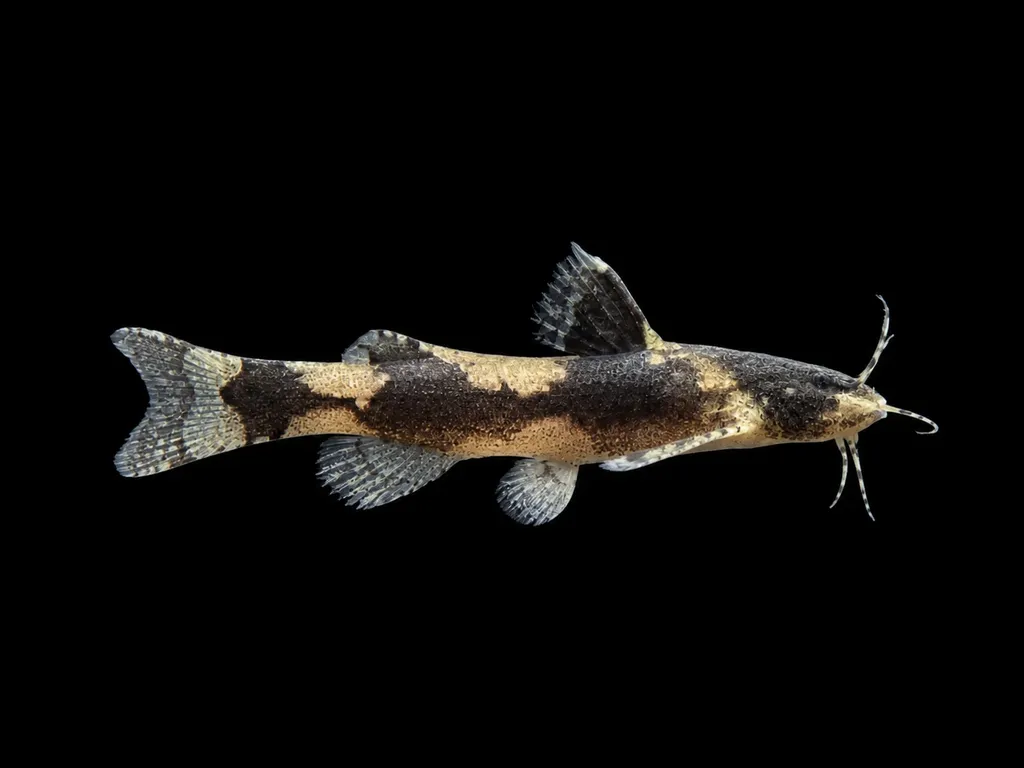 2.4 in (6 cm)14 gal (54 L)72–79°F (22–26°C)
Hendrickson's bee catfish
Akysis hendricksoni
2.4 in (6 cm) · 14 gal (54 L)
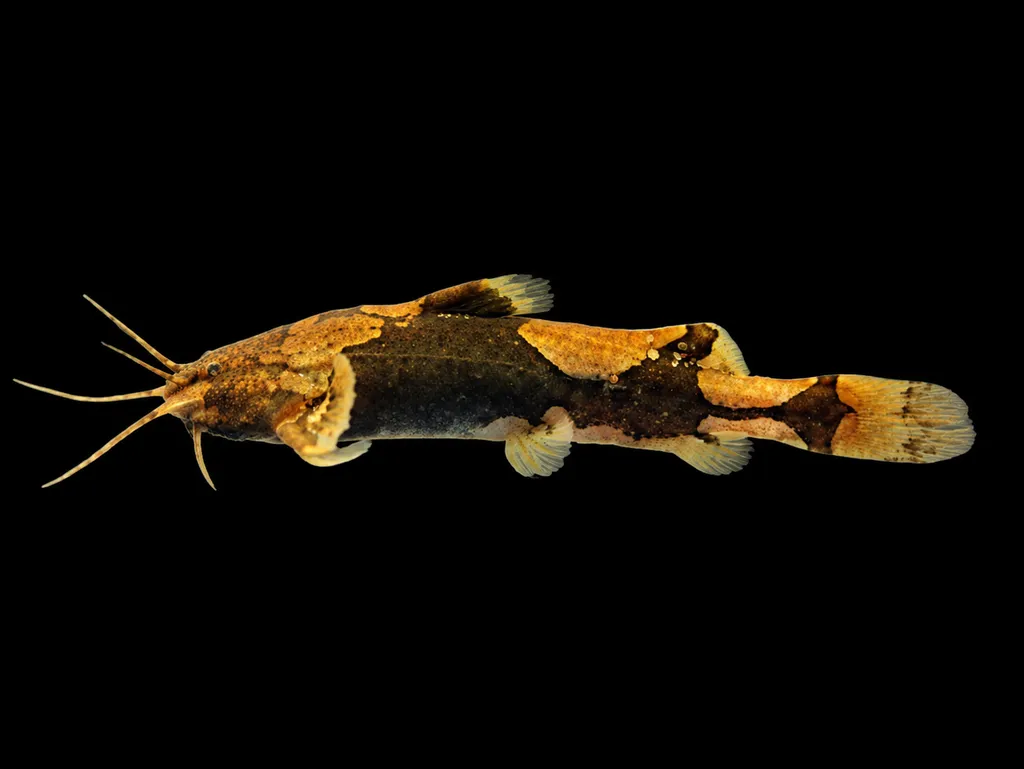 2.4 in (6 cm)14 gal (54 L)72–79°F (22–26°C)
Orange marble bee catfish
Akysis longifilis
2.4 in (6 cm) · 14 gal (54 L)
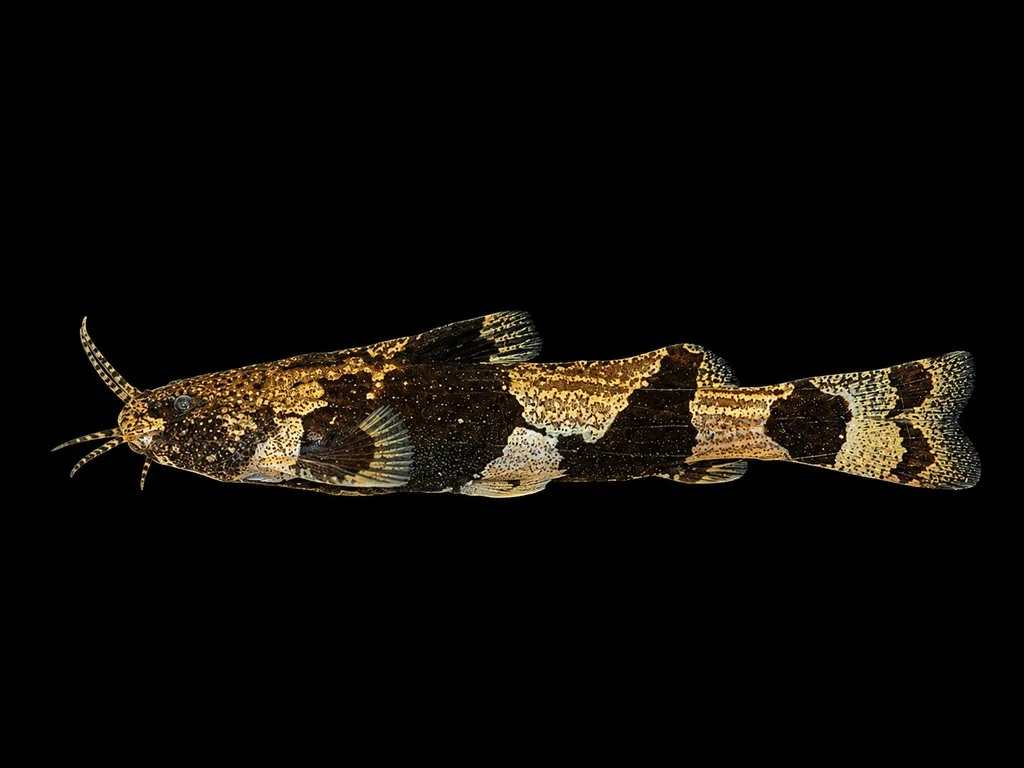 2.8 in (7 cm)14 gal (54 L)72–79°F (22–26°C)
Burmese marble bee catfish
Akysis prashadi
2.8 in (7 cm) · 14 gal (54 L)
 1 in (2.5 cm)11 gal (40 L)73–82°F (23–28°C)
Dwarf warty catfish
Parakysis notialis
1 in (2.5 cm) · 11 gal (40 L)