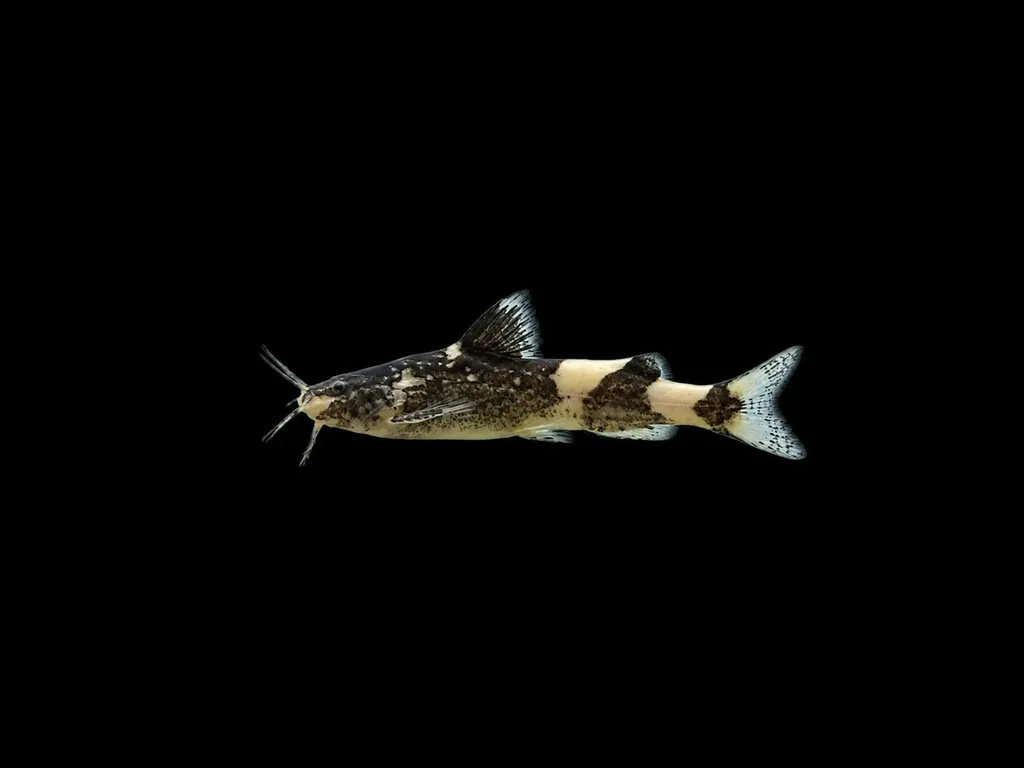
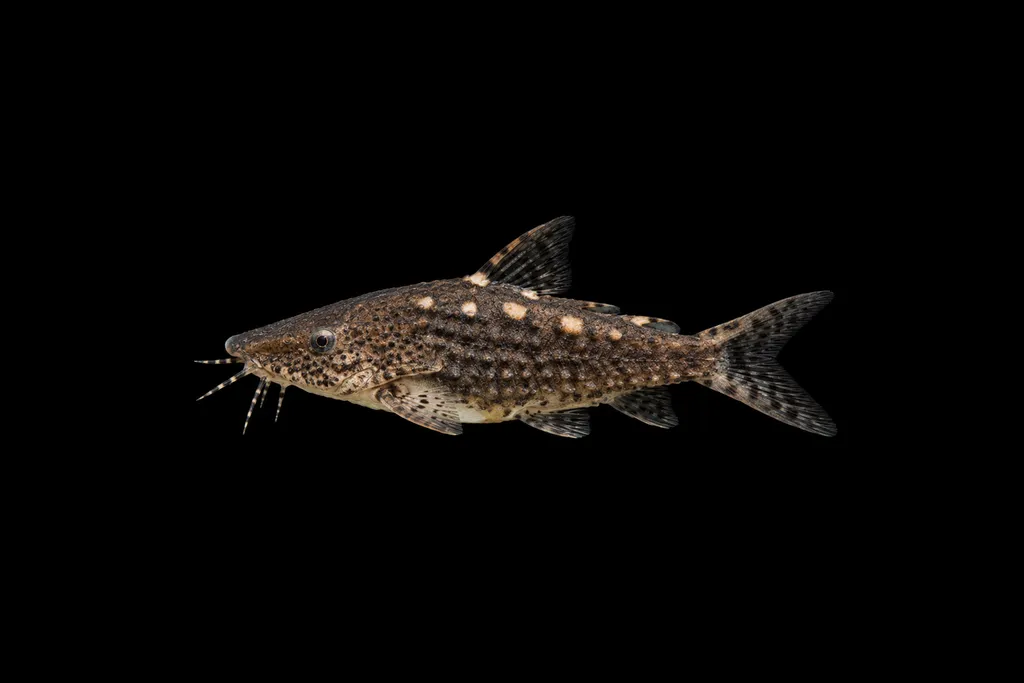
Small-eyed bee catfish
Akysis microps
Also known as Mini bee cat microps, Small eyed mini bee cat
FreshwaterFish
Care at a glance
- Temperature
- 72–79°F
- 22–26°C
- pH
- 6.0–7.5
- Adult size
- 1.4 in
- 3.5 cm
- Minimum tank
- 11 gal
- 40 L
- Temperament
- Peaceful
- Social behavior
- Social
- Swim level
- Bottom
- Diet
- Carnivore
- Difficulty
- Medium
- Breeding
- Egg layer
- Rarity
- Rare
- Family
- Akysidae
- Origin
- Endau drainage, Malaysia
Overview
The small-eyed bee catfish is a tiny, gentle stream catfish for the bottom of a small, peaceful tank. It is a step up from the easiest fish.
Did you know
The small-eyed bee catfish spends its life half-buried in dim, tea-stained water, where sharp eyes are little use. Its name, small eye, records exactly that. Its sight has faded into the background while its barbels do the real work.
Caring for the small-eyed bee catfish
Give the small-eyed bee catfish around 11 gal (40 L) with fine sand to sink into, some crypts and wood. A soft, slightly stained look suits it. It buries in the sand by day and hunts by touch after dark, relying on its barbels far more than its eyes.
Keep it on the cooler side of tropical, at 72 to 79°F (22 to 26°C) and a pH of 6.0 to 7.5. Give it clean water and a steady current that is gentle rather than fierce.
Feed small sinking and frozen foods at night, such as microworm, baby brine shrimp and frozen bloodworm. It feeds slowly, so it should not compete with fast, bold tank mates.
The small-eyed bee catfish is gentle and community safe. It is content in a small group of its own kind with other little, peaceful fish. Its fin spines can sting, so net it with care. It is a nocturnal egg layer without parental care, and its breeding has not been recorded in aquaria.
Good to know
The small-eyed bee catfish, Akysis microps, belongs to the stream catfish family Akysidae. It is one of the smaller bee catfishes and is also sold as the mini bee cat.
In the wild
The small-eyed bee catfish was found in the Endau river drainage of southeastern Peninsular Malaysia. It lives in a large, sandy stream with tea-colored water, a moderate current and stands of Cryptocoryne plants.
Weekly picks
Tank mates
The small-eyed bee catfish is a peaceful, social species that keeps to the bottom. These picks share a community profile with it, are safe together in both directions, and overlap on water type, temperature and pH.
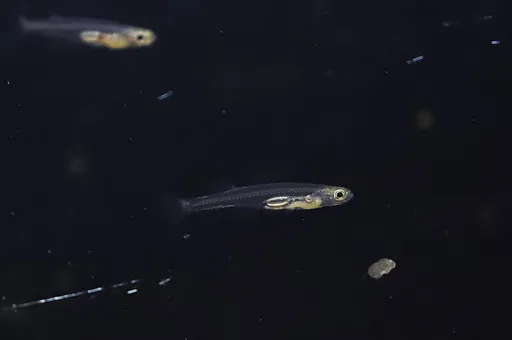
Dracula fish
Danionella dracula
Freshwater0.7 in (1.7 cm) · 11 gal (40 L)68–79°F (20–26°C)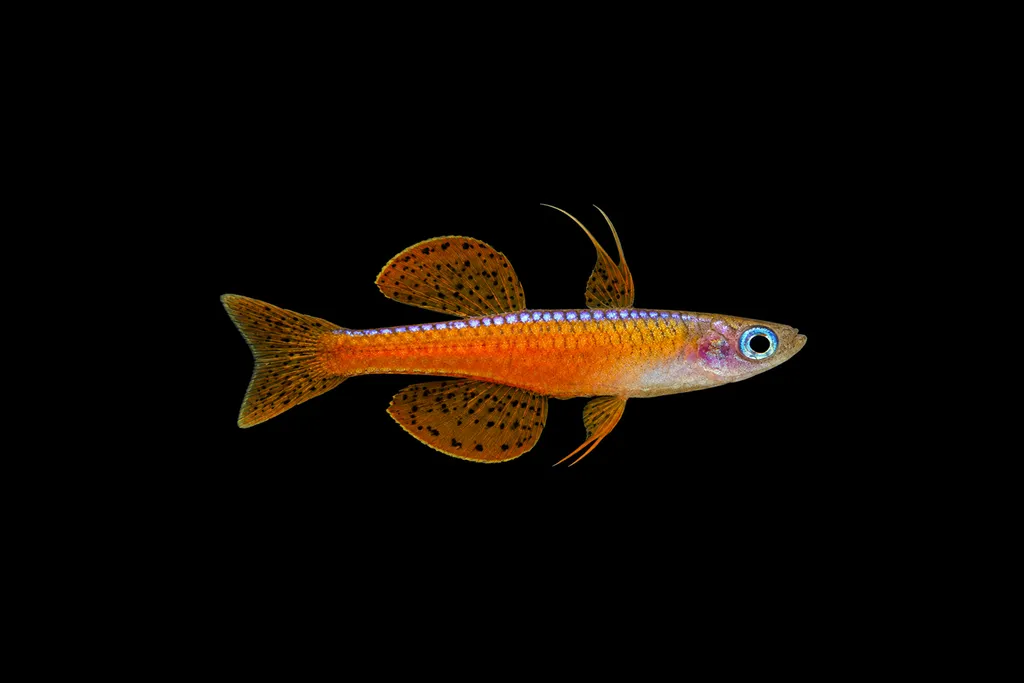
Paska's blue-eye
Pseudomugil paskai
Freshwater1.4 in (3.5 cm) · 11 gal (40 L)72–79°F (22–26°C)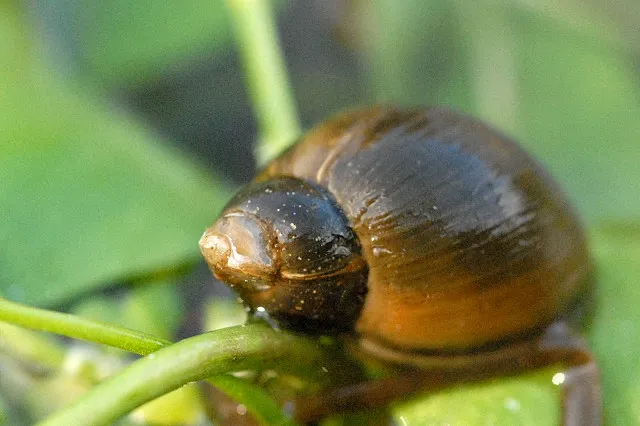
Wandering snail
Ampullaceana balthica
Freshwater0.8 in (2 cm) · 11 gal (40 L)50–84°F (10–29°C)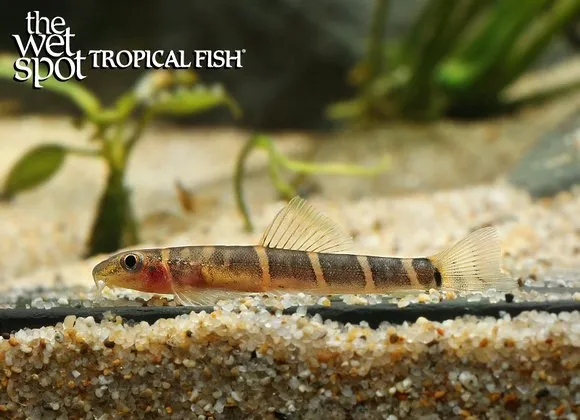
Fire-eyed loach
Barbucca diabolica
Freshwater1.2 in (3 cm) · 11 gal (40 L)72–79°F (22–26°C)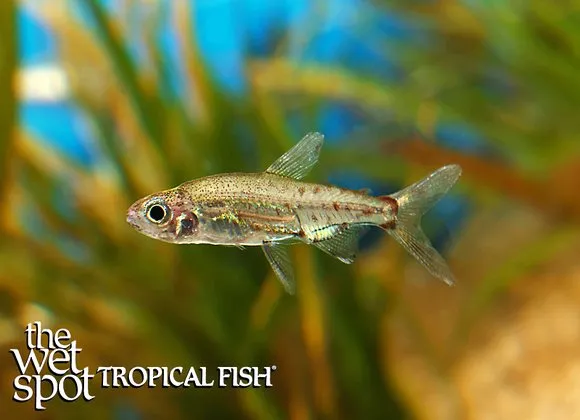
Adonis tetra
Lepidarchus adonis
Freshwater1 in (2.5 cm) · 11 gal (40 L)72–79°F (22–26°C)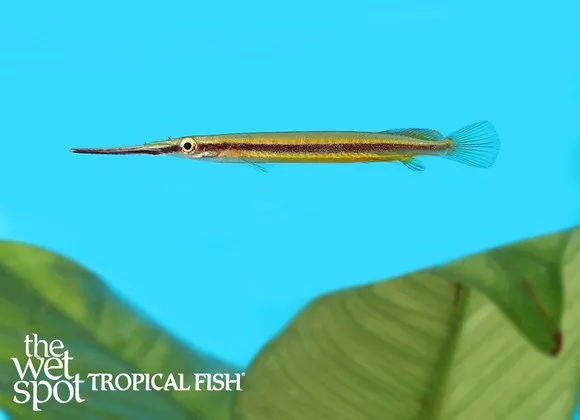
Borneo gold spot halfbeak
Hemirhamphodon tengah
Freshwater1.8 in (4.5 cm) · 11 gal (40 L)73–81°F (23–27°C)
Common questions
What size tank does a small-eyed bee catfish need?
A small-eyed bee catfish needs at least 11 gal (40 L). It spends most of its time in the bottom.
What temperature and pH does a small-eyed bee catfish need?
A small-eyed bee catfish is comfortable at 72–79°F (22–26°C) with a pH of 6.0–7.5.
What does a small-eyed bee catfish eat?
A small-eyed bee catfish eats small sinking and frozen foods at night, such as microworm, baby brine shrimp and frozen bloodworm. It feeds slowly.
How big does a small-eyed bee catfish get?
An adult small-eyed bee catfish reaches about 1.4 in (3.5 cm).
How does a small-eyed bee catfish breed?
The small-eyed bee catfish is a nocturnal egg layer and gives its eggs no parental care. Its breeding has not been recorded in aquaria.
Related species
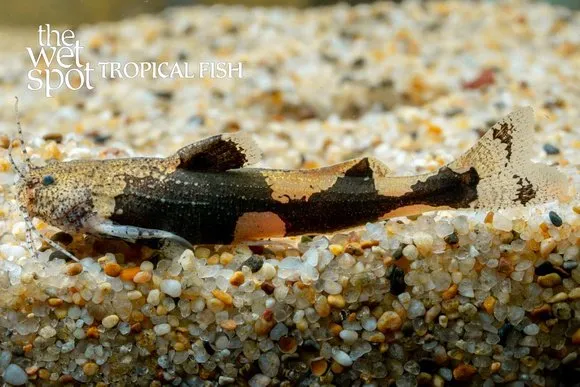
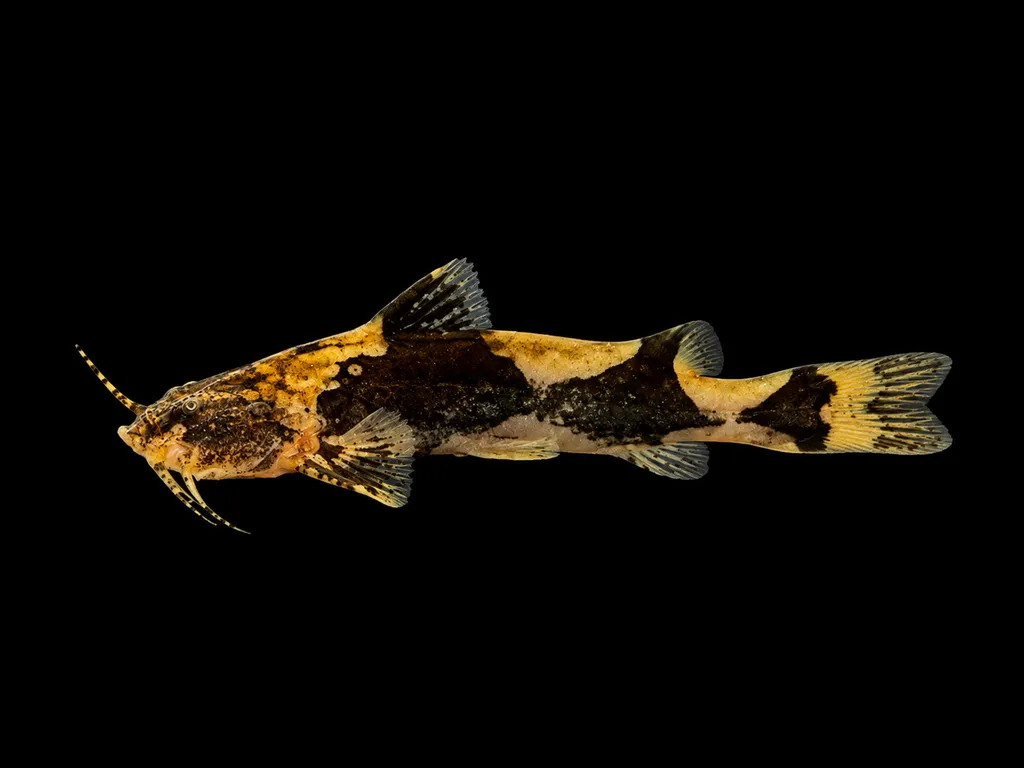 1.6 in (4 cm)14 gal (54 L)72–79°F (22–26°C)
Portellus bee catfish
Akysis portellus
1.6 in (4 cm) · 14 gal (54 L)
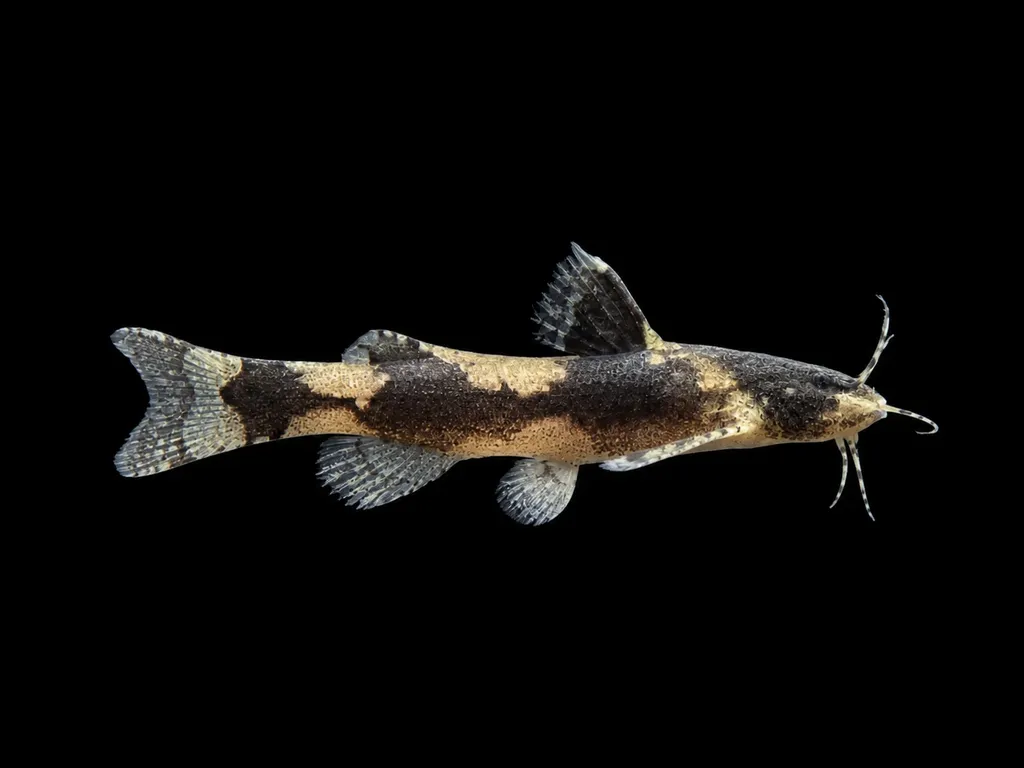
 1.6 in (4 cm)11 gal (40 L)72–79°F (22–26°C)
Wasp bee catfish
Akysis vespa
1.6 in (4 cm) · 11 gal (40 L)
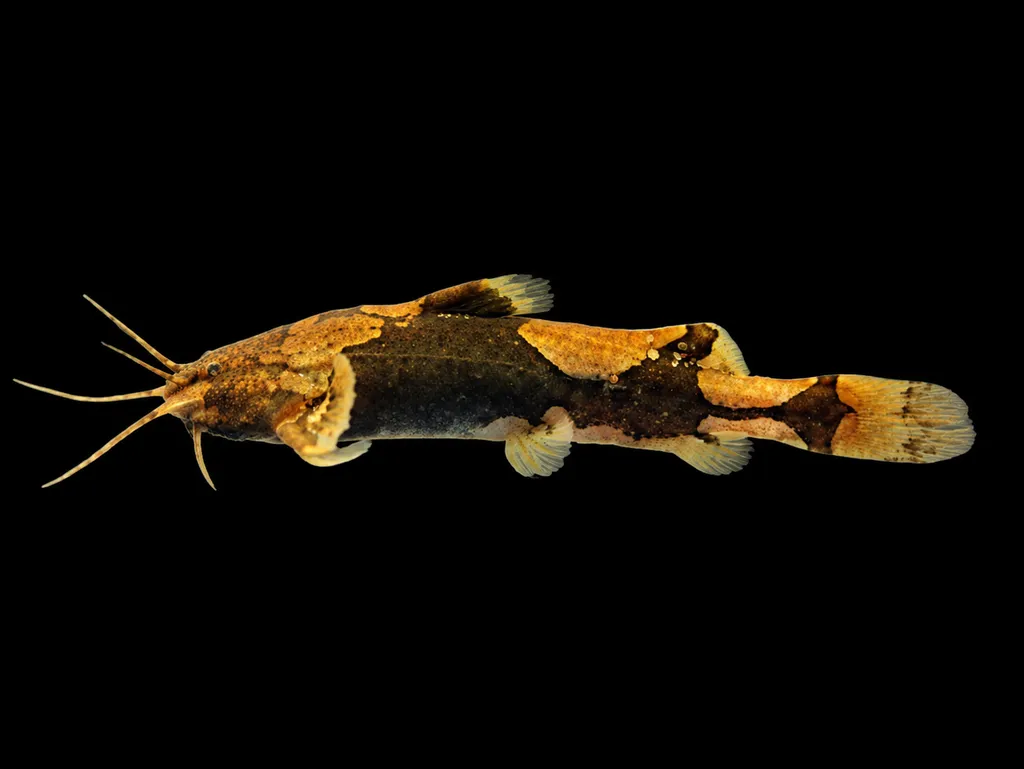
 2.4 in (6 cm)14 gal (54 L)72–79°F (22–26°C)
Hendrickson's bee catfish
Akysis hendricksoni
2.4 in (6 cm) · 14 gal (54 L)
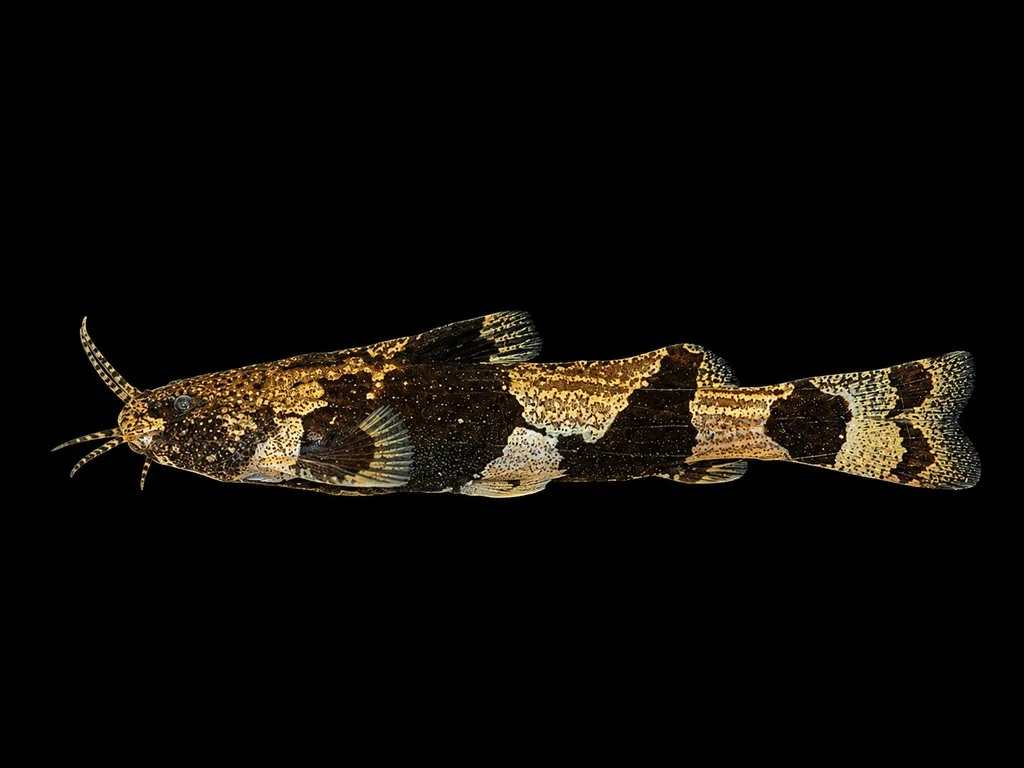
 2.4 in (6 cm)14 gal (54 L)72–79°F (22–26°C)
Orange marble bee catfish
Akysis longifilis
2.4 in (6 cm) · 14 gal (54 L)
 2.8 in (7 cm)14 gal (54 L)72–79°F (22–26°C)
Burmese marble bee catfish
Akysis prashadi
2.8 in (7 cm) · 14 gal (54 L)
 1 in (2.5 cm)11 gal (40 L)73–82°F (23–28°C)
Dwarf warty catfish
Parakysis notialis
1 in (2.5 cm) · 11 gal (40 L)