Adonis tetra
Lepidarchus adonis
Also known as Lepidarchus adonis signifer, Adonis characin
FreshwaterFish
Care at a glance
- Temperature
- 72–79°F
- 22–26°C
- pH
- 5.0–6.5
- Adult size
- 1 in
- 2.5 cm
- Minimum tank
- 11 gal
- 40 L
- Temperament
- Peaceful
- Social behavior
- Schooling
- Swim level
- Middle
- Difficulty
- Difficult
- Breeding
- Egg layer · Hard
- Rarity
- Rare
- Family
- Alestidae
- Origin
- Coastal Ghana and Ivory Coast
Overview
The Adonis tetra is a tiny, delicate schooling characin that holds the middle of a quiet nano tank. It is a fish for experienced keepers.
Did you know
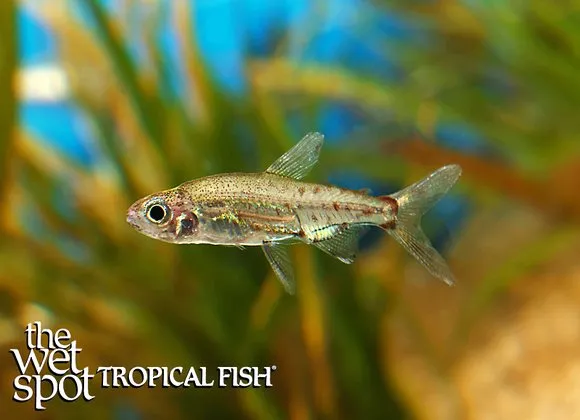
The Adonis tetra is one of very few characins that are almost entirely scaleless. A settled adult looks like a sliver of tinted glass drifting over the sand. That bare, see-through body is why the trade also sells it as the naked tetra or jellybean tetra.
Caring for the Adonis tetra
Keep Adonis tetras in a group of at least eight, and ten or more if you can. They only feel safe in numbers, and single fish hide away and fade. A mature, gently run nano of 11 gal (40 L) holds a starter group.
Set the tank up dim and quiet, with a sand base, driftwood, dried leaves and some floating cover to soften the light. Give them very soft, acidic water at 72 to 79°F (22 to 26°C) and a pH of 5.0 to 6.5. Run gentle filtration and keep conditions pristine and stable.
The mouth is minute, so feed micro foods such as crushed flake, baby brine shrimp, microworm and finely powdered dry foods. Adonis tetras are gentle and easily out-competed at feeding time. Choose equally small, calm tank mates such as dwarf rasboras or pygmy corydoras, or keep them in a species tank.
Mature males show scattered dark spots, while females are plainer and rounder. Breeding is difficult and rarely achieved. It demands very soft, acidic water, and the eggs and fry are extremely small and sensitive to light.
Good to know
Lepidarchus adonis belongs to Alestidae, the African tetras, and is one of the smallest fish in the family. It also turns up as Lepidarchus adonis signifer and as the Adonis characin.
In the wild
The Adonis tetra comes from small, soft, gently acidic forest streams along the coast of Ghana and Ivory Coast in West Africa. These shaded waters are stained with tannins and run over sand and leaf litter.
Weekly picks
Tank mates
The Adonis tetra is a peaceful, schooling species that keeps to the middle. These picks share a community profile with it, are safe together in both directions, and overlap on water type, temperature and pH.
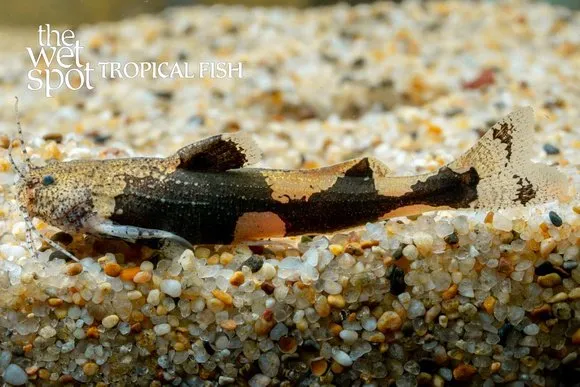
Wasp bee catfish
Akysis vespa
Freshwater1.6 in (4 cm) · 11 gal (40 L)72–79°F (22–26°C)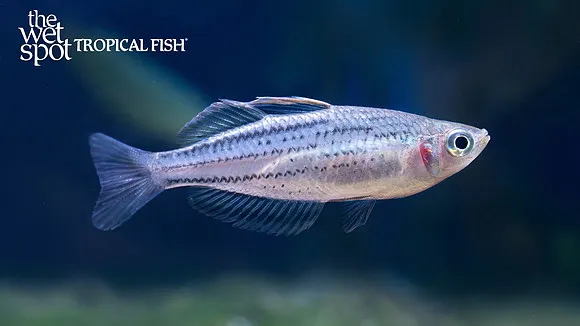
Green panchax
Aplocheilus blockii
Freshwater2 in (5 cm) · 11 gal (40 L)72–82°F (22–28°C)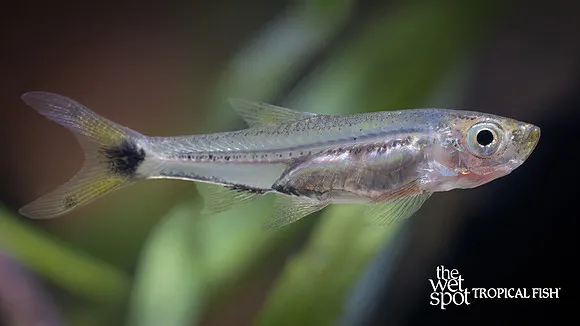
Dwarf scissortail rasbora
Rasbosoma spilocerca
Freshwater1.3 in (3.2 cm) · 11 gal (40 L)72–81°F (22–27°C)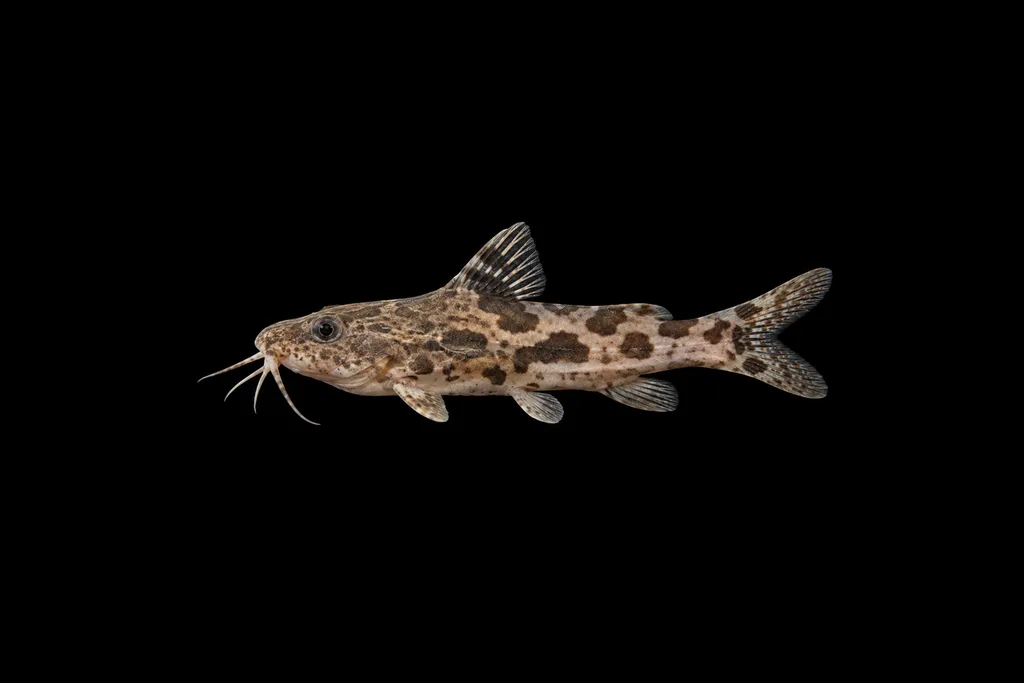
Harlequin moth catfish
Pseudolaguvia ribeiroi
Freshwater1.6 in (4 cm) · 11 gal (40 L)68–79°F (20–26°C)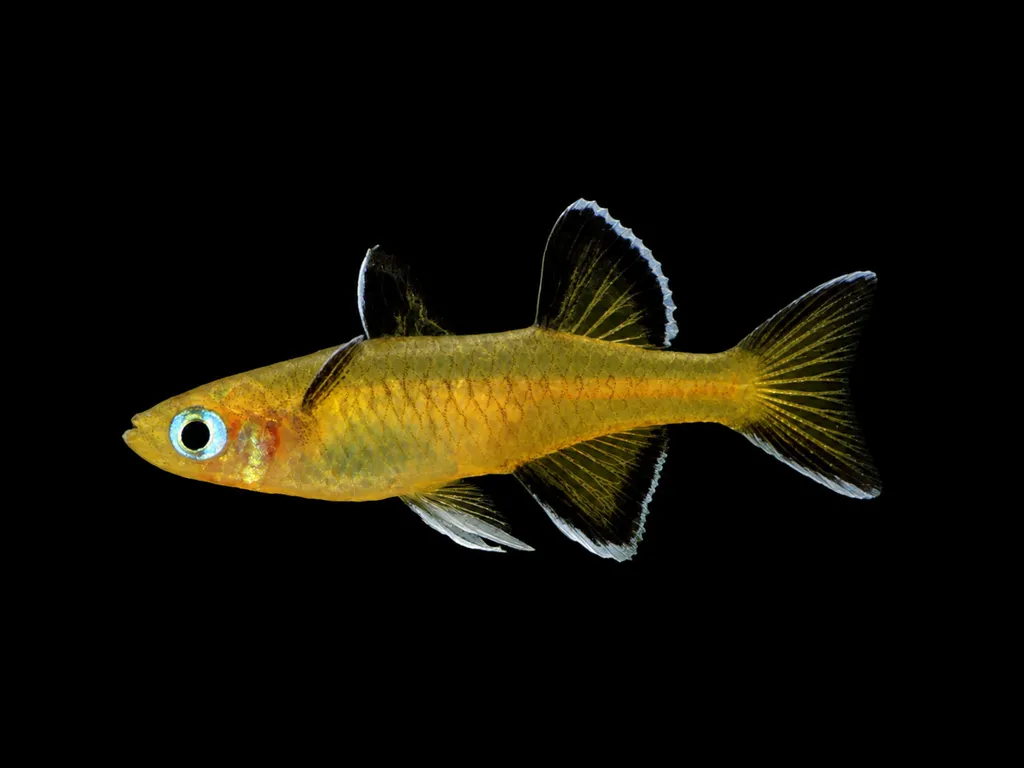
Honey blue-eye
Pseudomugil mellis
Freshwater1.4 in (3.5 cm) · 11 gal (40 L)68–82°F (20–28°C)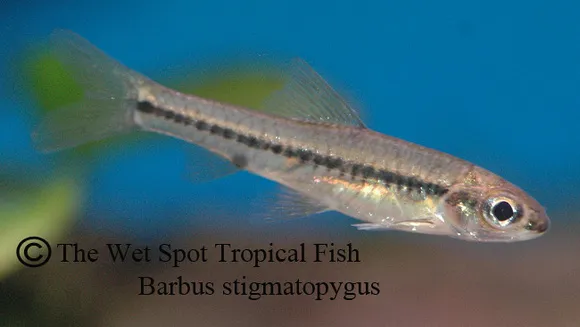
Blackspot dwarf barb
Enteromius stigmatopygus
Freshwater1.4 in (3.5 cm) · 11 gal (40 L)72–81°F (22–27°C)
Common questions
What size tank does an Adonis tetra need?
An Adonis tetra needs at least 11 gal (40 L). It spends most of its time in the middle.
What temperature and pH does an Adonis tetra need?
An Adonis tetra is comfortable at 72–79°F (22–26°C) with a pH of 5.0–6.5.
What does an Adonis tetra eat?
An Adonis tetra has a minute mouth, so it eats micro foods. Offer crushed flake, baby brine shrimp, microworm and finely powdered dry foods.
How big does an Adonis tetra get?
An adult Adonis tetra reaches about 1 in (2.5 cm).
Does an Adonis tetra need a group?
Yes. An Adonis tetra is a schooling species and should be kept in a group, not singly.
How can you tell a male Adonis tetra from a female?
Males show scattered dark spots once they mature. Females are plainer and rounder.
Related species
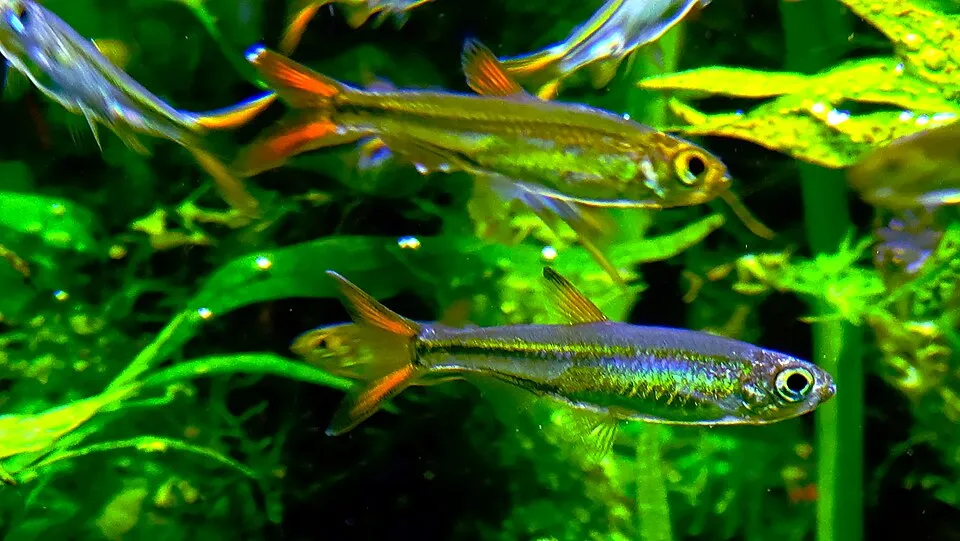 1.2 in (3 cm)10 gal (37 L)72–81°F (22–27°C)
Jellybean tetra
Ladigesia roloffi
1.2 in (3 cm) · 10 gal (37 L)
- 2 in (5 cm)24 gal (90 L)73–81°F (23–27°C)
Red-back moon tetra
Bathyaethiops flammeus
2 in (5 cm) · 24 gal (90 L)
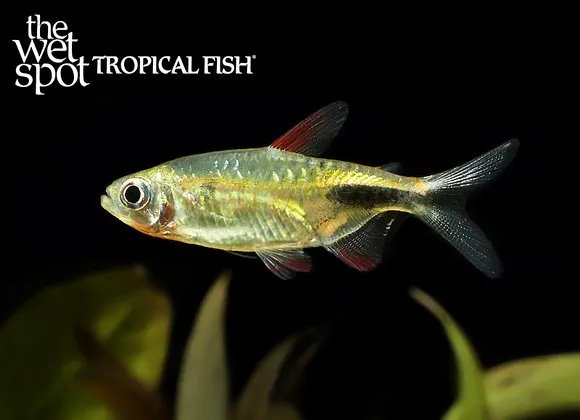 2.4 in (6 cm)24 gal (90 L)73–81°F (23–27°C)
Copper Congo tetra
Hemigrammopetersius pulcher
2.4 in (6 cm) · 24 gal (90 L)
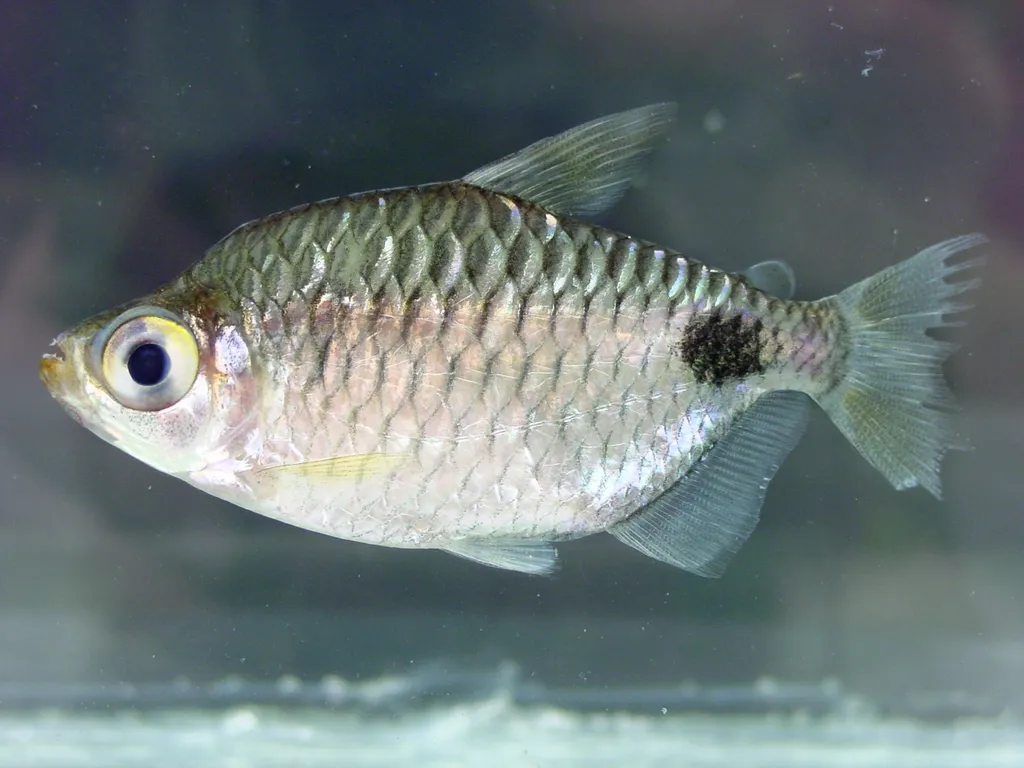 2.6 in (6.5 cm)30 gal (112 L)73–82°F (23–28°C)
Altus tetra
Brachypetersius altus
2.6 in (6.5 cm) · 30 gal (112 L)
 2.8 in (7 cm)29 gal (110 L)73–81°F (23–27°C)
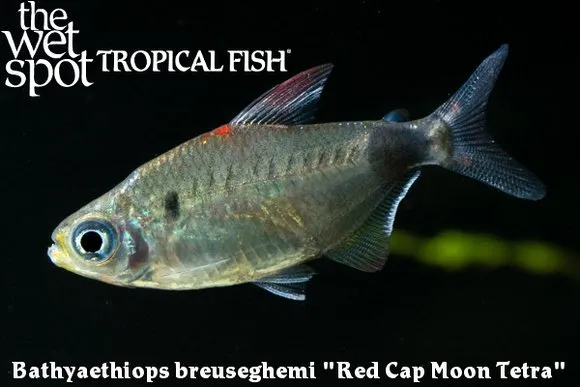
Breuseghem's moon tetra
Bathyaethiops breuseghemi
2.8 in (7 cm) · 29 gal (110 L)
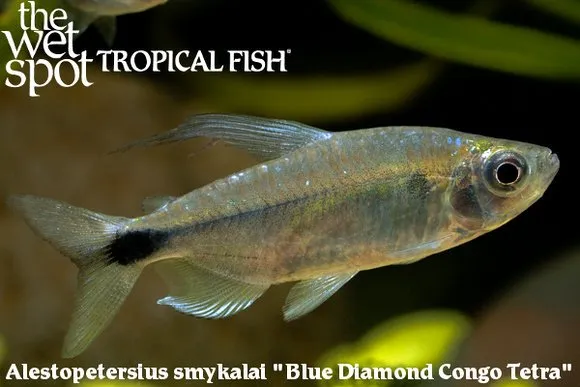 2.8 in (7 cm)29 gal (110 L)73–81°F (23–27°C)
Niger yellow Congo tetra
Alestopetersius smykalai
2.8 in (7 cm) · 29 gal (110 L)