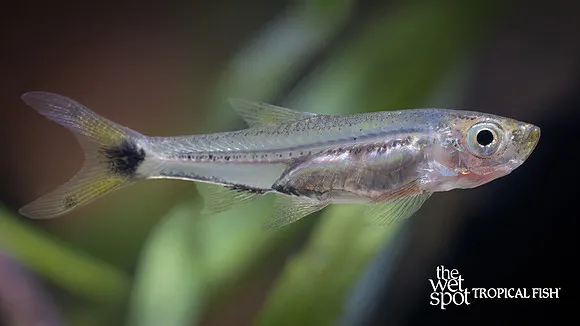
Dwarf scissortail rasbora
Rasbosoma spilocerca
Also known as Spottail scissortail
FreshwaterFish
Care at a glance
- Temperature
- 72–81°F
- 22–27°C
- pH
- 6.0–7.5
- Adult size
- 1.3 in
- 3.2 cm
- Minimum tank
- 11 gal
- 40 L
- Temperament
- Peaceful
- Social behavior
- Schooling
- Swim level
- Middle
- Difficulty
- Medium
- Breeding
- No record
- Rarity
- Rare
- Family
- Danionidae
- Origin
- Mekong basin
Overview
The dwarf scissortail rasbora is a true nano schooler for a calm, planted tank. It is not quite a beginner fish.
Did you know
The dwarf scissortail rasbora's Latin name, spilocerca, means spotted tail. It refers to the small dark spot at the root of the tail, not the flicking scissortail that gets all the emphasis.
Caring for the dwarf scissortail rasbora
Keep dwarf scissortail rasboras in a group of eight or more. A gently filtered, densely planted tank of 11 gal (40 L) is plenty, with a dark substrate and some leaf litter. Keep the filtration soft, since strong current is not to their liking.
Keep the water at 72 to 81°F (22 to 27°C) with a pH of 6.0 to 7.5. Feed only small foods, such as micro pellets, crushed flake and frozen or live baby brine shrimp, daphnia and microworm.
In a group they drift together in midwater and flick their forked tails in constant small signals. They are peaceful and very small, so companions should be equally tiny and calm, along the lines of chili rasboras and pygmy species. They also do well in a tank of their own. Their spawning is not recorded in the hobby.
Good to know
Rasbosoma spilocerca is a danio-family rasbora in Danionidae, and it is the only species in its genus. Rainboth and Kottelat described it in 1987.
In the wild
The dwarf scissortail rasbora lives in shallow, sluggish waters of the lower Mekong basin. Its habitat is swamps, marshes and flooded grassland thick with plants.
Weekly picks
Tank mates
The dwarf scissortail rasbora is a peaceful, schooling species that keeps to the middle. These picks share a community profile with it, are safe together in both directions, and overlap on water type, temperature and pH.
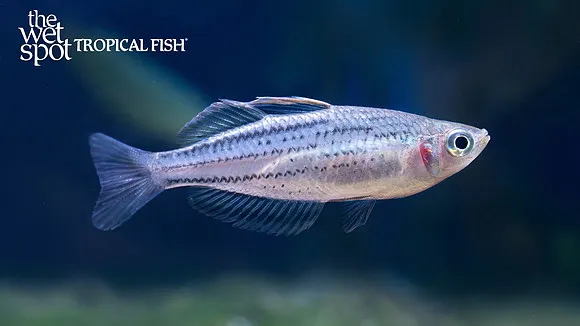
Green panchax
Aplocheilus blockii
Freshwater2 in (5 cm) · 11 gal (40 L)72–82°F (22–28°C)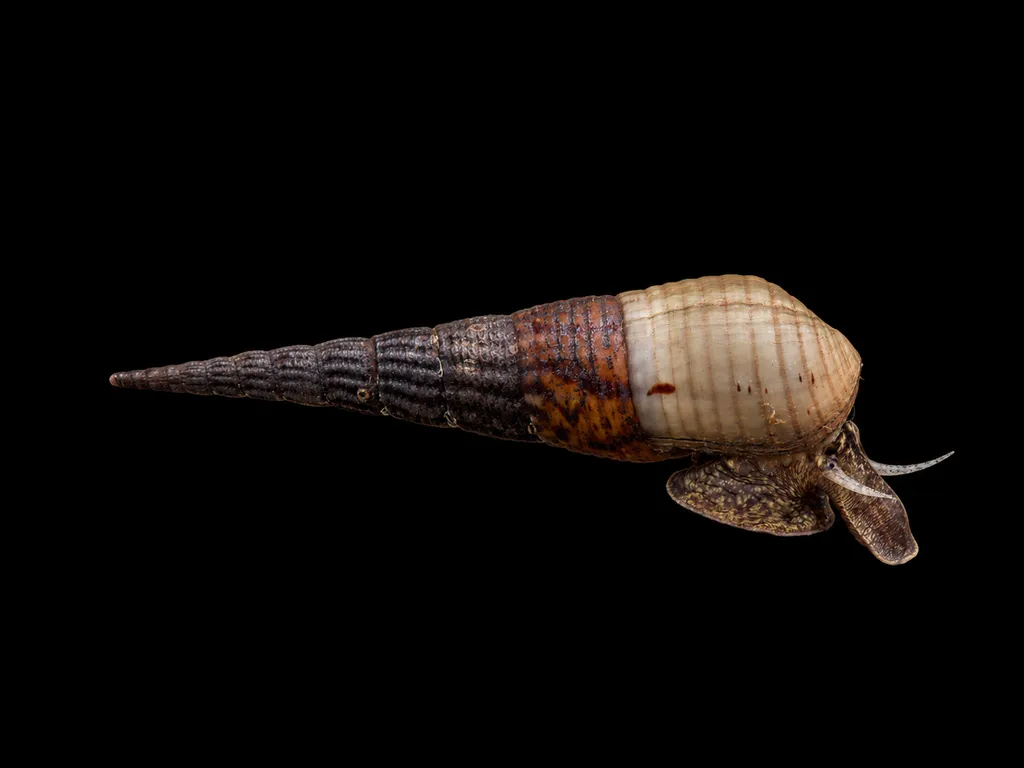
Chopstick snail
Stenomelania torulosa
Freshwater2 in (5 cm) · 11 gal (40 L)73–82°F (23–28°C)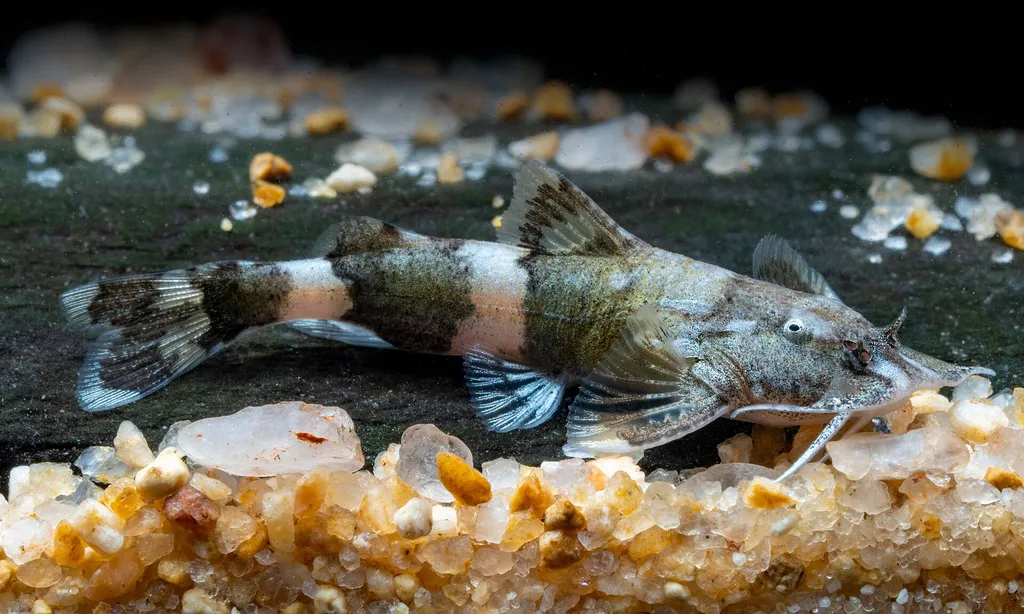
Cheetah moth catfish
Pseudolaguvia shawi
Freshwater1.5 in (3.8 cm) · 11 gal (40 L)68–79°F (20–26°C)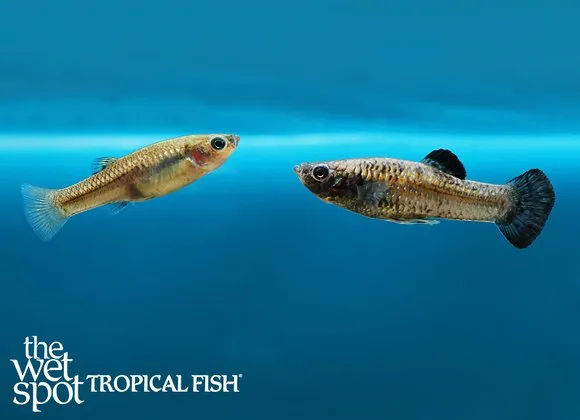
Dwarf molly
Poecilia chica
Freshwater1.6 in (4 cm) · 11 gal (40 L)72–81°F (22–27°C)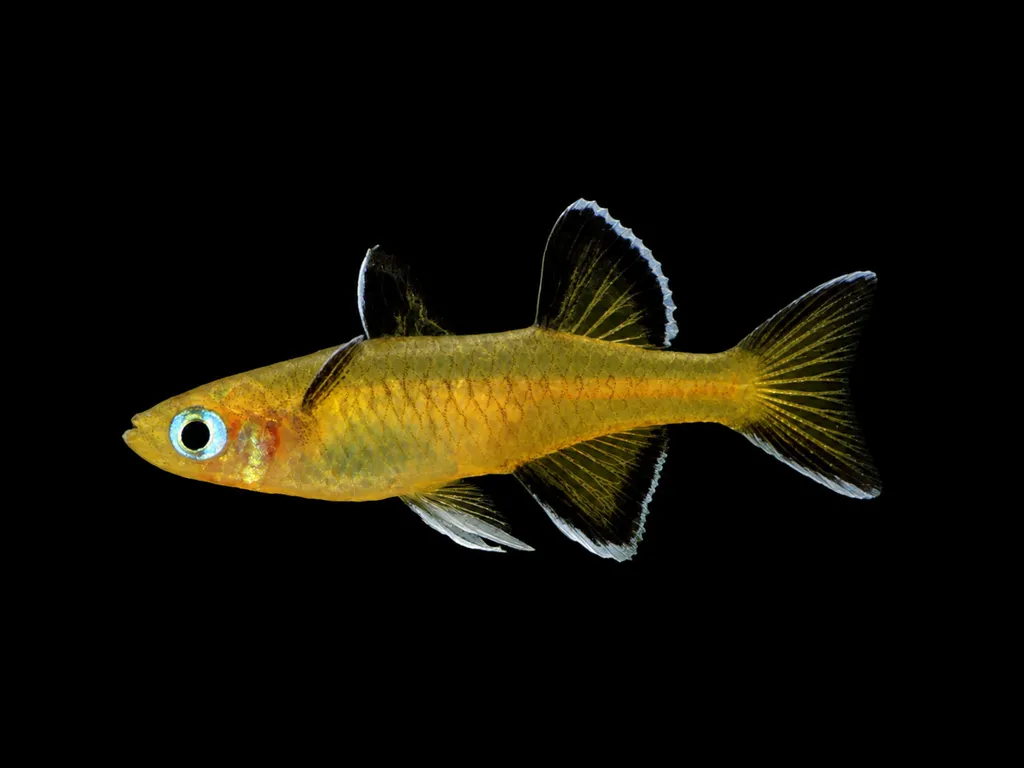
Honey blue-eye
Pseudomugil mellis
Freshwater1.4 in (3.5 cm) · 11 gal (40 L)68–82°F (20–28°C)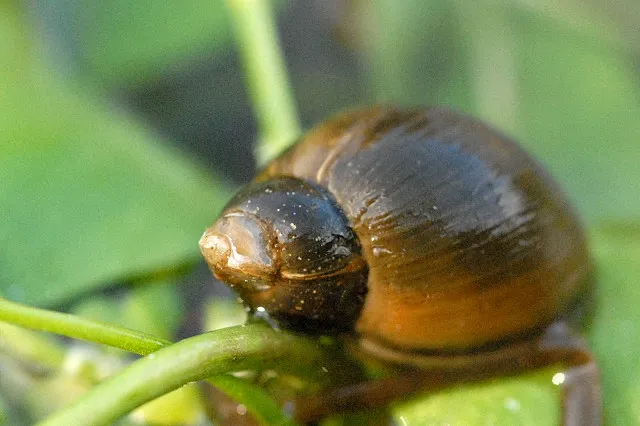
Wandering snail
Ampullaceana balthica
Freshwater0.8 in (2 cm) · 11 gal (40 L)50–84°F (10–29°C)
Common questions
What size tank does a dwarf scissortail rasbora need?
A dwarf scissortail rasbora needs at least 11 gal (40 L). It spends most of its time in the middle.
What temperature and pH does a dwarf scissortail rasbora need?
A dwarf scissortail rasbora is comfortable at 72–81°F (22–27°C) with a pH of 6.0–7.5.
What does a dwarf scissortail rasbora eat?
A dwarf scissortail rasbora eats only small foods. Offer micro pellets, crushed flake and frozen or live baby brine shrimp, daphnia and microworm.
How big does a dwarf scissortail rasbora get?
An adult dwarf scissortail rasbora reaches about 1.3 in (3.2 cm).
Does a dwarf scissortail rasbora need a group?
Yes. A dwarf scissortail rasbora is a schooling species and should be kept in a group, not singly.
Related species
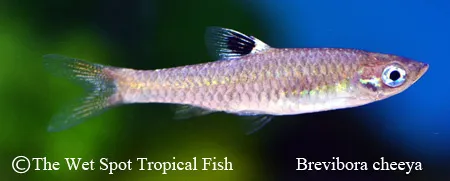 1.3 in (3.4 cm)14 gal (54 L)72–81°F (22–27°C)
Cheeya rasbora
Brevibora cheeya
1.3 in (3.4 cm) · 14 gal (54 L)
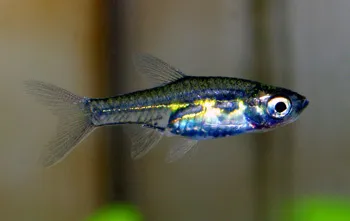 1.2 in (3 cm)11 gal (40 L)75–82°F (24–28°C)
Glowlight carplet
Horadandia atukorali
1.2 in (3 cm) · 11 gal (40 L)
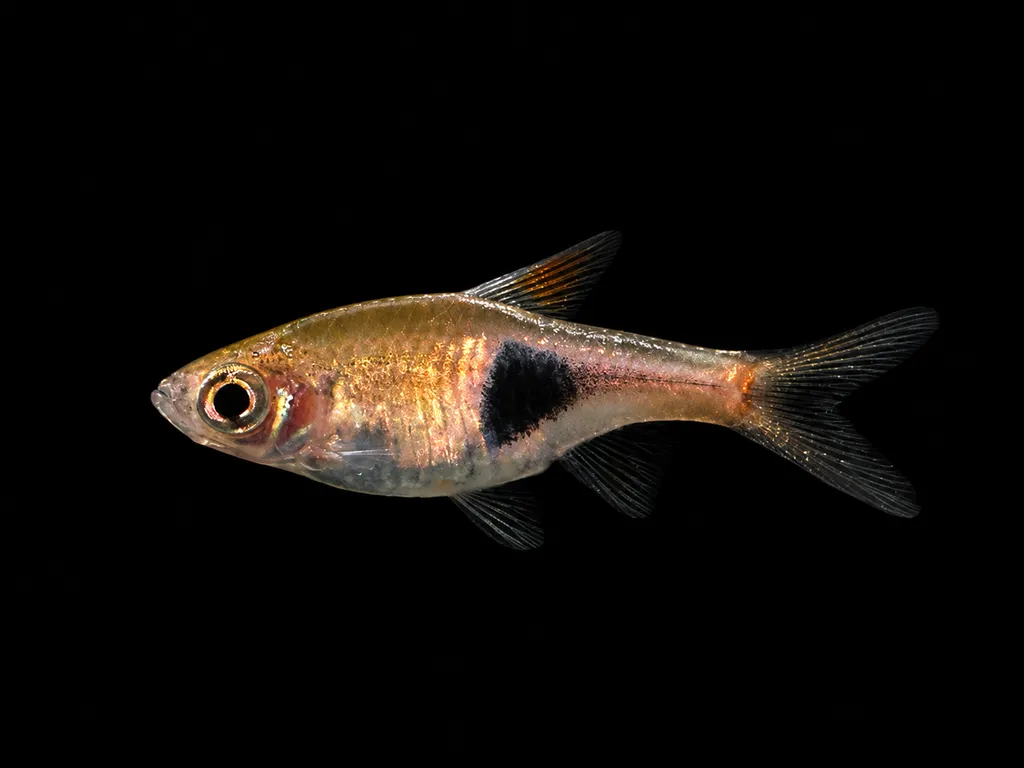 1.2 in (3 cm)14 gal (54 L)72–81°F (22–27°C)
Malayan harlequin rasbora
Trigonostigma truncata
1.2 in (3 cm) · 14 gal (54 L)
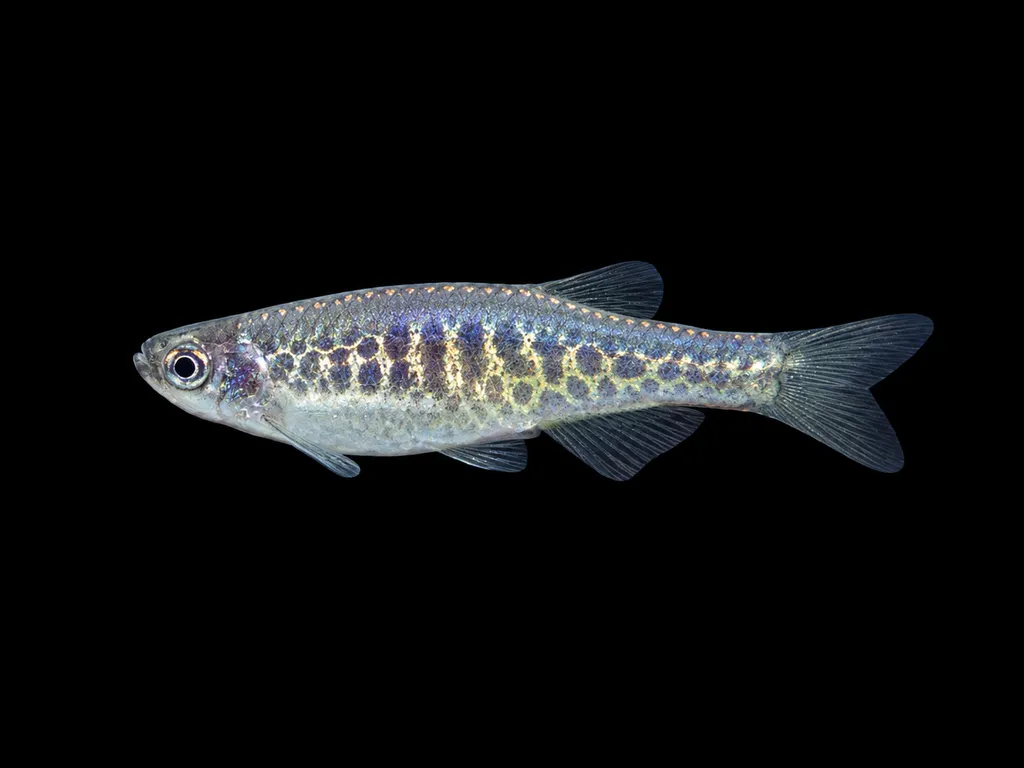 1.4 in (3.6 cm)14 gal (54 L)72–79°F (22–26°C)
Panther danio
Danio aesculapii
1.4 in (3.6 cm) · 14 gal (54 L)
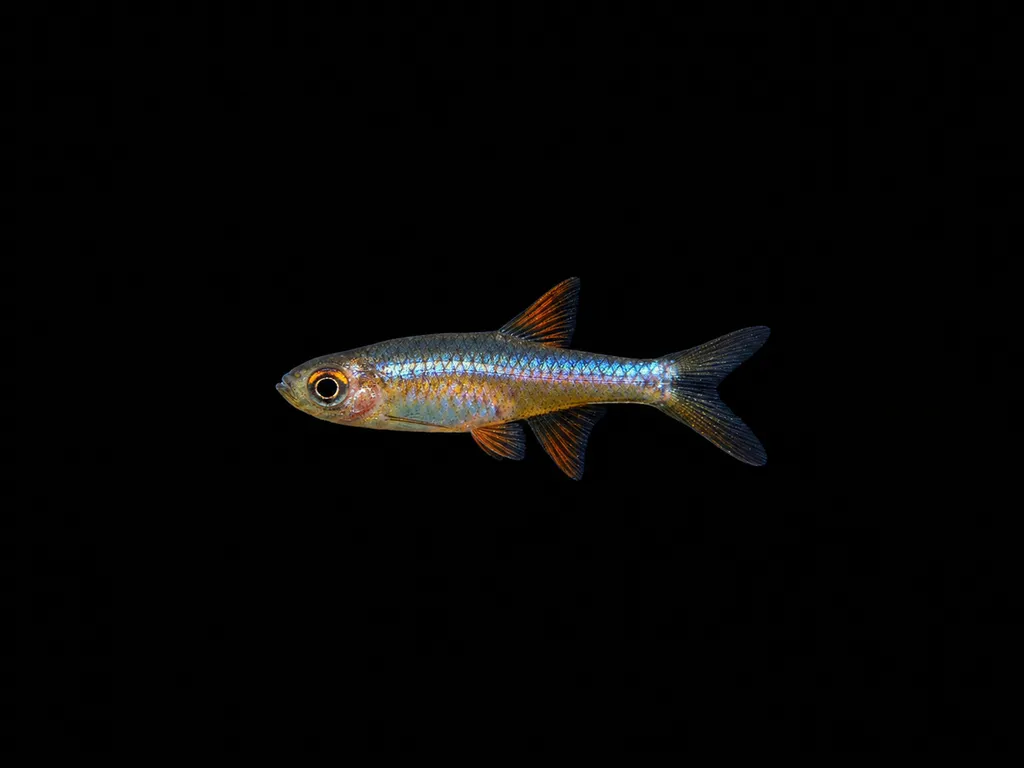 1.6 in (4 cm)14 gal (54 L)75–82°F (24–28°C)
Pearly rasbora
Rasboroides vaterifloris
1.6 in (4 cm) · 14 gal (54 L)
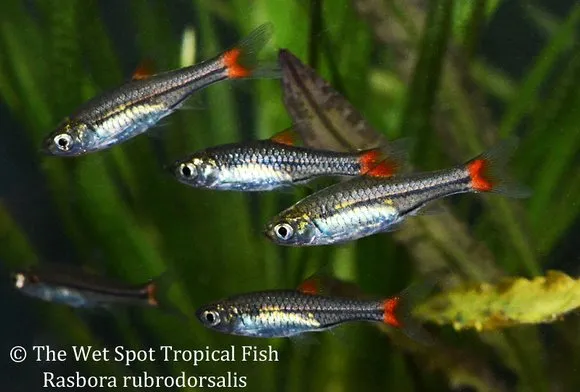 1.6 in (4 cm)14 gal (54 L)72–81°F (22–27°C)
Redback rasbora
Rasbora rubrodorsalis
1.6 in (4 cm) · 14 gal (54 L)