Glowlight carplet
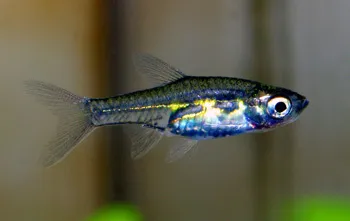
Horadandia atukorali
Also known as Green carplet, Rice fish carplet, Ceylon dwarf barb
FreshwaterFish
Care at a glance
- Temperature
- 75–82°F
- 24–28°C
- pH
- 6.0–7.5
- Adult size
- 1.2 in
- 3 cm
- Minimum tank
- 11 gal
- 40 L
- Temperament
- Peaceful
- Social behavior
- Schooling
- Swim level
- Middle
- Difficulty
- Medium
- Breeding
- Egg scatterer · Medium
- Rarity
- Rare
- Family
- Danionidae
- Origin
- Lowland wetlands of Sri Lanka
Overview
The glowlight carplet is a tiny, peaceful schooler for a planted tank shared with other small, gentle species. It is a step up from the easiest fish.
Did you know
The glowlight carplet will move into faintly brackish coastal water, despite the name carplet. Most of its freshwater relatives do not share that salt tolerance.
Caring for the glowlight carplet
Give a group of glowlight carplets a heavily planted, gently filtered tank of 11 gal (40 L) or larger. A dark substrate and soft, subdued light suit them. Dense planting doubles as spawning cover and as places to shelter.
Keep the water warm, at 75 to 82°F (24 to 28°C) and a pH of 6.0 to 7.5. Feed small foods such as micro pellets and crushed flake, with frozen or live cyclops, daphnia and baby brine shrimp.
Keep a dozen or more, since a group stays confident and out in open water in the middle of the tank. They are peaceful, and their size keeps tank mates to the smallest and calmest species. Glowlight carplets are egg scatterers, and breeding them is of moderate difficulty.
Good to know
Horadandia atukorali is one of the smallest members of the danio family, Danionidae. Deraniyagala described it in 1943 and named it for the Sri Lankan naturalist who first pointed the fish out to him. A glowing line runs down each flank and gives the fish its trade name.
In the wild
The glowlight carplet lives in weedy lowland wetlands, coastal swamps and paddy margins of western Sri Lanka. The water there is still or slow.
Weekly picks
Tank mates
The glowlight carplet is a peaceful, schooling species that keeps to the middle. These picks share a community profile with it, are safe together in both directions, and overlap on water type, temperature and pH.
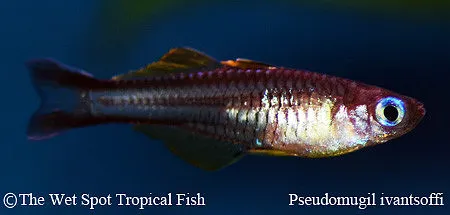
Ivantsoff's blue-eye
Pseudomugil ivantsoffi
Freshwater1.6 in (4 cm) · 11 gal (40 L)75–82°F (24–28°C)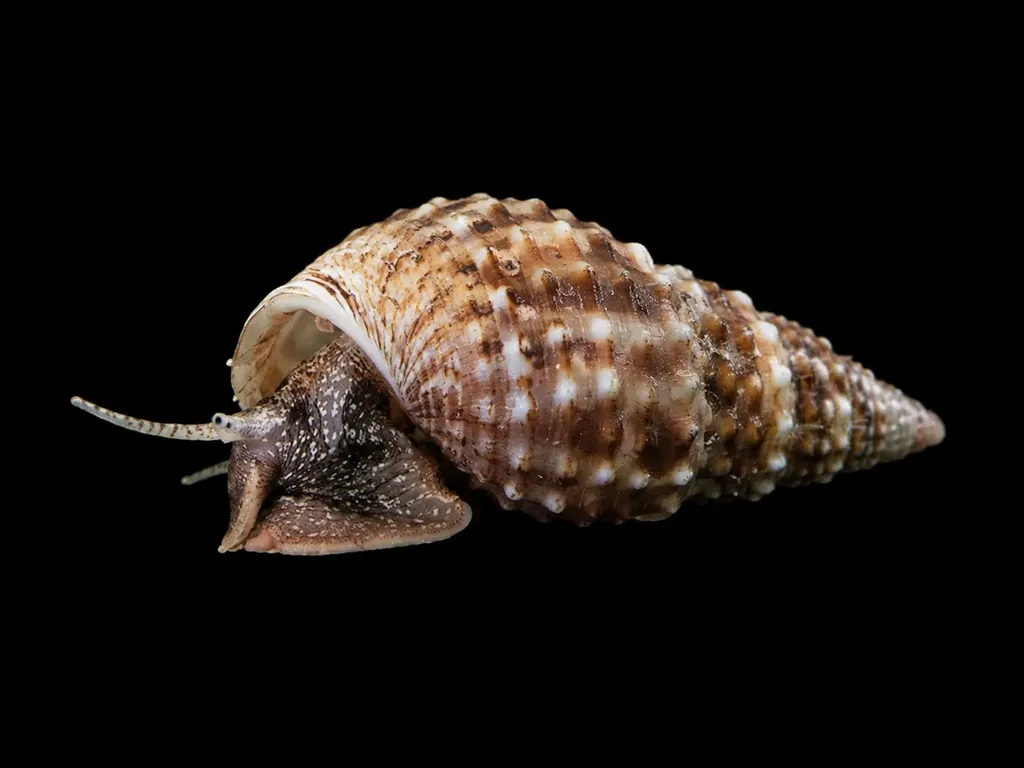
Prambanan snail
Thiara winteri
Freshwater1.6 in (4 cm) · 11 gal (40 L)73–82°F (23–28°C)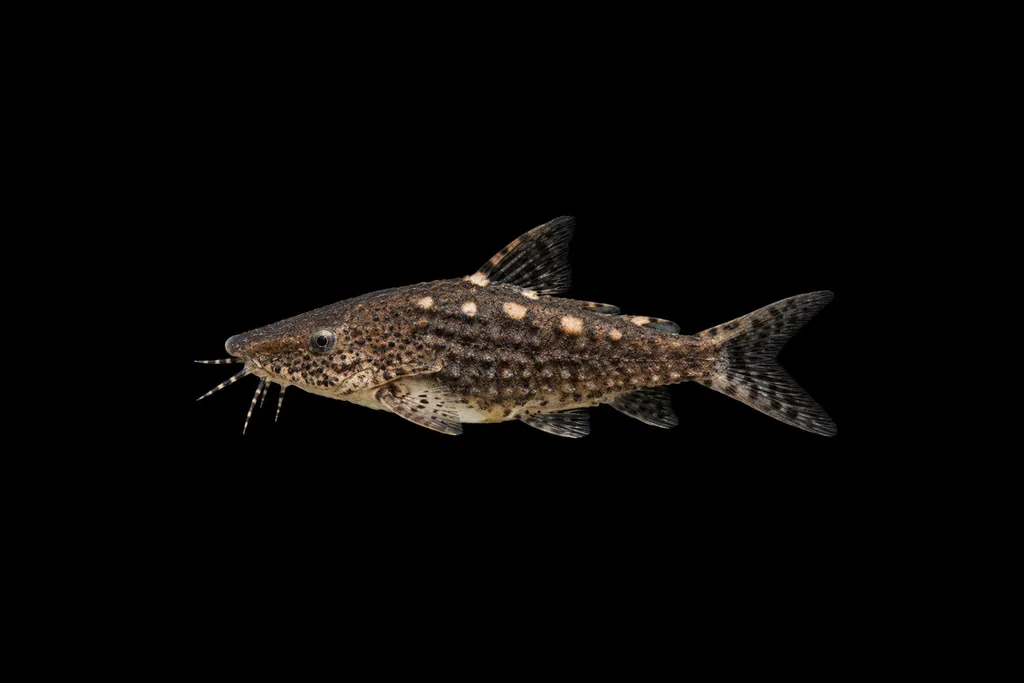
Dwarf warty catfish
Parakysis notialis
Freshwater1 in (2.5 cm) · 11 gal (40 L)73–82°F (23–28°C)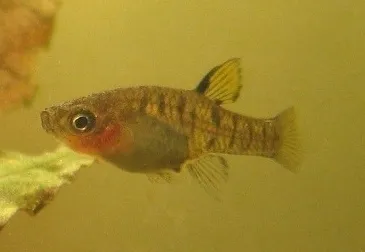
Black-barred livebearer
Quintana atrizona
Freshwater1.3 in (3.4 cm) · 11 gal (40 L)72–82°F (22–28°C)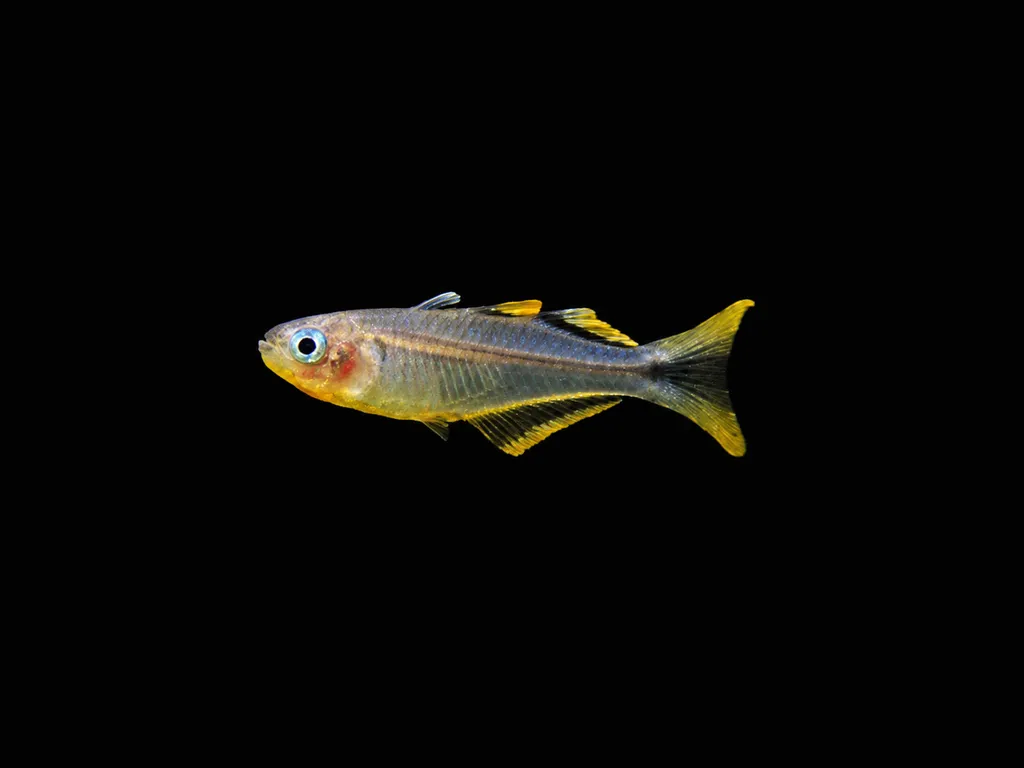
Popondetta blue-eye
Pseudomugil connieae
Freshwater2 in (5 cm) · 11 gal (40 L)75–82°F (24–28°C)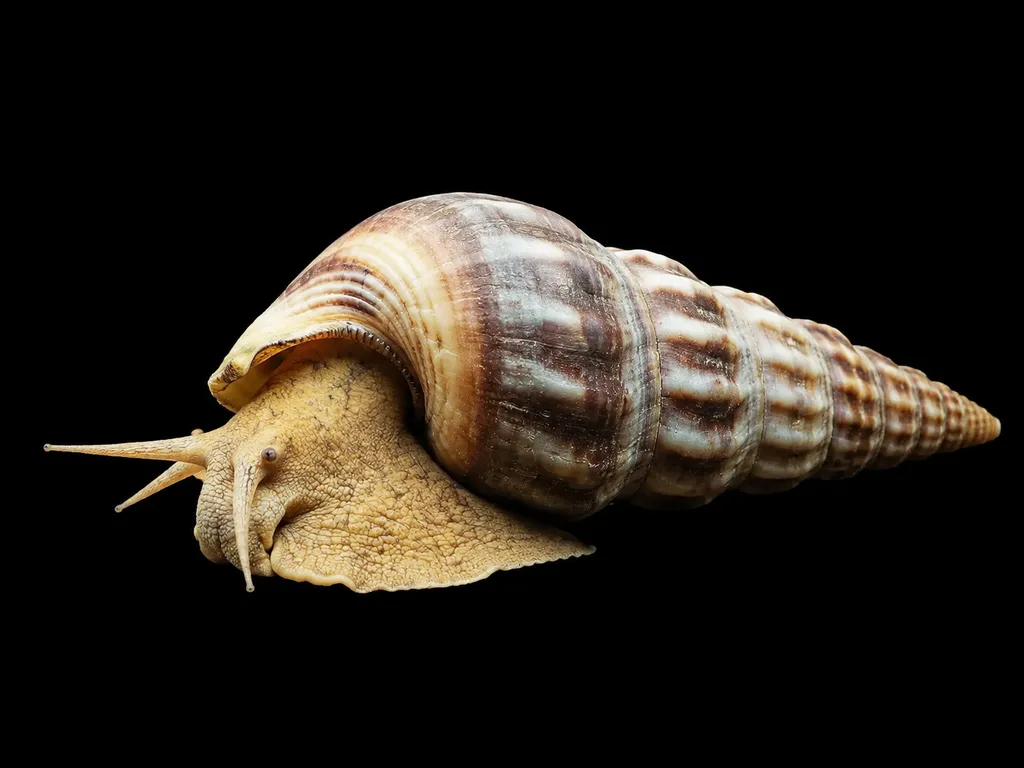
Hercules snail
Brotia herculea
Freshwater3.1 in (8 cm) · 11 gal (40 L)73–82°F (23–28°C)
Common questions
What size tank does a glowlight carplet need?
A glowlight carplet needs at least 11 gal (40 L). It spends most of its time in the middle.
What temperature and pH does a glowlight carplet need?
A glowlight carplet is comfortable at 75–82°F (24–28°C) with a pH of 6.0–7.5.
What does a glowlight carplet eat?
A glowlight carplet eats small foods such as micro pellets and crushed flake. Frozen or live cyclops, daphnia and baby brine shrimp suit it as well.
How big does a glowlight carplet get?
An adult glowlight carplet reaches about 1.2 in (3 cm).
Does a glowlight carplet need a group?
Yes. A glowlight carplet is a schooling species and should be kept in a group, not singly.
How does a glowlight carplet breed?
Glowlight carplets are egg scatterers, and dense planting gives them spawning cover. Breeding them is of moderate difficulty.
Related species
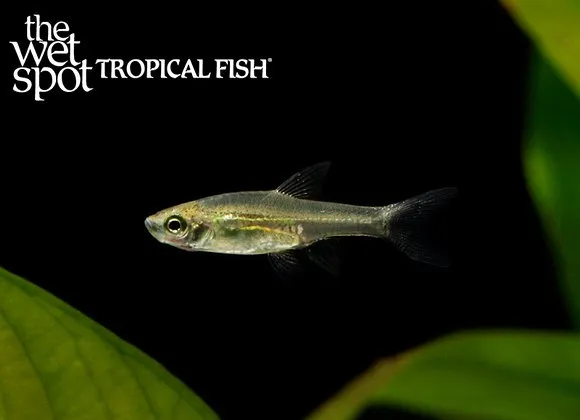 1 in (2.5 cm)11 gal (40 L)75–82°F (24–28°C)
Indian glowlight carplet
Horadandia brittani
1 in (2.5 cm) · 11 gal (40 L)
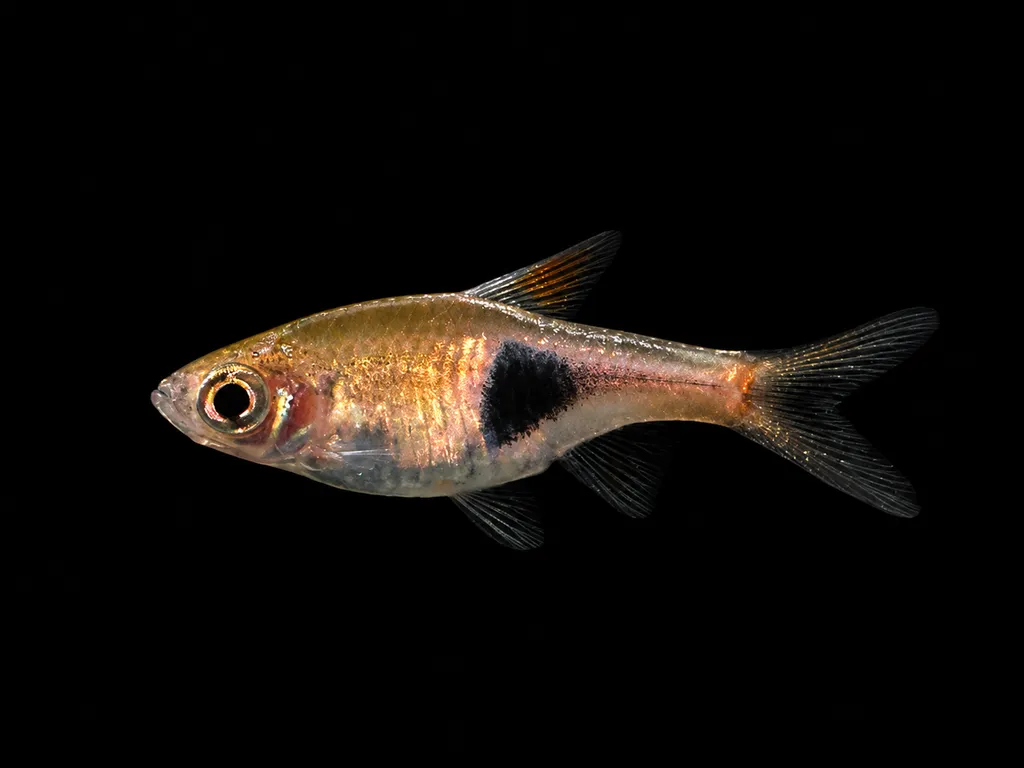 1.2 in (3 cm)14 gal (54 L)72–81°F (22–27°C)
Malayan harlequin rasbora
Trigonostigma truncata
1.2 in (3 cm) · 14 gal (54 L)
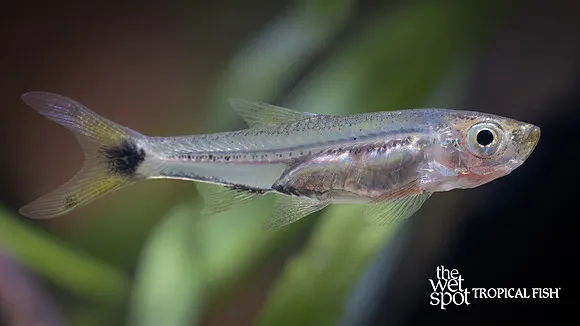 1.3 in (3.2 cm)11 gal (40 L)72–81°F (22–27°C)
Dwarf scissortail rasbora
Rasbosoma spilocerca
1.3 in (3.2 cm) · 11 gal (40 L)
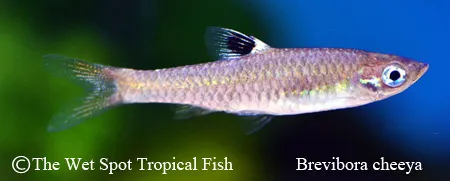 1.3 in (3.4 cm)14 gal (54 L)72–81°F (22–27°C)
Cheeya rasbora
Brevibora cheeya
1.3 in (3.4 cm) · 14 gal (54 L)
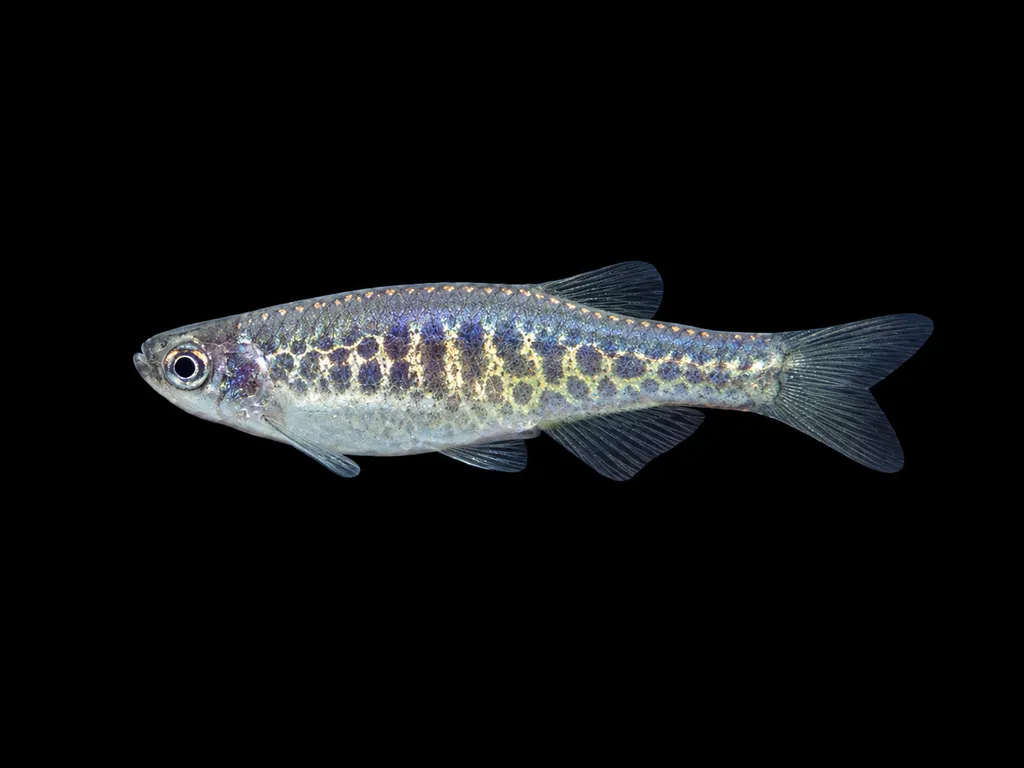 1.4 in (3.6 cm)14 gal (54 L)72–79°F (22–26°C)
Panther danio
Danio aesculapii
1.4 in (3.6 cm) · 14 gal (54 L)
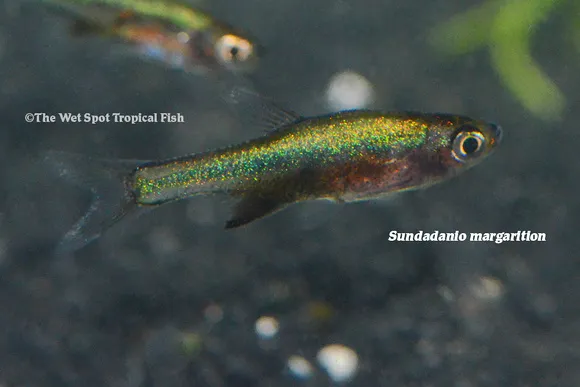 0.9 in (2.4 cm)11 gal (40 L)73–81°F (23–27°C)
Pearl sundadanio
Sundadanio margarition
0.9 in (2.4 cm) · 11 gal (40 L)