Pearl sundadanio
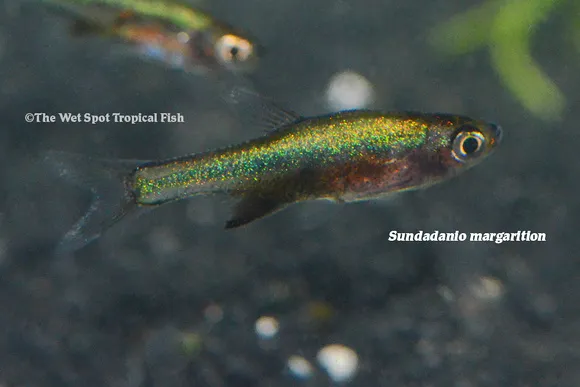
Sundadanio margarition
Also known as Little pearl sundadanio
FreshwaterFish
Care at a glance
- Temperature
- 73–81°F
- 23–27°C
- pH
- 4.5–6.5
- Adult size
- 0.9 in
- 2.4 cm
- Minimum tank
- 11 gal
- 40 L
- Temperament
- Peaceful
- Social behavior
- Schooling
- Swim level
- Middle
- Difficulty
- Difficult
- Breeding
- Egg scatterer · Hard
- Rarity
- Rare
- Family
- Danionidae
- Origin
- Rajang and Sarawak basins, Malaysian Borneo
Overview
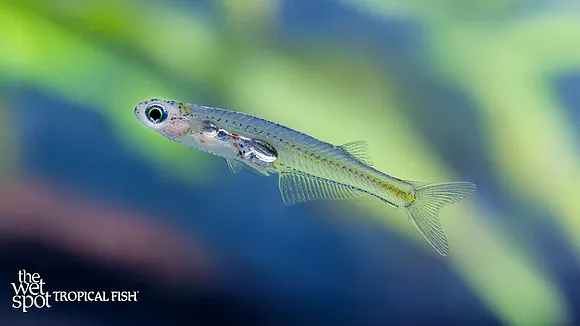
The pearl sundadanio is a tiny, delicate blackwater shoaling fish, best left to experienced keepers.
Caring for the pearl sundadanio
Pearl sundadanios need a quiet, mature tank that is planted, shaded and dim. A tank of 11 gal (40 L) or larger is enough for a shoal, provided water quality stays high. Filter it gently and use a dark substrate. Leaf litter, botanicals or peat lower the pH and hold it there.
Hold the temperature at 73 to 81°F (23 to 27°C) and the pH at 4.5 to 6.5. Feed very small foods several times over, such as microworm, baby brine shrimp, cyclops and finely crushed flake.
Keep at least ten together, since they only look their best in a group. They shoal in the middle of the tank and are entirely peaceful, but too small and particular to mix with anything boisterous. The safest companions are other micro species that share their soft, acidic water, or no tank mates at all.
Pearl sundadanios are egg scatterers, and breeding them is difficult. They need stable, very soft, acidic water to breed, and tiny live foods to raise the fry.
Good to know
Sundadanio margarition belongs to the family Danionidae and is among the smallest fish in the trade. A nacreous sheen runs along its flanks. It was one of several species split from the old catch-all Sundadanio axelrodi in a 2011 revision of the genus.
In the wild
The pearl sundadanio lives in blackwater peat-swamp streams of the Rajang and Sarawak drainages in Malaysian Borneo. The water there is stained dark by tannins, very soft and acidic, and moves slowly under shade.
Weekly picks
Tank mates
The pearl sundadanio is a peaceful, schooling species that keeps to the middle. These picks share a community profile with it, are safe together in both directions, and overlap on water type, temperature and pH.
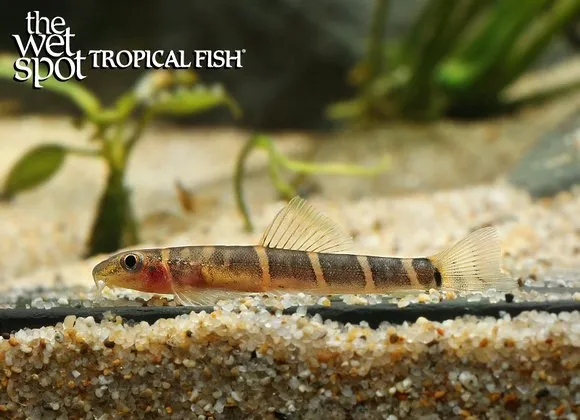
Fire-eyed loach
Barbucca diabolica
Freshwater1.2 in (3 cm) · 11 gal (40 L)72–79°F (22–26°C)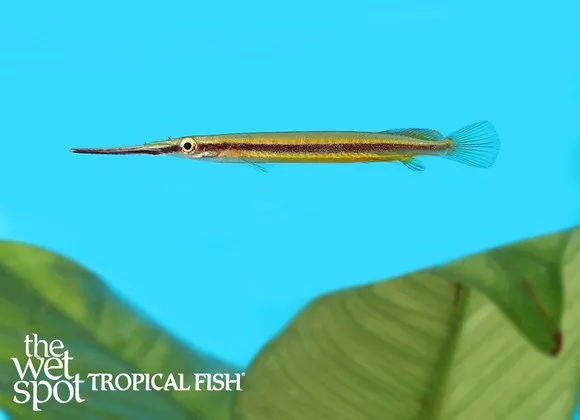
Borneo gold spot halfbeak
Hemirhamphodon tengah
Freshwater1.8 in (4.5 cm) · 11 gal (40 L)73–81°F (23–27°C)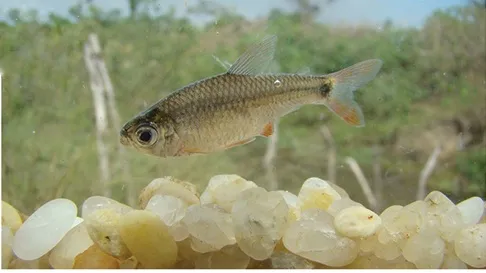
Piaba tetra
Serrapinnus piaba
Freshwater1.6 in (4 cm) · 11 gal (40 L)72–82°F (22–28°C)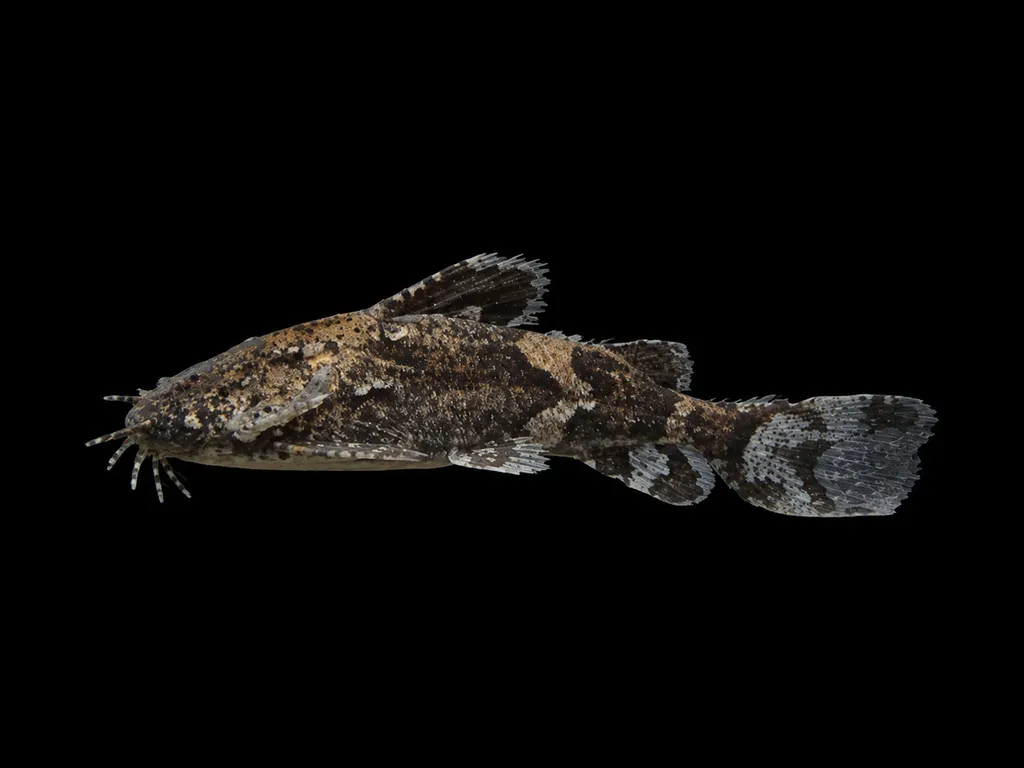
Burmese mini moth catfish
Hara minuscula
Freshwater1.2 in (3 cm) · 11 gal (40 L)68–79°F (20–26°C)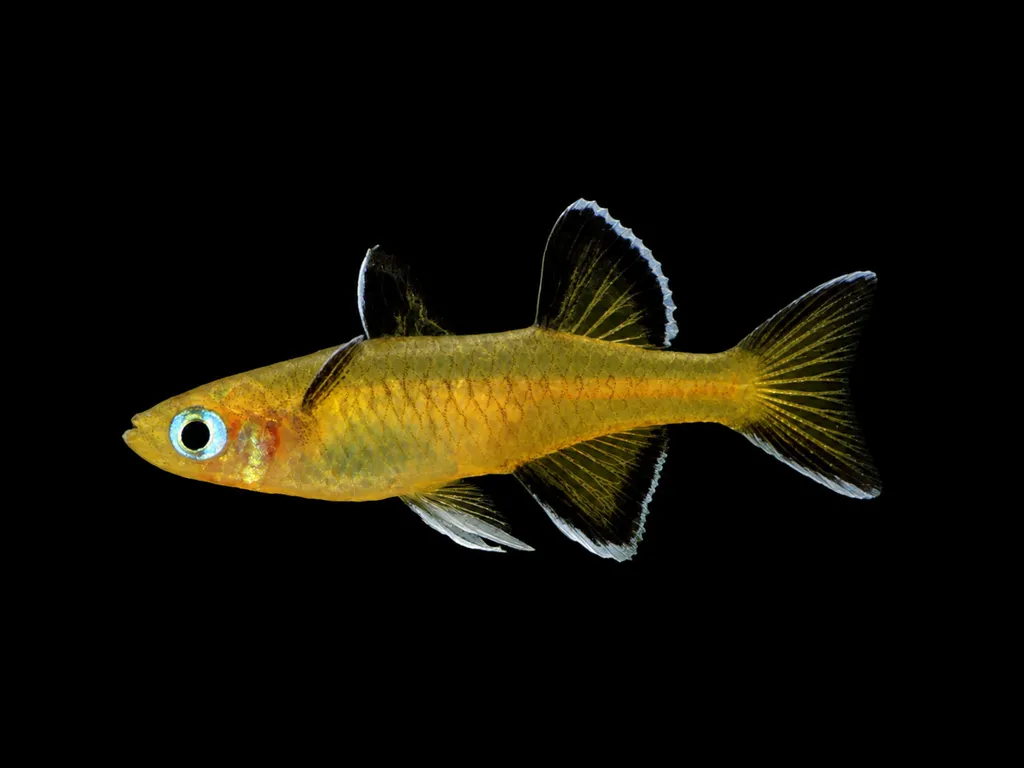
Honey blue-eye
Pseudomugil mellis
Freshwater1.4 in (3.5 cm) · 11 gal (40 L)68–82°F (20–28°C)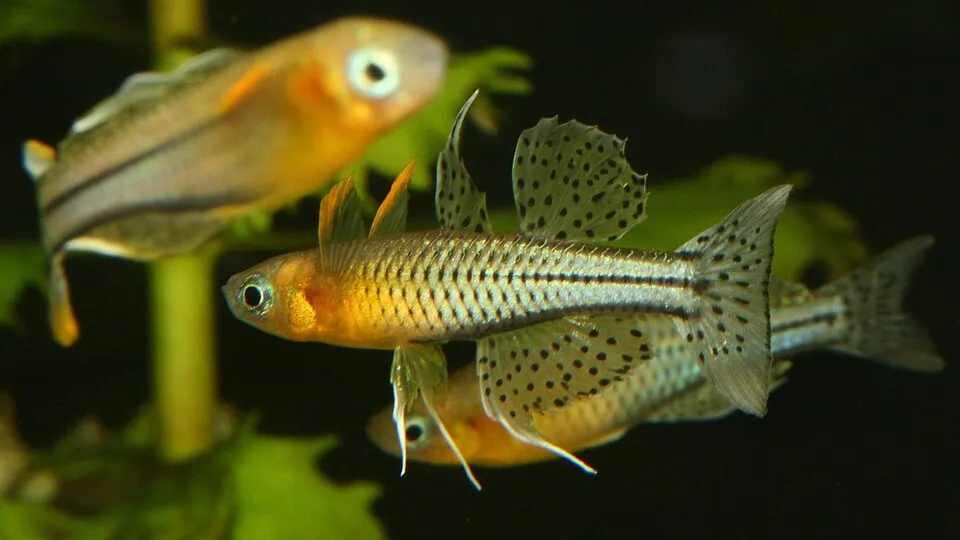
Spotted blue-eye
Pseudomugil gertrudae
Freshwater1.5 in (3.8 cm) · 11 gal (40 L)70–82°F (21–28°C)
Common questions
What size tank does a pearl sundadanio need?
A pearl sundadanio needs at least 11 gal (40 L). It spends most of its time in the middle.
What temperature and pH does a pearl sundadanio need?
A pearl sundadanio is comfortable at 73–81°F (23–27°C) with a pH of 4.5–6.5.
What does a pearl sundadanio eat?
A pearl sundadanio eats very small foods, offered several times over. Microworm, baby brine shrimp, cyclops and finely crushed flake all suit it.
How big does a pearl sundadanio get?
An adult pearl sundadanio reaches about 0.9 in (2.4 cm).
Does a pearl sundadanio need a group?
Yes. A pearl sundadanio is a schooling species and should be kept in a group, not singly.
How does a pearl sundadanio breed?
Pearl sundadanios scatter their eggs, and breeding them is difficult. They need stable, very soft, acidic water, and the fry need tiny live foods.
Related species
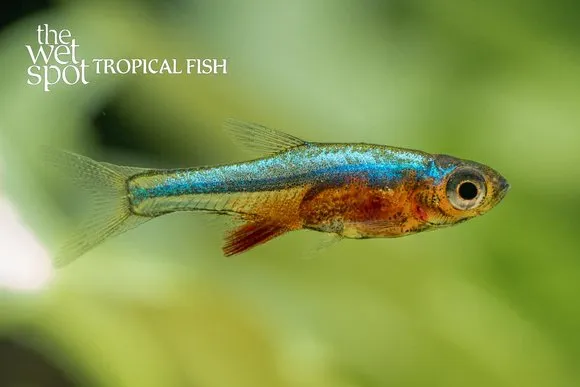 0.9 in (2.3 cm)11 gal (40 L)73–81°F (23–27°C)
Goblin sundadanio
Sundadanio goblinus
0.9 in (2.3 cm) · 11 gal (40 L)
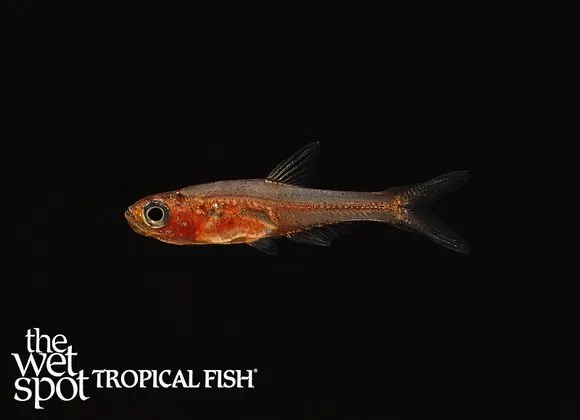 0.9 in (2.3 cm)11 gal (40 L)73–81°F (23–27°C)
Ruby sundadanio
Sundadanio rubellus
0.9 in (2.3 cm) · 11 gal (40 L)
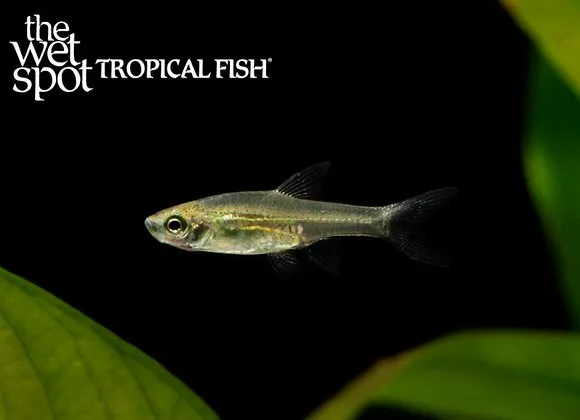 1 in (2.5 cm)11 gal (40 L)75–82°F (24–28°C)
Indian glowlight carplet
Horadandia brittani
1 in (2.5 cm) · 11 gal (40 L)
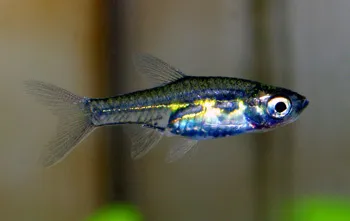 1.2 in (3 cm)11 gal (40 L)75–82°F (24–28°C)
Glowlight carplet
Horadandia atukorali
1.2 in (3 cm) · 11 gal (40 L)
 1.2 in (3 cm)14 gal (54 L)72–81°F (22–27°C)
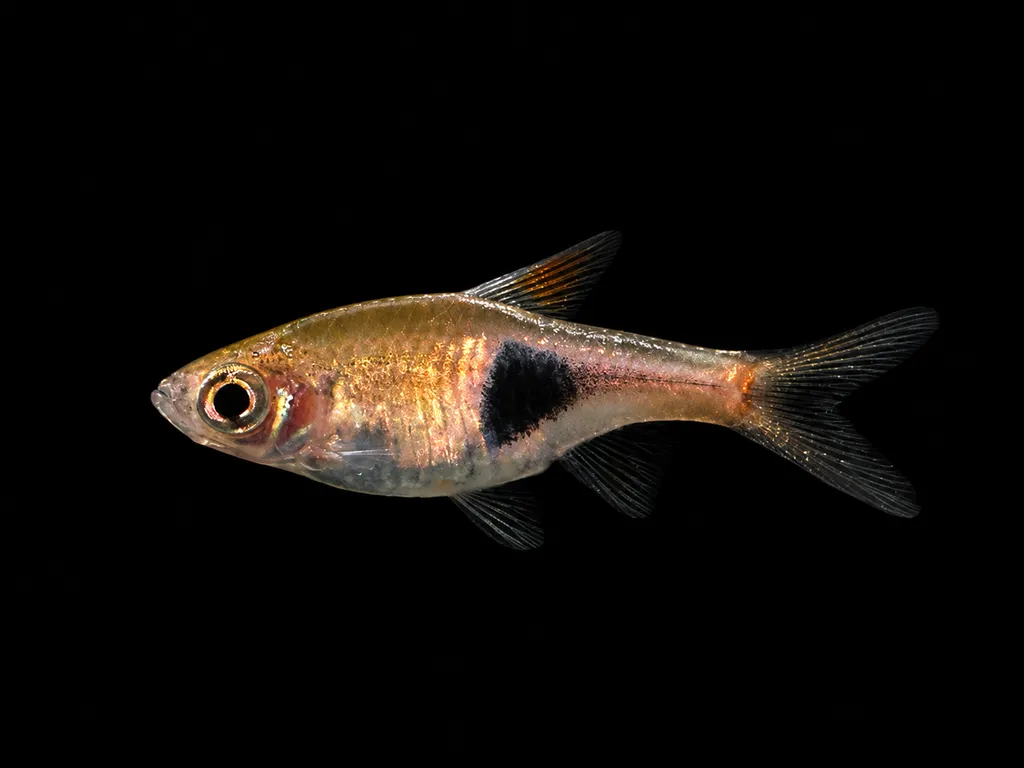
Malayan harlequin rasbora
Trigonostigma truncata
1.2 in (3 cm) · 14 gal (54 L)
 0.7 in (1.9 cm)11 gal (40 L)72–79°F (22–26°C)
Bengal glass danio
Danionella priapus
0.7 in (1.9 cm) · 11 gal (40 L)